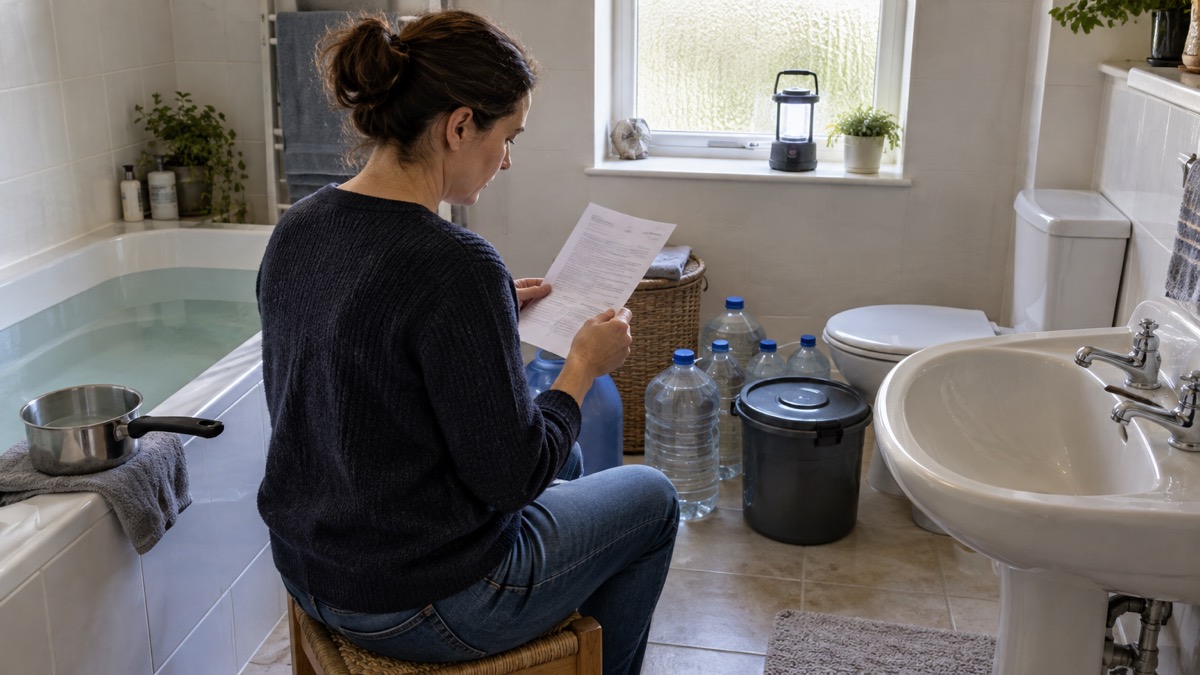
Water in an Emergency: A Household Guide
If your water stops, first establish whether the problem is inside your home or affects the wider supply. Check for an outage, report it to your water company and follow its current advice. If you are on the Priority Services Register, your water company will arrange alternative supplies during an interruption. Anyone whose medical device needs water should make an outage plan with their care team before something happens.1
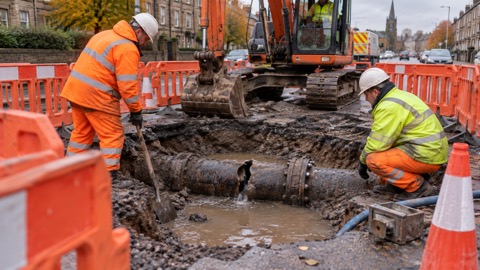
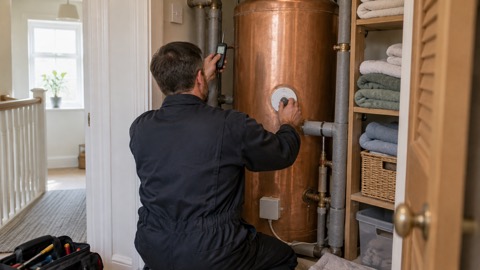
Prepare before the taps run dry: keep 3 litres of bottled water per person per day for at least 3 days. More is needed for cooking and washing.2 If a pipe bursts in your home, the Met Office advises turning off the incoming water at the stop tap and switching off your boiler.3
If your water stops or a pipe bursts
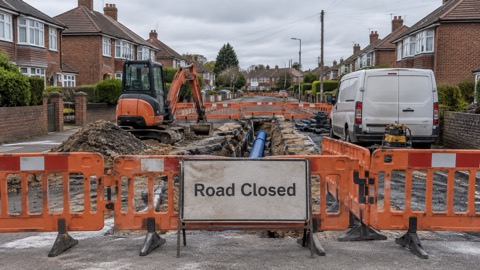
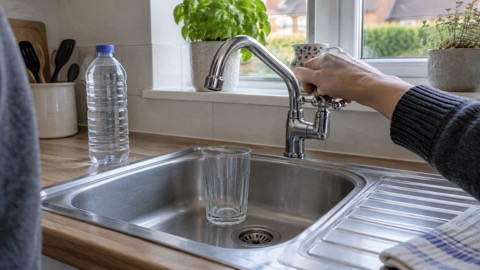
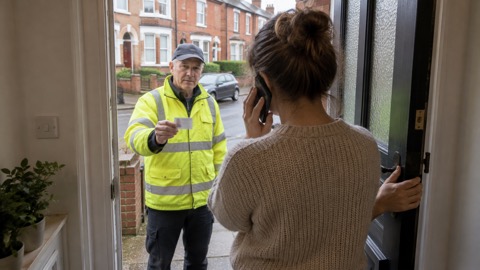
Start by separating a household plumbing problem from a supply interruption. Use the guide to checking whether there is an outage in your area, then report no water or a burst pipe where necessary. Your supplier's incident information is also the place to check how long restoration may take, how it will contact you and how to check that a caller is genuine. For work announced in advance, read about planned work on the mains and prepare before the stated interruption.
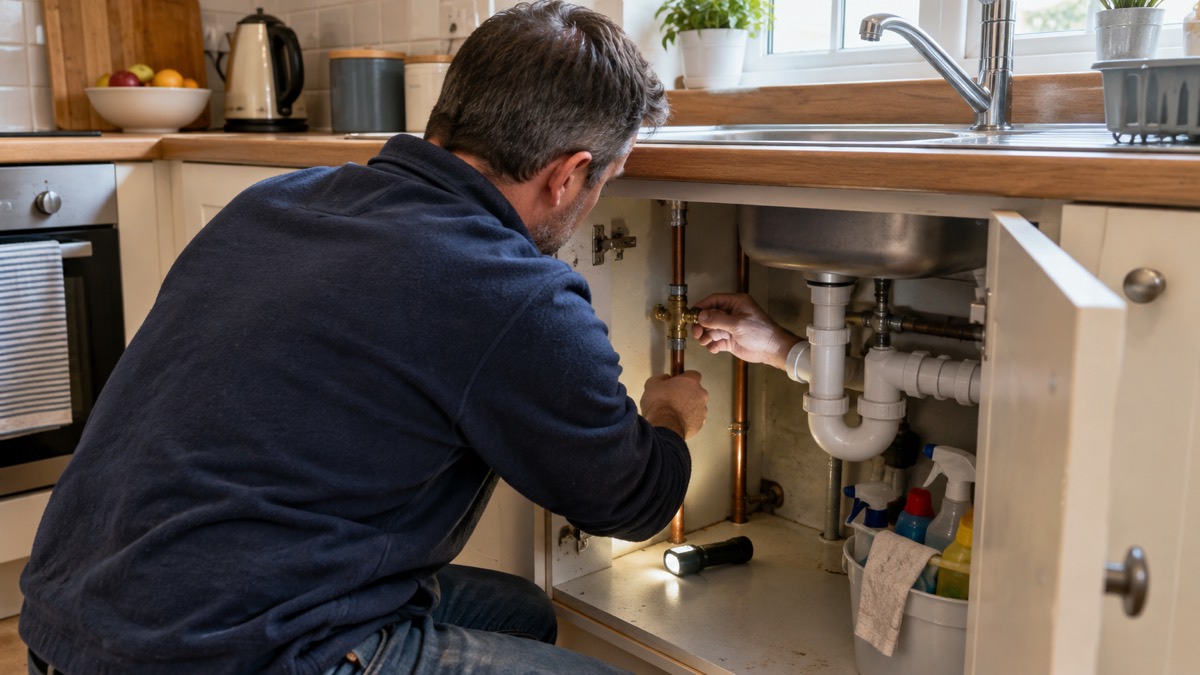
For a burst pipe inside the property, follow this order:
- Turn off the incoming water at the stop tap.
- Switch off your boiler.
- Use your household emergency contacts and supply arrangements.3
Learn where the stopcock is while everything is working; the getting started guide covers this household preparation. The home emergencies guide deals with burst pipes alongside other urgent household failures. Winter preparation can reduce the chance of frozen or burst pipes, so include the checks in the snow and ice guide before cold weather.
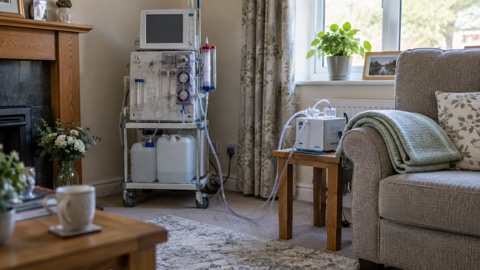
A loss of water needs particular planning where health care takes place at home. Official Prepare guidance says: “If you or a member of your household rely on a medical device that needs water to function, talk to your care team to make a plan for what to do if there is a water outage”.1 The guide to home dialysis and medical needs takes that planning further.
Boil water and do not drink notices
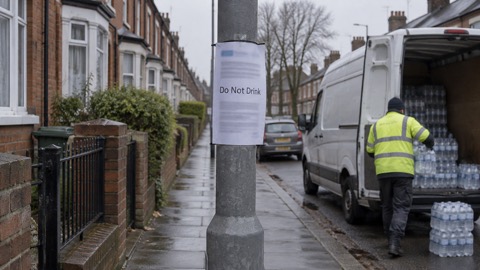
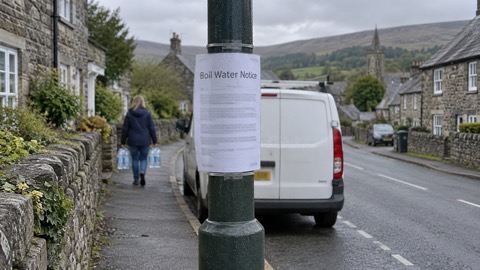
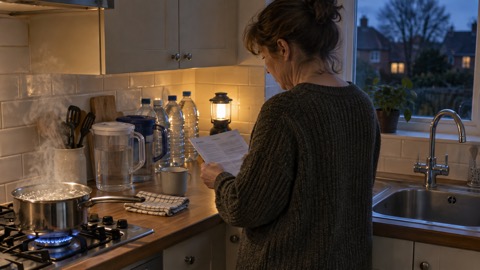
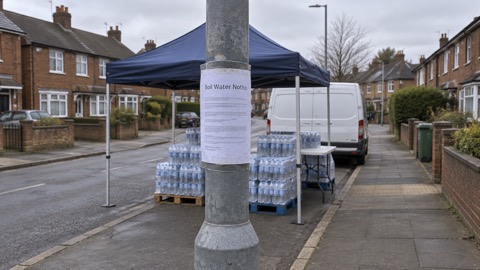
Read the notice applying to your address and follow its current restrictions. The detailed guides explain what to do after a boil water notice and how do not drink and do not use notices differ in what they ask of a household. A boil notice checklist helps organise the household response, while the page on cryptosporidium outbreaks covers that particular kind of incident.
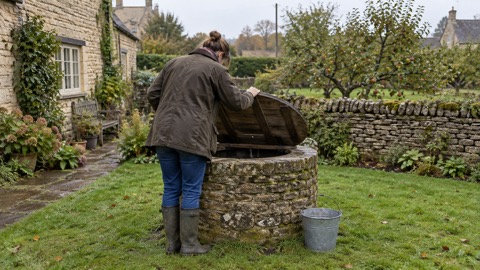
Private supplies need their own precautions. Argyll and Bute Council recommends boiling water before use if you notice changes to a private supply, particularly for young or elderly people, those who are immune-compromised and people not accustomed to consuming it.5 See the guide to private wells, boreholes and springs and the flooding guide where floodwater may have entered wells, tanks or supply equipment.
Flooding can create an electrical danger as well as a water problem. GOV.UK instructs: “do not touch an electrical switch if you're standing in water”.6
For questions about an apparently normal public supply, see is tap water safe to drink. Do not assume that an unusual taste, smell or appearance identifies the cause; the later section on returning supplies links to the relevant checks.
How much water to store
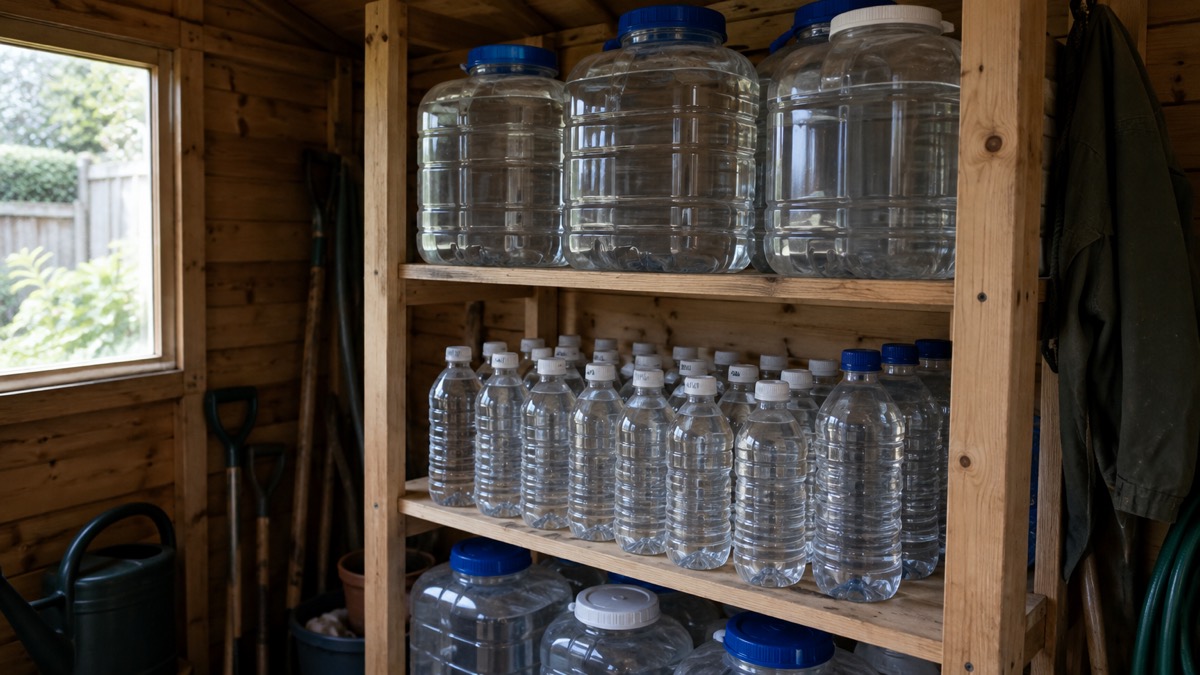
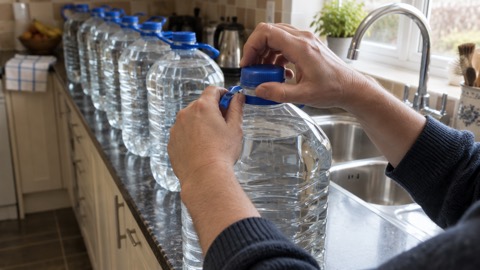
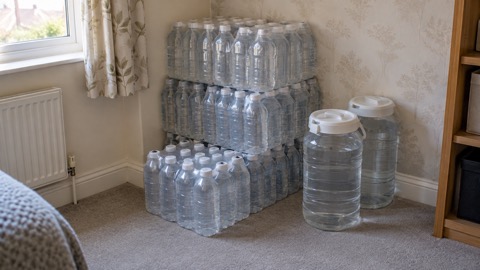
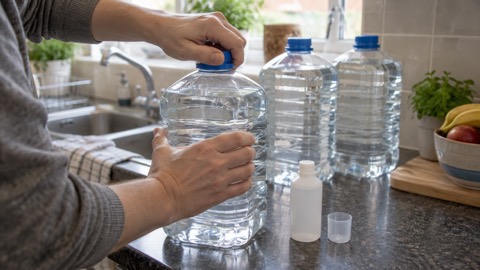
The official household figure is 3 litres per person per day for at least 3 days, for drinking.2 The Be Ready checklist repeats that amount and states that more would be needed for tasks such as cooking and washing.4 Prepare's power-cut guidance likewise says to keep at least three days' worth of bottled water at 3 litres per person per day.7
| Household need | What to allow |
|---|---|
| Drinking | 3 litres per person per day for at least 3 days2 |
| Cooking and washing | More than the drinking allowance4 |
| Pets, baby formula and medical devices | Additional water may be needed8 |
Use the detailed guide to how much drinking water to store per person to apply the allowance to your circumstances. The supply interruption checklist brings water together with the other items needed at home, and the storage checklist covers the store itself.
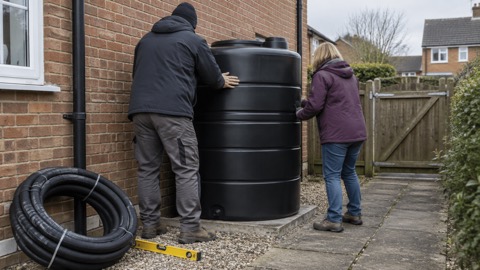
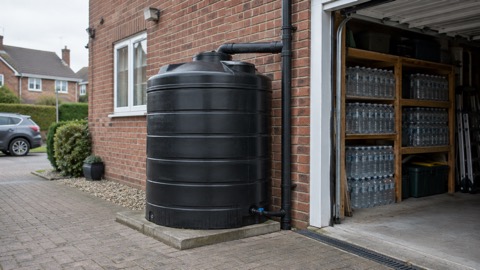
The choice between containers depends on the space and supply you are preparing. Storage tanks or bottled supplies compares those approaches without changing the basic official allowance. Families using formula should treat readily available water as essential, and should also consider ready-made formula in their supplies.9
Storing water at home
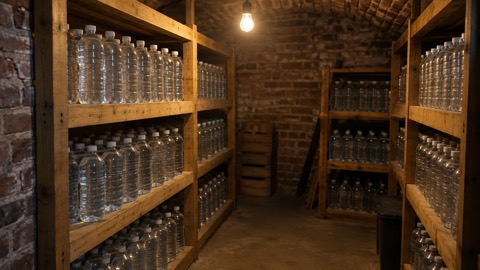
Official local guidance recommends keeping bottled water and ready-to-eat food, such as tinned food, together with a tin opener.10 Greater Manchester's resilience guidance adds non-perishable tinned meat, fruit or vegetables that do not need cooking, plus ready-made baby formula and pet food where needed.11 Keep some water accessible rather than treating every container as part of a remote, difficult-to-reach store.
- At home: maintain a supply of bottled water alongside food that does not need cooking.11
- In a grab bag: include bottled water among the essentials.12
- When leaving: Ready Scotland advises taking emergency items in a waterproof bag.12
- For regular household resilience: an NHS integrated care board recommends a small supply of long-life food, drinking water, toiletries and prescription medicines, with additional supplies for babies, young children and pets.13
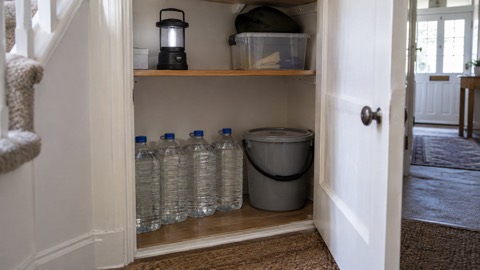
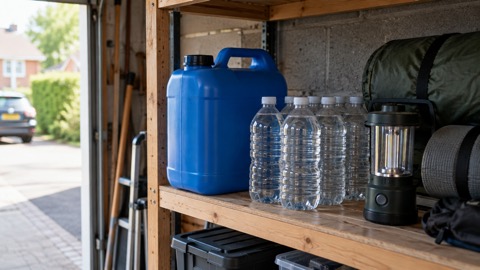
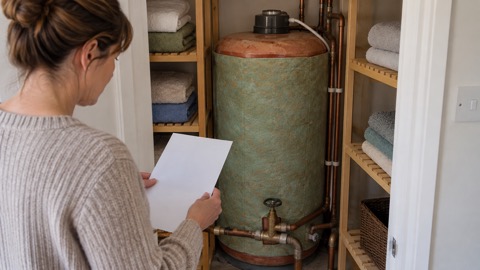
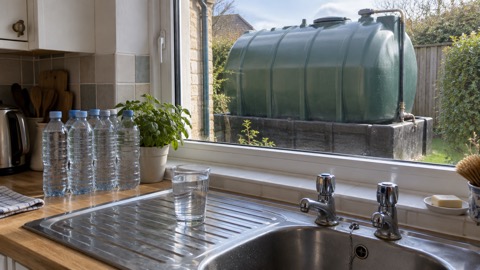
The detailed pages cover storing tap water safely, storing bottled water, suitable containers and jerrycans and larger household storage tanks. Before an interruption, it also helps to understand usable supplies already in your pipes, cistern and cylinder.
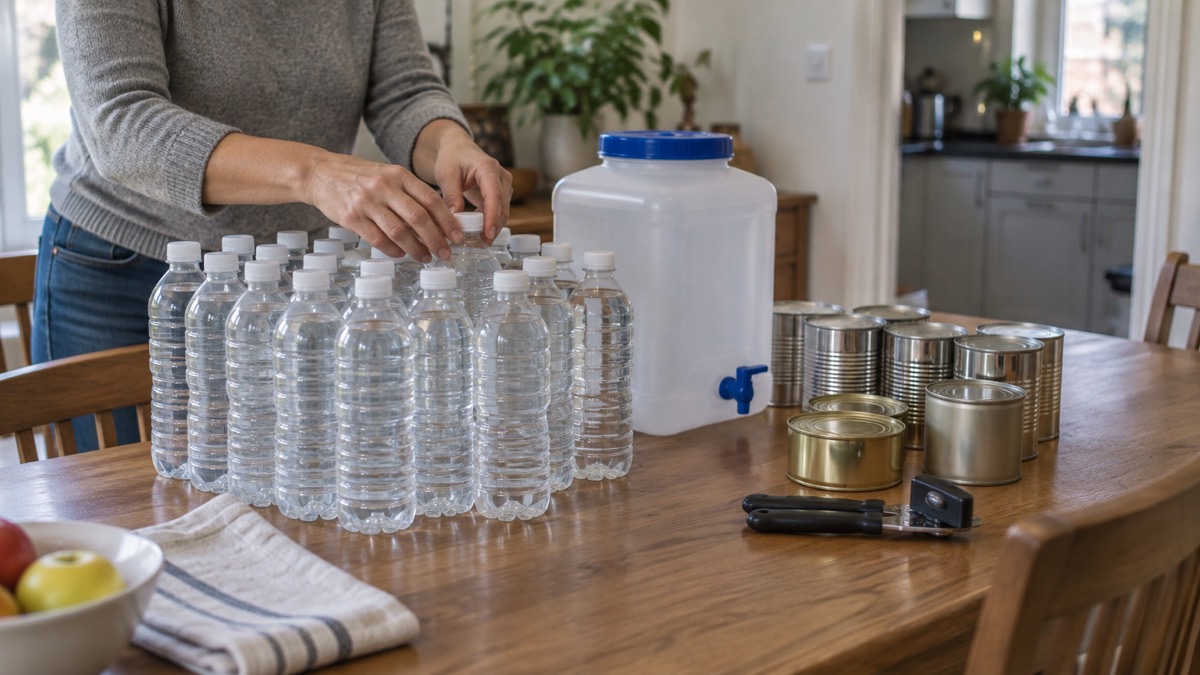
Rainwater can have a separate role for non-drinking uses. The water harvesting guide explains collection at household level; it does not replace the official bottled drinking-water allowance.
Making water safe to drink
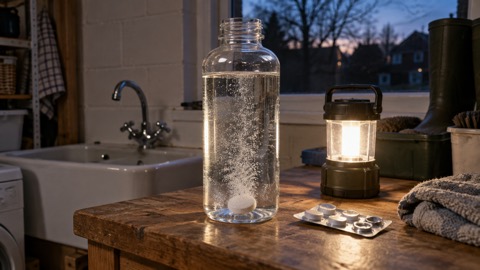
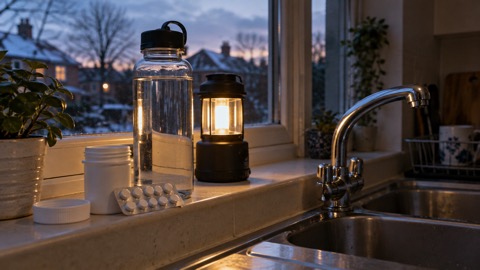
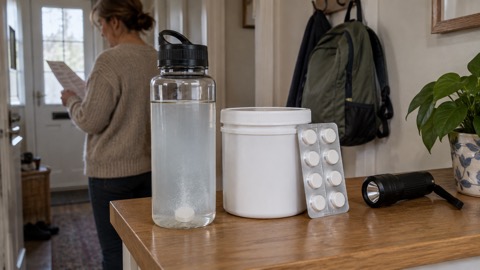
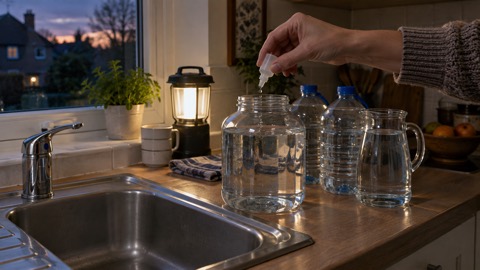
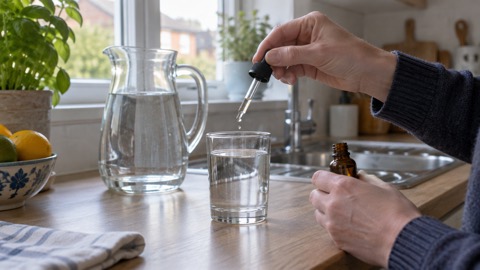
Prepare guidance says that boiling alternative-source water or adding water purification tablets can help make it safer to drink in an emergency.1 Lincolnshire's emergency-kit guidance includes water purification tablets.14 These are emergency treatment measures, not a reason to disregard a current notice from your supplier.
Start with the overview of making water safe to drink, then use the method-specific guidance:
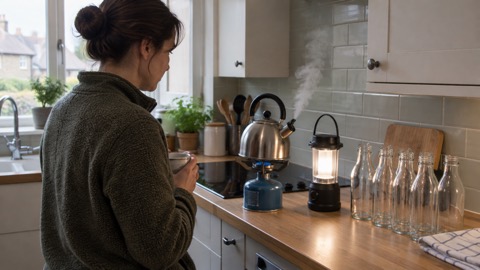
- Boiling to kill germs explains the process, and keeping boiled water in the fridge covers storage afterwards.
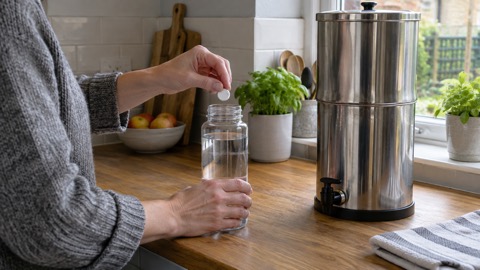
- Purification tablets explains chlorine, chlorine dioxide and silver products, with separate guidance on tablet shelf life.
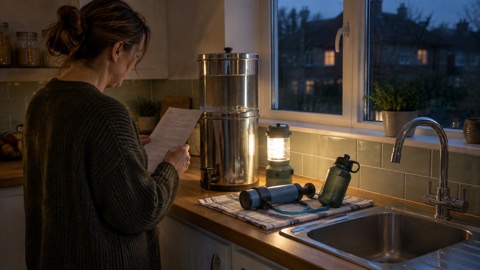
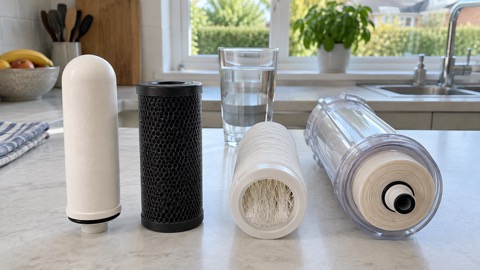
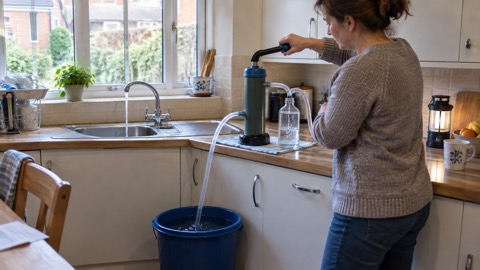
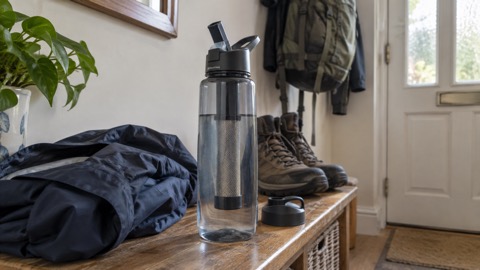
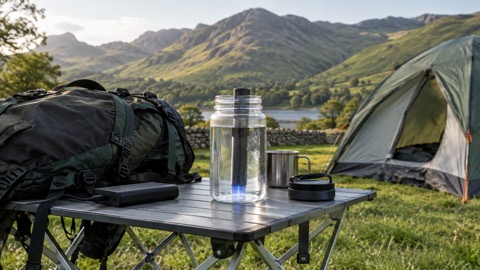
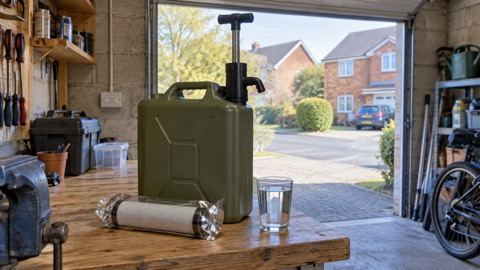
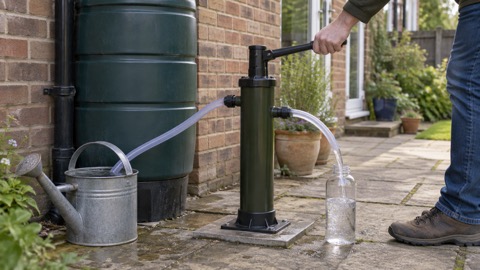
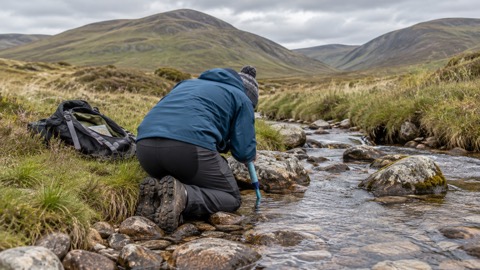
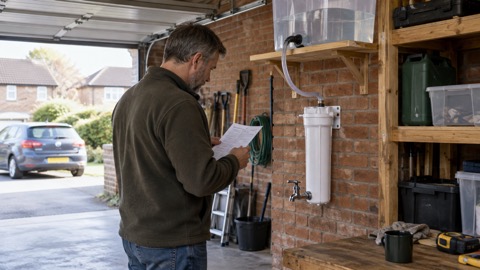
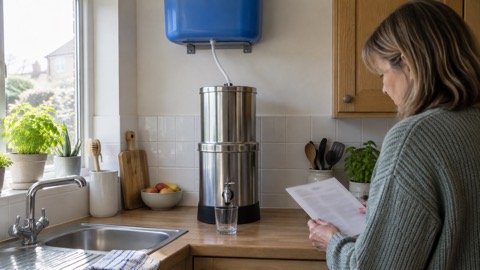
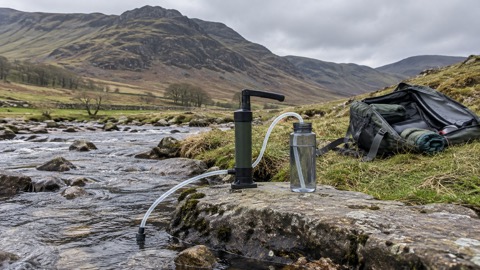
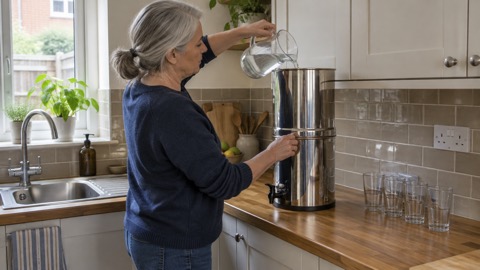
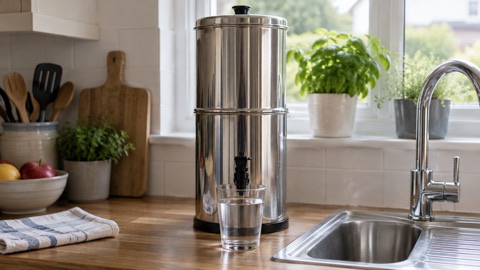
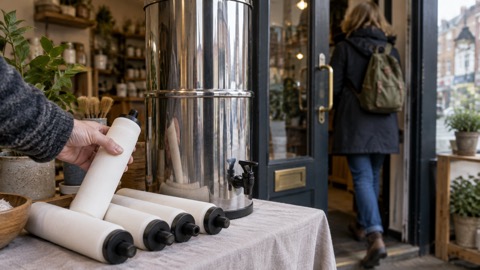
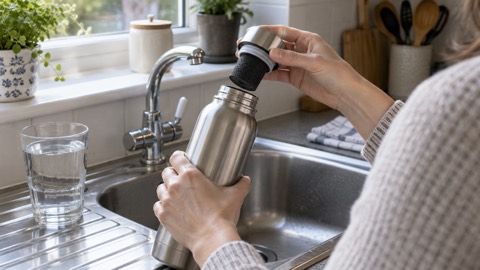
- Emergency filters introduces gravity, pump, bottle and straw types, while what filters remove explains ceramic, carbon, hollow-fibre and reverse-osmosis claims.
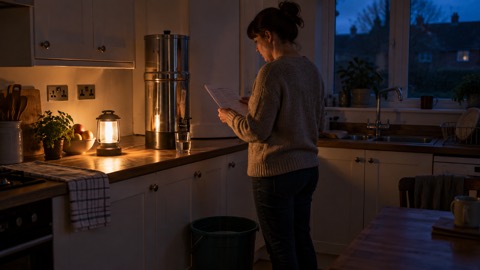
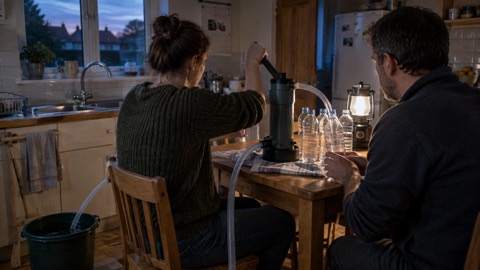
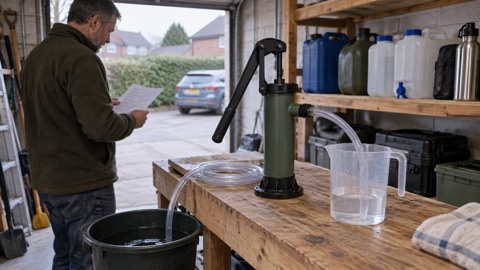
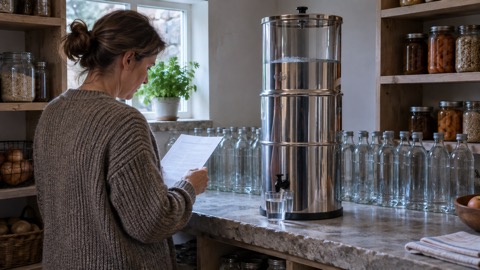
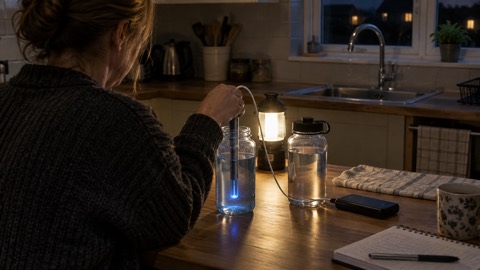
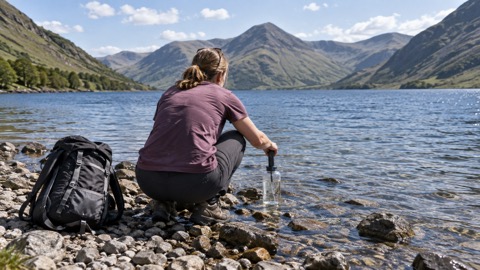
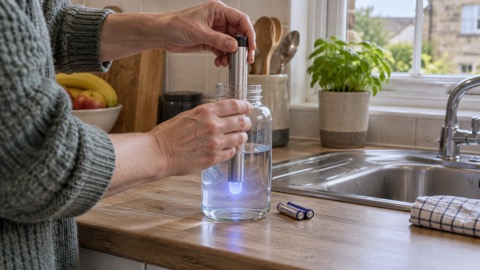
- More detailed pages cover gravity filters and ceramic candles, hand pump filters, filter bottles and straw filters and UV purifier pens.
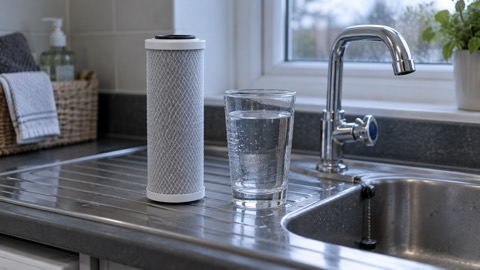
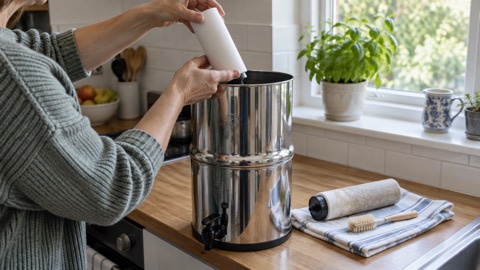
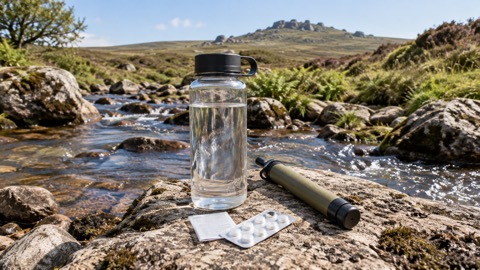
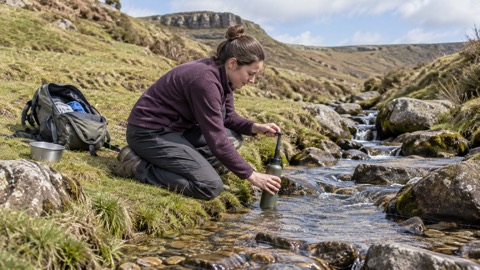
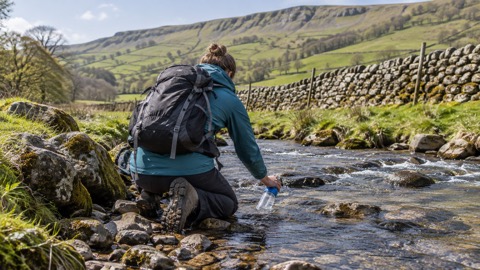
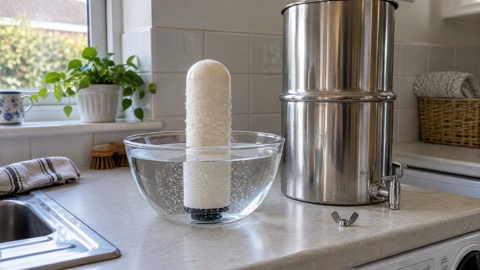
Treatment equipment needs informed use. Check filter claims and certification and follow filter priming, cleaning, cartridge and frost care. For collected water, read drinking from streams, rivers and other sources rather than assuming that clear water is safe.
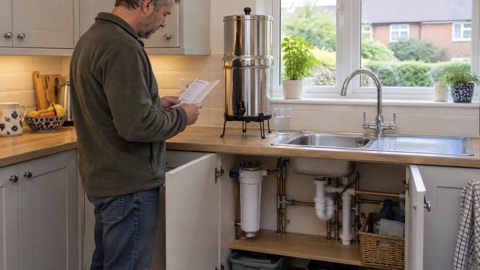
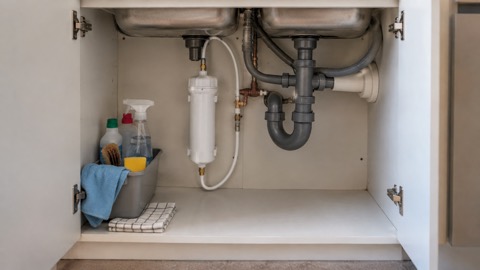
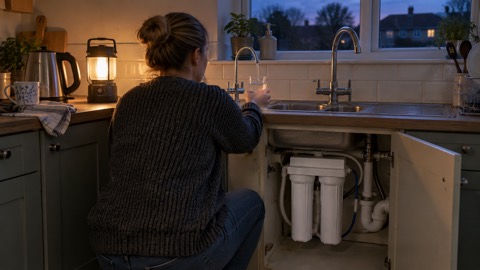
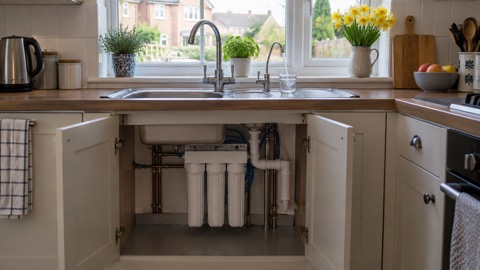
Two comparisons help narrow the choice by circumstance: purification tablets or a gravity filter and a gravity filter or an under-sink filter. They explain the methods; the official emergency instruction remains that boiling or purification tablets can help make alternative sources safer.1
Bottled water stations and deliveries
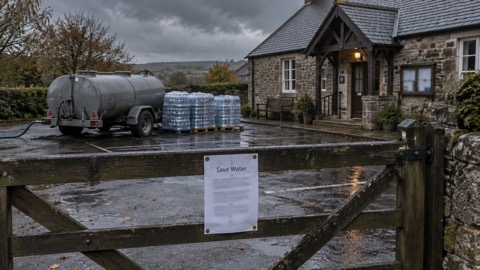
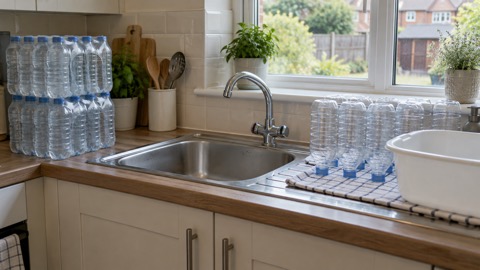
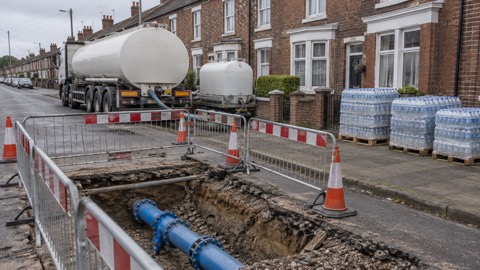
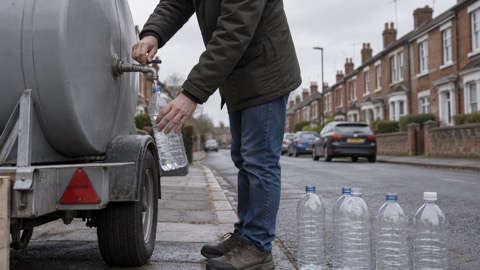
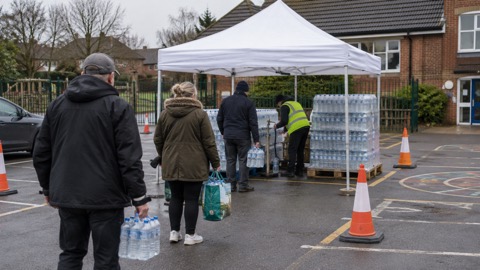
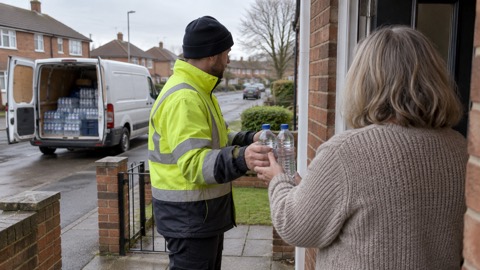
Water providers may keep households supplied through alternative arrangements. Wiltshire and Swindon Prepared describes distribution points where people go to a designated local area to collect bottled water.9 The guide to bottled supplies, tankers and bowsers explains these arrangements, with dedicated pages on where bottled water stations are set up and how water companies respond to a major incident.
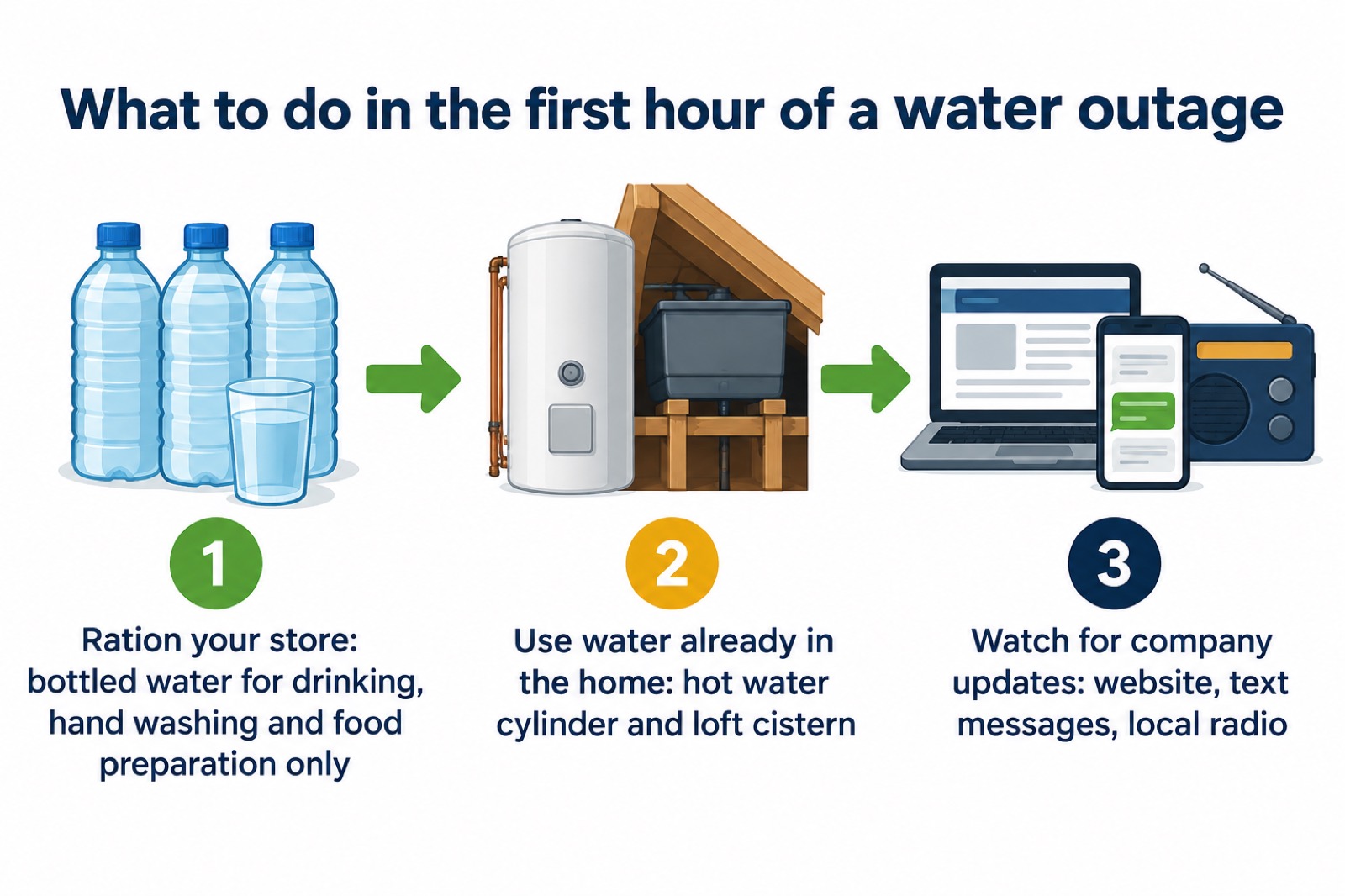
While there is no mains supply, Prepare instructs households to use alternative supplies such as bottled water solely for drinking, washing hands and food preparation.1 That makes the location and accessibility of an alternative supply important, particularly for someone who cannot travel to a collection point.
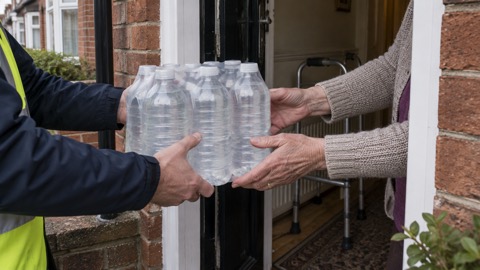
Customers on the Priority Services Register will have alternative supplies arranged by their water company during an outage.1 Read how to get bottled water delivered if you are vulnerable and register before an incident where eligible. Low pressure can have different causes and reporting routes, so use the separate guide to what to do about low pressure rather than assuming every pressure change is a complete outage.
Toilets, washing and the boiler
Keep hygiene supplies with the water store. The Be Ready checklist lists hand sanitiser, wet wipes, hygiene and bathroom products.4 Nottinghamshire guidance also includes sanitary items and toiletries in an emergency kit.10 The wider emergency kit guide helps organise wipes, bags and toilet supplies alongside food, lighting and communications.
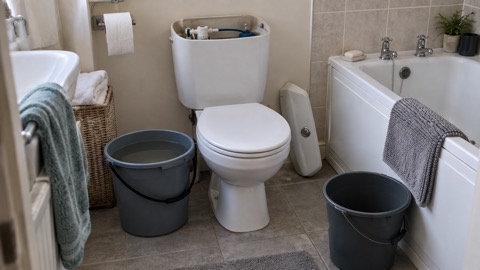
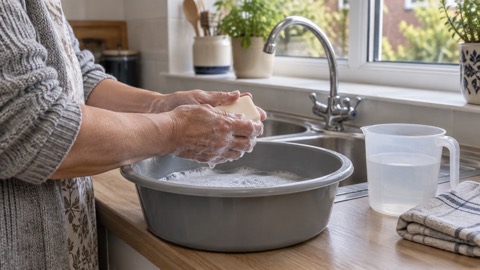
Two practical pages deal with household routines without running water: how to flush the toilet during an outage and how to wash without running water. Collected rainwater is considered here only for non-drinking use; see water harvesting for that separate supply.
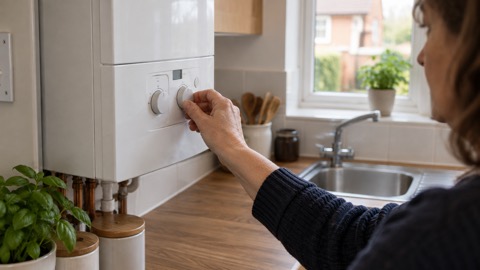
A boiler instruction depends on the problem. For a burst pipe, the Met Office says to turn off the incoming water at the stop tap and switch off your boiler.3 Do not turn that burst-pipe instruction into a general assumption about every supply interruption. The specific question can I use a combi boiler when the water is off deals with that situation separately.
Babies, pets and meals without water
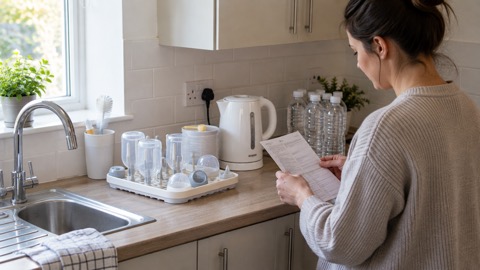
Formula feeding needs advance planning. Wiltshire and Swindon Prepared calls readily available water essential for families feeding a baby formula milk.9 Keep ready-made formula where needed, and read the full guide to babies and formula feeds when the supply is off or unsafe.
Where there is no gas or electricity for boiling, nidirect gives this specific instruction:
“use unboiled bottled water (table, spring or mineral water) to make a baby feed, but you must give the feed to the baby”
The guidance says to give the feed immediately. If no other water is available, it says bottled water with sodium above 200mg/litre should be used for as short a time as possible.15
For pets, Lincolnshire's emergency-kit advice includes drinkable water in plastic bottles.14 Additional water may also be needed for pets, formula and medical devices.8 The pets in an emergency guide covers their wider supplies during an interruption or notice.
Choose food that does not depend on cooking: official guidance suggests ready-to-eat tinned meat, fruit or vegetables and a tin opener, plus ready-made formula and pet food where required.7 The emergency food guide covers stores and meals, including food preparation with boiled or bottled water.
When the water comes back, or looks odd
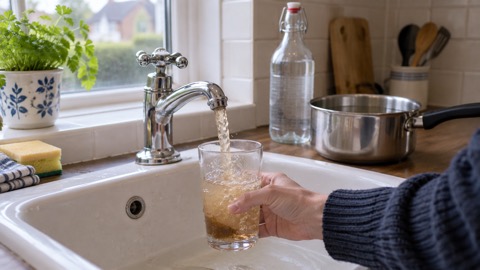
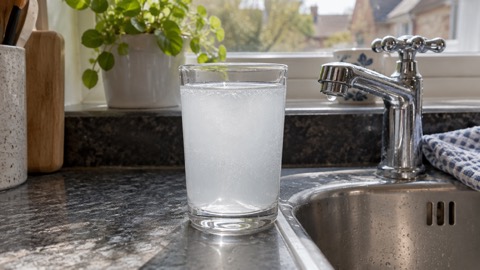
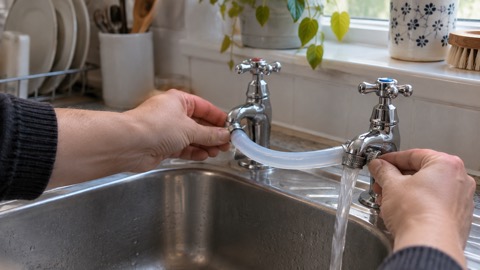
Follow your supplier's current restoration advice and use the guide to what to do when your supply comes back on. If air remains in the household pipework, see how to clear an air lock. Appearance, taste and smell have separate troubleshooting pages: brown or discoloured water, cloudy or milky water, a different taste or smell, a petrol or oil smell and blue, green or pink water. Also see water tasting odd after a holiday and staying safe from legionella at home.
For a private supply affected by flooding or storms, Argyll and Bute Council recommends that associated electrical equipment be inspected and declared fit for use by a suitably qualified electrician before restoring the supply.16 This sits alongside the private supplies and flood safety guidance.
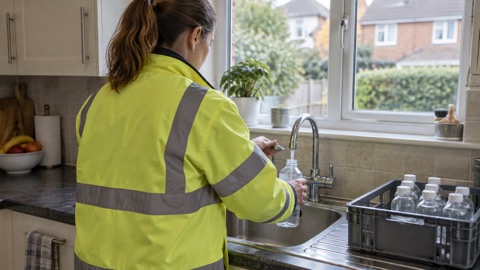
If you complain about public water quality, the Drinking Water Inspectorate says companies will normally take a sample depending on the nature of the complaint. Companies test water daily in your area and provide results free of charge on request; their sampling techniques are accredited and independently verified.17
Lead requires its own route. Where a lead risk exists, water companies treat water with orthophosphate to reduce the problem significantly. They are legally required to replace their communication pipe if it is lead and risks contributing to lead in drinking water.18 The drinking-water regulators guide explains the organisations behind these checks.
The Priority Services Register
Join before an emergency if you may need extra support. For water customers, the central benefit during an interruption is that your water company will arrange alternative supplies.1 Cornwall Council says registration is free and takes only a few minutes, and that the register can provide help during power or water outages, accessible communications and other practical support.19
Ready Scotland lists people who may be eligible, including those who:
- use medical equipment needing power or water;
- are disabled or have a long-term health condition;
- live with children under 5;
- are over 60.20
Providers set different schemes and eligibility criteria, so check the relevant supplier's details.21 Each company keeps its own register.22 Ofgem explains that energy suppliers and network operators both keep registers; if gas and electricity come from different suppliers, contact them separately.23 Your supplier can also pass details to the network operator, particularly where energy is needed for medical reasons.24
Support can be permanent or temporary because of a change in your life.27 Depending on the provider, Ofgem also lists advance notice of scheduled power cuts where possible, an identification and password scheme, a nominee for communications and bills, large-print or braille account information, meter-reading services and help reconnecting gas.23 London guidance emphasises that registration lets suppliers know you need extra support if gas, electricity or water is cut off.28
The extra help guide brings together support for older, disabled and medically dependent households. For water-specific arrangements, see bottled water delivery and home dialysis during an interruption.
Who to contact in each nation
If you do not know your supplier, the Drinking Water Inspectorate says to enter your postcode on the Water UK website.17 Keep the resulting contact details in your household plan.
| Nation | Practical contact or arrangement |
|---|---|
| England | Identify your water company through the Water UK postcode finder and use its current incident and Priority Services Register arrangements.17 |
| Wales | Contact your supplier through the same postcode route. Dŵr Cymru Welsh Water operates a priority service for vulnerable customers.17 |
| Scotland | Ready Scotland lists Scottish Water: 0800 077 8778.12 |
| Northern Ireland | Use the Water UK postcode route if unsure of the supplier; nidirect provides official household guidance relevant to flooding and baby feeds.17 |
A Welsh Government statement following the Maerdy incident reported increased registration for Dŵr Cymru Welsh Water's priority service and highlighted its importance for customers identifying as vulnerable before an incident.29
Water companies are also responsible for removing and treating waste water. After flooding, Mid and West Wales Fire and Rescue Service says they will assist where possible in reducing water escaping from the system and tidy areas where sewage has been deposited once flooding has subsided.30
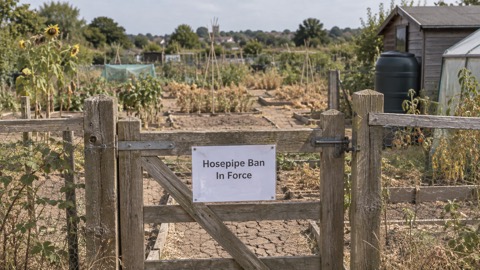
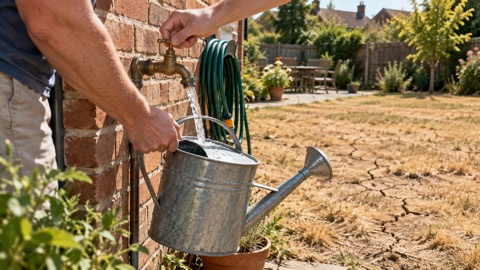
Drought is related but different from a sudden outage. Hosepipe bans and temporary use bans are signs of wider supply pressure, so use the drought guide for that situation. Ofwat describes resilience measures such as transferring water between supply zones and taking bulk supplies from other companies where possible.31 In England, companies must publish a drought plan every 5 years and prepare a water resources management plan every 5 years covering at least the next 25 years.32
Sources (32)
- Water supply interruptions or outages, Prepare campaign, 2026-10-12
- Household Emergency Plan, Be Ready campaign, 2026
- Frozen or burst pipes, Met Office, 2026-10-26
- Be Ready Checklist, Be Ready campaign, 2026
- Loss of supply for private water supply users, Argyll and Bute Council, 2026
- Help during a flood, GOV.UK, 2026-10-25
- Power cuts, Prepare campaign, 2026-10-21
- Preparing for emergencies, North Hertfordshire Council, 2015-01-12
- Failure of Water Infrastructure or Loss of Drinking Water, Wiltshire and Swindon Prepared, 2026-10-25
- Preparing for an emergency, Nottinghamshire County Council, 2026-10-29
- Loss of essential services, Greater Manchester Combined Authority, 2026-10-29
- Home Emergency Plan, Ready Scotland, 2026
- Be prepared for winter emergencies, NHS Norfolk and Suffolk Integrated Care Board, 2026-10-01
- Emergency kit: get help and advice in an emergency, Lincolnshire County Council, 2026-10-29
- Keeping children safe during a flood, nidirect, 2025-12-09
- Private water supplies after floods or storms, Argyll and Bute Council, 2026
- Water testing, Drinking Water Inspectorate, 2025-12-09
- Lead in drinking water, Drinking Water Inspectorate, 2026-05-01
- Storm preparation, Cornwall Council, 2026-10-29
- Flooding, Ready Scotland, 2026-03-24
- Help from your energy supplier, Buckinghamshire Council, 2026-10-29
- Priority Services Register, Surrey County Council, 2026-10-28
- Priority Services Register for people in need, Ofgem, 2026
- Priority Services Register registration and network operators, Derbyshire County Council, 2026-10-29
- Get help from your supplier: Priority Services Register, Ofgem, 2026
- Priority Services Register, Derbyshire County Council, 2026-10-29
- Join your supplier's Priority Services Register, Ofgem, 2026
- Keeping warm, healthy and safe in cold weather, Greater London Authority, 2026-10-25
- Boil Water Notice: Maerdy Water Treatment Works incident, Welsh Government, 2026-05-29
- Flooding advice, Mid and West Wales Fire and Rescue Service, 2026-10-29
- Drought, Ofwat, 2026-10-29
- Drought: how it is managed in England, GOV.UK, 2026-04-08
 How Much Water to Store
 Storing Tap Water Safely
 Containers and Jerrycans
 Household Storage Tanks
 Water Already in Your Pipes
 Making Water Safe to Drink
 Boiling Water to Kill Germs
 Purification Tablets
 Emergency Filter Types
 What Water Filters Remove
 Gravity Filters Explained
 Hand Pump Filters
 Filter Bottles and Straw Filters
 UV Purifier Pens
 Filter Certification and Claims
 Looking After a Filter
 Streams and Rivers
 Do Not Drink Notices
 Bottled Supplies and Tankers
 Babies and Formula Feeds
 Home Dialysis and Medical Needs
 Water Company Incident Response
 Who Checks Drinking Water
 Planned Mains Work
 Private Supplies
 Cryptosporidium Outbreaks
 Boil Water Notice Advice
 When Supply Is Restored
 Check for an Outage
 Report No Water or Burst Pipe
 Bottled Water Stations
 Bottled Water Delivery Help
 Flushing the Toilet in an Outage
 Washing Without Running Water
 Combi Boiler When Water Is Off
 Water Company Incident Alerts
 Checking a Water Company Caller
 Brown or Discoloured Tap Water
 Cloudy or Milky Tap Water
 Tap Water Taste or Smell
 Water Smelling of Petrol
 Blue, Green or Pink Tap Water
 Tap Water Safety
 Odd Tasting Water After Holiday
 Legionella at Home
 Low Water Pressure
 Storing Bottled Water
 Boiled Water in the Fridge
 Purification Tablet Shelf Life
 Clearing an Air Lock
 Supply Interruption Checklist
 Boil Notice Checklist
 Drinking Supply Checklist
 Tablets vs Gravity Filter
 Storage Tank vs Bottled Water
 Gravity vs Under-Sink Filter
 LifeSaver Bottle
 LifeSaver Liberty
 LifeSaver Jerrycan
 LifeSaver Jerrycan Graphene
 LifeSaver Cube
 LifeSaver Wayfarer
 LifeSaver Lifeline
 LifeSaver C1
 LifeSaver C2
 Katadyn Micropur Classic
 Katadyn Micropur Forte
 Katadyn Micropur Antichlor
 Katadyn BeFree
 Katadyn Pocket Filter
 Katadyn Vario
 Katadyn Explorer Filter
 Katadyn Drip Ceradyn
 Katadyn SteriPEN Ultra
 Katadyn SteriPEN UltraLight
 Katadyn SteriPEN Adventurer Opti
 Katadyn SteriPEN Classic 3
 British Berkefeld SS2 8.5L
 British Berkefeld 1 Litre
 British Berkefeld Ultra Sterasyl
 British Berkefeld Ultra Fluoride
 Doulton Ultracarb
 Doulton Kingfisher
 LifeSaver Bottle Starter Pack
 Katadyn Micropur MP1
 Doulton HIS
 Doulton Water Bottle with Filter
 Doulton HIP DUO
 Doulton HIP TRIO