Pets in an Emergency: A Household Guide
Make a plan, build a pet emergency kit and stay informed. Your plan should cover where your pets will go if you evacuate, who can collect them if you are away, and how you will transport them. Keep a week's worth of food, water, medication, cat litter and other regular supplies. Microchipped pets are easier to reunite with their owners if you become separated.1
Contact a vet immediately whenever you are concerned about your pet's health. Do not assume an emergency shelter will accept animals: some cannot take pets, and finding shelter during an emergency may be difficult or impossible. Arrange a friend, relative or neighbour who can help, and identify boarding kennels or animal shelters in advance.2
If your pet is hurt or poisoned now
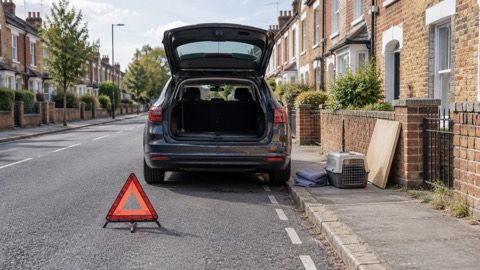
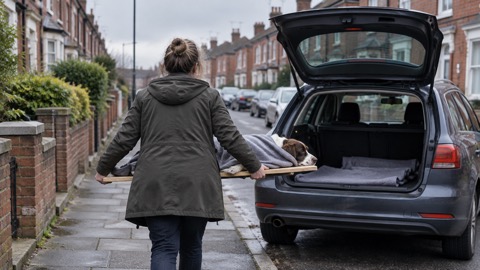
Contact a vet immediately if you are worried about your pet's health. The emergency vets guide explains out-of-hours care and the 24-hour rule. If your pet has been hit by a vehicle, follow the specific advice on what to do after a road accident and how to move an injured dog or cat safely.3
Any animal injured in a fire or affected by smoke or fire should receive prompt veterinary treatment. During a chemical accident or toxic fumes emergency, Wandsworth Council advises keeping pets under cover. Do not go looking for a cat or dog that is outside when the emergency is announced, and do not pet animals that have been outside. They can be cared for when the emergency is over.7
- Call a vet for immediate concerns about injury, poisoning or health.3
- Seek prompt treatment after fire or smoke exposure.7
- Follow chemical emergency instructions: keep pets under cover and do not search outside for them.8
- When an ambulance is coming, South Western Ambulance Service advises putting pets somewhere safe.9
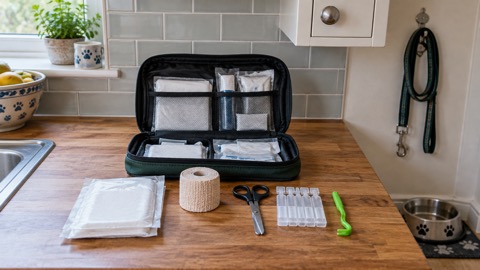
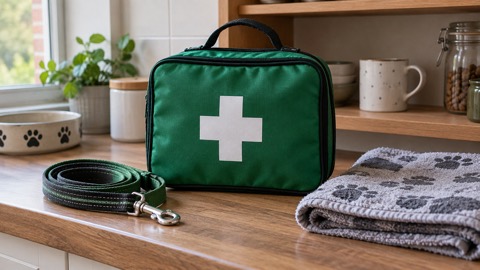
A pet first aid kit forms part of your preparations. If you are considering a commercially packed example, the Wallace Cameron Pet First Aid Kit page sets out what it contains. For injuries to people, the household first aid guide covers dog and other animal bites.
Put your pets in the household plan
Add animals to your household emergency plan alongside medication, mobility, communication and care needs. The getting started guide helps you build the wider plan. Include pets and livestock in wildfire preparations, and decide how you will stay informed when conditions change.10
- Check identification. Dogs must be microchipped by 8 weeks old and cats by 20 weeks old. Microchipping also helps reunite separated pets with their owners.1
- Choose destinations before you evacuate. Many public shelters and hotels do not allow pets. List local boarding kennels and animal shelters that may help.13
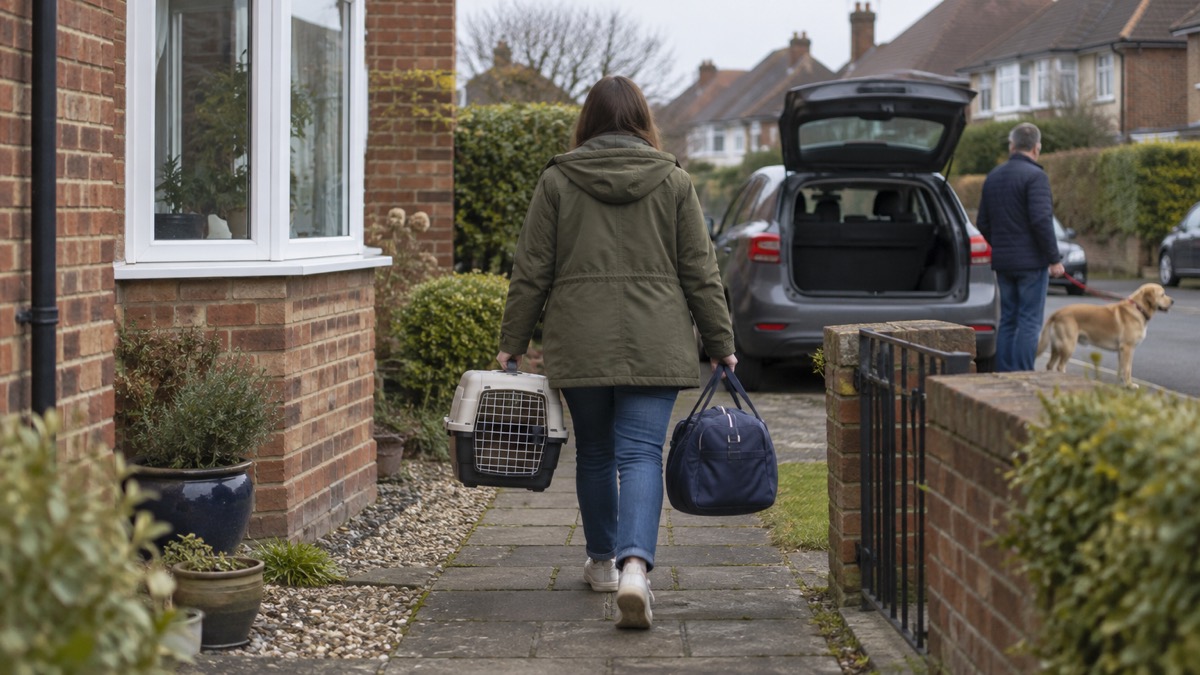
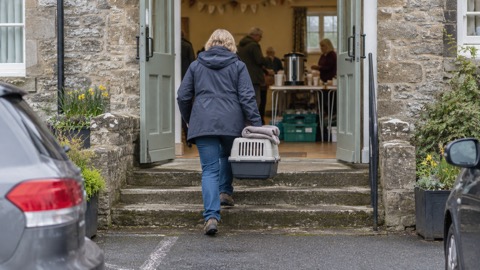
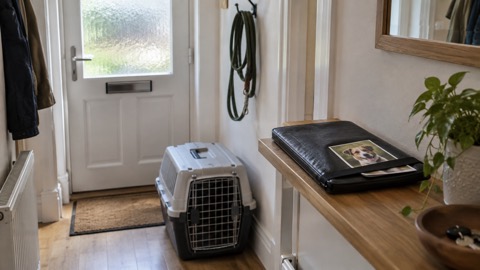
- Prepare transport and identification. Know your pets' hiding places, carry a current picture, and have a sturdy carrier and harness. A pet sticker in the front window can form part of the preparations.15
- Keep documents together. The pet emergency documents checklist covers the records to keep accessible.
- Plan for different animals. Bristol City Council says cats and indoor pets can usually cope on their own if you are evacuated, while dogs usually need to go with their owners. This does not remove the need to arrange their care.16
- Arrange livestock moves. If you cannot move chickens, goats or horses yourself, find someone who can, make arrangements with them and record their telephone numbers. The livestock guide covers wider animal preparations.17
Some emergency shelters may only be able to take assistance animals, so read the emergency rest centre guidance before relying on one. If you find an animal that is already separated from its owner, follow the advice on what to do with a stray dog.18
Pet supplies to keep at home
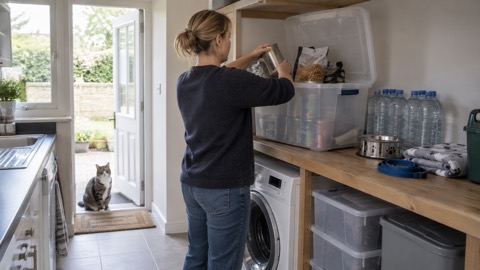
Slough Council recommends a week's worth of regular supplies. Buckinghamshire Council's grab bag guidance lists several days' food and water, with food in an airtight, waterproof container and regular medicine in a waterproof container. Build these into your main household emergency kit, rather than keeping a kit you cannot find when you need it.2
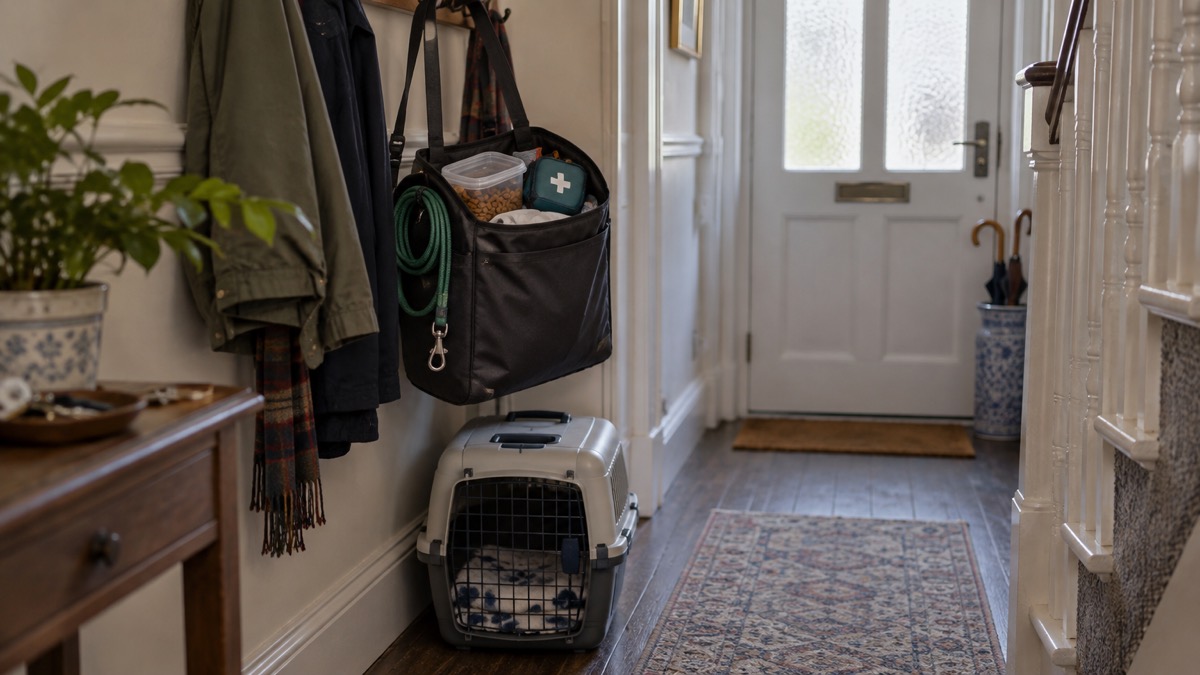
| Kit item | What to include |
|---|---|
| Food and water | Regular food and treats, bottled water, bowls and a tin opener where needed.19 |
| Medication and records | Extra regular medication, vet records and the vet's contact number.13 |
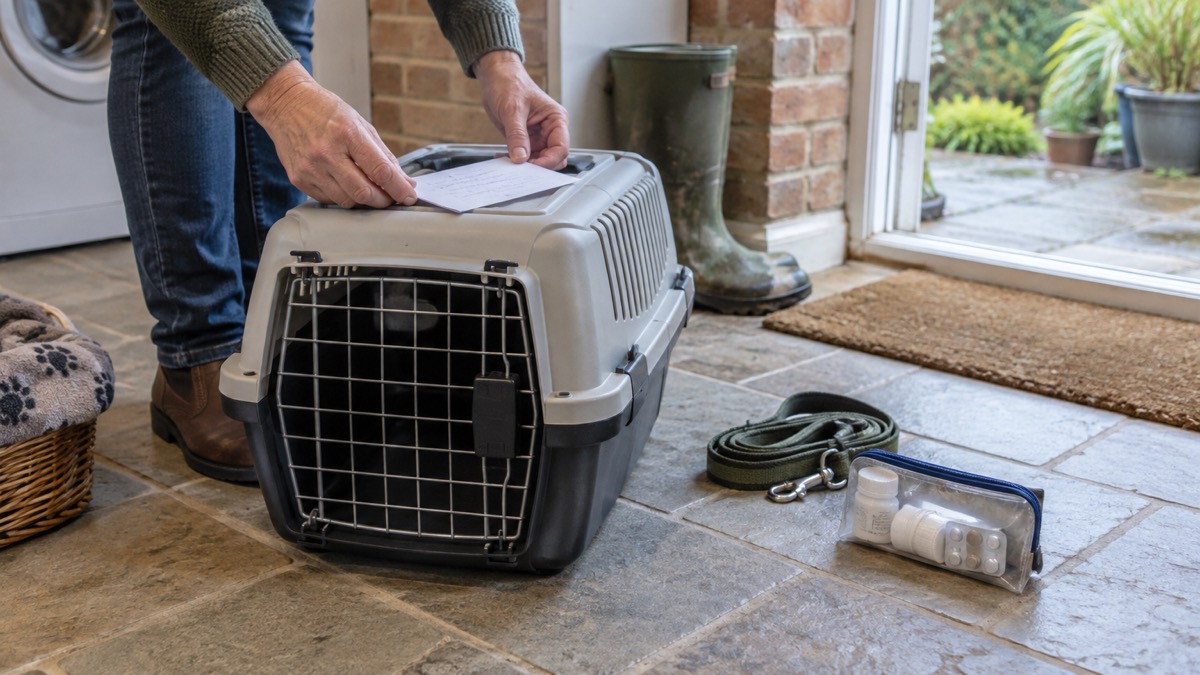
| Transport and control | Collar with identification tag, sturdy lead or harness, and a travelling bag, crate or carrier, ideally one for each pet.13 |
| Sanitation | Litter and litter box, newspapers, paper towels and plastic waste bags.13 |
| Identification and comfort | A current photograph, including a picture of you with your pet, plus familiar toys, treats or bedding.13 |
| First aid | A pet first aid kit.13 |
Northern Ireland's nidirect guidance specifically includes food, collar or lead, water bowl and medication. Ready Scotland also tells households to include documents and supplies for assistance animals. The food and water storage checklist helps you work out what your own animals routinely need.21
Who looks after your pet if you cannot
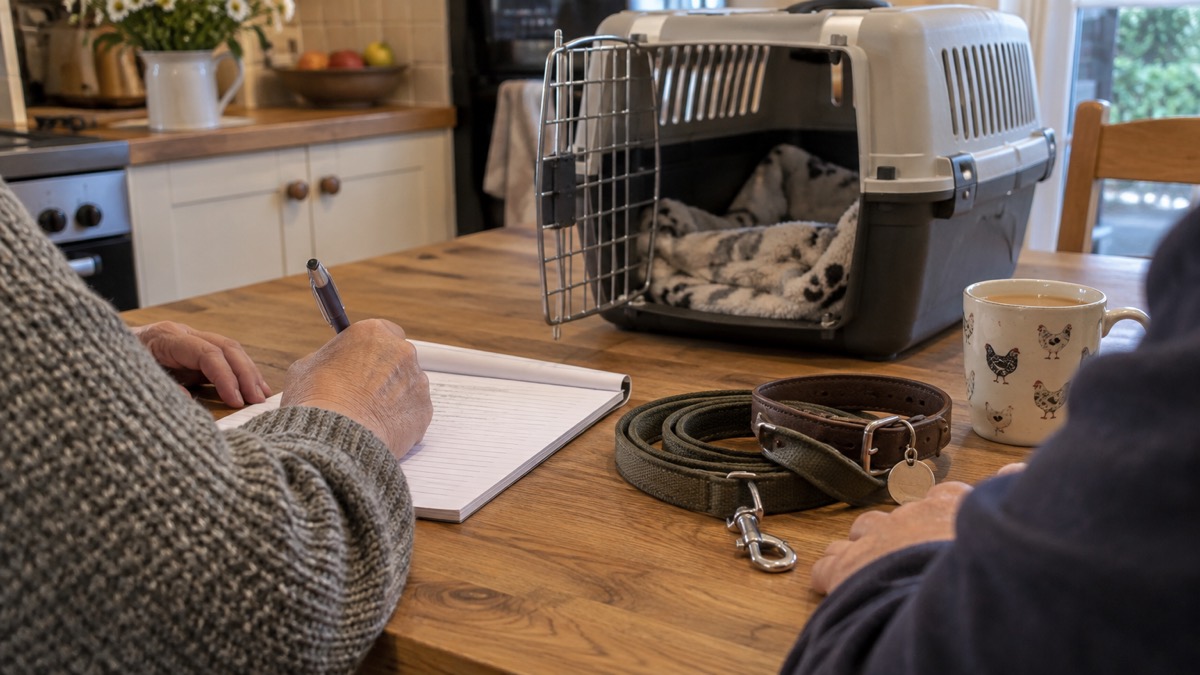
Arrange help before an emergency. Wiltshire and Swindon Prepared suggests a neighbour buddy, while Westminster City Council recommends arranging with a friend or relative to look after your pets. Ask people outside your household whether you could stay with them or whether they could care for your animals if you were unable to.4
- Write down the arrangement: record names, telephone numbers and what each person has agreed to do.
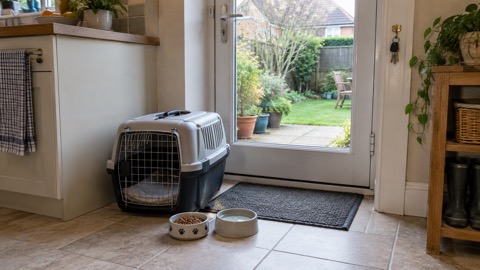
- Include hospital care: the guide to who looks after your pet if you go into hospital covers this situation.
- Include people you care for: Norfolk's carer's emergency plan records whether that person has pets and who will care for them.24
- Plan for access and transport: livestock arrangements should name someone who can move animals if you cannot, with their telephone numbers recorded.17
- Ask for extra help: older and disabled owners can use the extra help in an emergency guide to plan support around their own needs as well as their animals'.
Do not leave the arrangement until an evacuation is announced. Some shelters cannot accept pets, and alternatives may be difficult to find during the emergency.2
Floods and storms with pets
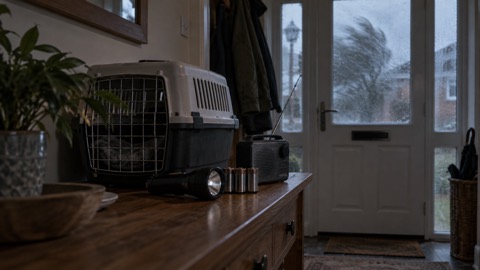
Bring pets inside where appropriate when storms or extreme heat are forecast, and follow local emergency services when they tell you to evacuate or shelter at home. Strange sights, sounds and smells can disorient pets and cause them to become lost, so keep carriers, leads and identification ready.12
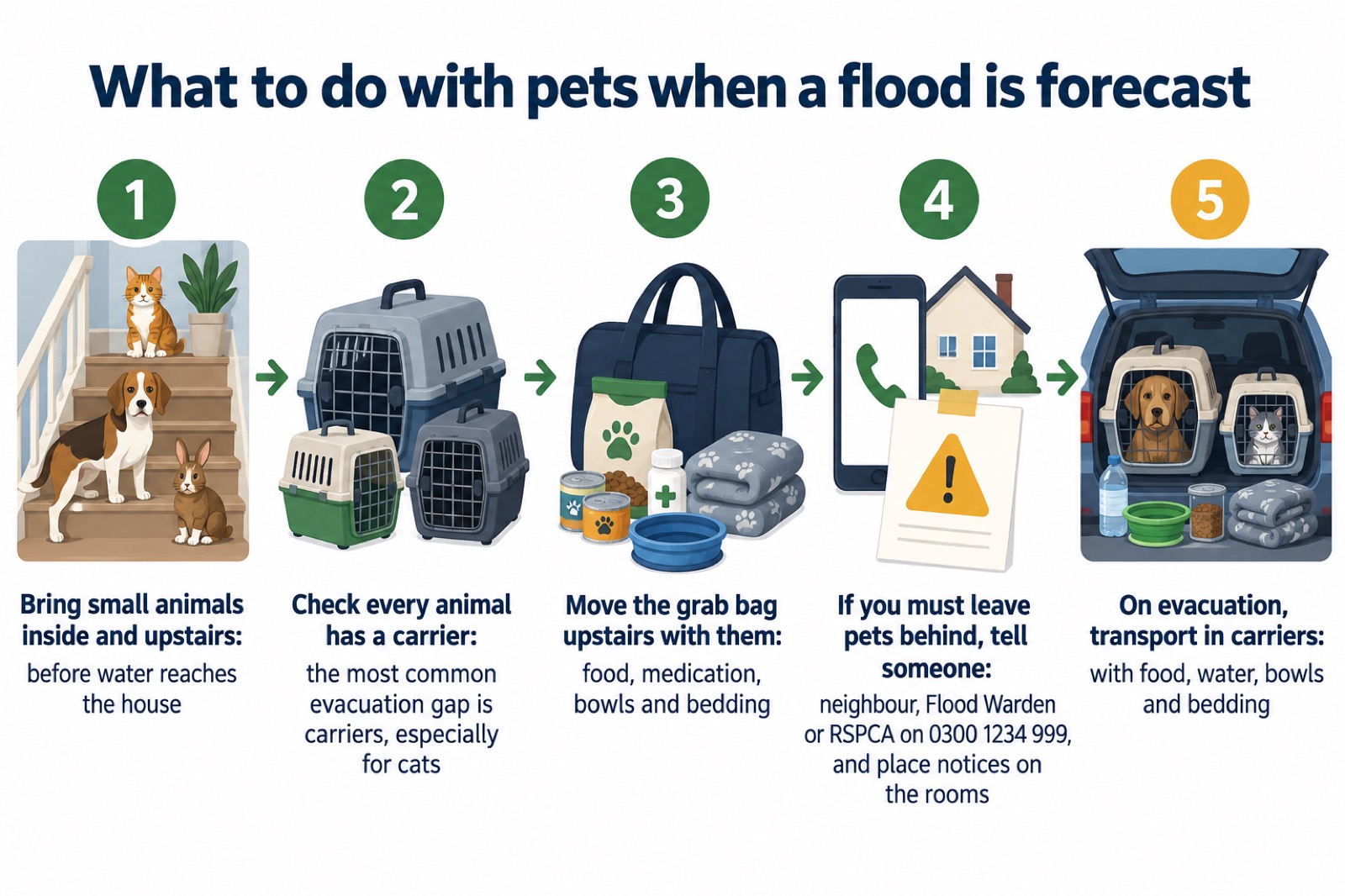
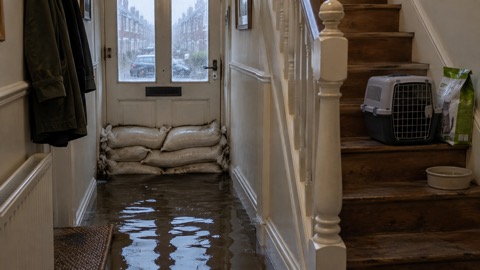
If you evacuate during a flood, transport animals in suitable carriers and take food, water, bowls and bedding. North Yorkshire Fire and Rescue Service also includes baby and pet supplies in its emergency flood kit advice. The pet flood guide takes you through preparations before, during and after flooding.5
- Check warnings and make your move early. The household flooding guide explains flood warnings and Floodline for people who keep animals.
- Take your emergency kit and comfort items. South Gloucestershire's guidance includes toys and other comfort items for pets.17
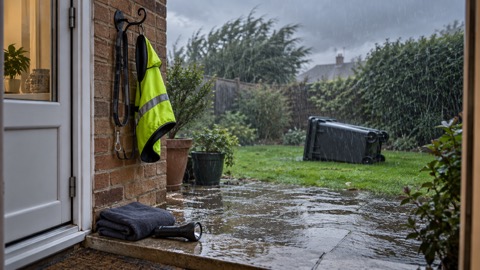
- Decide whether walking is appropriate. Read whether you should walk your dog in a storm and the storm preparation guide.
- Keep away from dangerous water situations. Know what to do if your dog gets into trouble in water or at the coast.
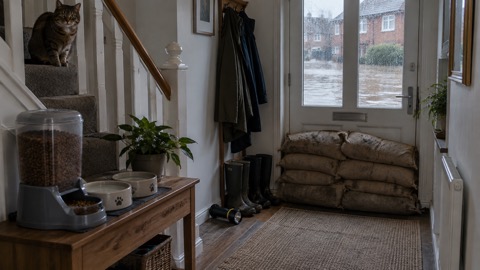
If you must leave pets behind, contact a neighbour, your local Flood Warden or the RSPCA on 0300 1234 999. Place notices on the rooms where animals have been left. The detailed guide to leaving a pet behind in an evacuation explains this situation.5
Power cuts and water cuts
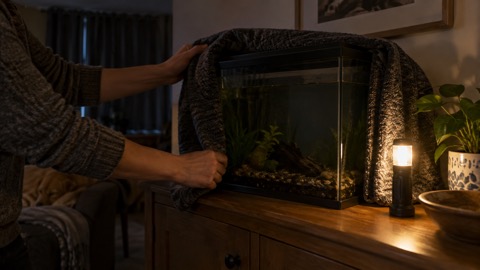
Call 105 to report a power cut. Plan for animals that depend on electrical equipment, including fish tanks, reptile heating and other heated pet kit. The power cut guide covers the household response, while the dedicated advice explains how long fish can survive without a filter and whether reptile heat lamps are a fire risk.6
- Keep pet carriers, medication and routine supplies accessible rather than relying on powered equipment.
- Include your animals when planning backup power at home.
- If the mains water supply is interrupted, use the household water guide to plan water for animals as well as people.
- Keep your vet's contact number with the kit so a health concern does not depend on searching for it during the cut.19
Hot weather and heatstroke
Watch for heavy panting, restlessness and lack of coordination. Contact a vet immediately if you have any concerns. The British Veterinary Association says vets see heatstroke, breathing problems, burnt paw pads and sunburn each summer, some of which can be fatal.3
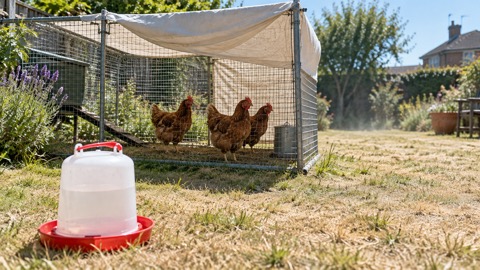
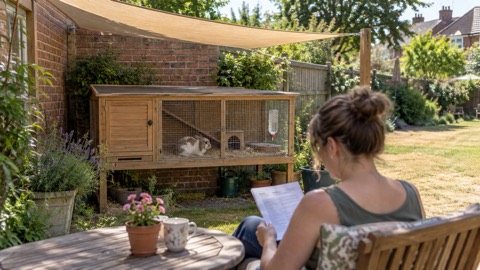
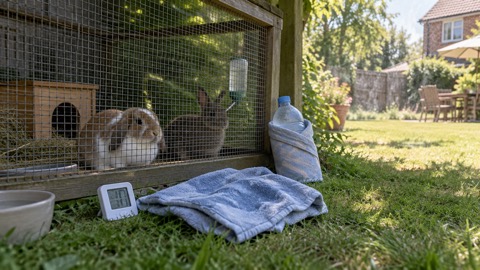
For outdoor pets, the Met Office suggests frozen water bottles wrapped in towels in the enclosure, or a fan to improve airflow. Use the hot weather guide for dogs, cats and small animals for the full household response.27
Different animals and situations need different checks:
- Read about keeping cats cool, cooling an outdoor rabbit hutch, heatstroke in rabbits and keeping pet birds and chickens cool.
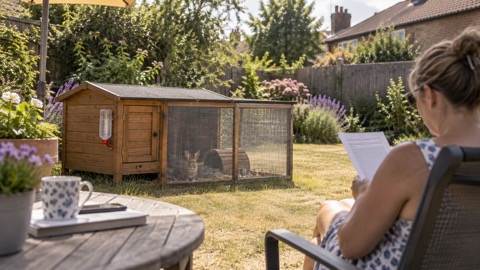
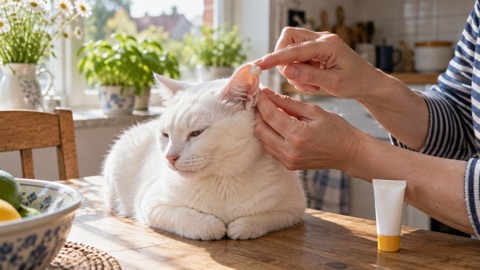
- Include flystrike checks for rabbits and guinea pigs and sunburn in dogs and cats in your warm-weather care.
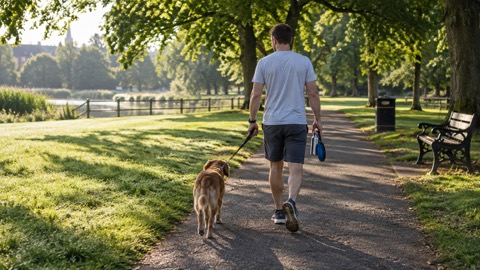
- Check when it is too hot to walk your dog and how long a dog can be left at home on a hot day.
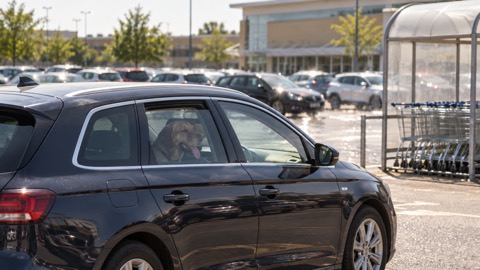
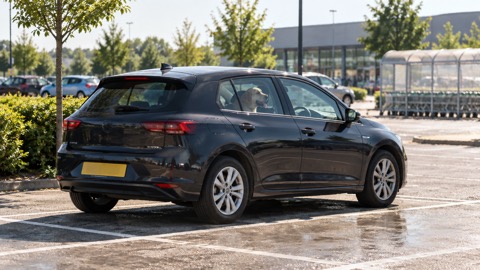
- Understand how quickly cars heat up, what to do if you see a dog in a hot car and whether you can break into a car to save a dog.
If your dog is near water during hot weather, the household heatwave guide covers the danger of blue-green algae to dogs.
Cold weather, snow and ice
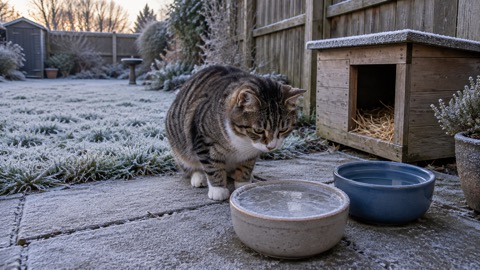
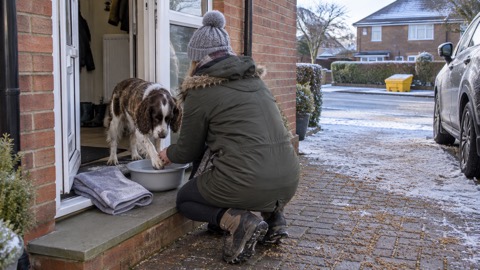
The Met Office warns that grit or rock salt can be extremely toxic to dogs and cats if ingested. It also says cats should not be left outside all night. Build these risks into your cold weather preparations for pets and the wider snow and ice household plan.28
- Check rock salt and pets' paws after winter walks and read how to walk a dog safely in snow and darkness.
- Learn the signs covered in hypothermia in dogs and cats.
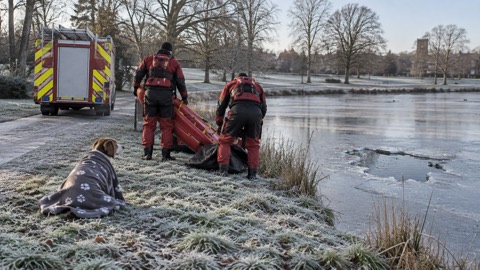
- Read what to do if a dog goes through ice on a frozen pond. The first aid guide also covers cold water shock when a dog goes into water or through ice.
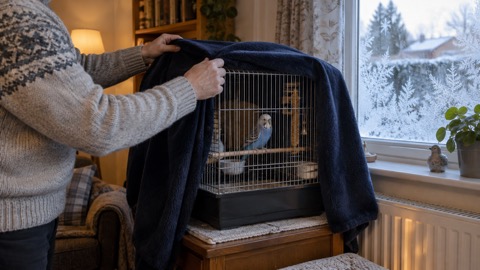
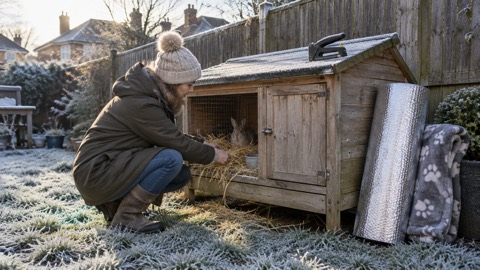
- Make suitable arrangements for outdoor and stray cats in freezing weather, rabbits and guinea pigs in winter and pet birds in cold weather.
Fireworks and loud noises
Greater Manchester Fire and Rescue Service's fireworks code gives a direct instruction: keep pets indoors. Include this in your plan before fireworks are expected, particularly if your animals normally spend time outside.29
Rabbits and guinea pigs need arrangements suited to their housing, so use the dedicated guide to protecting rabbits and guinea pigs from fireworks. For the wider household rules, including fireworks law and curfew times, see home emergencies.
Unfamiliar sights, sounds and smells during an emergency can leave pets disoriented and lost. Secure transport, identification and a current photograph therefore remain important even when you expect to stay at home.23
Poisons in the home and garden
Contact a vet immediately if you are concerned that your pet's health has been affected. During a chemical accident, keep pets under cover, do not search outside for them and do not pet animals that have been outside.3
Use the specific household guidance for the hazard involved:
- Antifreeze poisoning in cats and dogs
- Chocolate poisoning in dogs
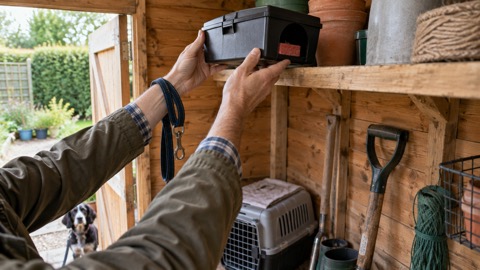
- Rat poison and pets
- Garden and house plants that are poisonous to dogs and cats
- Oak processionary moth caterpillars and dogs
- Christmas foods and decorations that harm dogs and cats
Rock salt is another seasonal poisoning risk: the Met Office describes ingested grit or rock salt as extremely toxic to dogs and cats. Keep the relevant veterinary contact details with your emergency documents rather than waiting to find them during an incident.19
Who to contact in each nation
For a health concern anywhere in the UK, contact a vet immediately. For wider emergency care advice, Buckinghamshire Council recommends contacting your local emergency management office, animal shelter or animal control office. If animals must be left behind in a flood, use a neighbour, Flood Warden or the RSPCA on 0300 1234 999.3
| Nation | Official household planning guidance |
|---|---|
| England | Include pets' needs in the household emergency plan, including their food, medication, water bowl and carrier where needed.11 |
| Scotland | Ready Scotland includes pet supplies and documents or supplies for assistance animals in the home emergency kit.22 |
| Wales | Anglesey's Home Emergency Plan tells households to consider the needs of pets and other animals.30 |
| Northern Ireland | nidirect includes pet food and items such as a collar or lead, water bowl and medication in the household emergency kit.21 |
If you keep poultry, the health emergencies guide covers bird flu risk to people and eating eggs and poultry. Combine that advice with your livestock movement and contact arrangements so that the people helping you know what animals are present and who is responsible for them.17
Sources (32)
- Plan for your pets in an emergency, Lancashire Prepared, 2026-10-29
- Pets and livestock emergency preparation, Slough Borough Council, 2026-10-29
- Pets in hot weather, Met Office, 2026-10-29
- Pet welfare in an emergency, Westminster City Council, 2025-09-24
- Animals in a flood, Deanshanger Parish Council, 2023
- Adverse weather events, Llangattock Community Council, 2026-10-25
- After the Fire booklet, Mid and West Wales Fire and Rescue Service, 2013-03-11
- Chemical accidents and toxic fumes, Wandsworth Council, 2023-04-13
- What to do when the ambulance is coming, South Western Ambulance Service NHS Foundation Trust, 2026-10-29
- Wildfires, South Wales Fire and Rescue Service, 2026-07-29
- Be prepared for emergencies, North Devon Council, 2026-10-29
- Your pets, Wiltshire and Swindon Prepared, 2026-10-25
- Emergency grab bag, Buckinghamshire Council, 2023-08-25
- Are you ready, Birmingham City Council, 2026-06-05
- Boost your resilience, London Resilience Partnership, 2016
- Preparing for an emergency, Bristol City Council, 2026
- Preparing your pets for an emergency, South Gloucestershire Council, 2010
- Preparing yourself for emergencies, London Resilience Partnership, 2026-10-25
- Emergency kits and grab bags, Central Bedfordshire Council, 2026
- Get help and advice in an emergency, Lincolnshire County Council, 2026-10-29
- Household emergency kit, nidirect, 2026-07-06
- Emergency kit, Ready Scotland, 2026-10-29
- Looking after your pets in an emergency, Medway Council, 2026-10-29
- Carer's emergency plan, Norfolk County Council, 2026-10-29
- Keeping safe during high winds and heavy rain, North Yorkshire Fire and Rescue Service, 2024-01-22
- Hot weather pet advice, Met Office, 2025-06-19
- Keeping pets safe during warm weather, Met Office, 2025-05
- Weather hacks, Met Office, 2026-10-26
- Fireworks safety, Greater Manchester Fire and Rescue Service, 2026-10-29
- Home Emergency Plan, Isle of Anglesey County Council, 2020
- Get help and advice in an emergency, Lincolnshire County Council, 2026
- Before, during and after a flood, Suffolk County Council, 2021
 Antifreeze Poisoning
 Pets in Cold Weather and Snow
 Emergency Vets and Out-of-Hours
 Pet First Aid Kits
 Keeping Pets Safe in Floods
 How Fast a Car Heats Up
 Keeping Pets Cool in Hot Weather
 Oak Processionary Moth and Dogs
 Pets in Your Emergency Plan
 Pet Birds in Cold Weather
 Birds and Chickens in Heat
 Breaking a Car Window for a Dog
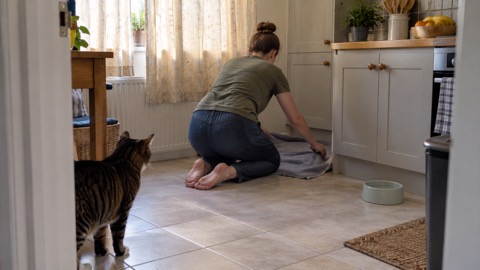 Keeping a Cat Cool in a Heatwave
 Chocolate Poisoning in Dogs
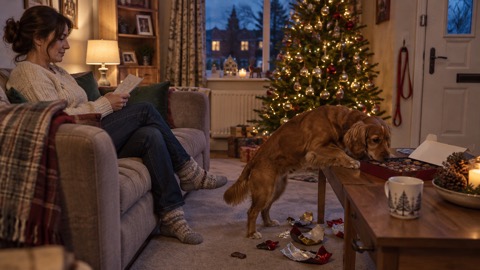 Christmas Hazards for Pets
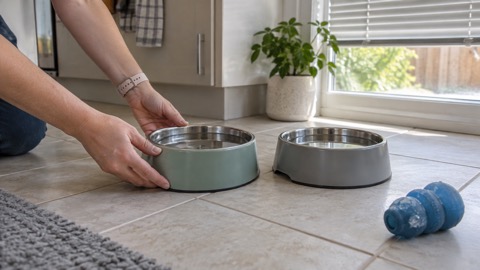 Dog Left Alone on a Hot Day
 Dog in a Hot Car
 Hypothermia in Dogs and Cats
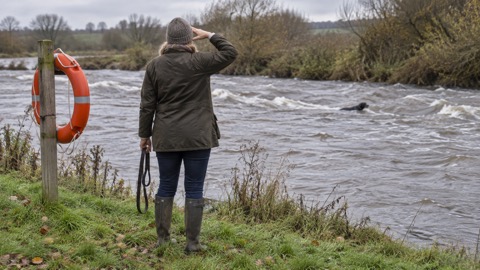 Dogs in Water or Coast Trouble
 Fireworks and Small Pets
 Fish in a Power Cut
 Flystrike in Rabbits
 Dogs and Frozen Ponds
 Pet Hit by a Car
 Pet Care If You Go Into Hospital
 Keeping a Rabbit Hutch Cool
 Moving an Injured Pet to the Vet
 Leaving a Pet Behind
 Stray Cats in Freezing Weather
 Poisonous Plants for Pets
 Heatstroke in Rabbits
 Keeping Rabbits Warm in Winter
 Rat Poison and Pets
 Reptile Heat Lamp Fire Risk
 Pets at an Emergency Rest Centre
 Rock Salt and Pets' Paws
 Walking a Dog in Snow and Dark
 Walking a Dog in a Storm
 Finding a Stray Dog
 Dogs and Cats Getting Sunburnt
 When It Is Too Hot to Walk a Dog
 Pet Emergency Documents
 Storing Pet Food and Water
 Wallace Cameron Pet First Aid