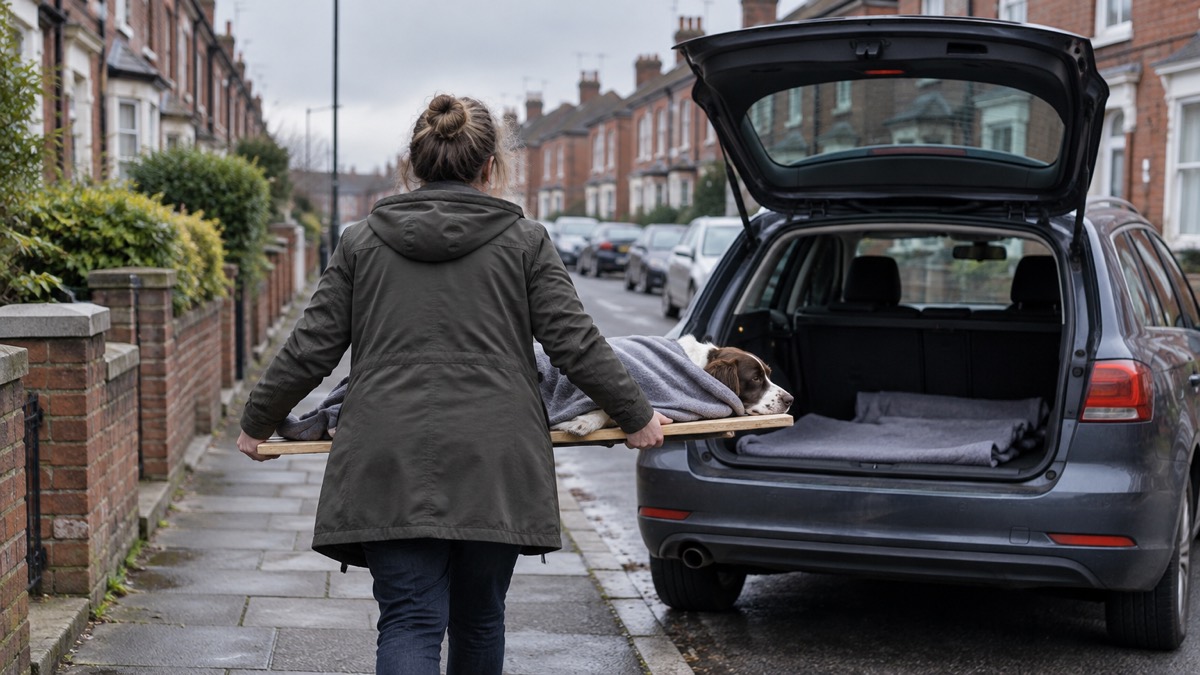
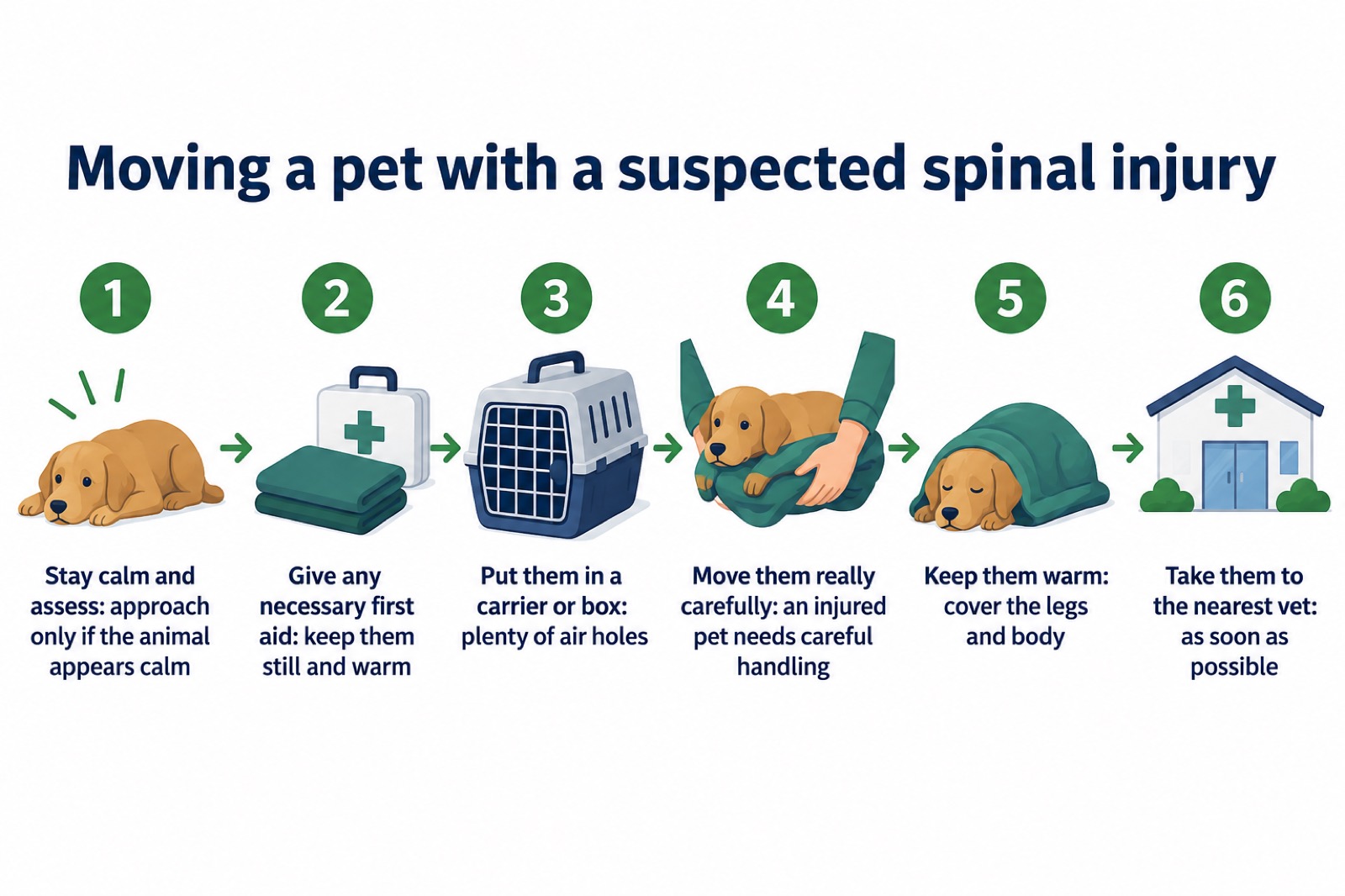
If your dog or cat is hurt, the first thing to do is stay calm, assess the situation, give any necessary first aid and call your vet1. If you need to move an injured pet, the PDSA says this needs to be done really carefully1. Ring the practice before you set off so they are ready for you, and keep the animal still and warm on the way.
How you lift and carry depends on the animal and the injury. A cat or small dog can go in a pet carrier or a box with plenty of air holes2. A dog that cannot walk needs a flat, firm surface and two people if you can manage it. If you suspect a spinal or bone injury, keep the body flat and level, and do not let the animal twist or struggle.
Keep yourself safe first: a badly hurt animal may bite even someone it knows. Then deal with severe bleeding before anything else, keep the animal warm to guard against shock, and drive steadily. The sections below take you through each step in the order you need it.
Keep yourself safe before you touch an injured animal
An animal in pain is frightened, and a frightened animal can bite. The PDSA advises approaching an injured stray dog only if it appears calm2. The same caution applies to your own pet: pain can override familiarity. Move slowly, speak quietly, and keep your face away from the animal's mouth.
If you are dealing with a human casualty as well, keep family pets out of the way before help arrives. If you are handling a hurt animal yourself, wash your hands afterwards. If you are bitten, raise and support the wound and pat it dry, preferably with clean gauze from your first aid kit, then cover it with a sterile wound dressing5. Contact NHS 111 if you are concerned about the injury, and seek urgent medical attention for severe wounds, heavy bleeding, signs of infection, or bites to the face, hands, feet or head6.
If the animal is a stray and appears calm, give any necessary first aid, keep them as still and warm as possible, then transport them to the nearest vet, always calling ahead2. If you find injured wildlife, the RSPCA advises monitoring first to see how badly hurt it is before deciding whether to take it to a local vet or wildlife rehabilitator7.
Ring the vet before you set off
Ring your practice before you travel. The PDSA's first aid advice is to give necessary first aid and call your vet1. Calling ahead means the team can prepare, and it lets the vet tell you how to handle the animal on the way.
Have the practice's name and number to hand. Lincolnshire Council lists the name of your veterinarian as part of a pet emergency kit8. If your own practice is closed, the recorded message or reception will point you to the out-of-hours service that covers your area. If you cannot reach anyone, the RSPCA advises finding or calling a vet for emergency advice9.
Some signs mean you should not wait. The PDSA says to take your pet to the vet immediately if they are unable to breathe, have collapsed, have white, grey or blue gums, or are getting rapidly worse10. For a dog with heatstroke whose owner cannot be found, the Scottish SPCA says to take the dog to a nearby vet as a matter of urgency11.
If you are dealing with a poisoning, follow your vet's advice. The RSPCA says to follow your vet's advice and, if asked, take your rodent to the vet quickly and calmly12. The same principle applies to dogs and cats: ring first, and do what the vet tells you.
Moving a dog that cannot walk
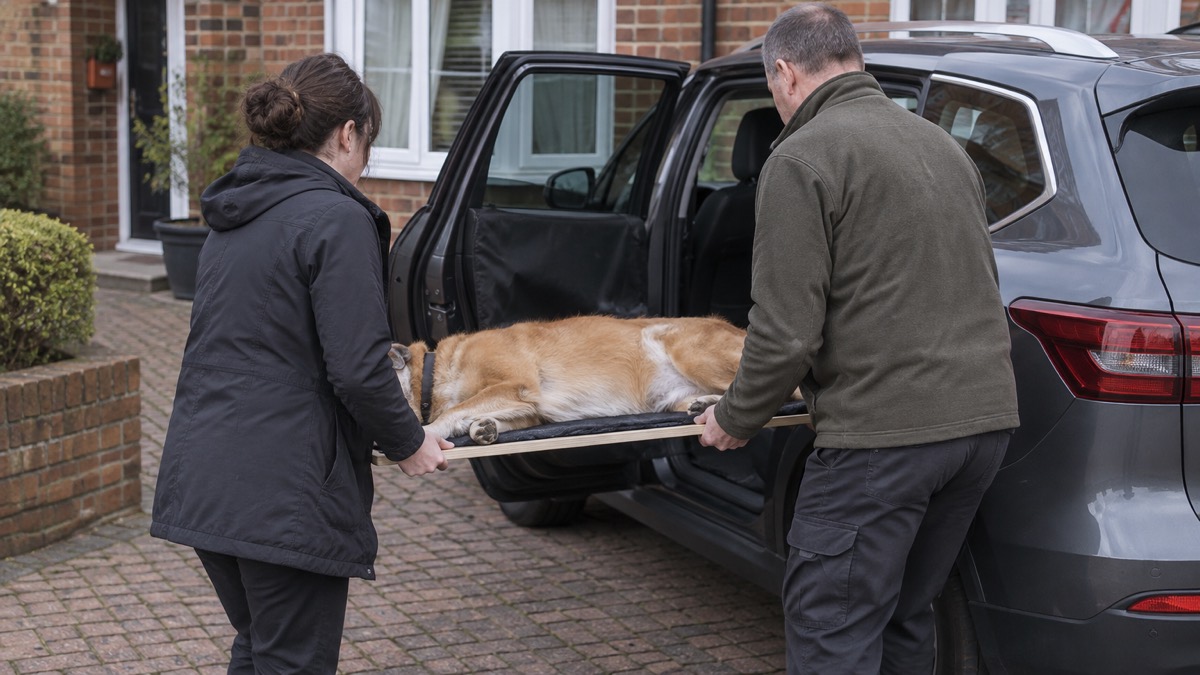
A dog that cannot walk needs support along its whole body, not a lift under the front legs. If you suspect broken bones or a back injury, keep the body flat and level. Use a flat, rigid board, a firm blanket held taut by two people, or a sturdy tray as a makeshift stretcher. Slide it under the animal rather than lifting them onto it.
If the dog can stand but not walk far, a towel or sling under the belly can take some of the weight while you guide them. Keep the lead short and move at the dog's pace. Do not let them climb stairs or jump into the car: lift them in, or use a ramp.
For a dog that is breathing but badly hurt, keep them as still and warm as possible2. Cover them with a blanket while you wait for help or prepare the car. If the dog is struggling to breathe, do not delay: take them to the vet immediately10.
Moving a cat or small dog in a carrier
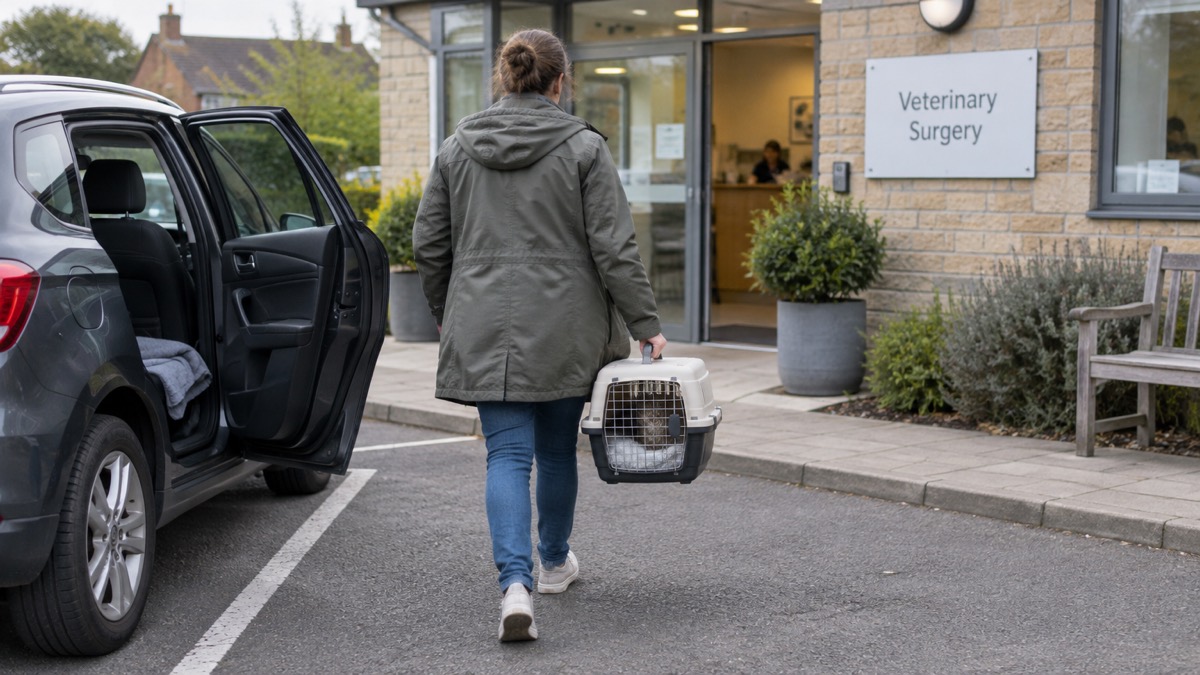
A cat or small dog is usually safest in a carrier. The PDSA advises giving any necessary first aid, keeping the cat still and warm, and putting them in a pet carrier or a box with plenty of air holes, then calling the nearest vet to transport them there as soon as possible2.
If you do not have a carrier, a sturdy cardboard box with air holes punched in the lid will do for a short journey. Line it with a towel for warmth and grip. Slough Council advises using secure pet carriers and keeping your pet on a lead or in a harness, and ensuring you have enough carriers for all of your pets13. Medway Council's pet grab bag list includes a lead or carrier for every animal14.
| Situation | Best container | Why |
|---|---|---|
| Cat, injured or frightened | Pet carrier or box with air holes2 | Keeps them contained and warm, and protects you from scratches |
| Small dog that cannot walk | Pet carrier or box with plenty of air holes2 | Keeps them still and warm while you transport them |
| Large dog that cannot walk | Move them only really carefully3 | An injured pet needs careful handling when moved |
| More than one pet | One carrier per animal13 | The most common reason pets are not evacuated is a lack of suitable carriers13 |
If you are evacuating in an emergency, the government's personal flood plan says many rest centres will allow you to bring your pet, and advises putting cats or small animals in a carrier or small box15. The same carrier you keep for emergencies is the one to reach for now.
Signs of a spinal or bone injury: keep the body flat
A spinal injury is the injury most likely to be made worse by careless handling. Signs include a reluctance to move, dragging a limb, a wobbly gait, or obvious deformity after a fall or a road accident. If you suspect a spinal or bone injury, keep the body flat and level and do not let the animal twist.
NHS Inform's child accident first aid gives the principle: if you have to move your child, be very gentle, put one hand above the injury and the other below it to steady and support it, using blankets or clothing if necessary, comfort your child and take them to hospital16. The same steadying principle applies to an animal: support above and below the injury and keep the body straight.
Watch for shock. NHS Inform lists signs of shock, especially if the thigh bone or pelvis are injured16. Shock can develop quickly after a major injury, so keep the animal warm and get to the vet without delay.
Keeping the animal warm and still on the journey
Shock and cold make a bad injury worse. NHS Inform advises keeping a casualty warm by covering their legs and body with coats or blankets, and monitoring them until help arrives3. Do the same for your pet: a blanket over the body, not over the face, keeps them warm without blocking their breathing.
If the animal is wet, dry them first. The Cats Protection advises that if you think your cat has hypothermia, you should bring them indoors right away, dry them completely if they are wet, warm them gradually with warm towels or blankets or your body heat, and take them to the vet as soon as possible17. The same gradual warming applies to a wet dog after a fall into cold water.
In cold weather, the Northern Ireland Executive advises drying your pet off as quickly as possible after a walk in snowy, icy or wet conditions and making sure they keep warm18. It also says not to leave your dog or cat outdoors in freezing temperatures for long, and not to leave them alone in a car during cold weather18. On the journey, keep the car warm but not hot, and never leave the animal alone in the vehicle.
Keep the carrier or stretcher secure so it cannot slide. Drive smoothly, avoiding sudden braking, and have someone sit with the animal if you can. On arrival, tell the reception team what has happened and how the animal has been handled so they can take over safely.
Where to get help
Your first call is your own vet. If they are closed, their out-of-hours message will tell you who to ring. For poisoning, the RSPCA advises finding or calling a vet for emergency advice9. For a pet that has collapsed or cannot breathe, go straight to the nearest open practice10.
If you are injured yourself while handling the animal, Berkshire Healthcare advises contacting NHS 111 if you are concerned, and seeking urgent medical attention for severe wounds, heavy bleeding, signs of infection, or bites to the face, hands, feet or head6. The St John Ambulance says to go to A&E if the wound is large or deep or you cannot stop the bleeding, and to call 999 or 112 if you cannot get to A&E5.
If you are going into hospital and cannot care for your pet, Nottinghamshire Council's hospital discharge support includes dog walking for people unable to get out of the house19. Ask your local council what help is available in your area, as arrangements differ across England, Scotland, Wales and Northern Ireland.
For more on preparing your household for a pet emergency, see Pets and Animals in an Emergency: A Household Guide and Pet First Aid Kits: What They Contain and How to Choose. If your pet was hurt on the road, What to Do If Your Pet Is Hit by a Car covers the scene and the traffic. For out-of-hours cover, see Emergency Vets: Out-of-Hours Care and the 24-Hour Rule.
Sources (19)
- First aid for pets, PDSA, 2026-10-29
- Missing pets, PDSA, 2026-10-29
- Shock first aid, NHS Inform, 2026-07-24
- How to do a primary survey, NHS Inform, 2026-07-24
- Human and animal bites, St John Ambulance, 2026-10-28
- Child safety, Berkshire Healthcare, 2026-10-29
- Summer advice, RSPCA, 2026-10-29
- Get help and advice in an emergency, Lincolnshire Council, 2026-10-29
- Common poisonings in dogs, RSPCA, 2026-10-29
- First aid for pets struggling to breathe, PDSA, 2020-05
- Dogs die in hot cars, Scottish SPCA, 2026-03-19
- Rodent poisoning, RSPCA, 2026-10-29
- Preparing for an emergency, Slough Borough Council, 2026-10-29
- Looking after your pets in an emergency, Medway Council, 2026-10-29
- Personal flood plan, GOV.UK, 2023-11-15
- Fracture first aid, NHS Inform, 2026-07-24
- Cats and cold weather, Cats Protection, 2026-10-29
- Staying warm in winter, Northern Ireland Executive, 2026-10-06
- Hospital discharge support, Nottinghamshire Council, 2026-10-29
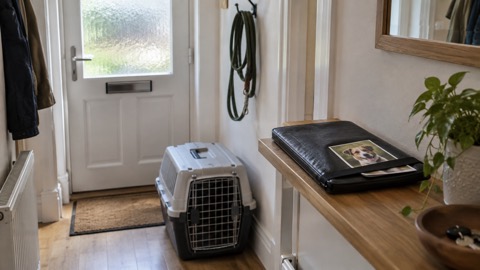 Pet Emergency Documents
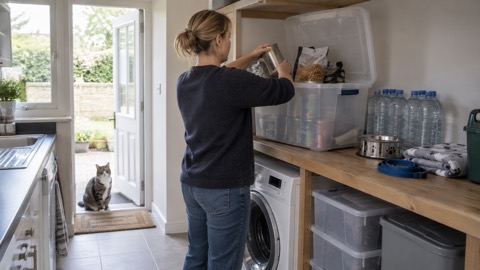 Storing Pet Food and Water
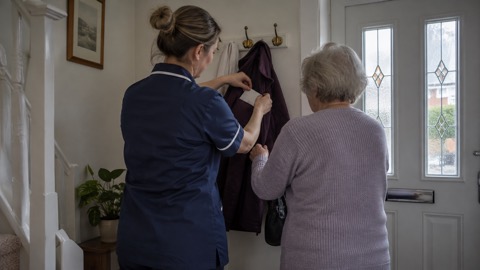 Carer's Emergency Plan
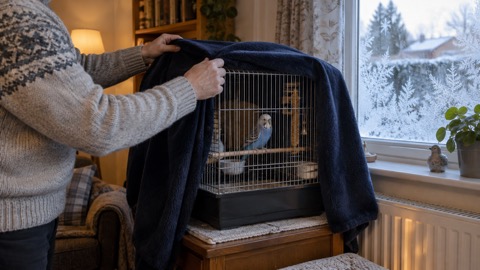 Pet Birds in Cold Weather
 Birds and Chickens in Heat
 Breaking a Car Window for a Dog
 Keeping a Cat Cool in a Heatwave
 Chocolate Poisoning in Dogs
 Christmas Hazards for Pets
 Dog Left Alone on a Hot Day
 Dog in a Hot Car
 Hypothermia in Dogs and Cats
 Dogs in Water or Coast Trouble
 Fireworks and Small Pets
 Fish in a Power Cut