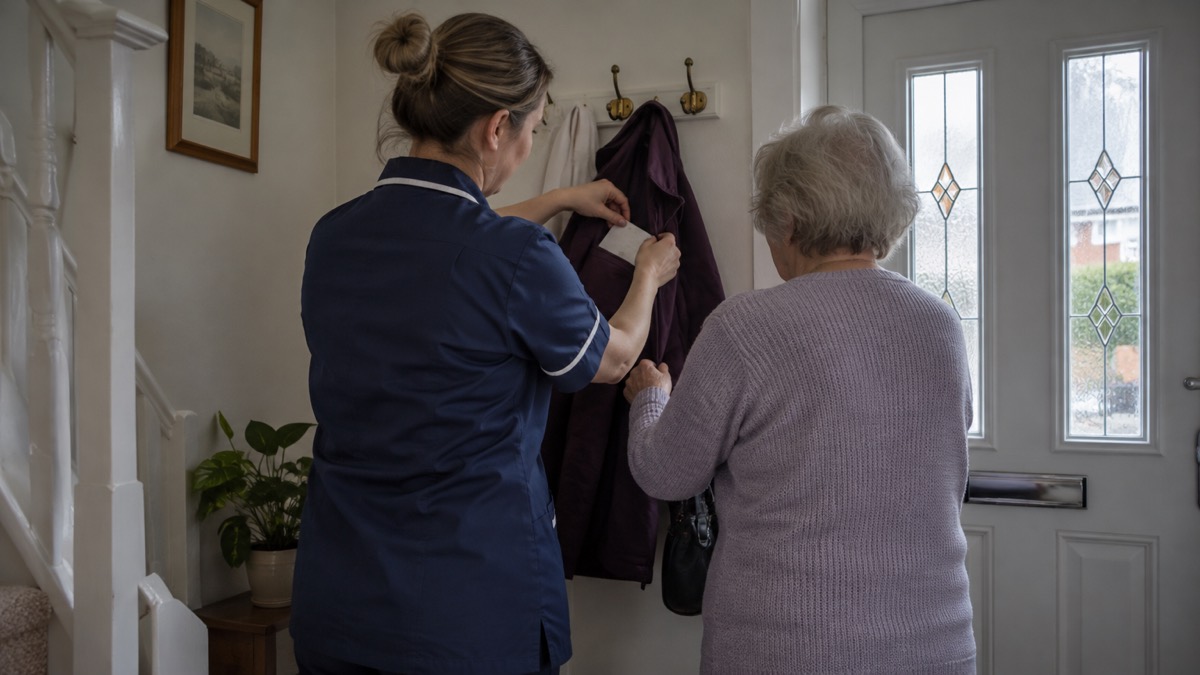
If you are the person someone relies on day to day, the question that matters is simple: what happens to them if you are taken ill, have an accident, or are kept away by another emergency? A carer's emergency plan answers it in advance. It is a short document that sets out what needs to be done to support the person you care for if you cannot carry out your caring role at short notice1. Carers UK advises all carers to create one, for themselves and for everyone they look after2.
The plan does not have to be long. At its heart are the people to ring, the care and treatment the person needs, and the routines that keep them well. It should name who to contact in an emergency, including family, friends and professionals3, and it should record the care and support services the person receives4. Once it is written, you share it with the people named in it and keep it up to date.
One thing to be clear about from the start: an emergency plan does not include free care or rapid access to social care services5. What it does is make sure the right people know what to do, and that the wishes of the person you care for about replacement care have already been written down6. That is what turns a crisis into a manageable few phone calls.
The checklist: what to put in your plan
Work through this list and you will have a plan that someone else could act on. Each item earns its place because it is what a helper, a helpline or an emergency worker would need to know.
Emergency contacts: who steps in if you cannot
The contacts section is the part that gets used first, so give it the most thought. A plan sets out in advance what needs to happen to the person you care for in an emergency if you are unable to continue providing care, and identifies someone to be contacted7. Include who you and the person you look after would like to be contacted, such as friends, family or professionals14.
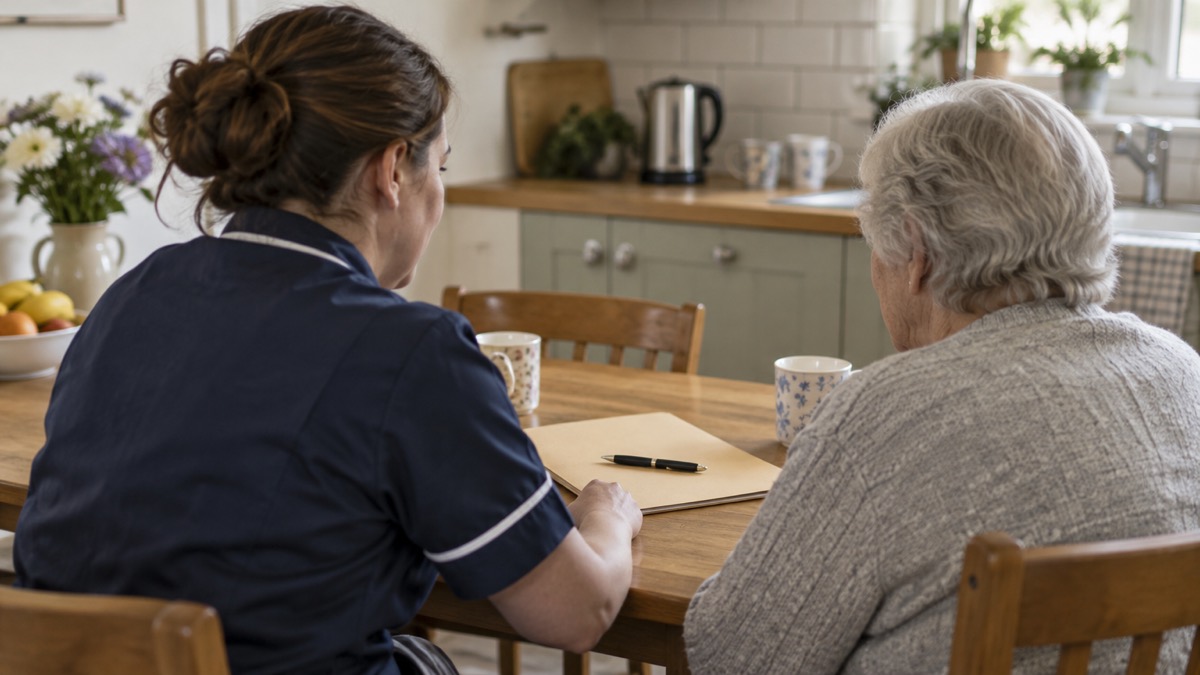
Think in layers rather than a single name. A neighbour who can be there in ten minutes does a different job from a relative two hours away, and both are worth having. Keep important contact details in an easy-to-find location, and identify family members, friends or neighbours who may be able to help in an emergency13. If you rely on carers, support workers or personal assistants, make sure they know about your emergency plan too15.
Then test it. Talk the plan through with the person you care for, if possible, and with those you would like to be named as emergency contacts. Share it with trusted family, friends and healthcare professionals, give people a copy or let them know where to find it, and make sure it is regularly updated16. A contact who has never heard of the plan will not answer the phone expecting to help.
If, despite the plan, you cannot organise alternative care, contact your local authority or health care provider10. That is the backstop, not the first step.
| Who to name | What they do in the plan | Why it helps |
|---|---|---|
| Family and friends | First calls when you cannot get there | People who already know the person and their routines3 |
| Neighbours | Immediate presence while others travel | Kept in an easy-to-find contact list13 |
| Professionals and services | Continue the care already arranged | The plan records the services the person receives4 |
| Your local authority or health care provider | Stepped in when no alternative care can be organised | The route when the plan cannot cover the gap10 |
Care and support services and ongoing treatment
The second half of the plan is about the care itself. Start with what is already in place: the plan should include any care and support services the person receives4. Write down who comes, on which days, and what they do, so a stand-in does not cancel something that matters or duplicate it.
Then the health detail. An emergency plan can include emergency contacts, medications, GP information, medical information and the important people who can help8. Add details of any ongoing treatment they need11, because treatment that is interrupted by a week of confusion is often harder to restart than care that simply continues.
Routines and communication belong here too. Emergency plans need to include details about the care and support you provide for the person as well as emergency contacts, health needs, preferred routines and any communication difficulties5. A page on how the person likes to be woken, what they will and will not eat, and how they let you know something is wrong is worth more to a stranger than a page of diagnoses.
If the person you care for has needs that change quickly in an emergency, the pages on dementia and emergencies, home oxygen therapy and airflow mattresses set out what else to record and prepare. For the wider household picture, from power cuts to flooding, see Carers: Planning for When You Cannot Be There.
Getting help setting up your plan and your card
You do not have to build this from scratch. For help setting up your emergency plan and getting your card, speak to your local carers centre1. Many local carer services and local councils offer carer schemes where an emergency plan can be put into action if you have an accident or become ill17.
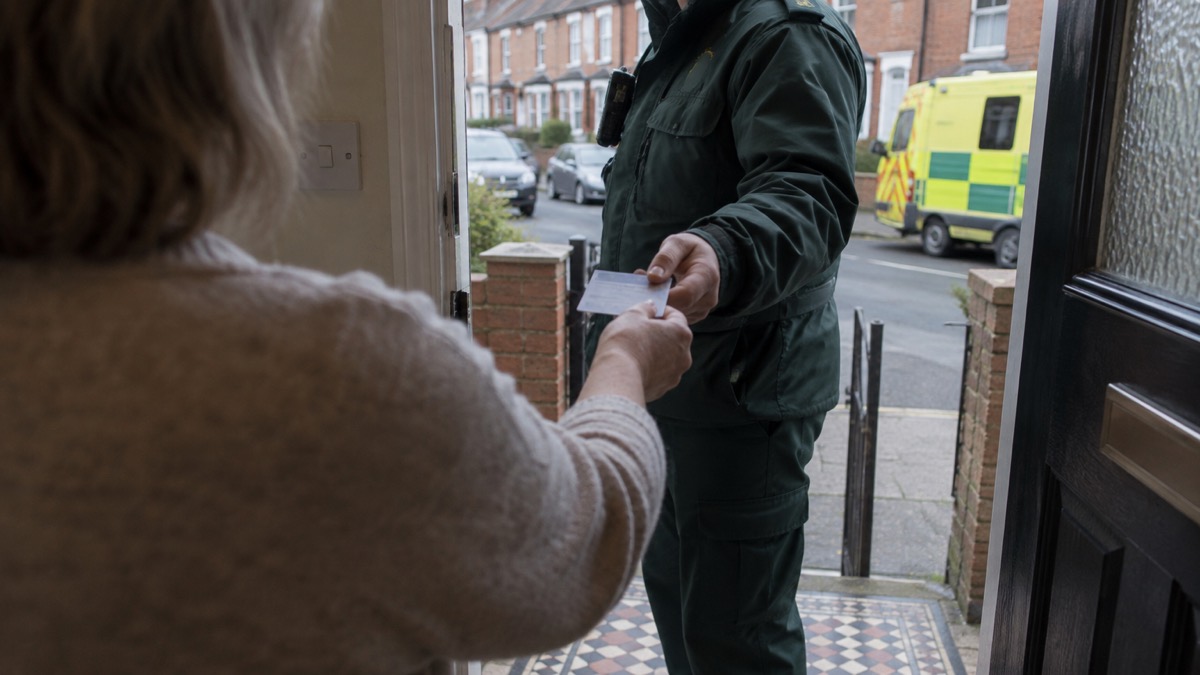
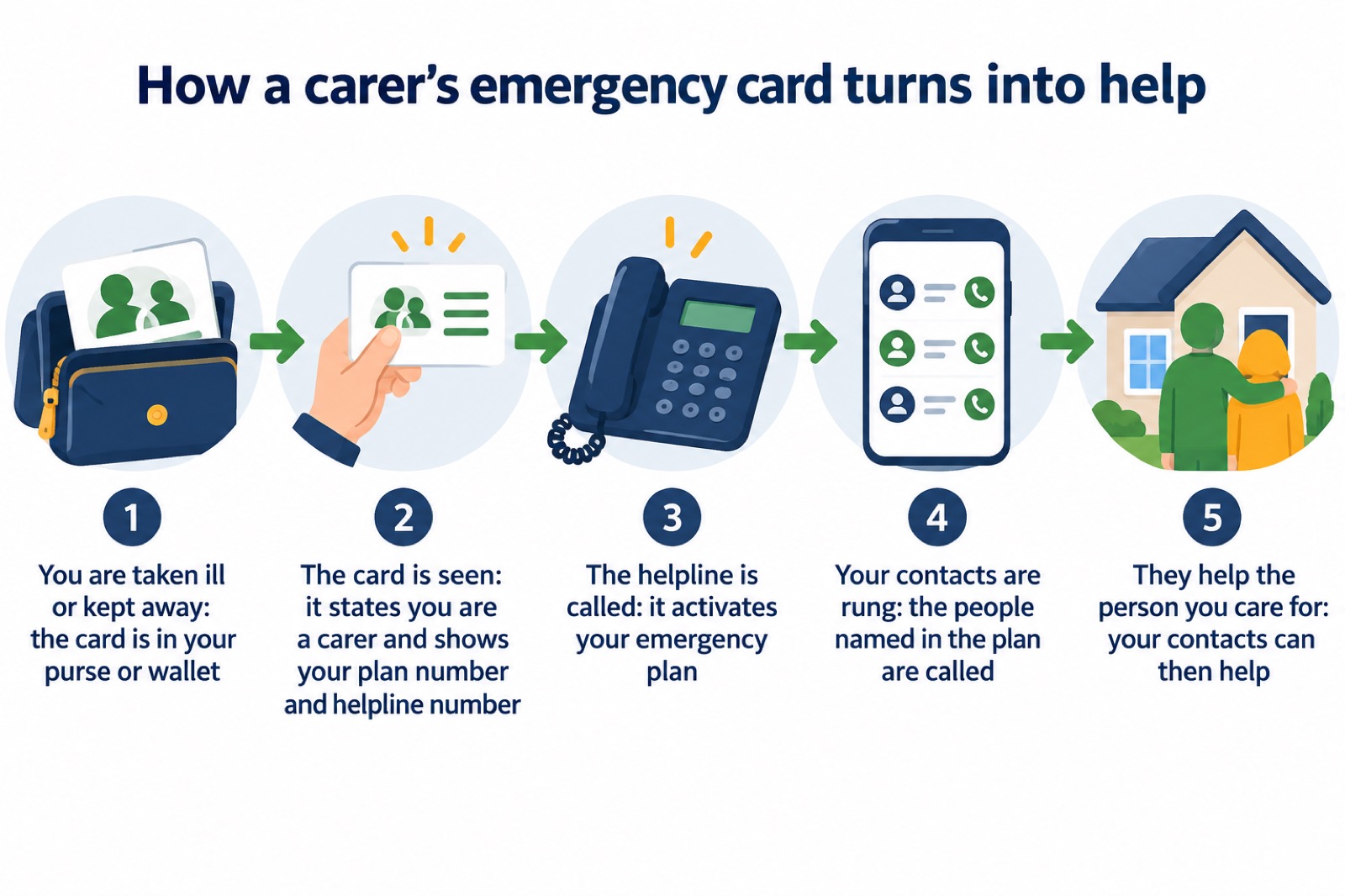
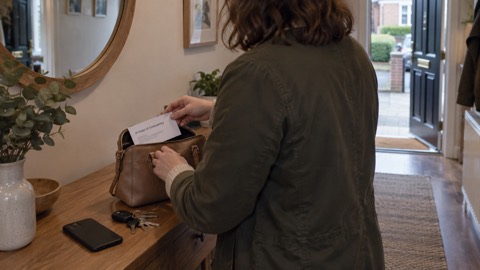
The card is the visible half of the plan. It states that you are a carer and that someone is relying on you to keep them safe and well, shows your emergency plan number and the emergency helpline number, and you should always carry it with you9. When it is used, the service will activate your emergency plan by calling your contacts so they can help the person you care for5. In Norfolk, for example, the emergency helpline service will contact the emergency contacts named in your plan, and your contacts can then help the person you care for9.
Schemes differ by area and by nation, so check what your council offers. In Cornwall, the Emergency Carer's Card Scheme is for carers who are concerned about what would happen if they were taken ill, in an accident, or stopped from getting to the person they care for by another emergency18. In Scotland, the Carers Scotland emergency card lets emergency workers and others know that someone relies on you as a carer and provides spaces for emergency contacts, for example a friend or family member who can help take over caring16. Carers Scotland also publishes guidance on creating a contingency plan14, and NHS Tayside points carers to the Carers Scotland webpage for further information1.
If reading and writing are difficult, ask your council or carers centre for an easy read version of the plan. For help setting up your emergency plan and getting your card, speak to your local carers centre16. The card states that you are a carer and that someone is relying on you to keep them safe and well, shows your emergency plan number and the emergency helpline number, and you should always carry it with you9.
Keeping the plan ready and sharing it
A plan that lives in a drawer nobody knows about is not a plan. Talk about it with the person you care for, if possible, and with those you would like to be named as emergency contacts. Share it with trusted family, friends and healthcare professionals, give people a copy or let them know where to find it, and make sure it is regularly updated16. Make a plan with the person you care for about how you will contact each other in an emergency12.
Having a plan in place can reduce the worry for you, the person you care for and your family19. A contingency plan gives you peace of mind that, in an emergency, you and your cared for person's wishes about replacement care have already been documented6. As a carer, it is important to have a plan in place to help you and the person you care for in an emergency6.
Keep the practical side simple. Store the plan where you would look for it in a hurry, keep the card on you at all times9, and put the same contact information in your hospital bag in case you are the one who is admitted13. If you want a short record of who to ring for the person you care for, the In Case of Emergency Card checklist covers what to write on it, and the Hospital Grab Bag checklist covers what to pack for an admission. Households with someone who needs extra help in a power cut or a flood can also register for priority support: see Signing Up to Priority Services Registers and the wider Extra Help in an Emergency section.
Sources (19)
- Carer's Emergency Plan, NHS Tayside, 2026
- Making a plan, Carers UK, 2026
- Plan for emergencies and changes, Staffordshire County Council, 2026
- Planning for emergencies, Carers UK, 2026
- Carer's emergency card, Derbyshire County Council, 2026
- Planning ahead as a carer, Beacon Medical Group, 2026
- Family Carer Emergency Plan, Suffolk County Council, 2026
- Help in an emergency: easy read, Nottinghamshire County Council, 2026
- Carer's emergency plan, Norfolk County Council, 2026
- Getting help in an emergency, Carers UK Wales, 2026
- Carers emergency planning, Age UK, 2020
- Easy read: disabled persons and carers, UK Government Prepare campaign, 2024
- Be prepared for winter emergencies, NHS Norfolk and Suffolk ICB, 2026
- Creating a contingency plan, Carers UK Scotland, 2026
- Disabled people and carers, Ready Scotland, 2026
- Getting help in an emergency, Carers UK Scotland, 2026
- Emergency schemes for carers, Carers Trust, 2026
- Emergency planning for carers, Cornwall Council, 2026
- Carers Emergency Card, The Queen Elizabeth Hospital King's Lynn NHS Foundation Trust, 2026
 Herbert Protocol Form
 In Case of Emergency Card
 Winter Checks Older Relative