Emergencies
Emergencies at home can start with a power cut, a smell of gas, a burst pipe or someone suddenly becoming ill. Find out what to do straight away, who to call and what to keep ready, from first aid and staying warm to fire escape plans and steps to follow during a major incident.
Power Cuts
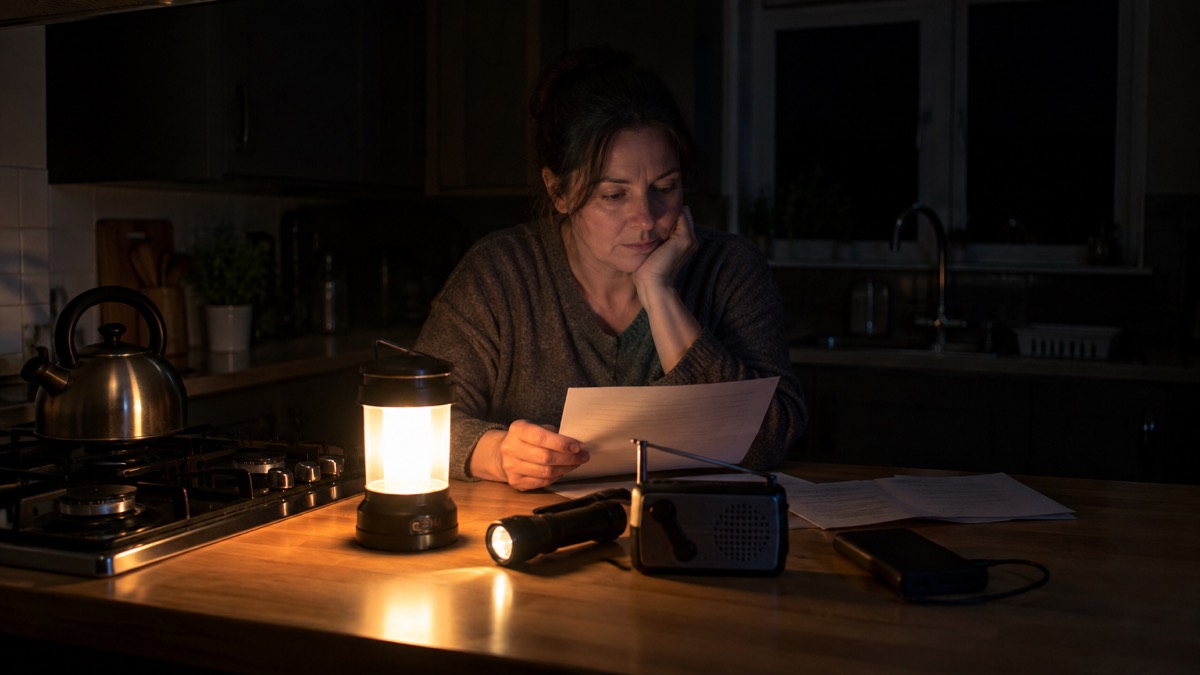
Know what to do when the electricity goes off, who to call and how to keep your household safe, warm and informed. Prepare a simple kit, protect food, arrange extra help for medical needs, understand emergency rotas and check your home safely when power returns.
All 49 power cuts guides Reporting a Power Cut
 What to Do in a Power Cut
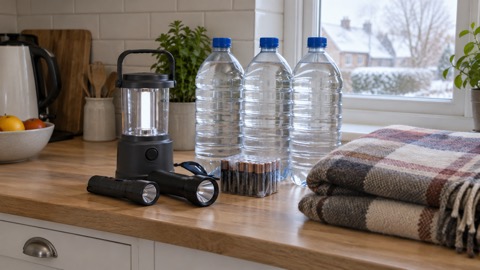 Getting Ready for a Power Cut
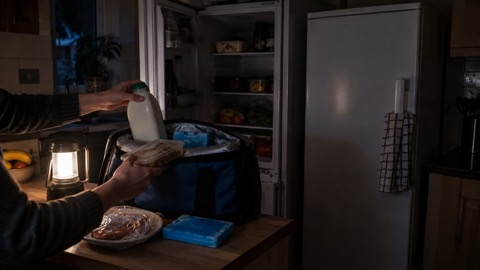 Fridge and Freezer Food
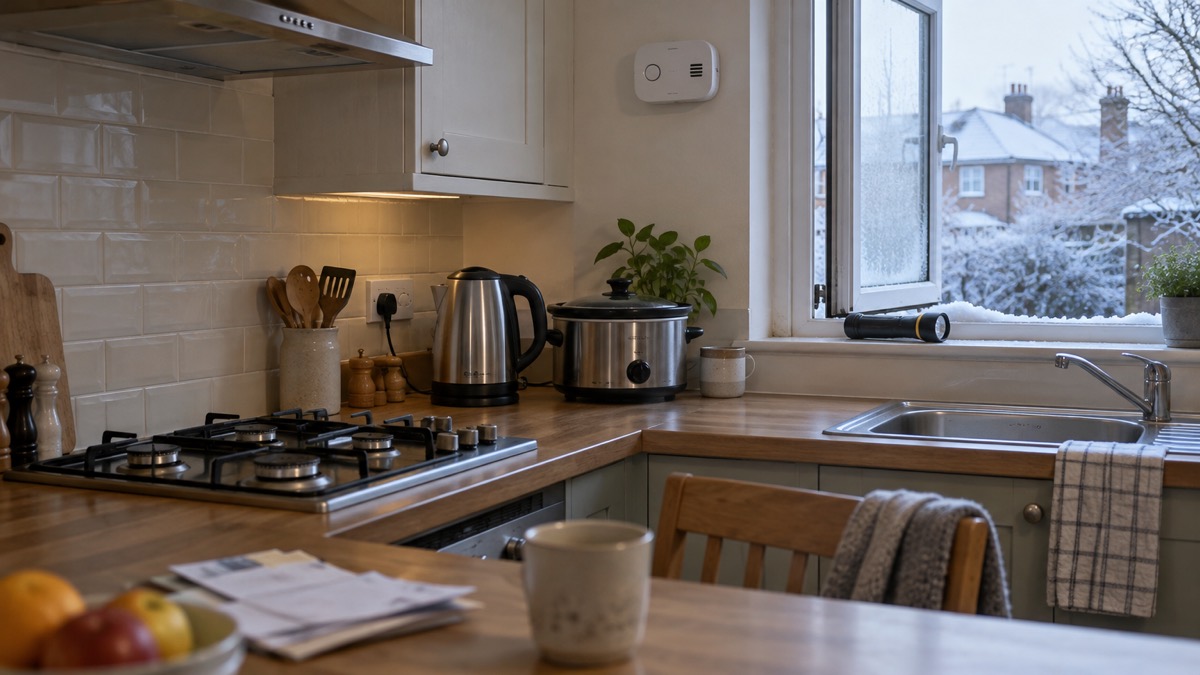
Gas and Heating
Know what to do if you smell gas, suspect carbon monoxide or lose your heating in cold weather. Find the emergency numbers, safe first steps, winter preparations, help during a gas outage and how to get your supply and boiler working again without attempting gas work yourself.
 National Gas Emergency Service
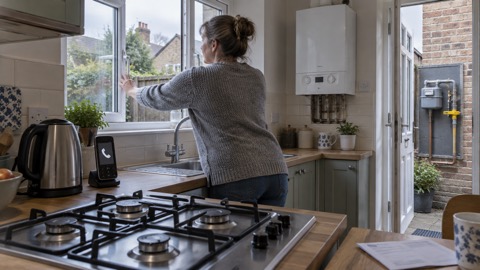 When the Mains Supply Goes Off
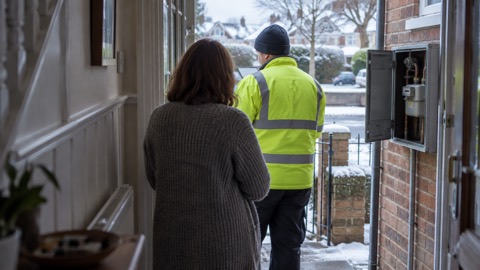 Getting Supply Back After Outage
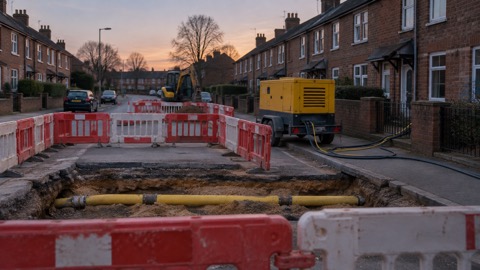 Compensation for Supply Cuts
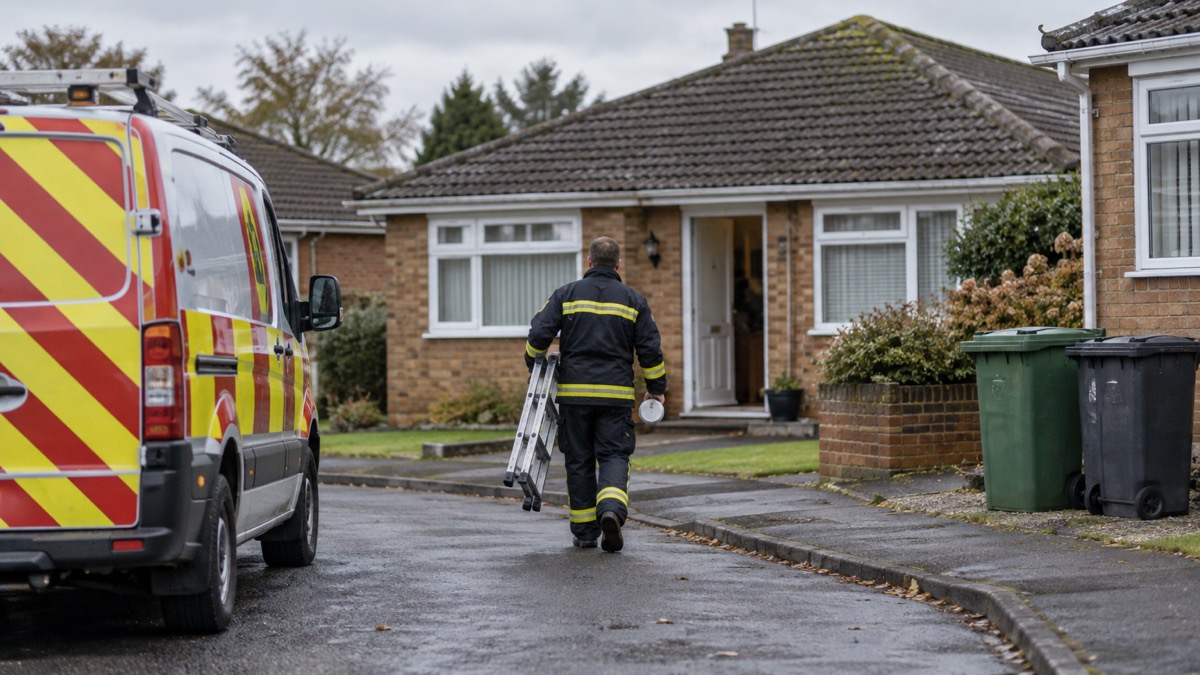
Home Emergencies
Know what to do if a fire starts, you smell gas, a carbon monoxide alarm sounds or a pipe bursts. Get the essential emergency numbers, escape advice, alarm positions and stop tap checks, plus free fire service visits and help for people at higher risk.
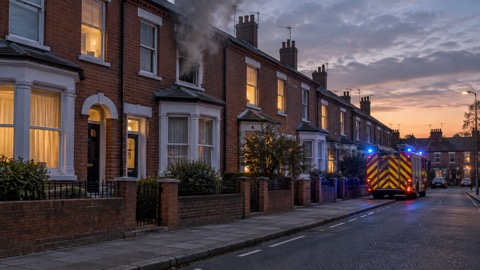 What to Do If Fire Starts
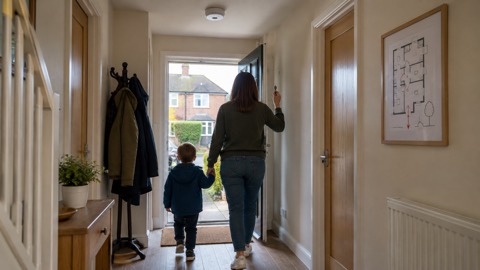 How to Make a Fire Escape Plan
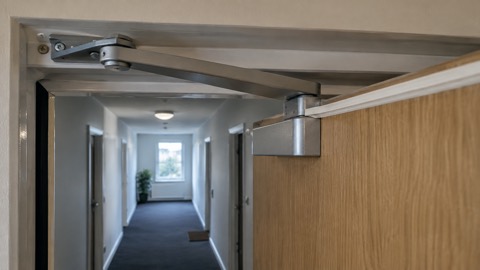 Fire in a Block of Flats
 Kitchen Fires and Cooking Safety
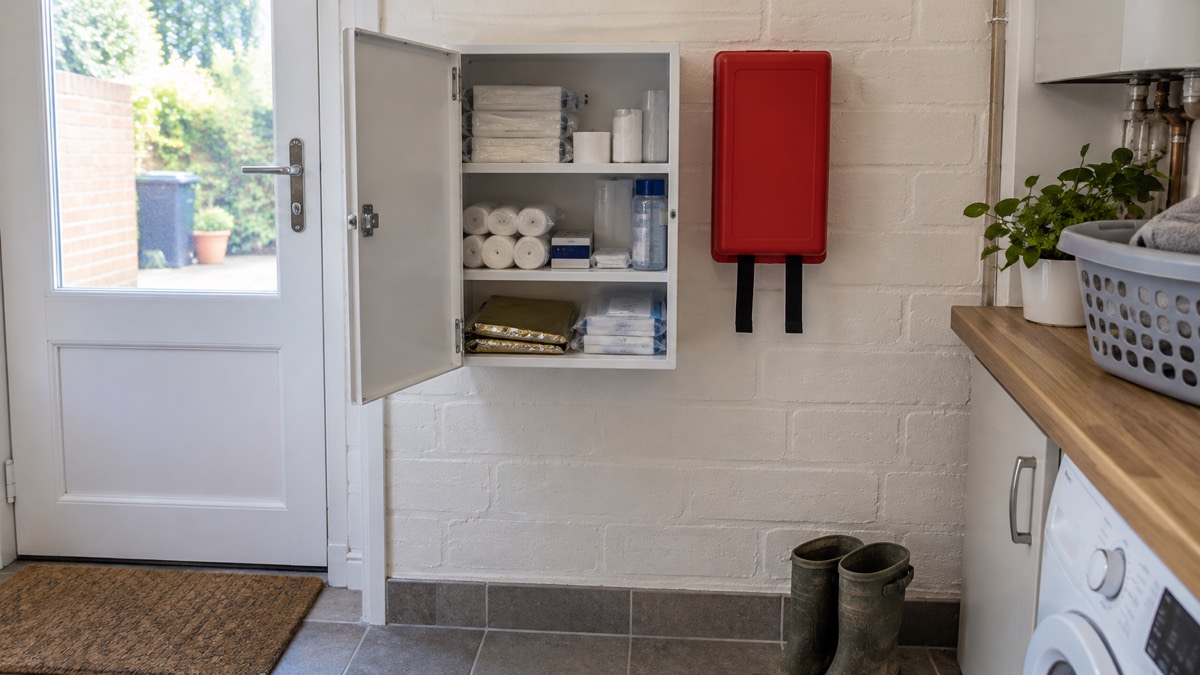
First Aid
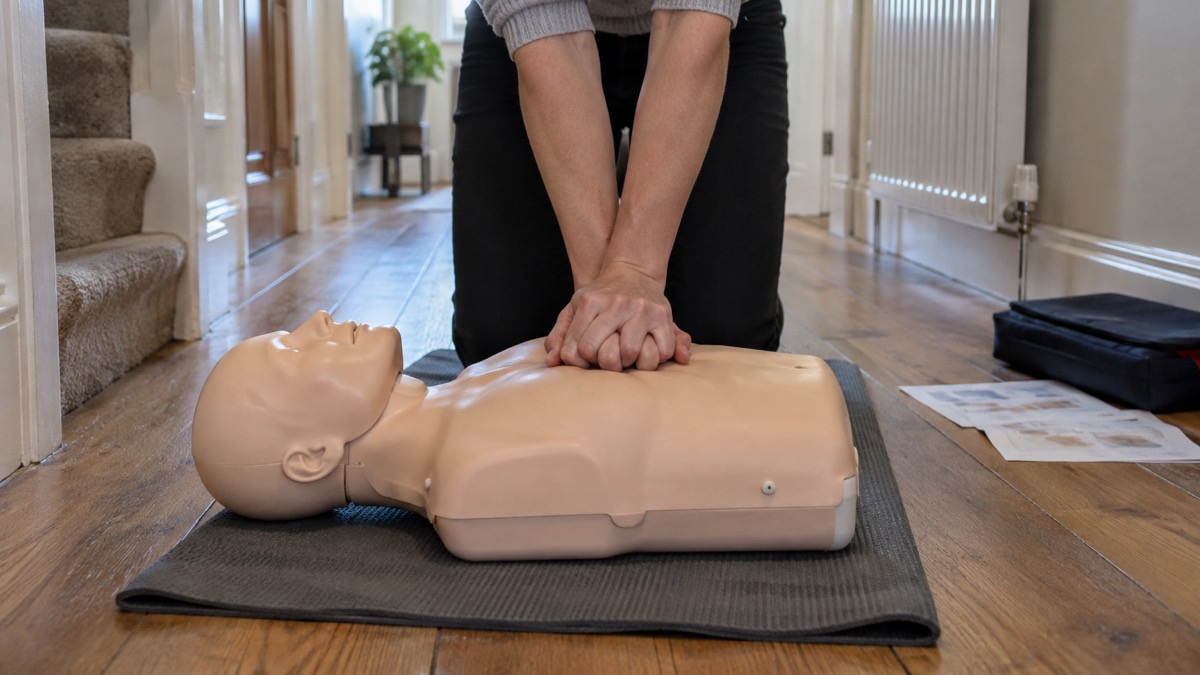
Know what to do when someone is injured, unresponsive or struggling to breathe. This household guide explains when to call 999, how to start CPR, and the immediate first aid for bleeding, choking, burns and other common emergencies, plus what to keep in a kit and where to learn.
All 100 first aid guides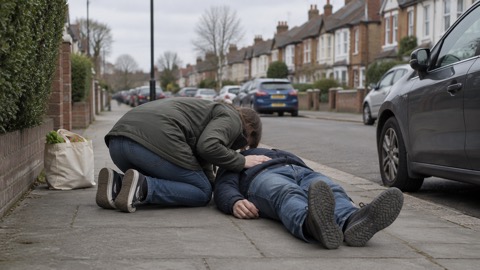 Danger, Response, Airway
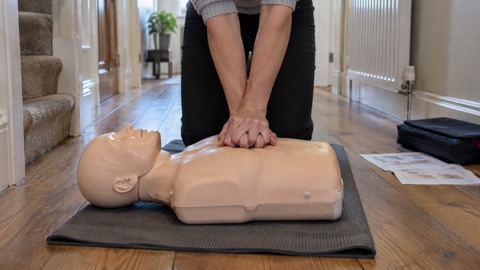 CPR Steps for Adults
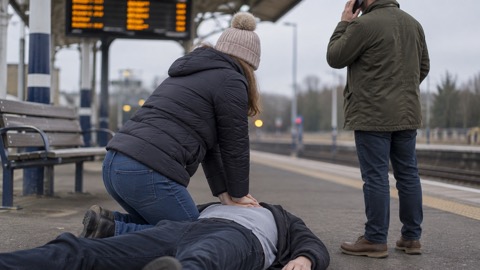 2025 Resuscitation Guidelines
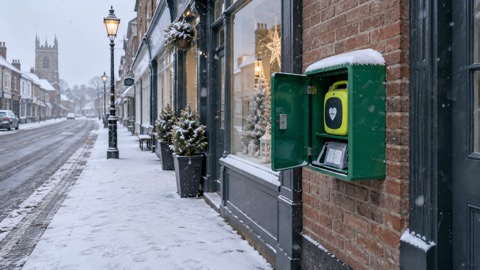 Defibrillators (AEDs)
Health
Know when to call 999, contact NHS 111 or ask a pharmacist, and how to prepare your household for illness, outbreaks and disrupted services. Includes medicine supplies, norovirus, flu, COVID-19, weather health alerts, caring for someone at home and extra help for people at higher risk.
All 52 health guides Pandemics and UK Household Plans
 Outbreaks Near You
 UK Health Security Agency
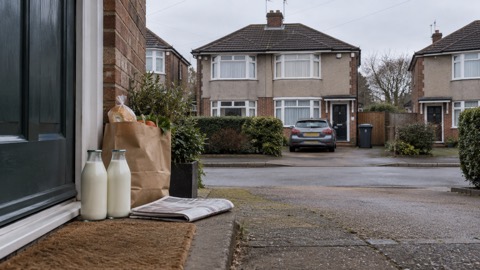 Staying Home When Ill
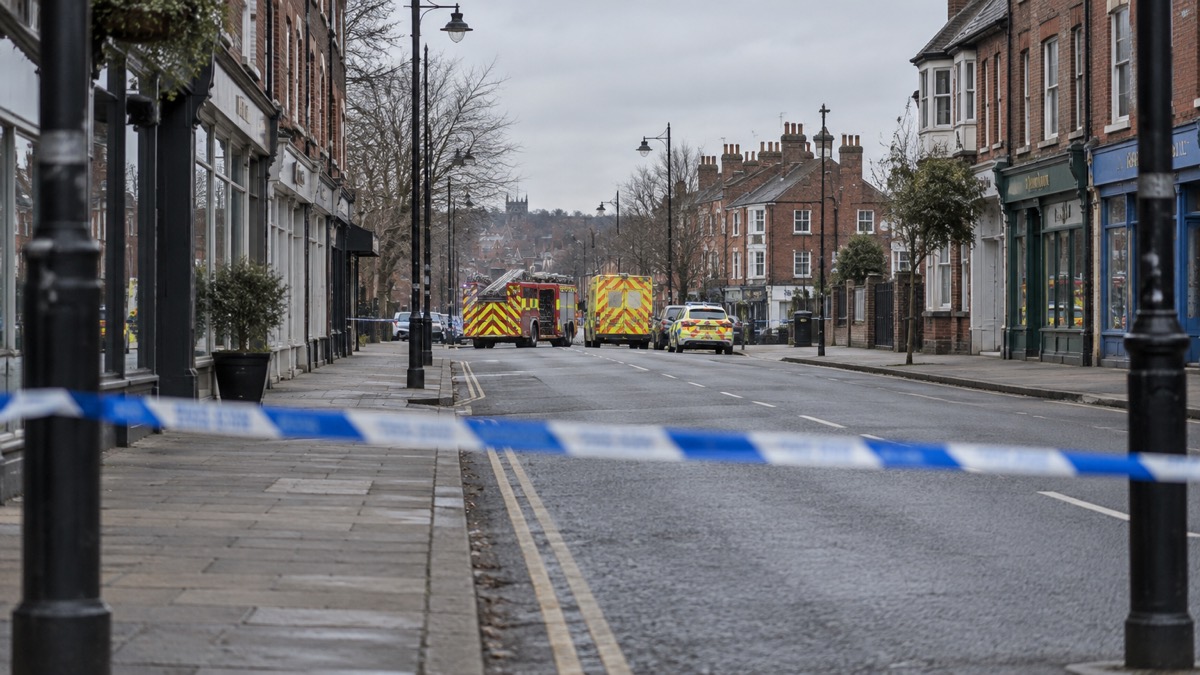
Major Incidents
Know what to do if you are caught in an attack or warned about a chemical or radiation release. This household guide explains Run, Hide, Tell, when to shelter indoors, what to do after contact with a harmful substance, when to call 999, and where to find official information and support.
All 37 major incidents guides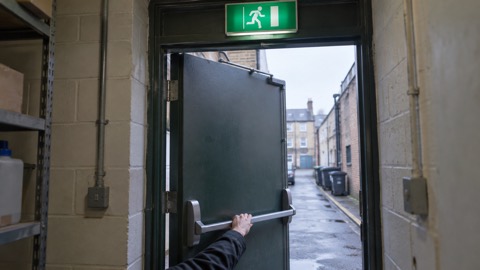 Run, Hide, Tell
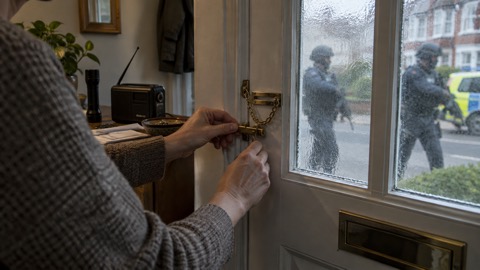 UK Terrorism Threat
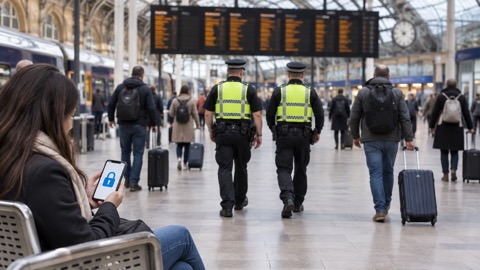 Terrorism Threat Levels
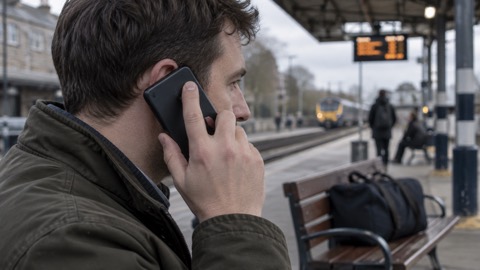 Reporting Suspicious Activity
Emergencies news
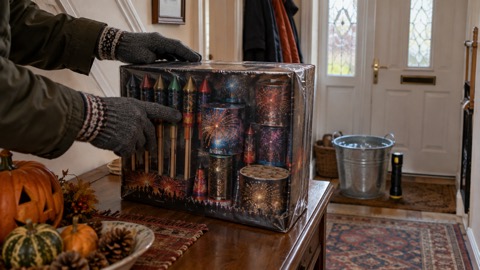 Halloween Firework Warning30 October 2026Home Emergencies
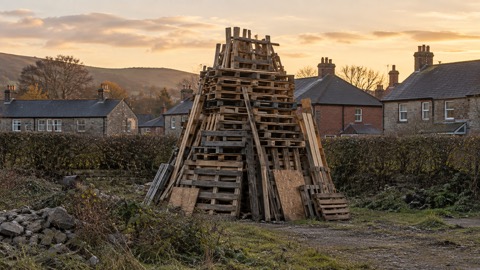 Bonfire Night Safety Appeal30 October 2026Home Emergencies
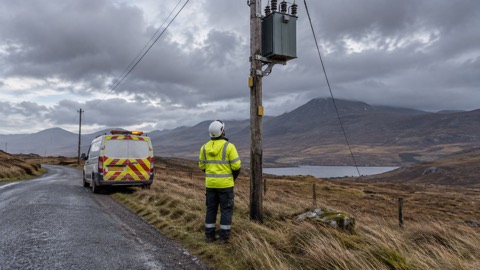 SSEN Yellow Alert Storm Boelo23 October 2026Power Cuts
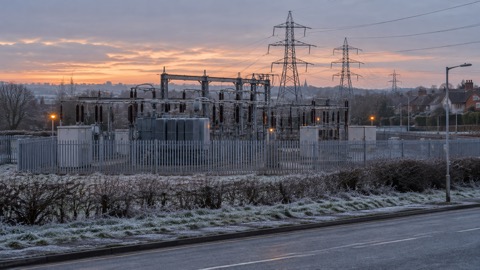 Winter Electricity Supply Secure23 October 2026Power Cuts
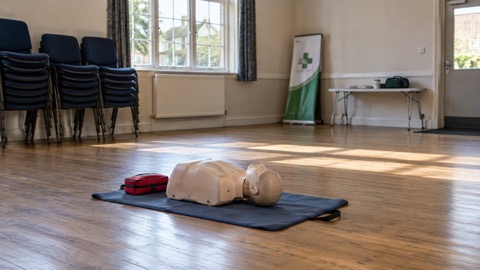 LAS Winter CPR Skills Call15 October 2026First Aid
 National Burns Awareness Day14 October 2026First Aid
Emergencies checklists
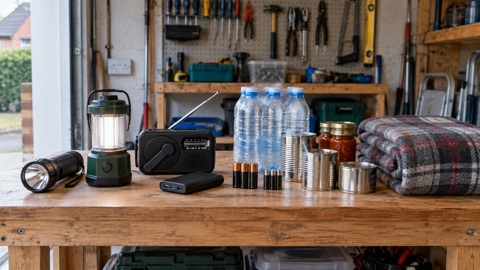 Power Cut Kit Checklist
Wondering what to have ready before the lights go out?
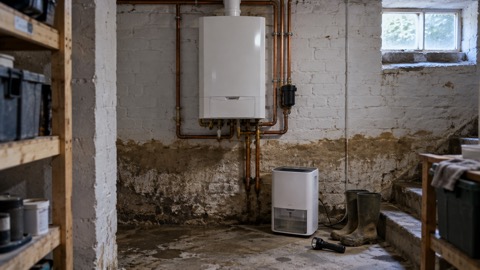 Checks Before Calling Engineer
No heat or hot water after a flood, and wondering whether to ring an engineer or switch the boiler back on…
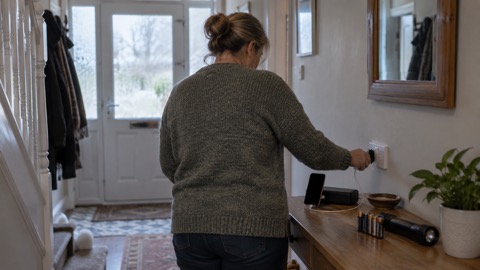 What to Keep Charged
When the power goes off, the things that keep you in touch and lit are only as good as their charge.
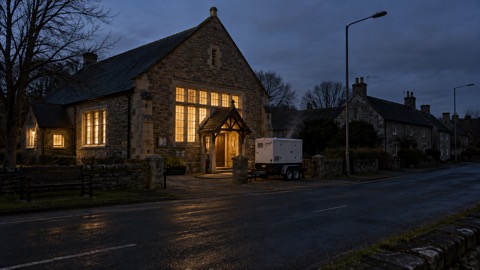 Household Emergency Plan
A power cut is easier to get through when the plan is already written down.
Common questions
What should I do first when my electricity goes off?
Check whether neighbouring homes have also lost power. If yours is the only property affected, check your trip switch. Switch off appliances that could become hazardous if left unattended, such as straighteners and stoves, but leave one light on so you know when supply returns. Keep fridge and freezer doors closed, and check on vulnerable neighbours or relatives. Power Cuts guide ›
What should I do immediately if I smell gas at home?
Open a window if you can, leave the property immediately and call the National Gas Emergency Service on 0800 111 999 in England, Scotland or Wales. In Northern Ireland, call 0800 002 001. Do not smoke or use naked flames. If it is safe to do so, open doors and windows, extinguish flames and turn off the gas at the meter, unless the meter is in a cellar. Gas and Heating guide ›
What should I do first if a fire starts in my house?
Get out, stay out and call 999 as soon as it is safe. Do not stop to investigate the fire or collect valuables, and do not try to tackle it yourself. Take your planned escape route if it is usable. If you cannot get out, get everyone into one room, ideally with an easily opened window and a phone, and call 999. Home Emergencies guide ›
When should I call 999 instead of NHS 111?
Call 999 when someone is seriously ill or injured and their life is at risk, including when they lose consciousness. Ask for the ambulance service and give your location. Use NHS 111, a GP or an appropriate urgent service when the situation needs medical advice or treatment but is not life-threatening. A severe burn, severe bleeding or suspected anaphylaxis needs emergency help. First Aid guide ›
Should I call 999 or NHS 111?
Call 999 for an immediate, life-threatening emergency. Use NHS 111 for an urgent medical need that does not require 999, rather than going straight to A&E. NHS 111 is available 24 hours a day, 7 days a week. Calls are free from landlines and mobiles, while online assessment at 111.nhs.uk is for people aged 5 and over. Health guide ›
What should I do first in a major incident?
Move to safety if it is safe to do so and follow instructions from the emergency services. During a weapons attack, run if there is a safe route, hide if you cannot escape, and call 999 when you can. If the danger is a chemical or radiation release outside, go indoors, close doors and windows, and listen for official advice. Major Incidents guide ›
Who do I ring to report a power cut?
Call 105 free from most landlines and mobiles in England, Scotland and Wales. It connects you to the local network operator responsible for restoring power, whichever company supplies your electricity. You can also report through powercut105.com. In Northern Ireland, call NIE Networks on 03457 643 643. Call the emergency services as well if there is a serious immediate risk. Power Cuts guide ›
Who should I ring when my gas supply stops working?
If you smell gas, treat it as an emergency and call 0800 111 999 in England, Scotland or Wales, or 0800 002 001 in Northern Ireland. If there is no gas smell and the supply has simply stopped, contact your supplier. Ask about alternative heating and cooking facilities if the interruption continues, particularly where someone in the household needs extra support. Gas and Heating guide ›