Snow and Ice: A Household Guide
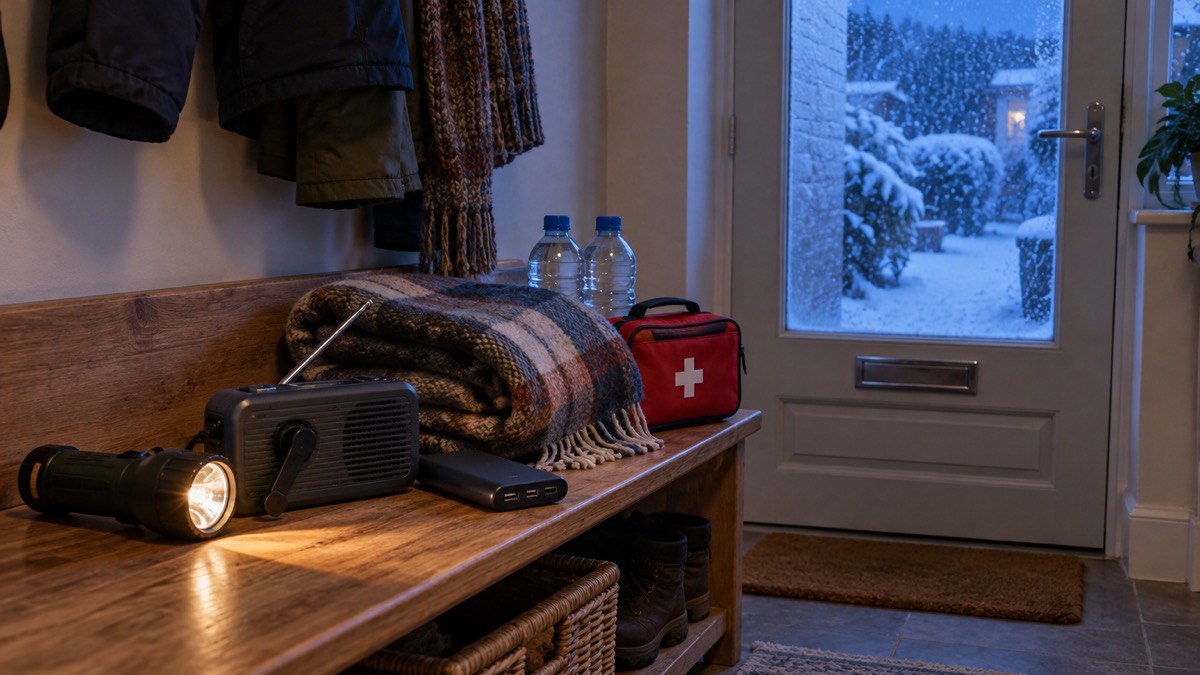
When snow or ice is forecast, check the latest Met Office forecast and National Severe Weather Warnings, then act on the advice for your area. Put off journeys that are not necessary, prepare your home and car, and make sure anyone who needs extra help has important telephone numbers written down. A charged phone, a separate battery charger, torches, blankets, warm clothing, food and water can make a disruption easier to manage.1
Cold is also a health risk. Heat rooms you use a lot to 21°C through the day and at least 18°C at night.2 If the electricity goes off, call 105, the power cut helpline. Call 999 for immediate concerns about health or welfare, and 101 if you cannot contact someone whose welfare concerns you.3
When something goes wrong in the cold
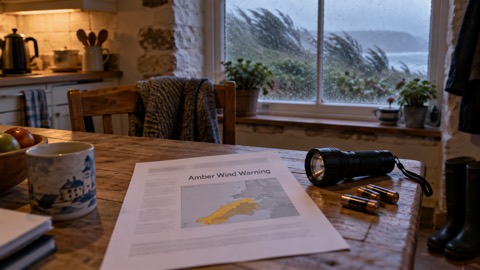
Start by keeping everyone warm and informed. During a power cut, wrap up warmly and close internal doors to retain heat. Keep windows and external doors closed, use torches and batteries rather than relying on mains lighting, and bring blankets and warm clothing together. Store 105 on your phone and report the cut; our guide to power cuts explains what to do next.5
Prepare for interrupted supplies before they happen. Keep cold and sore throat remedies, food and a large bottle of water in case the water supply is interrupted, with important contacts beside the phone. Arrange prescription medicines before snow makes collection difficult; the health emergencies guide covers medicine supplies.6
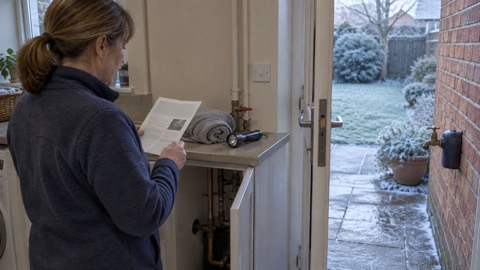
Know how to isolate your water at the stop tap and what to do about frozen or burst pipes. Our home emergencies guide covers burst pipes alongside fire, carbon monoxide and gas leaks. For information during disruption, Pembrokeshire Council advises listening to local radio or television for weather reports and emergency information. Keep a charged phone and backup charging option ready, and see staying informed and in touch for radio and phone-signal planning.7
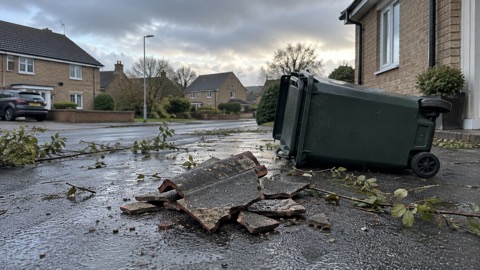
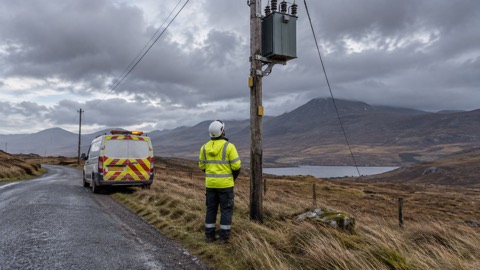
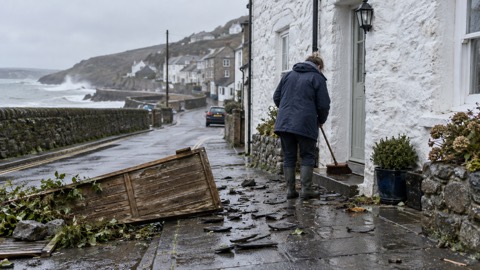
Winter weather can also bring high winds, heavy rain and flooding. Lancashire Prepared warns that storms can damage buildings and infrastructure, bring down trees, cause power cuts and disrupt transport. Its advice is firm: never walk or drive through flood water. Do not touch electrical or telephone cables that have blown down or are hanging; report them to the emergency services or utility supplier.8
Weather warnings and cold-health alerts
The Met Office is the UK's official weather service and issues warnings for the impacts of severe weather. Its local warnings are based on both the likely impacts and the likelihood of those impacts occurring. A warning is therefore a prompt to consider what snow, ice, wind or rain could do to your household, not simply a description of the weather.10
Check forecasts and warnings before making plans, then check again. The Met Office warns that weather warnings can change quickly and advises people to stay up to date with conditions in their area when one is issued. You can use the Met Office Weather Forecast app to create alerts for your area. Pay particular attention to National Severe Weather Warnings and Cold Health Alerts, and act on the advice issued.11
Cold Weather Alerts tell you when cold weather, snow or ice has been forecast, helping you prepare ahead of conditions arriving. Our guide to Cold-Health Alerts explains the alert levels and what they mean. WeatherReady, run by the Met Office in partnership with the Cabinet Office, provides year-round guidance on practical actions for individuals, families and communities.12
Use warnings to trigger practical decisions:
- Check heating, food, water, medicines, lighting and phone charging.
- Reconsider travel and allow for road or public transport disruption.
- Check on older, less mobile or otherwise vulnerable neighbours.
- Secure outdoor items before high winds.
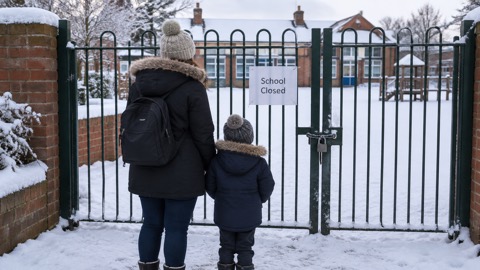
- Check your school's own arrangements if snow may close it; our page explains how to find out whether your child's school is closed.
For an example of sustained cold and widespread disruption, read about the Beast from the East in 2018.
Who is most at risk
Cold weather can affect anyone, but some people are more likely to become unwell or need support. The groups identified in health guidance include people aged 65 years and over, children aged 5 and under, pregnant people, and those with long-term cardiovascular or respiratory conditions. They also include people with learning disabilities, people at risk of falls, housebound people, those with low mobility, and people living alone who cannot care for themselves.2
Government guidance for adult social care also identifies people with mental health conditions. It notes that deaths during winter are significantly higher than at other times of year, and that longer-term effects of cold can include an increased risk of depression and anxiety. Oxfordshire guidance links cold winter weather with higher numbers of deaths, heart attacks and strokes among older people and other at-risk groups.15
The risks are not limited to body temperature:
- Cold weather can weaken immune defences, increasing susceptibility to colds, flu and pneumonia.2
- Flu and norovirus circulate more frequently in winter.2
- NHS inform says cold weather can increase the risk of respiratory infection.17
- Ice and snow create slippery surfaces, increasing slips, trips, falls, sprains, fractures and head injuries.2
- Cold or poor-quality homes can develop mould, increasing illness risk, particularly for people with asthma or respiratory conditions.14
- People sleeping rough, experiencing homelessness, living in homes that are hard to heat, or unable to afford fuel face additional risk.17
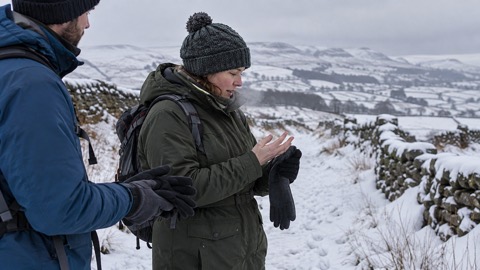
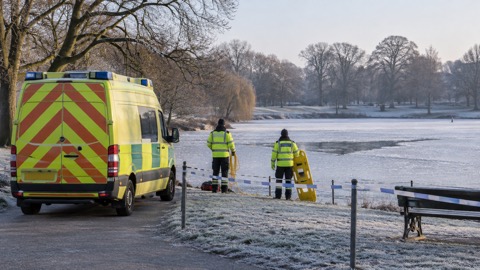
Our guide to staying well in cold weather brings the health advice together. If someone shows signs of frostbite or hypothermia, Pembrokeshire Council advises getting medical help immediately; see the signs of frostbite. Keep away from frozen water, and know what to do if someone falls through ice.7
Getting your home ready for winter
Before severe weather arrives, check fences and roof tiles and secure outdoor furniture. In windy weather, branches, roof slates, guttering, garden furniture, toys and trampolines can cause damage or injury. Deal with loose items while conditions are calm rather than attempting repairs during a storm.18
Use this household checklist:
- Heating: check that it is working properly and arrange any needed servicing.
- Fuel: keep an adequate store and supplier contact details close at hand, but do not rely on suppliers being able to reach you in heavy snow.19
- Remote homes: Ceredigion Council advises sufficient heating fuel plus alternative heating equipment and enough fuel for it in case electricity is cut off.20
- Lighting and communication: prepare torches, batteries, a charged phone and a separate battery charger.
- Food, water and medicines: keep essential supplies and important contacts accessible.
- Emergency planning: Ready Scotland advises making a household emergency kit and emergency plan before cold weather.21
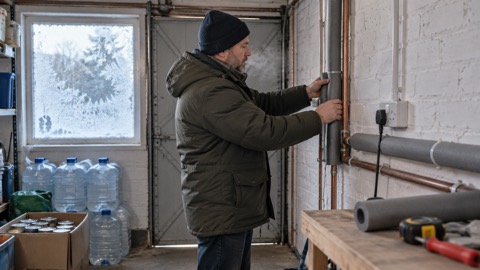
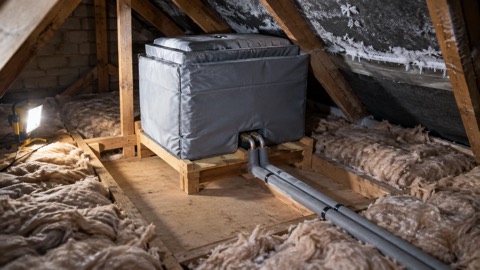
Our guide to getting your home ready for cold weather and ice covers the wider preparation. Protect plumbing by reading about insulating a cold water tank in the loft and isolating an outside tap for winter.
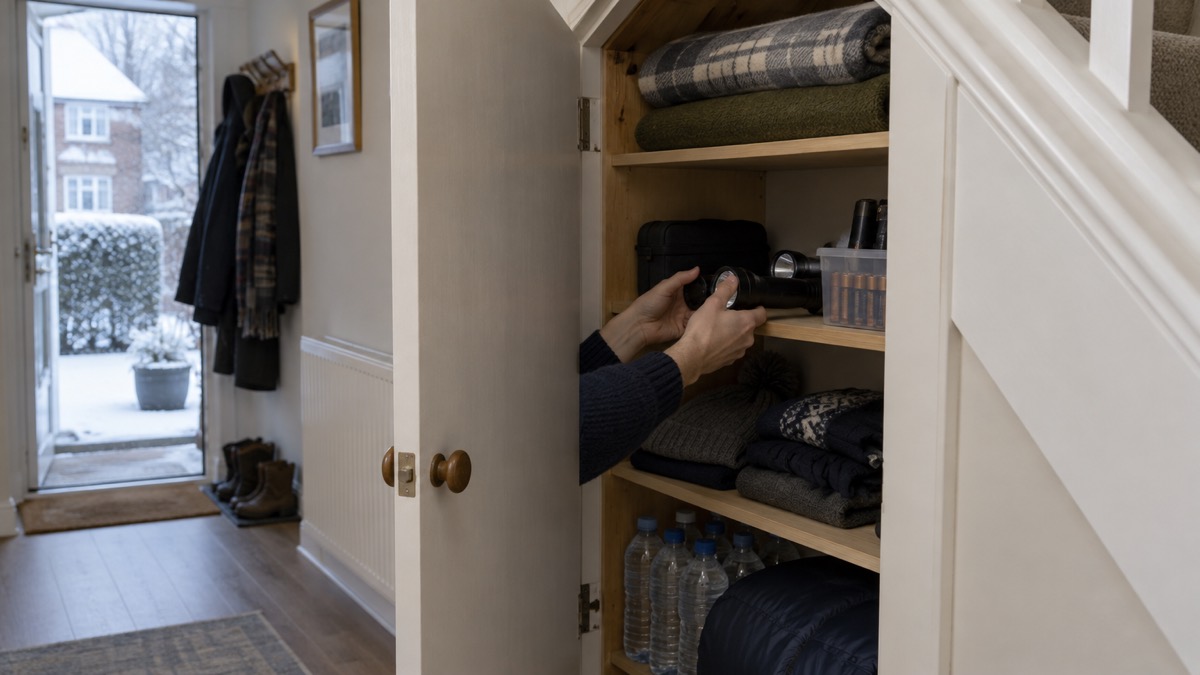
If your home uses heating oil or LPG, check your fuel arrangements before snow rather than waiting for a delivery problem. The heating and cooking guide covers alternatives when mains power or gas fails. If you could be cut off, the Met Office recommends gathering torches and batteries, blankets and warm clothing.22
Keeping warm and heating safely
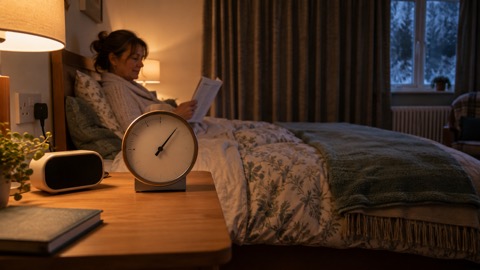
Heat the rooms you use a lot to 21°C during the day and at least 18°C at night. WeatherReady gives a wider household target of at least 18°C, including the homes of elderly relatives and neighbours. For night-time arrangements, see how warm a bedroom should be in winter.2
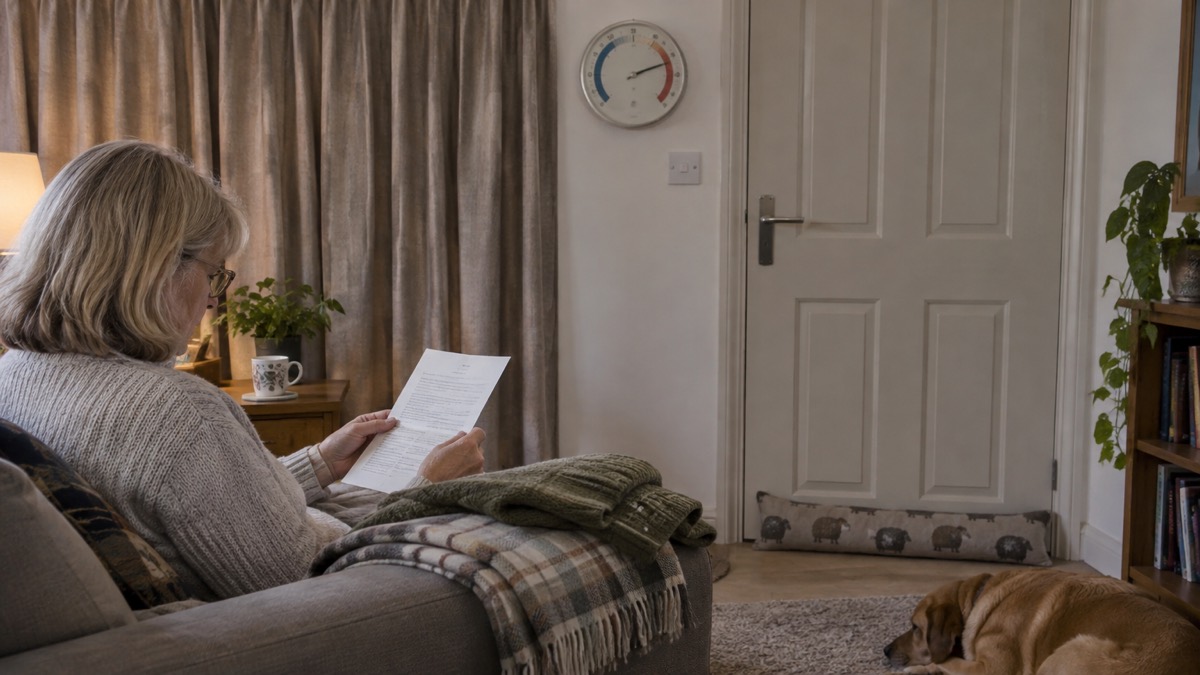
Retain the heat you have. Close curtains and internal doors, use draught excluders against external doors and close windows at night. Wear two or three thinner layers rather than one thick item. If you go outside, wear several layers, keep dry and use footwear with good grip. Pembrokeshire Council also advises eating regularly and drinking ample fluids while avoiding caffeine and alcohol during severe cold.2
Heating safely matters as much as staying warm:
- Suffolk Fire and Rescue Service says to unplug electric heaters and blankets when you go to bed.4
- The service says gas or paraffin heaters should only be used in well-ventilated areas, warning: “You could suffocate if the room is not properly aired.”4
- Pembrokeshire Council advises maintaining ventilation with kerosene heaters to avoid a build-up of toxic fumes, keeping fire extinguishers to hand and ensuring everyone knows how to use them.7
- Sussex Resilience Forum advises having heating and cooking appliances checked by a Gas Safe registered engineer to help protect against exposure to high levels of carbon monoxide.9
For boiler trouble, including frozen condensate pipes, use the gas and heating failures guide. Do not attempt work beyond your competence or interfere with gas appliances.
Deciding whether to travel
The first decision is whether to travel at all. Ceredigion Council's advice is to ask, “Is my journey necessary?” If it is not, do not travel. If snow or ice is expected, consider delaying the journey until conditions clear. If you must go, check local and national forecasts, plan your route, allow extra time and consider public transport.20
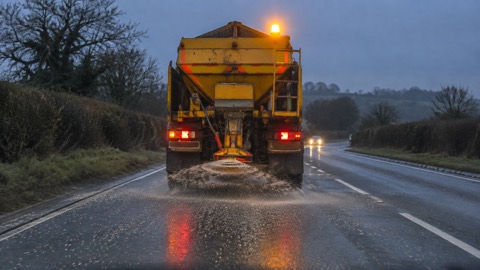
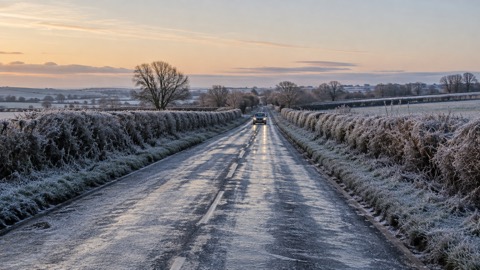
Plan around treated routes, but do not assume treatment guarantees clear conditions. North Yorkshire Council advises using main roads, checking gritting routes and live weather cameras, and allowing extra time. Pembrokeshire Council says never to assume a road has been gritted. Our guides explain which roads are gritted and whether you should overtake a gritter or snowplough.25
Before setting off:
- Check the forecast, delays, closures and local travel updates.
- Tell someone your destination, route and expected arrival time.
- Charge your mobile phone and allow additional time.
- Carry warm clothing, food, water, boots, a torch and a shovel.
- Keep plenty of fuel in the tank and listen to local radio for travel news.26
The detailed driving guidance is in driving in snow and ice. Never drive into flood water; our flooding guide explains the wider danger and what to do.8
High winds bring a separate risk. Scottish Borders Council advises drivers to watch for debris in the road and warns that trucks, buses, caravans and vehicles towing trailers are more easily pushed or flipped by wind. If caught outside in high winds, take cover next to a building or under secure shelter.27
Your car in winter: checks and kit
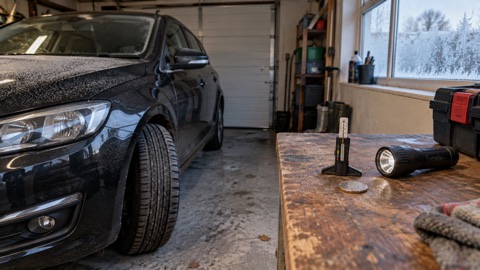
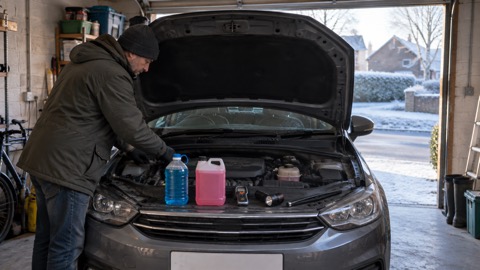
Prepare the vehicle before winter journeys. North Yorkshire Council and Mid and West Wales Fire and Rescue Service advise checking tyres, lights, wipers, screen wash, battery condition and visibility. Devon and Somerset Fire and Rescue Service also advises checking the forecast and planning the journey in advance.25
| Check or item | What to do |
|---|---|
| Tyres | Check pressure, tread depth and the spare tyre.25 |
| Lights and wipers | Make sure they work, are in good condition and are kept clean.24 |
| Screen wash and cooling system | Use screen wash containing anti-freeze and add anti-freeze to the radiator where required by the vehicle guidance.25 |
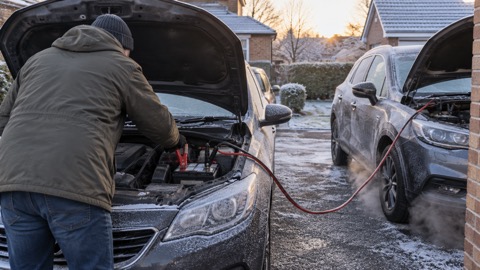
| Battery | Check that it is in good condition and fully charged.25 |
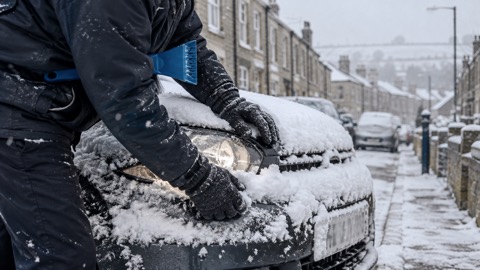
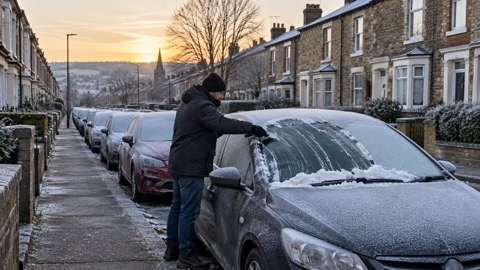
| Windows and mirrors | Clear ice and snow before setting off; a blanket can cover the windscreen overnight.25 |
| Fuel | Keep plenty of fuel in the tank.7 |
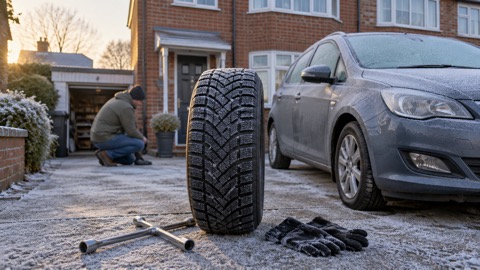
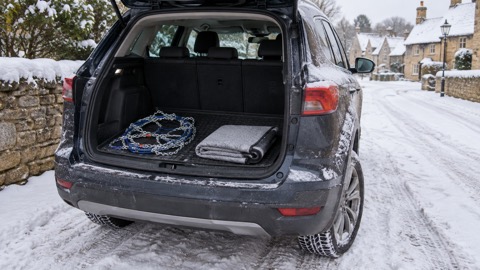
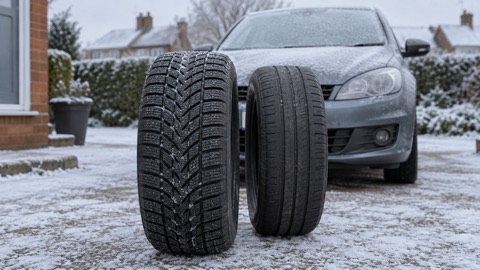
Use the full car checks before winter checklist, with specific advice on car batteries, winter tyre tread depth and de-icing a frozen windscreen. Consider whether winter tyres, winter or all-season tyres, or snow chains or snow socks suit your circumstances.
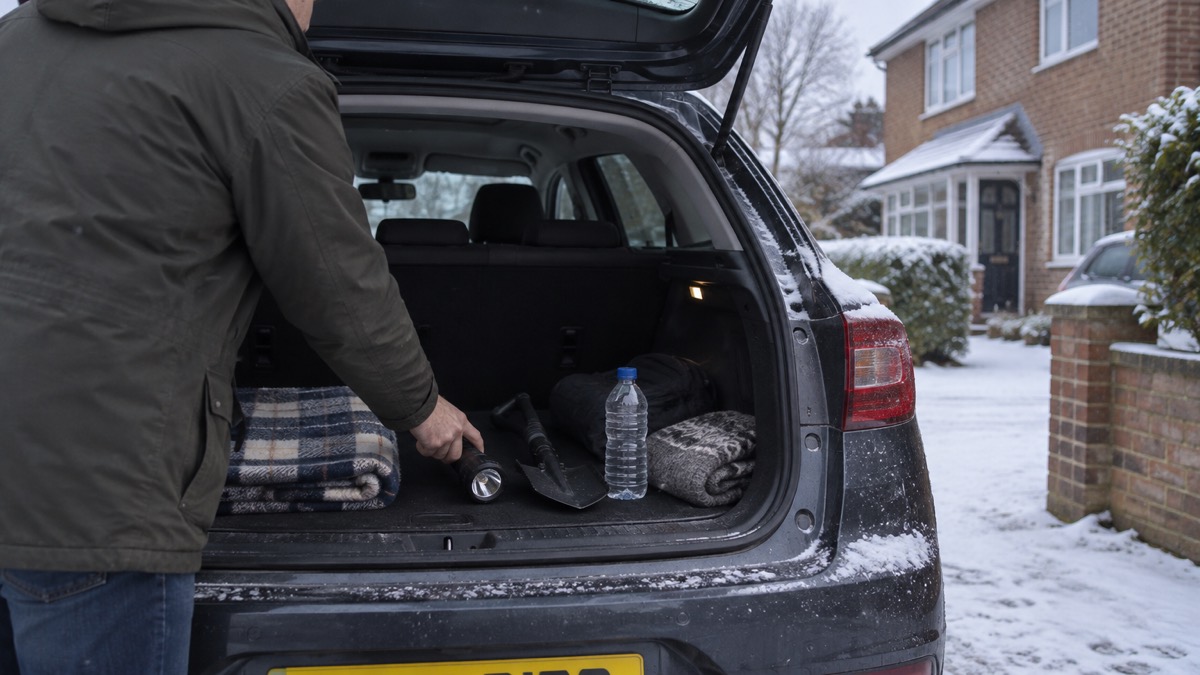
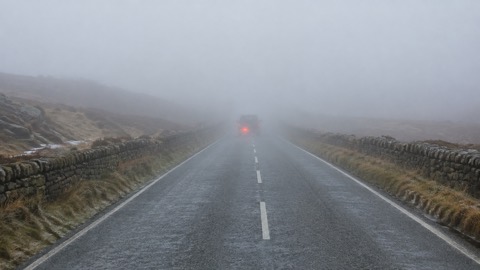
Carry a winter car kit containing warm clothing, blankets, food, water, boots, a torch, a shovel or spade, and a high-visibility jacket. The household emergency kit guide helps you organise these supplies. Also understand black ice, longer stopping distances on ice and when to use fog lights.26
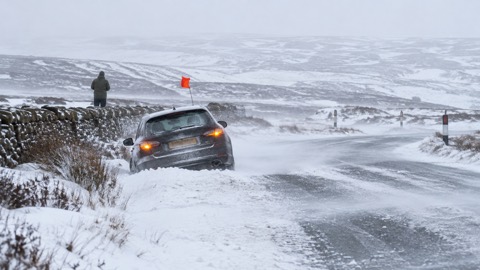
If you become stuck, Pembrokeshire Council advises pulling off the road, switching on hazard lights and remaining in the vehicle unless there are nearby buildings you know you can use for shelter. Run the engine and heater for about 10 minutes each hour, open a window slightly while the engine runs, and periodically clear snow from the exhaust pipe. Move around without over-exerting, huddle with passengers, drink fluids and avoid wasting battery power. Read what to do if your car gets stuck in snow before winter travel.7
Walking on ice and clearing paths
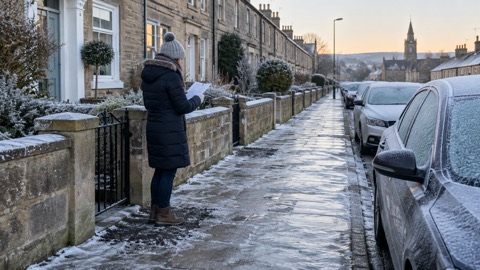
Take extra care on untreated pavements and wear footwear with good grip. Ready Scotland advises making sure someone knows your route and expected arrival time, and wearing clothing visible in the dark. Several layers help limit heat loss, while keeping dry is important outdoors. Our walking on ice guide covers avoiding slips and falls.11
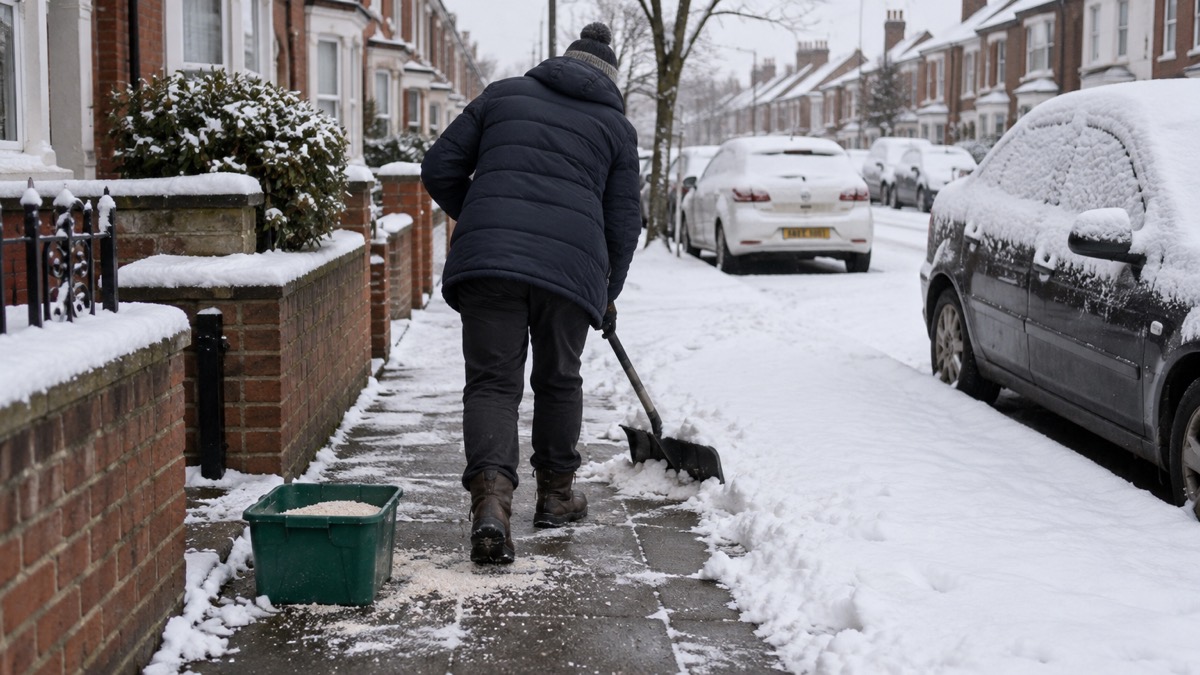
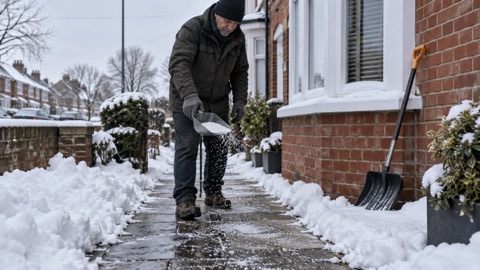
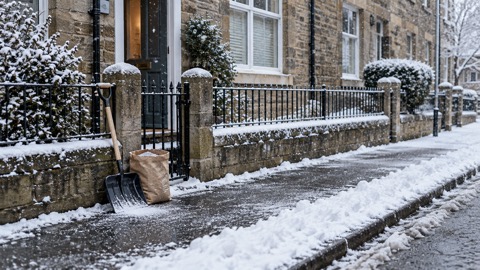
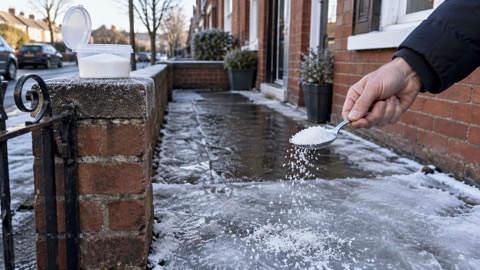
Clearing snow and ice outside your home or in public areas can help prevent slips and falls. Wear warm waterproof clothing and shoes with good grip, and avoid over-exertion: cold and snow bring a risk of heart attacks from over-exertion.23
When clearing:
- Decide where the snow will go before you start.
- Do not block entrances, side roads or drains.29
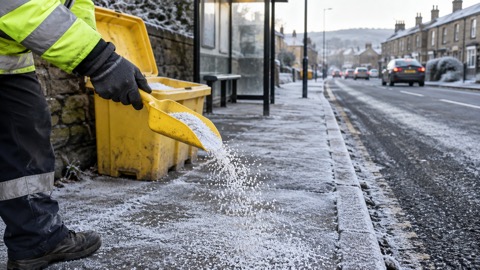
- Use ordinary table or dishwasher salt if available.
- Apply about a tablespoon for each square metre you clear.26
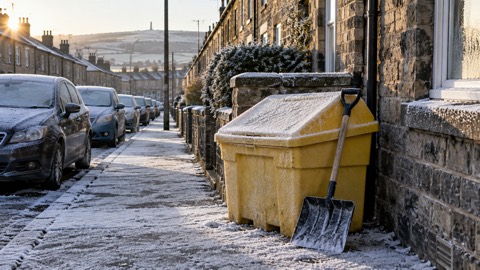
Follow the detailed guidance on clearing a path safely, clearing the pavement outside your house and how much salt to use. If your community uses grit bins, see how to request or refill a grit bin.
Checking on neighbours, pets and animals
Snow and ice can cut off access to homes and community buildings as well as disrupting travel. Elderly and less mobile people can be particularly affected, so check that they do not become isolated. South Western Ambulance Service advises checking in on neighbours and relatives in case they need help or support.10
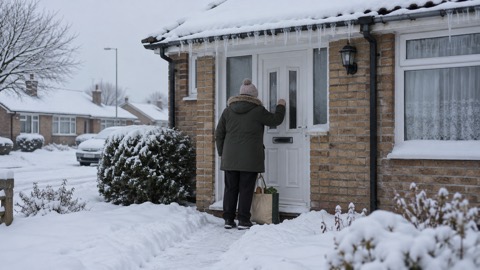
A useful check covers warmth, food, water, medicines, telephone contact and whether paths or entrances are accessible. Ready Scotland advises making sure people who need extra help have important phone numbers written down. People who would need additional support in severe weather or a power cut can ask about the Priority Services Register; our extra help guide explains the available support.21
Communities can also organise practical help. Where a local snow warden scheme operates, it can provide a focus for checking conditions and supporting neighbours. See community resilience for neighbourhood planning and checking on older residents.
Include animals in your plan. Lancaster City Council's preparedness guidance says: “Remember to make provisions for domestic animals.” Make sure their food, water, shelter and any routine supplies are considered before snow arrives. Our guides cover pets in an emergency and horses, livestock and other outdoor animals.19
Help with heating costs
A cold home is not simply uncomfortable. Cold or poor-quality homes can develop mould, increasing illness risks, especially for people with asthma or respiratory conditions. People living in homes that are harder to keep warm, or unable to afford fuel and heating costs, are among those facing additional risk.14
Support can include warm spaces, Cold Weather Payment, Winter Fuel Payment and the Scottish payments. Arrangements and eligibility differ, so check the current guidance for the nation you live in rather than assuming an English payment applies in Scotland, Wales or Northern Ireland. Our heating and cooking guide brings together heating support and safe alternatives during a supply failure.
Alongside financial help, reduce avoidable heat loss by closing curtains, using draught excluders and heating the rooms you use most. Keep supplier details accessible if you rely on delivered heating fuel, and do not wait until severe weather prevents deliveries.2
Who to contact
Write essential numbers down as well as storing them on a phone, particularly for someone who may need extra help. Keep the list beside the phone or with your emergency supplies.21
| Situation | Who to contact |
|---|---|
| Power cut | Call 105, the power cut helpline.3 |
| Immediate concern about health or welfare | Call 999.4 |
| Concern about someone you have not seen and cannot contact | Contact your local police force on 101.4 |
| Trouble at the coast | Dial 999 and ask for the Coastguard.9 |
| Weather forecast by telephone | The Met Office lists 0870 900 0100, alongside its website.26 |
| Fallen or hanging electrical or telephone cables | Do not touch them; report them to the emergency services or utility supplier.8 |
Continue monitoring local radio, television, forecasts and warnings while disruption lasts. After a storm, check that vulnerable neighbours and relatives are safe and help them arrange repairs if required. Do not attempt repairs while dangerous conditions continue.7
Sources (32)
- Cold weather, snow and ice: household preparation, GOV.UK Prepare Campaign, 2026-10-02
- Cold weather warning advice, North Cumbria Integrated Care NHS Foundation Trust, 2026-10-29
- Top tips to be WeatherReady, Met Office, 2026-10-25
- Seasonal winter safety advice, Suffolk Fire and Rescue Service, 2026-10-29
- Stay safe in snow, Met Office, 2026-10-25
- Keeping Well in Winter, Moulton Medical Centre, 2026-10-29
- Severe weather advice, Pembrokeshire County Council, 2026-10-29
- Storms and gales, Lancashire Prepared, 2026-10-29
- Preparing for an emergency: be ready, stay safe, act now, Sussex Resilience Forum, 2025-10
- Community resilience and severe weather, Met Office, 2026-10-25
- Stay safe in ice, Met Office, 2026-10-28
- Cold Weather Alerts and winter health, Met Office, 2026-10-28
- About WeatherReady, Met Office, 2026-10-29
- Cold weather advice, South Western Ambulance Service NHS Foundation Trust, 2026-10-29
- Supporting vulnerable people before and during cold weather, GOV.UK, 2025-09-24
- Keeping warm at home, Oxfordshire County Council, 2026
- How to stay safe in cold weather, NHS inform, 2026-09-21
- WeatherReady preparation tips, Met Office, 2026-10-25
- Be Prepared: household emergency guidance, Lancaster City Council, 2026-10-26
- Snow and ice advice, Ceredigion County Council, 2026-10-29
- Cold, snow and ice, Ready Scotland, 2026-03-25
- WeatherReady tips for snow and ice, Met Office, 2025-11-19
- Cold weather and snow, Lancashire Prepared, 2026-10-29
- High winds safety advice, Scottish Borders Council, 2026-10-29
- Winter road safety advice, Mid and West Wales Fire and Rescue Service, 2026-10-29
- Winter, summer and wet weather driving tips, North Yorkshire Council, 2026
- Driving in snow and icy conditions, Devon and Somerset Fire and Rescue Service, 2026
- Adverse weather events: snow, Llangattock Community Council, 2023-10-12
- Winter preparedness, Essex Prepared, 2026-10-29
- Weather warnings guide, Wiltshire and Swindon Prepared
- Met Office UK weather warnings, Met Office
- When and why do we issue warnings, Met Office
 Beast from the East 2018
 Driving in Snow and Ice
 Which Roads Are Gritted
 Winter Home Preparation
 Staying Well in Cold Weather
 Walking on Ice Safely
 Bedroom Temperature at Night
 Hitting Black Ice
 Car Battery in Winter
 Car Stuck in Snow
 Clearing Snow and Ice Safely
 Clearing Snow from Pavements
 Using Fog Lights
 Signs of Frostbite
 Falling Through Ice
 De-Icing a Frozen Windscreen
 Request or Refill a Grit Bin
 Overtaking a Gritter
 Insulating a Loft Water Tank
 Isolating an Outside Tap
 How Much Salt to Clear Ice
 School Closures in Snow
 Stopping Distances on Ice
 Winter Tyre Tread Depth
 Winter Tyres in the UK
 Car Checks Before Winter
 Snow Chains vs Snow Socks
 Winter Tyres vs All-Season Tyres
 Cold-Health Alerts