Livestock: A Household Guide
Keeping a few hens starts with three essentials: register the birds, give them secure housing and arrange a reliable routine for food, water and shelter. Since October 2024, all keepers of poultry or other captive birds have had to register, however many birds they keep. The registration scope includes chickens and quail as well as ducks, geese and other listed birds. Registration lets the authorities contact you during an outbreak.1
For a first flock, the British Hen Welfare Trust normally requires adopters to reserve at least three hens because they are sociable animals. Choose housing with room to spare, protect it against foxes and be prepared to keep new birds separate for up to two weeks. Foxes can visit by day or night, so a garden fence alone is not enough.2
What keeping hens and bees involves
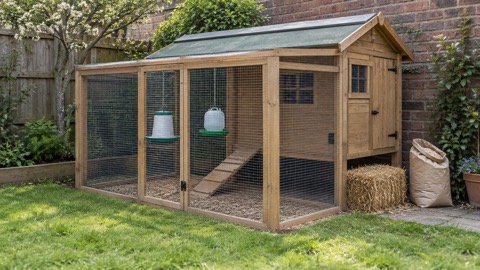
Hens need more than a coop and a bag of feed. Plan for a secure house and run, several feeding and watering points where bullying is possible, protection from severe weather and a way to keep new arrivals separate. Allow for registration and disease controls too. The pet hen kit checklist sets out the equipment side, while the sections below cover the decisions to make before birds arrive.
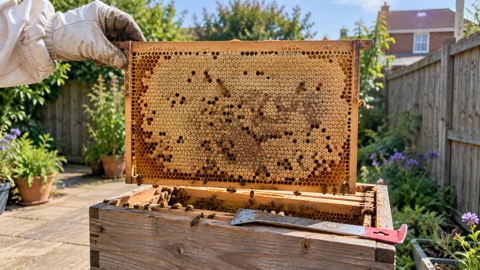
Beekeeping brings a different set of duties. The Bee Diseases and Pests Control Orders 2006 apply in England and Wales, with similar legislation in Scotland and Northern Ireland. They provide powers against threats including Small Hive Beetle and Tropilaelaps mites. Beekeepers must also use only veterinary medicines authorised for honey bees in the UK and follow the label instructions.5
| Subject | What a beginner needs to arrange |
|---|---|
| Hens | Secure housing, outdoor space, feed and water, flock companionship, registration and health care1 |
| Bees | Knowledge of disease law, authorised medicines, reporting duties and a safe response to swarms5 |
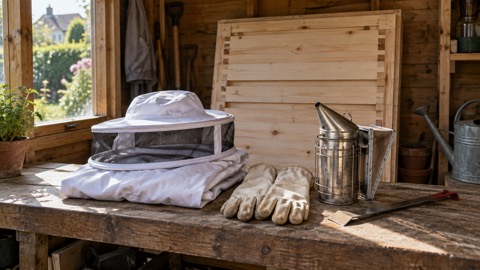
Start with the beginner beekeeping guide, then use the starter equipment checklist to understand what the hive work involves. Registration with BeeBase is a separate question covered in Do I Have to Register with BeeBase?. Do not assume that experience with poultry transfers directly to bees: their medicines, pests and legal controls are distinct.
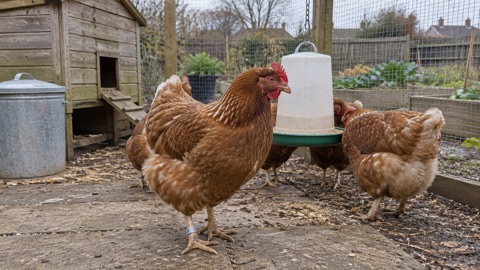
Register your birds first
Register before an outbreak makes the task urgent. In England and Wales, registering poultry with DEFRA or the Animal and Plant Health Agency is a legal requirement for anyone keeping hens. The wider official rule covers chickens, ducks, turkeys, geese, pigeons bred for meat, partridge, quail, guinea fowl and pheasants. It also covers pet birds and birds kept outside for shows, races, exhibitions, competitions, breeding or sale.1
Birds living in Scotland must be registered on the Scottish Kept Bird Register. During the control zones near Penicuik, keepers within the 3km and 10km zones were told to update their details or register immediately; the Scottish Borders guidance describes this as a legal requirement.2
| Where or when | Action for the keeper |
|---|---|
| England and Wales | Register poultry with DEFRA or APHA, including pet hens1 |
| Scotland | Enter birds on the Scottish Kept Bird Register2 |
| A Scottish control zone | Update details or register immediately where required6 |
| Other livestock | Register livestock with the Animal and Plant Health Agency7 |
The poultry registration guide deals specifically with whether pet chickens must be registered. Keep your contact and bird details current so official instructions can reach you. Registration does not replace biosecurity, but it makes outbreak communication possible.
A fox-proof hen house and run
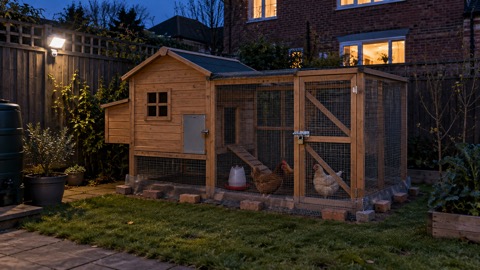
Treat fox resistance as a feature of the whole set-up, not just the coop door. The British Hen Welfare Trust warns: "Foxes are attracted by hens; they will visit night or day and will kill your birds if they are not secure." Foxes jump and climb like cats, and a standard 6-foot or 7-foot garden perimeter fence is not guaranteed to keep them out.2
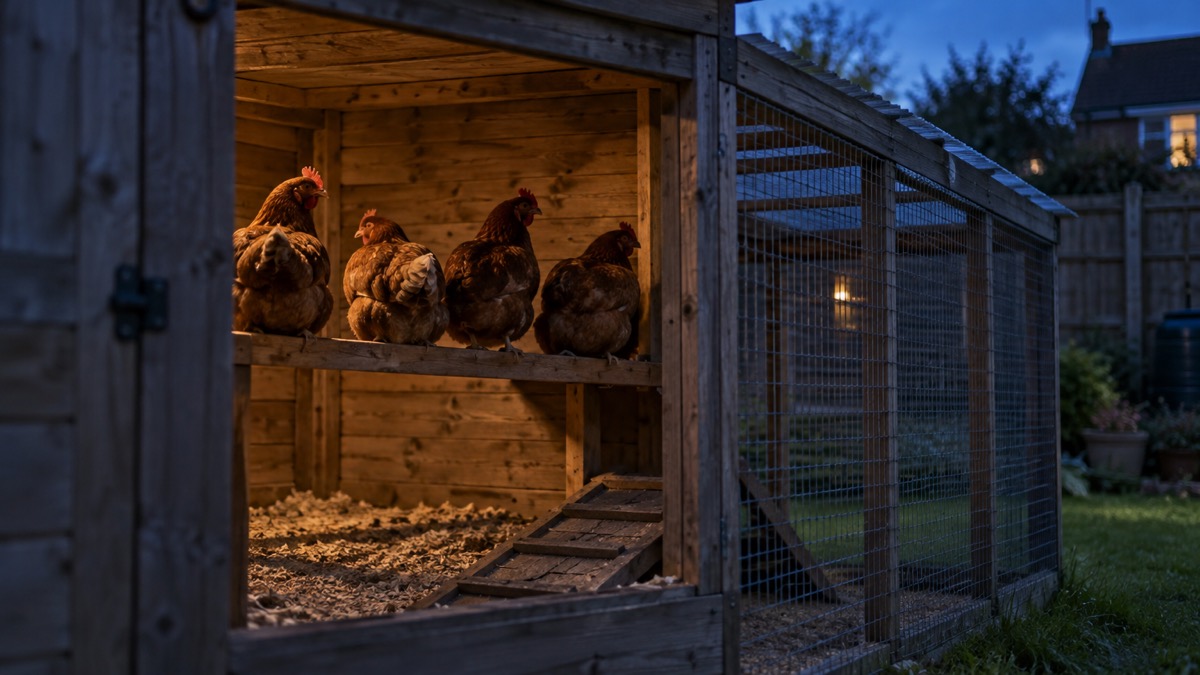
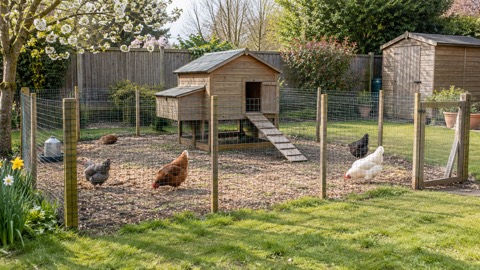
Use strong meshed fencing at least 6 feet tall, sloping outwards. Do not rely on chicken wire, because foxes can chew through it. Stop digging by burying fencing a foot into the ground or laying a mesh skirt flat around the base. The skirt should be 40cm wide, weighted with bricks or large stones; one version of the guidance also covers it with soil. Lock hens inside the coop at night.2
Buy a house rated for more birds than you intend to keep. The Trust's example is a house for six hens when you want four. Its suggested numbers for Omlet housing are:2
| Hen house | Suggested number |
|---|---|
| Eglu Go or Go UP | Two hens |
| Eglu Cube | Four to five hens |
| Eglu Pro | Seven to eight hens |
Use the coop and run space guide to plan room properly and the fox-proofing guide for the protective details. If you are considering an automatic door, the ChickenGuard PRO page covers that specific opener; it does not remove the need for a secure run.
Feeding hens and the kitchen scraps law
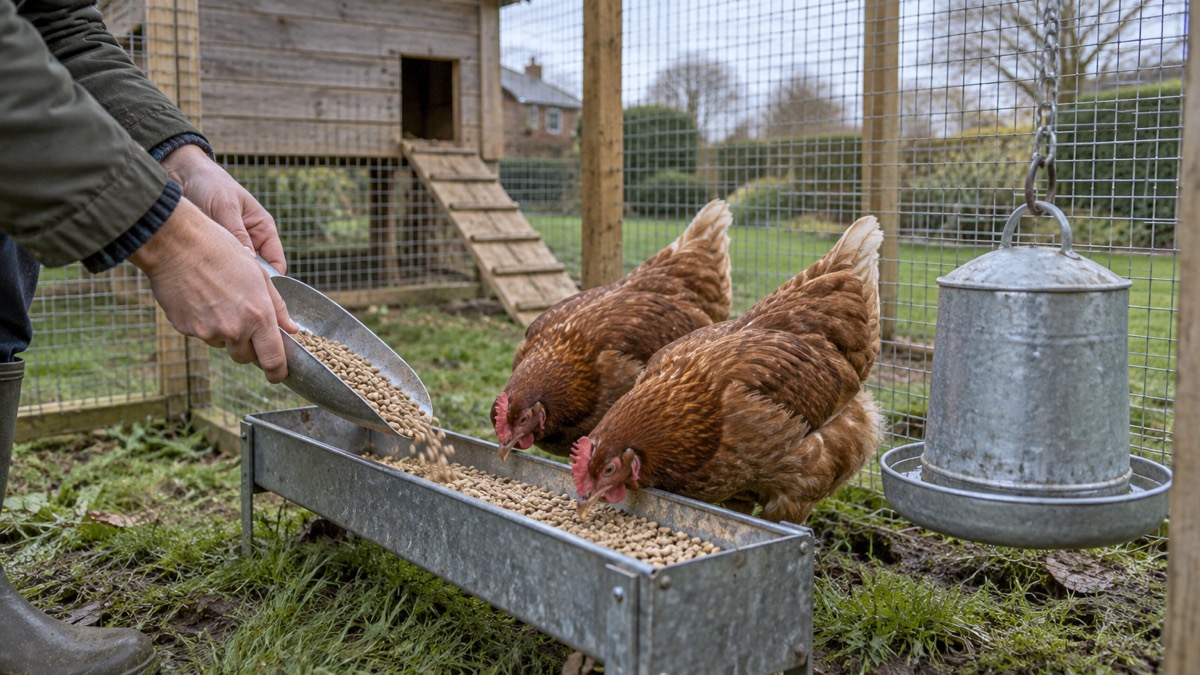
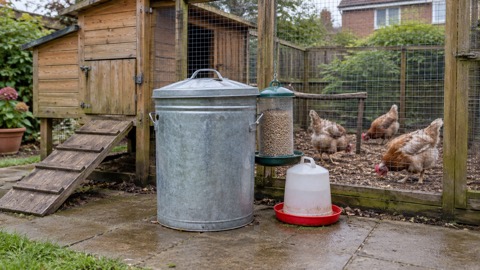
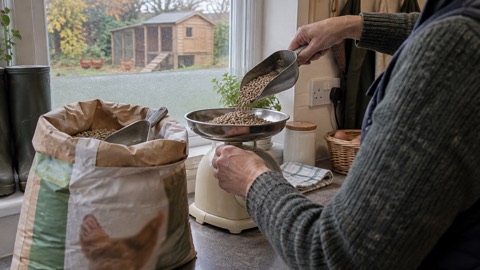
Keep treats modest and protect the feeding area from vermin. The British Hen Welfare Trust says a small amount of mixed corn in the afternoon is fine. It warns against overfeeding treats or scattering food on the ground because this attracts mice and rats and may adversely affect egg production. Where birds are being bullied, provide several sources of food and water so a lower-ranking hen can eat without confronting the others.2
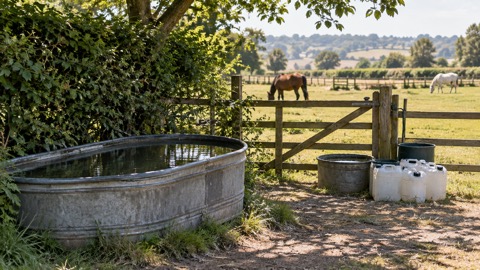
Water needs rise in importance during hot weather. British Veterinary Association advice carried by the Met Office says animals should have fresh drinking water, good ventilation and shade from direct sunlight at all times.8
- Put feed in suitable provision rather than scattering it across the ground.2
- Offer more than one feeding and watering point where bullying occurs.2
- Keep fresh drinking water available, with shade and ventilation in hot weather.8
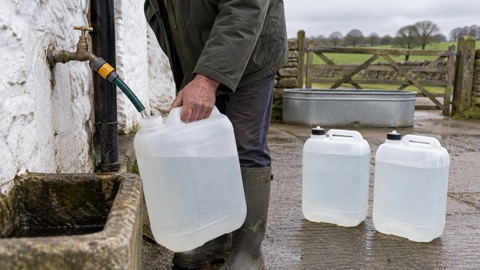
- Plan for supply interruptions using the livestock water outage guide.
For quantities, use How Much Food Does a Hen Need Each Day?. Home slaughter is a separate legal matter: the Food Standards Agency's guide to home slaughter in England and Wales is based on food hygiene regulations.9
Adopting ex-commercial hens
Ex-commercial hens are rehomed because they are considered no longer commercially viable and may be laying fewer eggs; without rehoming, they are sent to slaughter. The British Hen Welfare Trust collects them at approximately 17 months old. They are commercial hybrids, including Lohman Browns, Goldlines, Hylines and Isa's, all Rhode Island Red crosses. Alongside hens from enriched cages holding 40 to 90 birds, the Trust rehomes barn hens and some free-range hens.2
The normal minimum reservation is three hens. Existing keepers may adopt two, while the maximum is 20 and all those birds must stay together with the adopter. New adopters complete an online questionnaire and can call 01884 860084 to discuss questions.2
| Adoption stage | What to expect |
|---|---|
| Before collection | Complete the application questionnaire and prepare secure housing2 |
| Farm collection | Hens are crated early in the morning and taken to the rehoming point for a health check2 |
| Later that day | Adopters collect their birds; as many as 50 adopters may attend2 |
| First two weeks | Contact the Trust if problems arise so it can help2 |
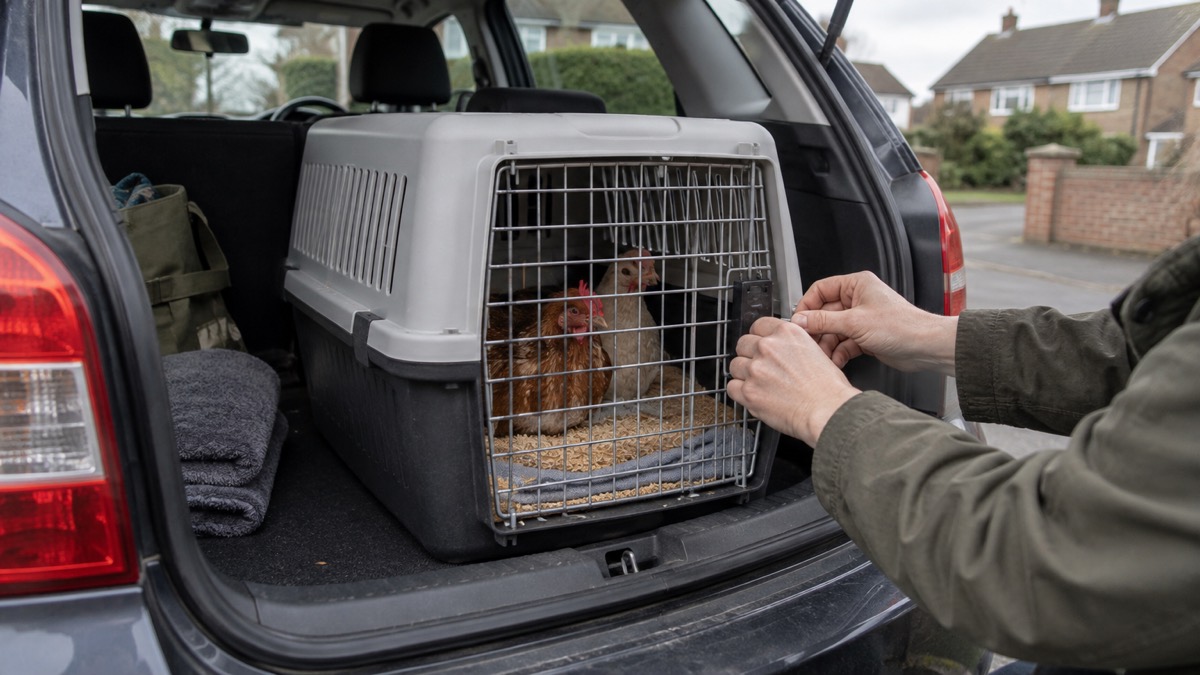
Bring straw or newspaper-lined cat carriers, dog crates or similarly sturdy cardboard boxes. Cardboard boxes need horizontal ventilation slits of around 1 by 6 inches cut into their sides; stab holes are not sufficient. Crates need a base or cardboard in the bottom. Hens must not travel in enclosed saloon car boots, and inadequate transport can lead to refusal.2
Prepare with the rescue hen arrival checklist and read caring for newly adopted ex-battery hens before collection day.
Settling in, new hens and eggs
Put new hens in their hen house initially so they learn where home is, but allow them outside straight away if you have a fenced area. The Trust also considers it sensible to quarantine new birds for up to two weeks. Recently collected hens may not understand shelter: they can stand outside in wet and windy weather, so physically put them into the coop when conditions are poor.2
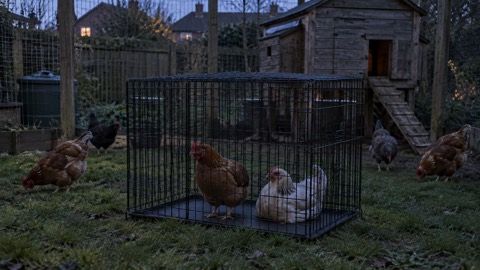
When combining flocks, adopt more newcomers than the number of hens already present. The Trust's example is to add at least four new hens to an existing flock of three, giving the incoming birds an advantage in numbers. Keep hens apart from cockerels for at least a month after farm collection because weak legs and bald backs leave them vulnerable to injury.2
- Quarantine new birds initially for up to two weeks.2
- Let them learn the coop as home while allowing access to a fenced area.2
- Provide space and several food and water sources.2
- Distract bullies with shiny CDs, half cabbages or corn on the cob hung just above head height.2
- Smear Vaseline on the combs of bullied hens so aggressors cannot get a grip.2
The guide to introducing new hens covers flock integration in more detail. Do not base adoption on an expected egg supply: these birds may already be laying fewer eggs. If you later consider hatching, read how to hatch chicks under a broody hen rather than assuming a rescued flock will breed.
Keeping hens healthy all year
Commercial farmers vaccinate, worm and salmonella-test their birds because their eggs enter the human food chain. However, the British Hen Welfare Trust cautions that these vaccinations do not always provide lifelong protection. Continue to observe the birds and arrange appropriate care rather than treating their commercial history as permanent immunity.2
Seasonal care includes some less obvious needs. Hens rehomed in summer with bald backs or heads may need sunblock suitable for pets on strong sunny days. In poor weather, make sure coops and other animal housing are in good repair and weather-tight, and check fences, gates and hedges.2
| Condition | Practical response |
|---|---|
| Strong sun on exposed skin | Use sunblock suitable for pets where bald backs or heads need protection2 |
| Wet and windy weather | Put inexperienced hens into the coop if they do not shelter themselves2 |
| Hot weather | Provide fresh drinking water, ventilation and shade at all times8 |
| Storm preparation | Repair weather-tight housing and check fences, gates and hedges10 |
Use the chicken health guide for mites, lice, worms and common illnesses, and How Often to Clean a Chicken Coop and How for housing hygiene. Never leave animals inside a car, caravan or conservatory in hot weather, even for a little while.8
Bird flu and disease outbreaks
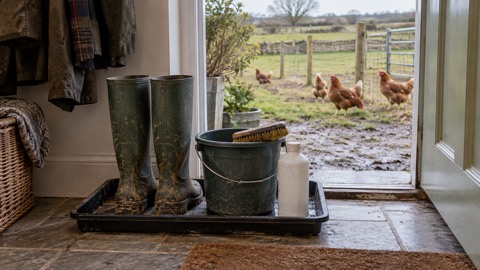
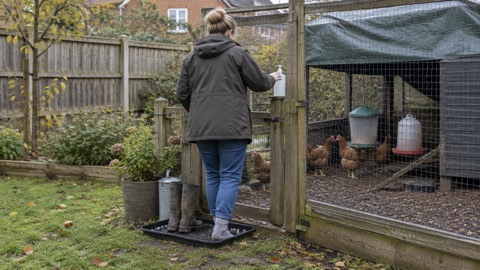
Bird flu reaches poultry and captive birds mainly through contact with wild birds, particularly waterfowl such as geese, ducks and swans, and gulls. Infected birds' faeces and contaminated footwear, clothing, vehicles and equipment also spread it. Registration is therefore only the first step: keepers must reduce contact and contamination risks as well.1
Check current official restrictions, including any housing order in force. In all disease control zones, keepers must follow biosecurity rules, keep records of anyone transporting or marketing poultry or poultry eggs, subject to the exemption for table eggs, follow fresh meat rules and comply with biosecurity requirements imposed by a veterinary inspector. They must not organise or attend bird gatherings or release game birds.1
More generally, an animal disease outbreak brings controls on the movement of certain livestock to reduce spread and allow the outbreak's origin to be traced. If animals cannot be moved, place them as far from danger as possible and arrange shelter and food for several days.11
Animal diseases are rare in the UK, but planning allows for serious events. London's risk register describes a possible avian influenza outbreak lasting 6 to 8 months, with up to 8 million poultry and captive birds killed by the virus or culled for disease control, alongside export restrictions.12
Read Animal Disease Outbreaks: What Keepers Need to Know and establish the habits in Daily Biosecurity for Backyard Poultry Keepers.
Keeping bees and dealing with swarms
Beekeepers need to know the Bee Diseases and Pests Control Orders 2006 for England and Wales and the similar legislation in Scotland and Northern Ireland. The Orders provide powers to act against Small Hive Beetle and Tropilaelaps mites, both described as exotic threats to UK apiculture. In 2021, amendments required varroa to be reported to the relevant country's Agriculture Department in England, Wales and Scotland.5
Only use veterinary medicines authorised for honey bees in the UK, and use them according to their labels. This is a legal responsibility, not an optional preference for a particular treatment.4
| Beekeeping issue | Required or advised response |
|---|---|
| Varroa | Report its presence as required to the relevant Agriculture Department5 |
| Veterinary medicines | Use only UK-authorised honey bee medicines and follow the label4 |
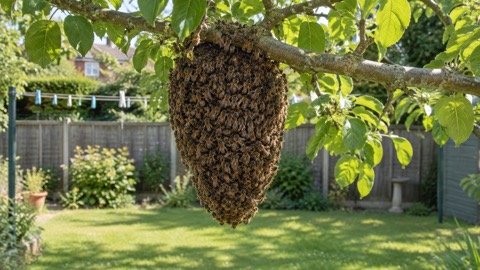
| Bees in a swarm container | Lightly spraying them with water helps settle the swarm14 |
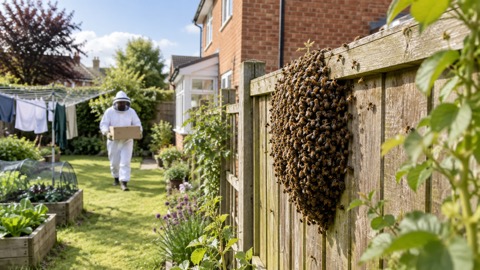
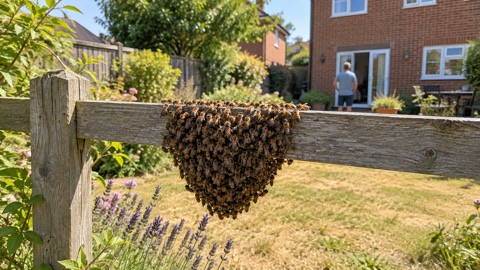
The National Bee Unit's guidance on taking and hiving a swarm says: "Lightly spraying the bees in the container with water will help to settle the swarm." That instruction applies to bees already being handled in a container, not to an undisturbed swarm on a branch or wall.14
Use Honey Bee Health: Varroa, Foulbrood and Swarms for the health background and Reporting Suspected Foulbrood in Your Hives for that specific concern. If a swarm arrives, follow What to Do If a Bee Swarm Lands on Your Property; When Is Bee Swarming Season? explains the timing.
Horses and livestock in bad weather
Make the decision to shelter animals early, while it is still safe to move them. Northern Ireland's official storm advice tells farmers and livestock owners to put livestock in a sheltered, secure area away from trees. It also warns that animals may behave erratically during high winds, so take extra care when working with or moving stock.3
| Hazard | Action before or during the event |
|---|---|
| High winds | Shelter stock securely away from trees and allow for erratic behaviour3 |
| Flooding | Ensure outdoor animals can move freely and escape rising water16 |
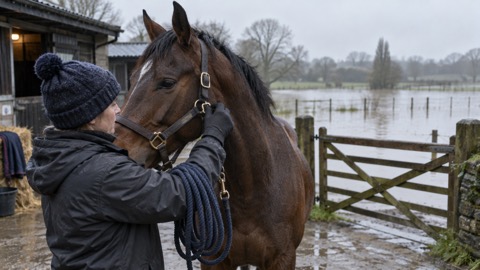
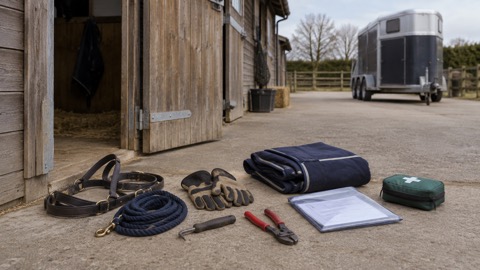
| Moving horses in floods | Wear a hat and gloves; where there are many horses, move them together to help keep them calm17 |
| Animals that cannot be moved | Put them as far from danger as possible, with shelter and food for several days11 |
| Hot weather | Supply fresh water, ventilation and shade from direct sunlight at all times8 |
Check that pets and livestock kept outside can escape rising water. Devon and Somerset Fire and Rescue Service also advises maintaining fences so livestock and other animals do not become trapped. SEPA's flood guidance recommends a hat and gloves when handling horses and moving a group together where possible.16
Livestock are unpredictable and can be very dangerous under stress. The Derby and Derbyshire flood warden handbook says to enter an area only with trained personnel such as a farmer and only when it is safe. Do not put yourself at risk to improvise a rescue.19
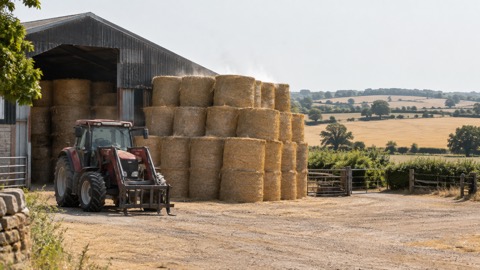
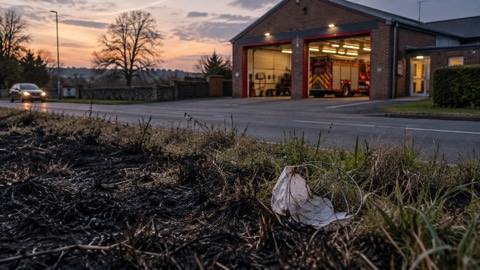
The main horses and livestock severe weather guide covers floods and snow, with a separate horse evacuation kit checklist. Use the livestock heatwave guide for hot conditions. Related hazards are covered in Hay Bale Fires: Temperature Checks and Who to Call, Sky Lanterns: Harm to Livestock and Fire Risk and Keeping Horses Safe During Fireworks.
Where to get help
For adoption and early hen-keeping problems, contact the British Hen Welfare Trust's Hen Central on 01884 860084 or email hens@bhwt.org.uk. It asks adopters to get in touch if issues arise within the first two weeks. The Trust cannot rehome hens that have become part of an established flock; it suggests social media or a local animal sanctuary in that situation.2
Arrange emergency care before you need it. Official preparedness advice suggests contacting friends, relatives, veterinarians or boarding kennels in a safer area to arrange foster care if you and your animals cannot stay together. Westminster City Council similarly advises arranging for a friend or relative to look after pets in an emergency.20
- Adoption and settling-in support: British Hen Welfare Trust, 01884 860084 or hens@bhwt.org.uk.2
- Temporary care: agree a arrangement with friends, relatives, a veterinarian or boarding provider in a safer area.20
- Reception centres: where Westminster provides a pet area, dogs or cats may be brought there, but you remain responsible for their welfare and for ensuring they do not endanger people or other animals.21
For wider household planning, see Pets in an Emergency and Community Resilience. Local arrangements vary, so confirm any reception centre or fostering arrangement before travelling.
Sources (22)
- Avian Influenza: Registration and Disease Control Zone Rules, Suffolk County Council, 2026-10-29
- Hen Adoption FAQs, British Hen Welfare Trust, 2026-02-05
- Strong Winds Weather Warning: Information and Advice, nidirect, 2026-10-24
- Legal Responsibility of Beekeepers, National Bee Unit, 2026-11-04
- Bees and the Law, National Bee Unit, 2026-11-04
- Avian Influenza and the Scottish Kept Bird Register, Scottish Borders Council, 2026-10-29
- Community Risk Register 2025, North Yorkshire Council, 2025-02
- Hot Weather Advice for Animals, Met Office, 2025-06-19
- Home Slaughter of Livestock: A Guide to the Law, Food Standards Agency, 2019-09-10
- Preparing Your Pets for an Emergency, South Gloucestershire Council, 2010
- Are You Ready? Emergency Preparedness Booklet, Culham Parish Council, 2025-09
- London Risk Register, Greater London Authority, 2025-01
- Animal Disease, Dorset Prepared, 2024-03-05
- Taking and Hiving a Swarm, National Bee Unit, 2012-05
- Strong Winds and Heavy Rain: Information and Advice, nidirect, 2026-01-27
- During Flooding, Somerset Council, 2026-10-01
- Protecting Your Farm and Livestock from Flooding, Scottish Environment Protection Agency, 2026-10-29
- Top Causes of Rescues and How to Avoid Them, Devon and Somerset Fire and Rescue Service, 2026
- Derby and Derbyshire Flood Warden Handbook, Derby and Derbyshire Local Resilience Forum, 2019-11
- Emergency Safety Advice: Animals, Slough Borough Council, 2026-10-29
- Pet Welfare in an Emergency, Westminster City Council, 2025-09-24
- Chickens: health and care advice, RSPCA, 2026-11-04
 Animal Disease Outbreaks
 Horses and Livestock
 Honey Bee Health
 Beekeeping for Beginners
 Chicken Health
 Hay Bale Fires
 Livestock in a Heatwave
 Livestock Water Outage
 Sky Lanterns
 BeeBase Registration
 Broody Hen Hatching
 Cleaning a Chicken Coop
 Coop and Run Space for Hens
 Care for Ex-Battery Hens
 Reporting Foulbrood
 Fox-Proofing a Chicken Coop
 Daily Hen Feed Amounts
 Introducing New Hens
 Poultry Biosecurity
 GB Poultry Register
 Bee Swarm on Your Property
 Bee Swarming Season
 Horse Evacuation Kit
 Beekeeping Starter Equipment
 Pet Hens Starter Kit
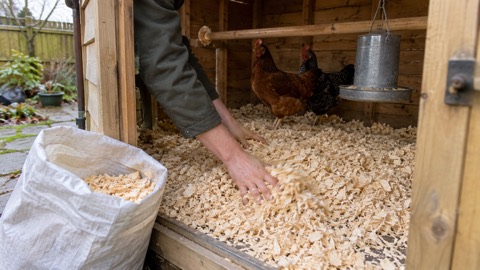 Bringing Home Rescue Hens