Weather
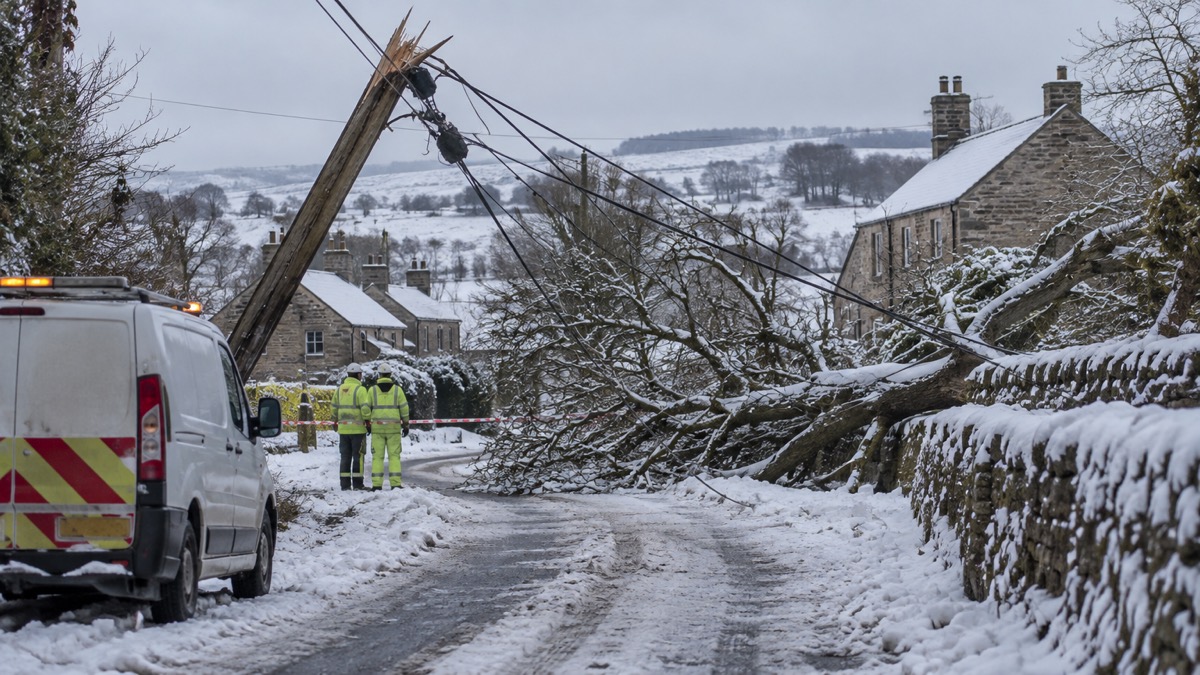
Weather planning helps your household prepare for floods, storms, snow, ice and heatwaves, and cope with drought. Find out what warnings and alerts mean, what to do before, during and after severe conditions, how to keep your family, pets and neighbours safe, and how to deal with travel, power cuts, heating, water restrictions and recovery after flooding.
Floods
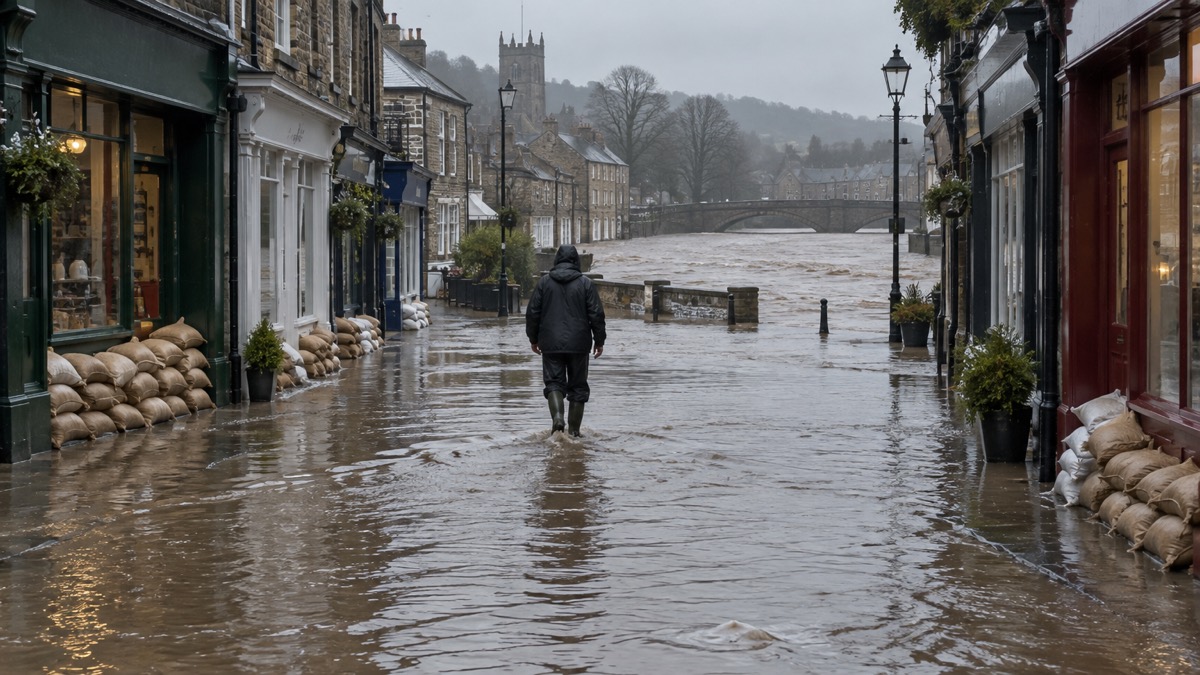
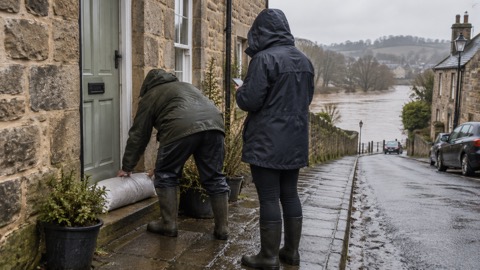
Find out what to do before, during and after a flood, including how to check your risk, receive free warnings, prepare a household plan and protect your home. Get clear advice on returning safely, cleaning up, insurance claims and finding help in England, Scotland, Wales and Northern Ireland.
 Checking Flood Risk by Postcode
 Types of Flooding
 Flood Alerts and Flood Warnings
 Flood Guidance Statement
Storms
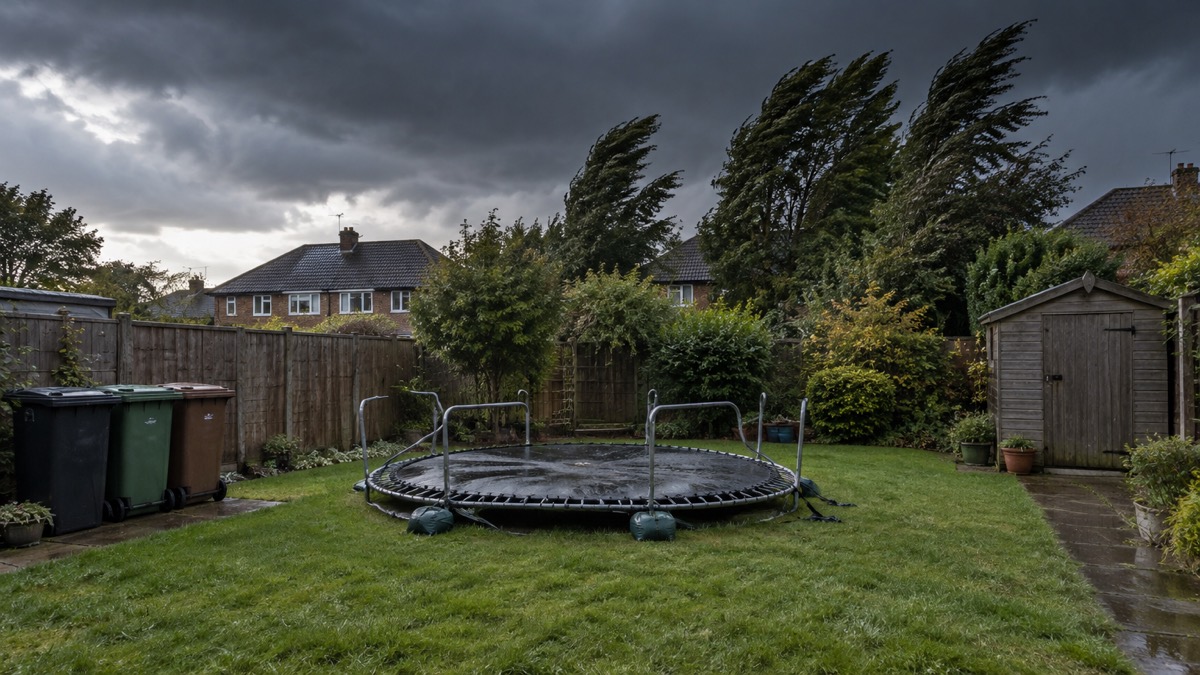
High winds forecast? Start by securing garden furniture, bins, plant pots and trampolines, checking roofs and fences, and parking away from trees and walls. Learn what to do once the storm starts, how to prepare for a power cut, when to delay travel, and who to contact about fallen cables, flooding or damage.
All 18 storms guides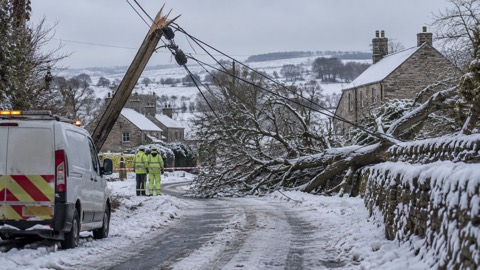 Storm Arwen 2021
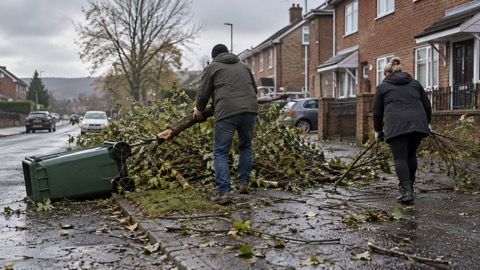 Storm Boelo
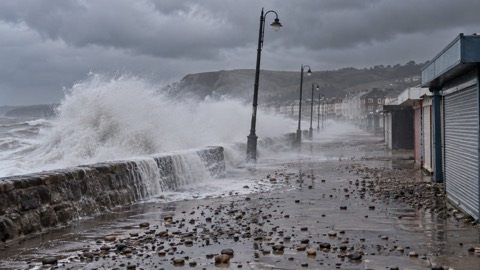 Coastal Safety in Gales
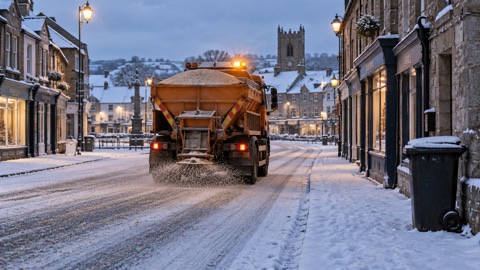 Council Help in Severe Weather
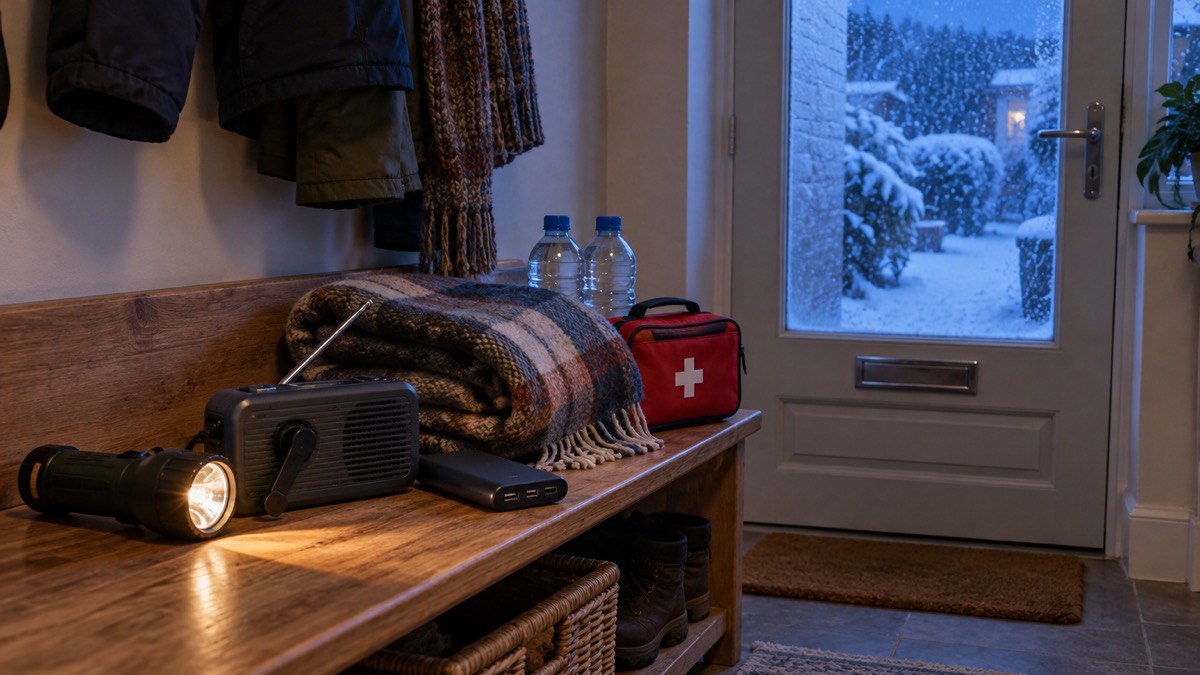
Snow and Ice
What should you do when snow, ice or severe cold is forecast? Prepare your home and car, check warnings, avoid unnecessary journeys and keep rooms you use at 21°C during the day and at least 18°C at night. Know who is most at risk, how to heat safely and where to get urgent help.
All 30 snow and ice guides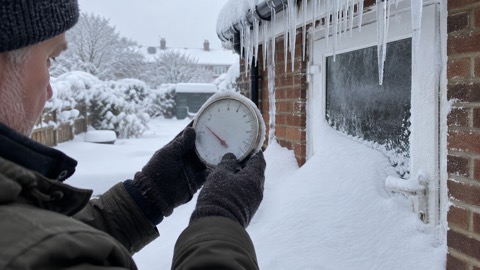 Beast from the East 2018
 Cold-Health Alerts
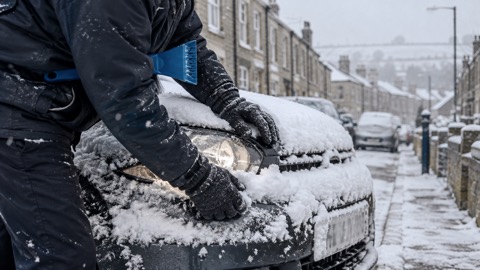 Driving in Snow and Ice
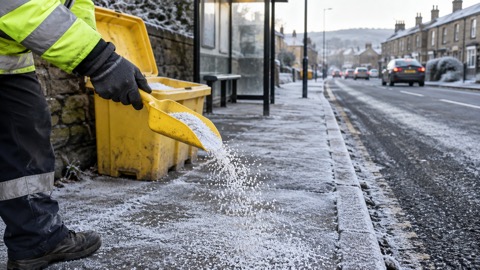 Which Roads Are Gritted
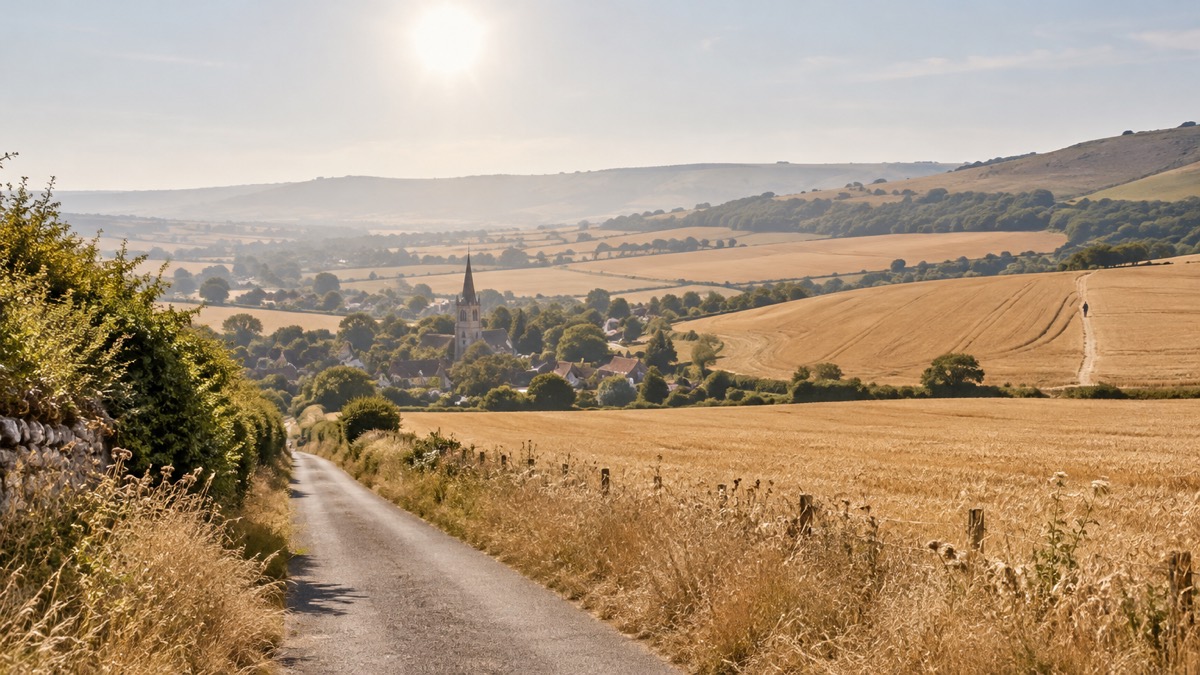
Heatwaves
How should your household cope with a heatwave? Learn what to do if someone overheats, who needs checking, how to keep rooms cool, when fans stop helping, and how to stay safe around cars and open water. Also covers power cuts, medicines, heat alerts, hosepipe bans and where to find help across the UK.
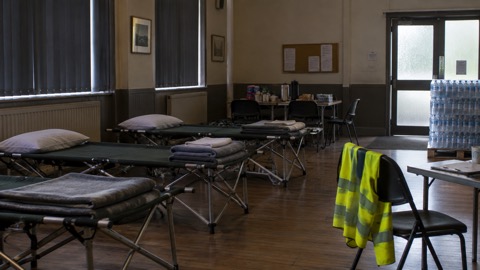 Adverse Weather and Health Plan
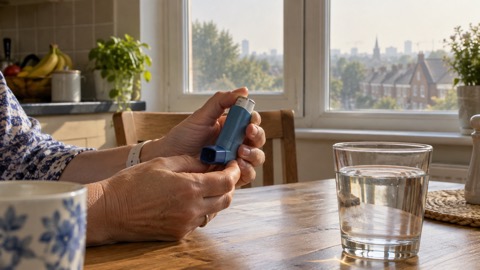 Air Pollution and Hay Fever
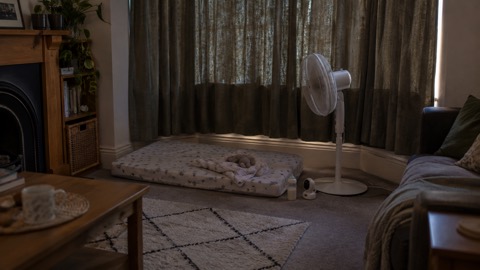 Babies and Children in Heat
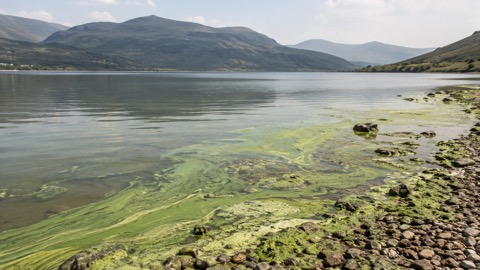 Blue-Green Algae Risks
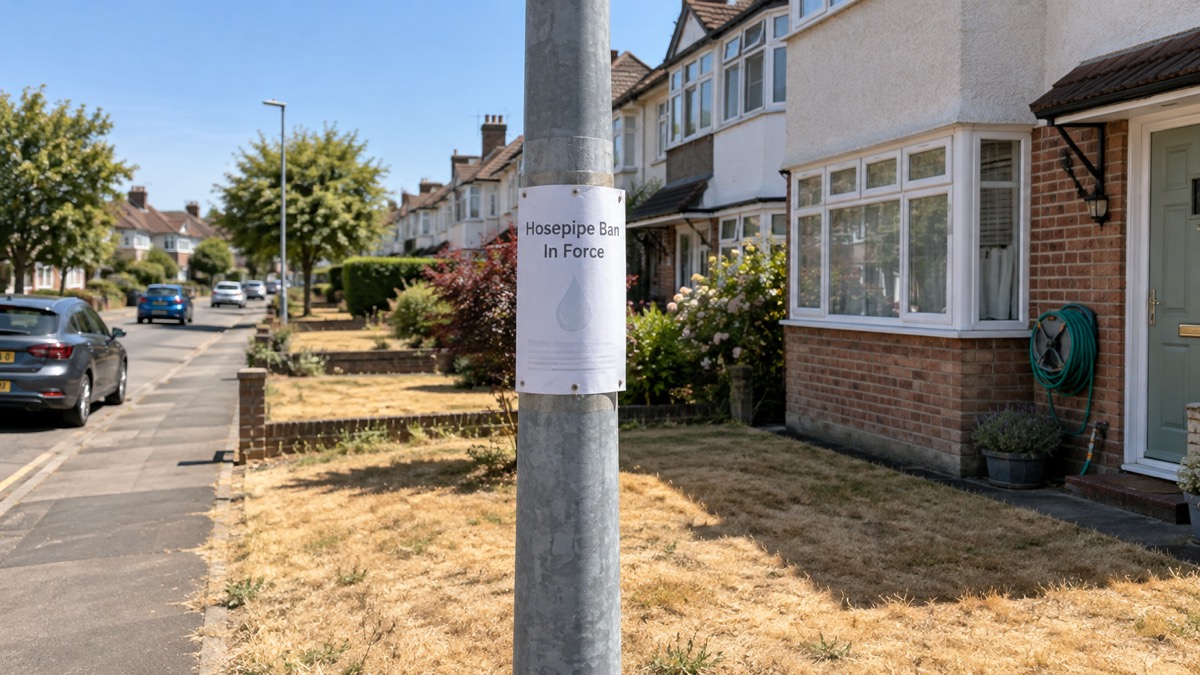
Drought
A hosepipe ban limits particular uses of a mains-connected hosepipe, but drinking, cooking and washing water remain available. Find out how to check local restrictions, what you can still do, who may be exempt, possible fines, and what happens if drought restrictions increase or your water supply stops.
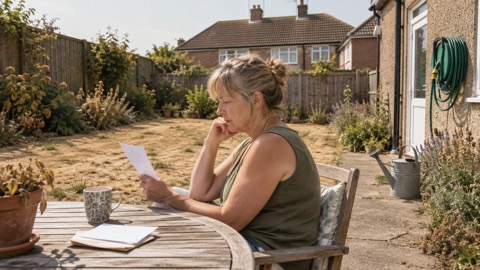 England 2026 Drought Areas
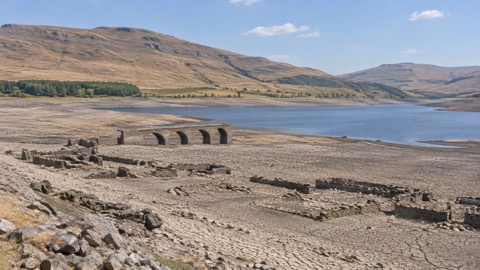 Past UK Droughts and Heatwaves
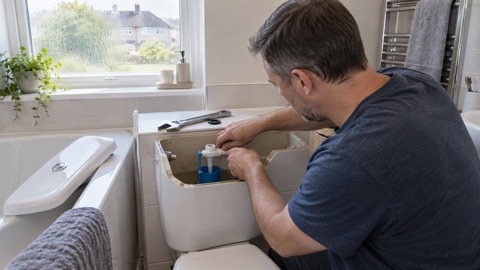 Saving Water at Home
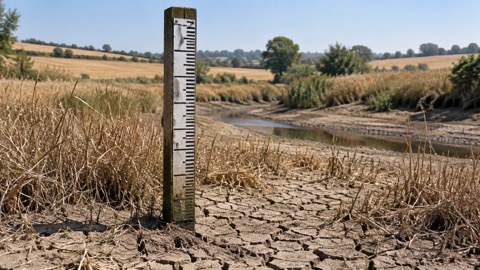 Drought Stages in England
Weather news
 Devon Drought Water Appeal30 October 2026Heatwaves
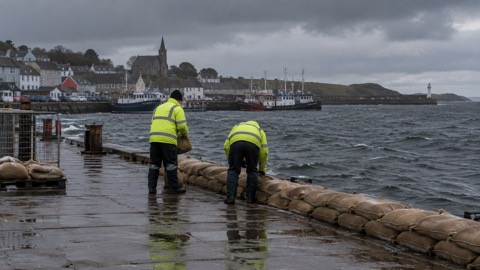 Western Isles Flood Warnings27 October 2026Floods
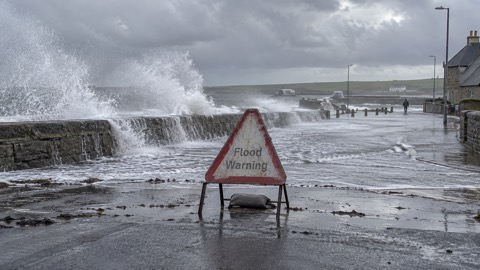 Orkney Flood and Wind Warning27 October 2026Floods
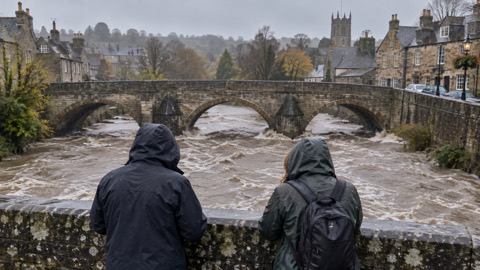 Storm Flood Warnings UK26 October 2026Floods
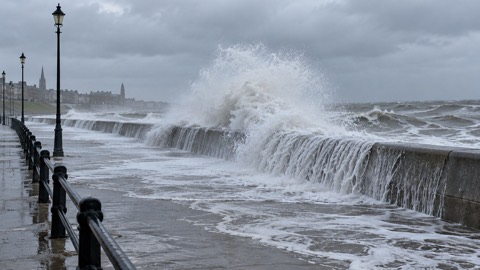 Aberdeenshire Flood Alert26 October 2026Floods
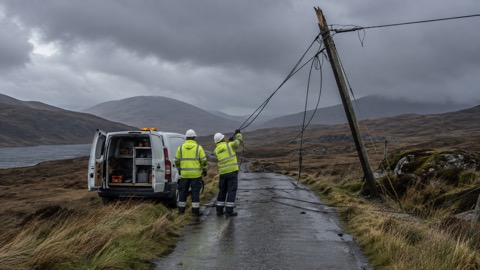 North Scotland Third Storm25 October 2026Storms
Weather checklists
 Flood Warning Checklist
A flood warning means flooding is expected and you need to act now.
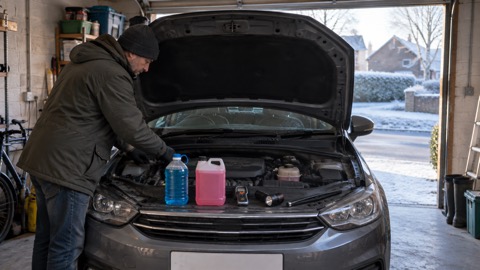 Car Checks Before Winter
What should you check on your car before the cold sets in?
 Baby and Child Hot Weather
What does a baby or young child actually need in a heatwave?
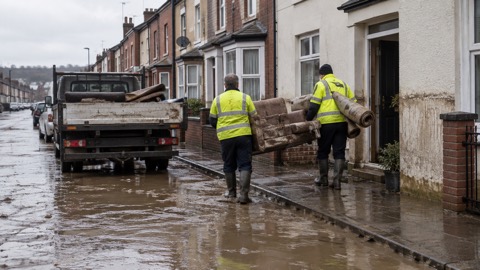 First Steps After a Flood
Your home has flooded and you want to know what to do first.
Common questions
What should I do if floodwater starts coming into my house?
Move yourself, your family and your pets away from danger. Call 999 immediately if anyone is in danger. Turn off gas, electricity and water only if it is safe to do so, and do not use electrical appliances during flooding. Do not walk, cycle or drive through floodwater. If the emergency services tell you to evacuate, leave and follow their directions. Floods guide ›
What should I do first when high winds are forecast?
Check outside for anything that could move, including bins, plant pots, ladders, garden furniture, trampolines and tents. Put smaller items away and secure larger ones. Check fences and roof tiles, clear gutters and fix broken tiles before the wind arrives. Close and securely fasten doors and windows, especially those facing the wind and large garage doors. Storms guide ›
What should I do first when a snow or ice warning is issued?
Check the latest Met Office forecast and warning for your area, because warnings can change quickly. Put off unnecessary journeys, check your heating and supplies, charge your phone and gather torches, batteries, blankets and warm clothing. Tell someone if you must travel, and check on neighbours or relatives who may need extra help. Snow and Ice guide ›
What should I do first if someone has heat exhaustion?
Move them somewhere cool, help them rest, give them water and help them cool down. Stay with them and watch whether they improve. Heat exhaustion can become heatstroke, which is potentially serious. If you suspect that has happened, call 999 rather than waiting for further deterioration. Heatwaves guide ›
What is a hosepipe ban?
A hosepipe ban, formally called a Temporary Use Ban, is a legal restriction introduced by a water company when supplies are under pressure. It prevents specified uses of a mains-connected hosepipe, such as watering a garden, washing a private car or filling a paddling pool. It does not normally restrict essential household water for drinking, cooking, showering and washing. Drought guide ›
How do I check my flood risk and get warnings?
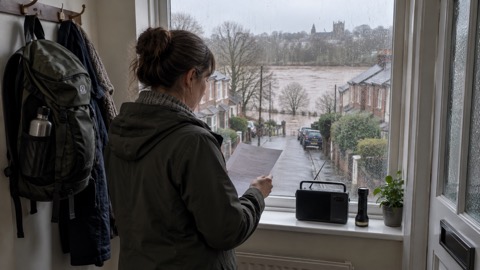
Use the official flood risk check for your area and look at the relevant flood maps. If you live in an area at risk, register for free warnings by phone, text or email. Floodline provides warnings and flooding information in England, Scotland and Wales. You can also view the Environment Agency's five-day flood forecast on GOV.UK. Floods guide ›
How do I secure a trampoline before a gale?
Official high-wind advice gives two options: turn the trampoline upside down or secure it with tent pegs. Do this as part of your preparations before the storm, alongside moving or securing garden furniture, bins and plant pots. Shed doors should be locked. Do not go outside to adjust or repair items while the storm is still blowing. Storms guide ›
How warm should I keep my home in cold weather?
Heat rooms you use a lot to 21°C through the day and at least 18°C at night. WeatherReady also advises heating your home, and those of elderly relatives and neighbours, to at least 18°C. Close curtains and internal doors to retain heat, use draught excluders and wear two or three thinner layers rather than one thick item. Snow and Ice guide ›