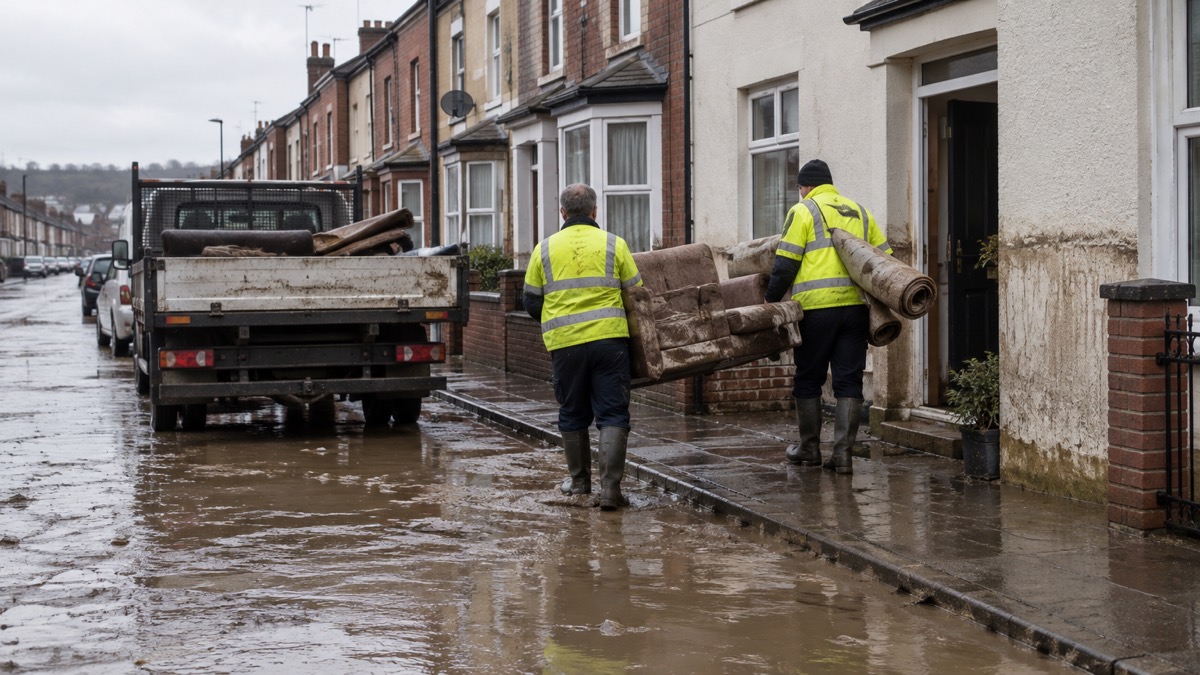
Once the water has gone down, the first thing to do is not to start cleaning. It is to make sure the building is safe to be in, and to record what has happened before anything is moved. If you left your home, do not return until you are told it is safe to do so by the police or emergency services1. If you are already back, only start cleaning when you are certain it is safe to return to your home after a flood2.
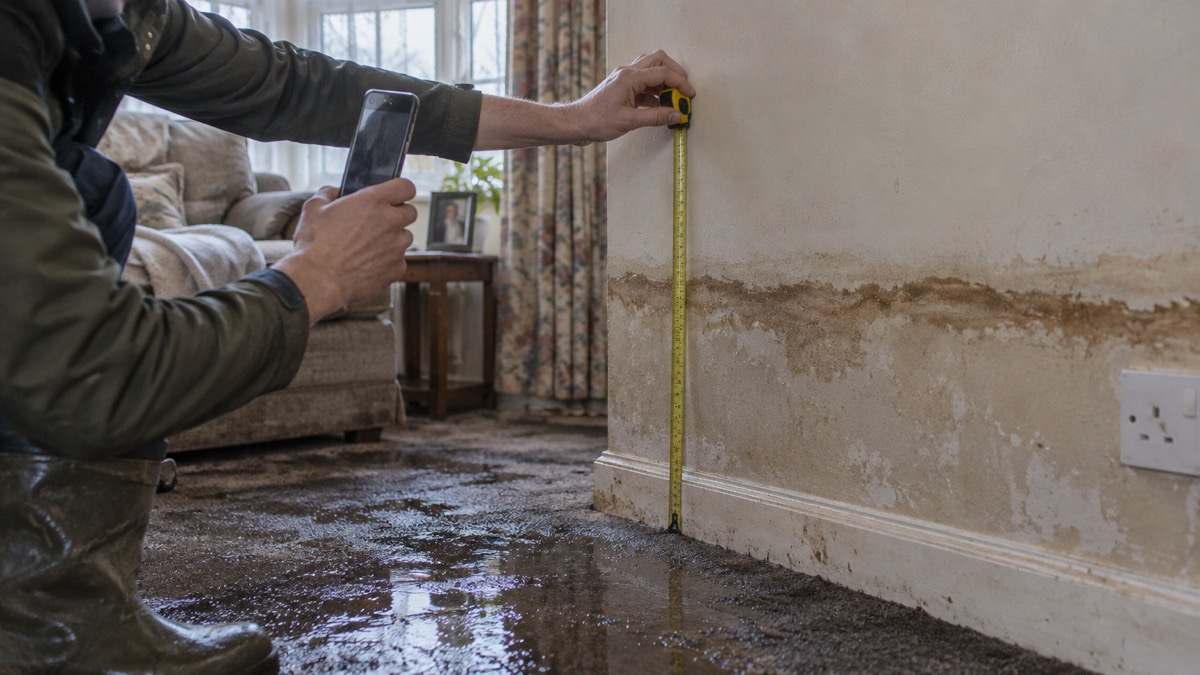
Then, before you touch a mop, take photographs of any damage and the flood water line, and mark on the wall the height the flood water reached in each room3. Contact your insurer as soon as possible, and your landlord if you rent, before any repairs start5. Cleaning and drying come after that, and drying out your home can take several weeks or even months7.
This checklist sets out the order to do things in, what to have ready, and the safety checks that must happen before the electricity, gas or water go back on.
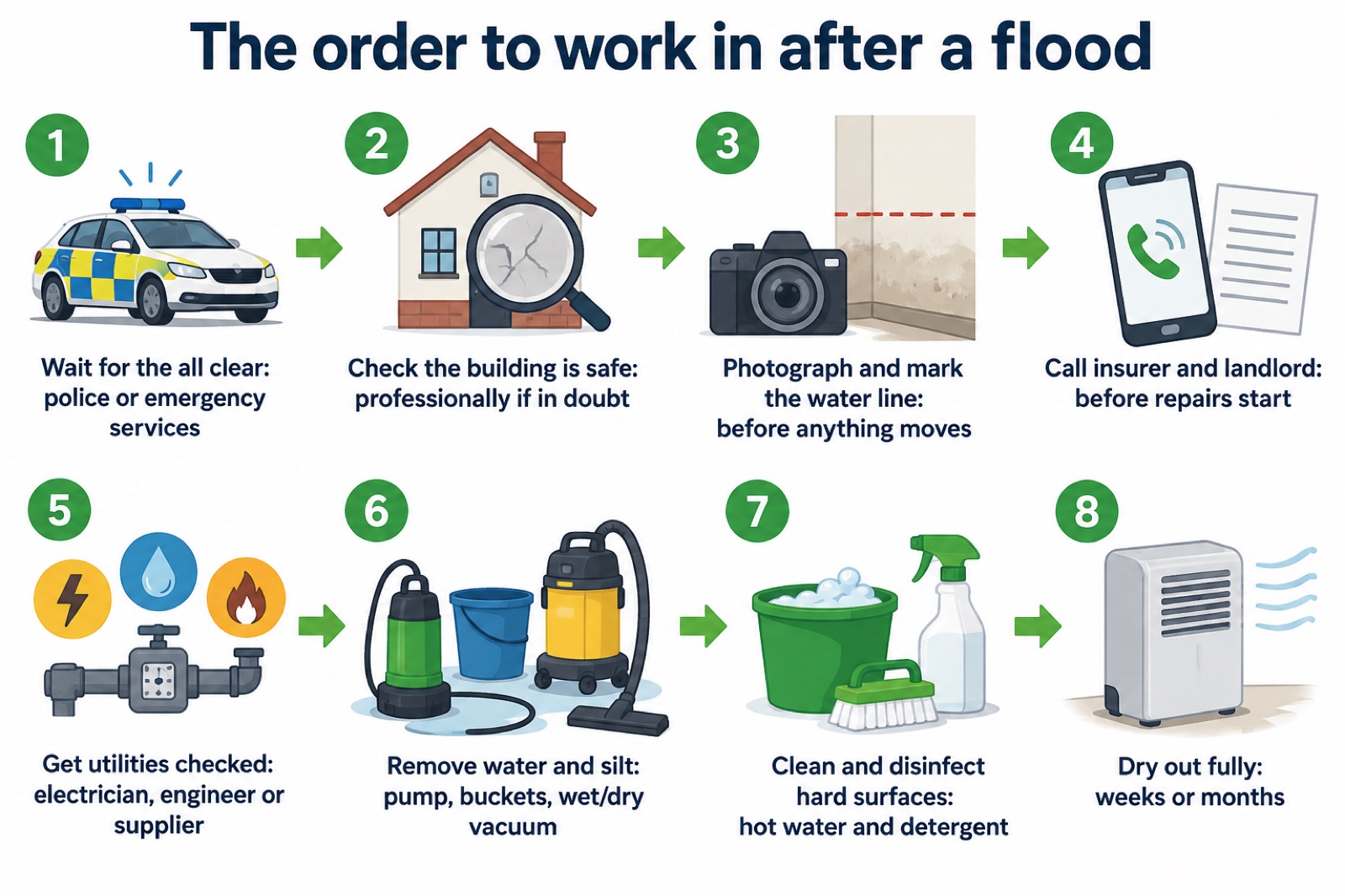
The first steps after a flood, in order
Work through these in sequence. Each one protects the next: safety first, then the record, then the people who pay for and carry out the work, then the clean.
The National Flood Forum also provides a step by step guide on what to do after a flood if you want a second walkthrough8. If your area has a flood warden, get in contact with them to liaise around any issues and concerns13.
Go back in only when you are told it is safe
The single most important rule is that you do not decide for yourself when the house is fit to enter. Do not return to your home until you are told it is safe to do so14. If you have had to leave, check with the emergency services that it is safe before you return15. During the flood itself, do what the emergency services tell you, evacuate if they tell you to, and be ready to act quickly1.
Safety does not end at the front door. Make sure the property is safe before you enter, and take care with the electricity and gas supplies17. Hidden dangers in a flooded home include sharp objects, raised manhole covers and pollutive substances1. Floodwater can also carry contamination, so it is essential that you take precautions to protect yourself, such as washing your hands if you come into direct contact with flood water or items that have been in floodwater18.
If you rent, the question of whether you can stay is not yours alone. If you are in rented or social housing, contact your housing provider as a priority to ensure you have somewhere to stay13. If you own your home and need to move out due to flooding, you must arrange temporary accommodation yourself, such as a hotel or staying with friends or family11.
Photograph the damage before you clean anything
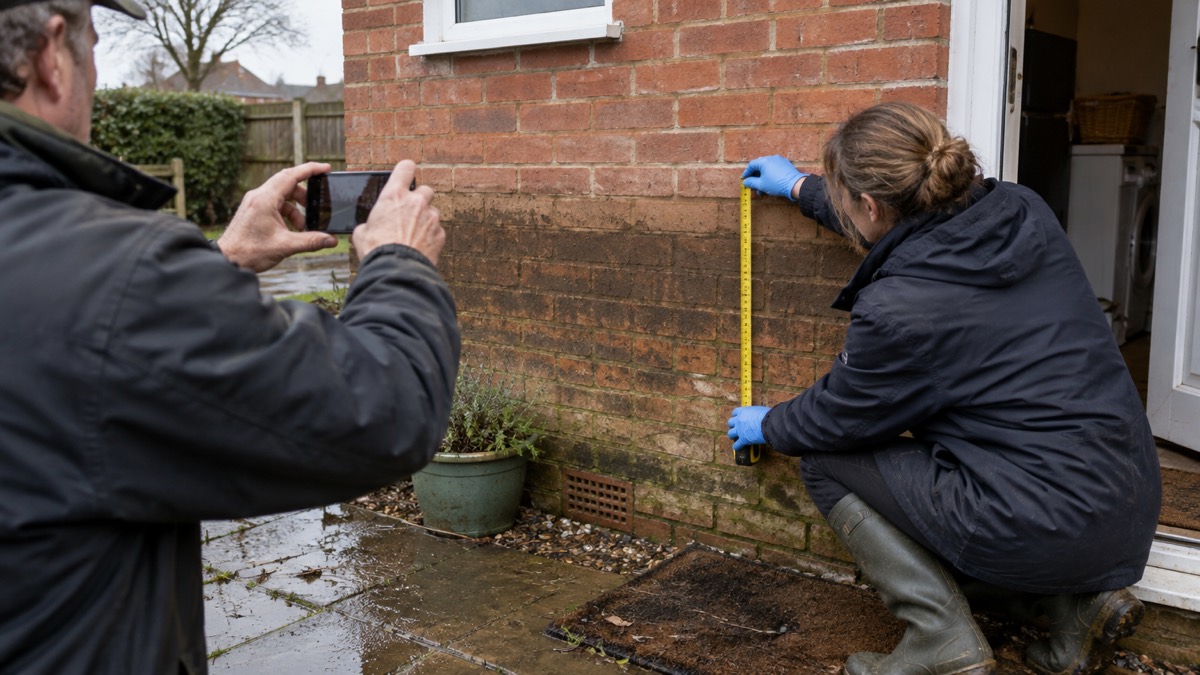
Insurers need evidence, and cleaning destroys it. Take photos of any damage and the flood water line before you start clearing up3. Go further than a few phone snaps: mark on the wall the height the flood water reached in each room, photograph or video the flood water and damage, and make a list of damage to property and belongings4.
This record does two jobs. It supports your claim, and it gives a loss adjuster what they need to authorise disposal and repair. That is why the order matters: record first, then clean.
- Photograph each room, the water line and any damaged belongings3.
- Mark the wall at the height the water reached in every room4.
- List the damage to property and belongings4.
- Keep receipts and records as you go, so the claim file is complete.
Call your insurer and landlord before repairs start
Contact your insurer as soon as possible20. They will tell you what to do next, so make that call before you commit to any work3. Try not to move damaged items, as your insurer may need to inspect them, and if possible take photos or video of damaged property to give to your insurer20. Do not throw damaged items away until your insurers have inspected them21.
Be careful about who you let through the door. Speak to your insurance company before engaging any companies offering to repair flood damage6. Most of the repair work after flooding will need to be undertaken by professionals appointed by your insurers, so take advice from specialists before starting repairs to your property15.
If you rent, the building is not your responsibility to insure. Contact your landlord to report the flooding, because it is their responsibility to insure the building, and you may have a separate contents insurance policy16. Tell your landlord as soon as possible if your home has flooded and needs repairs; they must complete repairs within a reasonable time11. If you are in social housing or renting privately, let your landlord know what has happened so they can take any remedial action needed to keep you safe8.
| Your situation | Who to call first | Why |
|---|---|---|
| You own your home | Your insurer20 | They tell you what to do next and appoint the professionals15 |
| You rent privately | Your landlord, then your contents insurer4 | The landlord insures the building and is responsible for repairs16 |
| You are in social housing | Your housing provider13 | They can confirm where you will stay and arrange repairs13 |
Cleaning up: silt out, rinse floors, dry the house fully
Cleaning is physical work in a contaminated space, so dress for it. Wear waterproof clothing, gloves, wellington boots and a face mask9. If cleaning causes water to splash from scrubbing, hosing or pressure washing, a standard face mask helps and goggles offer added protection and can be reused after thorough washing7. Change your clothes when you finish and always wash your hands after cleaning up and before eating19.
Then work in this order:
- Remove standing water and silt. All standing water must be removed before you can properly move into your home, particularly from the under floor area; use a pump or buckets followed by a wet/dry vacuum, then shovel out mud7. Remove dirty water and silt from the property, including the space under the ground floor; if you have wooden floors this space may need pumping out19.
- Clean hard surfaces. Use hot water and detergent on all hard surfaces across your home that may have come into contact with floodwater, including walls and flooring22. Clean with a brush, hot water and household cleaning fluid, then disinfect all surfaces that were contaminated by floodwater2.
- Replace what cannot be saved. Replace flooring deeply penetrated by floodwater or sewage23. Throw away items damaged by flood water only after your property and items have been checked by a loss adjuster, and throw them away in an appropriate manner14.
- Dry the house fully. Ventilate the house until completely dry23.
Drying is the long part. It is normal for the drying out process to take weeks or months8, and it can take months to clean and repair your home so you can live in it again9. Speed it up by keeping the building well ventilated, opening as many windows and doors as possible and using a fan2. If you use dehumidifiers, close external doors and windows while they run; if gas or oil central heating has been checked by an engineer, turn it on and keep the thermostat between 20-22 degrees centigrade for steady drying1. Heating, dehumidifiers and good ventilation all help24.
Switching the electricity back on
Do not turn your electricity on until a competent tradesperson or your utility supplier has checked it8. Wait for an electrician's approval before turning power back on, and do not use electrical equipment exposed to flood water until it has been checked by a qualified electrician; properly switch off all electrical appliances before restoring supply9. A registered electrician should assess affected wiring, equipment and appliances5.
If the supply is still live and the house has flooded, do not handle it yourself. If your electricity supply is not already switched off at the mains, get a qualified person to do this1. If flood water has entered your property, switch off the electricity at the mains only if it is safe to do so17. Never attempt to turn off electricity while standing in water25.
For supply issues, the electricity emergency number is 10520. There is more detail on the safety checks in Is It Safe to Turn the Electricity Back On? and on individual appliances in Using Electrical Appliances After Water Damage.
Gas, boilers and water: the safety checks
Contact your utility suppliers, who may need to check your gas, electricity and water supply for safety11. Have your electricity and gas checked by your supplier or qualified technician before switching them on21. Get your utilities company or a qualified engineer to check they are safe before turning them back on3.
For gas specifically, the rules are firm. Have your gas or oil central heating checked by a qualified person before switching on the gas or trying to light any appliance22. Turn off the gas supply to appliances that have been flooded or where vents and flues may have been affected, and contact your utility company if in any doubt7. Be wary of damage to gas appliances long after flooding, including central heating systems, radiators and hot water systems17.
If you rent, repairs to the structure and to making sure water, gas, electricity, sanitation and heating are working sit with your landlord11. Report faults to them in writing and keep a copy.
What to wear, and how to protect your health
Floodwater is not clean water. Wear rubber boots, protective overalls or a waterproof apron, and waterproof gloves to avoid exposure to floodwater26. Wear gloves and a disposable plastic apron when using cleaning products and follow the manufacturer's instructions correctly5. Keep cuts and sores covered using waterproof plasters or gloves, and disinfect toys that came into contact with floodwater22.
Wash your hands regularly with soap and clean water, and wash them after cleaning up and before eating22. If you use a specialist cleaner for an item, tell them it has been exposed to floodwater and possible harmful contaminants such as sewage24.
The mental side matters too. Start clean-up efforts within your home when you feel ready, and do not overdo it during the clean-up and recovery process12. Recovery is a long job and pacing yourself is part of doing it properly. For more on the health risks, see Floodwater and Your Health, and for support with how you are feeling, Mental Health After a Flood: Where to Get Support.
Mould, drying and getting the house back to normal
As your home continues to dry out, the mould should disappear; if it persists, contact a specialist cleaner27. Small areas of mould can be removed with proprietary mould removal solutions, but if mould persists or is extensive, contact a specialist cleaner experienced in fungal remediation24.
Drying and clearing up is the responsibility of the homeowner or landlord, though firefighters will pump out water and do some salvage work where possible8. Plan for the long haul: it can take months to clean and repair your home so you can live in it again9. Keep ventilation going, use heating and dehumidifiers as advised, and do not rush to redecorate before the structure is dry.
Where to get help and further reading
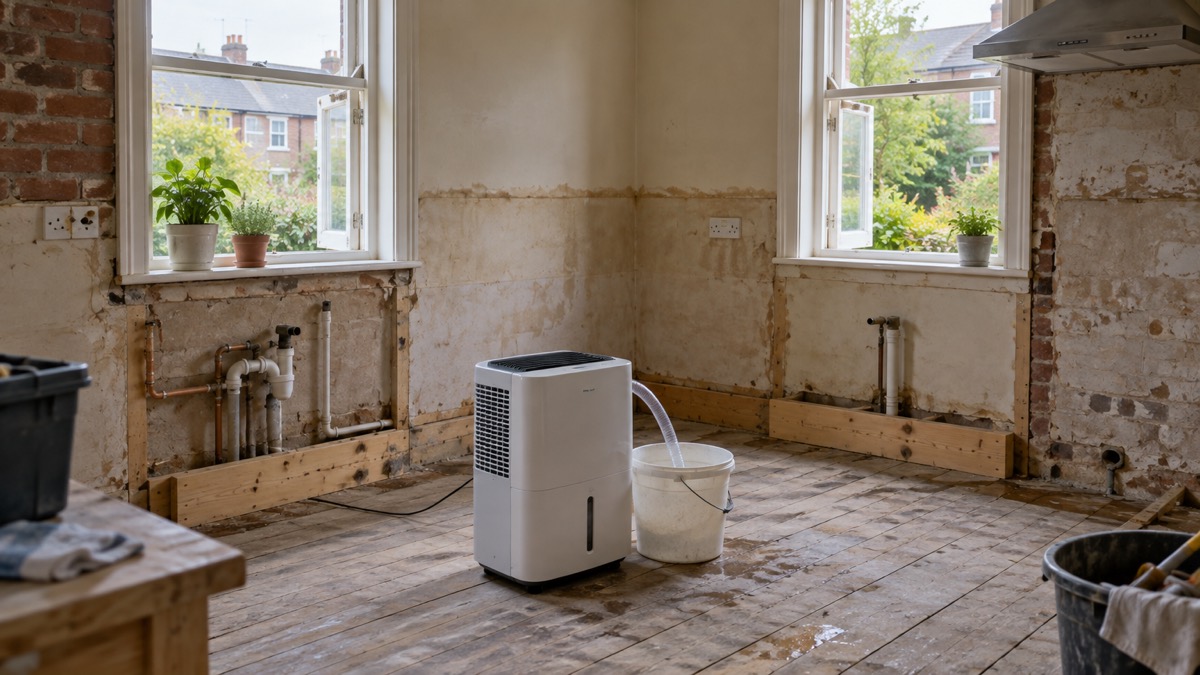
Your council and local recovery services can point you to practical support. Carmarthenshire County Council publishes a Flood Recovery Booklet with advice on the initial steps to take if your property floods and things to consider during the recovery process, plus a Flood Recovery Toolkit as a basic introduction to recovering from a flood27. The National Flood Forum provides a step by step guide on what to do after a flood8.
For the wider picture, the After a Flood: Returning Home Safely guide covers the return in more depth, Cleaning Up Safely After Floodwater covers the clean, and Making an Insurance Claim After a Flood walks through the claim. If you are not insured, see Recovery Grants and Help If You Are Not Insured. For the next flood, Making a Household Flood Plan and Protecting Your Home: Resistance and Resilience Measures will help you prepare, and Drying Out a House with Dehumidifiers and How Soon Mould Grows and How to Stop It cover the drying stage in detail.
Sources (27)
- Before, during and after a flood, Suffolk County Council
- After a flood: clearing up, nidirect
- After a flood, GOV.UK
- After a flood, Nottinghamshire County Council
- Cleaning up, Derbyshire County Council
- Advice for homeowners affected by flooding, Nottinghamshire County Council
- After a flood, Surrey County Council
- After a flood, London Fire Brigade
- What to do after a flood, Natural Resources Wales
- How to prepare for flash flooding, London Assembly
- Housing help if your home is flooded, Somerset Council
- Flooding and health: mental health, Wiltshire and Swindon Prepared
- Recovering from a flood, Wiltshire and Swindon Prepared
- Personal flood plan, GOV.UK
- Protecting your property from flooding, Met Office
- Flood recovery information, Devon County Council
- Flooding aftercare, Runnymede Borough Council
- Flooding, Cornwall Council
- Household flood plan, nidirect
- Further support, Nottinghamshire County Council
- Flooding advice, Mid and West Wales Fire and Rescue Service
- Flooding and health: advice for the public, GOV.UK
- Be prepared: flooding, Lancaster City Council
- How to recover from flooding, GOV.UK
- Preparing for a flood, nidirect
- Safely cleaning your home, Wiltshire and Swindon Prepared
- Flooding recovery, Carmarthenshire County Council
 Flood Warning Checklist
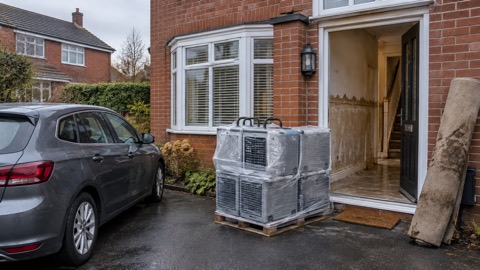 Insurance Claim Records
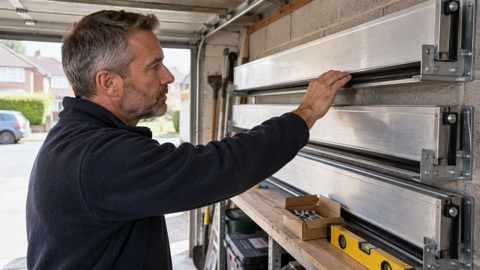 Storing and Checking Barriers