Major Incidents: A Household Guide to Terror Attacks, Chemical and Radiation Emergencies
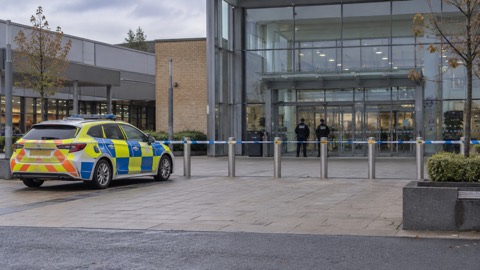
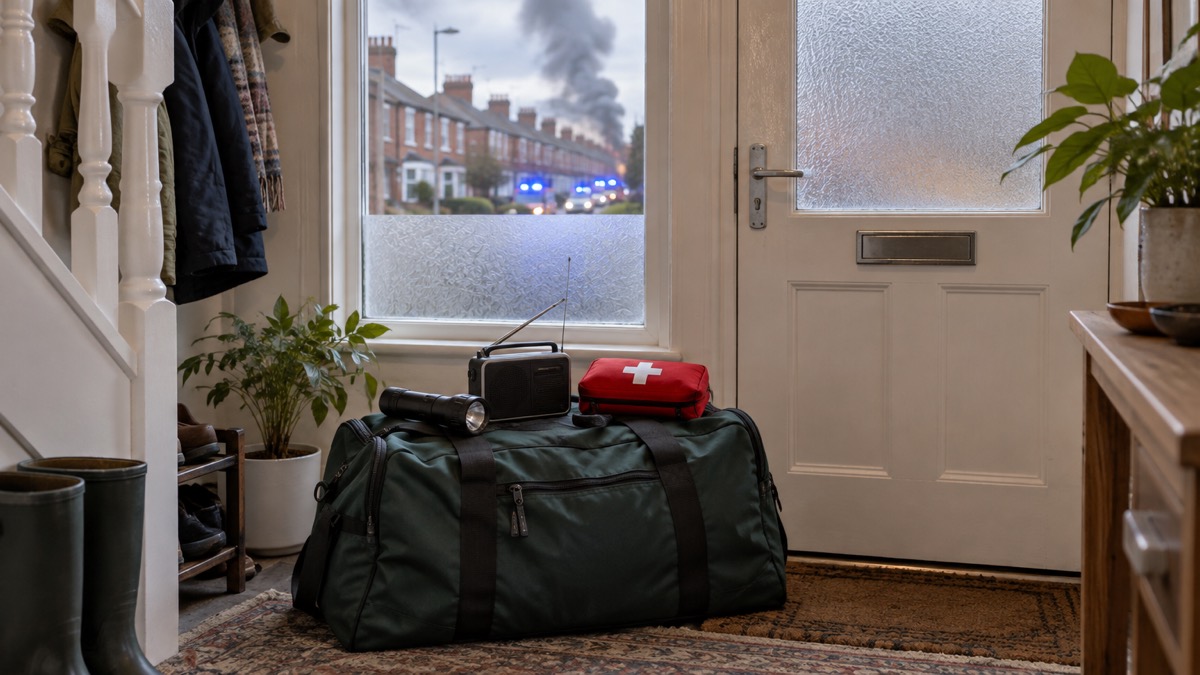
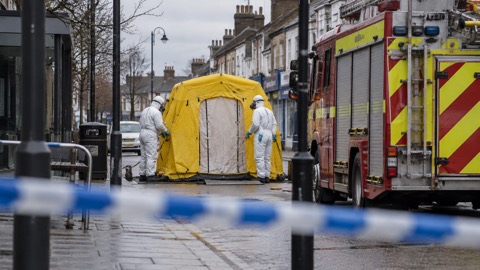
A major incident is a serious event that needs an immediate response from the emergency services. Examples include a terrorist attack, a building collapse, a pandemic, serious flooding and severe snow. Move to safety if it is safe to do so, follow instructions from emergency services and authorised responders, and keep away from the incident area unless officials say it is safe to enter. Call 999 if someone is seriously ill, injured or in immediate danger.1
If you are caught in a firearms or weapons attack, run if there is a safe route, hide if you cannot escape, and tell police by calling 999 when it is safe.2 If the danger is a chemical or radiation release outside, the usual advice is go in, stay in, tune in: enter a safe building, close it against outside air and follow official broadcasts.3 In a radiation emergency, you may need to remain indoors for one to two days.4
If you are caught in an attack
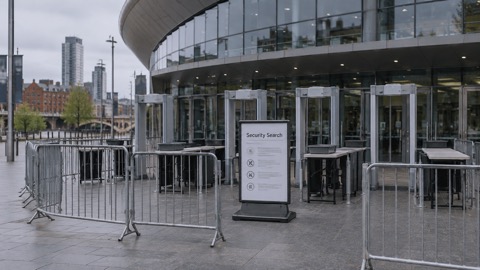
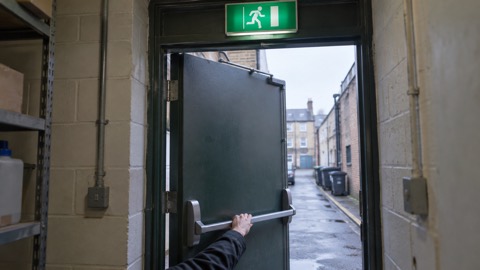
Counter Terrorism Policing's Run, Hide, Tell guidance is for a firearms or weapons attack. These steps can save lives, but attacks of this nature remain very rare in the UK.7
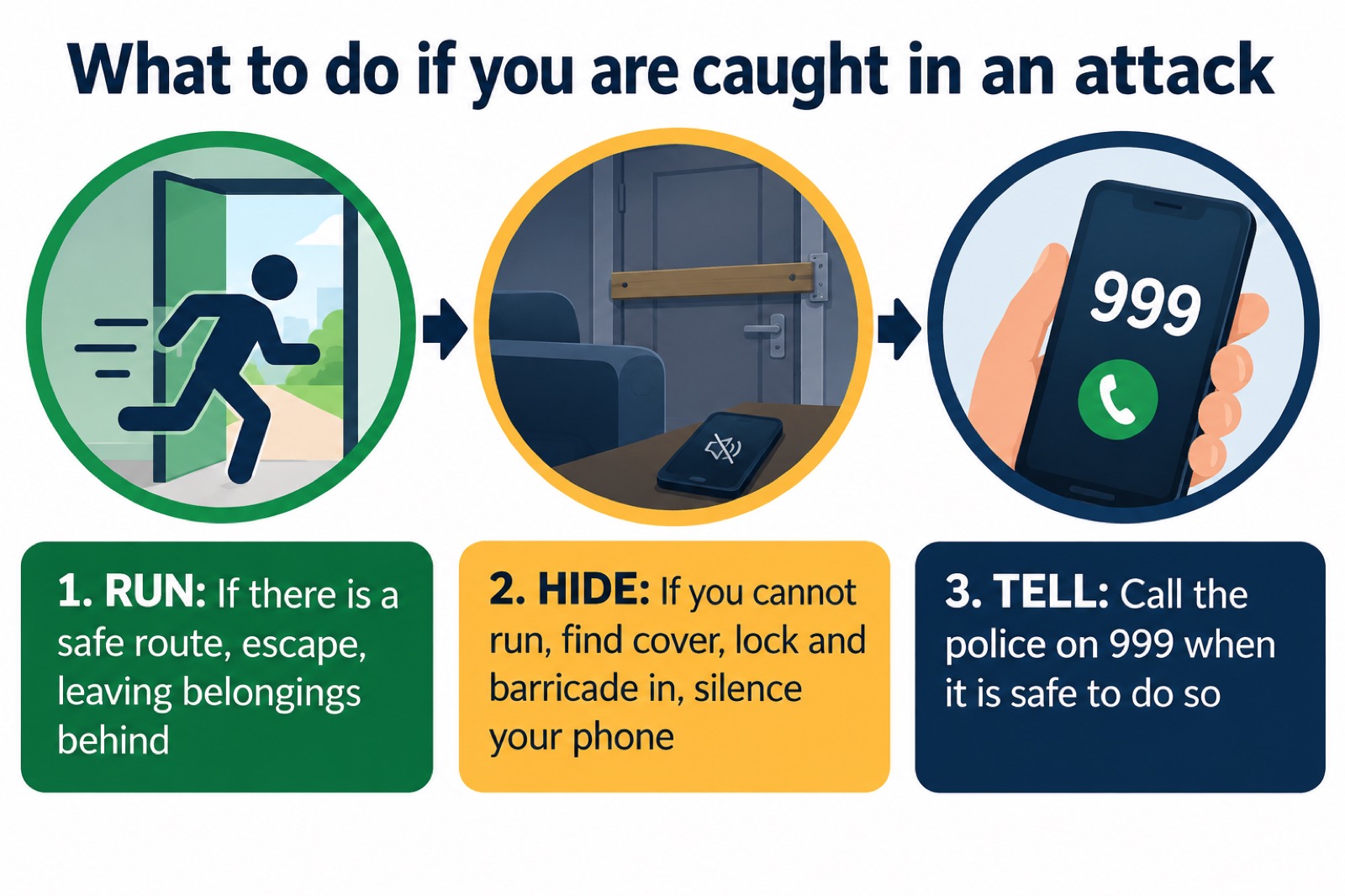
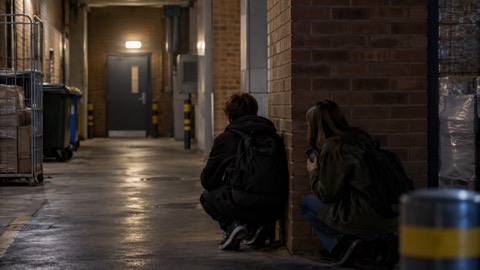
- Run. Escape if you can and consider the safest route. Ask whether you can reach safety without exposing yourself to greater danger. Leave belongings behind, insist that others leave with you, but do not let their indecision slow you down. Do not attempt to film the incident.2
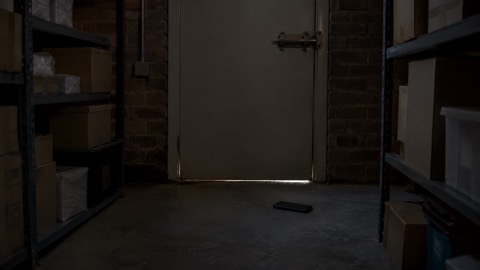
- Hide. If there is no safe escape route, find cover that can withstand a knife attack or gunfire. Lock and barricade yourself in, move away from the door, remain quiet, silence your phone and turn off vibrate. Stay aware of exits and try not to become trapped.2
- Tell. Call police on 999 when it is safe. Give the nature and location of the incident, descriptions and numbers of attackers, their clothing and weapons, and the direction in which they were last seen. Add information about casualties, injuries, entrances, exits and hostages if you know it. If safe, stop other people entering the building.2
Cover from view is not necessarily protection: if you can see the attacker, they may be able to see you. Counter Terrorism Policing warns that bullets can pass through glass, brick, wood and metal, so look for substantial brickwork or solid, heavily reinforced walls. The guide to where to hide during a gun or knife attack explains this distinction in more detail.2

If you are with relatives, the guidance for families caught up in an attack and young people during an attack applies the same principles to those situations. Once you are hidden, follow police instructions and see the separate guidance on what to do when armed police arrive. For wider context, read about attack types and the terrorism threat in the UK.
If there is a chemical or radiation release
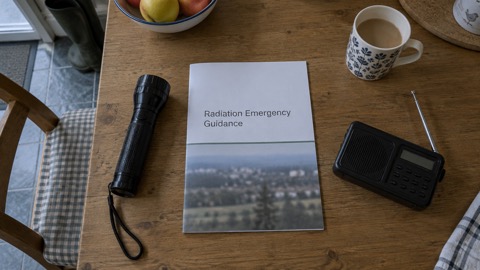
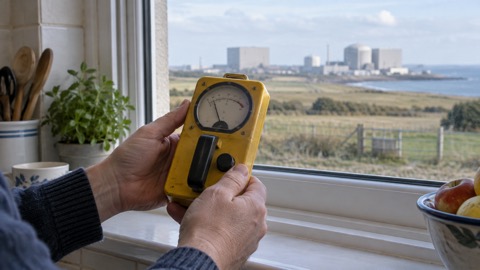
A radiation emergency is a situation that could increase the risk of exposure to significant radiation, such as an incident at a nuclear power plant or during transport of radioactive material. These emergencies are rare. The most immediately affected areas will generally be within a few miles of the incident, and if an emergency happens outside the UK, people in the UK are very unlikely to need to do anything different from normal.4
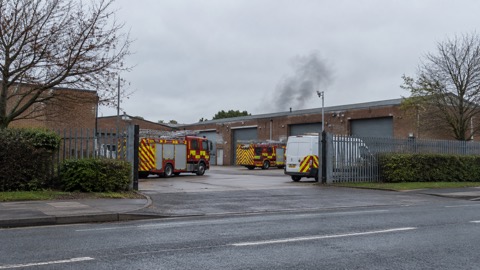
If you are outside and alerted to a chemical emergency nearby, shelter immediately. Do not go into the building where the emergency is happening.3
- Go in to another safe building as soon as you can.
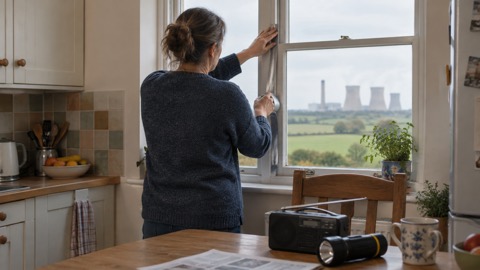
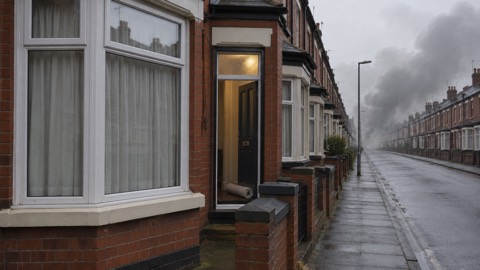
- Stay in. Close external doors and windows, close air vents including trickle vents, and turn off fans, air conditioning and other equipment bringing outside air inside.
- Tune in to local radio, television and official updates. Stay inside until advised otherwise.3
The detailed guides to chemical leaks, fires and toxic smoke, recognising chemical, biological and radiological attacks and radiation emergencies cover particular hazards. For the sheltering steps, use Go In, Stay In, Tune In and the first-hour radiation checklist. If officials subsequently tell you to leave, follow that instruction; shelter or evacuate explains the choice.
Radiation cannot be seen, heard, smelt, tasted or felt. Everything may look normal, so follow official advice even if you cannot tell that anything has happened. Exposure can occur by breathing in radioactive material, direct exposure to material in the air or deposited on surfaces, clothing or skin, and eating or drinking contaminated food or water.4
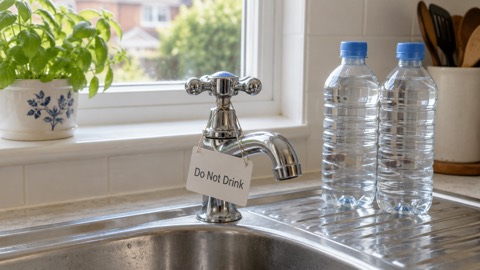
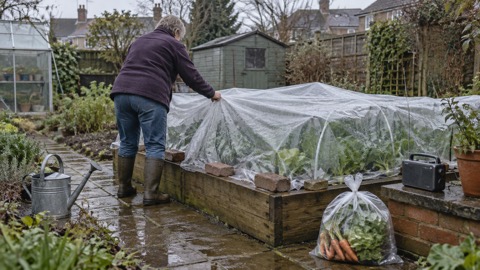
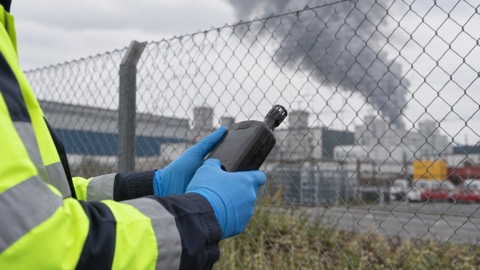
After an emergency, a wide range of food supplies and drinking water would be checked for radioactive material above allowed levels. Wait for official announcements rather than judging safety by appearance.8 The pages on tap water safety, food and milk restrictions, radiation monitoring and radiation dose levels explain those subjects. Monitoring of smoke and air quality is covered in the air hazard response guide.
If a harmful substance touches you
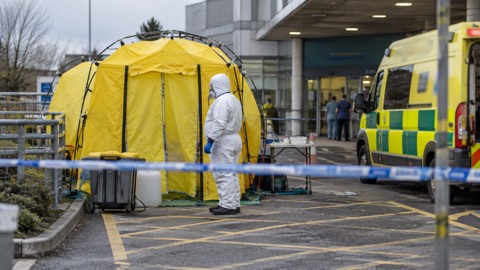
Move yourself away from the immediate area so that exposure does not continue. Fresh air is important. If your skin is itchy or painful, find a water source, and report to the emergency services.9
The official Remove, Remove, Remove approach is described as the most effective method of limiting the health effects of a chemical, biological or radiological incident when someone may have been exposed to a hazardous substance. Follow the emergency services' directions and the step-by-step Remove, Remove, Remove guidance.11
For an attack involving a corrosive substance, use the specific guidance on how to help straight away after an acid or corrosive attack. Do not put yourself in contact with the substance while trying to help.10
Calling 999 and helping the injured
Call 999 if someone is seriously ill, injured or in immediate danger, or if people are injured and there is a threat to life. Move to safety first if you can, and follow the call handler's and emergency responders' instructions. Do not return to the incident area unless officials advise that it is safe.1
For heavy bleeding, NHS guidance says to press firmly on the wound with a dressing or a clean, non-fluffy cloth, such as a tea towel or flannel. Use your fingers if you do not have a clean cloth.12 The household first aid guide provides wider first-aid information.
If a child is unresponsive after an accident, NHS guidance says to try tapping their feet or stroking their neck while shouting "hello" or "wake up". If there is no response, call 999 and start CPR straight away. If you must move a child with a suspected broken bone, be very gentle, placing one hand above the injury and the other below it to steady and support it.12
Helping an injured person does not mean entering a contaminated area or approaching an attacker. Keep your distance from suspected hazardous-substance exposure and wait for emergency services.10
Living near a nuclear or chemical site
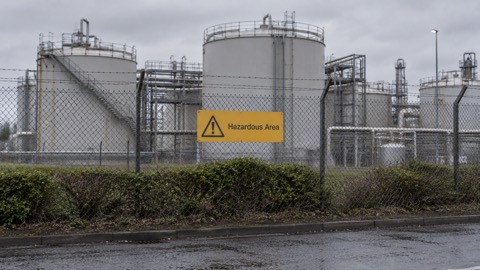
Before an incident, learn whether there are hazardous sites near where you live or work. Lancashire Prepared advises residents to know their area and, during an incident, to be ready to evacuate if requested.13 The guide to COMAH sites explains living near a hazardous industrial site.
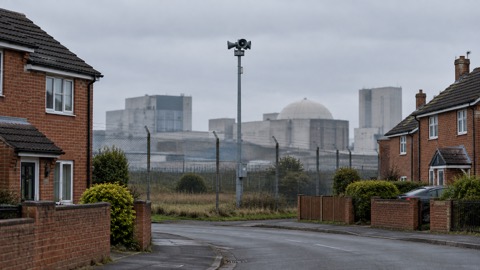
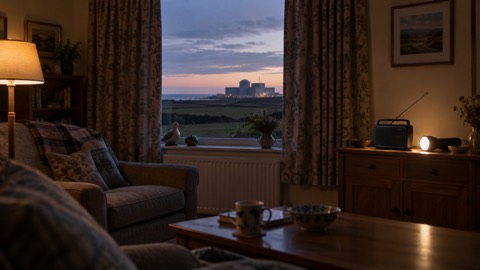
If you live close to a nuclear licensed site, use the specific local information supplied to you rather than assuming that another area's arrangements apply.8 Local material may explain emergency planning zones, sirens and phone warnings, and arrangements for stable iodine tablets.
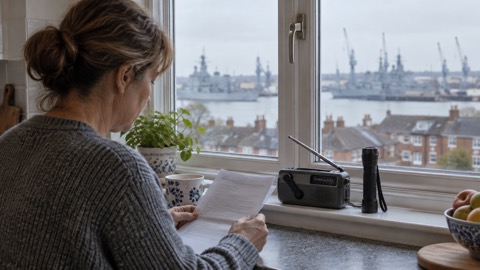
- Around Portsmouth naval base, the residents' booklet was distributed to households within a 1.5-kilometre radius of the nuclear berths.14
- Southampton's leaflet states that legislation requires people living up to 1.5 km from an operational berth to receive prior information about a nuclear emergency.15
- In the Sellafield arrangements, people within the Detailed Emergency Planning Zone and Inner Emergency Planning Zone are required to find shelter indoors immediately and stay there.16
These are local arrangements, not a universal distance for every site. Read the guides to naval base radiation plans and Sellafield for the relevant locations.
If told to evacuate, Southampton's official checklist says to gather family and pets and pack warm clothing and bedding, medicines or special food, baby supplies, toys and books, private documents and valuables. Make sure fires are out, switch off and unplug appliances, lock the house and leave.15 Portsmouth's guidance says that staying at home is usually safest unless you are advised to leave; evacuees may stay with friends or relatives outside the affected area, or the council will make arrangements. Entry to evacuated areas will be controlled until the emergency ends.14
Threat levels and reporting concerns
The UK terrorism threat level was SUBSTANTIAL on 25 October 2026. The national level is set by the Joint Terrorism Analysis Centre, applies to the UK as a whole rather than varying by local area, and the system has been in place since 2006.17 An earlier official page dated 12 October 2026 gave SEVERE, meaning an attack was highly likely, so check the current government level rather than relying on an older page.18 See UK terrorism threat levels for what the levels mean.
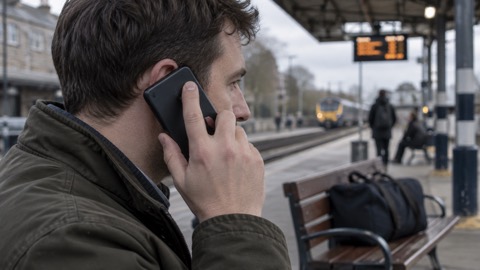
Report anyone acting suspiciously: your information may be vital.6
| Situation | What to do |
|---|---|
| An emergency or an incident happening now | Always dial 999.6 |
| A non-emergency concern | Call 101 or the anti-terror hotline on 0800 789321.6 |
| Something that may be linked to terrorism | Tell police, or use the secure online form at gov.uk/ACT.6 |
| Suspicious equipment purchases or unusual vehicle sales or rentals | Retailers and vehicle hire or sales workers should note and report suspicious circumstances.6 |
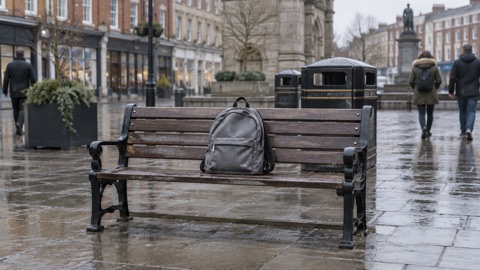
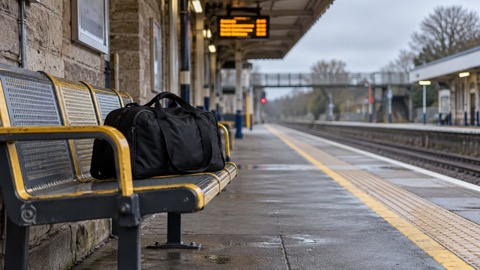
Use the detailed guidance on reporting suspicious activity, unattended or suspicious items, suspicious letters or parcels and terrorist content online. If you receive a threatening call, the bomb threat call checklist explains what to record.
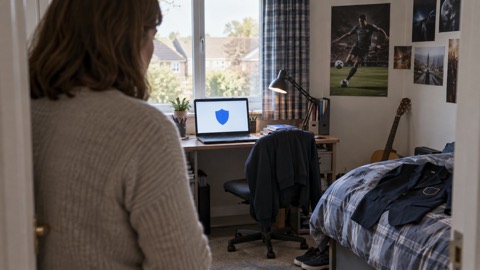
Free ACT Awareness training builds public awareness. Separate guidance covers concerns that a family member is being radicalised and Martyn's Law at venues. Cyber attacks are also among the main national security threats identified in official guidance; household preparations for service failures are covered in the cyber attacks guide.17
Sheltering at home for a day or two
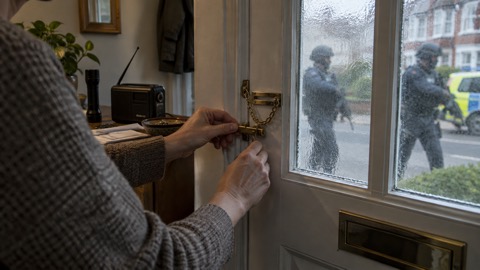
Sheltering reduces exposure to a radioactive or chemical release, but you must be in a building that is itself safe. Do not go into a building affected by the emergency, for example one that is on fire.16
- Bring family members and pets inside.
- Lock doors and close windows and air vents.
- Turn off fans, air conditioning and forced-air heating systems.
- Go into an interior room with few windows if possible.
- Stay inside until officials advise otherwise and listen to local radio or television.19
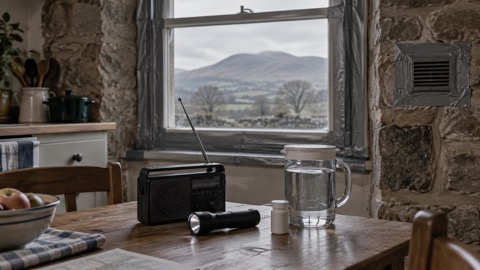
You may need to remain indoors for one to two days.4 Keep supplies at home that would let you cope for several days if you cannot evacuate, including medicines and warm, waterproof clothing and footwear. Store insurance documents, key contact numbers, medication and identification where you can reach them quickly.20
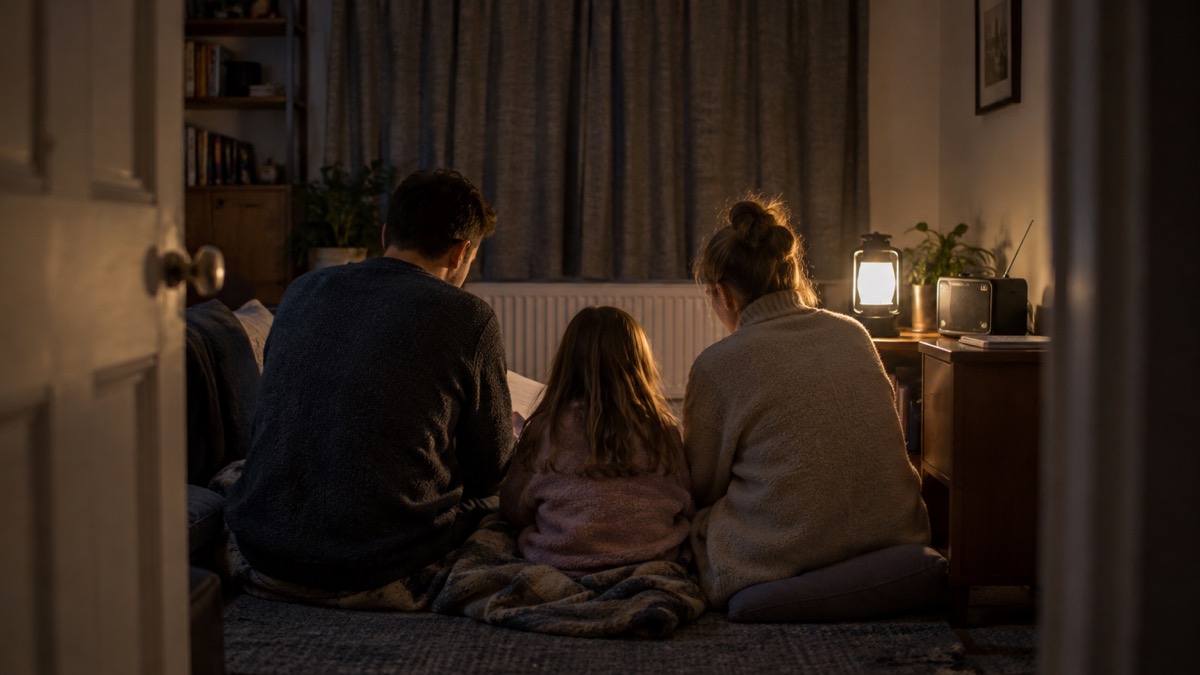
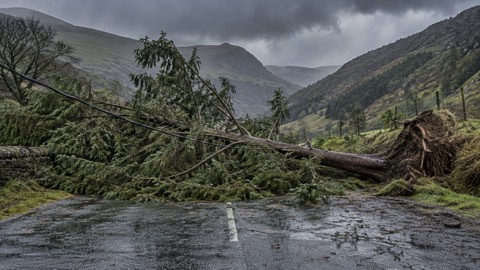
General household preparation is covered in Getting Started and the emergency kit guide. Keep water, food and emergency lighting ready, and plan how you will stay informed. The pets guide helps you include animals in your arrangements. Serious flooding and severe snow can also become major incidents, so see the separate flooding and snow and ice guidance.1
Children at school during an incident
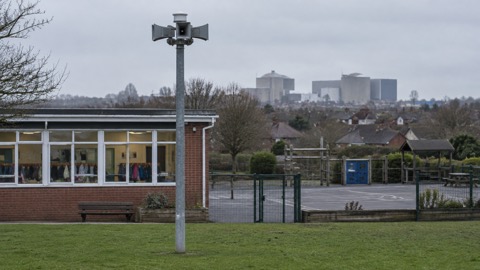
A school's main priority is the safety of its children. If you hear about an emergency at your child's school, do not go there, because it may not be safe. Contact the school's emergency contact and check its website.21
- If evacuation is necessary, children will be taken to a safe place nearby.
- The school will contact parents or carers to explain what to do.
- Do not collect children unless you have been told to do so; they will be properly cared for.21
This also applies during a chemical accident: Wandsworth Council advises against trying to collect children unless told, because they will be looked after and the correct action taken.22
Local nuclear arrangements may add detail. In a Sellafield emergency, it may not be safe to collect children. They will be treated as a priority group and cared for at school or evacuated to a safe place under the supervision of school staff and emergency responders.16 Around Portsmouth, named nearby schools and a nursery hold stable iodine tablets for children and staff, while schools beyond 1.5 km will look after pupils from within that zone whose parents cannot collect them.14
Read Should You Collect Children From School in a Radiation Emergency? before an incident, and make sure the school has your current emergency contact details.
Official news and instructions
Follow instructions from emergency services and other authorised responders. Official updates may come from emergency services, local authorities, local radio and television. If you are nearby but not directly involved, Lincolnshire's advice is to enter a safe building, remain inside until advised otherwise and tune in to local radio or TV.1
Portsmouth's radiation booklet gives a local example of the channels residents should use:
| Channel | Stations or accounts named in the local booklet |
|---|---|
| Television | BBC 1, BBC 2 and ITV Meridian |
| Radio | BBC Radio Solent on 96.1 and 103.8 FM; Hits Radio South Coast on 107.8 FM; Heart FM on 96.7 FM; Greatest Hits Radio South Coast on 105.2 FM; Capital FM on 103.2 FM |
| Online | Portsmouth City Council's website, @PortsmouthToday on X and /PortsmouthCityCouncil on Facebook |
These are Portsmouth's arrangements, so check your own council's local information. A telephone helpline number will be released during an emergency; check local news and social media for it.14 The staying informed guide explains household communications planning, while How the UK Prepares for Emergencies gives the wider response context.
Do not rely on your senses to decide whether a radiation risk has passed. Merthyr's guidance warns: "With radiation everything will look normal and you will not see, smell or feel anything different".23 Keep watching for announcements, long-term safety information and the all-clear.14
Different warning systems have different meanings. For weather, the Met Office says a red warning means taking immediate action because there is a high risk to life and significant disruption.24
Support after an attack
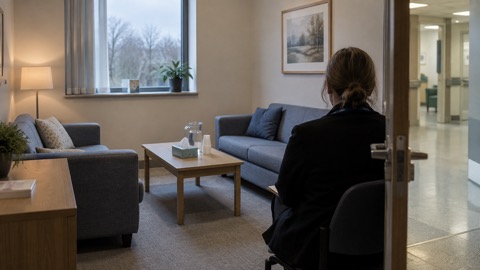
Support is available for anyone affected by a terrorist incident. The Victims of Terrorism website signposts official helplines and services for victims, survivors, witnesses, family members and others affected.25 Start with the support for victims and families guide.
Police-led arrangements immediately after an emergency can include:26
| Provision | Purpose |
|---|---|
| Survivor Reception Centre | Short-term shelter, first aid, interviews and documentation for survivors who do not require acute hospital treatment |
| Friends and Family Reception Centre | A secure area for family and friends arriving at the scene or an associated location, including interviewing and information gathering |
Emotional support can also matter after direct involvement in an incident. Dorset Prepared lists Cruse Bereavement Services for bereavement support and Samaritans for support for people who have experienced or been directly involved in an incident.27
Check on vulnerable neighbours or relatives once it is safe and help them make arrangements for any repairs.20 Practical recovery can continue after the immediate danger has passed, so keep following local authority and emergency-service updates rather than assuming that support ends when the scene clears.14
Who to call and when
| Need | Action |
|---|---|
| Someone is seriously ill, injured or in immediate danger | Call 999.1 |
| You witness a hazardous-material accident | Telephone 999 immediately and stay away from the site to minimise contamination.22 |
| You are caught in a terrorist incident | Call 999 when it is safe to do so.2 |
| A terrorism-related concern is not an emergency | Call 101 or the anti-terror hotline on 0800 789321, or use gov.uk/ACT.6 |
| Your child's school is affected | Use the school's emergency contact and website; do not travel there unless told.21 |
| You need local incident information | Check emergency-service and council updates, local radio and television; use any emergency helpline number announced locally.14 |
For most major emergencies, the simple advice is to go inside, stay inside and tune in to local radio. The Culham booklet also uses STAR: Stop, Think, Assess, Respond, and says to contact 999 if people are injured or in danger.28 North Yorkshire's Community Risk Register gives the same central instruction when danger is outside: GO IN, STAY IN, TUNE IN.29
If you are unsure whether an incident is happening, do not approach it to investigate. Anybody can become involved in a major incident at any time, so use official local updates and call 999 where there is injury or immediate danger.27
Sources (29)
- Major incidents public advice, West Midlands Ambulance Service NHS Foundation Trust, 2026-10-22
- Run, Hide, Tell, ProtectUK, 2026-05-21
- What to do in a chemical emergency, GOV.UK, 2024-10-10
- What to do in a radiation emergency, GOV.UK, 2024-09-10
- Emergency advice for residents, Warwickshire County Council, 2026-10-29
- Malicious threats and security incidents, West Yorkshire Prepared, 2026-10-29
- Run Hide Tell leaflet, ProtectUK, 2023-07
- Nuclear emergencies: information for the public, GOV.UK, 2026-09-28
- Hazardous materials incident, Prepare, 2026-10-13
- Chemical, biological and radiological incidents, ProtectUK, 2024-03-26
- Chemical, biological and radiological risk, ProtectUK, 2022-03-01
- What to do if your child has an accident, NHS, 2025-12-18
- Industrial incident advice, Lancashire Prepared, 2026-10-29
- Radiation emergency residents booklet, Portsmouth City Council, 2024-08
- Radiation emergency residents leaflet, Southampton City Council, 2024-07
- Sellafield off-site nuclear emergency booklet, Cumbria County Council, 2023-09
- Terrorism threat levels, Wiltshire and Swindon Prepared, 2026-10-25
- Terrorism hazard advice, Prepare, 2026-10-12
- Get help and advice in an emergency, Lincolnshire County Council, 2026-10-29
- Community Risk Register for Sussex, Sussex Resilience Forum, 2026
- Emergencies at school, Lewisham Council, 2026-09-14
- Chemical accidents and toxic fumes, Wandsworth Council, 2023-04-13
- Major accident hazards emergencies, Merthyr Tydfil County Borough Council, 2026-10-29
- When and why weather warnings are issued, Met Office, 2025-06-11
- Terrorist attack advice, Lancashire Prepared, 2026-10-29
- Emergency plan: reception centres, Reigate and Banstead Borough Council, 2026-10-29
- Is an incident happening right now?, Dorset Prepared, 2024-10-04
- Are You Ready? booklet, Culham Parish Council, 2025-09
- Community Risk Register 2025, North Yorkshire Council, 2025-02
 UK Terrorism Threat
 Terrorism Threat Levels
 Reporting Suspicious Activity
 Unattended or Suspicious Items
 Radicalisation Concerns
 Support for Attack Victims
 CBR Attack Signs
 Chemical Releases Near Home
 Radiation Emergency
 Site Sirens and Warnings
 Stable Iodine Tablets
 Radiation Dose Levels
 Where to Hide in an Attack
 When Armed Police Arrive
 Young People in a Terror Attack
 Family Caught in an Attack
 Suspicious Letters and Parcels
 Reporting Terrorist Content
 Corrosive Attack First Aid
 Tap Water Safety
 Shelter or Evacuate
 Collecting Children at School
 Food After a Nuclear Accident
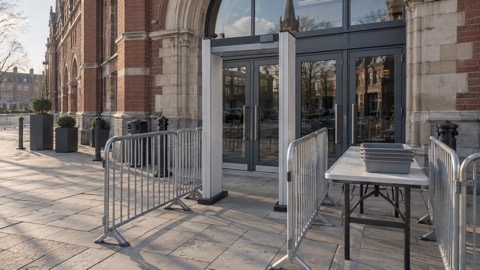 Martyn's Law at Venues
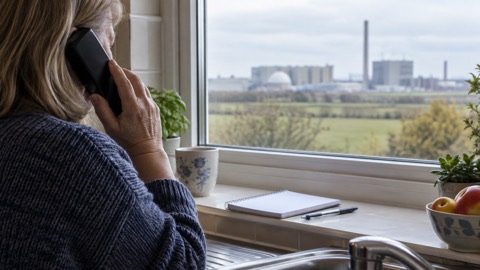 Sellafield Emergency Advice
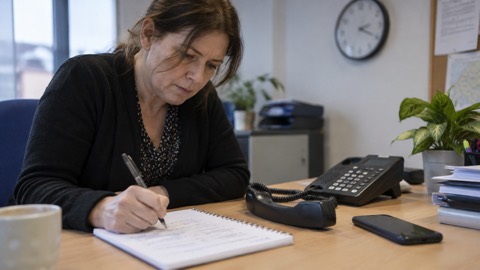 Bomb Threat Calls
 Radiation Checklist First Hour
 Run, Hide, Tell
 ACT Awareness Training
 Living Near a COMAH Site
 Air Quality After a Release
 Remove, Remove, Remove
 Go In, Stay In, Tune In
 Nuclear Site Planning Zones
 Naval Base Radiation Plans
 UK Radiation Monitoring