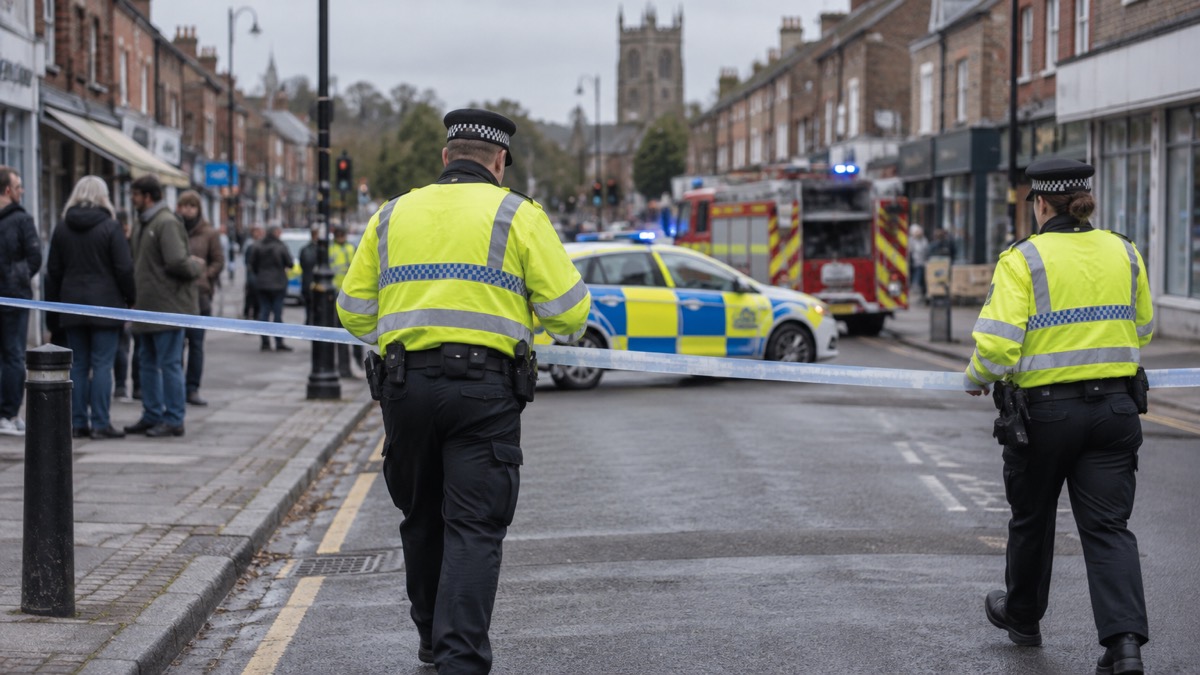
When you hear on the news that a major incident has been declared, it tells you one thing above all: a serious event is under way that needs an immediate response from the emergency services1. It is not a legal order aimed at you, and it does not by itself mean you must leave your home. It is the signal that the police, fire, ambulance and council services have moved onto a coordinated footing because the situation is beyond what their normal, day-to-day response can handle.
A major incident may be declared if it causes a large number of casualties or is deemed to present a serious threat to the health and safety of the public2. Examples include a terrorist attack, a building collapse, a pandemic, serious flooding and severe snow1. Real declarations in recent years show the range: wildfires in Northern Ireland in June 20233, flooding from the River Nene at a Northamptonshire holiday park during Storm Bert4, and a cyber attack that hit the NHS in May 2017, when NHS England declared a national major incident at 4 pm on 12 May and implemented its emergency arrangements to maintain health and patient care5.
For you as a household, the practical meaning is simple. Move to a place of safety if it is safe to do so, follow instructions from emergency services and other authorised responders, avoid the incident area unless advised it is safe to enter, and follow official updates from emergency services and local authorities1. This page explains each of those steps, when to call 999, what help exists for people with a disability or extra needs, and how emergency alerts on your phone fit in.
What a major incident declaration actually means
The core definition comes from the ambulance services that respond to these events. West Midlands Ambulance Service describes a major incident as "a serious event that needs an immediate response from the emergency services"1. North West Ambulance Service adds the test that is usually applied: "An incident may be declared as a major incident if it causes a large number of casualties or is deemed to present a serious threat to the health and safety of the public"2.
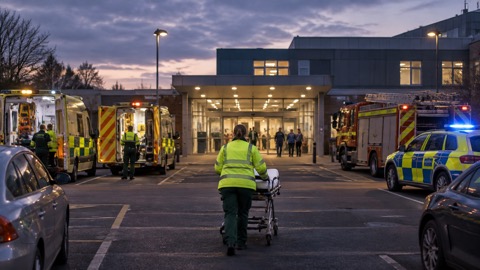
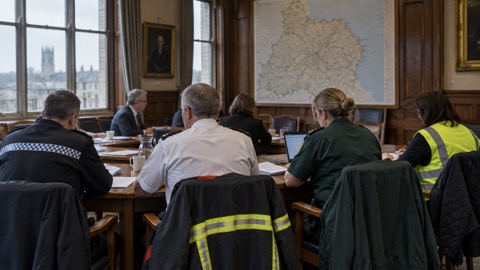
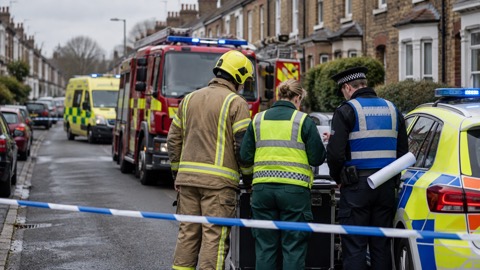
The declaration is a working tool for the responders, not a message to the public in itself. It triggers the emergency services' major incident plans: extra staff are called in, hospitals are put on alert, and the different services begin coordinating through a shared command structure rather than each responding separately. During Storm Arwen in 2021, for example, County Durham's declaration followed a request from the council for the Local Resilience Forum to establish a strategic coordination group, and the declaration was made on Wednesday 1 December8. You can read more about how that coordination works in practice on our pages about command structure and Local Resilience Forums.
What the declaration does not do is change your legal position. You are not under an order to stay indoors or leave unless you are specifically told to, and a declaration may cover an area much wider than the street actually affected. Argyll and Bute Council explains the related idea of a civil emergency: "A civil emergency can be declared by the police or fire service when the situation surrounding different types of incident escalates to involve large number of people or a major threat to many properties"6. The same guidance is reassuring on the point that matters most to households: "If an emergency is declared that affects you, you will be notified by the police"6.
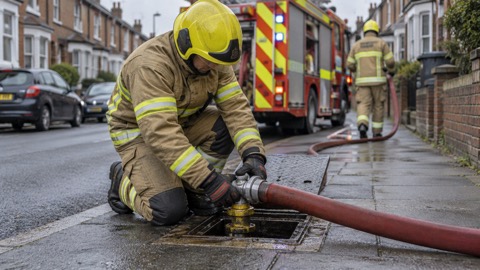
Declarations are made by different bodies depending on who is leading. Police forces declare them, as Dyfed Powys police did for parts of west Wales on 4 November 2025 after very heavy rainfall9. Fire and rescue services declare them, as the Northern Ireland Fire and Rescue Service did during the June 2023 wildfires3. NHS England declared one nationally during the 2017 cyber attack5. And a council can set the process in motion, as County Durham did during Storm Arwen8.
When to call 999 or 112
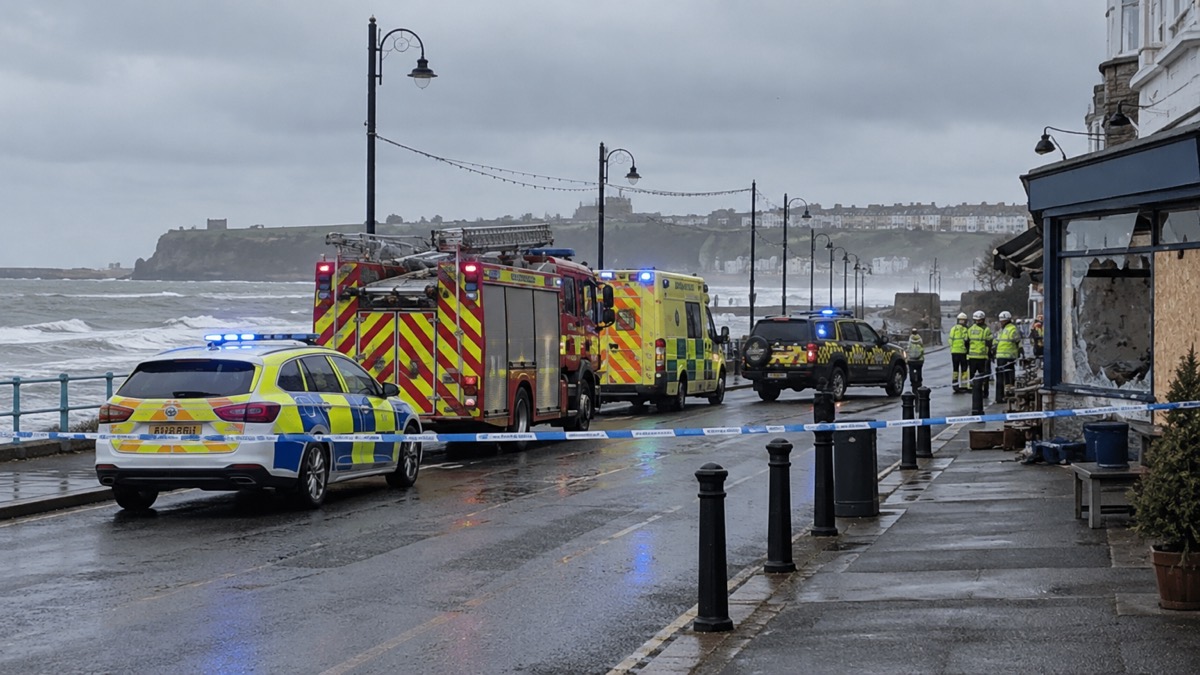
The rule is the same whether or not a major incident has been declared: call 999 if someone is seriously ill, injured or in immediate danger1. The ambulance services give consistent examples of when that applies. Call 999 when someone is seriously ill or has life-threatening injuries, for example a traumatic head injury, severe blood loss, chest pains or loss of consciousness10. Also call 999 if you think someone has had a major trauma, such as after a serious road traffic accident, a stabbing, a shooting, a fall from height, or a serious head injury11.
North East Ambulance Service lists situations where calling 999 is clearly right: someone is seriously ill or injured, unconscious, having difficulty breathing, or has symptoms of heat stroke12. The nidirect guidance for Northern Ireland adds situations where it is vital to call an ambulance: unconsciousness or slipping in and out of consciousness, a suspected stroke, heavy blood loss, or a deep wound such as a stab wound13. London Ambulance Service puts it plainly: call 999 if someone is seriously ill or injured and their life may be at risk14.
The same number covers threats as well as injuries. North Yorkshire's community risk guidance says to call 999 if people are injured or there is a threat to life, and if the danger is inside your home, get out and call 99915. nidirect sets out the fuller test for using 999 at all: "Only use 999 in a real emergency", which it describes as when there is a danger to life, someone is using or there is immediate threat of serious violence, serious injury has been caused to someone or their property, or cases like road traffic collisions where life is at risk, the road is blocked, or a crime such as a house burglary or robbery is being committed16.
Two points are worth holding in mind during a major incident. First, you do not need to be involved yourself to call: if a neighbour or a stranger is in danger, the same rules apply. Second, during a major incident the "real emergency" test matters more than ever: only use 999 in a real emergency, such as when there is a danger to life, serious injury has been caused, or a crime is in progress1. Our page on first aid at home covers what you can safely do yourself while help is on the way.
- Call 999 for: unconsciousness, difficulty breathing, chest pains, severe blood loss, suspected stroke, serious head injury, major trauma10
- Call 999 for: danger to life, immediate threat of serious violence, road collisions where life is at risk or the road is blocked16
- If the danger is inside your home: get out, then call 99915
- Not an emergency: follow official updates from emergency services and local authorities instead1
Emergency services must put the people in greatest need first
One expectation to set honestly: during a major incident, the emergency services cannot be everywhere at once, and they will not respond in the order people call. Ceredigion Council's community resilience guidance states the principle directly: "Local emergency responders will always have to prioritise those in greatest need during an emergency, especially where life is in danger"17.
This is why the declaration matters to you even if you are not at the scene. When the services are working to their maximum, the people closest to danger, the most seriously injured and the most vulnerable are helped first. A call about a minor injury may wait a long time. This is not neglect; it is the declared operating principle of the response, and planning your household around it is sensible.
The same guidance sets out the public's side of the bargain: "Communities need to act in support of the Emergency Services"17. In practice that means keeping clear of the incident area so responders can work, not calling 999 for information, and checking on neighbours who may need help when it is safe to do so. Our page on community resilience goes into what neighbours and local groups can legitimately do, and our page on extra help in an emergency covers support for households that may need more than most.
Help for people with a disability or extra needs
If you have a disability or extra need, emergency services will do their best to support you18. That commitment comes from Somerset Council's guidance on health emergencies, and it applies across the response: at the scene, during evacuation, and in rest centres.
There are practical things you can do before any incident to make that support work better. Tell responders about your needs early and clearly when they arrive or when you speak to them. If you may need to leave your home quickly, keep essential items, medicines and any communication aids where you can reach them without searching. If an evacuation is likely, raise the need for assistance with the emergency services or council staff at the point of contact rather than waiting until you are already struggling.
The same principle runs through the wider system. Because responders must prioritise those in greatest need17, a household whose needs are known and visible is easier to help. Our page on extra help in an emergency sets out what older, disabled and medically dependent households can arrange in advance, including the Priority Services Register held by utility companies.
Flooding: emergency relief and evacuations
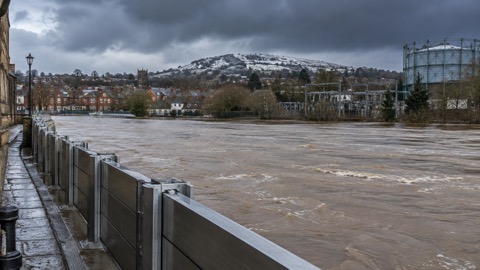
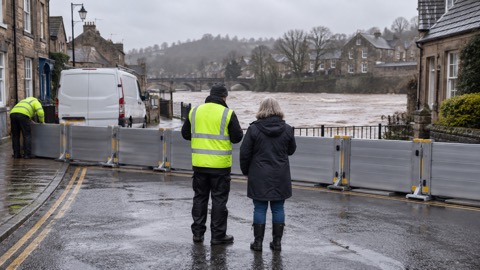
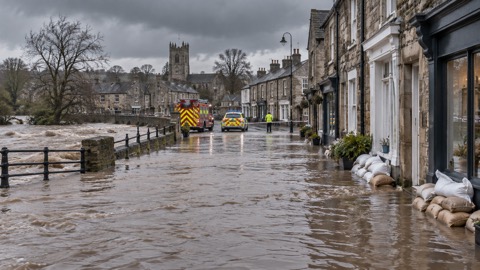
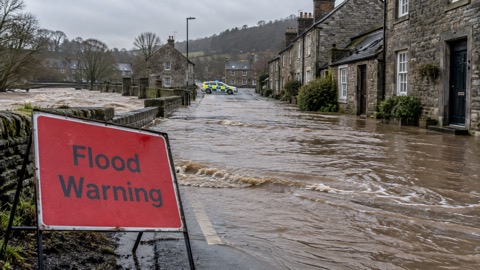
Flooding is the most common route by which ordinary households encounter a major incident. Storm Bert brought a declaration in Northamptonshire when a holiday park was inundated from the River Nene4, and a Major Incident was called in Northwich, Mid Cheshire, when Phase 1 and 2 flood defences were deployed19. Very heavy rainfall led to a major incident being declared by Dyfed Powys police for parts of west Wales on 4 November 20259.
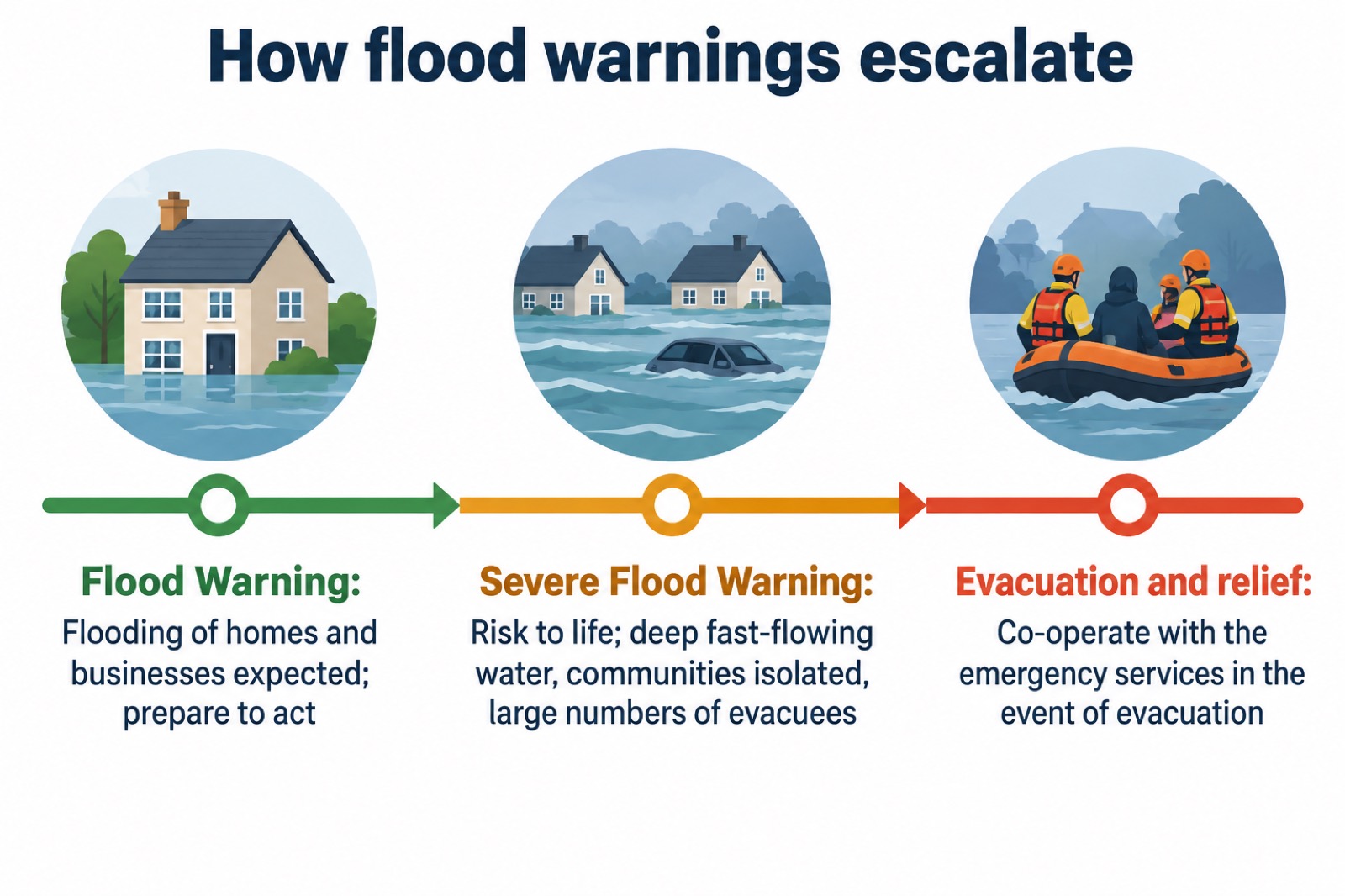
The flood warning system tells you how serious things have become, and it is worth knowing the levels before you need them. A Flood Warning means flooding of homes and businesses is expected, and can include flooding of rail infrastructure, roads with major impacts, significant waves and spray on the coast, extensive flood plain inundation including caravan parks or campsites, and flooding of major tourist or recreational attractions20. A Severe Flood Warning is a different order of event: deep and fast flowing water, debris in the water causing danger, potential or observed collapse of buildings and structures, communities isolated by flood waters, critical infrastructure for communities disabled, a large number of evacuees, and military support20.
| Warning level | What it means for you | What may be happening |
|---|---|---|
| Flood Warning | Flooding of homes and businesses expected; prepare to act | Roads, rail and flood plains affected; caravan parks and campsites inundated20 |
| Severe Flood Warning | Significant risk to life; follow evacuation advice | Deep fast-flowing water, collapsed structures, isolated communities, large numbers of evacuees, military support20 |
A Severe Flood Warning is issued for actual flooding where conditions pose a significant risk to life, or for a breach in defences or failure of a tidal surge barrier or dam that is likely to cause significant risk to life20. The Environment Agency's Flood Guidance Statement uses matching language for its highest category: danger to life, severe disruption to travel, widespread flooding affecting whole communities, widespread disruption or loss of infrastructure, and large scale evacuation of properties possible21.
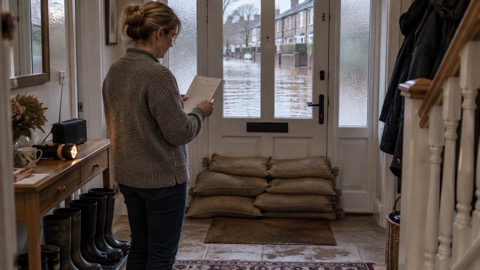
If you are told to evacuate, follow the instructions from the emergency services. Councils open rest centres in public buildings for people who cannot return home; Lincolnshire County Council, asked about emergency shelters, confirmed it uses public buildings as rest centres rather than maintaining dedicated shelters. When a Severe Flood Warning is issued, the official advice is to co-operate with the emergency services in the event of evacuation18. Our flooding guide covers household preparation in detail, and our page on who houses you if an emergency leaves you homeless explains the arrangements that follow.
Emergency alerts on your phone
The UK Government's Emergency Alerts service is used to warn people about serious incidents where there is a risk to life22. Alerts may be sent during emergencies such as severe flooding, major fires, extreme weather or other incidents that require immediate action22. The government describes the system as one that will "warn you about serious nearby threats to life through your mobile phone"7, and says alerts will be used to inform people about severe threats to life in particular areas, such as flooding or wildfires7.
You will know when one arrives. You will hear a loud, siren-like sound and your phone will use a distinct vibration, and a message will appear on your screen telling you about the emergency and what you need to do, staying there until you acknowledge it23. The easy-read guidance lists what your phone might do: make a loud sound even if it is set to silent, vibrate, and read out a message24.
Alerts are sent to compatible 4G and 5G mobile phones and tablets within an area of risk, if they have the latest software update23. Mobile phones released before 2015 are likely to require some changes to the settings23. If you dismiss an alert and need it again, on Android phones it may be found in the Messages app or "Emergency Alert History"; for iPhone users, it will be in your notifications25.
The government occasionally carries out a test of the service to ensure the system works effectively23. The national test was announced on 7 July, alongside a new Resilience Action Plan, and was the second of its kind, following a government commitment to test the system regularly26. The message, sent to all 4G and 5G phone networks in the UK, made clear that it was a test and no further action was required26. As the easy-read guidance puts it: "You do not need to do anything. This is a test to make sure the alerts work"24. Regular testing ensures the system is functioning correctly, should it need to be used in a life-threatening emergency26.
"You do not need to do anything. This is a test to make sure the alerts work."
One habit worth forming: when a real alert arrives, stop and read it before acting. The message tells you what you need to do27, and that instruction comes from the same authorities running the response. Our page on staying informed and in touch in an emergency covers the other channels, including local radio and council updates, that matter when phone networks are under strain.
What to do while a major incident is under way
The ambulance service's public advice for a major incident gives four clear actions1:
- Move to a place of safety, if it is safe to do so. Do not put yourself in danger to reach safety; if you are already safe, staying put may be the right choice.
- Follow instructions from emergency services and other authorised responders. This includes evacuation instructions, cordons and directions at the scene.
- Avoid the incident area unless advised it is safe to enter. This keeps the route clear for responders and keeps you out of danger.
- Follow official updates from emergency services and local authorities. Use these rather than calling 999 for information.
Around those actions, a few practical points follow from how these events actually run. The picture takes time to build. During Storm Arwen, the strategic and tactical coordination groups spent 24 hours trying to develop an accurate picture of the scale and likely duration of the incident8, which is a realistic expectation for a storm affecting a wide area: early information will be incomplete, and official updates will firm up over hours rather than minutes.
Be aware that a major incident can run alongside other emergencies you still need to handle safely. If fire blocks your escape, Essex Prepared's advice is to call 99928, and Manchester Fire and Rescue Service's summer safety advice is likewise to dial 999 in an emergency29. If the danger is inside your home, get out and call 99915. A declaration elsewhere does not suspend the ordinary rules for your own safety.
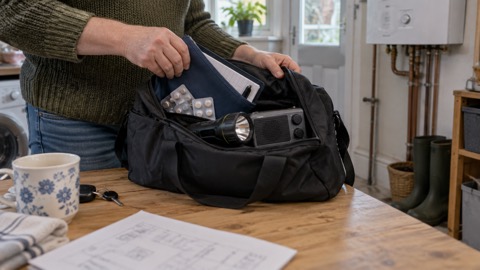
Keep your household's basic readiness in mind: torches, water, a charged phone and a way to follow official updates. Our emergency kit guide and getting started page set out what a UK household should keep ready, and our major incidents guide covers the specific hazards of terror, chemical and radiation emergencies, including what to do if you are caught up in one.
How the four nations differ
The definition and the practical response are broadly consistent across the UK, but the lead bodies and local arrangements differ, and it helps to know who does what where you live.
In Scotland, Police Scotland holds the major events and major incident arrangements, describing major events as "any pre-planned, large-scale events with a lot of people attending" and setting its advice within the same framework30. North East Scotland declared a major incident during Storm Arwen on 29 November, one of four declarations in response to that storm, alongside Cumbria on 26 November, Northumberland on 3 December and County Durham on 1 December8.
In Wales, declarations have come from both the police and the utility side of the response: Dyfed Powys police declared a major incident for parts of west Wales after very heavy rainfall in November 20259, and during Storm Darragh the Dyfed and Powys tactical coordination group escalated to a strategic coordination group on 7 December at approximately 10:00hrs following a declaration of Major Incident, triggered by a 132kv fault causing widespread loss of supply to key services19. Natural Resources Wales leads on flood risk management in Wales9.
In Northern Ireland, the Northern Ireland Fire and Rescue Service declared a Major Incident in June 2023 due to the number of wildfires attended3, and nidirect provides the emergency guidance households should follow, including when to call 999 and first aid13.
Related emergencies with their own warning levels
Some sites and hazards carry their own alert states, and knowing they exist helps you read official messages correctly during a major incident. The Sellafield site in Cumbria, for example, has a graded system: a Site Incident is principally a radiation or chemical incident, such as a large spillage of material, giving rise to unsafe conditions on the site but not capable of having an effect outside the site boundary fence; an Off-Site Nuclear Emergency is an alert state based on a radiation emergency, such as a major fire, that has occurred on the site and has the potential to affect areas outside the site boundary fence, or has already done so31.
Reservoir safety uses a similar grading: a level 2 reservoir incident is a serious incident that requires emergency drawdown or emergency works32. Fire safety enforcement adds its own notices: a prohibition notice is issued if there is a serious risk of fire and the use of all or part of the premises must be prohibited or restricted, and an alterations notice is issued if major alterations to premises will cause a serious risk to the people who use it33.
Weather warnings sit alongside these. The Met Office explains that red warnings are reserved for the most dangerous weather events, and when one is issued it means severe impacts are very likely, often signalling a risk to life, extensive damage to infrastructure, and prolonged disruption to essential services such as transport and energy34. Our storms and snow guide explains what each warning level should prompt you to do.
Where to get help and more to read
During a major incident, the order of help is: call 999 for life-threatening situations1; and follow the instructions of the emergency services, who provide emergency relief and can co-ordinate evacuations1. If you have a disability or extra need, tell responders so they can support you18. If you are displaced, councils open rest centres in public buildings, and our page on what a humanitarian assistance centre is explains the longer-term support that follows serious incidents with casualties.
To understand the system behind the response, our pages on what counts as an emergency in UK law, the Civil Contingencies Act, who the Category 1 and Category 2 responders are, and how central government responds set out the framework the declaration sits within. To prepare your own household, start with getting started and the emergency kit guide.
Sources (34)
- Major incidents, West Midlands Ambulance Service NHS Foundation Trust, 2026
- Major incidents, North West Ambulance Service NHS Foundation Trust, 2019
- NIFRS urges community to stay safe this summer, Northern Ireland Fire and Rescue Service, June 2023
- Storm Bert: UK past events, Met Office, 2024
- Investigation: WannaCry cyber attack and the NHS, National Audit Office, 2017
- Preparing for civil emergencies in Argyll and Bute, Argyll and Bute Council, 2026
- Frequently asked questions about Emergency Alerts, UK Government, 2023
- Storm Arwen review, Durham County Council, 2022
- Flood risk management annual report 2025 to 2026, Natural Resources Wales, 2025
- Your service: 999, North East Ambulance Service NHS Foundation Trust, 2026
- Get the right help and support, South Western Ambulance Service NHS Foundation Trust, 2026
- Summer safety advice, North East Ambulance Service NHS Foundation Trust, 2026
- First aid, nidirect (Northern Ireland Government), 2025
- Clinical telephone advisor, London Ambulance Service NHS Trust, 2026
- Community Risk Register 2025, North Yorkshire Local Resilience Forum, 2025
- Emergency situations and keeping safe, nidirect (Northern Ireland Government), 2025
- Community resilience: emergency advice, Ceredigion County Council, 2026
- Health emergencies, Somerset Council, 2026
- Paper: ScottishPower Energy Networks, Senedd Business Committee, 2025
- Know your flood warnings, Wiltshire and Swindon Prepared, 2026
- Flood Guidance Statement, 21 July 2026, Flood Forecasting Centre, 2026
- Emergency alerts service, Croydon Council, 2026
- Emergency alerts, Denbighshire County Council, 2026
- Emergency Alerts test: easy read, UK Government, 2025
- National emergency alerts, Warwick District Council, 2026
- Emergency alert test, Sunday 7 September at 15:00, Wiltshire and Swindon Prepared, 2026
- Emergency Alerts System factsheet, UK Government Prepare campaign, 2025
- If you are trapped by fire, Essex Prepared, 2026
- Safe4Summer: staying safe, Manchester Fire and Rescue Service, 2026
- Advice: major events, Police Scotland, 2026
- What to do in an emergency at Sellafield, Cumbria County Council, 2023
- Flood and coastal erosion risk management report, 2019 to 2020, Environment Agency, 2020
- Fire safety regulations, Suffolk County Council, 2026
- How are weather warnings categorised?, Met Office, 2025
 30-Day Household Checklist
 Emergency Plan Template
 Supply Interruption Checklist
 National Risk Register
 How Emergency Risks Are Scored
 Civil Contingencies Act 2004
 What Counts as an Emergency
 Category 1 and 2 Responders
 Local Resilience Forums
 Strengthening Local Resilience
 What Your Council Does
 Central Government Response
 Gold, Silver and Bronze Command
 Emergency Powers
 Warning and Informing the Public