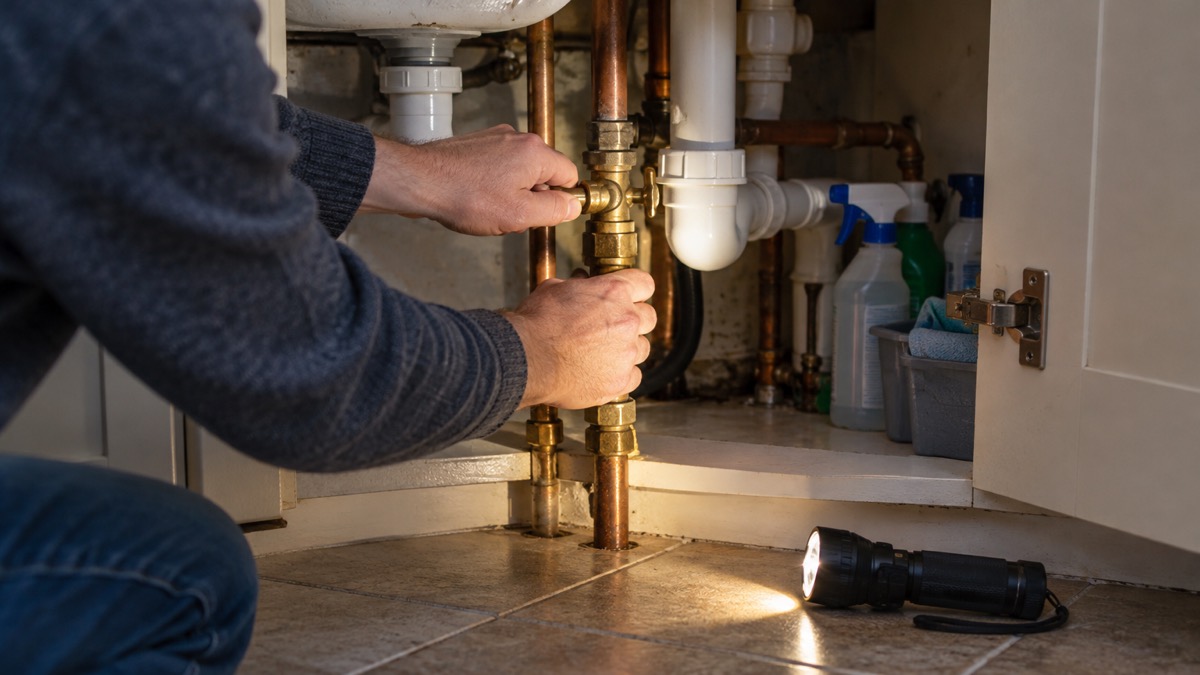
If you are told to leave your home, or flood water is heading for it, the order of business is simple: get people and pets ready, take what you need, switch off the utilities only if you have time and it is safe, lock up, and go. Official guidance is consistent on the first point. Turn off the gas, electricity and water only if you have time and it is safe to do so1. If a fire is involved, seconds count, so do not waste time investigating or rescuing valuables2.
The best time to prepare is before anything happens. Councils and fire services advise making up a home emergency pack and preparing an evacuation checklist of things to pack quickly3. A grab bag packed in advance, with a packing list inside it, makes leaving far easier4. A household emergency plan should contain everything you need to leave the property quickly and calmly5.
What follows is a printable checklist of the steps to take at home before you go, then the detail on each: how to isolate the utilities, what to pack, how to lock up, and what changes when flood water is already at the door.
The checklist: what to do before you leave home
Work down this list in order. If you reach a step and there is no time, or it is not safe, skip it and move on. The plan for your household should already say who does what, so that leaving is quick and calm5.
Turn off electricity, gas and water only if you have time and it is safe
This is the step people worry about most, and the one where the official advice is most careful. The rule is the same across councils and the government: turn off your mains water, gas and electricity if you have to leave your home during a flood, but only if it is safe to do so12. Essex Prepared puts it as: only if you have time and it is safe to do so, turn off or isolate electricity, gas and water supplies, unplug appliances and lock all doors and windows before evacuating1.
The reason to do it at all is that leaving supplies on can cause further danger once you are gone, for example a gas leak or water damage in an empty property. The reason to be cautious is that you should not be fumbling with a fuse box in the dark or standing in water to reach a valve.
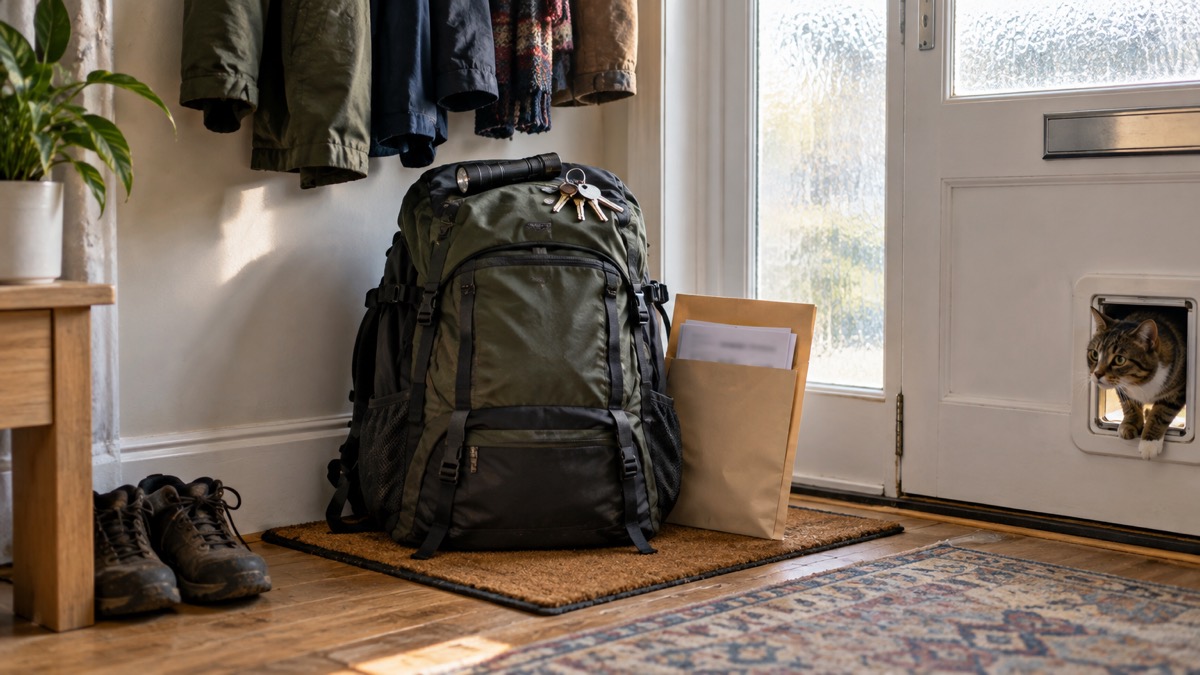
The practical answer is to learn where your stopcock, gas valve and fuse box are now, in daylight, and how to turn each one off. The government's Be Ready campaign says you will need to turn these off if you have to leave your home due to flooding or for other reasons such as a leak13. Warwickshire County Council advises finding out how to turn off water, gas and electricity supplies in your home9. Our guide to finding your stopcock, gas valve and fuse box walks through it.
If you live in a flat, the same applies, and Warwickshire's high-rise guidance adds that you should know how to isolate your gas, electric and water supply as part of being ready to leave14.
What to pack: medication, warm clothes, documents and baby items
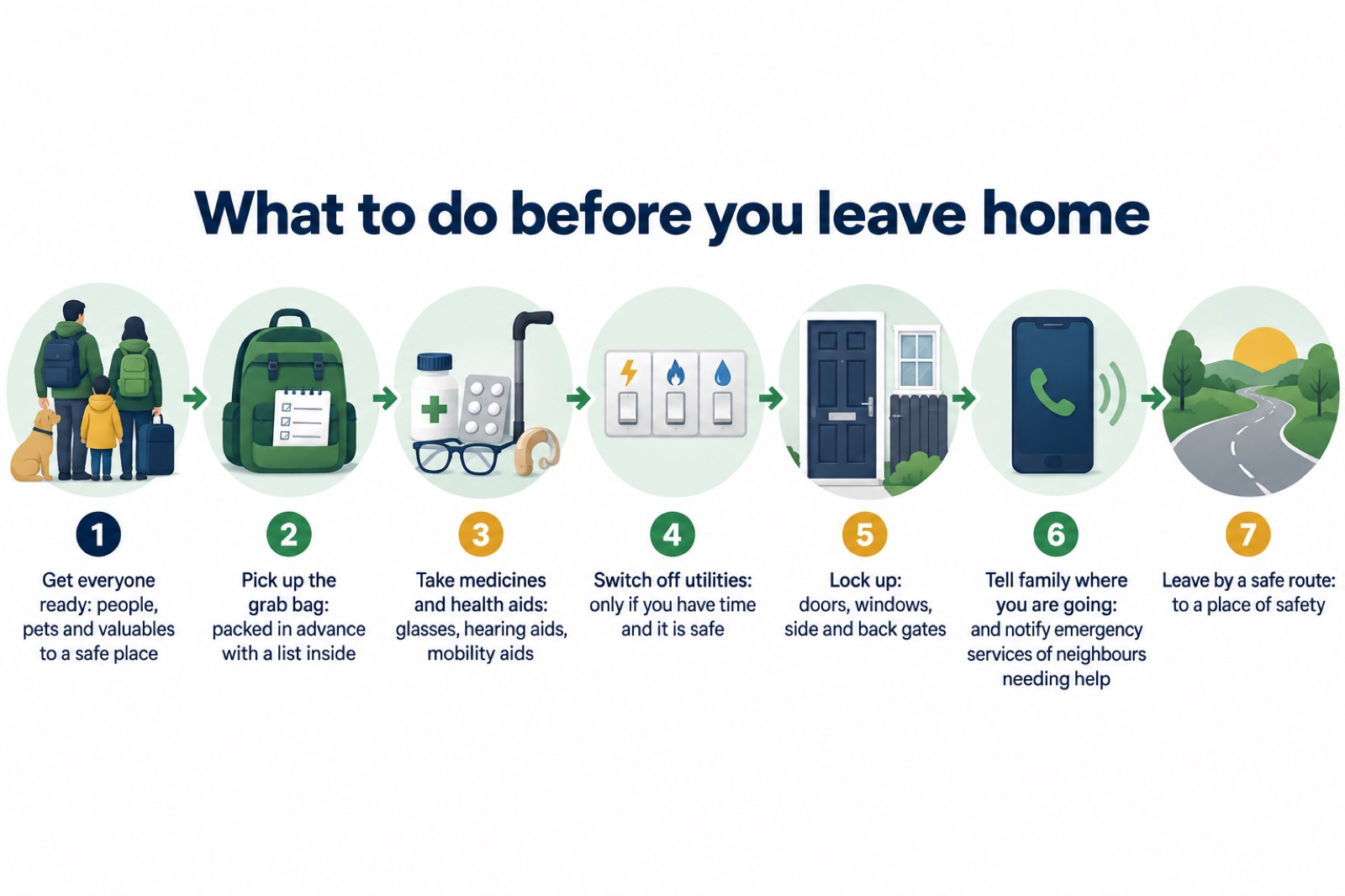
If there is time, take any medication, warm clothes, any special foods, personal documents and valuables with you6. That short list from Moray Council covers most of what matters, and other councils add to it. Nottinghamshire advises taking important items such as your mobile phone, credit cards, medication and ID15. West Yorkshire Prepared suggests keeping a list of necessities in mind for a sudden evacuation: medication, important documents, cash or bank cards16.
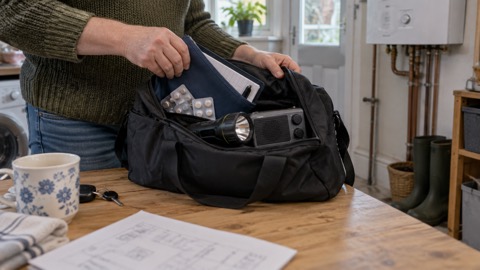
A grab bag prepared in advance is the practical way to make this quick. Edinburgh's evacuation advice says to prepare a grab bag containing a packing list to follow should you need to use it4. The London Assembly's flood awareness blog makes the same point: prepare an emergency bag with the things you will need if you have to leave your home, such as medicine and important documents17.
| What to pack | Why it matters | Source |
|---|---|---|
| Medication, glasses, hearing aids, mobility aids | Essential medicines and personal items such as glasses and hearing aids are on the list of things to take if you have to leave | 9 |
| Warm clothes and suitable footwear | Warm clothing and a change of clothing and footwear are on the list of things to take if you have to leave | 6 |
| Special foods | Dietary needs do not pause for an evacuation | 6 |
| Personal documents | Passports, driving licences, insurance policies, birth certificates | 11 |
| Cash and cards | Cash, credit and debit cards are on the list of things to take if you have to leave | 16 |
| Mobile phone and charger | A mobile phone and charger are on the list of things to take if you have to leave | 15 |
| Baby and child items | Supplies and a special toy or small game | 18 |
| Pet supplies | Pets come with you unless told otherwise | 11 |
For babies and small children, Edinburgh's list includes any special items for babies, children, elderly and disabled people4. West Yorkshire's household plan suggests supplies for babies and small children, and a pack of cards or other small game to keep children occupied11. If you have pets, take them with you unless the emergency services advise otherwise11, and see our guide to pets and animals in an emergency for carriers and leads.
Lock doors and windows and leave quickly and calmly
Once you are ready, lock up and go. West Yorkshire's household emergency plan sets out the leaving steps: lock doors and windows, let family know where you will be, make arrangements with school or work, notify the emergency services of neighbours who may need assistance, pick up your emergency bag, take pets with you unless advised otherwise, turn off gas, electricity and water if told to do so, and make your way to a place of safety11.
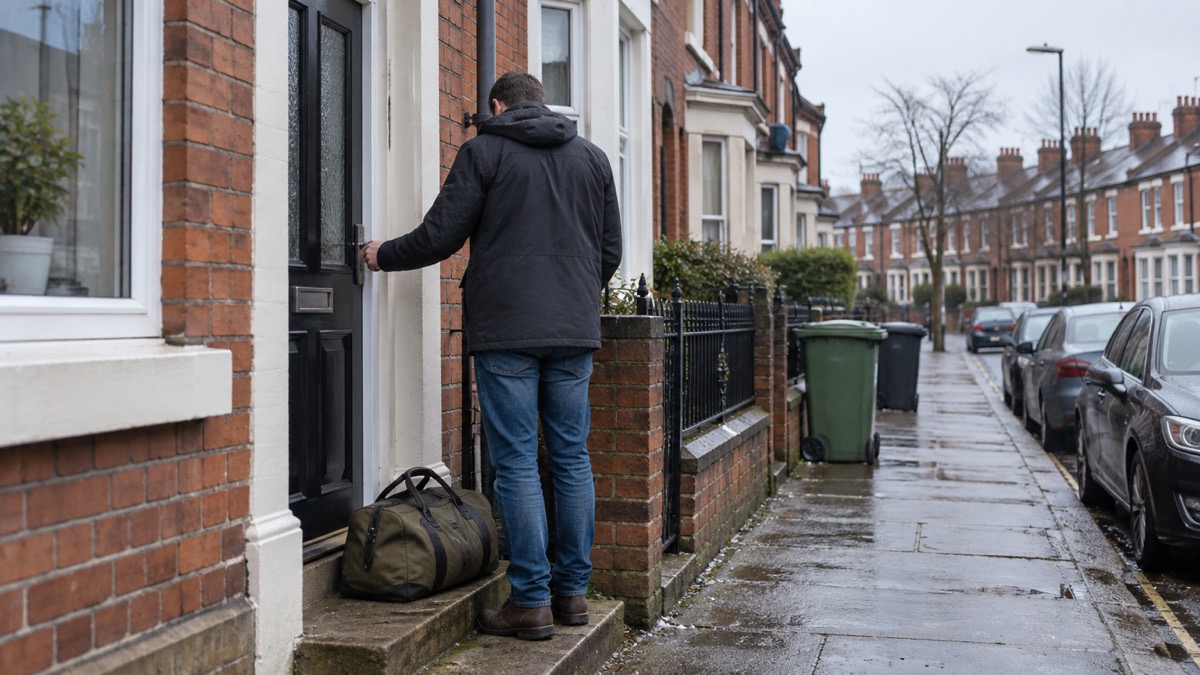
Flood guidance adds more detail on securing the property. Croydon's flood evacuation checklist says to lock the side and back gate, lock the shed or garage, close and lock all doors and windows, set the burglar alarm, take house keys and put spare keys out of the reach of letterboxes7. That last point matters: a spare key left within reach of the letterbox is a way in for anyone who knows to look.
Lancaster City Council's guidance for householders facing flooding is simpler: before you leave, secure all doors and windows, and take with you all cash and valuables, together with important medicines19. Lincolnshire County Council's evacuation advice is shorter still: lock the door behind you20.
Before flood water reaches your home
Flooding gives you warning, and that changes what you can do. The Environment Agency's flood warning advice is to protect yourself, your family and help others; move family, pets and valuables to a safe place; keep a flood kit ready; turn off gas, electricity and water supplies if safe to do so; and put flood protection equipment in place8. Somerset Council's advice for when your home is about to be flooded is to turn off your gas, electricity and water supplies if it is safe to do so22.
Croydon's checklist is written for the moment just before water arrives: turn off the gas, electricity and water before flood water enters your home, and do not touch electrical sources whilst standing in water7. It also carries a warning that applies to the whole of this page: be careful not to hurt yourself when preparing your home and moving important things to a high place7.
If you have livestock, evacuate animals as soon as possible and be ready to leave once the evacuation is ordered23.
For the fuller picture, see our guides to flooding and to what to do if you are asked to evacuate.
Keeping the checklist ready before you need it
A checklist only helps if it is ready before the emergency. The government's Be Ready campaign and councils across the UK advise making a household emergency plan that contains all the information you need to leave your property quickly and calmly5. Greater Manchester's resilience team points households to the government's Prepare website template for exactly this5.
Make up a home emergency pack and prepare an evacuation checklist of things to pack quickly, and depending on the time of year keep a basic emergency kit in your vehicle3. Keep spare batteries at home so a torch or radio still works when you need it24. Edinburgh's grab bag list includes essential keys to your house and car, cash, credit and debit cards, a change of clothing, footwear and sleeping attire, and washing, shaving and sanitary supplies4.
Fire services add a routine that pays off in any emergency: keep all exits clear in communal corridors and your home, keep door and window keys near the exit, and get to know your neighbours who may need assistance14. Turning off and unplugging electrical appliances as a bedtime check, except those meant to be left on such as a freezer, is good practice every night, not just on the night you leave25.
If you have not yet built your plan, start with our guide to making a household emergency plan and the 30-day household preparation checklist. For what to keep in your bag, see emergency kit.
Sources (25)
- Step 2: During an Emergency, Essex Prepared, 2026
- Planning an Escape Route, Greater Manchester Fire and Rescue Service, 2026
- Preparing for Emergencies, Somerset Council, 2026
- Evacuation Advice for Residents, City of Edinburgh Council, 2019
- Prepare Yourself, Greater Manchester Combined Authority, 2026
- Emergency Preparations You Can Do, Moray Council, 2026
- Flood Evacuation Checklist, Croydon Council, 2025
- What to Do, Environment Agency and Nottinghamshire County Council, 2010
- Emergency Advice for Residents, Warwickshire County Council, 2026
- Emergency Planning, Scottish Borders Council, 2026
- Household Emergency Plan, West Yorkshire Prepared, 2020
- Protect Your Property, UK Government, 2026
- Be Ready for Emergencies, UK Government, 2026
- High Rise, Warwickshire County Council, 2026
- Evacuating Your Home, Nottinghamshire County Council, 2026
- Advice for Households, West Yorkshire Prepared, 2026
- London Flood Awareness Week: How Prepared Are You for Flooding, London Assembly, 2019
- Get Prepared - Carmarthenshire County Council, Carmarthenshire County Council
- Be Prepared, Lancaster City Council, 2026
- Get Help and Advice in an Emergency, Lincolnshire County Council, 2026
- Fire Safety Information for Residents Living in Flats, Greater Manchester Fire and Rescue Service, 2026
- During Flooding, Somerset Council, 2026
- Prepare for an Emergency, Slough Borough Council, 2026
- Emergency Kit Checklist, Neath Port Talbot Council, 2026
- Escape Plan, Devon and Somerset Fire and Rescue Service, 2026
 30-Day Household Checklist
 Emergency Plan Template
 Supply Interruption Checklist