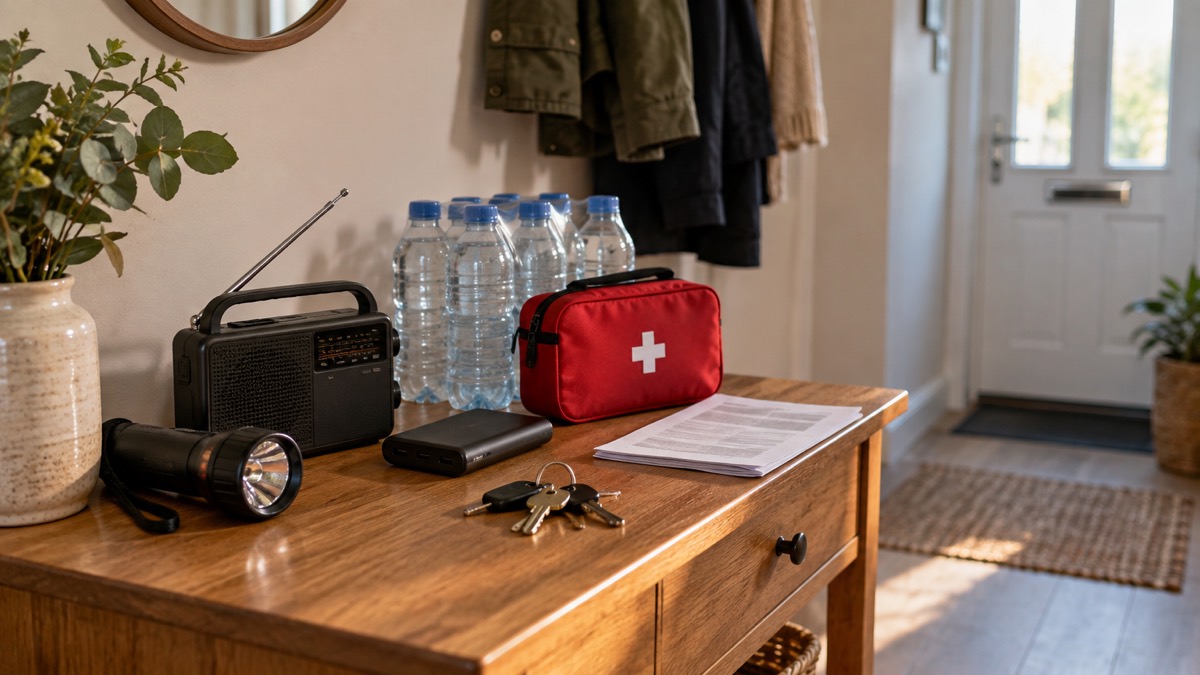
If you have decided to get your household ready for an emergency but do not know where to start, the answer is smaller than you think. The advice at the heart of the UK campaign is to be prepared for three days of disruption, because being ready for three days helps you manage while support reaches those most in need1. You do not need to do it all at once. A month of small steps, one a day, gets a household from nothing to a working plan, a stocked kit and a set of contacts you can actually find in the dark.
The Scottish Borders Council sets out the whole thing as "30 simple ways to be more resilient in 30 days", with one task for each day2. The tasks are deliberately modest: note down your utility and healthcare numbers, keep spare keys where you can grab them, talk to your neighbours about checking on each other in a power cut, and finish on day 30 by completing a household emergency plan2. Each one takes minutes. Together they cover the things that most often go wrong when an emergency arrives: nobody knows where the kit is, the numbers are on a phone that has run out of charge, and nobody has agreed who does what.
This page turns that sequence into a checklist you can work through at your own pace, explains why each step matters, and shows where the advice comes from: the government's Prepare website, your council, and the Local Resilience Forum for your area. It also explains how to find the risks that are actually local to you, because a household in a flood plain and a household on a hill have different first priorities.
The 30-day checklist
Work down the list in order, or pick the days that matter most to your household first. Each item is a small job with a clear reason behind it, and each is drawn from official household resilience advice. Tick them off as you go.
Day 30: complete a household emergency plan
The plan is the point of the month. Greater Manchester's resilience team advises households to prepare a Household Emergency Plan containing all the information needed to leave the property quickly and calmly if evacuated, using the template on the government's Prepare website7. A plan is not a document for its own sake: it is the difference between a household that reacts and one that argues in a hallway while a warning is running out.
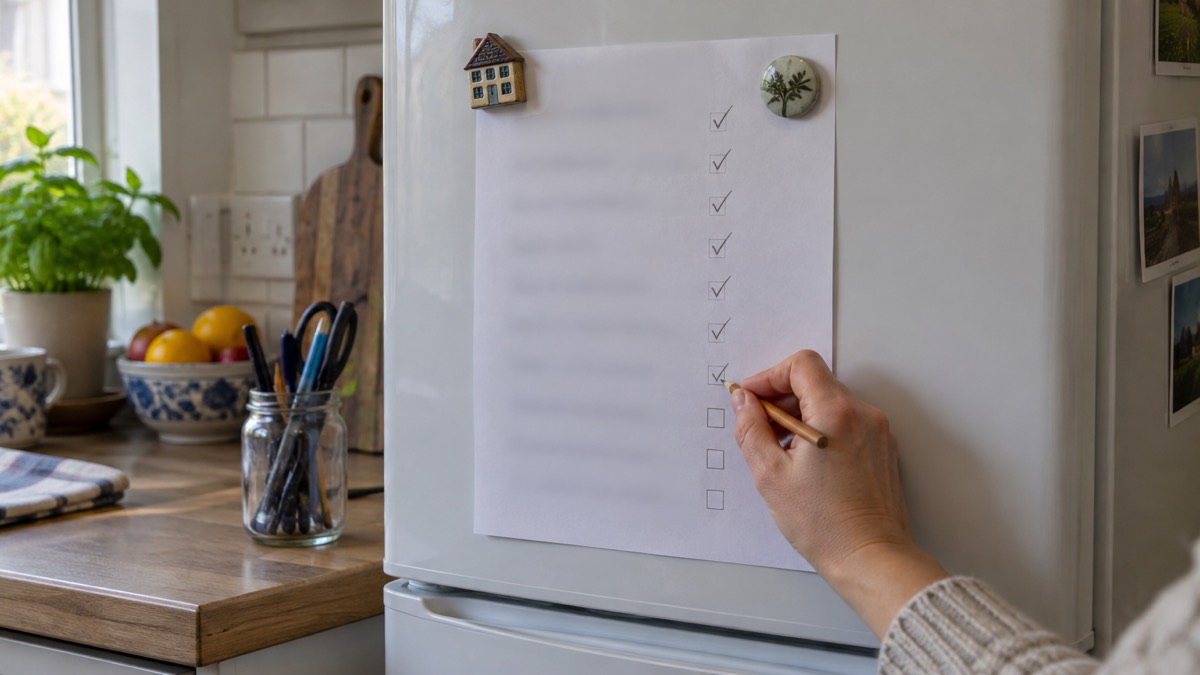
Several councils publish their own templates, and any of them will do. The Royal Borough of Windsor and Maidenhead's Home Emergency Plan says to download it, fill it in, agree a plan in advance with your household, print it out and keep it somewhere safe8. Argyll and Bute includes a Household Emergency Plan template for individuals and families in its guide9. North Devon points households to the template on the Prepare website10. Essex Prepared adds a step that is easy to skip: consult everyone in your house about the plan as you complete it11. A plan one person wrote alone is a plan the rest of the household will not follow.
What goes in it:
- Contacts. Emergency numbers for utilities and healthcare, written down2.
- Where things are. The location of the emergency kit, spare keys and document copies2.
- Who does what. Agreed roles, so that one person checks on a neighbour while another gathers the kit.
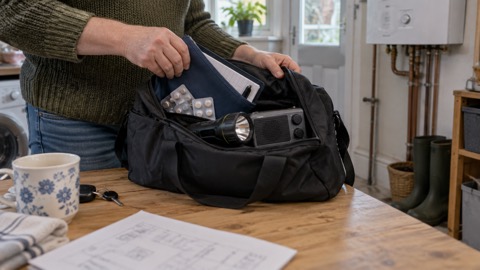
- How you would leave. An evacuation checklist of what to pack quickly4. The evacuation planning guide takes this further.
- A fire escape plan. Warwickshire Fire and Rescue Service notes that making a fire escape plan takes minutes, but lets you react instantly and correctly in a fire12. The home emergencies guide covers fire, carbon monoxide and gas leaks.
Print it and keep it somewhere safe, as the Windsor and Maidenhead template advises8. A plan stored only on a phone is a plan you may not be able to open. The plan template page walks through what to fill in, line by line.
Where the 30-day advice comes from
The advice is not invented by any one council. The government's Prepare website provides simple and effective steps people can take to be more prepared13, and Cumberland Council points households to it as the place with advice on how to be prepared for many emergency situations14. The site was developed by the Resilience Directorate of the Cabinet Office, in partnership with experts from across local and national government, the responder community, voluntary sector organisations and academia15. The government has published resilience advice for households since May 20243.
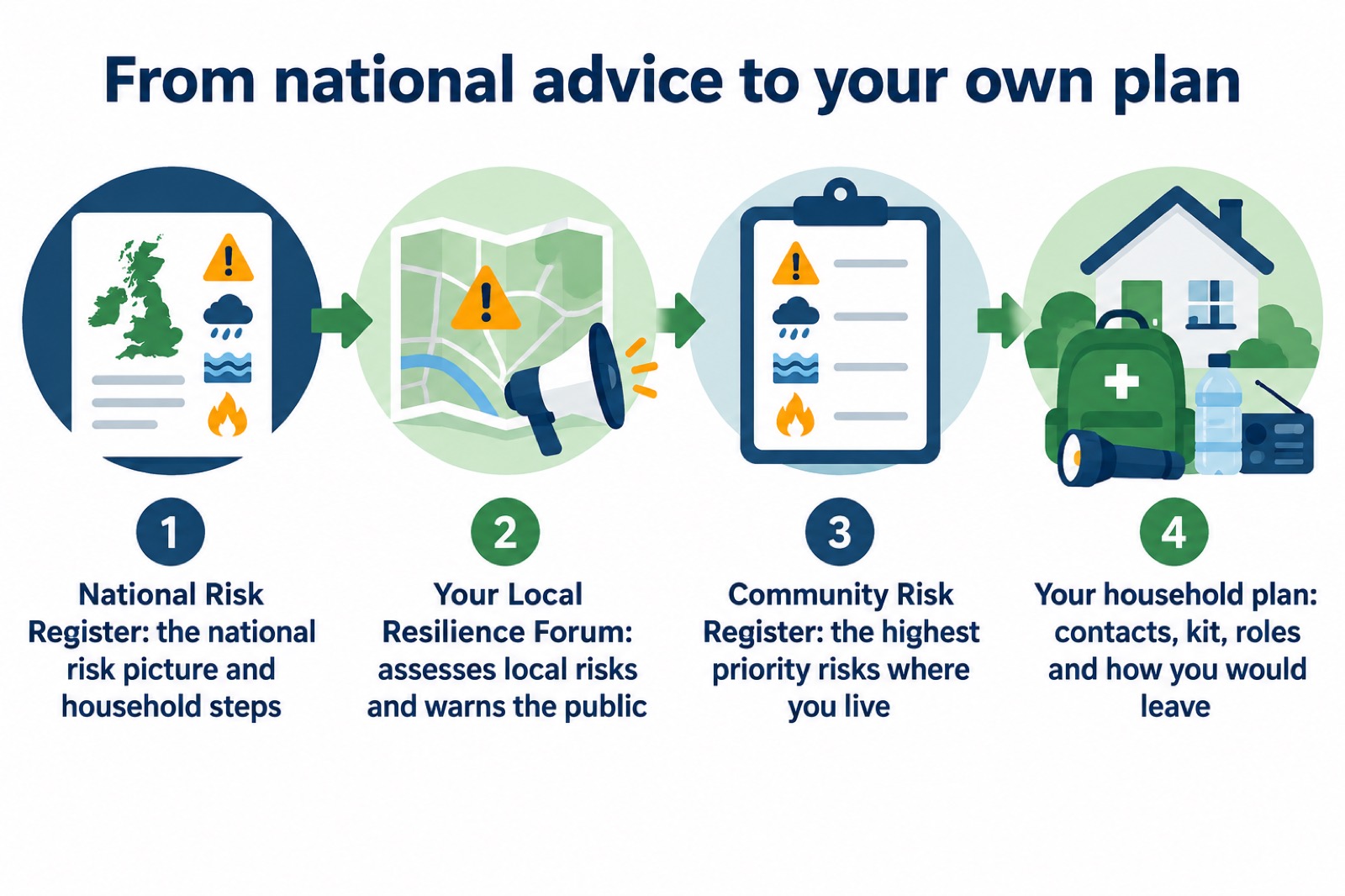
Behind the national advice sits a local structure. Each region across the country has a Local Resilience Forum, made up of local authorities, the emergency services, the NHS and health bodies, and environment-related government agencies, set up to warn, inform and advise the public in the event of an emergency16. Essex Prepared describes the same arrangement for its area18. In an emergency, pay attention to official sources: the websites and social media accounts of local authorities, government agencies or emergency services, or messages to your mobile phone from the UK Government Emergency Alerts Service5. The staying informed guide explains how alerts reach you.
| Source of advice | What it gives you | Where to find it |
|---|---|---|
| Prepare website | Simple steps to be more prepared, and the household plan template13 | prepare.campaign.gov.uk |
| Your council | Local leaflets, plan templates, kit checklists and talks4 | Your council's emergency planning pages |
| Your Local Resilience Forum | Warnings, information and advice in an emergency16 | Your regional resilience website |
| National Risk Register | The national risk picture and household steps20 | Published by the government |
Scotland has its own version: Ready Scotland publishes advice on preparing for cold, snow and ice, including making a household emergency kit and an emergency plan before cold weather21. The Scotland guide covers how the arrangements differ. In Wales, the how to prepare for emergencies guidance sits within the Wales resilience programme15.
Check your local risks in the Community Risk Register
A household's first priorities depend on where it is. Your local Community Risk Register sets out some of the risks that could affect your local area, and how to prepare for them5. It describes the risks present in the community and assesses how likely they are to lead to an emergency and the potential impact they would have22. Local Resilience Forums are responsible for conducting these assessments and producing the register, which identifies potential risks and hazards such as floods, industrial accidents and pandemics18.
The national and local pictures work together. The National Risk Register is designed to support individuals, households and communities on simple steps they can take to be more prepared for a range of emergencies20, and it should be read alongside the Community Risk Register for your area, which focuses on the highest priority risks locally6. Argyll and Bute makes a useful caution: the register mainly talks about relatively high-level threats, so use local knowledge to identify other risks not included9.
West Yorkshire is a worked example. West Yorkshire Prepared publishes a Community Risk Register giving an overview of the main risk areas for the region, to help communities be better informed, prepared and able to respond to an emergency23, and it regularly carries out risk assessments to review the types of risks facing the region23. Its community resilience guide points households to the register as the source to stay up to date on local risks24. Lancashire Council publishes its own account of the risks in Lancashire22.
Once you know your local risks, the checklist changes shape. A household in a flood area should check its buildings and contents insurance as part of its preparation, as the West Yorkshire flooding checklist advises25, and should read the flooding guide. A household in a cold, exposed area should read the storms, snow and ice guide. The Community Risk Registers page explains how to find yours.
Keeping the kit and the plan ready
A checklist completed once is not preparation. The parts that decay are the ones with dates on them: medicine, food, water and batteries. The Scottish Borders advice to keep three days of prescription medicine and rotate it regularly is the model for everything else2. Put a reminder in the diary for the same month each year, and go through the kit: replace what has expired, check the torch batteries, and confirm the document copies are still current.
The plan needs the same treatment. Re-read it with everyone in the household, check that the contact numbers still work, and confirm that everyone still knows where the kit is, which is day 29 of the sequence for a reason2. If someone has joined the household, or a neighbour who relied on you has moved, update the plan.
Two habits keep the rest in place. The first is staying informed: know which official sources you would check, and make sure alerts can reach your phone5. The second is the neighbour agreement, to check on each other in an emergency or a power cut2. That single arrangement does more for a street than any piece of kit, and it costs nothing. The community resilience guide explains how to build on it.
Sources (25)
- Be ready for emergencies - Be Ready, prepare.campaign.gov.uk (Be Ready campaign)
- Be more resilient in 30 simple ways in 30 days, Scottish Borders Council, 2026
- Households encouraged to take small, simple steps to stay prepared in an emergency, GOV.UK, 2026
- Preparing for emergencies, Somerset Council, 2026
- Be informed about hazards, Prepare campaign, 2026
- National Risk Register 2023, Cabinet Office, 2023
- Prepare yourself, Greater Manchester Combined Authority, 2026
- Emergency home emergency plan, Royal Borough of Windsor and Maidenhead, 2026
- Making your plan, Argyll and Bute Council, 2026
- Be prepared for emergencies, North Devon Council, 2026
- Preparing your family, Essex Prepared, 2026
- Making a home escape plan, Warwickshire County Council, 2026
- Planning for an emergency kit, Wiltshire Council, 2026
- Snow, ice and winter ready advice, Cumberland Council, 2026
- How to prepare for emergencies, Welsh Government, 2025
- National emergency alerts, Warwick District Council, 2026
- Local Resilience Forum, Northumberland County Council, 2026
- What is a Local Resilience Forum, Essex Prepared, 2026
- Preparing for emergencies, Somerset Council, 2026
- Government publication of the new National Risk Register, Wiltshire and Swindon Prepared, 2026
- Cold, snow and ice, Ready Scotland, 2026
- Risks in Lancashire, Lancashire County Council, 2026
- Know your risks, West Yorkshire Prepared, 2026
- Community resilience guide, West Yorkshire Prepared, 2026
- Flooding checklist, West Yorkshire Prepared, 2022
 Emergency Plan Template
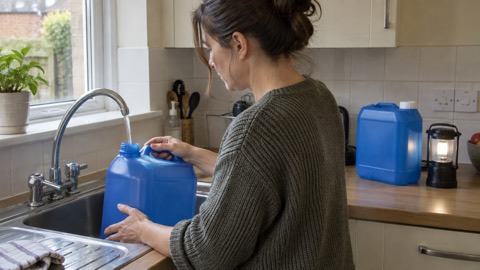 Supply Interruption Checklist
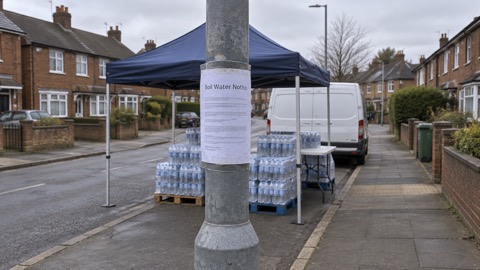 Boil Notice Checklist