Extra Help in an Emergency: Older, Disabled and Medically Dependent Households
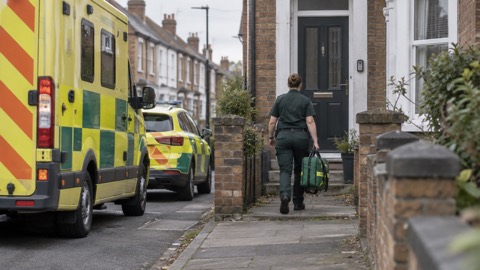
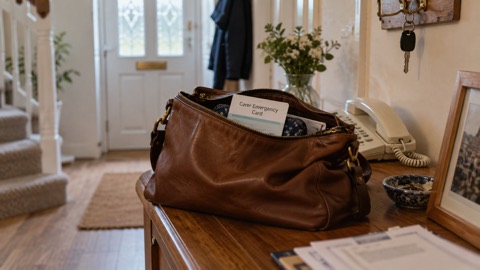
If someone relies on care, oxygen, powered medical equipment or help to leave home, start with their immediate safety. Call 999 if anyone is in immediate danger. A carer's emergency card shows that you are a carer and can alert emergency services that someone relies on you; anyone who provides unpaid care can apply for one.1
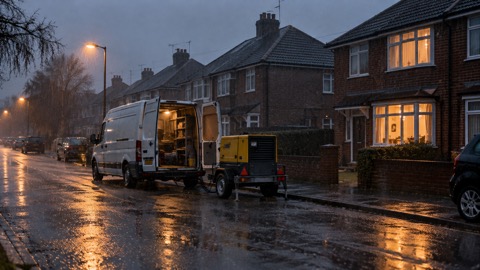
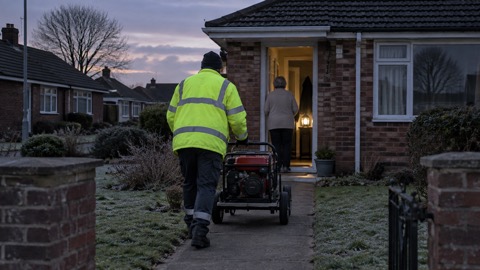
Then make sure the household is registered for the extra support available from its energy supplier, electricity network operator and water company. Ofgem says the Priority Services Register can provide priority support in an emergency, accessible communications and practical help. Registration is free and takes only a few minutes, but each company keeps its own register.2
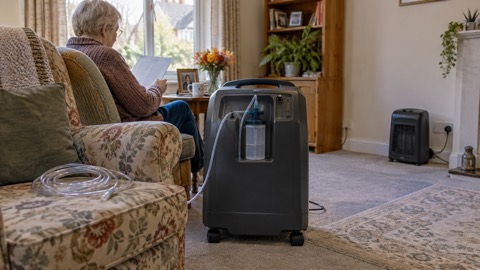
Do not wait for an outage to discover that equipment stops working or that an alarm cannot raise help. Scottish government preparedness guidance lists ventilators, oxygen concentrators, electric wheelchairs, hoists, communication devices and feeding pumps among equipment that may stop during a power cut. Home oxygen also needs strict fire precautions.4
If the power or water goes off now
Work through the person's needs rather than simply waiting for the supply to return:
- Check that they are safe and reachable. If you rely on carers, support workers or personal assistants, make sure they know your emergency plan.4
- Deal with immediate danger first. Call 999 where someone is in immediate danger. Once your own household is safe, check neighbours or anyone who may need additional help, if it is safe to do so.1
- Use the backup you have prepared. Wiltshire and Swindon Prepared says a charged power pack can be very helpful in an emergency or power cut. Keep important family and emergency numbers written down in case you cannot access them on a phone or online.6
- Use the registered support. Ofgem says priority support is available in an emergency. The power cuts guide covers the household response, while the water guide helps you organise supplies during an interruption.2
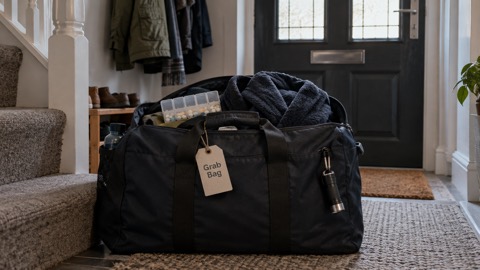
For planned admissions or a sudden departure from home, prepare a hospital grab bag alongside the household's wider emergency kit.
Join the Priority Services Register
Ofgem says both your energy supplier and your electricity or gas network operator keep a Priority Services Register. Water and telecoms suppliers may also operate schemes, but providers set different eligibility criteria, so check each one rather than assuming that a single registration covers every service.2
| Support available through energy registration | What it means for the household |
|---|---|
| Emergency support | Priority support in an emergency and help reconnecting gas where needed |
| Planned interruptions | Advance notice of scheduled power cuts wherever possible |
| Accessible information | Account information and bills in large print or braille |
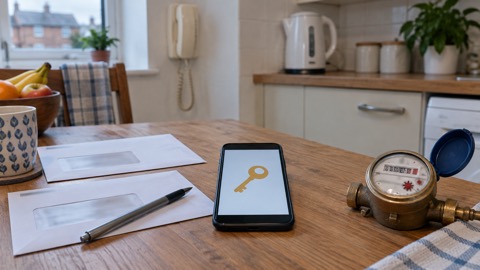
| A trusted nominee | A family member, carer or trusted person can receive communications and bills |
| Meter help | Regular meter readings and possible relocation of a prepayment meter that cannot safely be reached for topping up |
These services are listed by Ofgem. They explain why registration matters before a failure, not after it.2 The detailed guides cover signing up for energy and water registers, what utility companies must do and water company priority services.
Eligibility is broader than permanent disability. Ofgem includes mental health conditions, conditions affecting sight, hearing or smell, and conditions requiring powered medical equipment. Temporary circumstances such as recovery from injury, support after hospital, bereavement or job loss can also qualify. Scottish guidance additionally lists people over 60, households with children under 5 and users of medical equipment needing power or water.2
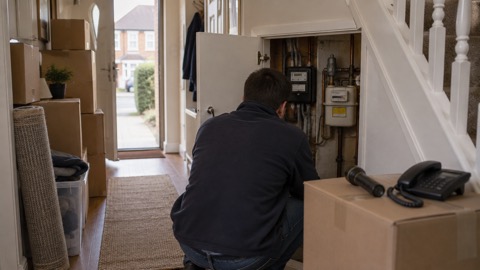
Contact gas and electricity suppliers separately if they are different companies. You must ask to join the new supplier's register after switching, and Derbyshire County Council says to register again after moving home. The guide to re-registering after moving or switching explains this further.10
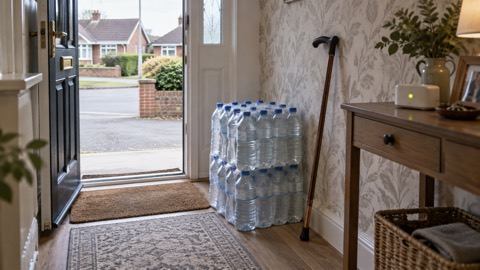
If gas goes off, registration lets suppliers know that you need extra support, and Ofgem includes assistance with reconnection. Use the gas and heating guide for the household response. For water outages, ask whether the company's arrangements include bottled water deliveries to registered customers rather than assuming every scheme is identical.2
Register details, passwords and bogus callers
Registration is useful only while the details remain current. Each company keeps its own register, so update the relevant organisations when contact details, suppliers or circumstances change. Surrey County Council also lists emergency SMS, for mobile phones only, among the help communications providers may offer.12
Ofgem says customers can use an identification and password scheme when somebody needs to visit or contact them. Agree the arrangement through the supplier's genuine registration process, and use it to check that a caller or visitor is the person the company sent. You can also nominate a trusted person to receive supplier communications and bills; the guide to naming a nominee on a water or energy account covers that choice.2
A password scheme does not remove the need to act on an immediate threat. Avon and Somerset Police advises: "If you feel in immediate danger, call 999 immediately."13
Medical equipment that needs power or water
Scottish government guidance warns that ventilators, oxygen concentrators, electric wheelchairs, hoists, communication devices and feeding pumps may stop during a power cut. List every powered item the person uses, what happens when it stops and who knows the emergency plan. Include carers, support workers and personal assistants in that planning.4
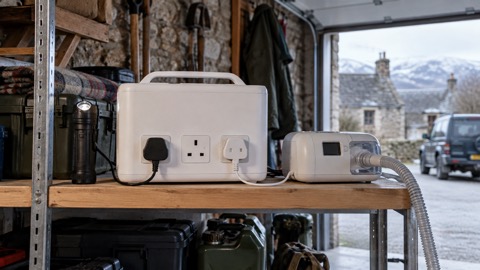
A charged power pack can help in a power cut, but that does not establish that every battery or power station can safely run every medical device. Before relying on one for an oxygen concentrator, CPAP machine or other powered equipment, check the equipment's own requirements and the proposed backup arrangement. The backup power guide explains household battery and power station options without treating them as a substitute for a medical equipment plan.4
Other equipment needs separate consideration:
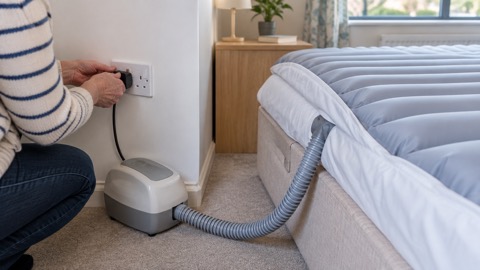
- Pressure-relieving airflow mattresses: include loss of power and fire risk in the plan, using the airflow mattress guide.
- Home dialysis: do not treat utility registration as the whole interruption plan. Ask the water company what practical support its priority scheme provides and organise household supplies with the water guide. Provider schemes and eligibility differ.8
- Medical information for responders: the first aid guide covers keeping details where paramedics look, including Message in a Bottle.
- Oxygen supply and fire precautions: use the dedicated home oxygen guide alongside the supplier's advice. Mid and West Wales Fire and Rescue Service says to contact the oxygen supplier for further information or advice about the equipment.5
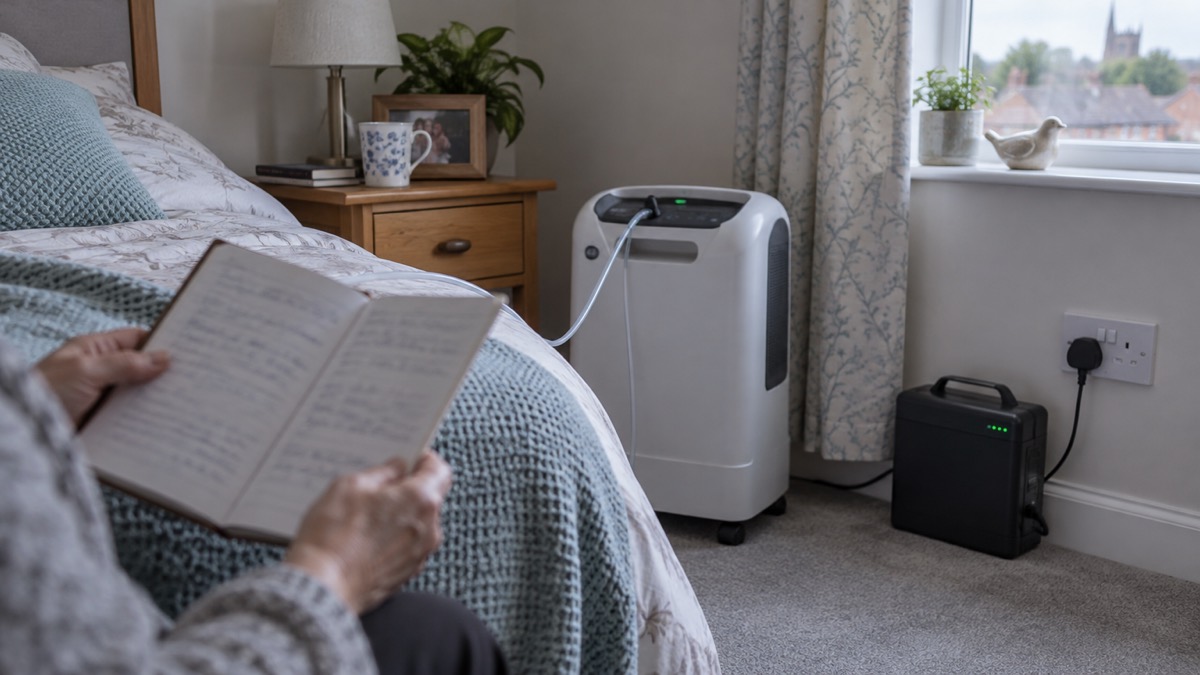
Oxygen, fire risk and linked alarms
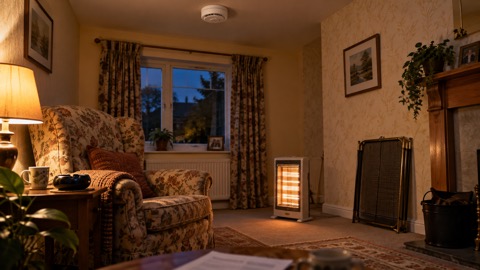
Mid and West Wales Fire and Rescue Service advises storing oxygen equipment in a well-ventilated area, clean, dry and away from heat sources such as gas or electric fires and cookers. Devon and Somerset Fire and Rescue Service says to keep internal doors open while using oxygen so gases do not concentrate in a closed room. You no longer need to inform that fire service simply because you use oxygen, unless requesting a home visit.5
Smoke detection needs to match the person's ability to respond:
- Devon and Somerset Fire and Rescue Service recommends a working smoke alarm on each floor, tested at least once a month.14
- Greater Manchester Fire and Rescue Service advises oxygen users to fit additional alarms in regularly occupied rooms where fire could start.15
- London Fire Brigade says alarms should be interlinked so that when one detects fire, they all sound together. This is particularly important where anything may prevent or delay escape.16
- Devon and Somerset Fire and Rescue Service says a specialist alarm system may be needed where vulnerability or a condition could prevent or delay escape.18
Ask the fire and rescue service about a free home fire safety visit. London Fire Brigade says visits can include linked alarms, monitored alarms connected to Telecare, personal fire protection and fire suppression systems, depending on need. North Wales Fire and Rescue Service's Safe and Well Check offers telephone advice and smoke alarms for lower-risk households.17
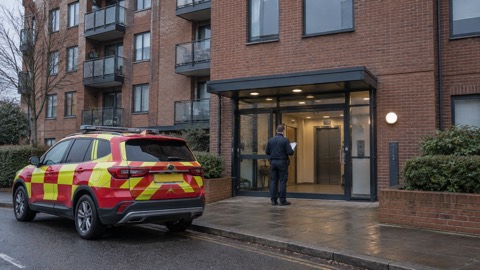
The fire risk guide, personal evacuation plans, fire safety check referrals and testing alarms with reduced mobility cover the next steps. For strobe and vibrating-pad smoke and carbon monoxide alarms, and the wider household response, use the home emergencies guide.
Personal alarms, telecare and falls
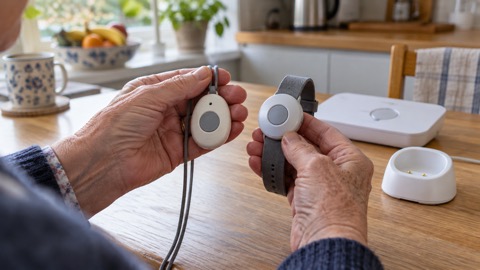
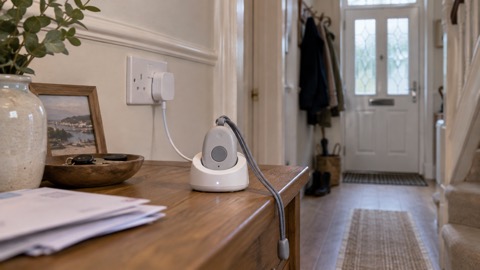
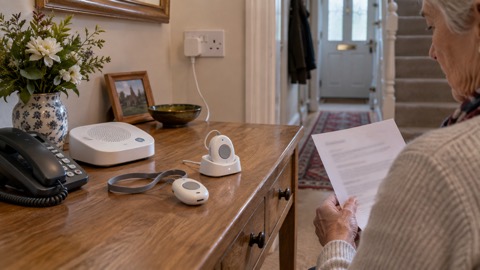
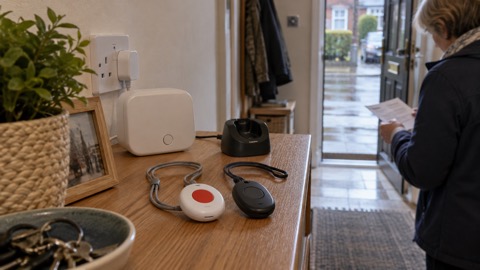
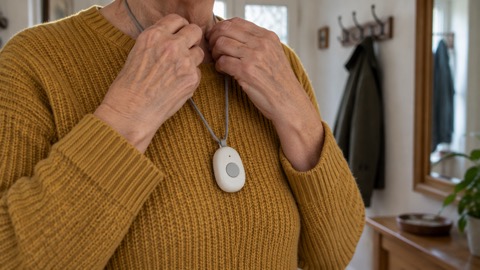
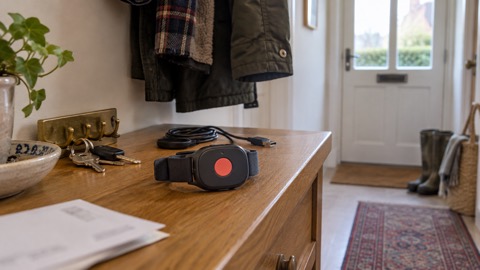
London Fire Brigade describes Telecare as an alarm system that supports independent living by allowing a call centre or a relative elsewhere to check that someone is safe. Linking fire alarms to Telecare can reduce delays in calling the Brigade. A personal alarm therefore needs a reliable way to raise the alert and somebody able to respond, not just a pendant.16
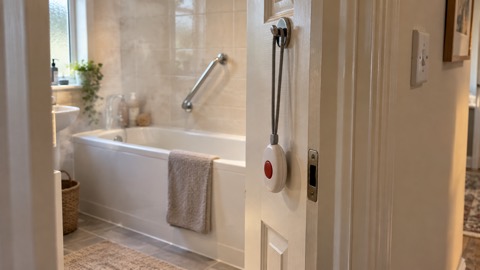
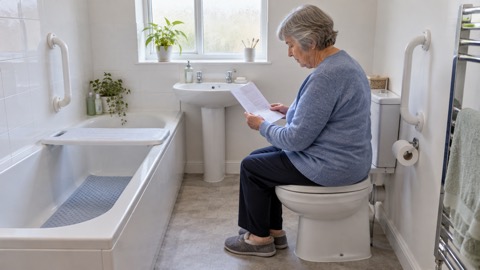
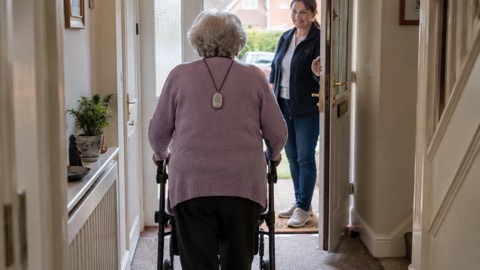
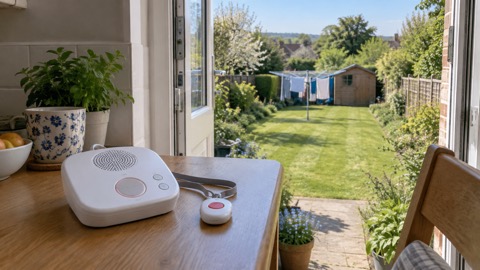
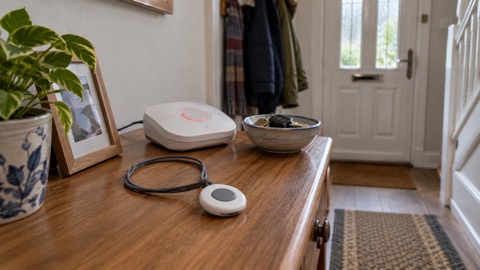
Start with the personal alarms guide and what happens when you press an alarm. Then check the situations that commonly affect a household: pressing without being able to speak, accidental presses, pendant range, pendant battery life, wearing a pendant in the bath or shower and wearing an alarm with a pacemaker.
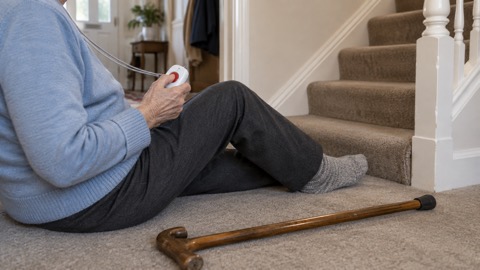
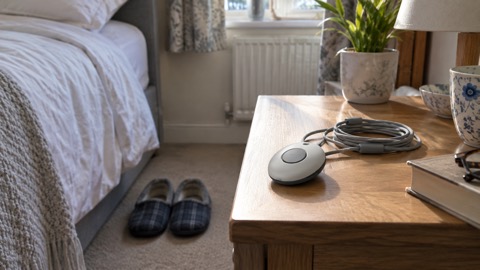
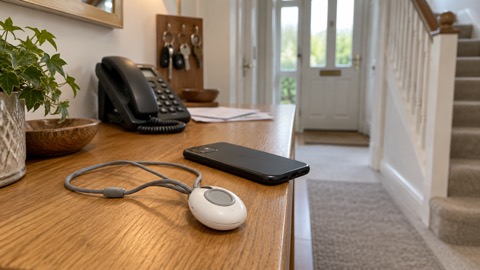
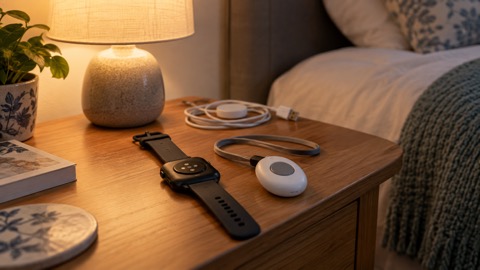
For falls, compare automatic fall detectors with the falls at home guide, including falls a detector may miss, bathroom falls and smartwatch detection or a monitored fall alarm. The choice between a home or GPS alarm, or a personal alarm or mobile phone, depends on where and how the person lives.
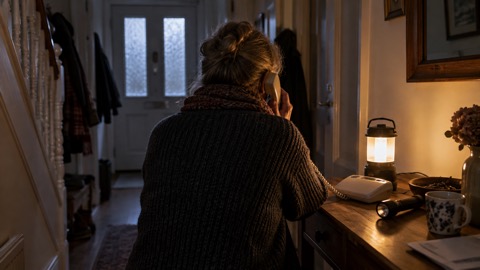
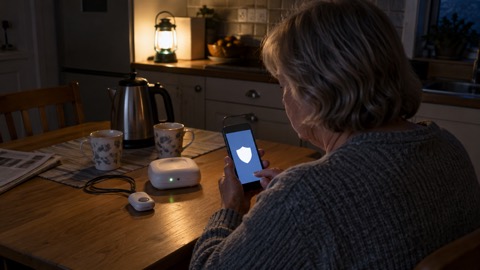
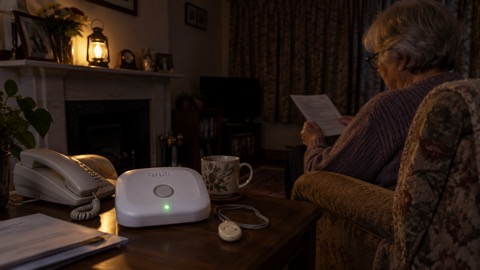
Ask the provider how the alarm will work during a power cut and on a digital telephone line; the telecare power cut guide explains what to check. Device-specific pages cover the Taking Care Digital Personal Alarm, Digital Fall Alarm, Anywhere GPS Pendant and Out-and-About Personal Alarm Watch.
Dementia and the Herbert Protocol
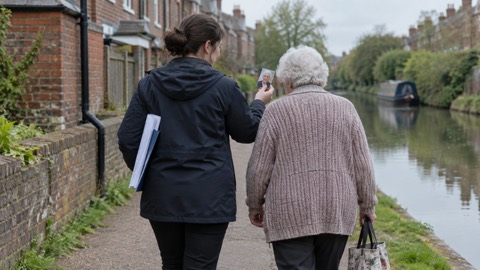
The Herbert Protocol is a pre-completed record that helps police and other agencies respond when someone with dementia goes missing. It is not a replacement for existing safeguarding or security measures. Greater Manchester Police says the decision to complete one should be based on professional opinion or knowledge of the family member.7
- Gather the information before it is needed. Police Scotland asks families to record important and frequently visited places, health issues and places where the person has previously been found. West Yorkshire Police also lists medication, mobile numbers and a photograph.20
- Store it securely but accessibly. Greater Manchester Police says relatives, carers or staff should know where it is. Police Scotland says the family retains responsibility for keeping it updated.7
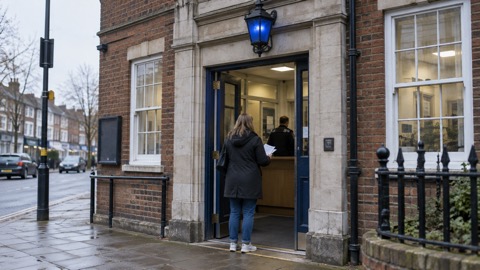
- Act promptly if the person disappears. After an open-door search of the address, grounds and outbuildings, alert police at the earliest opportunity. Call 999 if the person is believed to be at high risk of harm and tell the operator that you have the Herbert Protocol profile. Police only need the form when the person is reported missing.7
Police Scotland says the scheme has been used since 2017 and was rolled out nationwide from 21 September 2021. The Scottish Ambulance Service and Police Service of Northern Ireland also provide forms and guidance; Northern Ireland's scheme was launched with Dementia NI, health and social care bodies and community safety partnerships.22
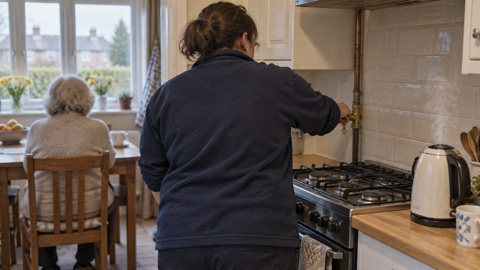
Use the guides to dementia and emergencies, the Herbert Protocol, completing the form and what to do if someone goes missing. Home planning can also include free locking cooker valves and checking electric blanket safety for someone with dementia.
If you are a carer
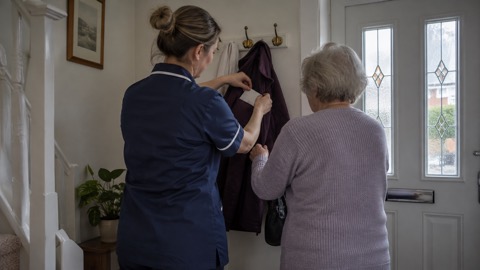
Make a plan for the emergency that stops you providing your usual care, not only for something happening to the person you support. Derbyshire County Council gives hospital admission and ill health as examples. Its emergency plan includes the care you provide, emergency contacts, health needs, preferred routines and communication difficulties.25
| Arrangement | What to know |
|---|---|
| Derbyshire carer's emergency card | Anyone providing unpaid care can apply, including someone with no emergency contacts, who can tick the relevant box |
| What the card does | Shows that you are a carer and alerts emergency services that someone relies on you |
| Important limit | Derbyshire states that an emergency plan does not include free care or rapid access to social care services |
| Norfolk emergency card | Carry it with you; in an emergency, call the helpline shown and give your emergency plan number. Somebody else can call if you cannot |
These are local arrangements, so check what your own council or carers service offers rather than assuming the same process applies everywhere.25 Beacon Medical Group says Caring for Carers can help with a contingency plan and signpost to a Carers Emergency Response service where that level of support is needed.27
Tell carers, support workers and personal assistants about the plan, and arrange for a trusted neighbour to check on you if they have not heard from you. Once your household is safe, Scottish guidance says to check neighbours at greater risk, including older adults, people who need assistance getting around and people receiving care at home.4
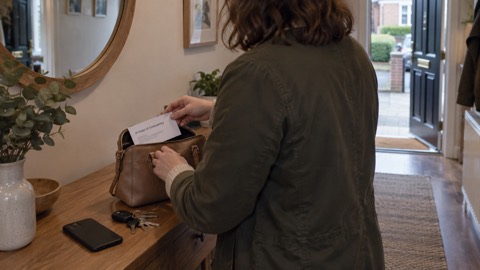
The carers guide, carer's emergency plan checklist and in case of emergency card checklist help you put this into writing.
Hearing loss, sight loss and living alone
Government Emergency Alerts can use audio and vibration attention signals for people with vision or hearing impairments when accessibility notifications are enabled on a mobile phone or tablet. People without a compatible device will still be informed through other means used by the emergency services.29
For contacting help, Surrey County Council lists emergency SMS on mobile only. The staying informed guide covers the communication options to prepare, including contacting 999 by BSL video relay, Relay UK or emergencySMS. Arrange and check the method before an emergency rather than assuming an ordinary voice call will be possible.12
Fire warnings need the same preparation. Ask the fire and rescue service about specialist systems where hearing loss or another condition could delay escape, including strobe and vibrating-pad smoke and carbon monoxide alarms. London Fire Brigade's advice on interlinked and Telecare-monitored alarms is relevant where somebody may not respond promptly to a single alarm.18
Living alone adds a contact problem. UK Health Security Agency guidance says high-risk people living alone are likely to need at least daily contact during adverse cold weather from care workers, volunteers or informal carers. North Wales Fire and Rescue Service includes people living alone, particularly older people, among those eligible for a Safe and Well Check.19
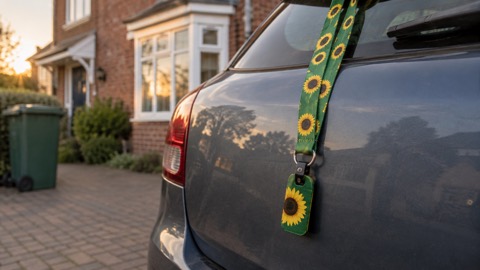
The dedicated guides cover deaf and hard of hearing households, sight loss and living alone. The Hidden Disabilities Sunflower guide explains another way to communicate that somebody may need support.
Cold weather and help with heating costs
Cold weather planning should include people who cannot easily check or change their own circumstances. UK Health Security Agency guidance identifies high-risk people living alone as likely to need at least daily contact during adverse cold weather. Its voluntary and community sector guidance also identifies young children and babies as an at-risk group.30
Use a simple routine:
- Arrange regular contact with an older or otherwise high-risk person living alone.30
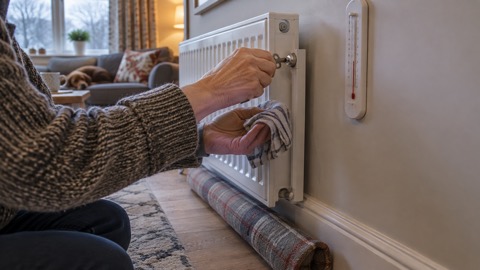
- Check the home and heating arrangements using the winter checks for an older relative checklist.
- Prepare for travel, falls and supply problems with the snow and ice guide.
- Use the heating and cooking guide to check current help with heating costs, including Winter Fuel Payment, Cold Weather Payment and their Scottish replacements.
Do not treat hot weather as outside the same plan. The heatwaves guide explains who is most at risk and what households should do. For either temperature extreme, make sure the person can receive warnings, contact somebody and get the practical support recorded in their emergency plan.1
Who to contact in each nation
Start with the organisation responsible for the immediate problem. Call 999 if anyone is in immediate danger. For a supply interruption, contact the relevant supplier or network operator and use the priority support for which the household has registered.1
| Nation or area | Where to start |
|---|---|
| England | Ofgem explains energy supplier and network operator registration; local fire and rescue services provide home safety and specialist alarm advice |
| Scotland | Ready Scotland directs eligible households to utility priority services and provides emergency planning advice for disabled people and carers |
| Wales | North Wales Fire and Rescue Service offers Safe and Well Checks, with telephone advice and smoke alarms for lower-risk households |
| Northern Ireland | The Police Service of Northern Ireland provides Herbert Protocol guidance for people with dementia at risk of going missing |
| London | The Mayor of London's cold weather guidance points residents to UK Power Networks for most of London, Scottish and Southern Electricity Networks for part of west London, and water suppliers for priority registration |
Provider eligibility and schemes differ, so use the relevant local service rather than assuming identical provision across the UK.2
Where you are helping somebody outside your own home, only check on them when it is safe. Government preparedness advice encourages passing on important emergency information and checking neighbours who may need additional support. The community resilience guide explains how neighbours and local groups can organise that help without putting themselves at risk.1
Sources (32)
- Be informed about hazards, Prepare, 22 October 2026
- Priority Services Register for people in need, Ofgem, 2026
- Storm preparation, Cornwall Council, 29 October 2026
- Disabled people and carers, Ready Scotland, 25 October 2026
- Specialist health equipment, Mid and West Wales Fire and Rescue Service, 29 October 2026
- Preparing yourself, Wiltshire and Swindon Prepared, 25 October 2026
- Herbert Protocol, Greater Manchester Police, 29 October 2026
- Help from your energy supplier, Buckinghamshire Council, 29 October 2026
- Flooding preparedness, Ready Scotland, 24 March 2026
- Get help from your supplier through the Priority Services Register, Ofgem, 2026
- Priority Services Register, Derbyshire County Council, 29 October 2026
- Priority Services Register guidance, Surrey County Council, 28 October 2026
- Protecting vulnerable adults, Avon and Somerset Police, 2 November 2026
- Specialist health equipment, Devon and Somerset Fire and Rescue Service, 2026
- Home oxygen safety, Greater Manchester Fire and Rescue Service, 29 October 2026
- Alarms for carers and support workers, London Fire Brigade, 25 October 2026
- Smoke alarms and heat alarms, London Fire Brigade, 25 October 2026
- Smoke alarms for vulnerable people, Devon and Somerset Fire and Rescue Service, 2026
- Safe and Well Check, North Wales Fire and Rescue Service, 29 October 2026
- Herbert Protocol and dementia awareness, West Yorkshire Police, October 2024
- The Herbert Protocol, Police Scotland, 29 October 2026
- Herbert Protocol information, Police Scotland, 29 October 2026
- Dementia and emergency care, Scottish Ambulance Service, 29 October 2026
- Herbert Protocol in Northern Ireland, Police Service of Northern Ireland, 29 October 2026
- Carer's emergency card, Derbyshire County Council, 29 October 2026
- Carer's emergency plan, Norfolk County Council, 29 October 2026
- Planning ahead as a carer, Beacon Medical Group, 2026
- Emergency plan, Ready Scotland, 24 March 2026
- Emergency Alerts, GOV.UK, 2026
- Supporting vulnerable people before and during cold weather, UK Health Security Agency, 24 September 2025
- Cold Health Alert action card for the voluntary and community sector, UK Health Security Agency, 24 September 2025
- Keeping warm, healthy and safe in cold weather, Mayor of London, 25 October 2026
 Energy and Water Company Duties
 Personal Alarms
 What Happens When Alarm Pressed
 How Fall Detectors Work
 Home Oxygen Therapy Safety
 Airflow Mattress Fire Risk
 Fire Risk at Home
 Dementia and Emergencies
 Falls at Home
 Living Alone Safely
 Sight Loss and Emergencies
 Deaf and Hard of Hearing Safety
 PSR After Moving House
 Telecare Alarm in a Power Cut
 Pressing Alarm but Cannot Speak
 Falls a Fall Detector May Miss
 Alarm Pendant in Bath or Shower
 Pendant Battery Life
 Free Locking Cooker Valves
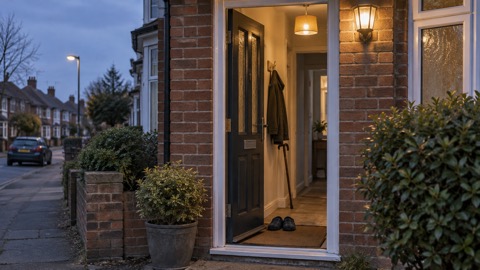
 Herbert Protocol
 Cared-For Person Missing
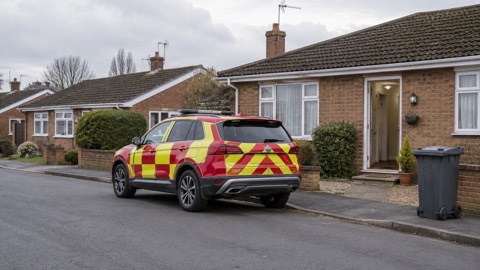 Refer for a Fire Safety Check
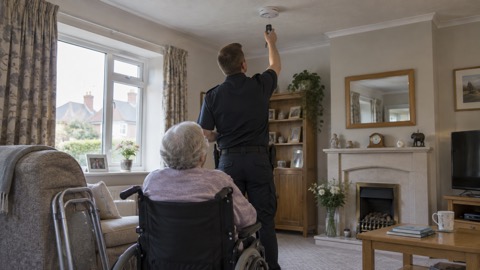 Testing Alarms With Mobility
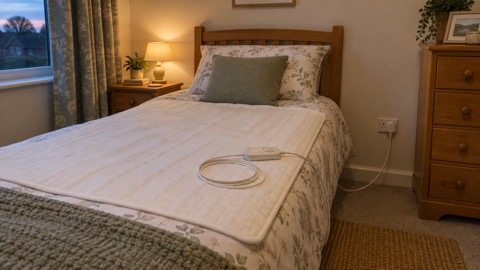 Electric Blankets and Dementia
 Bathroom Falls Prevention
 Personal Alarm With Pacemaker
 Pendant Alarm Range
 Accidental Alarm Press
 Hidden Disabilities Sunflower
 Naming an Account Nominee
 Carer's Emergency Plan
 Herbert Protocol Form
 In Case of Emergency Card
 Winter Checks Older Relative
 Hospital Grab Bag
 Home Alarm or GPS Alarm
 Personal Alarm or Mobile Phone
 Smartwatch or Fall Alarm
 Joining Priority Services
 Water Priority Services
 Personal Evacuation Plans
 Carers Planning for Absence
 Taking Care Digital Alarm
 Taking Care Digital Fall Alarm
 Taking Care Anywhere GPS Pendant
 Taking Care Alarm Watch