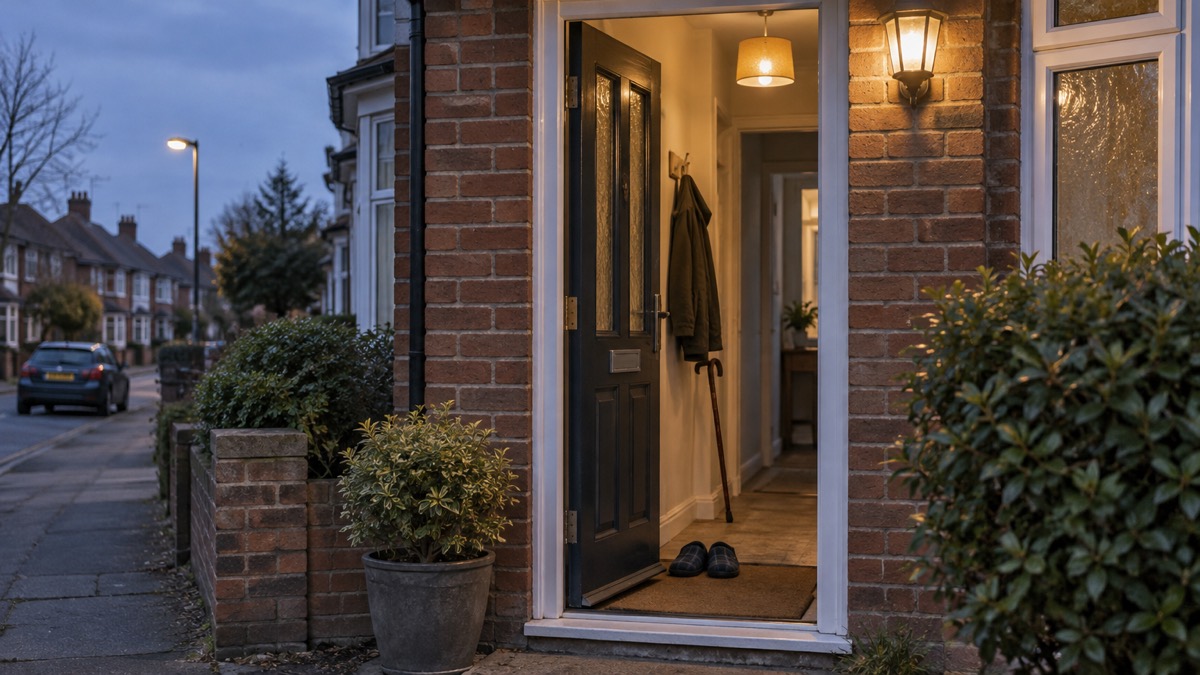
If someone you care for is missing, look for them around the house, the garden and any outbuildings first. If you do not find them, call 999 immediately1. You do not have to wait 24 hours before reporting someone missing to the police2. If you believe the person is at high risk of harm, call 9993.
The police will want to know who they are, what they were wearing, what medication they take, where they have been found before and what they look like now. Gathering that information before anything happens means you can give it to the police quickly if they go missing4. A Herbert Protocol form does exactly this for someone living with dementia or another condition that puts them at risk of going missing5.
This page sets out what to do in the first minutes, what to tell the police, where to look while you wait, how to prepare a Herbert Protocol form in advance, and what to check when the person comes home. It is written for carers in England, with notes where arrangements differ in Scotland, Wales and Northern Ireland.
Call 999 straight away if they are at risk
The first thing to do is search your own home thoroughly. Look in every room, the garden, sheds, garages and outbuildings, because a person with dementia may be close by but confused about where they are1. If that search comes up empty, ring 999. The police are clear that you should not delay: if you believe the person missing is at high risk of harm, call 9993.
Risk is the test, not the clock. Official guidance names the groups more likely to go missing: children or young people in care, someone with dementia, someone experiencing mental health issues, and members of the Armed Forces4. If the person you care for falls into one of those groups, or needs medication, or cannot communicate easily, treat the situation as urgent from the first minute.
If you cannot use a phone in the usual way, the police offer alternatives. If you are deaf or hard of hearing, use the textphone service 18000, or text 999 if you have pre-registered with the emergencySMS service1.
While you wait, keep your phone with you and stay by it. Have the person's details to hand, and be ready to describe what they were wearing and where they might have gone. If other people are with you, send one of them to check the immediate street and any regular haunts while you make the call.
What to tell the police when you report them missing
When you ring, give the call handler the essentials in this order: who the person is, how old they are, what they look like, what they are wearing, any medical condition and medication, and why you are worried. Then give the places they have been found before or are likely to head for, and your own contact details.
The police advise gathering information about the person now, so you can quickly give it to them if the person goes missing4. A Herbert Protocol form contains a list of information to help the police, including medication required, mobile numbers, places previously located and a recent photograph7. Even without the form, having those four things written down and to hand shortens the call.
| What the police will ask | Why it matters |
|---|---|
| A recent photograph | So officers and the public know who they are looking for7 |
| Medication required | A missing person may need medicine while away7 |
| Mobile numbers | To reach the person or people who know them7 |
| Places previously located | Known spots to search first7 |
| What they were wearing | To identify them quickly |
If you are worried about someone you have not seen for a while and cannot contact, you can also ring your local police force on 101 to raise a welfare concern8. That is for concern rather than an active missing person report, which goes to 999 when the person is at risk.
Where to look first while you wait for help
While the police are on their way, a short, focused search of the places nearest to home is worth doing, but never put yourself in danger. Check the garden, outbuildings, the street, nearby shops and any route the person walks regularly. If you find them in trouble, call 999 and ask for assistance9.
If the person is found unconscious, the NHS advises putting them in the recovery position and telling the ambulance service, checking breathing and pulse, and carrying out CPR if they show no sign of life12.
The Herbert Protocol: a form to fill in before anyone goes missing
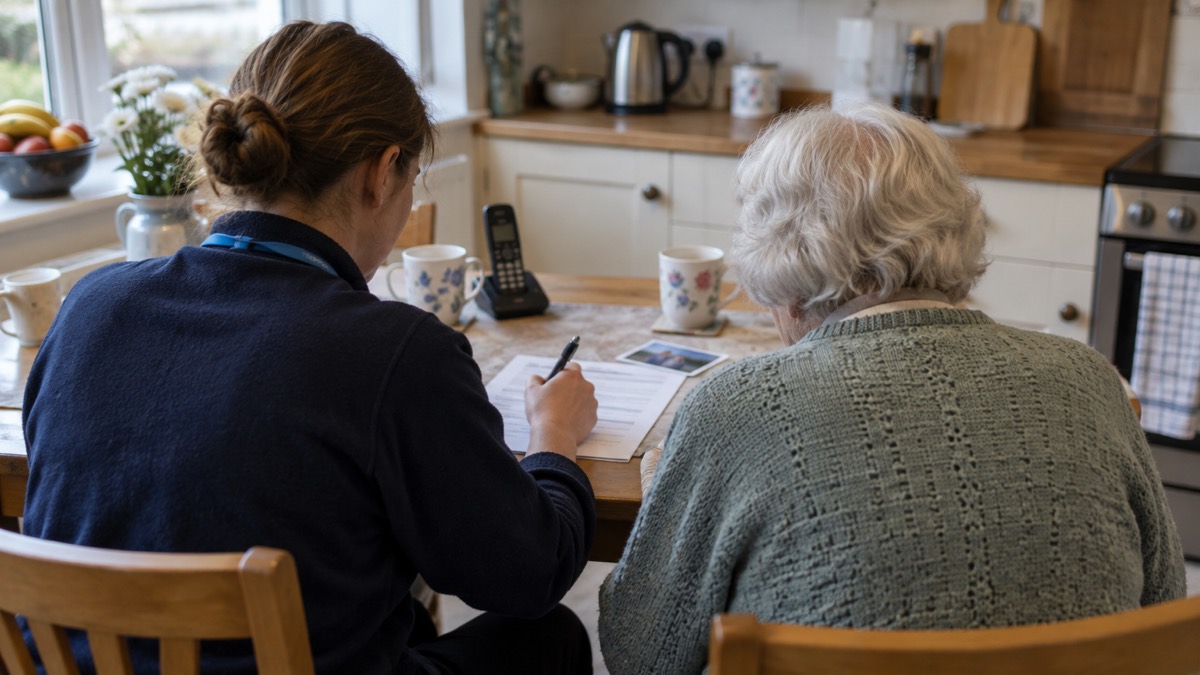
The Herbert Protocol is a form that carers, family or friends of a vulnerable person, or the person themselves, can fill in7. It is used in the event of an adult with care and support needs going missing3. Its purpose is simple: the information helps the police and other agencies locate the missing person as quickly as possible and return them to safety13.
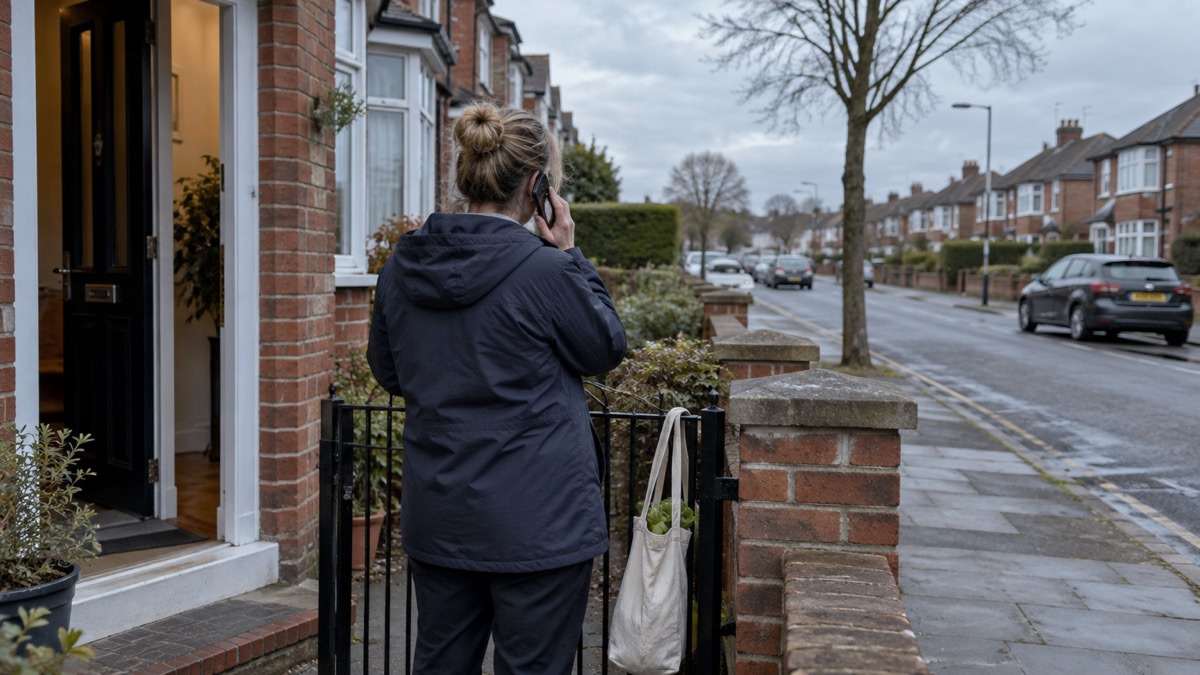
The form is designed for people living with dementia or for those supporting someone with a dementia diagnosis who are worried about the possible risk of going missing14. It has been used many times to help police and other agencies quickly and safely locate missing people14. If you know someone with dementia, you can fill one in, and it can help police find them if they go missing15.
You do not need to hand the form to the police in advance. The police only need it at the point the person is reported missing, and the form will be returned once the person is found3. Keep it somewhere you can find it in a hurry, and keep a copy.
For carers of people at risk of going missing because of a mental health condition, a learning disability or dementia, the advice is to collate key information in advance so you can give it to the police immediately if they go missing17. The Herbert Protocol form checklist sets out what to gather, and the guide to what the Herbert Protocol is and how to register explains the scheme in more detail.
Devices and plans that help before anything happens
No device stops someone going missing, but some make finding them quicker. Local authority guidance describes monitored items such as GPS devices that can help a family locate a person who has not returned home or may have got lost18. Telecare can notify someone if you leave your home and would have difficulty finding your way back19. If you live in a rural area, apps such as What3words or Ordnance Survey Locate give emergency crews your exact coordinates20.
| What it does | Who it suits |
|---|---|
| GPS device that lets family locate the wearer18 | Someone who goes out alone and may get lost |
| Telecare that notifies someone on leaving home19 | Someone who may leave and be unable to find the way back |
| Location app giving exact coordinates20 | Rural households where addresses are hard to describe |
A friendly neighbour can also help. Fire safety guidance for people with dementia says that if a person with dementia lives on their own, a neighbour may be prepared to keep an eye out for signs that something is wrong, and you may be able to leave a spare set of keys with them and a phone number where you can be contacted21. The dementia and emergencies guide covers this ground in more depth, and the personal alarms section explains the options for getting help at the press of a button.
When they come home: checks and next steps
When the person is back, tell the police straight away so the search is stood down. Ring 101, the non-emergency number, and say they are safe and home6. If you are at a rest centre or with emergency services, tell the staff there instead, so everyone is accounted for and no unnecessary search is launched6.
Then check the basics. Make sure they are warm enough, ask if they need practical help or are feeling unwell, and keep in touch with them22. If a cold weather alert is in force, check that the person can contact their primary care team if their usual carer is unavailable23. If the person is a smoker and you are an informal carer, reduce any risks you can and notify other agencies such as social services24.
If you are concerned that the person you care for may be experiencing abuse or neglect, report a safeguarding concern to your local authority25. If you are not home when a fire service visit takes place, a postcard is left with the date and time of the call, a reference number and a telephone number you can contact26. Once home after any emergency, contact your insurance company if needed27.
If they go missing from a care home
If the person lives in a care home and goes missing from there, the home should report it to the police. Ring the home first to confirm what has happened and what they have done, then ring 999 yourself if there is any doubt and the person is at high risk of harm3. Give the police the same information you would give from home: description, clothing, medication, places they have been found before and a recent photograph7.
If you are asked to leave a rest centre or emergency accommodation and choose not to stay, tell the emergency services where you have gone and how you can be contacted, by calling 101 or telling rest centre staff, so everyone is accounted for and unnecessary searches are avoided. A carer can do this for you if required28.
Where to get help
The police are your first call in an emergency. For non-emergency concerns, ring 1018. If you have seen the missing person yourself, contact the police on 10129. Ask the officer dealing with your report about support for families, and look up the charity Missing People directly for its current contact details.
For the wider picture of planning ahead as a carer, the carers section covers planning for when you cannot be there, and the carer's emergency plan checklist lists what to write down. The Extra Help section brings together guidance for older, disabled and medically dependent households.
Sources (29)
- Herbert Protocol, Surrey Police, 2026-10-29
- Keep Safe Keep Well Winter Safety Campaign 2024-2025, NHS Western Isles, 2024-10
- Herbert Protocol, Greater Manchester Police, 2026-10-29
- Herbert Protocol, Guernsey Police, 2026-10-29
- Disabled people and carers, Ready Scotland, 2026-10-25
- Homes prepared, Surrey County Council, 2026-10-28
- Herbert Protocol, Dorset Police, 2026-10-29
- Seasonal winter advice, Suffolk Fire and Rescue Service, 2026-10-29
- Water safety code, Met Office, 2026-10-29
- Get out, stay out, call 999, North Wales Fire and Rescue Service, 2026-10-26
- Survival and rescue, London Fire Brigade, 2026-10-25
- Heat exhaustion and heatstroke, NHS, 2026-05-28
- Herbert Protocol, Police Service of Northern Ireland, 2026-10-29
- Dementia, Scottish Ambulance Service, 2026-10-29
- Emergency plan, Ready Scotland, 2026-03-24
- Emergency plan, Ready Scotland, 2026-10-29
- Family Carers Emergency Plan, Suffolk County Council, 2026-10-29
- Assistive technology, Warwickshire County Council, 2026-10-29
- Telecare self-check online tool, NHS Inform, 2023-08-23
- Protecting your home from wildfire, Scottish Fire and Rescue Service, 2026-01-15
- Dementia fire safety, North Wales Fire and Rescue Service, 2026-10-29
- Cold weather advice, West Midlands Ambulance Service, 2026-05-20
- Supporting vulnerable people before and during cold weather, GOV.UK, 2025-09-24
- Caring for smokers, London Fire Brigade, 2026-10-25
- Concern for safety, Lincolnshire County Council, 2026-10-29
- Free home fire safety check, Cornwall Council, 2026-10-29
- Recovering from an emergency, Essex Prepared, 2026-10-29
- During an emergency, Essex Prepared, 2026-10-29
- Aberaeron Community Emergency Plan, Aberaeron Town Council, 2024-05-08
 Carer's Emergency Plan
 Herbert Protocol Form
 In Case of Emergency Card
 PSR After Moving House
 Telecare Alarm in a Power Cut
 Pressing Alarm but Cannot Speak
 Falls a Fall Detector May Miss
 Alarm Pendant in Bath or Shower
 Pendant Battery Life
 Free Locking Cooker Valves
 Herbert Protocol
 Refer for a Fire Safety Check
 Testing Alarms With Mobility
 Electric Blankets and Dementia
 Bathroom Falls Prevention