
When someone in your household falls ill, most of the time you can care for them at home with rest, fluids and simple medicines, and they will get better on their own. The two numbers that matter if they do not are 999 and 111. Call 999 when someone is seriously ill or has life-threatening injuries, for example a traumatic head injury, severe blood loss, chest pains or loss of consciousness1. Call 111, free from any landline or mobile, when you need medical help or advice but it is not an emergency2.
The most important thing this page covers is sepsis. Sepsis, sometimes called blood poisoning or septicaemia, is a potentially life-threatening condition triggered by an infection or injury, and anyone can develop it after a minor injury or infection3. It can be hard to spot because there are lots of possible symptoms, but it is treatable if it is identified and treated quickly, and in most cases it leads to full recovery with no lasting problems4. Knowing the warning signs, and acting on them without waiting to see, is the single most useful thing a carer at home can do.
This page walks through the decisions in the order you need them: which number to call and when, how to recognise sepsis in adults, in children and in people who are hard to assess, what to do while you wait for an ambulance, how to keep fluids up, and where carers can find support.
When to call 999, and when 111 is the right number
The rule is simple. Call 999 when someone is seriously ill or injured and you think their life is at risk1. The ambulance service gives examples that include traumatic head injury, severe blood loss, chest pains and loss of consciousness1. You should also call 999 immediately if you or someone else is having a heart attack or stroke8, if someone is unconscious, having difficulty breathing, or has symptoms of heat stroke9, or if you think someone has symptoms of sepsis and their condition is getting worse quickly10.
Call 111 when you need medical attention but it is not life-threatening, or you simply do not know what to do11. NHS 111 is a free service, available 24 hours a day, 7 days a week, by phone or online5. It is for anyone with an urgent medical need who is not sure where to turn, especially if they cannot contact their GP or their GP is closed12. If you are not sure whether your child is unwell or needs medical attention, call 111 or your GP for advice; if they are seriously unwell, call 999 for an ambulance or go to your nearest A&E department13.
What 111 actually does is assess you and direct you to the right care. Whether you use the online assessment or the telephone, you answer the same few questions about your main symptoms14. Depending on what is needed, 111 can tell you what to do, arrange a phone call from a nurse or doctor, or call you an ambulance6. It is a free service that provides urgent medical advice and support14. NHS 111 should be used by all patients who have an urgent medical need, rather than calling 999 or going straight to A&E14.
If symptoms change while you are waiting, act again. If your symptoms get worse while waiting for a 111 callback, call 111 again for a child under 5; anyone over the age of 5 can check their symptoms online or call 111; and if there are signs of a life-threatening illness, call 999 at once2. Phone 111 or speak to your GP practice for any new or worsening symptoms, and always phone 999 in an emergency15.
For more detail on choosing between the two services, see when to call 111 and when to call 999 and what to do when your GP is closed.
Contacting 111 if you are deaf, hard of hearing or need an interpreter
If you have difficulty hearing, you can access NHS 111 using the British Sign Language interpreter service5. When calling 999 or 111, you can ask for a translator at any point. If you speak more than one language, state them both, as less common languages may be more difficult to find a translator for16. NHS 111 online at 111.nhs.uk is also there for people in England aged 5 and over who need urgent health care advice when the situation is not life-threatening12, and it can be easier than the phone for people who find speaking difficult.
Sepsis: what it is and why it can follow a minor illness
Sepsis, also referred to as blood poisoning or septicaemia, is a potentially life-threatening condition triggered by an infection or injury3. What happens is that the body's immune system goes into overdrive, which can lead to shock and multiple organ failure without urgent treatment10. If sepsis is not treated quickly it can turn into septic shock and cause organs to fail, which is life-threatening10. Without quick treatment, sepsis can lead to multiple organ failure and death4.
The point every carer needs to hold on to is this: sepsis can develop in anyone of any age who has suffered a minor injury or infection. It mostly affects very young children, older adults and people with underlying health conditions, but sometimes people who are otherwise fit and healthy10. The most common sites of infection leading to sepsis are the lungs, urinary tract, tummy (abdomen) and pelvis3. So a chest infection, a urine infection, a tummy bug or a small cut can all, in some people, turn into sepsis.
Some groups are more likely to get an infection that could lead to sepsis: babies under 1, particularly if they were born prematurely or their mother had an infection while pregnant; people over 75; people with diabetes; people with a weakened immune system, such as those having chemotherapy or who recently had an organ transplant; people with a genetic disorder that affects the immune system, such as Down's syndrome or sickle cell disease; people who have recently had surgery or a serious illness; and women who have just given birth, had a miscarriage or had an abortion6. If someone in one of these groups becomes unwell, get medical help as soon as you can and tell the medical team about any conditions or reasons why they might be more at risk6.
Two practical points from official guidance are worth remembering. First, if you have recently had an infection or injury and you have possible signs of sepsis, seek urgent medical advice from your GP, and ask directly, "is this sepsis?"3. If your GP practice is closed, phone the 111 service3. Second, if sepsis is suspected, do not drive to A&E yourself: ask someone to drive you or call 999 and ask for an ambulance, and bring any medicines the person takes with you6.
Prevention is ordinary good hygiene: clean and care for any wounds6. For how to stop infections spreading around the home more generally, see stopping infections spreading at home.
Signs of sepsis in adults: call 999 for these
For adults, and children aged 5 years or over, call 999 or go to A&E if the person is breathing very fast; is confused, has slurred speech or is not making sense; has blue, pale or blotchy skin; or has a very high or very low temperature, feels hot or cold to the touch, or is shivery18. These four groups of signs are the headline list, and the ambulance services repeat them: very high or low temperature, uncontrolled shivering, confusion, cold or blotchy hands, and not passing as much urine are early symptoms3; confusion or slurred speech, uncontrollable shivering, muscle pain, difficulty breathing, blue, pale, grey or blotchy skin, lips or tongue, a high or low temperature, and not peeing all day or peeing very little in the past 18 hours are signs in adults18.
One local NHS source gives a fuller list of things that should prompt a 999 call in an adult: finding it hard to breathe or breathing very fast; feeling or acting confused; feeling sleepier than usual or being hard to wake up; not wanting to or not being able to do usual things; difficulty communicating as usual; difficulty walking or moving as usual; not peeing as much as usual; feeling very hot, very cold or shivering; not eating as usual; being sick; feeling very poorly; and a rash that does not go away when you roll a glass over it17. Severe breathlessness is named as a sign of sepsis in adults19. The glass test, rolling a clear glass over a rash to see whether it fades, is described in more detail on our page about the glass test for a meningitis rash.
| Sign in an adult or child over 5 | What you may see |
|---|---|
| Breathing | Breathing very fast, or finding it hard to breathe18 |
| Mind | Confusion, slurred speech, not making sense18 |
| Skin | Blue, pale or blotchy skin, lips or tongue18 |
| Temperature | Very high or very low, hot or cold to the touch, shivery18 |
| Urine | Not peeing all day, or peeing very little in the past 18 hours18 |
| Rash | A rash that does not fade when you roll a glass over it17 |
If there is a quick progression of these symptoms, phone 999 or go to A&E straight away10. Trust your instincts: if the person you look after is sicker than you would expect, even if their temperature falls, get help4.
Checking skin colour on dark skin
On brown or black skin, the colour changes of sepsis may be easier to see on the palms of the hands or soles of the feet6. Look there, and at the lips and tongue, rather than relying on the face or the body generally. The same applies in babies and young children. Skin, lips or tongue that look blue, grey, pale or blotchy are warning signs whoever the person is; on darker skin, the palms and soles are where those changes show most clearly6.
Sepsis in babies and children under 5
Babies and young children need their own list, because the signs are different and because young children cannot tell you what is wrong. Call 999 or go to A&E if a baby or child under 5 has a very low temperature, less than 36C, or feels cold to the touch or is shivery; a weak, high-pitched or continuous cry; is not responding like normal, not feeding, difficult to wake or sleepier than usual; has not had a pee for the last 12 hours; has a rash that does not fade; is breathing very fast or with difficulty; or has blue, grey, pale or blotchy skin, lips or tongue18. If you are worried about symptoms that might be sepsis, that alone is a reason to call18.
Babies and children under 5 may also not be interested in feeding, or may keep being sick18. In breathing, you may notice grunting noises or their stomach sucking under their ribcage, breathlessness or breathing very fast6. Not responding like they normally do, or not being interested in feeding or normal activities, and being sleepier than normal or difficult to wake, are all responsiveness signs in babies and young children6. A child who feels abnormally cold to the touch is another warning sign19.
Temperature thresholds matter in small babies. NHS inform in Scotland advises seeking help for a temperature over 38C in babies under 3 months, over 39C in babies aged 3 to 6 months, and below 36C in children under 5, checked 3 times in a 10-minute period4. Early symptoms of sepsis in older children and adults may include a high temperature or low body temperature, chills and shivering, a fast heartbeat and fast breathing4.
| Age | Temperature that needs urgent help |
|---|---|
| Babies under 3 months | Over 38C4 |
| Babies aged 3 to 6 months | Over 39C4 |
| Children under 5 | Below 36C, checked 3 times in a 10-minute period4 |
Trust your instincts and phone 111 if your child's symptoms are getting worse or they are sicker than you would expect, even if their temperature falls4. For choosing a thermometer so you can check a fever accurately, see thermometers for checking a fever at home.
Who is hardest to check: older people, dementia and learning disability
Sepsis is harder to spot in some groups: babies and young children, people with dementia, people with a learning disability, and people who have difficulty communicating6. In an adult you might expect confusion or slurred speech to stand out; in someone who already has dementia, or who does not communicate in the usual way, the same change can be easy to miss. The practical answer is to compare the person with their normal: are they sleepier than usual, not eating as usual, not peeing as much as usual, harder to wake than usual17? It is the change from their ordinary self that matters, not any single measurement.
Older people are also at greater risk in other ways. Official winter guidance is to look out for others by checking in on older neighbours or relatives, especially those who live alone or who have a serious illness, to make sure they are safe, warm and well20. The same applies in hot weather: check on anyone who may be at higher risk, and make sure rooms are not getting too hot21. People with a serious or long-term illness, including heart or lung conditions, diabetes, kidney disease, Parkinson's disease and dementia, are among the most vulnerable in a heatwave22. Cold weather can also worsen breathing problems23.
If the person you look after receives care, there is a specific step to take. When a Cold-Health Alert is issued, check that their care plan contains contact details for their GP, other care workers and informal carers23. That means that when something goes wrong at 2am, you are not hunting for phone numbers. Keep the plan somewhere findable and check it is up to date before winter, not during it.
For wider help available to older, disabled and medically dependent households, see extra help in an emergency, and for protecting relatives who are at higher risk during outbreaks, see people at higher risk in an outbreak.
What to do while you wait for help
Once you have called 999, there are practical things that genuinely help the ambulance crew. The East of England Ambulance Service advises: check that your house number or name is clearly visible from the roadside; get someone to open the doors or stand outside to signal when help arrives; write down the patient's GP's details if you know them; collect any medication they may need; and lock away any family pets11. North East Ambulance Service adds: stay with the patient until help arrives, call back if the patient's condition or location changes, and tell the service about any allergies1.
- Check your house number or name is clearly visible from the roadside11
- Get someone to open the doors or stand outside to signal the crew11
- Write down the patient's GP details if you know them11
- Collect any medication they may need11
- Lock away any family pets11
- Stay with the patient until help arrives1
- Call back if the patient's condition or location changes1
- Tell the service about any allergies1
While you wait, you can also give ordinary self-care. Many common illnesses and injuries can be treated at home with rest, painkillers such as paracetamol or ibuprofen, and basic first aid14. Giving paracetamol as directed on the packet is reasonable while you wait for help, but it does not treat the underlying cause, so it never replaces the call you have already made. If the person is too hot, cool them down as quickly as possible using whatever is available: water, ice packs, a fan, or a cool wet sheet24.
If you are going to hospital rather than waiting for an ambulance, bring any medicines the person takes with you6. For the basics everyone should have ready, see our checklist for caring for someone ill at home and the medicine cabinet checklist.
Dehydration: how to spot it and keep fluids up
Being ill drains fluids, and dehydration makes everything else worse. The causes include having been sick or having diarrhoea, having a high temperature, having drunk too much alcohol, sweating a lot after exercising, having been in the sun or a hot environment too long, having diabetes, taking medicines that make you pee more (diuretics), and relying on other people to get you drinks25. That last one matters to every carer: someone who cannot easily get up for a drink depends entirely on you.
To reduce the risk, drink fluids regularly; water or diluted sugar-free squash are good choices; drink enough during the day so that pee is a pale colour; and drink more when there is a higher risk of dehydrating, such as being sick, sweating due to hot weather or exercise, or diarrhoea25. If the person feels sick, start with small sips and then gradually drink more, and avoid caffeinated drinks and alcohol as both will dehydrate you25. In hot weather it is even more important to drink plenty of fluids like water, especially for the elderly or if the person has a health condition such as diabetes; sugary, alcoholic and caffeinated drinks can make dehydration worse22.
When you are caring for someone, the NHS advises: make sure they drink at mealtimes; make drinking a social thing; offer food with a high water content such as soup, ice cream, jelly and fruits like melon; and make sure they have access to fluids at all times25. A jug and glass within reach, refilled through the day, does more good than any amount of prompting.
- Make sure they drink at mealtimes25
- Make drinking a social thing, sit and have a drink with them25
- Offer food with a high water content: soup, ice cream, jelly, melon25
- Keep fluids within reach at all times25
- Water or diluted sugar-free squash are good choices25
- Avoid caffeinated drinks and alcohol, both dehydrate25
Dehydration is not only a summer problem. People at risk of dehydration in hot temperatures include older adults, babies and young children, people with a serious chronic condition, people with serious mental health problems or on certain medications, people who are physically active outdoors, and homeless people26. In cold weather people simply drink less, and illness with a fever works the same way whatever the season. During a drought, the official advice is to keep drinking enough water to stay hydrated and to continue to wash your hands and maintain hygiene26. For more detail, see how to treat dehydration at home.
Help for carers and for the person you look after
Caring for someone ill is tiring, and the help available is worth knowing about before you need it. NHS 111 can put you in touch with care services beyond the ambulance: if you do need urgent care, NHS 111 can book you in to be seen quickly and safely at your local A&E27. It can also direct you to urgent treatment centres, out-of-hours GPs, pharmacists for minor illness, and urgent specialist support for dental or mental health problems12. If you or your loved ones have a life-threatening illness or injury then you should always use 99927.
For the person you look after, the practical groundwork is the care plan: check that it contains contact details for their GP, other care workers and informal carers23. For yourself, keep the numbers you need written down where you can find them: 111, the GP surgery, and 999. If you are deaf or hard of hearing, the British Sign Language interpreter service gives you access to NHS 1115; if you need an interpreter on a 999 or 111 call, ask for a translator at any point16.
Looking out for others is part of the same job. Check on older neighbours or relatives, people with health conditions, people who live alone or cannot care for themselves, and people who work outdoors or do physical work24. A daily knock, a phone call, or a note through the door asking for a reply can be the difference between an illness caught early and one found too late. For the wider support that exists for households that need it, see extra help in an emergency.
Recovery after sepsis
Most people make a full recovery from sepsis, but it can take time6. It can take weeks or months to recover18. The NHS advice is to be patient and give yourself plenty of time; try not to rush your recovery. Adults usually need 7 to 9 hours' sleep each night. Eat a healthy, balanced diet, with smaller meals more frequently if appetite is reduced. Exercise regularly but start slowly and build up gradually. Keep a diary to track progress. Talk to your partner or a friend, or contact The UK Sepsis Trust and speak to a support nurse18.
Some people have lasting effects after sepsis, known as post-sepsis syndrome. These can include feeling very tired; hearing loss; nerve damage that may cause numbness or weakness in hands and feet; problems with organs such as the heart, kidneys and lungs; depression, anxiety, and loss of confidence and self-esteem; and cognitive problems such as memory loss and difficulty concentrating18. If this affects you or the person you care for, the advice is to ask your work about changes to your working hours or conditions while recovering; do some gentle, easy exercises to build strength; get regular sleep; try to prevent infections, for example by washing your hands regularly; try to eat little and often if appetite is small; and do not try to rush your recovery, give yourself time6.
The encouraging fact to hold on to is the one this page opened with: sepsis is treatable if it is identified and treated quickly, and in most cases it leads to full recovery with no lasting problems4. The part you play in that, as the person at the bedside, is recognising the warning signs early and getting help without delay.
Related pages
- NHS 111: what it can help with and how to use it
- When to call 111 and when to call 999
- Urgent treatment centres, minor injury units and A&E: which to use
- Staying at home when ill: keeping your household and others safe
- Flu: symptoms, staying at home and when to get help
- COVID-19 now: symptoms, testing and staying at home
- Checklist for caring for someone ill at home
- Staying at home when ill: supplies checklist
Sources (27)
- When to call 999, North East Ambulance Service NHS Foundation Trust, 2026
- When to use NHS 111, NHS, 2022
- Identifying sepsis, Scottish Ambulance Service, 2026
- Sepsis, NHS inform, 2026
- NHS 111, NHS England, 2026
- Sepsis, NHS 111 Wales, 2026
- NHS 111, NHS Essex Integrated Care Board, 2026
- Urgent care, NHS North East London Integrated Care Board, 2026
- Summer safety advice, North East Ambulance Service NHS Foundation Trust, 2026
- Identifying sepsis, North East Ambulance Service NHS Foundation Trust, 2026
- Using 999, East of England Ambulance Service NHS Trust, 2026
- NHS 111 online, NHS England, 2026
- Preventing accidents, Just One Norfolk, NHS, 2026
- Alternatives to 999, South Central Ambulance Service NHS Foundation Trust, 2026
- Outdoor air pollution, NHS inform, 2026
- Your local 999 and 111 services, London Ambulance Service NHS Trust, 2026
- Recognising sepsis, Bradford District Care NHS Foundation Trust, 2026
- Sepsis, NHS, 2026
- Sepsis, Mid and South Essex NHS Foundation Trust, 2026
- Staying well in winter, Derbyshire County Council, 2026
- Hot weather advice, Mersey and West Lancashire Teaching Hospitals NHS Trust, 2026
- Hot weather advice, NHS Central East London Integrated Care Board, 2026
- Supporting vulnerable people before and during cold weather, UK Health Security Agency, 2025
- Stay cool and safe in hot weather, Somerset Council, 2026
- Dehydration, NHS, 2026
- Droughts, Cabinet Office, 2026
- What care services can NHS 111 put you in touch with, North West Ambulance Service NHS Foundation Trust, 2024
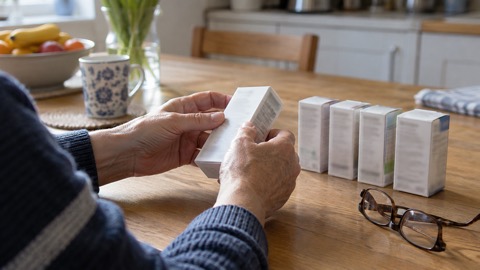 Medicine Cabinet Checklist
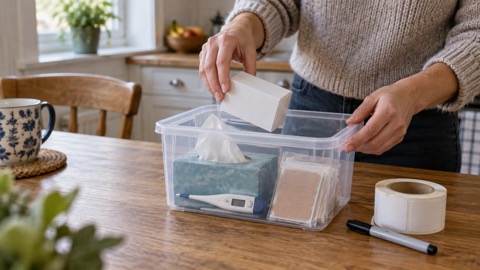 Sick at Home Supplies Kit
 Caring for Someone Ill at Home
 Pandemics and UK Household Plans
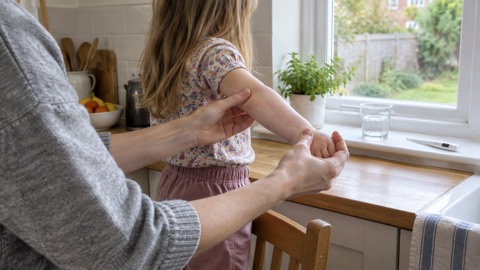 Outbreaks Near You
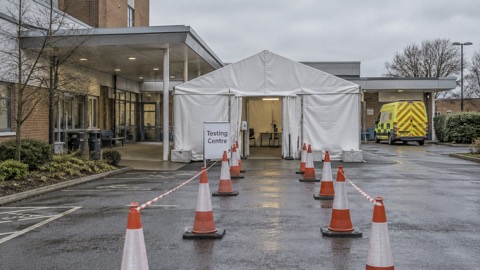 UK Health Security Agency
 Staying Home When Ill
 Stopping Infections at Home
 Keeping Prescription Medicine
 Medicine Shortages Explained
 Storing Medicines Safely
 Urgent Care and A&E
 Vaccines Against Outbreaks
 Flu Symptoms and Getting Help
 COVID-19 Symptoms and Testing