If you are unwell, the single most useful thing you can do for the people around you is to stay home and avoid contact with other people until you are better. That is the consistent advice from UK official guidance, and some infections carry specific exclusion periods on top of it1. For most common illnesses, flu, COVID-19, coughs, colds and the winter vomiting bug, you can be looked after safely at home, and going out while infectious mainly spreads the illness to colleagues, classmates and vulnerable people2.
The rules that matter most are simple. With flu, try to stay at home and avoid contact with others if you have a high temperature, feel hot, cold or shivery, or do not feel well enough to do your normal activities3. With norovirus, do not return to school, nursery or work, and do not visit hospitals or care homes, until 48 hours after your last episode of sickness or diarrhoea4. With COVID-19, children and young people can usually return 48 hours after their fever settles, as a rough guide5. This page sets out what to do in each case, how to keep the illness from spreading through your household, and the warning signs that mean you should call 111 or 999 rather than carry on at home.
Stay at home and keep your distance from others
The core instruction from official guidance is the same across England, Wales and Scotland: if you are unwell, try to stay home or avoid contact with other people, because some diseases have specific exclusion periods that apply even after you feel better1. Greater Manchester's resilience guidance repeats it in the same words2, Wales advises "Stay at home if you're ill and limit your contact with others"7, and West Yorkshire's preparedness advice adds that if you are infectious you should avoid unnecessary contact with other people8. This is not about formal legal isolation, which ended with the "Living with COVID-19" changes, but about ordinary good practice that protects the people around you.
How far apart you should stay from the people you live with depends on the illness, but the principle is to reduce close contact as much as you can. NHS guidance on flu says to try to stay at home and avoid contact with other people while you have a high temperature or do not feel well enough for normal activities3. Derbyshire's health protection team advises that if you have flu symptoms you should stay at home if you can, to help avoid spreading germs to others9. With norovirus, avoid contact with others as much as possible while you have symptoms4. Older self-isolation guidance for people living with others is blunt about the basics: if you are still ill you must stay at home, and you should not have visitors such as friends and family in your home10.
In practice, within a shared household this means:
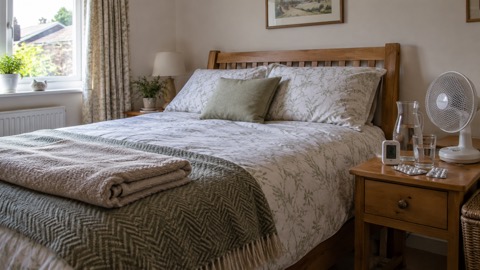
- Sleep in a different room from other household members if you can, and keep your distance in shared rooms.
- Do not have visitors while you are infectious, including friends and family10.
- Do not go to collect family or friends from school, nursery or hospital if you have been told to stay indoors; people in those facilities will be asked to stay where they are until it is safe to move1.
- Keep any vulnerable person in the household, an older relative, a newborn, someone with a weakened immune system, as separate from the ill person as your home allows.
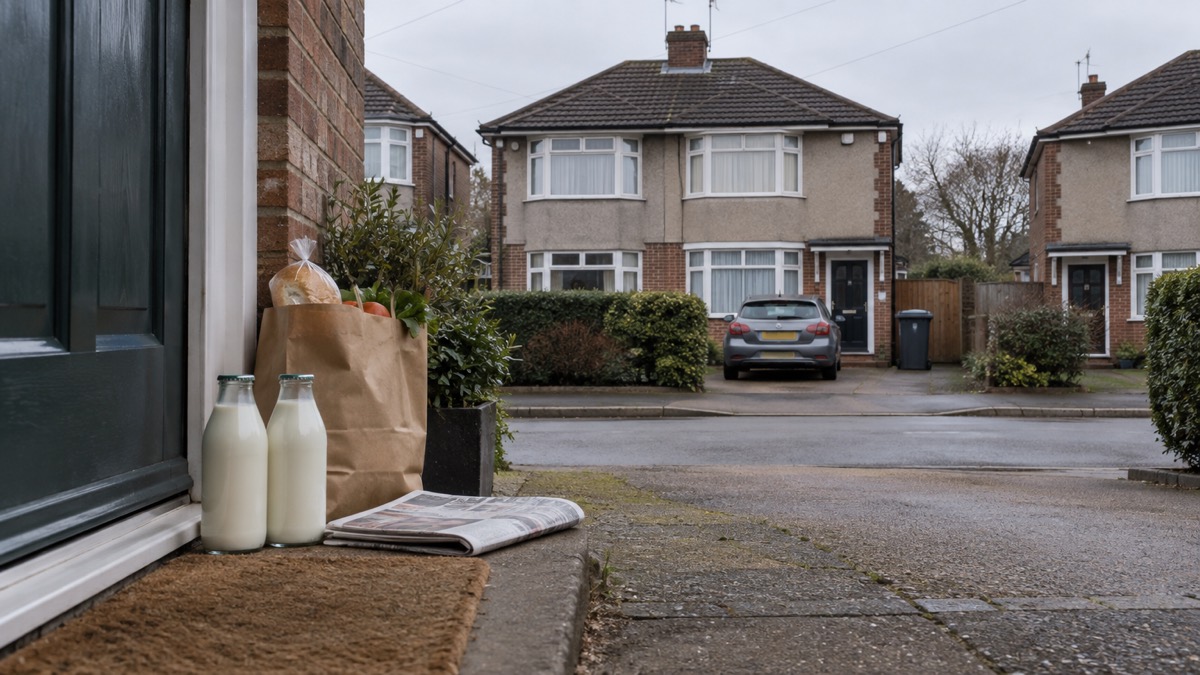
If you are ill and live alone, arrange for shopping and prescriptions to be delivered or left at the door, so you do not have to go out. If you are ill and someone else in the house is shopping and cooking for you, they should wash their hands after caring for you and before preparing food. Our page on stopping infections spreading at home covers the detail of hands, cleaning and fresh air, and looking after someone ill at home covers the caring side.
How long to stay off work, school or nursery
The exclusion period depends on the illness, and the numbers differ enough that it is worth knowing the main ones. The table below brings together the official exclusion periods for the infections most likely to keep a household at home.
| Illness | Stay off work, school or nursery until | Who says it |
|---|---|---|
| Norovirus (vomiting and diarrhoea) | 48 hours after the last episode of sickness or diarrhoea4 | Derbyshire health protection; UKHSA leaflet says at least 2 days11 |
| Any diarrhoea symptoms | Completely free of symptoms for 48 hours6 | Shropshire Council |
| Measles | At least 4 days from when the rash first appears12 | Derbyshire health protection |
| Hepatitis A | At least a week after symptoms first started, especially if you are a food handler13 | Food Standards Scotland |
| COVID-19, children and young people under 18 | When they no longer have a fever and do not need medicine to control it; 48 hours as a rough guide, no specific time limit5 | NHS inform Scotland |
Two points matter here. First, the clock starts from when symptoms stop, not when they start: with norovirus you can still be infectious for a couple of days after you feel well, which is exactly why the 48-hour rule exists11. Second, food handlers are called out specifically in the hepatitis A and norovirus advice, because passing these infections on through food affects many more people than a household outbreak13. If you work with food, health or social care, or with young children, be stricter, not looser, about the exclusion period, and check your employer's own policy on top of the official one.
For adults with respiratory symptoms, there is no fixed legal exclusion, but the practical test from NHS flu guidance is whether you have a high temperature or feel well enough for your normal activities3. If the answer is a fever or "no", stay home. Our page on how long to stay off work or school after vomiting and diarrhoea goes deeper on the sickness and diarrhoea rules, and when to keep your child off school or nursery covers the school side.
Norovirus: 48 hours after the last sickness or diarrhoea
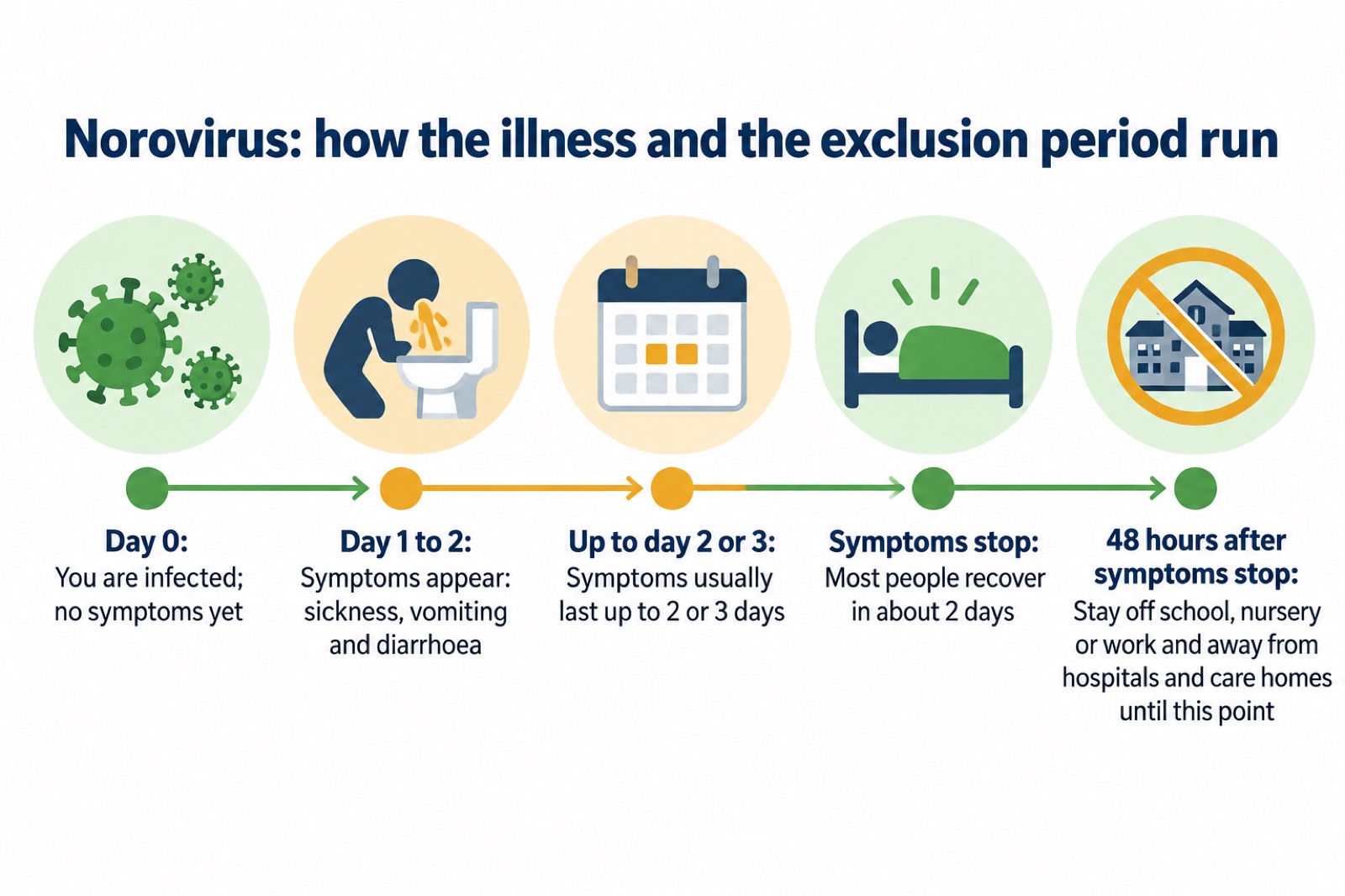
Norovirus is the most common stomach bug in the UK and is highly infectious13. It is known as the winter vomiting bug, though it can occur at any time of the year4. Symptoms are feeling sick, vomiting and diarrhoea, and people usually recover in about 2 days4. Symptoms typically appear 1 to 2 days after you become infected and usually last up to 2 or 3 days14. Infections are usually self-limiting, meaning they clear up on their own, and some people carry the virus without symptoms at all, with the highest incidence of asymptomatic infection reported in children aged under five15.
The exclusion rule is the one to remember: do not go to school, nursery or work, and do not visit others in hospital or care homes, until 48 hours after the last episode of sickness or diarrhoea4. The UK government's own leaflet puts it as staying off school or work until you have not been sick or had diarrhoea for at least 2 days, and staying home for 48 hours after your symptoms clear11. Food Standards Scotland says the same for food handlers in particular13.
The reason the 48-hour buffer matters is that norovirus survives outside the body for several days and spreads very easily in places where people have close contact, such as care homes, nurseries and schools14. Outbreaks are common in exactly those settings, plus hotels and cruise ships13. You can catch it through close contact with an infected person, food or drink prepared or handled by someone who has norovirus, touching contaminated surfaces and then your mouth, and unclean water or infected food4. Food Standards Scotland adds food grown in or treated with contaminated water, such as shellfish or fresh produce, as a route13.
There is no vaccine to prevent norovirus, and antibiotics do not work against it, because it is a virus4. Treatment is rest and fluids: if you get norovirus, make sure you drink plenty of fluids to avoid dehydration15. For most people it is miserable but short, and the main job is hygiene, covered below, and keeping away from hospitals and care homes. Our page on norovirus covers the illness in full.
Flu and COVID-19: when you are most infectious
Flu is a very contagious viral infection that affects people of all ages, and outbreaks tend to occur each winter, which is why it is sometimes called seasonal flu17. Symptoms usually include fever, chills, headaches and aching muscles, often with a cough and sore throat, and they hit you suddenly, sometimes severely17. Flu often gets better on its own, but it can make some people seriously ill9.
You are more likely to give flu to others in the first 5 days after getting infected, and you can spread flu even if you do not have symptoms3. Flu is spread through coughing and sneezing and can live on hands and surfaces for 24 hours9, which is why handwashing and binning tissues quickly matter as much as keeping your distance. Those more likely to become seriously ill from flu include children under 6 months old, people aged over 65, pregnant women, and those with certain underlying health conditions9.
COVID-19 is still detected in the population and new variants can emerge; it can present with a wide range of symptoms, from mild to severe18. Current NHS advice is that if your child has mild symptoms such as a runny nose, sore throat or mild cough, and they feel well enough, they can go to school or childcare19. Children and young people aged 18 and under who test positive or have respiratory symptoms should stay at home and can return when they no longer have a fever and do not need medicine to control it; there is no specific time limit, and 48 hours works as a rough guide5. Adults with symptoms are advised in Scotland to stay away from people at increased risk of becoming more unwell from respiratory infections, if possible, and not to visit hospitals or care homes5.
One warning worth taking seriously: if you get flu and COVID-19 infection at the same time, you are more likely to become seriously ill20. Many respiratory germs, including COVID-19 and flu, are expected to be circulating each winter, so official advice is to take up any vaccines you are invited to have by the NHS if you can have them20. Immunity fades over time and these viruses can change each year, so top up your protection even if you have had a vaccine or been ill before21. Our pages on flu, COVID-19 and vaccines cover each in detail.
Cleaning, laundry and handwashing to stop it spreading at home
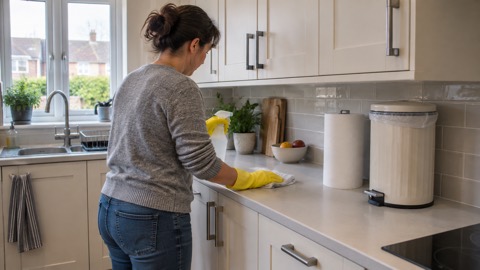
Handwashing is the single most effective way to stop the spread of infection6. That is the headline, and everything else in this section supports it. Wash your hands with soap and warm water at the moments official guidance identifies: before, during and after preparing food or handling ready-to-eat food; after using the toilet or changing a soiled nappy or underwear; after contact with animals or animal waste; after coughing, sneezing or blowing your nose; and if you are unwell or around unwell people1.
With flu, wash your hands often with warm water and soap, cover your mouth and nose with a tissue when you cough or sneeze, or cough into the bend of your elbow rather than your hand, and bin used tissues as quickly as possible3. The same tissue discipline appears in the measles advice, which also says not to share cups, cutlery, towels, clothes or bedding, and to keep frequently touched surfaces clean12. Those no-sharing rules are worth applying in any household with an infectious person, whatever the illness.
With norovirus, the hygiene rules are stricter, and one of them surprises people:
Beyond hands, the norovirus cleaning routine from official guidance is:
- Wash your hands with soap and water before preparing, serving or eating food4.
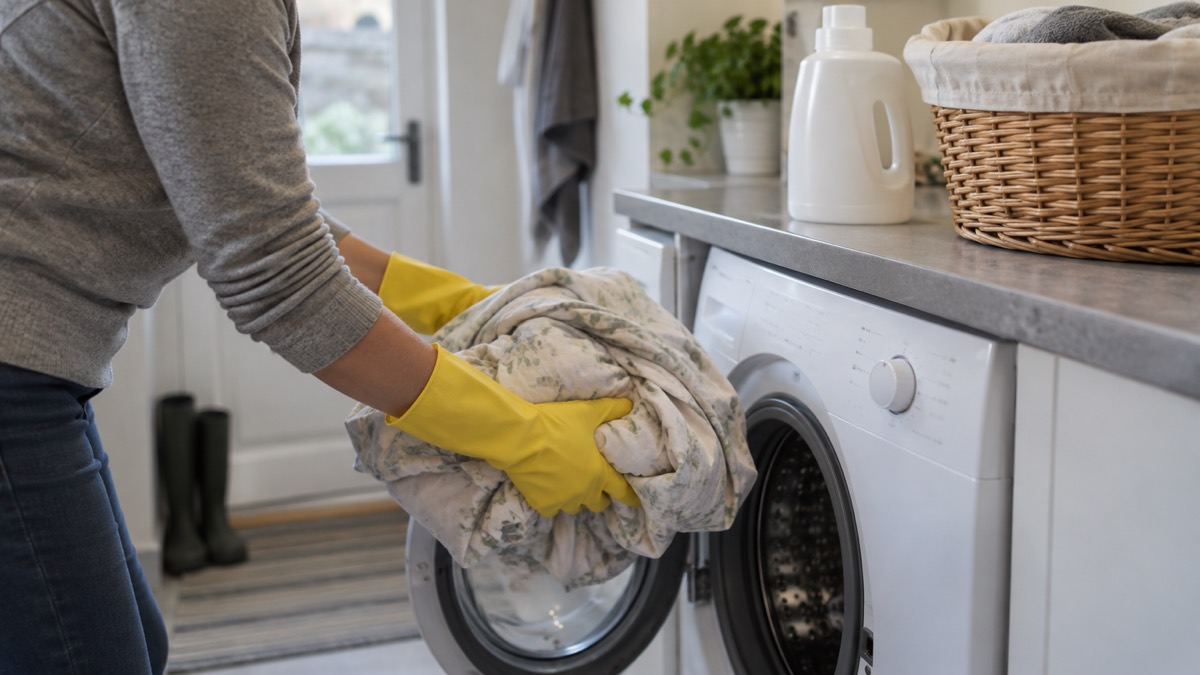
- Wash clothes and bedding that has poo or vomit on it on a 60°C wash, separately from other laundry4.
- Clean toilet seats, flush handles, taps and bathroom door handles4.
The 60°C wash matters because the virus survives outside the body for several days14, so contaminated laundry and surfaces stay infectious long after the person feels better. Food hygiene advice for preventing infections spread through food adds washing hands thoroughly with soap and warm water before preparing food, washing fruit and vegetables before eating, keeping worktops and chopping boards clean to avoid cross-contamination, and cooking food thoroughly for the recommended temperature and length of time13. If the ill person cannot stay out of the kitchen, the safest arrangement is that someone else prepares all food until 48 hours after their symptoms stop. Our page on how long you should wash your hands covers technique.
Who needs extra care: babies, older people, pregnancy and long-term conditions
Most healthy adults get through flu, COVID-19 and norovirus at home, but some groups are much more likely to become seriously ill, and a household containing any of them should be more careful about bringing infection in and about how an illness is watched.
The groups most at risk overlap heavily across official sources. NHS advice for staying well in winter lists people aged 65 and older, babies and children under 5, people on a low income who cannot afford heating, people with a long-term health condition, people with a disability, pregnant women, and people with a mental health condition22. NHS inform in Scotland lists people aged 65 or over, people with underlying conditions like heart or lung conditions or mental health conditions, children particularly aged 5 and under, pregnant women, and people who are housebound or have low mobility23. Derbyshire's fire and rescue service adds frail older people over 75, people with learning difficulties, people living in deprived circumstances, and people sleeping rough24. A winter wellness leaflet for north east London names those with ongoing conditions such as heart or kidney disease, COPD, bronchitis, emphysema, asthma or diabetes21.
For the specific infections:
- Flu: children under 6 months old, people aged over 65, pregnant women, and those with certain underlying health conditions are more likely to become seriously ill9.
- COVID-19: older adults, those with some long-term conditions, and those who are pregnant, especially after 28 weeks, are more likely to become seriously ill18.
- Norovirus: it can cause serious illness for children under 5 years, older adults and those with weakened immunity4.
If someone in one of these groups is the person who is ill, watch them more closely, do not wait as long before seeking advice, and use 111 rather than toughing it out. If they are well and someone else in the house is ill, keep the ill person away from them as far as your home allows, and be strict about handwashing and cleaning. Official guidance for healthcare professionals supporting vulnerable people in cold weather also asks that people's homes have adequate arrangements for food shopping and other essentials, that room temperatures and medication stocks are checked, and that food supplies are reviewed25. Those are sensible checks for any household looking after a vulnerable person through an illness at home. Our page on people at higher risk in an outbreak covers protection in more depth.
Fluids and dehydration: the signs to watch for
The main risk from a short illness with fever, vomiting or diarrhoea is dehydration, and it is the thing to watch for in yourself and in anyone you are caring for. NHS guidance lists the symptoms of dehydration in adults and children as: feeling thirsty; headache and feeling light-headed; dark yellow, strong-smelling pee; peeing less often than usual; feeling dizzy or lightheaded; feeling tired; a dry mouth, lips and tongue; and sunken eyes26.
The treatment is straightforward: drink fluids if you have symptoms of dehydration. If you feel sick, start with small sips and then gradually drink more. Avoid caffeinated drinks and alcohol, as both will dehydrate you26. With flu specifically, NHS advice is to drink plenty of water so that your pee stays light yellow or clear3. With norovirus, make sure you drink plenty of fluids to avoid dehydration15.
A practical routine for a day at home ill:
- Keep a drink within reach and take small sips often, rather than large amounts at once, especially after vomiting.
- Check pee colour a couple of times a day: light yellow or clear means you are keeping up3.
- Offer fluids little and often to children, and watch for the dehydration signs above26.
- Keep off tea, coffee and alcohol until you are better26.
If someone cannot keep fluids down, or you see signs of dehydration that are not improving, that is the point to seek medical advice rather than wait, as covered in the section on 111 and 999 below. Our page on treating dehydration at home goes further.
Looking after yourself or a child at home
Most common illnesses and injuries can be treated at home with rest, painkillers such as paracetamol or ibuprofen, and basic first aid27. For flu in adults, NHS advice is to rest and sleep, take paracetamol or ibuprofen to lower your temperature and treat aches and pains, and drink plenty of water to avoid dehydration3. For a cough, try having a teaspoon of honey, but never give honey to babies under 12 months19.
Beyond medicine, the ordinary business of recovering matters. NHS inform's cold weather advice applies to any stretch of illness at home: take time to rest, eat regularly, get enough sleep, keep active if you are able, and stay connected with friends and family online or by phone if you cannot get out23. Isolation, even for a few days, wears on people, and a phone call is part of care. Derbyshire's fire and rescue service also asks people to look after others over winter: older relatives, friends and neighbours24. If you are the one ill, let someone know you are ill so they can check in on you.
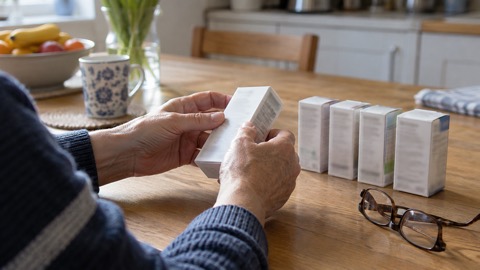
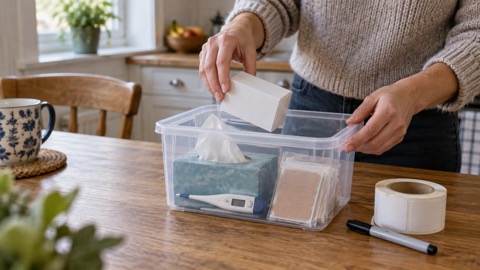
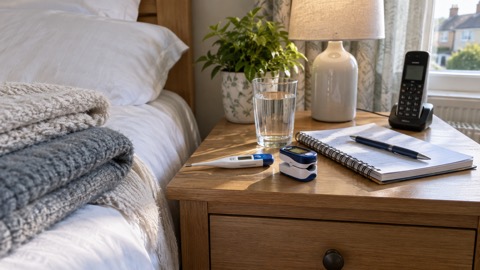
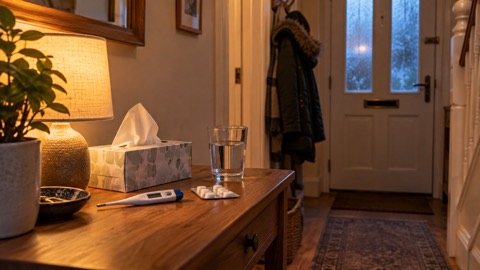
For supplies, it helps to have the basics in before winter: painkillers, a thermometer, tissues, soap, and enough food and fluids that an ill household does not need to send someone out to the shops. Our staying at home when ill supplies checklist and medicine cabinet checklist list what to keep, and caring for someone ill at home covers the day-to-day routine.
When to call 111, and when to call 999 or go to A&E
Most illnesses settle at home, but there are clear red lines. In an emergency, go to A&E immediately or call 99922.
Call 999 or go to A&E, for yourself or a child, if any of these happen: the person seems very unwell; sudden chest pain; breathlessness so severe they are unable to say short sentences when resting; coughing up blood; collapse or fainting; a seizure or fit for the first time; or a rash that does not fade when you roll a glass over it19. NHS flu guidance gives the same core triggers for adults: sudden chest pain, severe difficulty breathing where you are gasping, choking or not able to get words out, or coughing up blood3.
For everything that is urgent but not an emergency, there is a ladder of help: self care at home, 111.nhs.uk, NHS 111, a pharmacist, your GP, an NHS walk-in centre, an urgent care centre, a minor injuries unit, or making your own way to A&E28. Call 999 when someone is seriously ill or injured and you think their life is at risk28. NHS 111 is the right starting point if you are worried and it is not an emergency: seek advice if you are worried about your baby's or child's symptoms, if you are 65 or over, if you are pregnant, if you have a long-term medical condition, if you have a weakened immune system, or if your symptoms do not improve after 7 days27.
With norovirus specifically, NHS inform in Scotland sets out when to get urgent help: call 999 or go to A&E for severe symptoms including vomiting blood, green vomit, possible poisoning, a stiff neck with pain when looking at bright lights, or a sudden severe headache or stomach ache. Contact 111 if you are worried about a baby under 12 months, a child stops feeding, there are signs of dehydration, the person cannot keep fluid down, there is bloody diarrhoea, diarrhoea lasting more than 7 days, or vomiting lasting more than 2 days14.
One practical point on getting to hospital: if you are able to make your own way to hospital, please do so, because arriving by ambulance does not mean you will be seen quicker28. That is official guidance, but it comes with an obvious condition: never drive if you feel faint, breathless or unable to concentrate. If in doubt about whether something is an emergency, call 111, and they will direct you. Our pages on NHS 111, when to call 111 and when to call 999 and urgent treatment centres and A&E cover the choices in detail.
Visiting hospitals and care homes while ill or after illness
Hospitals, care homes and hospices concentrate the very people these infections hurt most, which is why the visiting rules are stricter than the general stay-at-home advice. With respiratory symptoms, stay away from people at increased risk of becoming more unwell and do not visit hospitals or care homes if possible5. With diarrhoea and vomiting, do not visit healthcare settings until 48 hours after symptoms have ceased, and that applies to you or anyone you have been in contact with16. Warwickshire's guidance spells out the contact point: if you have been in contact with someone with diarrhoea and vomiting in the last 48 hours, do not visit relatives or friends in hospital or residential and nursing homes15.
There are narrow exceptions. Visits by people with symptoms may still be allowed in exceptional circumstances, such as end of life visits, but you should contact someone responsible at the setting before visiting in those circumstances29. Tests continue to be provided to a small number of visitors to care homes and hospices who will be providing personal care29. If you are in that position, phone ahead, follow what the setting tells you, and expect to be asked about symptoms at the door. Our page on when to avoid visiting hospitals and care homes covers this in full.
Frequently asked questions
Does alcohol hand gel work against norovirus? No. Official guidance is clear that alcohol hand gels do not kill norovirus, so do not rely on them instead of washing your hands. Wash your hands with soap and water after going to the toilet or changing nappies, and before preparing, serving or eating food4. Gel is fine for convenience when you are out and about, but in a household with sickness or diarrhoea, soap and water is what protects you.
Can I visit someone in hospital or a care home while I have symptoms? No. Do not visit relatives or friends in hospital, residential or nursing homes if you have diarrhoea or vomiting, or if you have been in contact with someone who has, until 48 hours after symptoms have stopped16. The same applies with respiratory symptoms: stay away from people at increased risk5. Exceptional circumstances such as end of life visits may still be allowed, but contact someone responsible at the setting before you go29.
Should my child stay off school with a mild cold? If your child has mild symptoms such as a runny nose, sore throat or mild cough, and they feel well enough, they can go to school or childcare19. If they test positive for COVID-19 or have respiratory symptoms, they should stay at home and can return when they no longer have a fever and do not need medicine to control it; 48 hours works as a rough guide, as there is no specific time limit5.
Can I take paracetamol and a flu remedy at the same time? No. NHS advice is not to take paracetamol and flu remedies that contain paracetamol together, because it is easy to take more than the recommended dose3. Check the ingredients on the packet. Either take paracetamol on its own, or a flu remedy on its own, and keep to the stated doses.
Who can get the flu vaccine? The flu vaccine is offered to the groups more likely to become seriously ill, including people aged 65 or over, pregnant women, those with certain long-term health conditions, and people with a weakened immune system9. If you are invited for a vaccine by the NHS, take it up, as immunity fades over time and the viruses change each year21. Our page on who can get a free flu vaccine lists the current eligibility.
Is honey good for a cough? Yes, NHS advice suggests trying a teaspoon of honey if you have a cough, but honey should never be given to babies under 12 months19. Beyond that, rest, fluids and simple painkillers such as paracetamol or ibuprofen are the mainstay of treating most common illnesses at home27.
Should I drive myself to A&E or call an ambulance? If you are able to make your own way to hospital, please do so, because arriving by ambulance does not mean you will be seen quicker28. But call 999 for sudden chest pain, severe difficulty breathing, coughing up blood, collapse, a first seizure, or a rash that does not fade under a glass19. Never drive if you feel faint or cannot concentrate.
Can you catch norovirus more than once? Yes. Norovirus is highly contagious and spreads easily through close contact, contaminated food and water, and surfaces4. The virus can survive outside the body for several days14, so keep washing your hands and cleaning surfaces even after everyone seems better, and remember that some infections cause no symptoms at all, most often in children under five15.
Sources (29)
- Health: infectious disease outbreaks, Prepare Campaign, 2026-10-12
- Pandemic and infectious disease, Greater Manchester Combined Authority, 2026-10-29
- Flu, NHS, 2026-02-03
- Norovirus, Derbyshire County Council, 2026-10-29
- Coronavirus (COVID-19), NHS inform Scotland, 2026-10-20
- Food poisoning and waterborne infections, Shropshire Council, 2026-10-29
- Together we'll keep Wales safe, Welsh Government, 2026
- Infectious disease and pandemics, West Yorkshire Prepared, 2026-10-29
- Flu advice, Derbyshire County Council, 2026-10-29
- Self-isolation: living with other people, Oxford Health NHS Foundation Trust, 2020
- How to stop norovirus spreading, UK Government, 2023-04-17
- Measles, Derbyshire County Council, 2026-10-29
- Foodborne viruses, Food Standards Scotland, 2026-10-25
- Norovirus, NHS inform Scotland, 2026-10-13
- Norovirus, Warwickshire County Council, 2026-10-29
- Norovirus: infection prevention and control, NHS Cornwall and Isles of Scilly ICB, 2024-09-20
- Flu: health and wellbeing advice, Met Office, 2026-10-28
- Coronavirus (COVID-19), Derbyshire County Council, 2026-10-29
- COVID-19: symptoms and what to do, NHS, 2026
- Staying well in winter, Derbyshire County Council, 2026-10-29
- Winter Wellness 2025-26 leaflet, NHS North East London ICB, 2025-11
- Stay well this winter, NHS Cheshire and Merseyside, 2026-10-28
- How to stay safe in cold weather, NHS inform Scotland, 2026-09-21
- Cold weather, Derbyshire Fire and Rescue Service, 2026-10-29
- Supporting vulnerable people before and during cold weather, UK Government, 2025-09-24
- Dehydration, NHS, 2026-05-01
- Self care, NHS Cornwall and Isles of Scilly ICB, 2024-01-11
- Alternatives to 999, South Central Ambulance Service NHS Foundation Trust, 2023-12-21
- Getting a test, Suffolk County Council, 2026-10-29
 Medicine Cabinet Checklist
 Sick at Home Supplies Kit
 Caring for Someone Ill at Home
 Pandemics and UK Household Plans
 Outbreaks Near You
 UK Health Security Agency
 Stopping Infections at Home
 Caring for a Sick Person at Home
 Keeping Prescription Medicine
 Medicine Shortages Explained
 Storing Medicines Safely
 Urgent Care and A&E
 Vaccines Against Outbreaks
 Flu Symptoms and Getting Help
 COVID-19 Symptoms and Testing