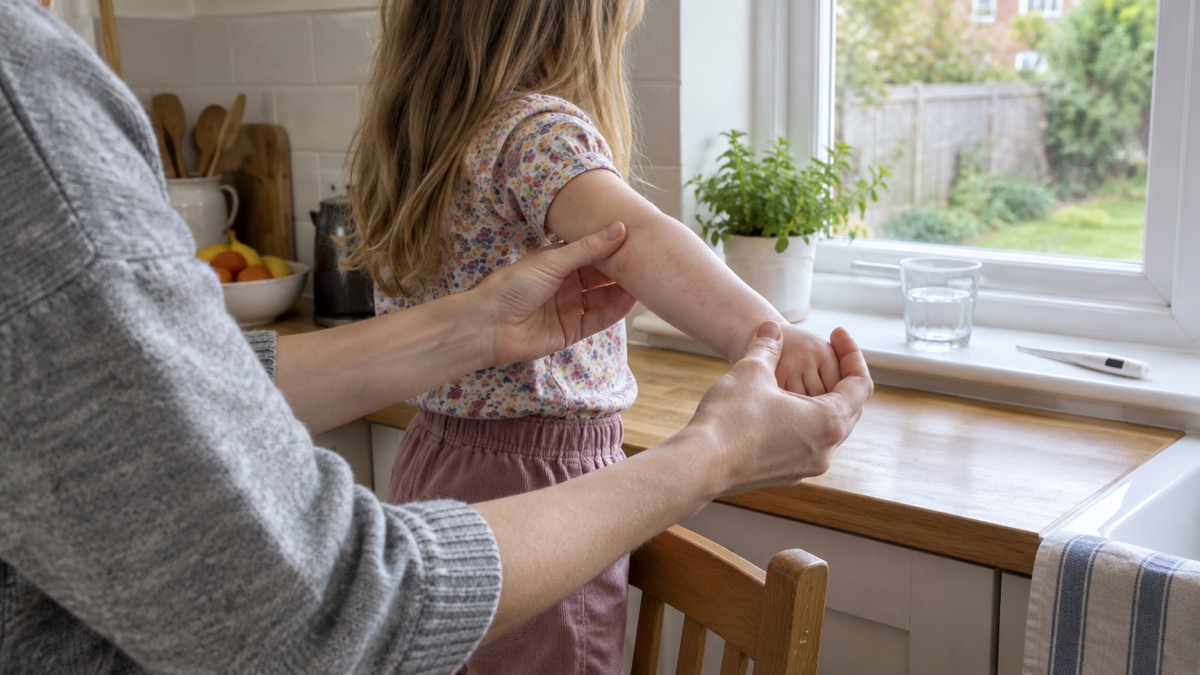
When an outbreak of sickness or measles is reported in your area, the actions asked of your household are simple and they work: stay home while you are ill and for 48 hours afterwards, wash hands with soap and water rather than hand gel, clean the surfaces and laundry that carry the germ, and keep drinking fluids. Norovirus, the most common stomach bug in the UK, is highly infectious and spreads easily in places where people are in close contact, such as care homes, nurseries and schools1. Measles is also spreading again: due to years of low vaccine uptake, measles cases are increasing across the UK2.
Most people who catch these infections recover at home without needing medical treatment. Norovirus symptoms usually appear 1 to 2 days after infection and typically last up to 2 or 3 days3, and people usually recover in about 2 days4. The reason outbreaks grow is that people go back to work, school or visiting while still infectious, and the germ survives on surfaces for days. This page sets out what to do, in the order you need it: how long to stay home, how to stop it spreading in your house, how to look after someone ill, when to call for medical help, and where to get advice during a local outbreak.
Stay home until 48 hours after the last vomiting or diarrhoea
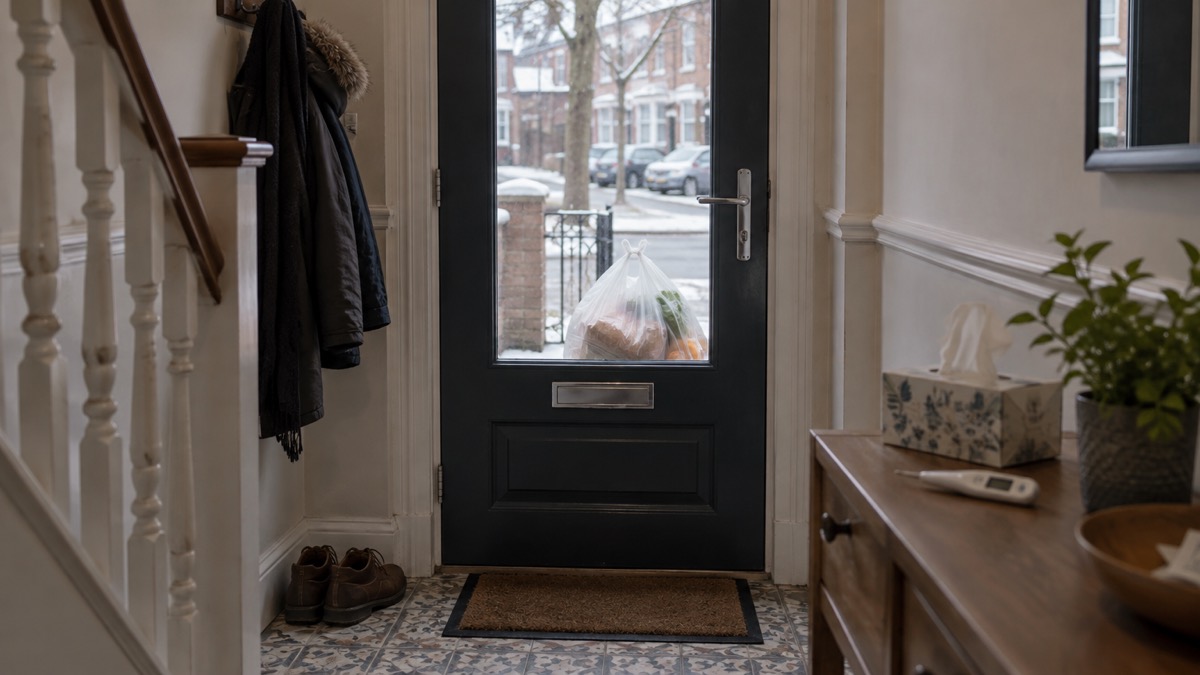
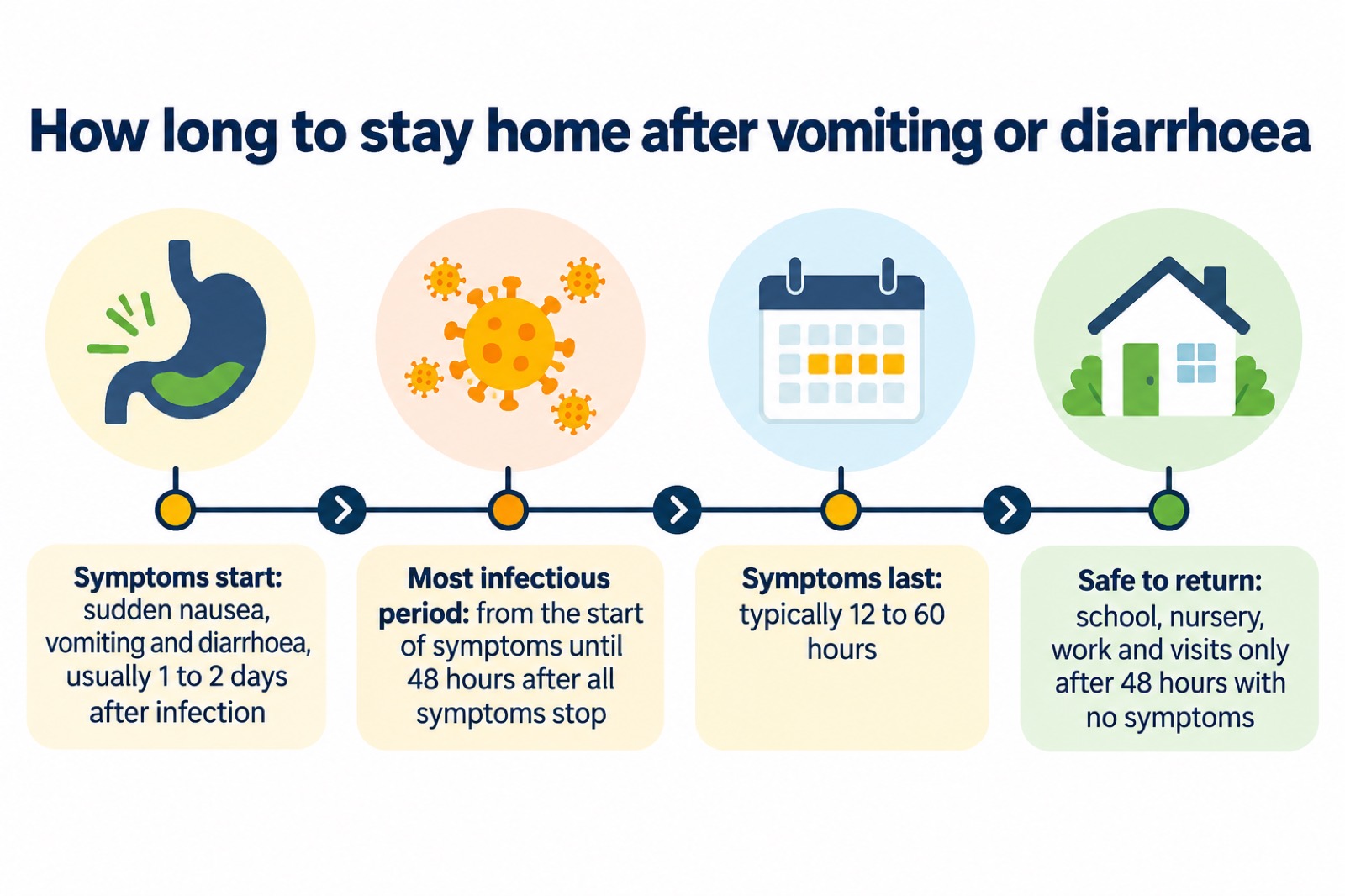
The single most important instruction in a vomiting and diarrhoea outbreak is also the one people most often get wrong. You are not clear to return the moment you feel better. Official advice is to stay off school, nursery or work, and not to visit others in hospital or care homes, until 48 hours after the last episode of sickness or diarrhoea4. The same 48-hour rule applies to cryptosporidiosis, a waterborne infection that causes diarrhoea: you should not return to work or school until you have been free from diarrhoea and vomiting for 48 hours8, and you remain infectious to others the whole time you have symptoms8.
The reason for the 48 hours is that norovirus is most infectious from the start of symptoms until 48 hours after all symptoms have stopped, and possibly for a short time before and after this9. Going back on day one of feeling well is how a single case becomes a classroom or ward outbreak. Food handlers are singled out in official advice: if you work with food, stay off until the symptoms have stopped for 2 days1.
While you are ill, stay at home and get plenty of rest10. If your symptoms are severe and last more than 48 hours, or if there is blood in your diarrhoea, contact your GP11. The same advice applies if you are a contact rather than the case: if you have been in contact with someone with diarrhoea and vomiting in the last 48 hours, do not visit relatives or friends in hospital or residential and nursing homes6.
Keeping it from spreading at home: soap and water, not hand gel
Handwashing is the single most effective way to stop the spread of infection11. During an outbreak, wash your hands regularly with soap and clean running water for at least 20 seconds12, and always after going to the toilet or changing nappies and before preparing, serving or eating food4. The government's "Stop norovirus spreading" leaflet is blunt about the one thing most households get wrong: alcohol hand gels do not kill norovirus4. Wipes and hand sanitisers do not work against all germs, so wash your hands with soap and water as soon as you can13.
Beyond handwashing, the routine that stops a stomach bug moving through a household is straightforward:
- Wash hands after contact with the sick person and before handling food14
- Do not share towels or face cloths with the sick person14
- Avoid preparing food for other people while you have symptoms8
- Put the toilet lid down when flushing and ventilate the house14
Respiratory infections such as flu spread the same way from hands to face, so the same hand hygiene applies: wash hands often with warm water and soap, cover your mouth and nose with a tissue when you cough or sneeze, or cough into the bend of your elbow rather than your hand, and bin used tissues as quickly as possible15. For more on technique and timing, see our page on how long you should wash your hands, and for the wider routine, stopping infections spreading at home.
If a water supply problem accompanies the outbreak, you can still keep hands clean: fill a large bowl, such as a washing-up bowl, with water and add soap or a household disinfectant, keeping water usage to a minimum to prolong alternative sources16.
Cleaning, laundry at 60°C and the toilet
The most effective way to help stop an outbreak is to disinfect the contaminated areas and ensure good hygiene5. Norovirus can survive in the environment for many days5, so cleaning has to continue after the sick person feels better, not just during the worst of it.
The toilet and bathroom. Clean toilet seats, flush handles, taps and bathroom door handles4, and disinfect door and toilet handles, taps and the toilet seat after the sick person uses them14. Flush away any infected faeces or vomit in the toilet and disinfect the surrounding area, and flush the toilet with the lid down to stop the virus spreading17.
Laundry. Wash clothes and bedding that has poo or vomit on it on a 60°C wash, separately from other laundry4. A hot wash at 60°C destroys germs that may be present; if the fabric will not take it, use the highest temperature allowed on the manufacturer's washing instructions18. Wash fouled sheets and clothing immediately, without touching the dirty parts14.
Vomit and air. Vomit caused by a viral infection can be very infectious, so if clothes have been contaminated, change them and wash the soiled items in a hot wash, and open windows in any area where a person has vomited11.
| What needs cleaning | What to do | Why |
|---|---|---|
| Toilet seat, flush handle, taps, door handles | Disinfect after use by the sick person14 | The germ survives on surfaces for many days5 |
| Clothes and bedding with poo or vomit | 60°C wash, separately from other laundry4 | Hot wash destroys germs18 |
| Areas where someone vomited | Disinfect and open windows11 | Vomit from viral infection is very infectious11 |
| Hands after each contact | Soap and running water, at least 20 seconds12 | Handwashing is the single most effective way to stop spread11 |
Fluids and the signs of dehydration
The main risk from vomiting and diarrhoea at home is dehydration. Drink fluids regularly while ill: water or diluted sugar-free squash are good choices, and you should drink enough during the day that your pee is a pale colour19. If you feel sick, start with small sips and then gradually drink more, and avoid caffeinated drinks and alcohol as both will dehydrate you19. Official advice for anyone with norovirus, including pregnant women, is to drink plenty of fluids to avoid dehydration6, and there is no risk to your unborn child from norovirus, though it remains important to drink fluids frequently17.
Know the signs of dehydration in adults and children so you can tell whether this is a normal recovery or something needing help19:
- Feeling thirsty
- Headache and feeling light-headed
- Dark yellow, strong-smelling pee
- Peeing less often than usual
- Feeling dizzy or lightheaded, or tired
- A dry mouth, lips and tongue
- Sunken eyes19
Most people recover from norovirus in about 2 days4, and infections are usually self-limiting, meaning they clear up on their own6. There is no vaccine to prevent norovirus and antibiotics do not work against it4, so fluids, rest and hygiene are the whole of the treatment. Our page on treating dehydration at home goes through this in more detail, and looking after someone ill at home covers the wider routine.
When to call 999 or go to A&E
Most outbreak illness never needs an ambulance, but some signs mean you should not wait. NHS inform advises you to phone 999 or go to A&E for severe symptoms including vomiting blood, green vomit, possible poisoning, a stiff neck with pain when looking at bright lights, or a sudden severe headache or stomach ache9.
Dehydration can become an emergency. Call 999 or go to A&E if someone has signs of dehydration together with blue, grey, pale or blotchy skin, lips or tongue (on brown or black skin this may be easier to see on the palms of the hands or soles of the feet), skin that feels cold, difficulty breathing or taking lots of quick breaths, confusion, or being sleepier than normal or difficult to wake19.
Sepsis is another reason to act fast. If you think you or someone you look after has symptoms of sepsis, call 999 or go to A&E20. If you are more likely to get an infection that could lead to sepsis and you become unwell, get medical help as soon as you can and tell the medical team about any conditions you have or reasons you might be more at risk20.
For a sickness bug, phone 999 or go to A&E if you have severe symptoms including vomiting blood, green vomit, possible poisoning, a stiff neck with pain when looking at bright lights, or a sudden severe headache or stomach ache9. Below that threshold, NHS 111 can help: contact 111 if you are worried about a baby under 12 months, a child who stops feeding, signs of dehydration, being unable to keep fluid down, bloody diarrhoea, diarrhoea lasting more than 7 days or vomiting lasting more than 2 days9. Our guide to when to call 111 and when to call 999 sets out the difference.
Who is most at risk from an outbreak
At-risk groups vary depending on the specific disease, but the government's outbreak guidance lists the people generally most at risk of severe illness from infectious diseases: people who have a weakened immune system (immunosuppressed) or other underlying health conditions, older adults, babies and young children, and pregnant people12. Local councils give the same picture for food-borne illness: babies, young children and the elderly can very quickly become very ill when infected, and pregnant women, people with pre-existing illness and anyone whose immune system is weakened can also be seriously affected21.
For norovirus specifically, it can cause serious illness for some groups: children under 5 years, older adults and those with weakened immunity4. The highest incidence of asymptomatic infections is reported in children aged under five years6, which matters for households: a child with no symptoms can still be carrying the germ.
For measles, unborn babies, infants and those with weakened immune systems are particularly at risk of serious health problems if they become infected7. The more serious complications of measles can include ear infections, lung infection (pneumonia), diarrhoea, dehydration and, less commonly, fits22.
If someone in your household falls into one of these groups, plan ahead: make sure you have enough food and medication at home in case you cannot go out during an outbreak23, and ask a pharmacist, GP or NHS 111 for advice early rather than waiting23. Our page on people at higher risk in an outbreak covers protecting vulnerable relatives in detail.
Measles: first symptoms, the rash and when it spreads
Measles is worth knowing separately because it behaves differently from a stomach bug and it is vaccine preventable7. It is a very infectious disease and can spread very quickly if people are not vaccinated against it7. Cases are increasing across the UK due to years of low vaccine uptake2.
First symptoms. Measles usually starts between 10 and 12 days after catching the infection, sometimes taking up to 21 days22. The first symptoms are a high temperature, a runny or blocked nose, sneezing, a cough, and red, sore, watery eyes22. You can get measles at any age, but it is often young children who catch it22.
The rash. A rash usually appears 2 to 4 days after the cold-like symptoms started, beginning on the face and behind the ears before spreading to the rest of the body22. It looks brown or red on white skin22. Because the early stage looks like a heavy cold, households often do not realise it is measles until the rash appears.
When it spreads. A person with measles can spread the infection in the 4 days before they get the rash until 4 days after they develop it22. Droplets containing the germ leave the body when someone carrying measles speaks, breathes, coughs or sneezes, and are passed on by breathing them in or by touching contaminated surfaces and then the eyes, nose or mouth7.
What to do. Stay off work, school or nursery for at least 4 days from when the rash first appears7; you can return after 4 days if you feel well and no longer have a temperature22. Avoid close contact with babies, pregnant women and anyone with a weakened immune system7. To reduce spread: wash hands often with soap and warm water, use tissues when you cough or sneeze and bin them, do not share cups, cutlery, towels, clothes or bedding, and keep frequently touched surfaces clean7. There is no specific treatment: rest and drink plenty of fluids, such as water, to avoid dehydration, and contact your GP if more serious health effects develop; antibiotics may be given to treat other illnesses measles causes22.
Vaccination. You can be protected from catching measles if you have had 2 doses of the MMR or MMRV vaccine, or if you have had the infection before22. Pregnant women or people with weakened immune systems should not have the MMRV or MMR vaccine, and should speak to their GP or midwife if they think they have had contact with someone with measles22. See our pages on measles and vaccines that protect against outbreaks.
How measles and norovirus spread, and why outbreaks grow
The two infections travel in different ways, which is why the precautions differ. Norovirus spreads through close contact with an infected person, through food or drink prepared or handled by someone who has it, by touching contaminated items or surfaces and then your mouth, and through unclean water or infected food4. Food can also carry it: norovirus infection can happen by eating food grown in or treated with contaminated water, such as shellfish or fresh produce, or through infected food handlers1. Outbreaks are common in settings such as care homes, schools, nurseries, hotels and cruise ships1, and tend to affect more than half of susceptible people5.
Measles spreads through close contact with someone who has it, through the air when they cough or sneeze, or by touching things they have coughed or sneezed on22. Both infections exploit the same weak points in a household: shared surfaces, shared towels and cups, and people returning to normal life while still infectious.
The practical difference is the clearance period. With norovirus you wait 48 hours after symptoms stop4; with measles you stay away from childcare, school or work for at least 4 days from when the rash first appeared22. Both depend on handwashing with soap and water, and neither is helped by hand gel: gel does not kill norovirus4, and for measles the protection that matters is vaccination7.
Visiting hospitals and care homes during an outbreak
Hospitals and care homes are where outbreaks do the most damage, which is why visiting rules tighten as soon as cases appear. Do not visit health care settings if you, or someone you have been in contact with, has had diarrhoea or vomiting, until 48 hours after symptoms have ceased5. Warwickshire Council gives the same instruction for residential and nursing homes6.
If you are a patient yourself, expect the hospital to manage the outbreak around you: inpatients with symptoms may be transferred to a single room or nursed in a bay with other patients with norovirus17. Staff and visitors must wash hands on entering and leaving; staff wear gloves and aprons, and visitors wear gloves and an apron only if assisting in personal care17. In norovirus outbreak situations it may be necessary to apply visiting restrictions, and an information notice will be displayed at the entrance to the ward and visitors notified17.
If you have a relative in hospital or a care home during an outbreak, check before travelling, follow the notices at the entrance, and wash your hands on the way in and out even when no restrictions are in force. Our page on when to avoid visiting hospitals and care homes covers the timing rules in full.
Where to get advice: NHS, pharmacists and UKHSA health protection teams
For an individual illness, start with the usual routes: your GP, a pharmacist, or NHS 111. If you are worried about any illness during an outbreak, contact your GP or the NHS website at www.nhs.uk unless local advice directs you elsewhere24. Pharmacists can advise on treating symptoms at home, and NHS 111 can tell you whether you need to see someone23. In Scotland, NHS inform provides the equivalent guidance on norovirus, including when to seek medical help9.
For the outbreak itself, the body responsible is the UK Health Security Agency (UKHSA), formerly known as Public Health England, which is responsible for controlling and managing outbreaks of communicable diseases25. Local councils also have a role: their environmental health teams handle infectious disease control and can investigate suspected food poisoning14. If you believe food you bought caused your illness, report it to your council's environmental health service14.
Schools, nurseries and care homes have their own route. Settings contact their local UKHSA health protection team for advice about a suspected notifiable disease; in Derbyshire, for example, schools, nurseries and care homes contact the East Midlands UKHSA Health Protection Team on 0344 2254 524 (option 1)25. The UK Health Security Agency is responsible for controlling and managing outbreaks of communicable diseases, so these teams are the right place for settings to raise concerns25. As a parent you will normally hear about an outbreak from the school or nursery itself.
For more on how the system works, see the UK Health Security Agency: alerts, outbreak advice and local teams, and for the wider picture, health emergencies: a household guide.
Bird flu and animal outbreaks near you
Animal disease outbreaks are handled differently, but households near one are asked to do specific things. Bird flu affects poultry and wild birds, with the potential to spill over into humans26. The UK Health Security Agency advises that the risk to people from the bird flu strain seen in the UK is very low26. The main causes of bird flu in poultry are contact with wild birds, particularly waterfowl such as geese, ducks, swans and gulls, and contact with their faeces, or with dirty footwear, clothing, vehicles and equipment26.
If you keep poultry, even as pets, register them so you can be contacted during an outbreak26. In disease control zones you must follow biosecurity rules, keep records of anyone who transports or markets your poultry or eggs, comply with rules imposed by a veterinary inspector, and not organise or attend bird gatherings26. If you cannot move livestock or outdoor pets during an outbreak, keep them as far from danger as possible and arrange shelter and food to last them several days24. See our page on bird flu: the risk to people in the UK.
Sources (26)
- Foodborne viruses, Food Standards Scotland, 2026-10-25
- Measles, Derbyshire County Council, 2026-10-29
- How to stop norovirus spreading, UK Health Security Agency, 2023-04-17
- Norovirus, Derbyshire County Council, 2026-10-29
- Norovirus infection prevention and control, NHS Cornwall and Isles of Scilly Integrated Care Board, 2024-09-20
- Norovirus, Warwickshire County Council, 2026-10-29
- Measles, Derbyshire County Council, 2026-10-29
- Cryptosporidium: public advice, UK Health Security Agency, 2023-11-01
- Norovirus, NHS inform, 2026-10-13
- Vomiting: first aid, North West Ambulance Service NHS Foundation Trust, 2025-03-13
- Food poisoning and waterborne infections, Shropshire Council, 2026-10-29
- Health: infectious disease outbreaks, Prepare (UK government campaign), 2026-10-12
- How to stay safe during a drought, NHS inform, 2026-05-12
- Infectious diseases, Cornwall Council, 2026-10-29
- Flu, NHS, 2026-02-03
- Loss of essential services, Greater Manchester Combined Authority, 2026-10-29
- Norovirus patient information, Wrightington, Wigan and Leigh Teaching Hospitals NHS Foundation Trust, 2025-08
- After a flood: further support, Nottinghamshire County Council, 2026-10-29
- Dehydration, NHS, 2026-05-01
- Sepsis, NHS 111 Wales, 2026-01-12
- Infectious diseases control, Northumberland County Council, 2026-10-28
- Measles factsheet: national measles guidelines, UK Health Security Agency, 2026-10-29
- Keeping warm and well in winter: sickle cell disease, University Hospitals Liverpool NHS Foundation Trust, 2026-10-28
- Are You Ready booklet, Culham Parish Council, 2025-09
- Disease control, Derbyshire County Council, 2026-10-29
- Avian influenza (bird flu), Suffolk County Council, 2026-10-29
 Medicine Cabinet Checklist
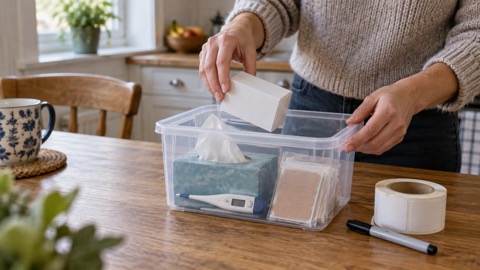 Sick at Home Supplies Kit
 Caring for Someone Ill at Home
 Pandemics and UK Household Plans
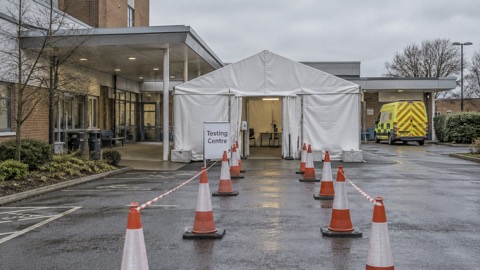 UK Health Security Agency
 Staying Home When Ill
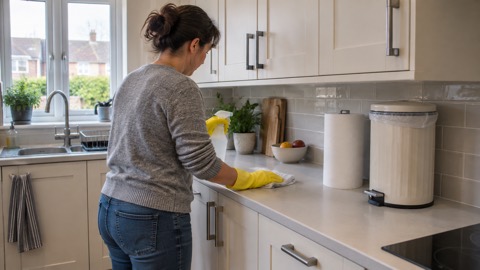 Stopping Infections at Home
 Caring for a Sick Person at Home
 Keeping Prescription Medicine
 Medicine Shortages Explained
 Storing Medicines Safely
 Urgent Care and A&E
 Vaccines Against Outbreaks
 Flu Symptoms and Getting Help
 COVID-19 Symptoms and Testing