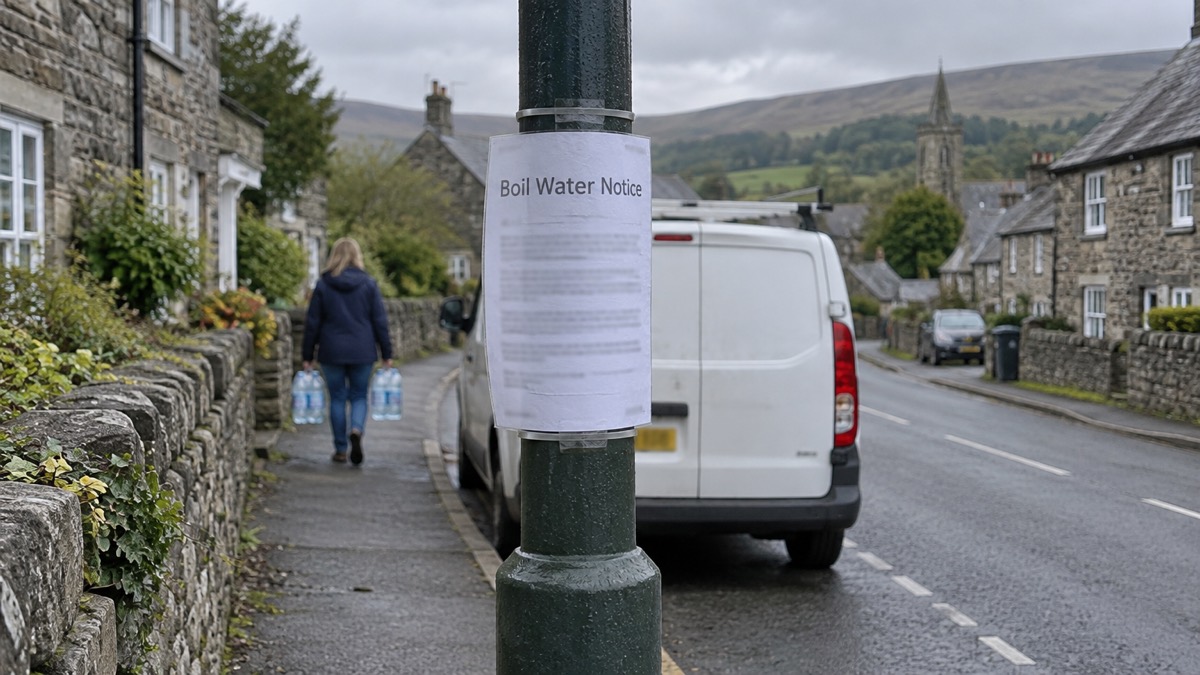
Cryptosporidium is a parasite, a tiny organism, that causes an illness called cryptosporidiosis in people and some animals, particularly farm animals1. The illness brings profuse watery diarrhoea, stomach pains, nausea or vomiting, a low-grade fever and loss of appetite, and it usually lasts about 2 weeks, though it can go on longer in people with weak immune systems1. There is no specific treatment: most people with a healthy immune system recover within one month, and the main job at home is to stop the illness spreading and to keep the ill person hydrated1.
If your water company issues a boil water notice, it is an instruction to boil your tap water before drinking it until the company tells you the notice is lifted2. UK tap water is otherwise safe to drink without boiling, because it undergoes processes that kill or inactivate bacteria and viruses and is continuously monitored and tested by the water company2.
This page explains how the parasite travels, what to do during an outbreak or boil notice, how to care for someone who is ill, and when to get medical help. For the practical steps of boiling water properly, see How to Make Water Safe to Drink in an Emergency and Boiling to Kill Germs: How to Do It Properly.
How cryptosporidium gets into water and onto hands
Cryptosporidium lives in the intestines and faeces of infected humans and animals. From there it may contaminate lakes, streams and rivers, swimming pools, untreated or poorly treated water, food (especially raw milk and fresh produce), and objects such as farm gates, outdoor boots and clothing1. Cryptosporidium in manure can contaminate fields, rivers and crops, which is why farm visits and private water supplies are recurring themes in official advice1.
You can get cryptosporidiosis in several ways: directly from another person or animal by touching faeces, for example when changing a nappy; from swimming in or drinking contaminated water; and occasionally by eating contaminated food, including unwashed or unpeeled vegetables or salads, or drinking contaminated raw milk1. The groups most often exposed are people who handle infected livestock or their faeces, people exposed to human faeces through caring or sexual contact, people who drink from untreated or unprotected water supplies or swallow contaminated recreational waters such as lakes, rivers and streams, and people who travel to countries where these exposures are likely1.
In Scotland, NHS Inform's summer health campaign warns that germs like E. coli, Cryptosporidium and Leptospira can contaminate lochs, rivers and burns (streams) and are harmful if swallowed, and that untreated water can be made safe to drink by boiling it or using chemical treatments3. Households on private supplies should take particular care: councils in Scotland note that waterborne infections such as Campylobacter, E. coli (O157), Cryptosporidium and Giardia can produce acute gastrointestinal symptoms, including sickness and diarrhoea4. Argyll and Bute Council advises that there are occasions when there is an increased risk of harmful bacteria affecting any private supply, most likely after heavy rainfall or snowmelt, or when the water is highly coloured6. If you draw your own water, see Private Supplies: Wells, Boreholes and Springs.
Do not drink untreated water
The clearest instruction in the official guidance is simple: do not drink untreated water1. That applies to water from streams, rivers, lochs and any supply that has not been treated and tested. If you need to use water from an untreated source, NHS Inform states that untreated water can be made safe to drink by boiling it or using chemical treatments3. Our pages on How to Make Water Safe to Drink in an Emergency, Purification Tablets and Emergency Filters set out the options side by side.
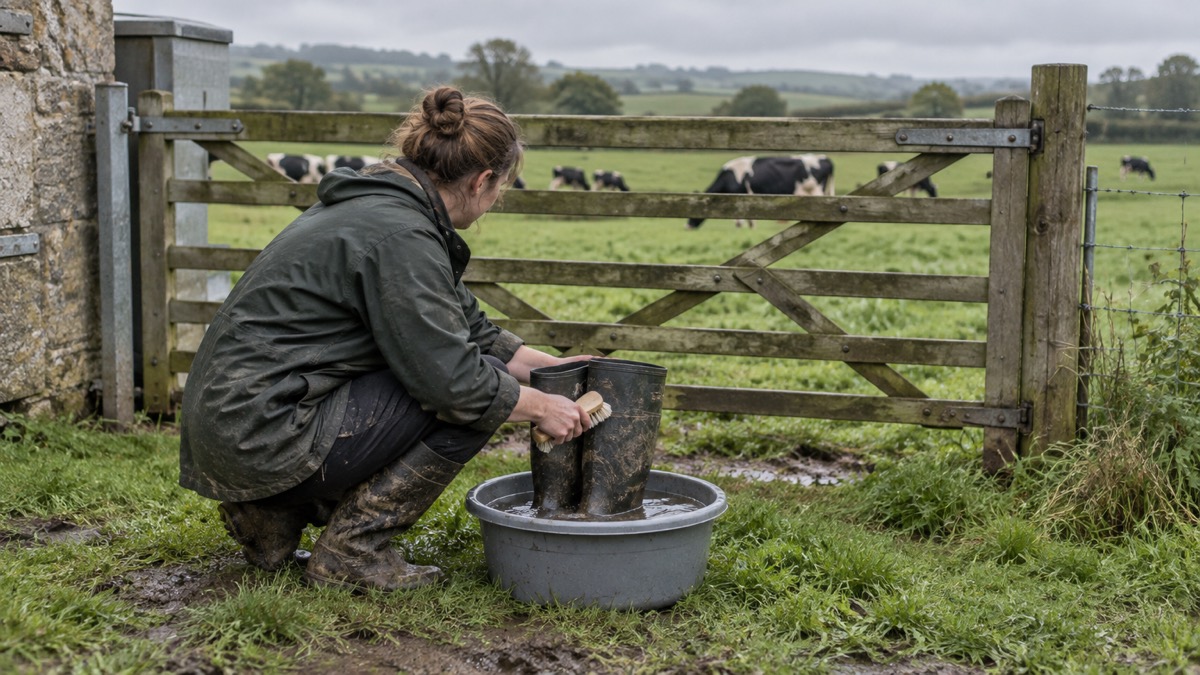
During a boil water notice, use boiled or bottled water for drinking, and follow the notice's instructions for cooking, brushing teeth and preparing food. A real case shows how far restrictions can go: when a private supply serving a salad growing nursery was found to be contaminated, the notice specified short-term restrictions of use, meaning either boiling the water or not using it for drinking, cleaning teeth, food preparation (including ice cubes and salads), cooking, preparing babies' feeds, washing open wounds and disinfecting feeding equipment7. If you have an infant, see Babies and Formula Feeds When the Supply Is Off or Unsafe.
Two related cautions about tap water appearance:
- If your tap water has an unusual, bright colour such as blue, green or pink, Bristol Water advises it is not advisable to drink it8. The Drinking Water Inspectorate says the most likely cause is water back siphoning from the toilet cistern, made noticeable by a coloured disinfectant block, and advises contacting your water supplier as soon as possible so they can resolve it and ensure your water is safe to drink9.
- If your water is discoloured in a yellow, orange or brown way, Bristol Water suggests you do not do any laundry or use your hot water while it is discoloured8. See Brown or Discoloured Tap Water and Blue, Green or Pink Tap Water.
After flooding, mains tap water should not be contaminated, according to Belfast City Council's emergency planning advice10. But if you notice a change in the colour, taste or smell of your tap water, contact your water company11, and the Drinking Water Inspectorate advises the same: if you notice a change in quality, or you are unsure, call your water company12. For the wider picture, see What to Do If You Get a Boil Water Notice and the Boil Notice Checklist for Your Home.
Handwashing with soap and warm water stops most spread
Handwashing is the single most important defence. Wash your hands thoroughly with soap and warm water before preparing and eating food, after handling raw food, after going to the toilet or changing a baby's nappy, and after working with, feeding, grooming or playing with pets and other animals1.
The same message runs through official flooding guidance across the UK. Public Health Wales advises washing your hands especially after going to the toilet and before eating or preparing food, calling this the most important way to get rid of harmful bugs, and says that if you do not have clean water you should use hand sanitiser gel or wet wipes13. Nottinghamshire County Council gives the practical detail: use warm, clean water and soap; use cold water to wash if warm is not available; and if there is no clean water, use disposable soapy wet wipes14. The UK government's flooding recovery advice for frontline responders carries the same instruction, that hand washing is the most important way to get rid of harmful bugs15.
Warm water and soap is the standard, but the order of fallbacks matters when your supply is interrupted or under a boil notice: cold clean water and soap still works, and only where there is no clean water at all should you move to disposable soapy wet wipes or sanitising gel14. If you are without running water entirely, see How to Wash Without Running Water and How Much Drinking Water to Store per Person.
Symptoms: watery diarrhoea, stomach pains and fever
The symptoms of cryptosporidiosis are profuse watery diarrhoea, stomach pains, nausea or vomiting, a low-grade fever and loss of appetite, which can lead to dehydration and weight loss1. Because these overlap with other infections, it helps to know how the picture differs:
| Illness | Typical symptoms | Usual duration or timing | Source |
|---|---|---|---|
| Cryptosporidiosis | Profuse watery diarrhoea, stomach pains, nausea or vomiting, low-grade fever, loss of appetite | About 2 weeks1 | 1 |
| Norovirus | Severe vomiting, watery diarrhoea, or both; sometimes raised temperature, headaches, stomach cramps, aching limbs | Usually 1 to 2 days16 | 16 |
| Campylobacter | Stomach cramps and severe diarrhoea, rarely vomiting | Symptoms usually occur between 2 and 7 days after infection18 | 18 |
| Clostridium perfringens | Abdominal pain, diarrhoea and nausea | Between 8 and 24 hours after infection18 | 18 |
| E. coli O157 | Severe bloody diarrhoea; can lead to serious kidney damage in children | Not stated | 19 |
Local authority guidance across England describes the general food poisoning picture similarly: diarrhoea, stomach cramps, vomiting and fever are the main symptoms20, with diarrhoea, stomach cramps, vomiting, fever, nausea, headache and dizziness listed among the main symptoms of food-borne illness21, and diarrhoea, sickness, stomach pains and sometimes high temperature or fever the most common22. A Food Standards Scotland safety notice on E. coli (STEC) contamination of sprouted seeds notes that symptoms can include severe diarrhoea (including bloody diarrhoea), abdominal pain and occasionally haemolytic uremic syndrome, a serious condition that can lead to kidney failure and can be fatal23.
The reason watery diarrhoea matters so much with cryptosporidium is dehydration. In adults and children, symptoms of dehydration include feeling thirsty, headache and feeling light-headed, dark yellow strong-smelling pee, peeing less often than usual, feeling dizzy or lightheaded, feeling tired, a dry mouth, lips and tongue, and sunken eyes24. Norovirus guidance lists similar signs: being thirsty, dizziness, dark coloured urine, and dry mouth, eyes and lips16.
Illness usually lasts about 2 weeks
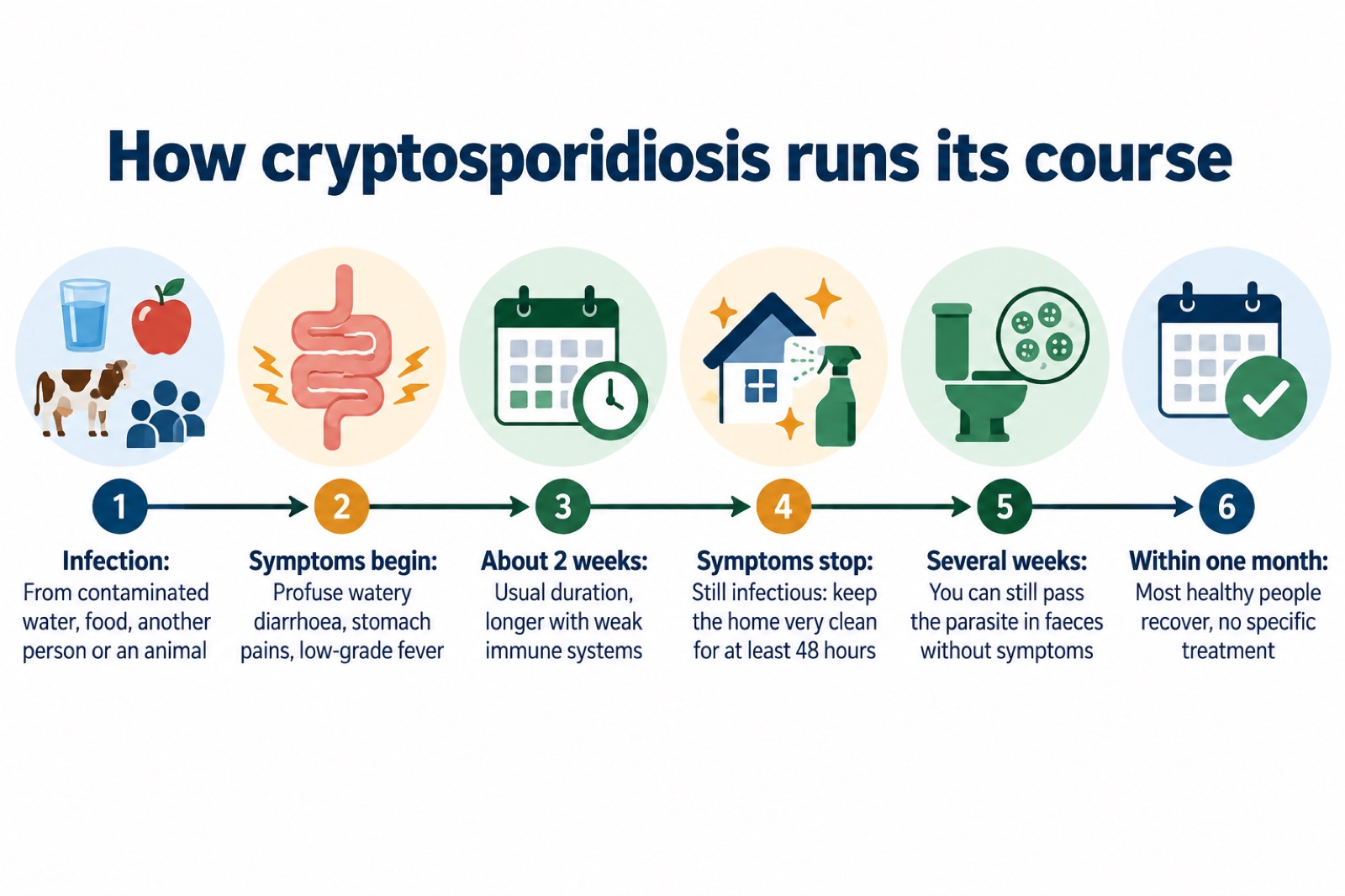
Symptoms usually last for about 2 weeks, but can be longer, especially in people with weak immune systems1. That is much longer than the stomach bugs most households are used to: norovirus usually lasts 1 to 2 days17, and campylobacter symptoms usually appear between 2 and 7 days after infection18. Plan for a fortnight of illness, not a weekend.
Two points about the recovery period matter for the whole household. First, you are infectious to other people while you are ill and have symptoms1. Second, you can pass cryptosporidium in your faeces for several weeks even if you no longer have symptoms1. So the risk to others does not end when the diarrhoea does, which is why the hygiene measures below continue for at least 48 hours after symptoms stop, and why careful handwashing should carry on well beyond that.
Who is most at risk
Anyone can get cryptosporidiosis, but it is most common in children aged between 1 and 5 years1. Exposure is most likely for people who handle infected livestock or their faeces, people exposed to human faeces through caring or sexual contact, people who drink from untreated, unprotected water supplies or swallow contaminated recreational waters, and travellers to countries where these exposures are likely1.
The illness itself is more serious for some. It can be a serious illness in people who have immune systems that are not working properly1. Guidance on vulnerable water users points the same way: those most at risk include bottle-fed infants, the very young, the elderly and anyone whose immune system might be compromised6. Government preparedness guidance on water supply interruptions likewise lists babies and young children, older adults, people with long term health conditions and people who use more water due to a medical condition among the groups who may be most at risk25. In hot weather, pregnant women are among those at higher risk of becoming seriously unwell27.
If someone in one of these groups is exposed during an outbreak, or develops symptoms, do not wait to see whether the illness runs its course: contact your GP, and for further questions contact your local health protection team1. Households that depend on water for medical reasons can also plan ahead through the Priority Services Register and our page on Home Dialysis and Medical Needs During an Interruption.
When to see your GP and how it is diagnosed
If you are concerned about your health or your children, contact your GP; for further questions, contact your local health protection team1. After flooding or any suspected contaminated water exposure, Nottinghamshire County Council advises speaking with your GP, calling NHS 111 or visiting the NHS website if you or anyone in your family gets symptoms such as sickness, diarrhoea or tummy cramps, or becomes ill after swallowing contaminated water28.
Diagnosis is not a guessing game. The only way to know you have cryptosporidium is for a doctor to ask for a sample of your faeces to be tested in a laboratory1. In practice, your GP can provide containers for a stool sample: Argyll and Bute Council tells private supply users to contact their GP, who can provide containers, and to contact the council water team, who can arrange to take a sample if appropriate4. Somerset Council similarly recommends submitting a stool sample to your GP to find out the cause of your illness and to rule out common viral infections such as norovirus29.
If you believe your own water supply is involved, act on both fronts: get tested through your GP, and report the water. Scottish Borders Council advises contacting your GP if you think your water supply may be affecting your health5. For mains supplies, contact your water company if you notice any change in colour, taste or smell11.
No specific treatment: preventing dehydration while you recover
There is no specific treatment for cryptosporidiosis. Most people with a healthy immune system will recover within one month1. The same is true of the stomach bugs it can be confused with: there is no specific treatment for norovirus, other than allowing the illness to run its course, and you will need to drink fluids frequently to prevent dehydration16. So the practical job at home is fluids, rest and hygiene.
The NHS guidance on dehydration sets out what to do. Drink fluids if you have symptoms of dehydration; if you feel sick, start with small sips and then gradually drink more; avoid caffeinated drinks and alcohol, as both will dehydrate you24. To reduce the risk of dehydration in the first place, drink fluids regularly, with water or diluted sugar-free squash as good choices, and drink enough during the day so that your pee is a pale colour; drink more when there is a higher risk of dehydrating, such as being sick, sweating due to hot weather or exercise, or diarrhoea24. Hot weather advice from the UK government uses the same measure: drink fluids regularly throughout the day especially if you are physically active, and drink enough that your pee is a pale straw colour30.
A short checklist for looking after someone with cryptosporidiosis:
- Offer fluids regularly, in small sips if the person feels sick24
- Choose water or diluted sugar-free squash; avoid caffeinated drinks and alcohol24
- Watch for dehydration: thirst, dizziness, dark or reduced pee, dry mouth, tiredness24
- Keep up strict handwashing and toilet hygiene, since the illness is highly infectious1
- Contact your GP if you are concerned, especially for young children or anyone with a weakened immune system1
While you recover, drink fluids regularly: water or diluted sugar-free squash are good choices, and drink enough during the day so that your pee is a pale colour31. If your supply is interrupted at the same time, Argyll and Bute Council suggests not leaving taps running when cleaning teeth or washing vegetables to conserve what you have32. See Storing Tap Water Safely at Home and How Long Can You Keep Boiled Water in the Fridge?.
Keeping your home clean for 48 hours after symptoms stop
Cryptosporidiosis is highly infectious, so you need to be very clean around your home for at least 48 hours after your symptoms stop1. You are infectious to other people while you are ill and have symptoms, and, as above, you can continue passing the parasite for several weeks even without symptoms1. That 48-hour mark is a minimum for intensive cleaning, not the end of all precautions.
Build the routine around the moments the parasite actually travels:
- Wash hands thoroughly with soap and warm water before preparing and eating food, after handling raw food, after going to the toilet or changing a baby's nappy, and after working with, feeding, grooming or playing with pets and other animals1
- Clean toilets and surfaces the ill person has touched, and keep towels and face cloths separate while anyone has symptoms
- Do not prepare food for others while you have diarrhoea or vomiting
- Keep washing hands carefully for several weeks after recovery, because the parasite can still be shed1
On the water side of home hygiene, Bristol Water notes that regular cleaning in and around tap spouts with a chlorine-based solution can help minimise biofilm development8. NHS guidance for people who inject drugs adds a useful marker of what counts as clean water: water from the cold water tap in the kitchen is virtually or completely free from bacteria, whereas water from a toilet pan will be contaminated33. NHS Inform's lead poisoning guidance makes the related point that you should only use the cold tap water for drinking, cooking and making infant formula34. For the same reason, the Drinking Water Inspectorate confirmed during the COVID-19 period that people should continue to use tap water as normal, including for drinking, hand washing, bathing, cooking and cleaning teeth35.
Work, nursery and caring for vulnerable people
You should tell your employer you have had cryptosporidiosis if you work with vulnerable groups such as the young, the elderly or those in poor health, or if you handle food1. This is not a matter of discretion: food handlers and carers can pass the infection on for weeks, and employers need to know so they can manage the risk. The same logic applies to nursery attendance for a child who has had the illness: because the parasite is shed for several weeks after symptoms stop, tell the nursery and follow their exclusion advice, and keep up the handwashing at home1.
If your work or family life involves caring for vulnerable people, treat any bout of diarrhoea as a reason to step up hygiene immediately rather than waiting for a diagnosis. The groups to protect are the same ones named throughout the official guidance: babies and young children, older adults, people with long term health conditions and anyone whose immune system might be compromised6. For wider planning, see Extra Help in an Emergency and Health Emergencies.
Farm visits need their own discipline. Pay special attention to hygiene during farm visits, washing hands after any contact with animals, and eating only in designated areas1. Remember that the parasite can sit on farm gates, outdoor boots and clothing, not just on the animals themselves1.
Sources (35)
- Cryptosporidium: public advice, UK Health Security Agency, 2023-11-01
- Receiving a boil water notice, Drinking Water Inspectorate, 2024-05-16
- Summer health campaign, NHS Inform, 2026-08-06
- Private water supplies: water sampling, Argyll and Bute Council, 2026
- Private water supplies, Scottish Borders Council, 2026-10-29
- Private water supplies, Argyll and Bute Council, 2026
- Change of supply for long term remediation, Drinking Water Inspectorate, 2018
- Water appearance, Bristol Water, 2026
- Blue or brightly coloured water, Drinking Water Inspectorate, 2022-11-11
- Flooding advice, Belfast City Council, 2026-10-29
- After a flood, GOV.UK, 2026-10-25
- Flooding, Drinking Water Inspectorate, 2026-10-28
- Flooding and health, Public Health Wales, 2026-07-31
- Flooding before, during and after: frequently asked questions, Nottinghamshire County Council, 2026-10-29
- How to recover from flooding, GOV.UK, 2023-12-19
- Norovirus patient information, Warrington and Halton Teaching Hospitals NHS Foundation Trust, 2025-08
- Foodborne viruses, Food Standards Scotland, 2026-10-25
- Food poisoning, NHS Borders, 2014-06
- Infectious diseases, Cornwall Council, 2026-10-29
- Food poisoning advice, Northumberland County Council, 2026-08-11
- Infectious diseases control, Northumberland County Council, 2026-10-28
- Food poisoning and waterborne infections, Shropshire Council, 2026-10-29
- Recall: Rapunzel Biosnacky red clover seeds contaminated with E. coli STEC, Food Standards Scotland, 2026-08-07
- Dehydration, NHS, 2026-05-01
- Water supply interruptions or outages, Prepare Campaign, 2026-10-12
- Water supply interruptions or outages, Be Ready Campaign, 2026-10-12
- Hot and sunny weather, Cumberland Council, 2026
- Further support after a flood, Nottinghamshire County Council, 2026-10-29
- Food poisoning, Somerset Council, 2026-07-09
- Beat the heat: staying safe in hot weather, GOV.UK, 2026-07-21
- WeatherReady weather hacks, Met Office, 2026-10-25
- Loss of supply: private water supply users, Argyll and Bute Council, 2026
- Water risks message, NHS Fife, 2024
- Lead poisoning, NHS Inform, 2026-09-07
- COVID-19 and drinking water, Drinking Water Inspectorate, 2024-12-17
 Supply Interruption Checklist
 Boil Notice Checklist
 Drinking Supply Checklist
 How Much Water to Store
 Storing Tap Water Safely
 Containers and Jerrycans
 Household Storage Tanks
 Water Already in Your Pipes
 Making Water Safe to Drink
 Boiling Water to Kill Germs
 Purification Tablets
 Emergency Filter Types
 What Water Filters Remove
 Gravity Filters Explained
 Hand Pump Filters