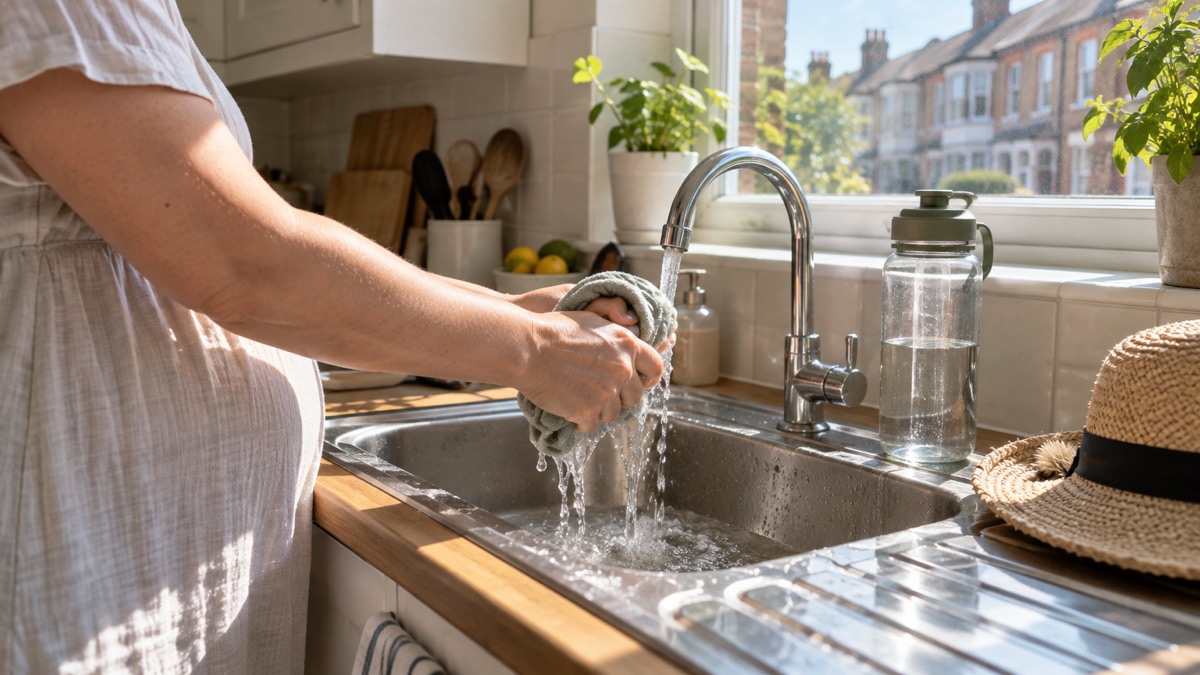
Pregnancy puts you in the group UK health officials name first when they warn about hot weather. The government's public health advice is blunt about it: "Babies, young children, pregnant women, older people and people who need care are at particular risk from hot weather"1. That does not mean a hot day is dangerous in itself. It means you need to plan a little more than your neighbours, watch yourself more closely, and know the point at which being too hot stops being uncomfortable and becomes an emergency.
The practical answer is simple. Drink plenty of fluids and avoid excess alcohol2. Stay out of the sun in the middle of the day, keep the room you are in as cool as you can, and avoid too much exercise when it is very hot, which can cause heat exhaustion or heat stroke3. Know the symptoms of heat exhaustion and heatstroke and what to do if you or someone else has them4. And if you become seriously unwell or have difficulty breathing, call 9995.
Most pregnant women will get through a heatwave with nothing worse than a bad night's sleep. The sections below set out what to have ready before the hot weather arrives, how to keep cool and hydrated while it lasts, the signs that mean you need help, and the specific situations, from a hot car to a water shortage, where the general advice needs adjusting for pregnancy.
Why pregnancy puts you in the higher-risk group
Official guidance lists pregnant women alongside older people, babies and people with long-term health conditions as those at greater risk in hot weather6. The NHS's own heatwave advice puts it the same way: people who are pregnant or have serious long-term conditions, such as heart problems, breathing problems, dementia, diabetes, kidney disease, Parkinson's disease, mobility problems, mental health problems, or drug or alcohol addiction, are more vulnerable in a heatwave2.
The reason is not one single mechanism but a set of overlapping ones. The main risks posed by hot weather or a heatwave are not drinking enough water (dehydration) and overheating, and overheating can make symptoms worse for people who already have problems with their heart or breathing7. Hot weather can also make air pollution worse, and combined with air pollution it can worsen breathing problems or heart conditions8. If you are already carrying more weight, sleeping badly and feeling breathless in late pregnancy, a hot spell stacks on top of that.
There is a second reason to take it seriously: the ordinary signs of being too hot can be easy to dismiss when you are pregnant and already tired, sweaty and a bit light-headed. Knowing what heat exhaustion looks like, and how it differs from heatstroke, is what lets you act early. The heat illness page sets out the full picture; the next section gives the signs that matter most.
Heat exhaustion and heatstroke: the signs to watch for
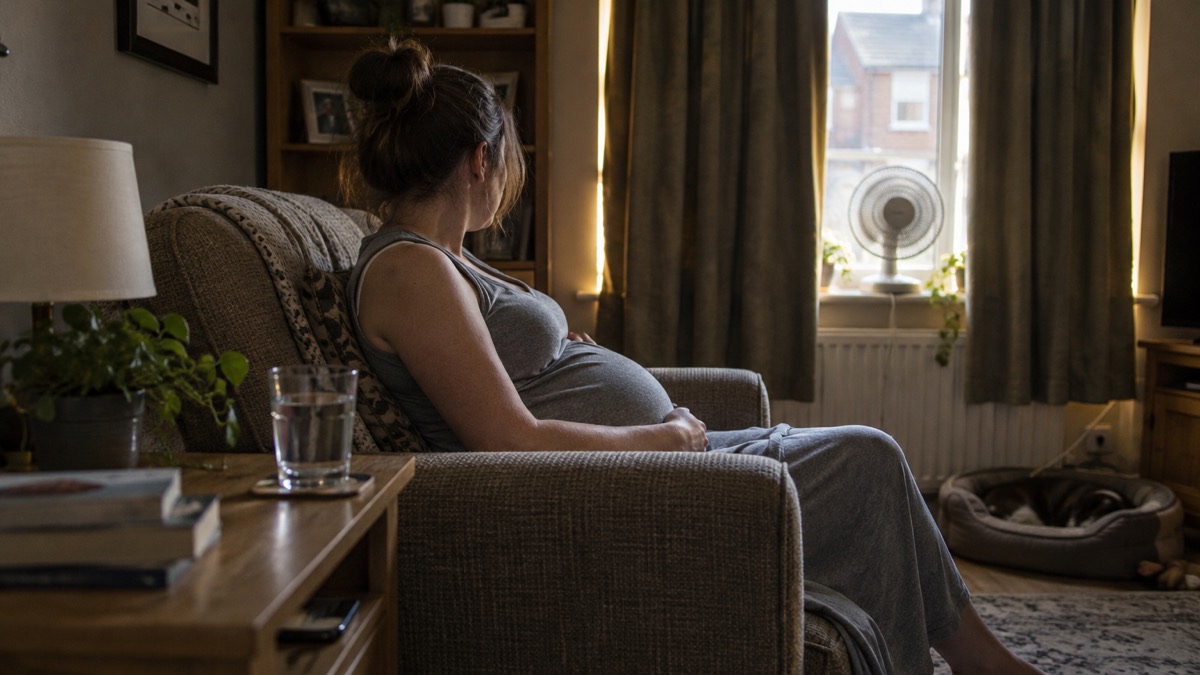
Heat exhaustion and heatstroke sit on the same scale, and the difference matters. Heat exhaustion is the body overheating and losing water and salt; heatstroke is when the body's control of its own temperature starts to fail, and it is a medical emergency. Official guidance for hot weather tells everyone to know the symptoms of both and what to do4.
The symptoms listed in NHS guidance include headache; dizziness and confusion; loss of appetite and feeling sick; excessive sweating and pale, clammy skin; cramps in the arms, legs and stomach; fast breathing or pulse; a temperature of 38°C or above; and being very thirsty10. Watch for signs of heat stress too, an early sign being fatigue3. If you are pregnant and notice several of these together, treat it as a signal to stop, get somewhere cool and drink, not as something to push through.
| What you notice | What it suggests | What to do |
|---|---|---|
| Headache, dizziness, confusion, feeling sick, cramps, fast breathing or pulse, very thirsty, temperature of 38°C or above | Heat exhaustion | Stop activity, move somewhere cool, drink fluids, and follow the official advice on what to do for heat exhaustion10 |
| Symptoms continue or worsen despite cooling and drinking | Possible heatstroke | Seek urgent medical help; call 999 if the person becomes seriously unwell or has difficulty breathing5 |
Getting ready before the hot weather arrives
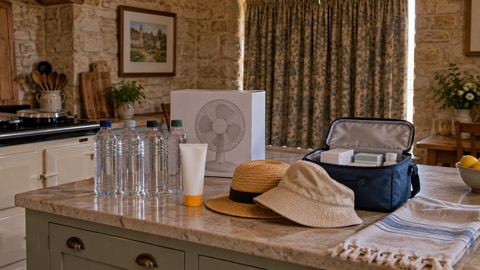
The most useful thing you can do is prepare before the forecast turns hot, not during the first stifling night. Official guidance is clear that before the hot weather arrives, it is a really good time to think about what you can do to protect yourself and your family and friends from heat11. Listen to the news and check your local weather forecast so you know when hot weather is expected12. Plan ahead to make sure you have enough supplies, such as food, water and any medications you need10.
For a pregnant household, that translates into a short list you can work through in a quiet week in spring.
- Water and drinks: enough drinking water, food and medicine to avoid having to go out13. Carry water when travelling14.
- Medications: make sure you have enough of anything you take regularly, so a hot spell does not force a trip out10.
- Cooling at home: decide now which room stays coolest, and how you will shade it. The cooling your home guide covers curtains, windows and overnight ventilation.
- A plan for the hottest hours: know where you will be and what you will be doing in the middle of the day, and keep it light.
- Travel: if you have a journey planned, allow plenty of time for your journey, including regular breaks15.
- Who to call: save the numbers you might need, and know your maternity unit's advice line.
The hot weather preparation checklist turns this into a tick list you can keep. If you have a long-term condition as well as being pregnant, the medicines and heat page explains which medicines raise the risk, and the people at risk page sets out the wider group you are part of.
Keeping cool and drinking enough during a heatwave
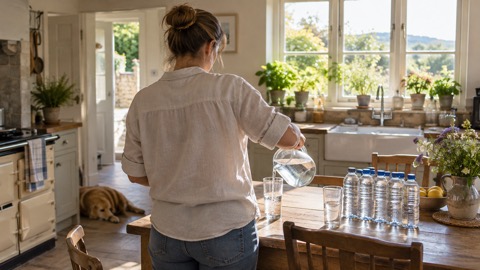
During the hot spell itself, the official advice is consistent across the UK: drink plenty of fluids and avoid excess alcohol2. The fire and rescue service's heatwave safety advice adds that you should drink plenty of fluids, preferably water, to keep hydrated, and avoid alcohol, tea and coffee as these can dehydrate you16. If you are fasting during a heatwave, it is important to drink enough to adequately hydrate before you fast and follow guidance on keeping cool, and people with underlying health conditions should seek medical advice before fasting12.
On keeping cool, the practical steps are the ones you would expect, but they are worth doing properly rather than half-heartedly:
- Stay out of the sun in the hottest part of the day. Stick to shade and wear sun cream when you are out17.
- Keep the room cool. Shade windows, ventilate at night, and use a fan only in the way the guidance allows. The fans page and the fans safe temperature page explain the limits.
- Avoid too much exercise when very hot, which can cause heat exhaustion or heat stroke3.
- Eat and sleep sensibly. The sleep on hot nights page has the detail for bedrooms.
- Check the air pollution forecast before going out, as air pollution can become worse during hot weather and can cause problems for people with asthma and other breathing problems18.
If you are unsure how much you should be drinking, the how much to drink page sets it out, and the dehydration page covers the signs that you are not keeping up.
Hot cars, closed rooms and other places to avoid
Some of the most serious heat risks in pregnancy come from small enclosed spaces. Official guidance warns that small closed spaces such as stationary cars can get dangerously hot very quickly, and says babies, children, older people and pets should not be left alone in them12. The same advice appears in NHS Inform's guidance: make sure that babies, children and older people are not left in closed spaces or stationary cars, as these areas can get hot very quickly19. The Met Office goes further: never leave children or animals in parked cars, because even on cool days, strong sunshine can make car interiors very hot3.
For a pregnant woman, the practical rule is to treat a parked car as somewhere you do not sit and wait, even briefly, and never as somewhere to rest. The same applies to a closed, unshaded room. If you are travelling, carry water14.
When to call 999
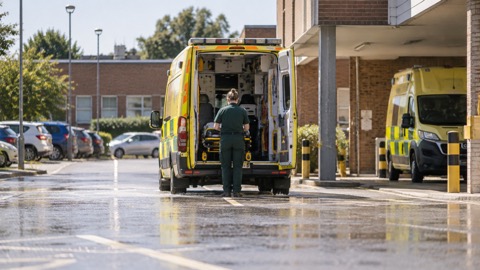
Call 999 immediately if the situation is life-threatening20. If someone becomes seriously unwell or is having difficulty breathing, call 999 immediately5. Those two rules cover most heat emergencies, and they apply to you as much as to anyone else.
Pregnancy adds its own red flags. The Northern Ireland Ambulance Service advises calling 999 if there is fresh and heavy bleeding (more than an egg-cup full) and continuing21. The London Ambulance Service advises pregnant women to call 999 if they have a seizure, are unable to speak, have sudden onset of worst headache ever, suffer loss of consciousness, or are confused or not alert22. If you are due to give birth, the London Ambulance Service has separate advice on what to do if you go into labour22.
If you are worried but it is not an emergency, the when to call 999 or NHS 111 page explains the difference. Do not drive yourself to hospital if you are seriously unwell; call for help.
Sun, air pollution and existing conditions
Three things change the general hot weather advice for some pregnant women.
Sunscreen. Official hot weather guidance tells people to stick to shade and wear sun cream17. It does not single out pregnancy as a reason to avoid sunscreen. For babies, the advice is a sunscreen with an SPF of at least 30, a sunshade on the pushchair and a sunhat23. The sun safety page covers SPF and UV for the family.
Air pollution. Hot weather can make air pollution worse8, and combined with air pollution it can worsen breathing problems or heart conditions9. Check air pollution forecasts and advice, as air pollution can become worse during hot weather and can cause problems for people with asthma and other breathing problems18. The air quality page explains ozone and hay fever.
Existing heart or lung conditions. Overheating can make symptoms worse for people who already have problems with their heart or breathing7. If you have a heart or lung condition and you are pregnant, you are in two of the higher-risk groups at once. Keep to your usual treatment plan, keep cool, drink plenty of fluids and avoid excess alcohol2, and speak to your clinician about what a heatwave means for your condition.
Water supplies, babies and help in other languages
Water supply problems. Official guidance notes that in a heatwave your health can be affected by hot weather if you are not prepared, and water supplies can become depleted24. Not having enough water leads to dehydration7. Plan ahead so you have enough drinking water, food and medicine to avoid having to go out13. If your supply is restricted, the saving water page and the supply restrictions page explain what happens and what to do.
Babies and young children. Babies and young children can be seriously affected by dehydration, heat exhaustion and heatstroke, and sunburn25. If you go out when it is hot, attach a parasol or sunshade to your baby's pushchair to keep them out of direct sunlight25, make sure they wear a sunhat, and apply a sunscreen with an SPF of at least 3023. The babies and young children page and the baby and child hot weather checklist have the full detail.
Guidance in other languages. The government's Beat the Heat resources include easy reads, British Sign Language videos and translations26. The core hot weather advice applies to England12.
Sources (26)
- Keeping warm or cool in extreme weather: scripts for broadcast media, GOV.UK, 2025-12-16
- Heatwave: how to cope in hot weather, NHS, 2026-06-12
- Hot weather and its impacts, Met Office, 2026-10-29
- Hot weather advice, Scottish Ambulance Service, 2026-10-29
- Stay safe during hot weather, London Borough of Bexley, 2026
- Summer safety advice, North East Ambulance Service, 2026-10-29
- How to cope in hot weather, Keeping Well North West London, 2026-10-29
- Hot weather, Ready Scotland, 2026-03-24
- Cool spaces to beat the heat in Manchester, Manchester City Council, 2026-10-29
- Advice for vulnerable people, NHS Norfolk and Suffolk ICB, 2026-05-29
- Health-related risks, Dorset Prepared, 2026-10-28
- Beat the Heat: staying safe in hot weather, GOV.UK, 2026-07-21
- Heatwave, Lancashire Prepared, 2026-10-29
- Hot and sunny weather, Cumberland Council, 2026
- Travelling in summer, National Highways, 2026-10-29
- Heatwave safety advice, Mid and West Wales Fire and Rescue Service, 2026-10-29
- Keeping safe and well in warmer weather, London Ambulance Service, 2026-09-30
- Beat the Heat: staying safe in hot weather, GOV.UK, 2026-07-21
- How to stay safe in hot weather, NHS Inform, 2026-06-11
- Staying well in hot weather, Devon County Council, 2026-07-02
- 999 and pregnancy, Northern Ireland Ambulance Service, 2026-10-29
- Advice if you are due to give birth, London Ambulance Service, 2026-09-30
- Summer safety, Cheshire and Wirral Partnership NHS Foundation Trust, 2026-10-29
- Severe weather: storms, flooding and drought, NI Direct, 2026-07-06
- How to keep cool this summer, Lancashire County Council, 2026-10-29
- Beat the Heat resources for hot weather, GOV.UK, 2026-05-20
 Baby and Child Hot Weather
 Hot Weather Preparation
 Flood Warning Checklist
 Baby's Room Temperature
 Child Dehydration Signs
 Fans in Very Hot Weather
 Signing Up for Heat Alerts
 Heat Rash
 Calling 999 for Heat Illness
 How Much Water to Drink
 Keeping Cool in a Power Cut
 LPG Tank Safety in Hot Weather
 Medicines and Heat Risk
 New Build Overheating
 Checking On Older Neighbours