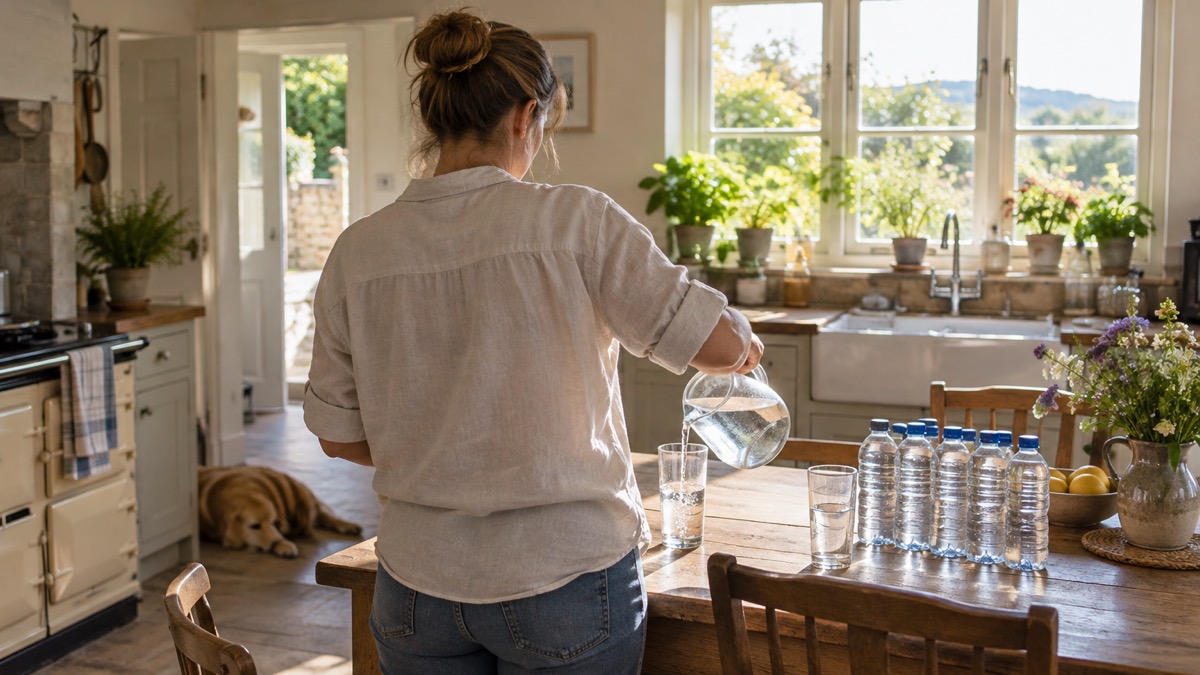
In hot weather, official UK advice is to drink at least 2 litres of liquid a day, which is about 8 cups, and to drink more when it is very hot or you are active1. Extreme heat means drinking more and including a range of different fluids, and hot environments and intense physical activity can double the amount you need3. Drink regularly through the day rather than in one go.
You do not need to count cups to know whether you are getting it right. Official guidance says to drink enough that your pee is a pale straw colour5. That is the simplest check there is, and it works for adults of any age.
The rest is about what you drink and who needs help. Water is the main drink, with diluted squash or lower fat milks as good choices6. Alcohol, tea and coffee work against you in the heat, and some people, including older people, children and those with health conditions, need to drink more and be reminded to do it7.
Drink at least 2 litres a day, about 8 cups, and more in the heat
The 2 litre figure is a baseline, not a ceiling. Official guidance for hot weather and for a loss of drinking water supply both put the daily figure at about 2 litres, roughly 6 to 8 cups1. When the temperature climbs, that changes. The ambulance service says that in extreme heat experts recommend you drink more and include a range of different fluids3. Guidance for a household emergency kit puts it more starkly: hot environments and intense physical activity can double that amount4.
How much more you need depends on what you are doing and how hot it is. Sweating is the mechanism: the NHS says to drink more when there is a higher risk of dehydrating, such as sweating due to hot weather or exercise11. Someone sitting quietly in the shade needs less than someone gardening, walking a long distance or working outdoors. If you are physically active, official guidance is to drink fluids regularly throughout the day5.
Eating matters too. Official guidance says not to stop eating in hot weather, and suggests smaller, more frequent light meals with lots of fruit and salad, which are full of water and will help hydrate you12. Cold foods with a high water content, like salads and fruit, are named in heat illness guidance as well9. So the 2 litres is about drinks, but it sits alongside food that carries water.
A practical way to hit the target is to drink a glass with every meal and to keep a bottle within reach through the day. If you are going out, take water with you, and if you are travelling, take enough for you and your passengers13.
Pale straw pee means you are drinking enough
The colour of your urine is the check official guidance keeps returning to. Drink enough that your pee is a pale straw colour, says the government's Beat the Heat advice5. NHS Scotland's hot weather guidance says the same, and points to a urine colour chart to check for signs of dehydration15. NHS flu guidance, written for a different illness, uses the same measure: your pee should be light yellow or clear16.
What to do with that check:
- Pale straw: you are drinking enough. Keep going.
- Darker than pale straw: use the urine colour chart to check for signs of dehydration, and drink fluids regularly through the day17.
- Dark and you feel unwell: this is a sign to seek advice, particularly in children and older people.
The NHS dehydration page sets out the wider picture: drink fluids regularly, choose water or diluted sugar-free squash, and drink more when you are sweating, being sick or have diarrhoea11. Dehydration is not only about feeling thirsty. Thirst is a late signal, and some people, particularly older people, feel it less.
Which drinks count, and why alcohol, tea and coffee work against you
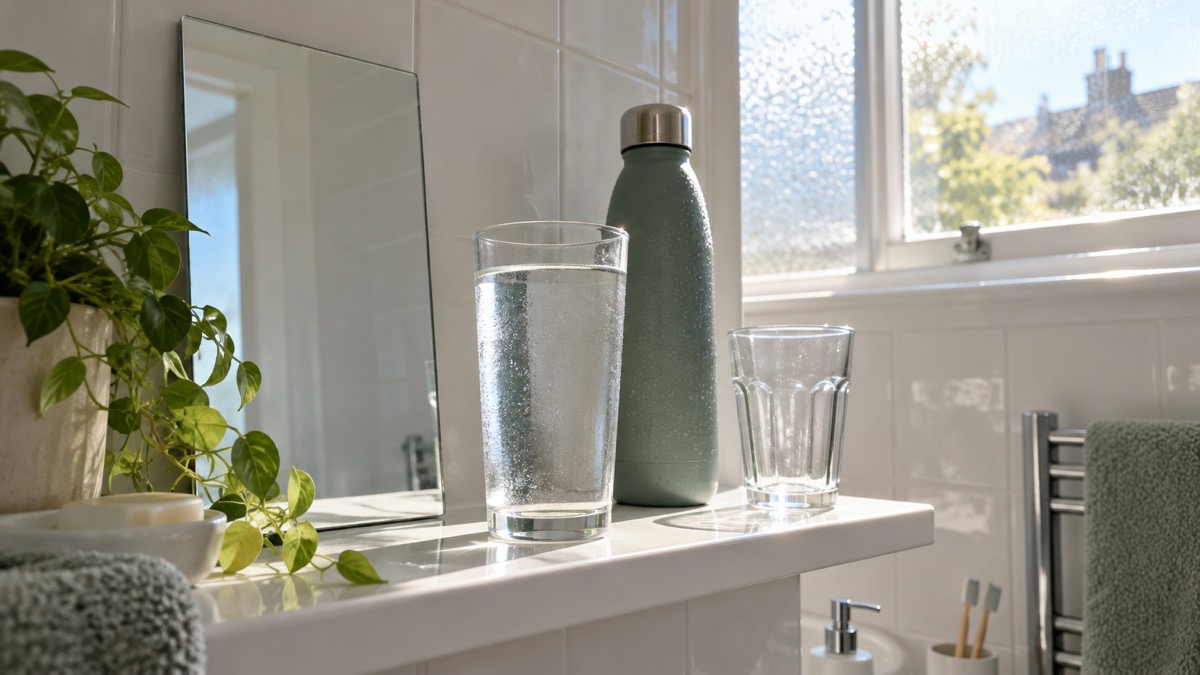
Most drinks count towards your fluids, but they are not equal. Official guidance names water, diluted squash or lower fat milks as good choices, and suggests limiting fruit juice, smoothies and sugary soft drinks6. The NHS dehydration page says water or diluted sugar-free squash are good choices11. Fruit juice is fine as one of a range of fluids, and heat illness guidance suggests drinking some water or fruit juice to rehydrate17.
Alcohol is the one to watch. The Met Office says drink plenty of fluids, but not alcohol, which dehydrates the body10. The fire and rescue service's heatwave advice is blunt: avoid alcohol, tea and coffee as these can dehydrate you7. NHS Scotland explains why: alcohol is a diuretic, meaning it can cause dehydration, and if you do drink alcohol, alternate it with water or a soft drink15. Guidance for Londoners says drink plenty of fluids like water and limit your alcohol intake20.
Tea and coffee are more nuanced. Several official sources group them with alcohol as drinks to limit in the heat7. The heat health alert advice for Somerset says limit tea, coffee and alcohol, and that alcohol speeds up dehydration21. The Welsh heat health risk advice note, written for health and social care staff, says to advise patients to drink regularly, preferably water or fruit juice, but avoid caffeine in tea, coffee and colas, very sweet drinks and alcohol22.
| Drink | Does it count? | What official guidance says |
|---|---|---|
| Water | Yes, the main drink | Named as a good choice throughout6 |
| Diluted squash | Yes | Water or diluted sugar-free squash are good choices11 |
| Lower fat milk | Yes | Named as a good choice6 |
| Fruit juice | Yes, in moderation | Limit fruit juice, smoothies and sugary soft drinks6 |
| Tea and coffee | Limit | Grouped with alcohol as drinks to limit in the heat7 |
| Alcohol | Limit, and alternate with water | A diuretic that can cause dehydration15 |
| Sugary and fizzy drinks | Not recommended as your main drink | Limit sugary soft drinks; choose sugar-free if diabetic6 |
Older people and those with health conditions need to drink more
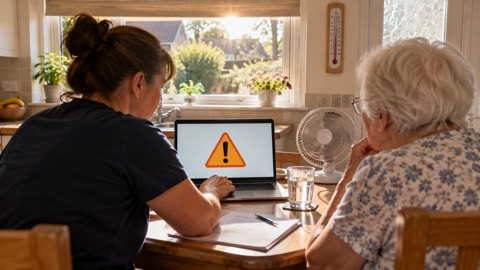
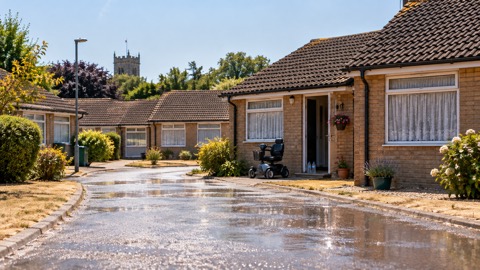
Some people are at greater risk from dehydration and need help to drink enough. Older people are the clearest group: official guidance says to check in on older relatives, neighbours and vulnerable people, and to drink plenty of water throughout the day23. The Met Office's advice for keeping older people cool is part of the same picture10. If you have an older neighbour, a knock on the door with a glass of water is a practical act of care. Our guide to checking on older and vulnerable neighbours in the heat sets out how to do it well.
People with diabetes need particular care. Official guidance says becoming dehydrated increases the risk of dangerously high blood sugar levels in both type 1 and type 2 diabetics, and advises drinking plenty of water and sugar-free soft drinks8. If you have a health condition that affects how much you should drink, such as a heart or kidney condition, follow the advice you have been given and ask your clinician if you are unsure.
Children are covered in their own section below, but the principle is the same: they depend on an adult to offer drinks. Babies and young children should be given plenty of drinks, and official guidance names water, watered-down fruit juice and the occasional ice lolly rather than lots of sugary, fizzy drinks8.
If you are supporting someone who needs extra help in the heat, the people most at risk in hot weather page explains who is vulnerable and why, and extra help in an emergency covers households with medical dependencies.
Carry a refillable bottle when you go out or travel
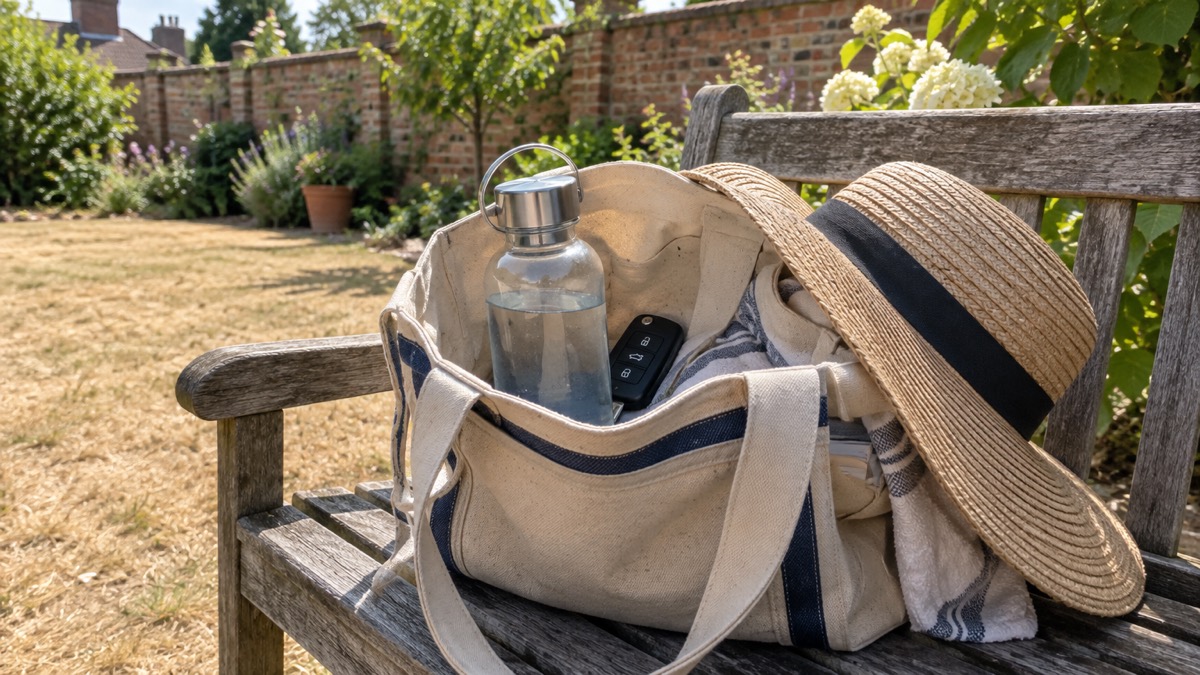
The single most useful habit in hot weather is to carry water. Official guidance says to take a bottle of water with you when heading out24, and to carry water when travelling25. If you need to travel, make sure you take water with you26. On public transport, carry some water with you and drink lots of fluids10.
For drivers, the advice is specific. If hot weather is forecast, take plenty of drinking water with you, enough for you and your passengers13. That is the guidance from both National Highways and Traffic England, and it matters most on long journeys where a breakdown or a delay leaves you sitting in the heat.
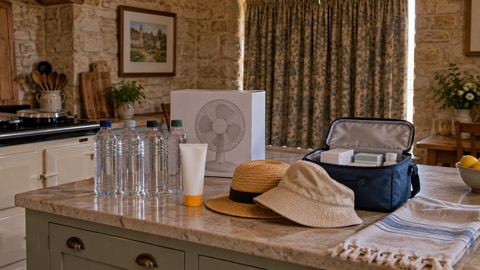
A refillable bottle is the practical kit. Official guidance suggests taking a refillable bottle and extra water for journeys6. Fill it before you leave, and refill it when you can. If you are out for the day, take more than you think you need.
Breaks in the shade, and what to do if you must be outside
Drinking is only part of staying well in the heat. Official guidance says to stay in the shade, especially between 11am and 3pm, wear sunscreen, a hat and light clothes, and avoid exercise or activity that makes you hotter if you have to go outside27. If you cannot avoid strenuous outdoor activity like sport, DIY or gardening, keep it for cooler parts of the day like early morning; if you must go out, stay in the shade, wear a hat and light, loose-fitting clothes, preferably cotton, and take plenty of water28.
The ambulance service adds regular breaks in the shade to its list of hot weather precautions, alongside drinking plenty of water throughout the day, wearing sunscreen and reapplying it, light loose-fitting clothing, and avoiding strenuous activity during the hottest part of the day24.
"If you must go out, stay in the shade. Wear a hat and light, loose-fitting clothes, preferably cotton."
If you are out and start to feel unwell, the signs of heat exhaustion and heatstroke matter more than your water intake. Our guide to heat exhaustion and heatstroke explains what to look for and when to call 999, and when to call 999 or NHS 111 for heat illness covers the emergency decision.
Heat health alerts: what they change
Heat health alerts are issued when hot weather poses a risk to health. During an alert, official guidance is to drink plenty of fluids and limit your alcohol intake29. The advice does not change with the colour of the alert: keep drinking regularly, and more than usual, whenever it is hot. What changes is how many other people are being asked to act, and how much support is available.
You can check the current alert level and sign up for notifications. Our guide to heat health alerts explains the yellow, amber and red levels, and how to sign up for heat health alerts tells you where to register.
Children need little and often
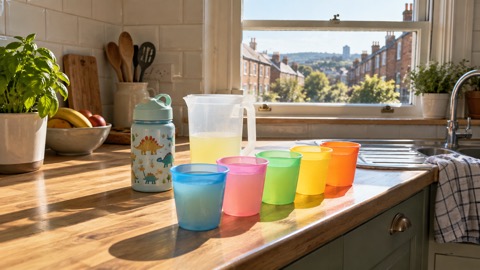
Children need a different approach from adults. Official guidance says to keep your child drinking little and often, and that ice lollies can help keep water levels topped up30. Give children plenty of drinks: water, watered-down fruit juice and the occasional ice lolly rather than lots of sugary, fizzy drinks8. Give your child frequent water breaks, and spray down children with a spray bottle in extreme heat31.
Babies and young children cannot get their own drinks, so offering is the whole job. Our guides to keeping babies and young children safe in hot weather and whether your child is drinking enough go further on the signs to watch for.
Sources (31)
- Keeping warm or cool in extreme weather: scripts for broadcast media, GOV.UK, 2025-12-16
- Failure of water infrastructure or loss of drinking water, Wiltshire and Swindon Prepared, 2026-10-25
- Stay safe and cool in the sun, South East Coast Ambulance Service, 2021-07-14
- Create a flood pack, Bradford Council, 2026-10-29
- Beat the Heat: staying safe in hot weather, GOV.UK, 2026-07-21
- Beat the Heat: resources for hot weather, GOV.UK, 2026-07-21
- Heatwave safety advice, Mid and West Wales Fire and Rescue Service, 2026-10-29
- Advice for vulnerable people, NHS Norfolk and Suffolk Integrated Care Board, 2026-05-29
- Heatstroke and heat illness, NHS Inform, 2026-07-15
- Hot weather and its impacts, Met Office, 2026-10-29
- Dehydration, NHS, 2026-05-01
- Hot weather advice, NHS Central East Integrated Care Board, 2026-08-04
- Travelling in extreme heat, Traffic England, 2026-10-29
- Travelling in summer, National Highways, 2026-10-29
- How to stay safe in hot weather, NHS Inform, 2026-06-11
- What to do if you have flu symptoms, London Ambulance Service, 2026-08-10
- How to keep cool this summer, Lancashire County Council, 2026-10-29
- White or cloudy water, Drinking Water Inspectorate, 2026
- Brown, black or orange water, Drinking Water Inspectorate, 2026-10-28
- Coping with hot weather in London, Greater London Authority, 2026-10-26
- Stay cool and safe in hot weather, Somerset Council, 2026-07-08
- Heat Health Risk: Advice Note for Wales Health and Social Care System Partners, Public Health Wales, 2023-07-03
- Keeping safe and well in warmer weather, London Ambulance Service, 2026-09-30
- Summer safety advice, North East Ambulance Service, 2026-10-29
- Hot and sunny weather, Cumberland Council, 2026
- Stay safe in extreme heat, Met Office, 2026-10-29
- Heatwave: how to cope in hot weather, NHS, 2026
- Civil contingency guidance: heatwave, Lancaster City Council, 2026-10-26
- Beat the heat, Wiltshire and Swindon Prepared, 2026-10-25
- Keeping cool in heat waves, Oxfordshire County Council, 2026
- Staying safe over the summer, NHS Healthier Together, 2026-10-29
 Baby and Child Hot Weather
 Hot Weather Preparation
 Flood Warning Checklist
 Baby's Room Temperature
 Child Dehydration Signs
 Fans in Very Hot Weather
 Signing Up for Heat Alerts
 Heat Rash
 Calling 999 for Heat Illness
 Keeping Cool in a Power Cut
 LPG Tank Safety in Hot Weather
 Medicines and Heat Risk
 New Build Overheating
 Checking On Older Neighbours
 Staying Cool in Pregnancy