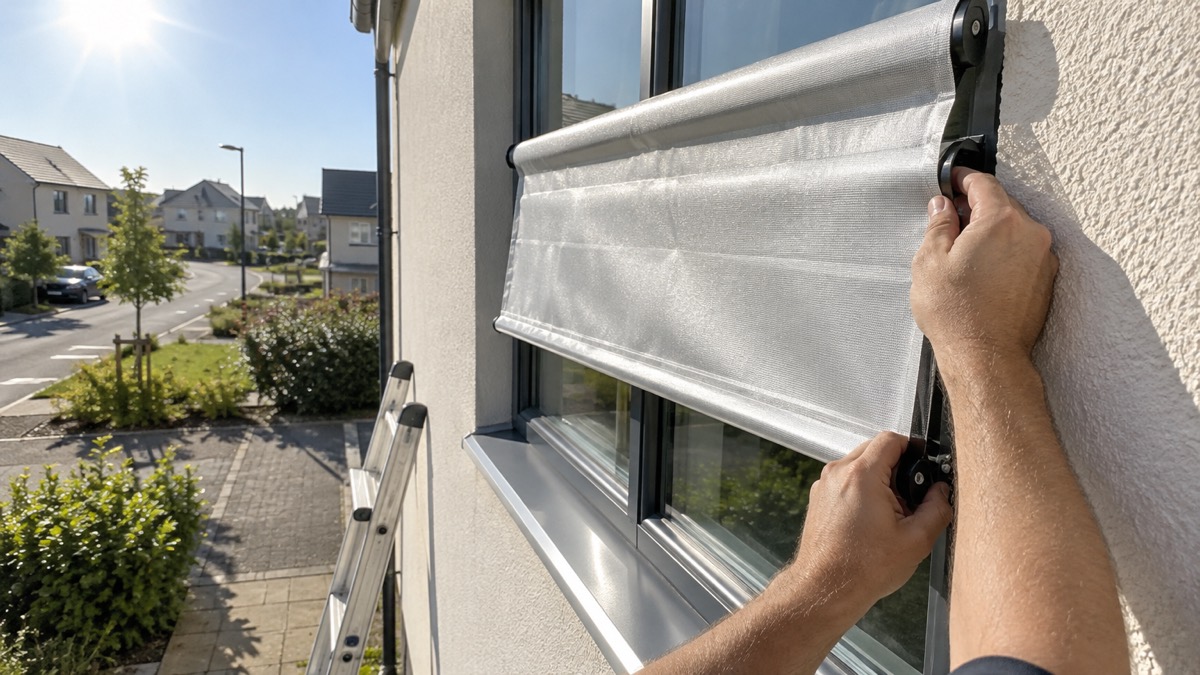
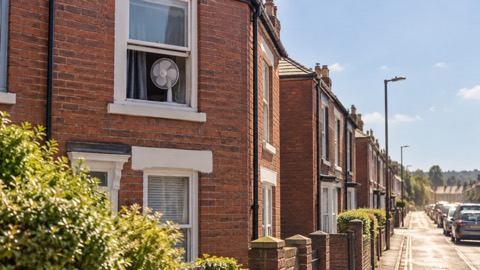
If your newer home holds the heat long after the sun has gone, there is a reason. Official guidance lists the kinds of homes that can sometimes overheat during warmer weather, and several of them describe the way many new homes are built: homes with opening windows on just one side, homes with little shading from the sun, large east, west or south-facing windows without shade, some highly insulated or energy-efficient homes, and homes with restricted opening of windows1. Flats on the top floor overheat because heat rises1.
The practical response is the same whatever the cause. Keep the sun out during the day, let cooler air in when the outside temperature drops below the inside, and move yourself to the coolest room you have. Official advice is to shade and close windows and curtains, especially in rooms that face the sun, and to open windows when the air feels cooler, such as at night2. If you are buying a newly built home, check whether it has been built for future climate conditions3.
A hot home is not just uncomfortable. Official guidance warns that a hot home can worsen existing health conditions and can be fatal1. That makes cooling a room a health measure, not a comfort one, and it makes checking on neighbours part of the same job.
Why heat builds up in a new build home
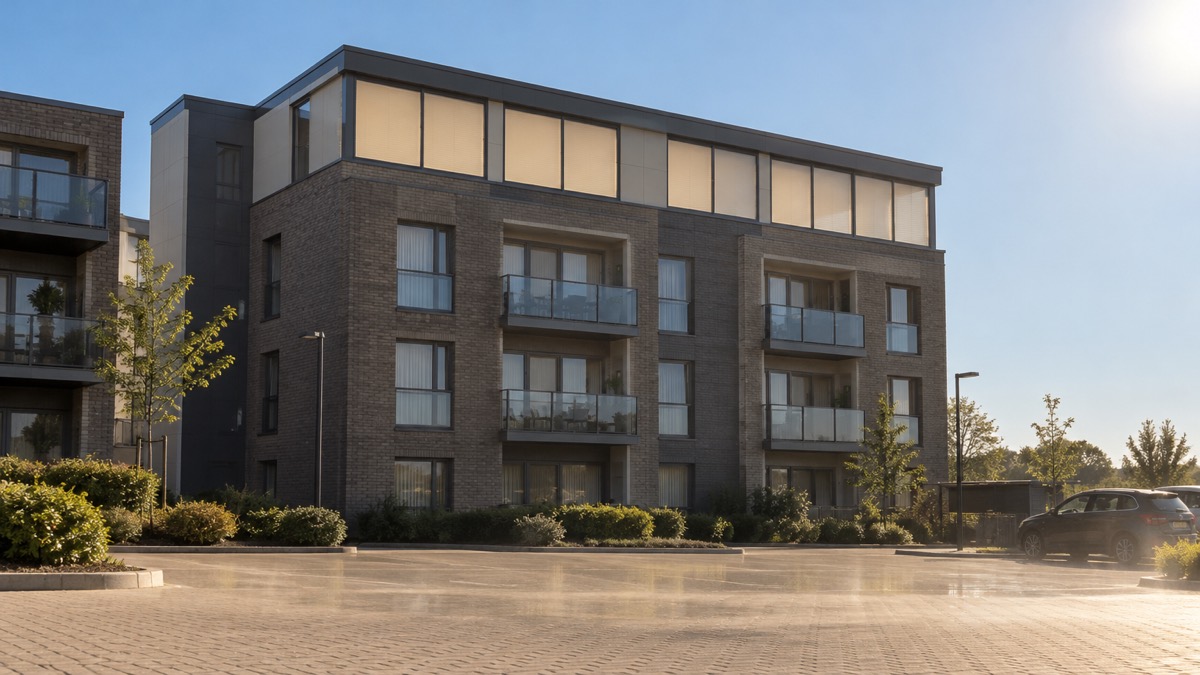
Heat accumulates in a home for two reasons: it gets in, and it cannot get out. New build design affects both.
The first is solar gain. Large east, west or south-facing windows without shade let sunlight straight into the rooms behind them, and homes with little shading from the sun have no trees, overhangs or external blinds to break it up1. A west-facing bedroom window catches the low evening sun just when you want the room to start cooling.
The second is trapped heat. Homes with opening windows on just one side cannot create a through draught, so warm air sits in the room. Homes with restricted opening of windows have the same problem in a different form: the window opens, but not far enough to purge the heat1. Flats on the top floor collect heat from every flat below because heat rises1.
The third is insulation. Some highly insulated or energy-efficient homes are on the official list of homes that can sometimes overheat1. Good insulation keeps heat in during winter and, unless the home is designed to shed heat in summer, it does the same in July. Homes with low efficiency appliances that release excess heat add to the load1.
None of this means your home is defective. It means the building holds warmth, and the household has to manage it actively during a hot spell. The guide to keeping your home cool in hot weather sets out the wider routine; the sections below deal with the specific problem of a home that will not cool down.
Who is most at risk when a home overheats
Heat affects people unequally, and the groups most at risk are wider than most households assume. Official guidance lists people aged 65 and over (a change from previous guidance of 75 and above), children aged 5 and under, people who live alone or are socially isolated, people with long-term health conditions, particularly heart and breathing problems, people taking certain medications, people who need assistance with routine activities, people with difficulty adapting their behaviour in warmer weather, and people at home during the hottest part of the day7.
Other official lists add babies and young children, pregnant people, people with underlying health conditions, people who are physically active and spend a lot of time outdoors, people experiencing homelessness, people who live alone and may be unable to care for themselves, and those who live in top floor flats or homes with restricted or limited windows8. Older people and people with heart, respiratory and other serious health problems are most vulnerable when the temperature starts to rise9. The elderly, young children and those who are sick or overweight are more likely to be affected by extreme heat10.
Two of these deserve particular attention in a new build. The first is the top floor flat, because the building itself raises the risk. The second is the person who lives alone, because nobody is there to notice them becoming unwell.
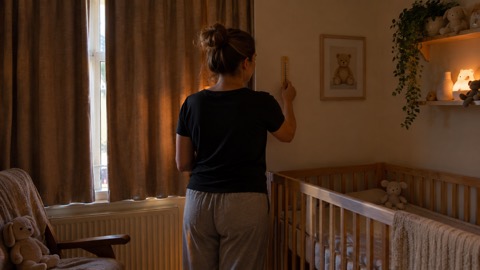
Babies overheat for reasons that are easy to fix once you know them: too much bedding or clothing, or a room that is too hot11. The guide to keeping babies and young children safe in hot weather covers bedding and room temperatures in detail.
| Group | Why the risk is higher |
|---|---|
| People aged 65 and over | Listed in official guidance as at higher risk7 |
| Children aged 5 and under | Listed in official guidance as at higher risk7 |
| People living alone or socially isolated | Nobody present to notice them becoming unwell7 |
| People with heart or breathing conditions | Heat worsens these conditions6 |
| Top floor flat residents | Heat rises through the building1 |
| People at home during the hottest part of the day | Exposed to peak indoor heat7 |
Overheating can worsen heart or breathing conditions
The health effect of a hot home is not mainly about discomfort. Overheating can worsen heart or breathing conditions6. It can make symptoms worse for people who already have problems with their heart or breathing5. Combined with air pollution, it can also worsen breathing problems or heart conditions12.
Hot weather more broadly can increase the risk of having a heart attack or stroke, and can make existing health problems worse, such as lung and heart disease13. It can increase the risk of heart attack, stroke, lung problems and other diseases, and older people, babies and young children are more likely to be unwell because their bodies are less able to regulate temperature2.
There is a second, less obvious route. Official guidance notes that people are more likely to use cooking or heating systems at home that worsen indoor air quality and are less likely to ventilate their homes as they would during warmer weather14. In a home that is already too warm, the instinct to keep windows shut and appliances running works against the people inside it.
If someone in the household has a heart or breathing condition, treat a hot spell as a period of heightened risk rather than an inconvenience. The guide to who is most at risk in hot weather explains how medicines and long-term conditions change the picture, and the guide to medicines that raise the risk of illness in the heat covers the drugs that matter.
Keeping rooms cooler during a hot spell
Cooling a home is a sequence of small actions repeated through the day, not a single fix. The order matters.
During the day, keep the heat out. Keep your home cool by closing windows and curtains in rooms that face the sun15. Shade and close windows and curtains, especially in rooms that face the sun2. The guide to stopping the sun heating your rooms through the windows goes further into shading and glazing.
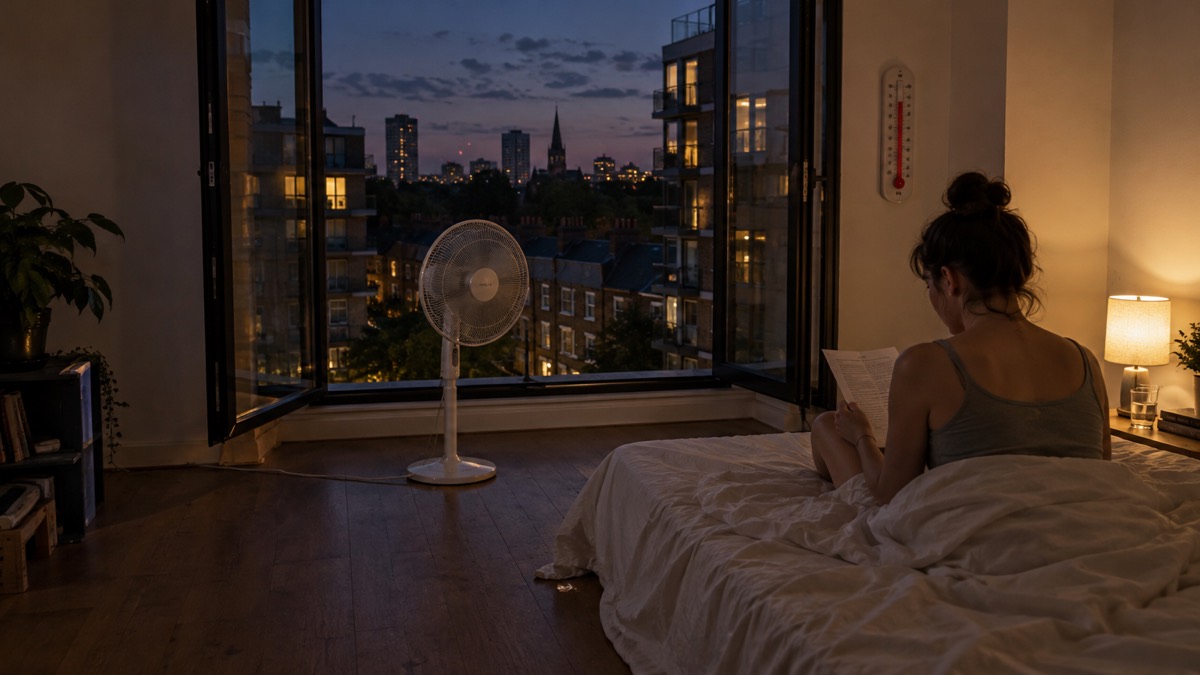
At night, let the cool in. Open windows early in the morning before temperatures rise, and again in the evening once the air outside has cooled below the temperature indoors; keep windows and doors closed while it is hotter outside than in4. Keep windows closed when it is hotter outside than inside, but open them if the room gets too hot16.
Move to the coolest room. Move to a cooler part of the house, especially for sleeping if possible1. The guide to sleeping and cooling a bedroom on hot nights covers the bedroom specifically.
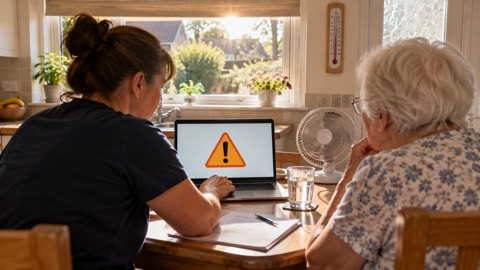
Use a fan with care. At temperatures above 35°C fans may not prevent heat-related illness, and fans can cause excess dehydration; place the fan at a certain distance from people, not aiming it directly at the body, and have regular drinks, especially for sick people confined to bed5. At temperatures above 35°C fans become less effective and can worsen dehydration; do not point a fan directly at yourself4. The guide to whether electric fans are safe when it is very hot sets out the conditions.
Plan for the long term. If insulating or refurbishing your home, ask installers for advice about reducing overheating1.
When to get help for someone affected by the heat
Heat illness escalates, and the response changes with it. Learn the signs before you need them.
Signs of heat exhaustion include headache, dizziness, nausea, excessive sweating, pale skin and cramps19. Symptoms of heatstroke or heat exhaustion include headache; dizziness and confusion; loss of appetite and feeling sick; excessive sweating and pale, clammy skin; cramps in the arms, legs and stomach; fast breathing or pulse; a temperature of 38°C or above; and being very thirsty20. Dizziness, headache, excessive sweating, feeling sick, tiredness or weakness are also listed21.
If someone is affected, move them indoors or to somewhere in the shade; remove extra clothing like jackets or socks; give water, a fizzy drink or other fluid; spray or sponge with cool water (not water made safe to drink); they should start to cool down and feel better within 30 minutes; if there is no improvement or symptoms are worsening, try and get medical help if you can22.
"They should start to cool down and feel better within 30 minutes. If there is no improvement in this time or their symptoms are worsening, try and get medical help if you can."
Where to go for help depends on how unwell the person is. If someone becomes unwell because of the heat, seek medical advice from NHS 111 or their GP23. Be alert and call a doctor or social services if someone is unwell or further help is needed24. If you have concerns about an uncomfortably hot house that is affecting your health or someone else's, get medical advice5. If feeling better but you have concerns, contact your GP or GP out of hours service for advice25.
The guide to heat exhaustion and heatstroke covers the full response, and the guide to when to call 999 or NHS 111 for heat illness sets out the emergency threshold.
Checking on neighbours and getting help where you live
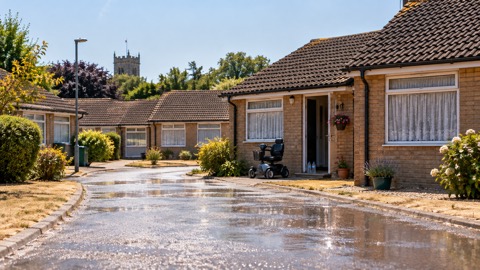
Checking on people is part of the response, not an extra. Check on vulnerable neighbours26. Check in on elderly neighbours, relatives and other vulnerable members of your community who may be more affected by the extreme temperatures27. Check up on friends, relatives and neighbours who may be less able to look after themselves or who are particularly vulnerable to the heat5.
The guide to checking on older and vulnerable neighbours in the heat gives a fuller routine. If you need somewhere cooler to go, the guide to finding a cool space near you explains the options.
Arrangements differ across the UK. In England, the Heat-Health Alert system is run by the UK Health Security Agency with the Met Office, and the guide to signing up for heat-health alerts explains how to receive them. In Northern Ireland, nidirect carries the hot weather advice and the heat exhaustion and heatstroke guidance16.
If you are buying a newly built home, check if it has been built for future climate conditions3. Planning applicants are required to reduce internal overheating risks28, so ask what assessment was done. Research projects are testing low to zero cost adaptation solutions to reduce the risk of overheating, inform future guidance and policy, and reduce health risks associated with extreme heat for residents and staff29.
Sources (29)
- Beat the Heat: keep cool at home checklist, GOV.UK, 2026-07-21
- Beat the Heat: staying safe in hot weather, GOV.UK, 2026-07-21
- Climate adaptation, Barts Health NHS Trust, 2026-10-29
- Stay cool and safe in hot weather, Somerset Council, 2026-07-08
- Heatwaves, Barts Health NHS Trust, 2026-10-29
- Hot weather, Mersey and West Lancashire Teaching Hospitals NHS Trust, 2026-10-29
- Adverse weather events, Llangattock Community Council, 2026-10-25
- Hot weather and heatwaves - Be Ready, prepare.campaign.gov.uk (Be Ready)
- Severe weather planning - Derbyshire County Council, Derbyshire County Council
- Extreme weather, Flintshire County Council, 2026-10-29
- Supporting vulnerable people before and during cold weather for teachers and educational professionals, GOV.UK, 2025-09-24
- Cool spaces to beat the heat in Manchester, Manchester City Council, 2026-10-29
- How to stay safe in hot weather, NHS Inform, 2026-06-11
- Supporting vulnerable people before and during cold weather for healthcare professionals, GOV.UK, 2025-09-24
- Hot weather advice, Scottish Ambulance Service, 2026-10-29
- Hot weather advice, nidirect, 2026-10-05
- Staying safe over the summer, Healthier Together, 2026-10-29
- Beat the Heat, Oxfordshire County Council, 2026
- Heatwave: how to cope in hot weather, South Western Ambulance Service NHS Foundation Trust, 2026-10-29
- Advice for vulnerable people, NHS Norfolk and Suffolk ICB, 2026-05-29
- Summer safety advice, North East Ambulance Service NHS Foundation Trust, 2026-10-29
- Keeping warm or cool in extreme weather: scripts for broadcast media, GOV.UK, 2025-12-16
- Staying well in hot weather, Devon County Council, 2026-07-02
- How to keep cool this summer, Lancashire County Council, 2026-10-29
- Heat exhaustion and heatstroke, nidirect, 2025-12-02
- Heatwave and drought, Essex Prepared, 2026-10-29
- How to stay safe during a heatwave, Dorset and Wiltshire Fire and Rescue Service, 2026-06-23
- Heat risk, Greater London Authority, 2026-10-25
- Keeping cool in heatwaves, Oxfordshire County Council, 2026
 Baby and Child Hot Weather
 Hot Weather Preparation
 Flood Warning Checklist
 Baby's Room Temperature
 Child Dehydration Signs
 Fans in Very Hot Weather
 Signing Up for Heat Alerts
 Heat Rash
 Calling 999 for Heat Illness
 How Much Water to Drink
 Keeping Cool in a Power Cut
 LPG Tank Safety in Hot Weather
 Medicines and Heat Risk
 Checking On Older Neighbours
 Staying Cool in Pregnancy