
Heat rash is a skin reaction to heat and sweat: small red spots or raised bumps that sting or prickle, usually on the face, chest, back and thighs. It happens when sweat glands are blocked because someone is sweating more than normal, and it is not serious. Once the skin cools and sweat can escape again, the rash should go in a few days1.
What to do is simple. Move to a cooler place, take off unnecessary clothing, drink plenty of water, and cool the skin with a cool (not cold) shower or a spray of cool water. Do not use perfumed shower gels or creams, as these can irritate the skin further1. If the itch is troublesome, a pharmacist can suggest calamine lotion, an antihistamine or a low strength hydrocortisone cream1.
The important thing to rule out is heat illness. Heat rash is a rash; heat exhaustion is a whole-body illness with tiredness, weakness, feeling faint, headache, muscle cramps, feeling or being sick, heavy sweating and intense thirst2. If someone feels unwell with a high temperature in hot weather, treat it as possible heat exhaustion and cool them down within 30 minutes3.
What heat rash looks like, and where it appears
Heat rash consists of small red spots or raised bumps that can cause a stinging or prickling feeling on the skin1. The full set of signs is a rash of tiny red spots, blisters or bumps; a prickling or burning feeling on the skin; itchy skin; and redness with mild swelling1. It can appear anywhere on the body, but usually turns up on the face, chest, back and thighs1.
The cause is mechanical rather than infectious. It occurs when sweat glands are blocked because the person is sweating more than normal1. Hot, humid weather, a warm bedroom, tight clothing or too many layers all keep sweat on the skin, and the glands that should carry it away become blocked. That is why the rash tends to appear in the places where clothing sits close or sweat collects.
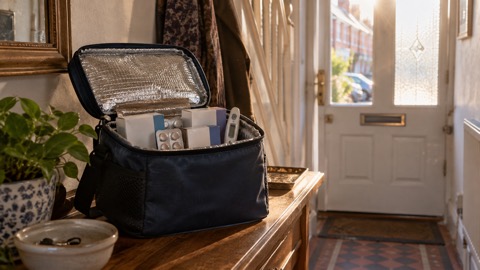
Some medicines make sweating less effective, which raises the risk of heat problems generally. Guidance for Berkshire lists medications that interfere with sweating, such as anticholinergics or beta blockers, among the things that increase risk in hot weather6. If you take either and are struggling in the heat, speak to your pharmacist or doctor rather than stopping anything yourself7.
It helps to know what heat rash is not. A rash that starts as tiny red or pin-prick spots and develops into larger red or purple blotches that look like bruises is not heat rash: that is the rash associated with septicaemia, caused by blood leaking into the tissues under the skin, and it needs urgent assessment8. A measles rash is different again: it usually appears 2 to 4 days after cold-like symptoms started, beginning on the face and behind the ears before spreading9.
Self-care at home: cool the skin, drink water, skip the perfume
The aim of self-care is to stop the sweating that blocked the glands and let the skin settle. Official heat illness advice is to move to a cooler place, remove unnecessary clothing or accessories, drink fluids such as water or a rehydration drink, and apply cool water to exposed skin using a spray or sponge while fanning the person quickly10. For heat rash specifically, tell them to drink lots of water to prevent them becoming dehydrated1.
Cooling the skin directly is the main treatment:
- Take cool (not cold) baths or showers, and splash yourself with cool water11.
- Fill spray bottles with cool water to use on your face and body12.
- Sprinkle water over the skin or clothing, or keep a damp cloth on the back of your neck13.
- Have plenty of cold drinks, and avoid excess alcohol, caffeine and hot drinks13.
- Eat cold foods, particularly salads and fruit with a high water content13.
Clothing and bedding matter as much as washing. Loose, light layers let sweat escape; tight waistbands, synthetic fabrics and heavy duvets trap it. If the itch is worse at night, the cause is usually a warm bedroom, so cooling the room before bed and using lighter bedding does more than scratching. There is more on this in our guide to how to sleep and cool a bedroom on hot nights.
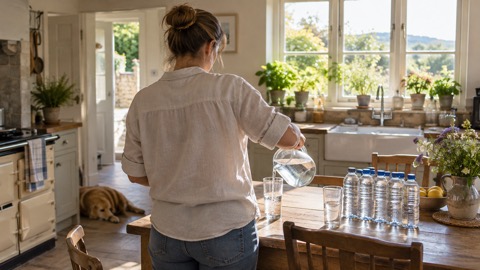
Keep an eye on how much everyone is drinking in the heat. Our page on how much water to drink in hot weather sets out what to aim for, and dehydration in hot weather explains the signs to watch for, particularly in children.
Heat rash is not serious, and should go in a few days
If someone has these symptoms, the rash is not serious and should go in a few days1. That is the reassuring headline: heat rash is uncomfortable rather than dangerous, and it resolves once the skin cools and the sweat glands clear.
It helps to put that timescale beside other hot weather skin and heat problems, so you know what to expect and when to ask for help:
| Problem | What it is | Typical course |
|---|---|---|
| Heat rash | Blocked sweat glands causing tiny red spots or bumps1 | Not serious, should go in a few days1 |
| Sunburn | Skin damage from the sun | Usually gets better in 7 days14 |
| Minor burns and scalds | Damage from heat or hot liquids | Normally heal in around 14 days and leave little scarring15 |
| Heat exhaustion | Overheating that you can usually cool down from | Not usually serious if you can cool down within 30 minutes16 |
If the rash has not settled after several days, or it is spreading, weeping, or hot and painful to touch, that is no longer the simple picture and is worth a conversation with a pharmacist or GP. Equally, a rash with a high temperature, drowsiness or confusion is not heat rash and should be treated as possible heat illness.
When to see a pharmacist, and what they can offer
A pharmacist is the right first stop for an itchy heat rash that is not settling. They may prescribe calamine lotion, an antihistamine, or low strength hydrocortisone cream1. Calamine lotion can help soothe itching, irritated skin, rashes and sunburn, and gels and mousses are also available for some rashes17.
If you are worried about someone else's health, contact your local pharmacist, your GP or NHS 111, who will all be able to help5. If your medicines seem to work differently during hot weather, speak to your pharmacist or doctor7. If you have any concerns about your medication in hot weather, speak to your pharmacist or healthcare professional18.
Heat rash or heat exhaustion? How to tell the difference
This is the distinction that matters most, because one is a nuisance and the other can become an emergency. Heat rash is a skin rash. Heat exhaustion is when the temperature inside the body rises to 37 to 40C or above15, and it can develop quickly over a few minutes, or gradually over several hours or days19.
The symptoms of heat exhaustion are tiredness, weakness, feeling faint, headache, muscle cramps, feeling or being sick, heavy sweating and intense thirst2. The symptoms are often the same in adults and children, although children may become irritable too20. Heat exhaustion can come on gradually or suddenly20.
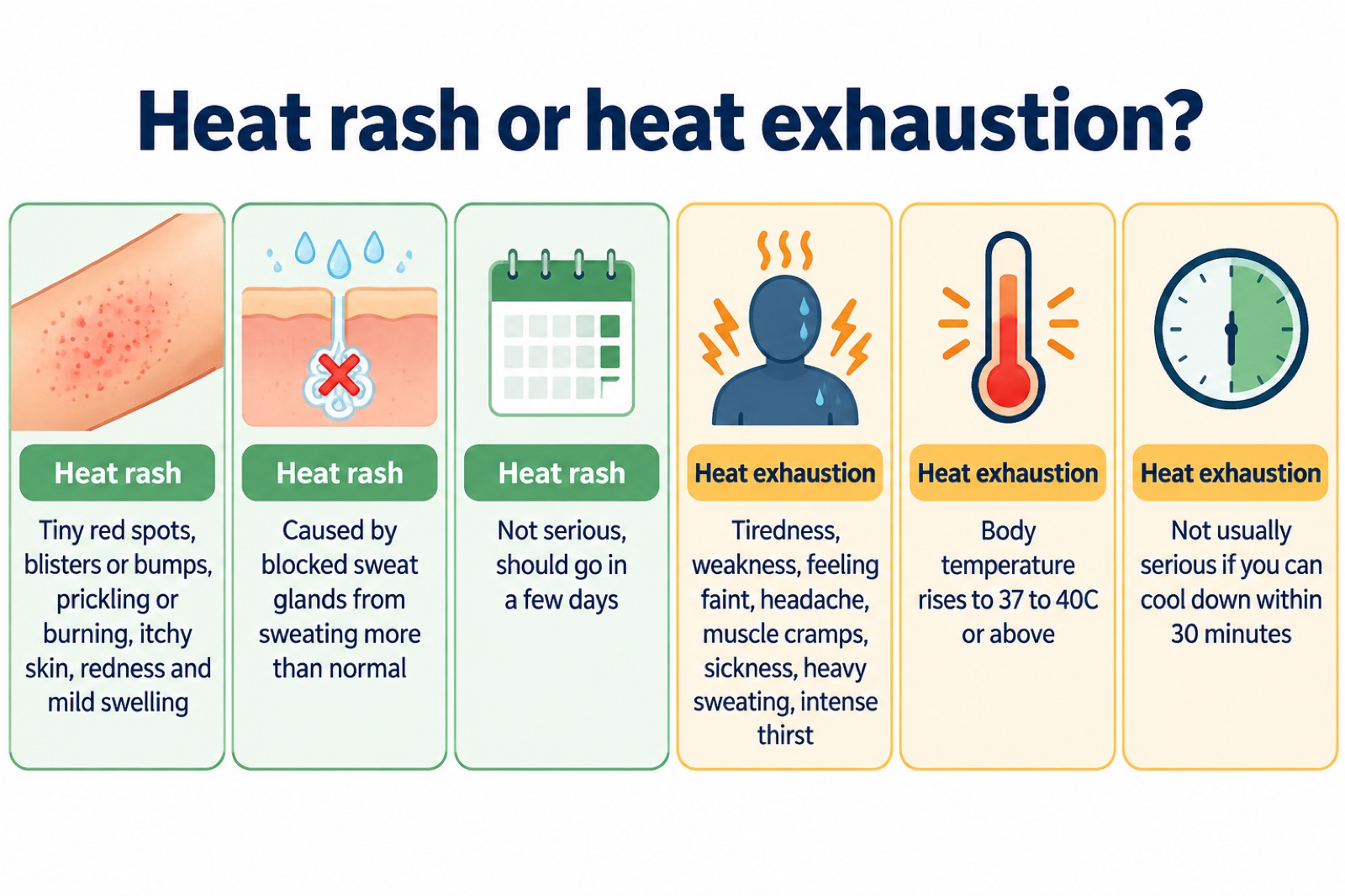
If you or someone else feels unwell with a high temperature during hot weather, it may be heat exhaustion or heatstroke3. Heat exhaustion does not usually need emergency medical help if you can cool down within 30 minutes, but call 999 if you suspect it has turned into heatstroke16. Dehydration leading to heat exhaustion or heatstroke requires urgent treatment21, and heat exhaustion or heatstroke can develop quickly over a few minutes, or gradually over several hours or days19.
Our guide to heat exhaustion and heatstroke sets out the full signs and what to do, and when to call 999 or NHS 111 for heat illness covers the decision in detail. If you are checking on someone else, our page on who is most at risk in hot weather explains why older people, babies and people on certain medicines need closer watching.
Babies and young children: the same rash, a closer eye
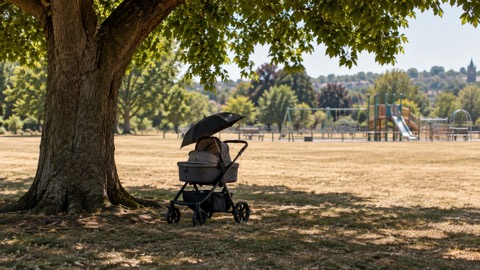
Heat rash in a baby looks the same as in an adult, and the self-care is the same: cool the skin, keep them lightly dressed, and avoid perfumed products1. What differs is the margin for error. Babies and young children can be seriously affected in very hot weather by dehydration, heat exhaustion and heatstroke, and sunburn22.
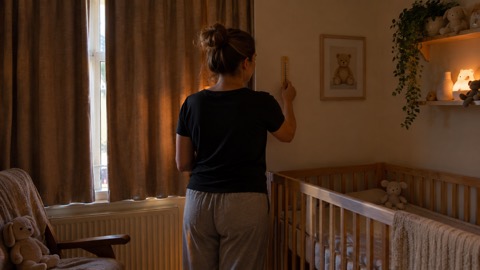
Overheating in babies has its own causes: too much bedding or clothing, or a room that is too hot23. Dress a baby in light layers, use lighter bedding in hot weather, and check the back of the neck rather than the hands to judge temperature. Our guide to keeping babies and young children safe in hot weather goes through this in detail, and the baby and child hot weather checklist is a practical list to work from.
Watch for the signs that this is more than a rash. A child who develops a rash, itchiness or swelling on their hands, feet or face, whose breathing may slow down, or who vomits or has diarrhoea, may be having a severe allergic reaction and needs urgent help24. A child who is drowsy, irritable, has a high temperature or is not drinking is also a reason to seek advice rather than wait.
Preventing heat rash during a heatwave
Prevention is the same cooling advice, applied before the rash appears. If a heat wave is forecast, plan your day to stay out of the heat, and avoid going out in the hottest part of the day, between 11am and 3pm21. Cover up in the sun, limit time outside, particularly in the middle of the day, and drink plenty of water to remain hydrated18.
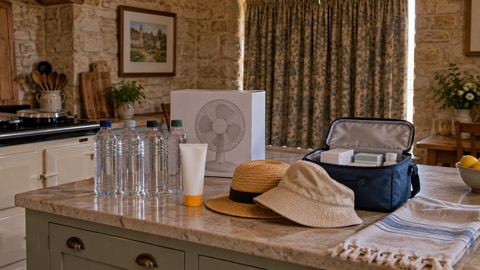
Before a hot spell, check that fridges, freezers, fans and air-conditioners are working properly12. Fill spray bottles with cool water to use on your face and body12. Have appropriate sun cream for your particular type of skin21. And keep the home itself cooler where you can: our guide to keeping your home cool in hot weather covers shading windows, ventilation and when to open and close them.
A few habits make a difference day to day:
- Wear loose, light clothing so sweat can escape, and change out of damp clothes.
- Shower cool rather than hot, and pat the skin dry rather than rubbing.
- Avoid perfumed shower gels and creams1.
- Keep bedrooms cooler before bedtime, and use lighter bedding.
If you take medicines that interfere with sweating, such as anticholinergics or beta blockers, plan ahead with your pharmacist or doctor6. Our page on medicines that raise the risk of illness in the heat explains more, and the hot weather preparation checklist is a full list to work through before a heatwave arrives.
Sources (24)
- Heat rash, St John Ambulance, 2026
- Coping with hot weather in London, Greater London Authority, 2026
- Heatwave: how to cope in hot weather, NHS, 2026
- Hot weather advice, nidirect, 2026
- Hot weather, Prepare campaign, UK Government, 2026
- Staying well in hot weather, Berkshire Healthcare NHS Foundation Trust, 2026
- Weather safety, Oxford Health NHS Foundation Trust, 2026
- Meningitis Glass Test - Meningitis Rash Test | Meningitis Now, Meningitis Now
- Measles factsheet, UK Health Security Agency, 2026
- Heatstroke and heat illness, NHS inform, 2026
- Hot weather and its impacts, Met Office, 2026
- Heatwave, Lancashire Prepared, 2026
- Hot weather advice, NHS Central East Integrated Care Board, 2026
- Safety in Summer :: West Yorkshire Healthier Together, West Yorkshire Healthier Together
- Burns and scalds, NHS inform, 2026
- Severe weather, West Yorkshire Prepared, 2026
- Newborn essentials and first aid, NHS 111 Wales, 2021
- Heat wave, Wiltshire and Swindon Prepared, 2026
- Heat exhaustion and heatstroke, nidirect, 2025
- The difference between heatstroke and heat exhaustion, British Red Cross, 2026
- Be prepared: heatwave, Lancaster City Council, 2026
- Summer safety, Cheshire and Wirral Partnership NHS Foundation Trust, 2026
- Supporting vulnerable people before and during cold weather, UK Government, 2025
- Basic first aid, Royal Wolverhampton NHS Trust, 2026
 Baby and Child Hot Weather
 Hot Weather Preparation
 Flood Warning Checklist
 Baby's Room Temperature
 Child Dehydration Signs
 Fans in Very Hot Weather
 Signing Up for Heat Alerts
 Calling 999 for Heat Illness
 How Much Water to Drink
 Keeping Cool in a Power Cut
 LPG Tank Safety in Hot Weather
 Medicines and Heat Risk
 New Build Overheating
 Checking On Older Neighbours
 Staying Cool in Pregnancy