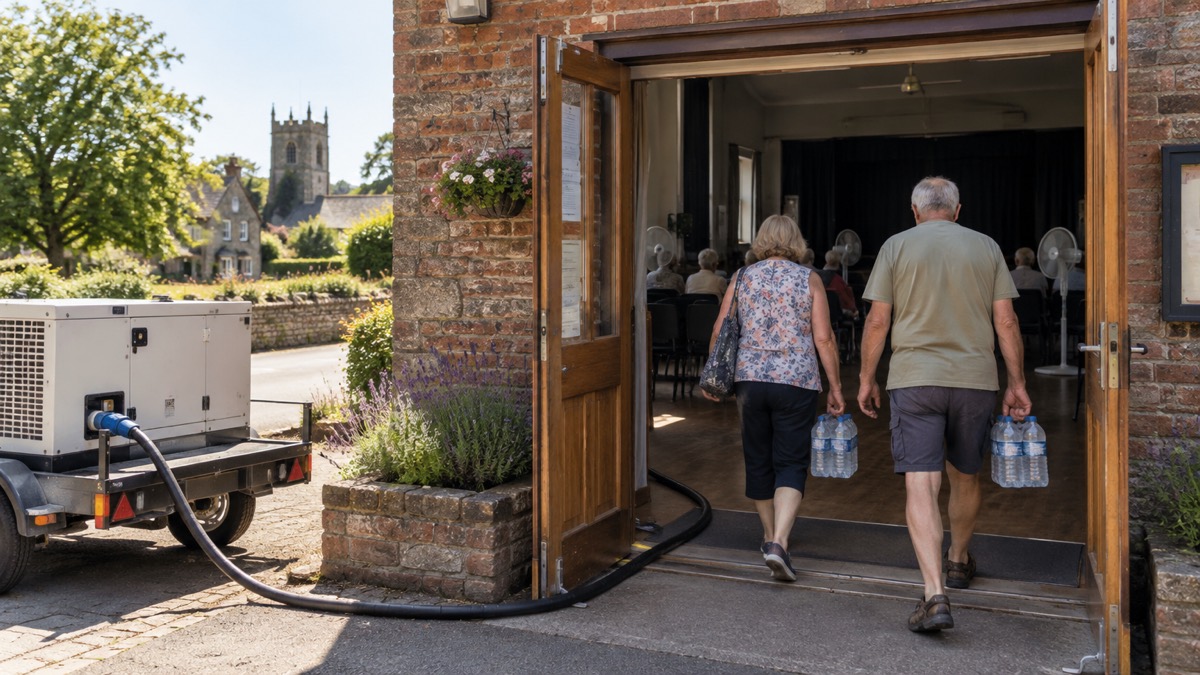
A power cut in hot weather takes away the two things most households rely on to stay comfortable: fans and air conditioning. The first thing to do is simple and needs no electricity at all. Put on light, loose-fitting cotton clothing, covering as much of the skin as possible, and drink extra cold fluids while avoiding alcohol, caffeine and hot drinks1. Then shut the heat out of the rooms you are using, and open them up again once the air outside is cooler.
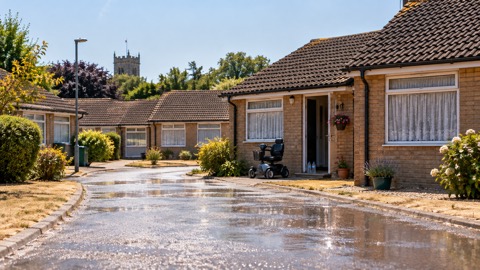
The second thing is to know who around you is most at risk. Older people, those with underlying health conditions and those who live alone are particularly vulnerable when it is hot, and a power cut removes the fans and cooling they may depend on3. Check on them early, and again through the day.
The third is to know where information and help will come from. The power cut helpline is 105, and it is worth having that number somewhere you can find it without a phone screen4. Heat-Health Alerts, issued by the UK Health Security Agency, tell you how serious the hot weather is expected to be, and you can check them before and during an outage5.
Stay cool without power: what to wear and drink
Clothing does most of the work when the power is off. Official advice is to wear light, loose-fitting cotton clothes, covering as much of the skin as possible1. Loose cotton lets air move against the skin and does not trap heat the way synthetic fabrics can. If you go outdoors, add a hat and sunglasses8. The point is not fashion but body temperature: without a fan or air conditioning, what you wear is the main thing regulating how hot you feel.
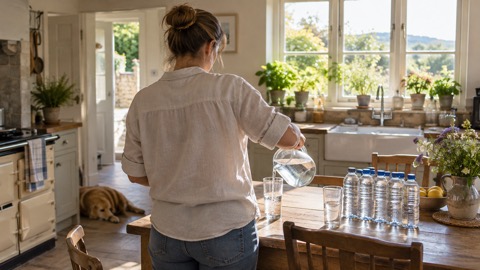
Drinking matters just as much. Have cold food and regular cold drinks, drink extra fluids, and avoid alcohol, caffeine and hot drinks, which can dehydrate you2. The fire and rescue service gives the same message in its hot weather safety advice: drink plenty of fluids, water if possible, and avoid alcohol, tea and coffee9. Keep a jug or bottles of water where you are sitting rather than in a kitchen you have to keep getting up to visit.
If you must be active, move it. Avoid strenuous activity during the hottest part of the day and plan activities for cooler times like early morning or evening10. If you cannot avoid outdoor work such as gardening or DIY, keep it for the cooler parts of the day, stay in the shade, and take plenty of water11. Heat exhaustion builds quietly; pacing yourself is part of staying well.
Keep your home cool by shutting out the heat
The principle is to keep the heat outside while it is hotter outdoors, and let cooler air in when the day turns. Close the curtains in rooms that face the sun and make sure there is plenty of ventilation7. Shut windows and pull down the shades when it is hotter outside; if it is safe, open them for ventilation when it is cooler12. Keep windows that are exposed to the sun closed during the day, and open windows at night when the temperature has dropped7.
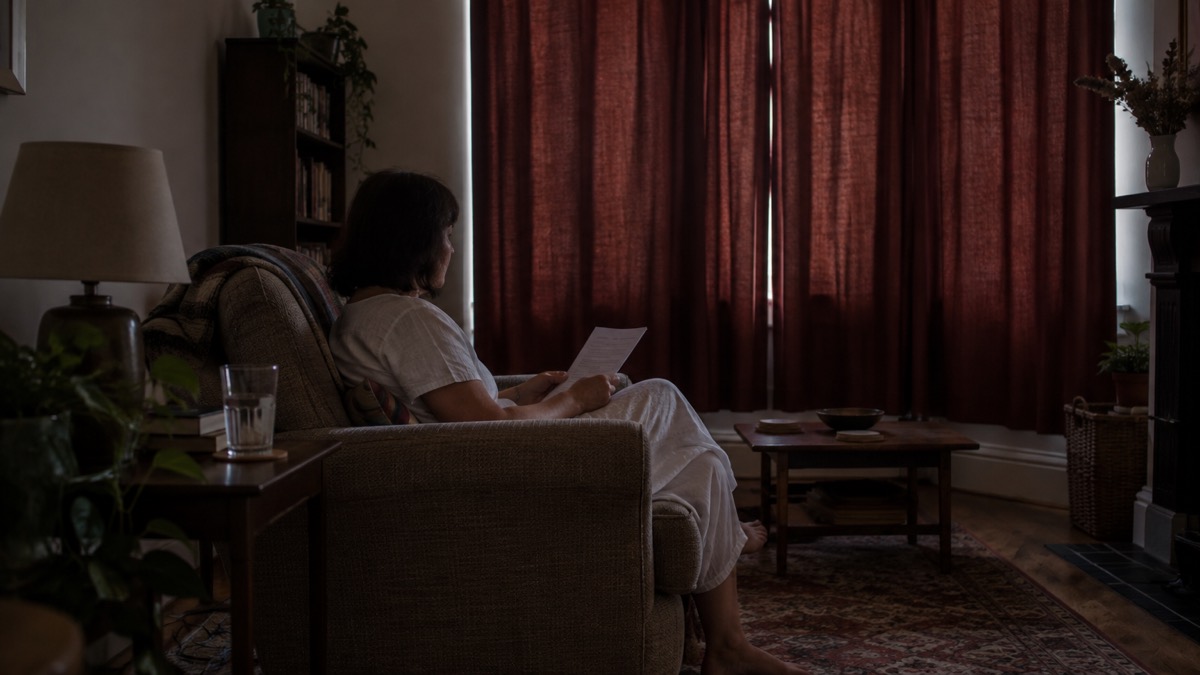
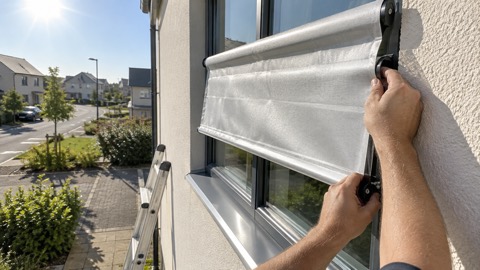
Shading from outside works better than shading from inside. Keep rooms cool by using shades or reflective material outside the windows; if that is not possible, use light-coloured curtains and keep them closed, because metallic blinds and dark curtains can make the room hotter11. Closing curtains or blinds, or shading windows, is the standard advice for keeping a home cool13.
A few household checks help too. Check that your heating is turned off14. Turn off any appliances you do not need, and check that your fridge and freezer are working properly7. During a power cut, keep fridge and freezer doors closed to protect the temperature inside15. If you have a fan that runs on batteries, use it to cool the room down, but do not rely on it: the power may be out for hours.
Check for a heat health alert before and during a power cut
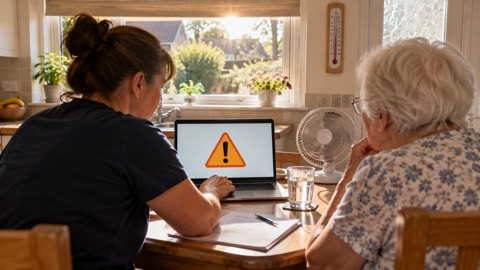
Heat-Health Alerts are the official signal of how dangerous the hot weather is expected to be. The service runs from green, when no alert is issued because conditions are likely to have minimal impact on health, upwards when hot weather is likely to affect health5. Alerts are published by the UK Health Security Agency, and you can check the current level for your area before and during a power cut5.
The general advice attached to heat health alerts is to stay hydrated, avoid the hottest part of the day, keep indoor spaces cool where possible, and check on vulnerable people10. Listen to alerts on the radio, TV and social media about keeping cool16. With the power off, a battery or wind-up radio is more useful than a phone you are trying to conserve.
| Alert level | What it means for you |
|---|---|
| Green (summer preparedness) | No alert is issued because conditions are likely to have minimal impact on health, but organisations should have plans in place5 |
| Higher levels | Issued when hot weather is likely to affect health; check the current level for your area5 |
The levels are explained in more detail on our page on Heat-Health Alerts: Yellow, Amber and Red Explained, and you can find out how to receive them on How to Sign Up for Heat-Health Alerts. If you are unsure whether an alert is in force, treat hot weather with the same care anyway: the basic actions, shade, fluids and checking on others, do not depend on the alert level.
Who is most at risk when it is hot and the power is off
Some people struggle to keep themselves cool and hydrated, and a power cut makes that harder. Older people, those with underlying health conditions and those who live alone are particularly at risk3. The Met Office adds that this includes people who cannot adapt their behaviour to keep cool, and those exposed to high levels of heat because of where they live or work17. Babies and young children, the bed bound, and people with drug or alcohol addictions may also find it hard to keep cool18.
A power cut adds a second layer of risk. Older adults, babies and young children, and people with long-term health problems are most likely to become ill if they get too cold during an outage, which is the mirror image of the heat risk and a reminder that the same households need checking on in either extreme19. If someone in your household depends on electrical equipment for their health, plan for what happens when it stops, and tell your electricity network operator in advance.
- Older people: may not feel thirsty and may not notice rising heat3
- People with underlying health conditions: more likely to become unwell in heat3
- People living alone: no one to notice if they deteriorate3
- Babies and young children: find it hard to keep cool18
- Bed bound people: cannot move to a cooler room18
Our page on Who Is Most at Risk in Hot Weather goes into more detail, and How to Check On Older and Vulnerable Neighbours in the Heat sets out what a useful check looks like.
Cool showers, damp cloths and getting through the night
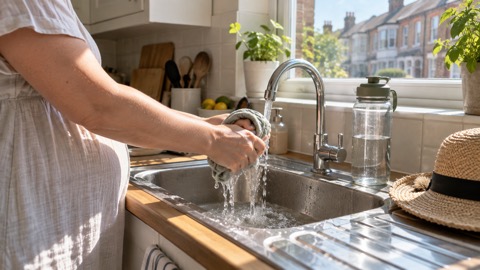
When the power is off, water is your cooling system. Have a cool shower or put cool water on your skin or clothes2. A damp cloth on the wrists or the back of the neck does the same job when a shower is not practical. Do not make the water painfully cold, especially for someone who is already unwell; the aim is to cool gradually.
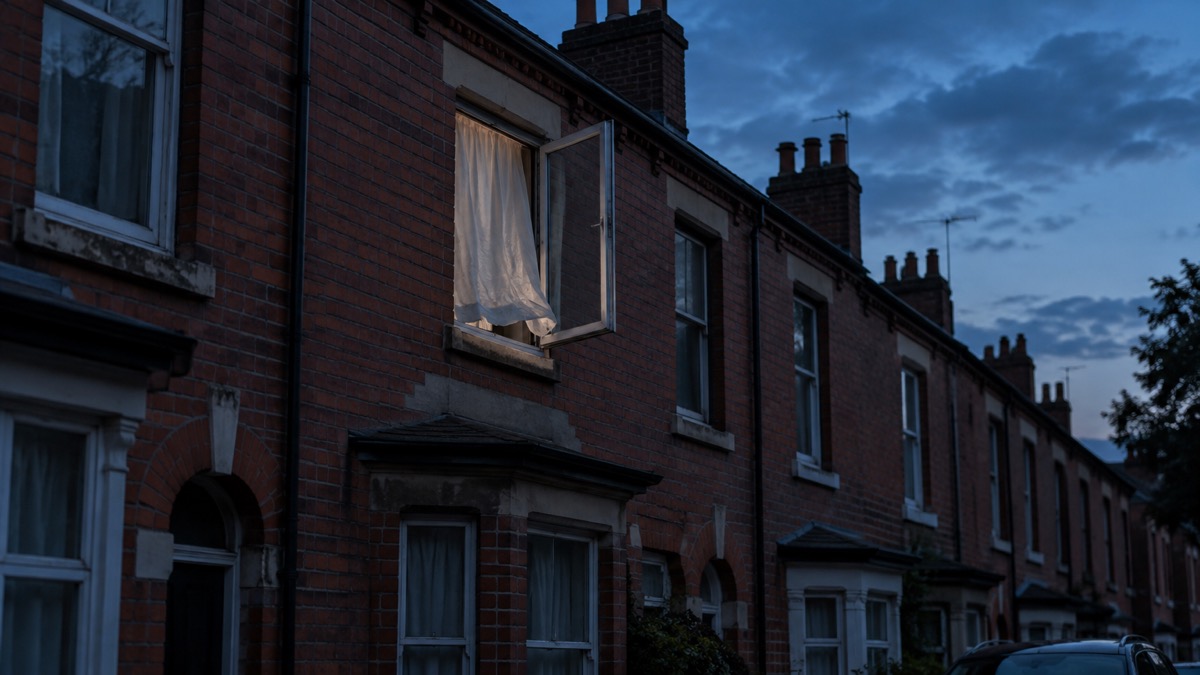
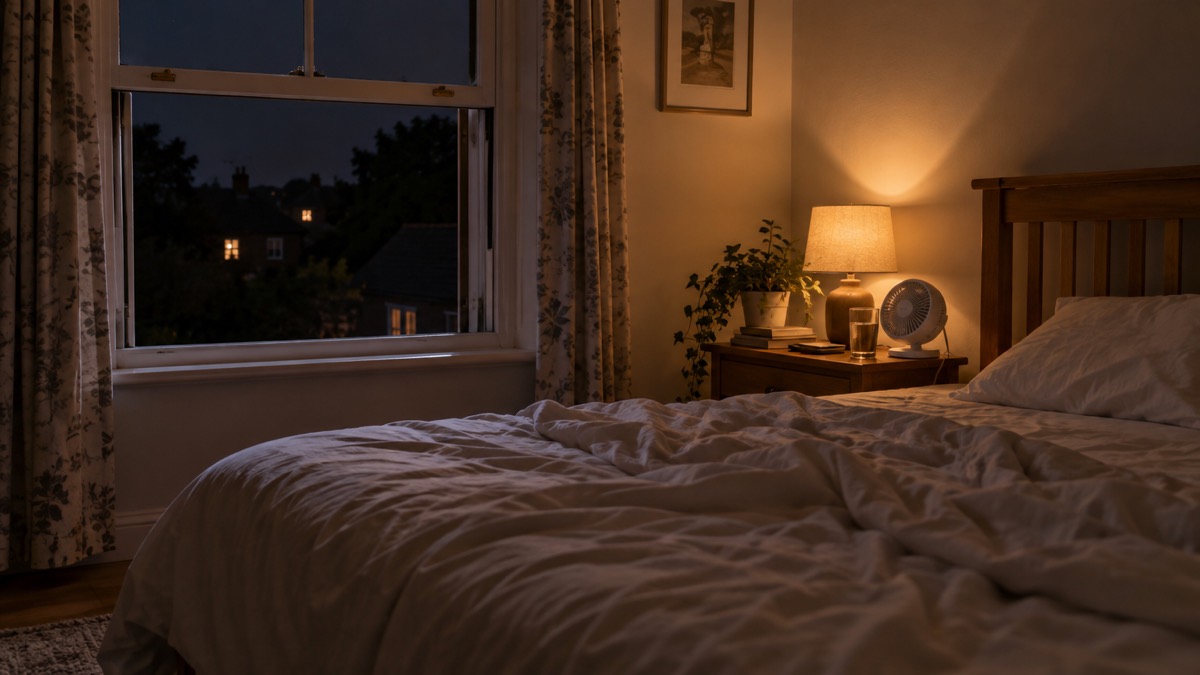
Nights are the hardest part of a hot power cut, because the bedroom holds the day's heat and a fan is not available. At night, keep your sleeping area well ventilated; night cooling is important as it allows the body to recuperate17. Open the windows once the outside air is cooler than the room, and keep the curtains or blinds closed through the day so less heat builds up7. Light, loose cotton bedding helps, and so does a cool shower before bed.
If you have a battery fan or power bank, charge it before an expected outage and use it sparingly at night. Our pages on How to Sleep and Cool a Bedroom on Hot Nights and Cordless Rechargeable Fan or Mains Fan cover the detail. For the wider question of what to have ready before an outage, see Power Cuts: A Household Guide.
Where to get help during a power cut in hot weather
Start with your electricity network operator. Depending on where you live, you can get information about power cuts from the websites of National Grid (formerly Western Power) or Scottish and Southern Electricity Network20. The power cut helpline number is 105, and it is worth having it somewhere accessible4. If it is a localised power cut, you may be able to stay with friends or relatives until your power is back on21.
Check whether your neighbours have power too. If they have power and you do not, your trip switch may have activated22. Leave a light on so you know when your power comes back, switch off appliances that could pose a hazard, keep a mobile phone charged, and write down important phone numbers21. If you are anxious, tell a friend or neighbour, and check on vulnerable neighbours or family15.
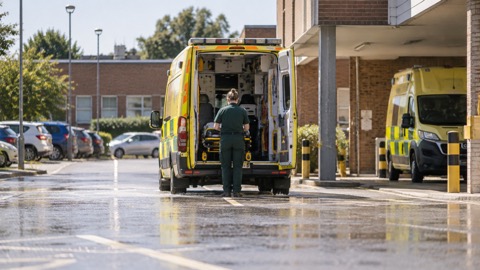
If someone becomes seriously unwell in the heat, cool them down as quickly as possible using whatever is available: water, ice packs, a fan, or a cool wet sheet, while you wait for help10. Our page on When to Call 999 or NHS 111 for Heat Illness sets out the warning signs, and Heat Exhaustion and Heatstroke: Signs and What to Do explains what to look for.
Sources (23)
- Tips to prepare for a power cut, Electricity North West
- Heatwave: how to cope in hot weather, NHS
- How to cope in hot weather, Keeping Well North West London
- 10 things you should do now to prepare for summer, Met Office
- Heat-health alert service, Met Office
- Keeping cool, Derbyshire County Council
- Staying well in hot weather, Berkshire Healthcare NHS Foundation Trust
- How to keep cool this summer, Lancashire County Council
- How to stay safe during a heatwave, Devon and Somerset Fire and Rescue Service
- Stay cool and safe in hot weather, Somerset Council
- Be prepared, Lancaster City Council
- Adverse weather events, Llangattock Community Council
- Guidance at home, Oxford Health NHS Foundation Trust
- Beat the heat: keep cool at home checklist, GOV.UK
- Power cuts, Wigan Council
- Severe weather planning, Derbyshire County Council
- Hot weather and its impacts, Met Office
- Weather and health, Public Health Wales
- Power cuts, Prepare campaign
- Safety in severe weather conditions, Devon and Somerset Fire and Rescue Service
- Power cuts, West Yorkshire Prepared
- Stay safe in snow, Met Office
- Hot weather, Ready Scotland
 Baby and Child Hot Weather
 Hot Weather Preparation
 Flood Warning Checklist
 Baby's Room Temperature
 Child Dehydration Signs
 Fans in Very Hot Weather
 Signing Up for Heat Alerts
 Heat Rash
 Calling 999 for Heat Illness
 How Much Water to Drink
 LPG Tank Safety in Hot Weather
 Medicines and Heat Risk
 New Build Overheating
 Checking On Older Neighbours
 Staying Cool in Pregnancy