Gas and Heating Failures: A Household Guide
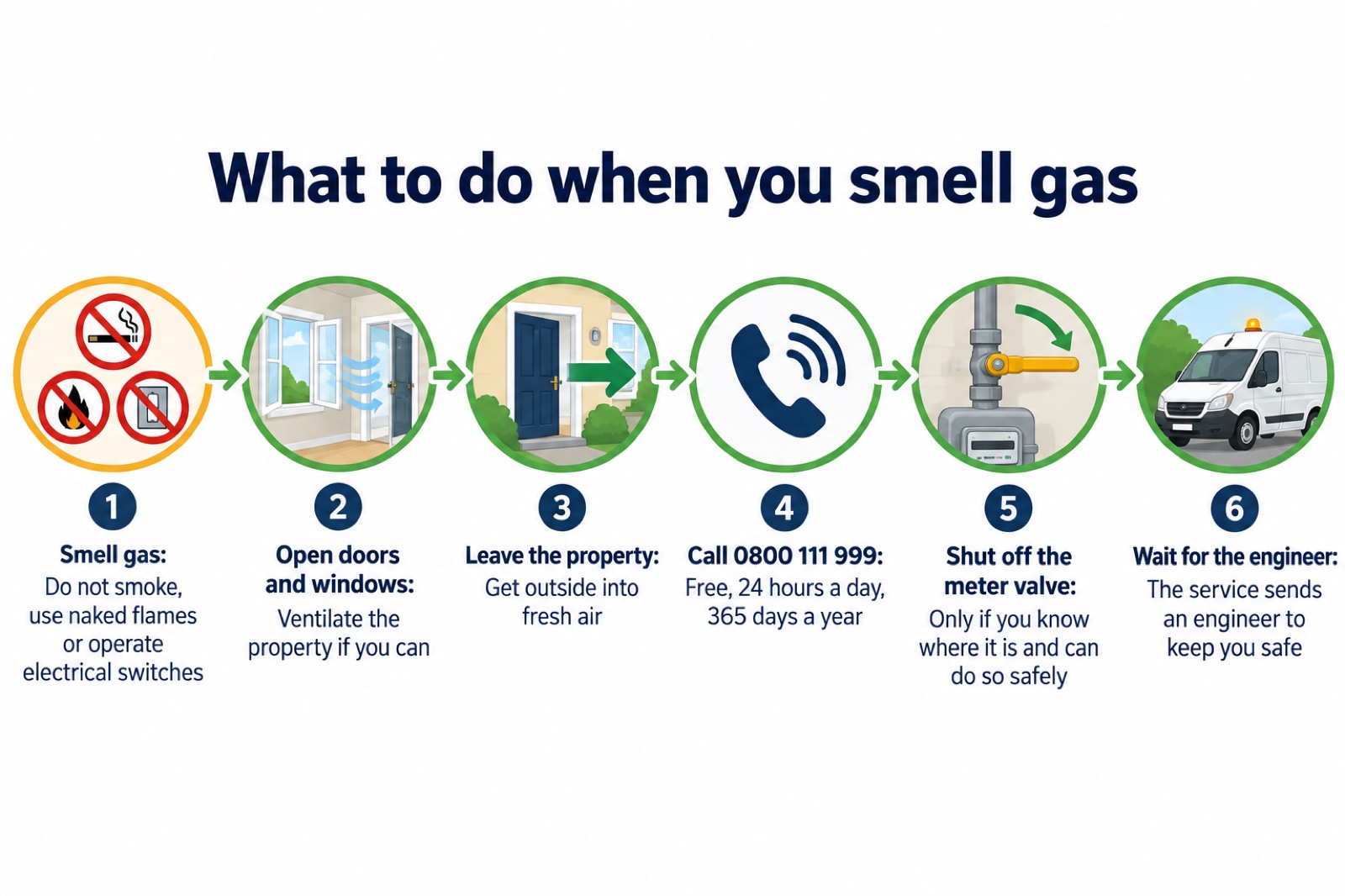
If you smell gas, open a window if you can, leave the property immediately and call the National Gas Emergency Service on 0800 111 999 in England, Scotland or Wales. Do not smoke or use naked flames. In Northern Ireland, turn off the emergency control valve in the meter box and call the 24-hour Gas Emergency Service on 0800 002 001.1
If there is no smell of gas and the supply has simply stopped, contact your supplier. If the boiler alone has stopped, do not attempt gas work yourself: use the safe household checks below, arrange a Gas Safe registered engineer where needed, and use electric heating or cooking alternatives while electricity is available.2
If you smell gas
Treat a distinctive sulphur-like smell, or hissing near a gas appliance or meter, as a possible leak. Do not wait to see whether the smell disappears. The immediate steps below come from local authority and emergency planning guidance; our wider home emergencies guide also covers gas leaks, fire and carbon monoxide.9
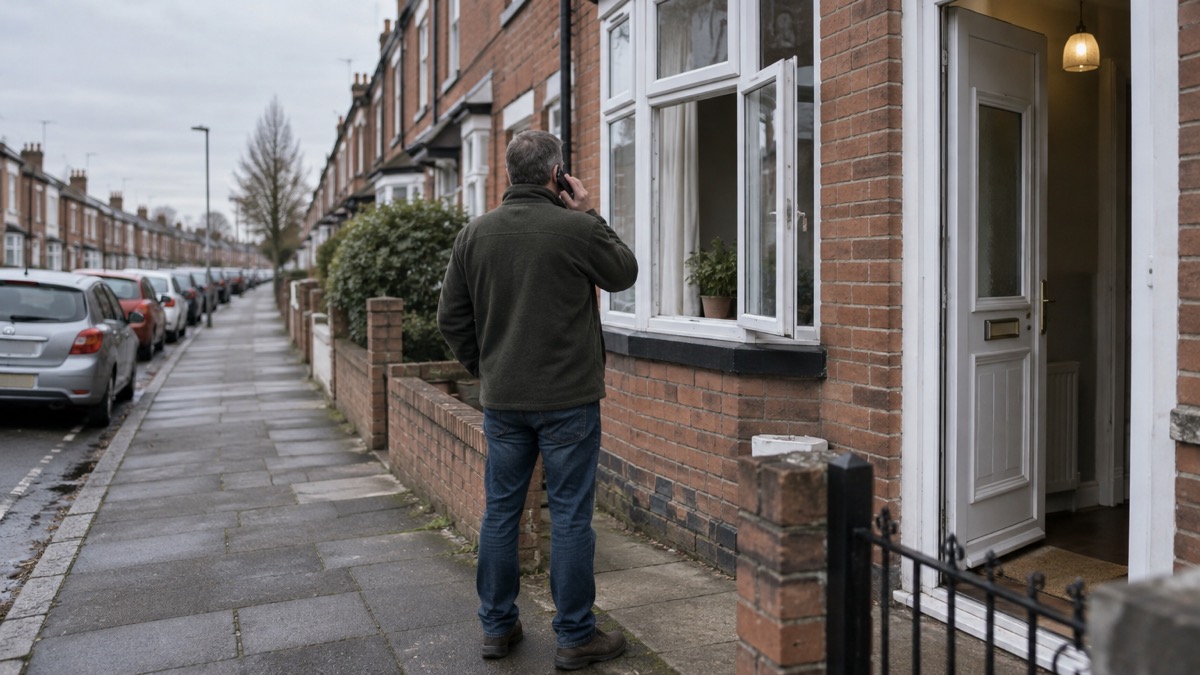
- Open doors and windows to ventilate the property.
- Extinguish all naked flames and do not smoke.
- Do not turn electrical power or light switches on or off.
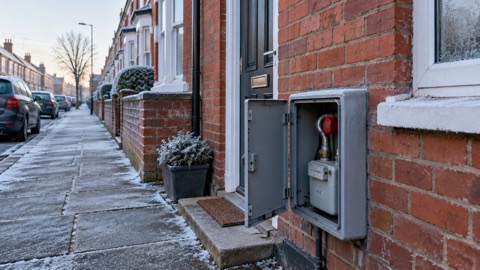
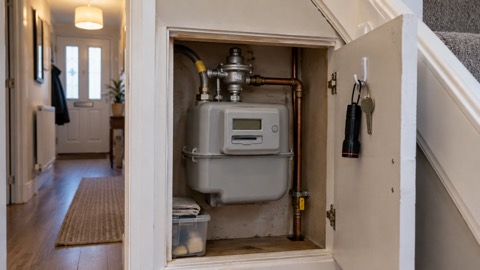
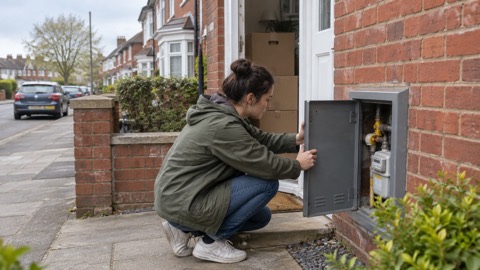
- Turn off the gas at the meter, unless the meter is in a cellar. Do not enter a cellar if the smell is coming from there.
- Leave the property immediately and call 0800 111 999 in England, Scotland or Wales. In Northern Ireland, call 0800 002 001.1
The National Gas Emergency Service guide explains when to ring and what happens next. The service is available 24 hours a day, 365 days a year and will send an engineer to keep you and your property safe. That visit is to make things safe; it does not remove the need for a Gas Safe registered engineer to repair an appliance.10
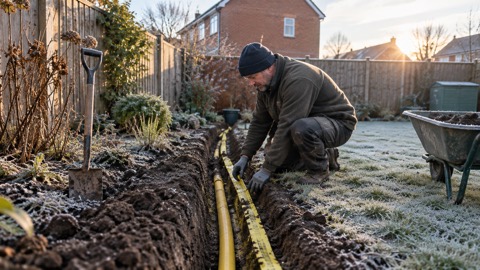
Learn the location of the emergency control valve before an emergency with the household preparation guide. If digging in the garden or near the property, read about checking before you dig and hitting a buried pipe rather than waiting until a pipe is damaged.
If you suspect carbon monoxide
Headaches, dizziness or nausea can be reasons to suspect carbon monoxide in the home, particularly alongside concern about a combustion appliance. An alarm activation also needs immediate action. Do not continue using a suspected appliance while you wait for somebody to inspect it.11
The Health and Safety Executive for Northern Ireland's TASK checklist says to:
- Turn off or extinguish the heating source or appliance if it is safe to do so.
- Air the home by opening windows and doors, then stay outside in fresh air.
- Seek medical help if you feel unwell.
- Keep heating sources and appliances off until they have been serviced, or chimneys and flues cleaned, by a qualified professional.4
The NHS advises calling the free National Gas Helpline immediately on 0800 111 999 if you think a gas appliance is leaking carbon monoxide. In Northern Ireland, the gas emergency number is 0800 002 001. If poisoning is suspected, visit your GP urgently, explain that you believe the symptoms could be carbon monoxide poisoning and request a blood or breath sample.12
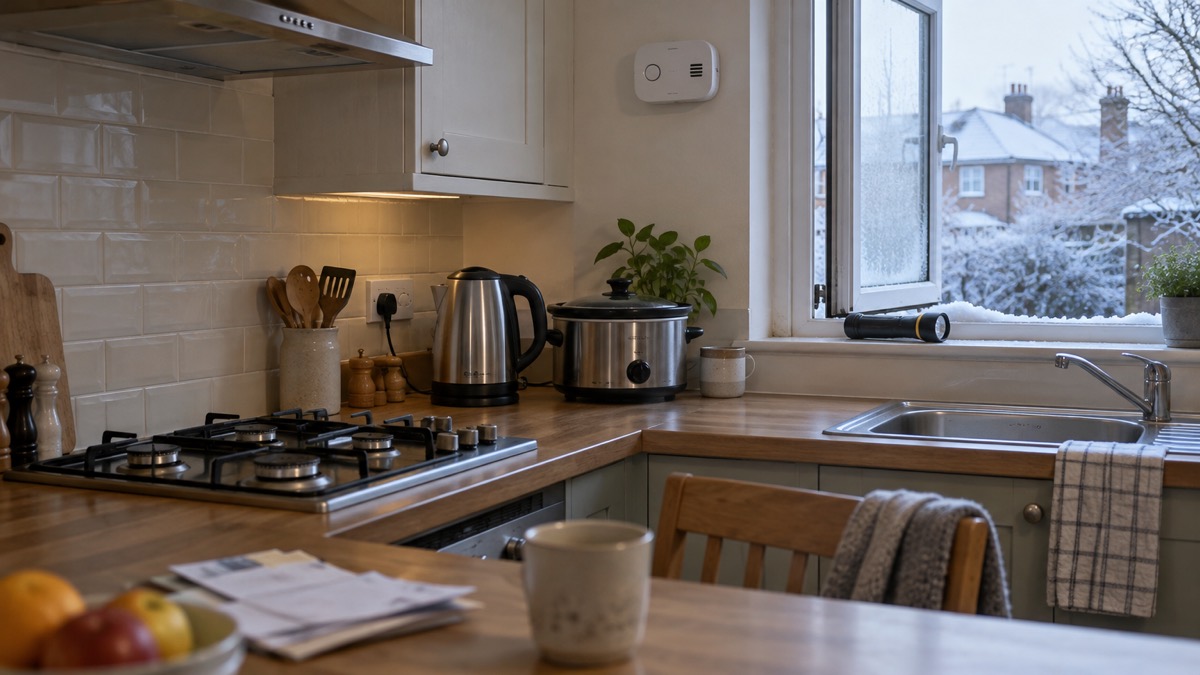
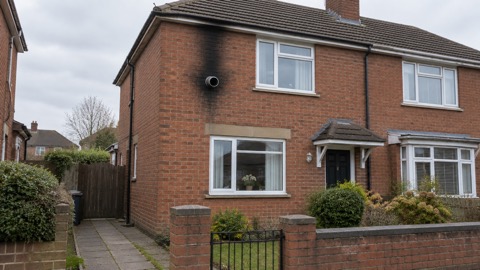
Fit a carbon monoxide alarm in any room with a gas appliance, including a room with a boiler, and never block appliance air vents. The Northern Ireland Fire and Rescue Service also advises annual servicing by a Gas Safe registered engineer. Our home emergencies guide covers alarm placement alongside other household risks, while unsafe appliance warning signs explains what to do if an appliance is cut off.6
Getting ready before winter
Prepare before the heating fails. Essex Prepared recommends a home emergency plan, a battery-powered torch or light, a battery or wind-up radio, a home phone that does not need electricity, written utility and personal contact numbers, knowledge of utility cut-off points and checks on vulnerable neighbours. Keep these as part of your wider household emergency kit.14
Use this winter checklist:
- Find the gas, water and electricity cut-off points and make sure responsible household members know how to use them.
- Find the stop tap before a frozen or burst pipe causes damage.15
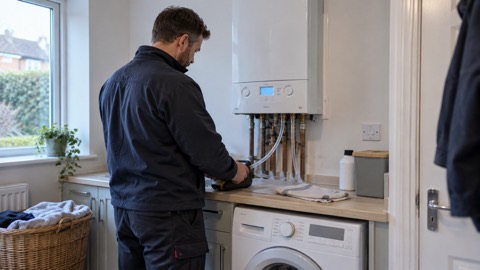
- Arrange annual gas appliance servicing and keep vents clear. The boiler servicing guide explains what an engineer checks.
- Store sufficient heating fuel if you use oil, LPG or solid fuel. Keep supplier contact details close at hand, but do not rely on suppliers being able to reach you in heavy snow.16
- Plan for neighbours helping one another with resources, warm food or heaters during a winter gas outage.10
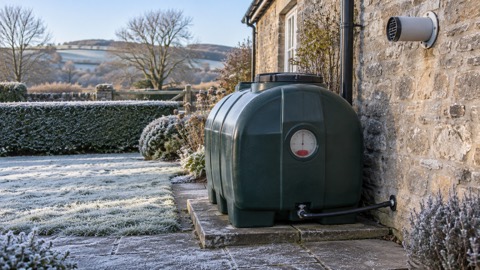
Homes using cylinders or bulk tanks should read the LPG winter guide. Oil users should keep heating oil topped up and familiarise themselves with oil boiler lockouts and running dry; the heating and cooking guide covers alternatives when normal systems are unavailable.
If you are wondering whether a gas boiler runs during a power cut, or why its programmer has reset afterwards, see the power cuts guide and programmer reset guidance. For time away from home, read whether to leave the boiler on in winter. The snow and ice guide also covers staying well in a cold home.
When the gas supply goes off
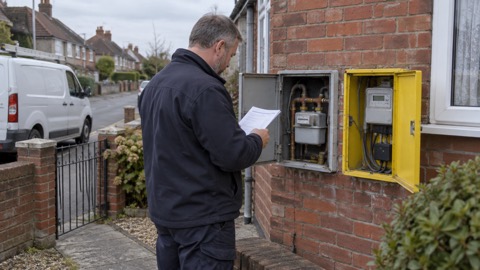
First decide whether this is a leak or an interruption. If you smell gas, leave and use the emergency number above. If there is no smell and the supply has stopped, contact your supplier. The mains supply interruption guide takes you through that situation, while which network operator covers your home helps you identify the local network.2
Ask what help is available if the interruption continues. Network operators can provide alternative heating and cooking facilities, and households mainly dependent on gas can use electric heaters, microwaves or other electrical appliances while electricity remains available. Neighbours may also be able to share resources, warm food or heaters.8
The right next step depends on the circumstances:
| Situation | Where to find the relevant steps |
|---|---|
| A long outage affecting the household | Help from networks during a long outage |
| Advance notice of pipe work | Planned works and supply interruptions |
| A prepayment meter losing supply | Emergency credit and restarting |
| Credit showing but no gas | Prepayment meter has credit but no supply |
| Concern about low supply pressure | Who to call about low pressure |
| Concern about a supplier ceasing to trade | Will your supply be cut off? |
Do not turn the supply back on yourself after shutting it off. Restoration and appliance repairs are separate stages, covered below.
When the boiler stops in the cold
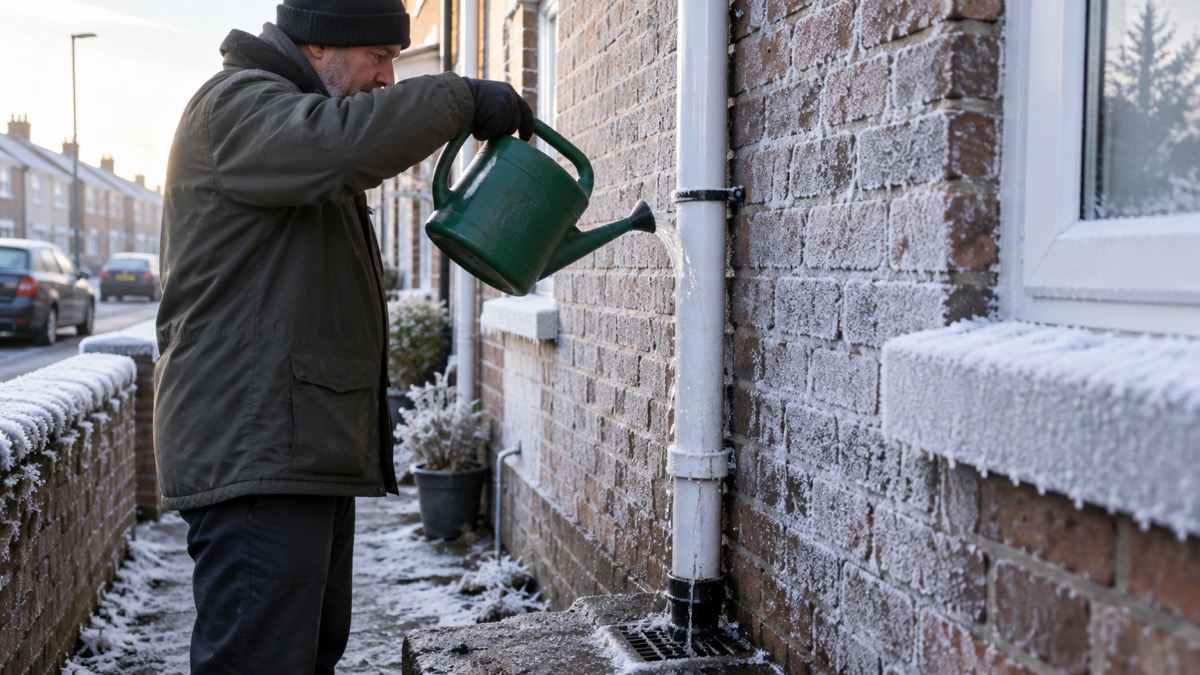
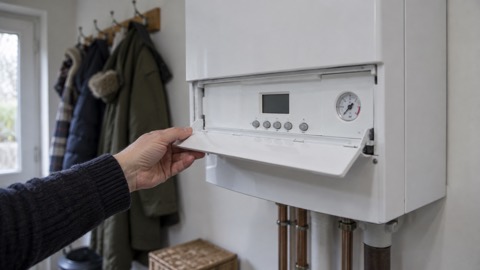
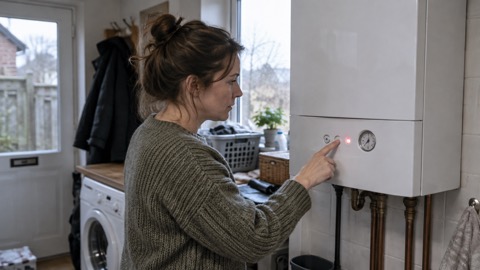
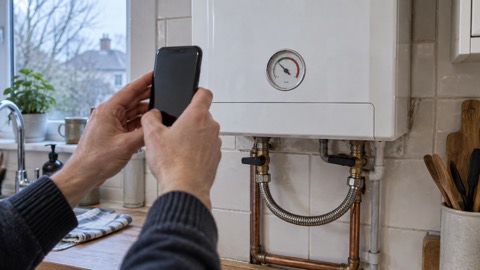
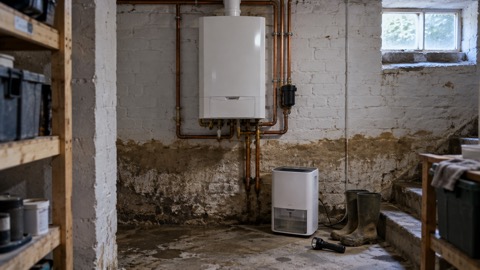
Start with the checks to make before calling a boiler engineer, then use the guide that matches what the system is doing. Do not attempt DIY work on a gas installation. A boiler displaying a fault, losing pressure or locking out needs a different response from a system with hot water but cold radiators.6
| What is happening | Relevant guidance |
|---|---|
| Boiler stops in freezing weather | Boiler breakdowns in cold weather |
| Lights, codes or lockout showing | Fault codes and lockouts and safe lockout resetting |
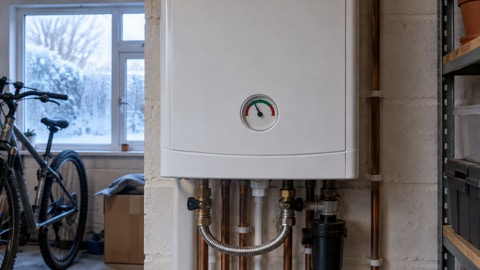
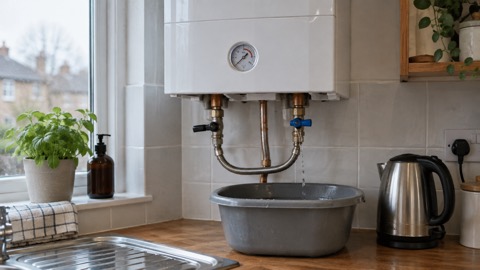
| Gauge reading too low or high | Boiler pressure and how to repressurise a combi |
| Condensate pipe may be frozen | Frozen condensate pipes and stopping one freezing |
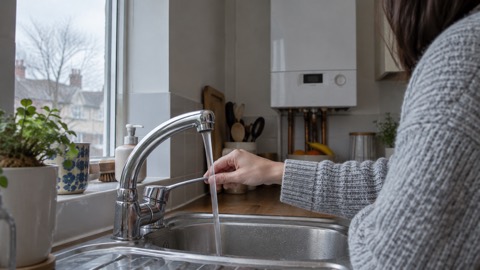
| No hot water | Combi and cylinder checks |
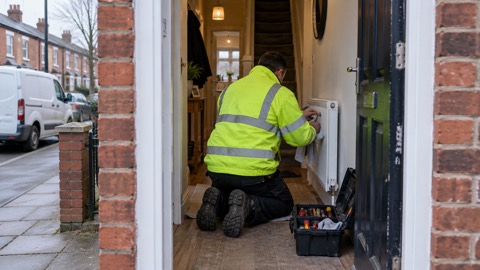
| Hot water but no heating | Hot water but no radiators |
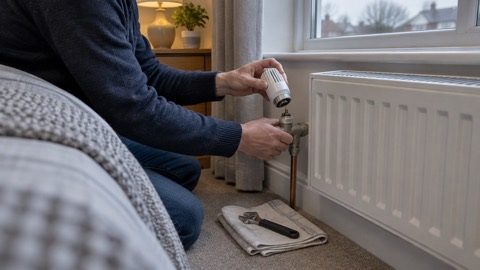
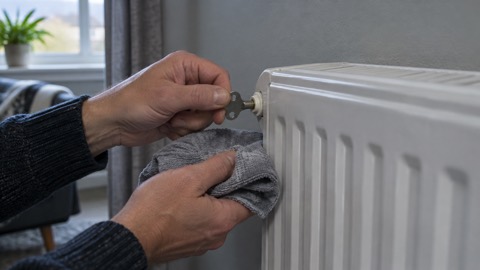
| Radiators cold or noisy | Cold radiators, bleeding a radiator and radiator noises |
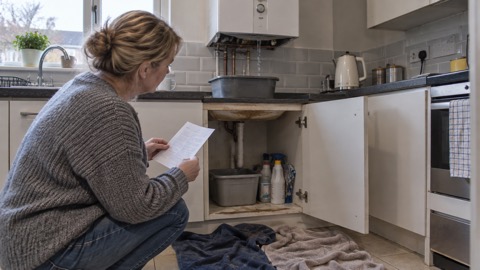
| Water leaking or overheating | Boiler leaking water and boiler overheating |
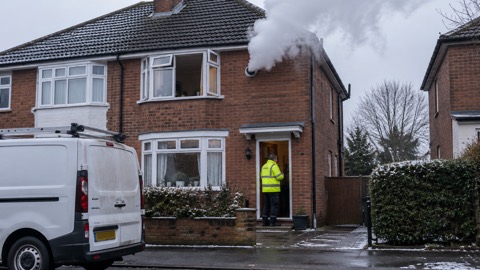
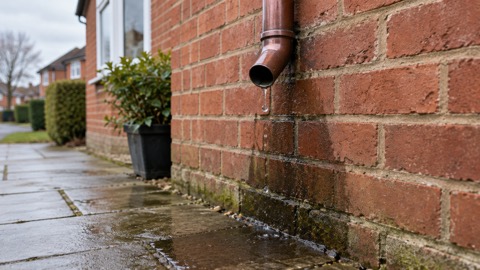
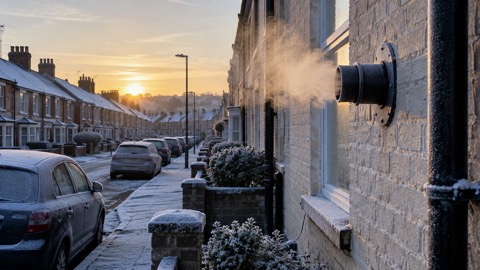
| Copper pipe dripping outside | Pressure relief pipe guidance |
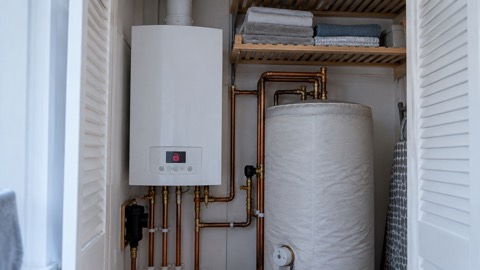
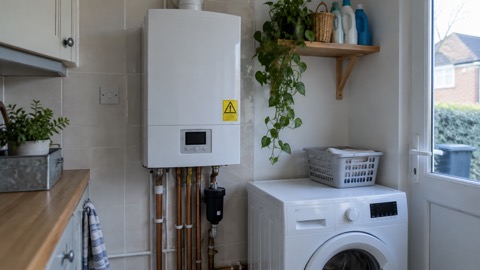
Model-specific steps are available for the Navien NCB300, Navien NCB500, Navien NCB700, Ideal Logic Combi2, Ideal Logic+ Heat2 H and Ideal Logic Max Combi2.
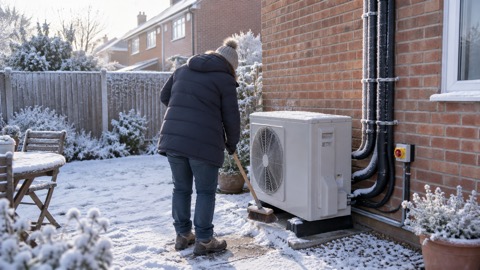
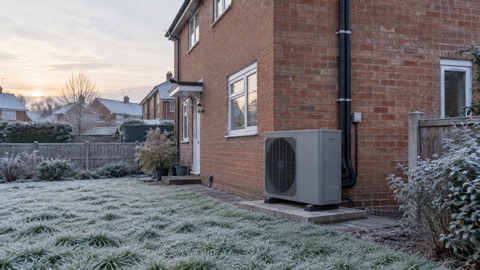
For other heating systems, use the guides to heat pump breakdowns, heat pump emergency mode, oil boiler breakdowns and LPG heating. If comparing how systems cope with hot water disruption, see combi or system boiler in an outage.
For a wood pellet hopper, tank or boiler, the Health and Safety Executive says to turn the unit off and seek assistance immediately if it is not heating correctly or flue gas is flowing into the boiler room.19
Frozen and burst water pipes
Find your stop tap before winter so that you can act quickly if a pipe bursts. The Met Office winter checklist includes locating it, and local resilience guidance advises knowing how to isolate water, gas and electricity at the mains.17
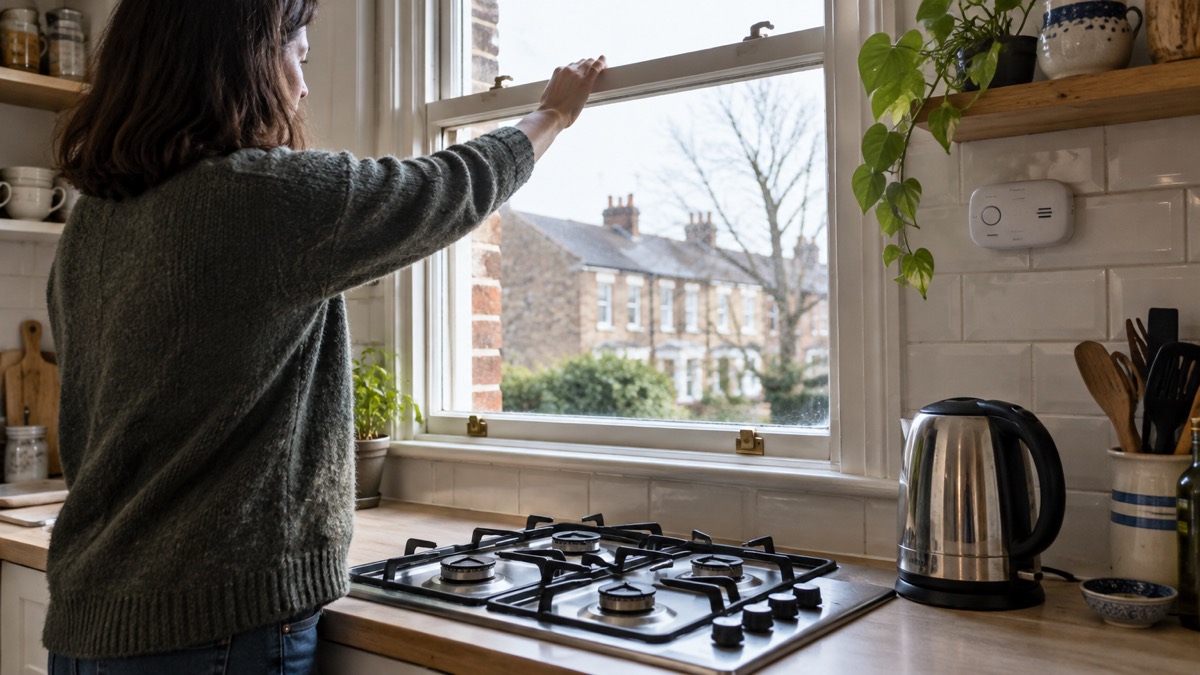
If a pipe bursts after thawing, turn off the stop tap and electricity supply immediately and contact a plumber for professional advice. Do not delay while trying to trace every affected pipe. The home emergencies guide covers frozen and burst pipes alongside gas leaks, and the water emergency guide explains household water preparations.17
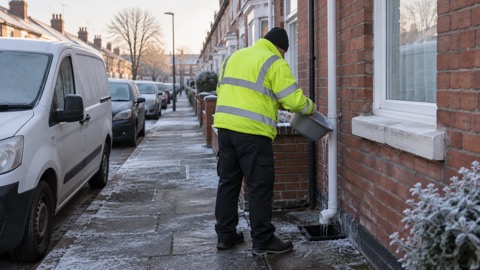
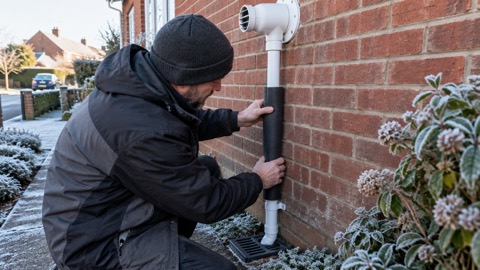
A frozen boiler condensate pipe is a separate issue from a burst household water pipe. Use the safe condensate thawing guide rather than attempting general plumbing or gas work.
After flooding, if you smell gas around a boiler, meter or elsewhere in the property, contact National Gas. The flooding guide covers boilers and gas meters after flood water and should be used alongside the emergency steps on this page.20
Keeping warm and cooking without heating
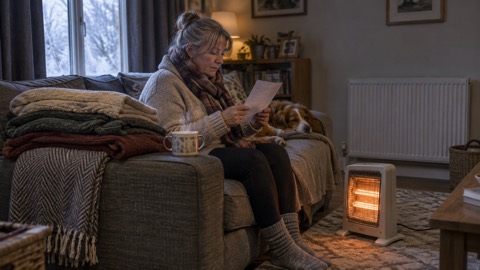
If your home is mainly powered by gas, prepare electrical alternatives such as an electric heater and a microwave or another electric cooking appliance. These help only while the electricity supply is available, so include lighting and information in the same plan. Buckinghamshire Council specifically identifies electric heaters and microwaves as alternatives when a gas oven, hob or heating is not working.18

- Use the heating and cooking without mains power or gas guide to plan safe alternatives.
- Keep suitable meals in your emergency food store and prepare emergency lighting that does not depend on the boiler working.
- Consider backup power at home where electricity may also be interrupted.
- Ask neighbours whether they can help, or need help, by sharing resources, warm food or heaters.10
- Use the snow and ice guidance for staying well in a cold home.
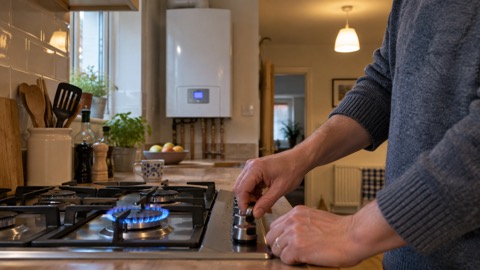
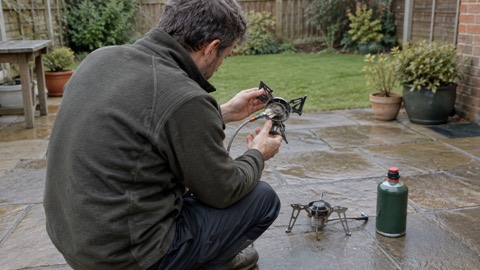
For households considering portable equipment, the folding gas stove page covers that specific appliance. Do not improvise repairs to a failed gas cooker, hob or heater: once a leak has been stopped, work on cookers, boilers and fires must be carried out by a Gas Safe registered engineer.10
Getting the gas back on safely
If you have turned the gas off, a professional must turn it back on. Lincolnshire County Council's emergency advice is explicit: do not attempt to restore it yourself. The supply reconnection guide explains the process after an outage.5
Follow this order:
- Leave the supply off and follow the emergency engineer's instructions.
- Allow the National Gas Emergency Service engineer to make the property safe.
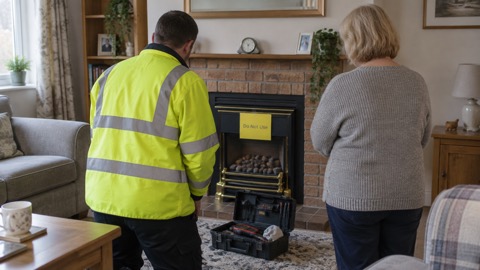
- Arrange a Gas Safe registered engineer for work on a cooker, boiler, fire or other appliance.
- If you are not at home for the arranged visit, follow the guidance on a missed reconnection visit.10
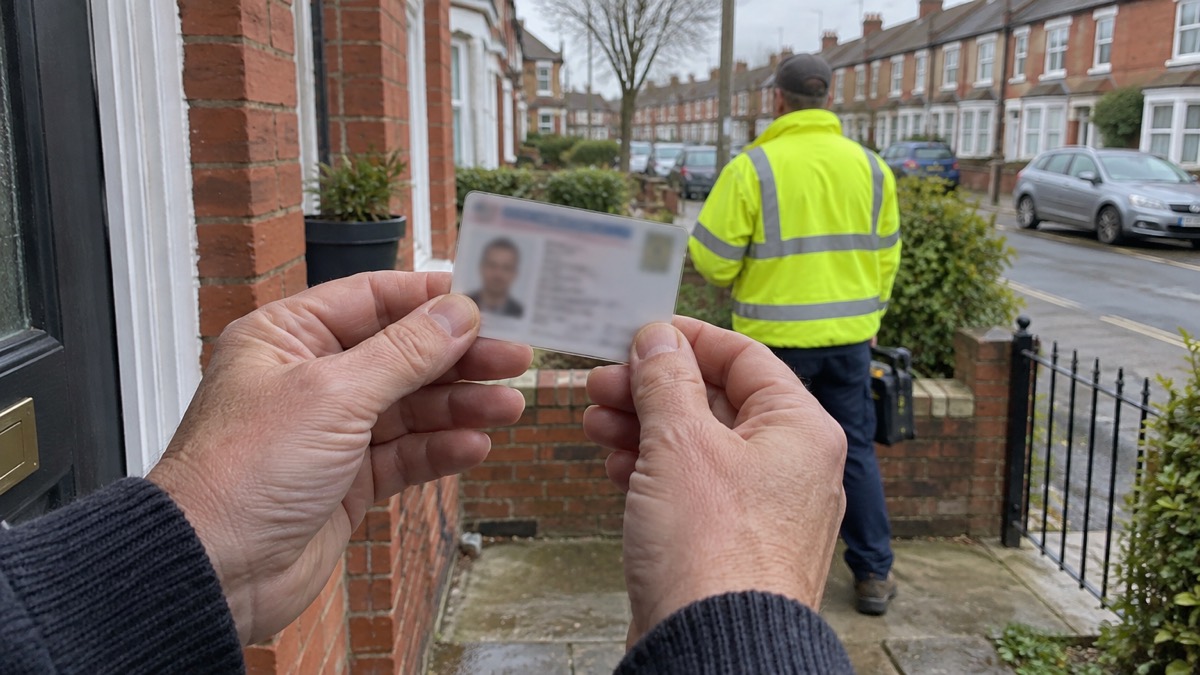
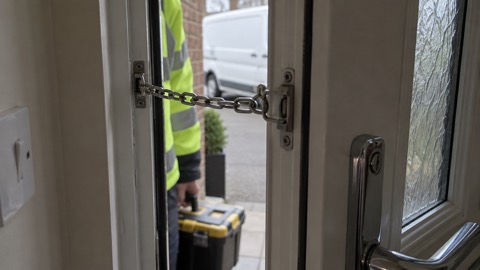
Before admitting someone to carry out work, check their identity and registration. The guide to checking a network engineer is genuine explains that process. Making the supply safe and repairing an appliance are not the same job, so do not assume that one visit automatically completes both.7
Gas Safe engineers and rented homes
Have every gas appliance serviced annually by a Gas Safe registered engineer. Never attempt DIY on a gas installation, never block air vents, fit a carbon monoxide alarm in any room with a gas appliance and learn how to turn off the gas in an emergency. Gas appliances need an adequate air supply for complete combustion.6
Use the registered engineer guide and make these checks:
| Check | What to do |
|---|---|
| Find somebody local | Use the Gas Safe Register postcode service or call 0800 408 5500. |
| Check qualifications | Read the engineer's ID card; the back shows which appliances they can work on. |
| Check a business | Text Gas and the business registration number to 85080. |
| Check the photograph | After confirming registration, reply with Photo and the engineer's licence number, where the engineer has signed up to the service.7 |
If an engineer recommends further work, follow that advice; if in doubt, follow it in the interim and contact Gas Safe Register for further advice. The appliance safety checks guide and checks when moving into a home explain routine arrangements. If an appliance is condemned, see what help is available.21
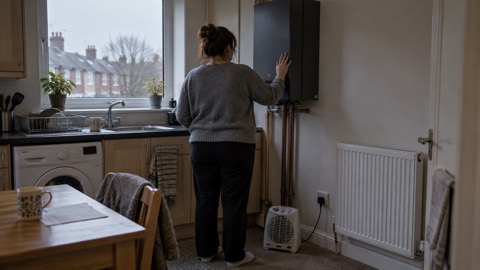
Tenants should read broken boilers in rented homes. If you own a gas appliance in a rented property, the Health and Safety Executive advises asking your landlord to include it, at reasonable cost, in the gas safety maintenance or check arranged with a Gas Safe registered engineer.21
Extra help and compensation
Additional payments and provisions are available for households left off gas, including alternative heating and cooking facilities. Ask the network operator or supplier what applies to the interruption and explain any circumstances that make the household particularly vulnerable to loss of heat or hot water.8
The outage help guide covers practical network support, while compensation when mains supply is interrupted deals with that specific subject. For ongoing needs, see extra support from networks and suppliers.
The extra help section explains joining the Priority Services Register for gas outages. Consider it for a household that would need additional support, and keep vulnerable neighbours in mind when checking who may need warm food, heating or other assistance.10
Who to contact in each nation
England, Scotland and Wales use the same national gas emergency number. Northern Ireland has a different number and its consumer guidance directs households with an interrupted supply to contact their supplier.1
| Nation | Gas emergency | Other useful contact |
|---|---|---|
| England | 0800 111 999 for a gas leak or suspected carbon monoxide from a gas appliance | Gas Safe Register: 0800 408 5500 |
| Scotland | 0800 111 999 | Gas Safe Register: 0800 408 5500 |
| Wales | 0800 111 999 | Gas Safe Register: 0800 408 5500 |
| Northern Ireland | 0800 002 001 | Contact your supplier if the gas supply is interrupted2 |
The National Gas Emergency Service operates 24 hours a day, 365 days a year and sends an engineer to keep the household and property safe. Use the network operator guide to identify the local operator, and the UK preparedness guide for the wider household emergency arrangements.10
Sources (23)
- Prepare Yourself for Emergencies, Greater Manchester Combined Authority, 2026-10-29
- Consumer Guide to Gas Supply Interruption, Utility Regulator Northern Ireland, 2020
- Power, Gas and Water: What If They Fail, Surrey County Council, 2025-12-29
- Carbon Monoxide Safety and the TASK Checklist, Health and Safety Executive for Northern Ireland, 2026
- Emergency Help and Advice, Lincolnshire County Council, 2026-10-29
- Home Fire Safety, Northern Ireland Fire and Rescue Service, 2026-10-14
- Checking Gas Safe Registration, Health and Safety Executive, 2026
- Energy Domestic Consumer Advice, Ofgem, 2024-11
- Safe Home Heating, Warwickshire County Council, 2026-10-29
- What You Might Need in a Gas Outage, Wiltshire and Swindon Prepared, 2026-10-25
- Smoke Alarms and Carbon Monoxide Detectors, Warwickshire County Council, 2026-10-29
- Carbon Monoxide Poisoning, NHS, 2025-12-16
- Carbon Monoxide Awareness, Warwickshire County Council, 2026-10-29
- Loss of Gas and Water, Essex Prepared, 2026-10-29
- WeatherReady Winter Checklist, Met Office, 2026-10-28
- Be Prepared: Household Emergency Guidance, Lancaster City Council, 2026-10-26
- Local Winter Preparedness Guide, Humber Local Resilience Forum, 2024-08
- Gas Supply Issues, Buckinghamshire Council, 2026-10-29
- Wood Pellet Fuel Safety, Health and Safety Executive, 2026
- Help During a Flood, GOV.UK
- Domestic Gas Safety FAQs, Health and Safety Executive, 2026
- Preparing for an emergency: be ready, stay safe, act now, Sussex Police, 2025-10
- Energy outages, National Energy System Operator, 2026
 National Gas Emergency Service
 When the Mains Supply Goes Off
 Getting Supply Back After Outage
 Compensation for Supply Cuts
 Planned Pipe Works
 Help During a Long Outage
 Prepayment Meters
 LPG Homes in Winter
 Oil Boiler Breakdowns
 Boiler Breakdown in Cold Weather
 Boiler Fault Codes
 Boiler Pressure Gauge
 Frozen Condensate Pipes
 Cold Radiators
 Heat Pump Breakdowns in Cold
 No Hot Water
 Boiler Servicing
 Unsafe Appliances Warning Signs
 Broken Boilers in Rented Homes
 Find Your Network Operator
 Digging Near Buried Pipes
 Stop a Condensate Pipe Freezing
 Repressurising a Combi Boiler
 Hot Water but No Radiators
 Resetting a Boiler Lockout
 Programmer Reset After Power Cut
 Boiler Leaking Water
 Boiler Overheating
 How to Bleed a Radiator
 Boiler On When Away in Winter
 Missed Reconnection Visit
 Prepayment Credit but No Gas
 Low Supply Pressure
 Checking a Network Engineer's ID
 Help With a Condemned Appliance
 Supply Cut Off If Supplier Fails
 Heat Pump Emergency Mode
 Boiler Pressure Relief Pipe Drip
 Noisy Radiators
 Checks Before Calling Engineer
 Boiler Checks When Moving In
 Combi vs System Boiler
 Finding a Gas Safe Engineer
 Appliance Safety Checks
 Extra Support for Households
 Navien NCB300
 Navien NCB500
 Navien NCB700
 Ideal Logic Combi2
 Ideal Logic+ Heat2 H
 Ideal Logic Max Combi2
 Vango Folding Gas Stove