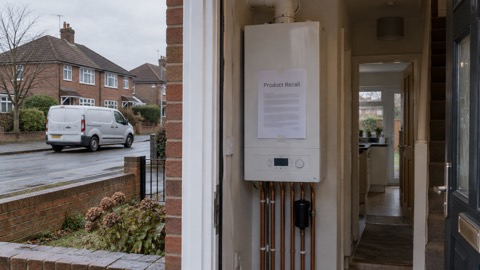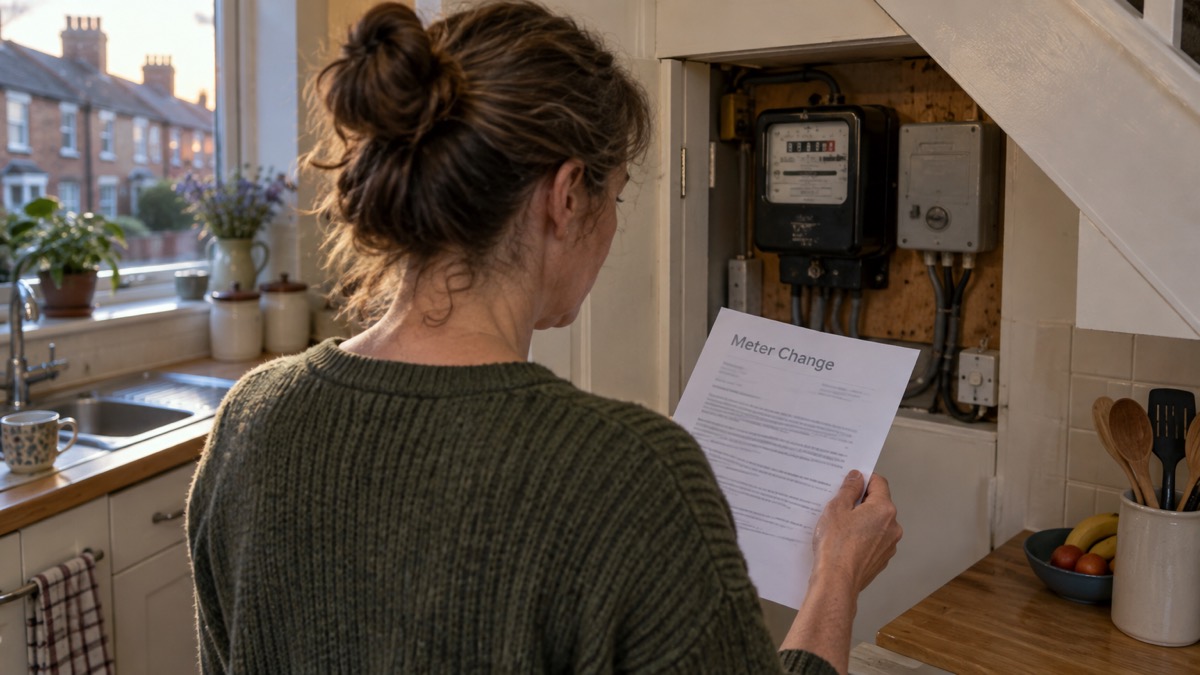
The Radio Teleswitch Service (RTS) ends on 30 June 2026, according to the National Energy Action (NEA) charity1. Ofgem announced that the service was switched off on that date2. RTS uses a radio signal to tell some older electricity meters when to switch between peak and off-peak rates of electricity, and was introduced in the 1980s1. NEA says the equipment that produces the radio signal can no longer be adequately maintained, so the service had to end1.
Ofgem estimates there are hundreds of thousands of RTS meters in Great Britain2. RTS is used for some traditional multi-rate meters and was designed to support those using electricity for their heating and hot water, including households with electric storage systems, panel heaters or immersion heaters in water tanks1. Using RTS, suppliers can offer different tariff rates so consumers can use cheaper off-peak tariffs to charge heating and hot water systems overnight1.
NEA lists signs that a household may have an RTS meter: a separate switch box near the meter with a Radio Teleswitch label on it; heating by electricity or storage heaters; no gas supply in the area, which it says can be the case in rural areas and high-rise flats; and cheaper electricity at different times of day, such as on Economy 7, Economy 10 or Total Heat Total Control1.
"the switch-off affects households with an RTS meter, and could mean that their heating and hot water supply stops functioning as normal."
NEA says all electricity suppliers are contacting RTS meter customers to offer a smart meter upgrade before the service ends1. It describes smart meters as a technical replacement because they can be programmed to deliver a similar service1. Customers who have been contacted by their supplier but have not yet arranged a replacement should contact their supplier to accept an appointment, it says2. NEA also notes that in some situations a supplier will not be able to offer an appointment just yet, and will get in touch when ready to upgrade the meter2.
Age UK gives a different end date, stating that the service will end on 30 June 2025 and that the switch off is happening at the end of June 20253. That date does not match the 30 June 2026 given by NEA and Ofgem1. Age UK also says all customers should have been contacted by the end of 2024, and that suppliers have been offering a smart meter upgrade at no extra cost3. It states that customers are not obliged to accept a smart meter3.
Why it matters for households
The change affects households with an RTS meter, from 30 June 20261. NEA says that without an upgrade, heating or hot water may be continually left on or off, or charging may happen at the wrong time of day, and that the supplier will not be able to confirm how much electricity was used at peak or off-peak times, which could mean higher bills1. Age UK says electricity costs could be much higher than before, and that the supplier must make sure a suitable meter is installed and that service is not disrupted3. NEA says suppliers should offer a tariff suitable for the hot water and heating set up in the home1. Age UK directs people who are unsure whether they have an RTS meter to their electricity supplier3. Households relying on electric heating can read more in our guide to gas and heating failures, including combi or system boiler arrangements for keeping hot water going in an outage.
What happens next
NEA advises anyone who has not arranged a replacement to contact their electricity supplier to accept an appointment2. It says suppliers will be able to say which tariffs are available1. Age UK's free Advice Line is 0800 678 1602, open 8am to 7pm, 365 days a year3.