Health Emergencies: A Household Guide to Outbreaks, Pandemics and Medicine Supplies
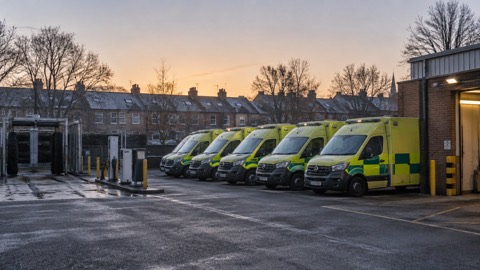
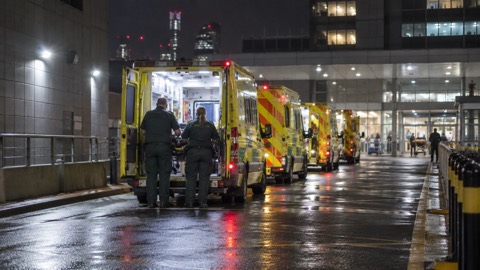
Call 999 for an immediate, life-threatening emergency. For an urgent medical need that is not life-threatening, contact NHS 111 rather than calling 999 or going straight to A&E. NHS 111 is available 24 hours a day, 7 days a week, calls to 111 are free, and online assessment at 111.nhs.uk is for people aged 5 and over. A pharmacist or GP can advise on less urgent health worries.1
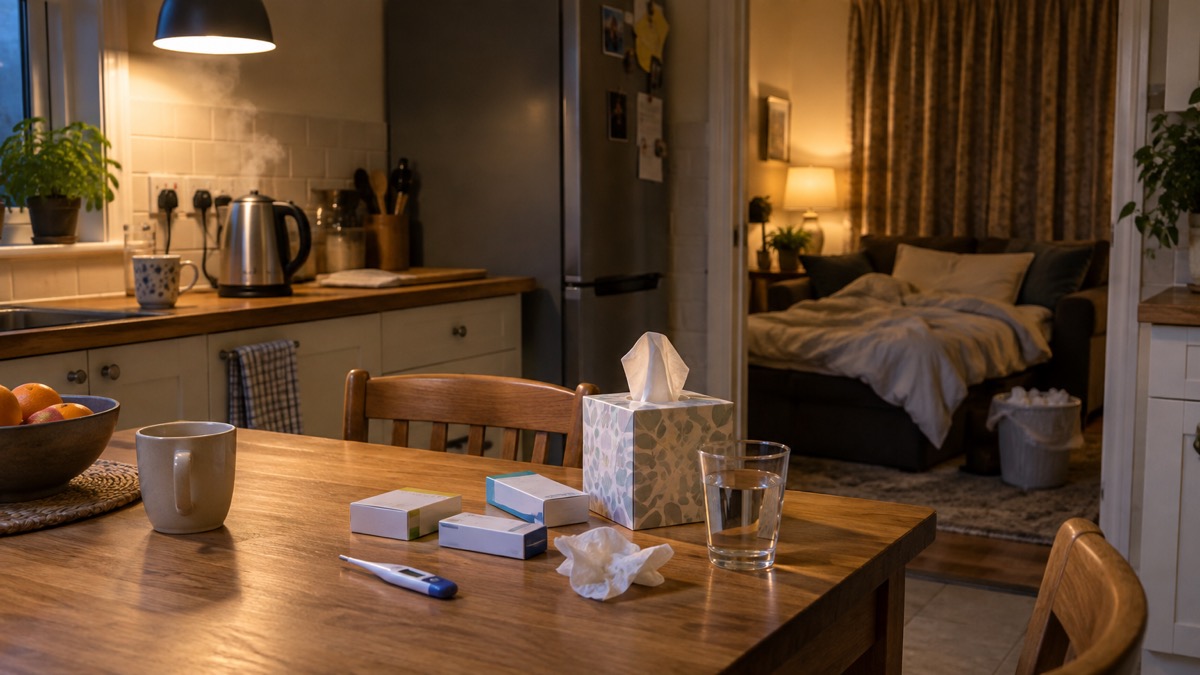
Prepare before someone becomes ill. The government's Be Ready checklist recommends 3 days' worth of supplies, including the things your household needs at home. Learn the rules that prevent infection spreading: after norovirus, stay away from work, school, nursery, hospitals and care homes until 48 hours after the last episode of sickness or diarrhoea.3
Use this page to choose the right NHS help, organise medicines and supplies, respond to weather health alerts and look after someone safely. It also explains who may need extra protection and how local and national organisations respond to outbreaks and pandemics.
999, 111 or a pharmacist
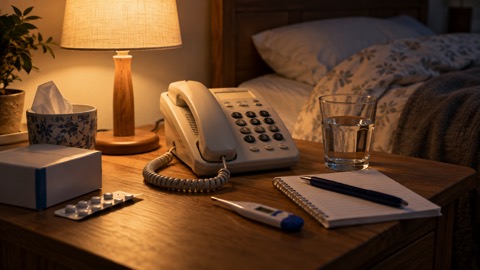
Use the service that matches the urgency. NHS 111 is intended for patients with an urgent medical need, rather than 999 or A&E. Whether you use the telephone or online assessment, you answer questions about your main symptoms to receive information and advice. If you have difficulty hearing, NHS 111 can be accessed through the British Sign Language interpreter service.1
| Service | When to use it | What to expect |
|---|---|---|
| 999 | An immediate, life-threatening emergency | Emergency assistance |
| NHS 111 | An urgent medical need that is not life-threatening | Advice or direction to an appropriate service, available 24 hours a day, 7 days a week |
| 111.nhs.uk | Online assessment for people aged 5 and over | Answers to symptom questions lead to advice or a suitable service |
| Pharmacist or GP | Health worries that do not need emergency help | Advice and support |
| Self-care or a local urgent service | A non-life-threatening problem where immediate medical attention is not needed | Options can include a walk-in centre, urgent care centre, minor injuries unit or making your own way to A&E |
NHS 111 online can advise someone to call 999 or go to A&E, attend an urgent treatment centre, see an out-of-hours GP, receive a nurse callback, obtain urgent dental or mental health support, contact their GP, see a pharmacist or look after themselves safely at home.7
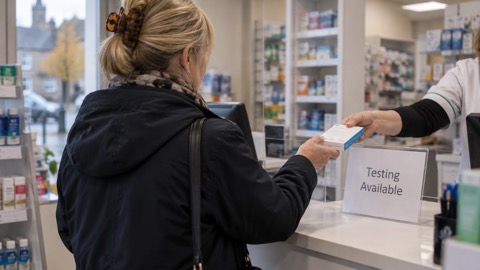
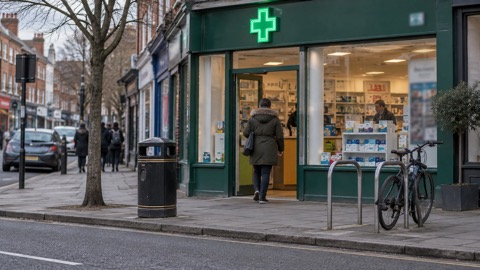
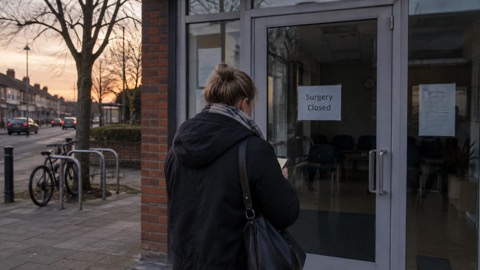
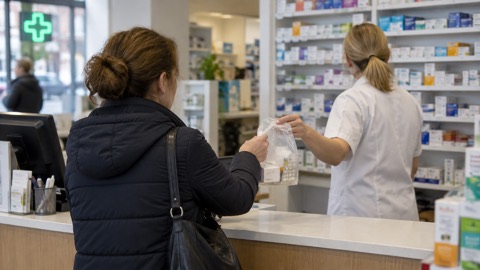
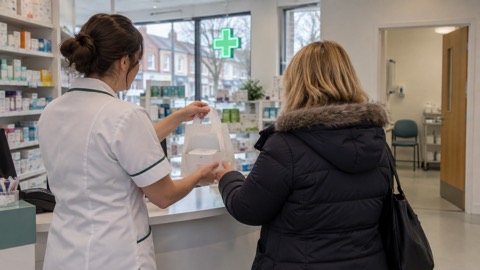
For a fuller decision guide, read when to call 111 and when to call 999, what NHS 111 can help with and which urgent care service to use. A pharmacist can be the right first contact for a minor illness; Pharmacy First explains that route. If the surgery is shut, see what to do when your GP is closed.
Recognising a medical emergency on this page means recognising when to call 999. For CPR, defibrillators, anaphylaxis, asthma attacks and first aid kits, use the dedicated first aid at home guide.
Mental health in a crisis
In England, NHS 111 provides access to a full package of mental health crisis support through one telephone line, 24 hours a day, 7 days a week. People of all ages, including children, can call when they are in crisis. Concerned family members and loved ones can also call and select the mental health option.8
NHS staff can guide callers through next steps, including organising face-to-face community support or facilitating access to alternatives such as crisis cafés or safe havens. The service is suitable for deaf people, with tailored services available through the NHS 111 website. Every emergency department in England also has a liaison psychiatric team available to offer specialist care.8
- The person in crisis: call 111 in England and select the mental health option.
- A worried relative or friend: you can call too; you do not have to be the person experiencing the crisis.
- A child or young person: the service covers people of all ages.
- A deaf caller: tailored support is available through the NHS 111 website.
- An immediate, life-threatening emergency: call 999.
An emergency can affect mental wellbeing after the immediate danger has passed as well as during it. The London Resilience Partnership advises people to look for signs of stress because being involved in an emergency can be mentally and emotionally difficult.9 For practical support with worry, isolation and disrupted routines, read coping with isolation and worry during an outbreak.
Signs that need help now
Some symptoms require emergency action rather than routine self-care. NHS inform advises calling 999 or going to A&E for severe symptoms associated with norovirus that include vomiting blood, green vomit, possible poisoning, a stiff neck with pain when looking at bright lights, or a sudden severe headache or stomach ache.10
NHS inform also identifies situations where urgent advice is needed rather than waiting for symptoms to settle. These include concern about a baby under 12 months, a child stopping feeding, signs of dehydration, being unable to keep fluid down, bloody diarrhoea, diarrhoea lasting more than 7 days or vomiting lasting more than 2 days.10
| Situation | Action |
|---|---|
| Vomiting blood, green vomit or possible poisoning | Call 999 or go to A&E |
| Stiff neck with pain looking at bright lights | Call 999 or go to A&E |
| Sudden severe headache or stomach ache | Call 999 or go to A&E |
| A baby under 12 months causing concern, a child not feeding, dehydration or inability to keep fluid down | Seek urgent medical advice through NHS services |
| Bloody diarrhoea, diarrhoea for more than 7 days or vomiting for more than 2 days | Seek medical advice |
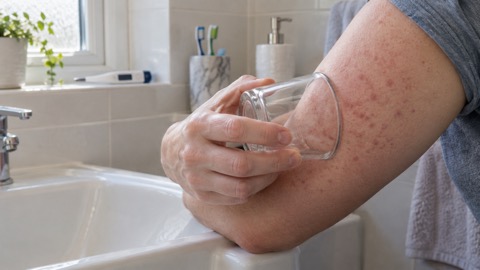
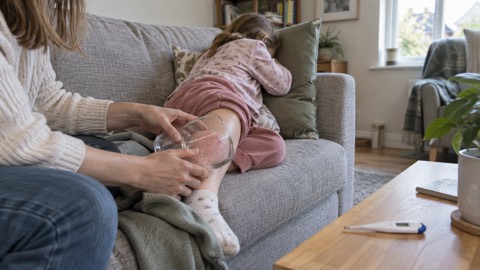
These examples do not replace the symptom-specific advice for each illness. Read meningitis and meningococcal disease: signs to act on and, where relevant, how to do the glass test for a meningitis rash. For vomiting and diarrhoea without these emergency signs, treating dehydration at home explains the household guidance.
Do not delay an emergency call while consulting an online guide. Where symptoms are severe or immediately life-threatening, call 999.2
Getting ready: medicines and supplies
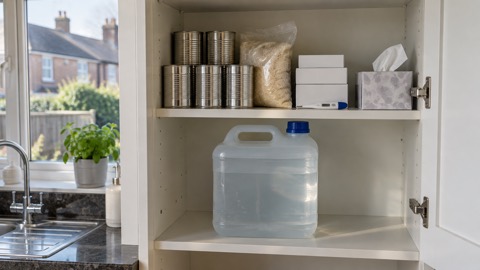
Start with the government's Be Ready recommendation of 3 days' worth of supplies. Its checklist is available to download, while wider government preparedness advice includes basics such as bottled water and a torch. Nottinghamshire's emergency preparation guidance also includes sanitary items and toiletries. Build the list around your household's actual needs, including anyone who would find it difficult to manage without usual supplies or support.3
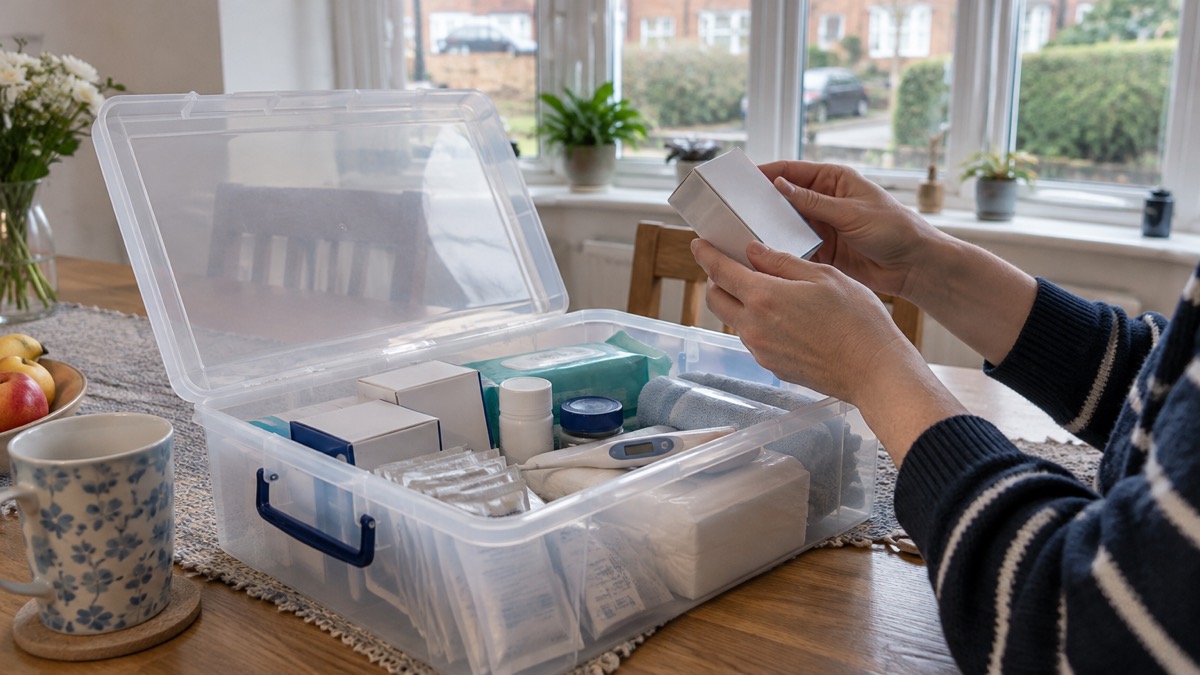
Use these pages to organise the health part of that preparation:
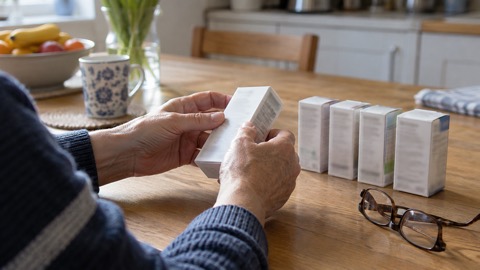
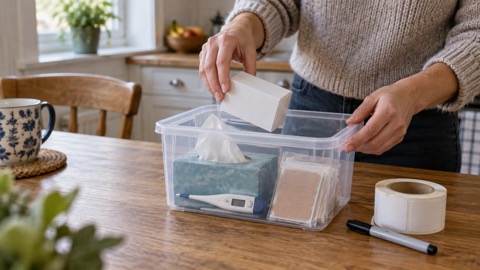
- Medicine cabinet checklist for over-the-counter items, and staying at home when ill: supplies checklist for the wider household kit.
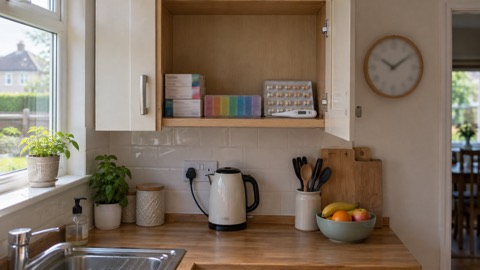
- Keeping enough prescription medicine at home and the prescription medicine supply checklist for regular medicines.
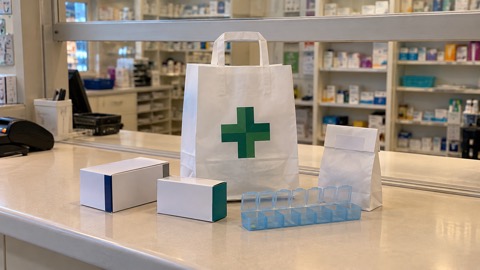
- Medicine shortages for why disruption happens and what to do, and running out of prescribed medicine for emergency pharmacy supplies.
- Storing medicines safely for children, temperature and expiry dates, and disposing of unused and out-of-date medicines when clearing the cabinet.
- Ordering repeat prescriptions online for routine ordering, and whether you can take a family member's prescription medicine before sharing anything.
Keep essential medicine information available offline as well as online so it remains accessible if IT services are unavailable. The cyber attacks and major IT failures guide covers household preparation for disrupted digital services, including access to prescriptions and NHS services.
Think about equipment as well as medicines. The extra help guide covers Priority Services Registers and people who rely on powered medical equipment. For home oxygen, CPAP and other medical devices, backup power at home explains the power side of preparation. The pandemic household checklist brings these preparations together, while the general emergency kit guide covers non-medical essentials.
In a radiation incident, follow the specific official advice rather than self-medicating; major incidents covers potassium iodide tablets in that context.
Weather health alerts
The UKHSA Weather Health Alert system is provided by the UK Health Security Agency in partnership with the Met Office. It gives early warning to health and social care, emergency responders, voluntary and community organisations and government departments when adverse temperatures are likely to affect health and wellbeing. Alerts are issued in line with other weather warning systems operating in England and the UK.5
| Colour | Level |
|---|---|
| Green | Preparedness |
| Yellow | Response |
| Amber | Enhanced response |
| Red | Emergency response |
During summer, UKHSA and the Met Office issue alerts alongside the weather forecast when heat has the potential to affect people's health. Heat risks are not limited to older people: higher-risk groups also include babies and young children aged 5 years and under, pregnant women, people with underlying conditions, people taking certain medications, people with serious mental health problems, people already ill and dehydrated, outdoor workers and people experiencing homelessness.13
Read yellow, amber and red cold-health alerts for the alert levels, and use the heatwaves guide for keeping people safe in hot weather. Medicines can need particular consideration during heat; see whether you should keep taking your medication in a heatwave and the storage guidance linked above.
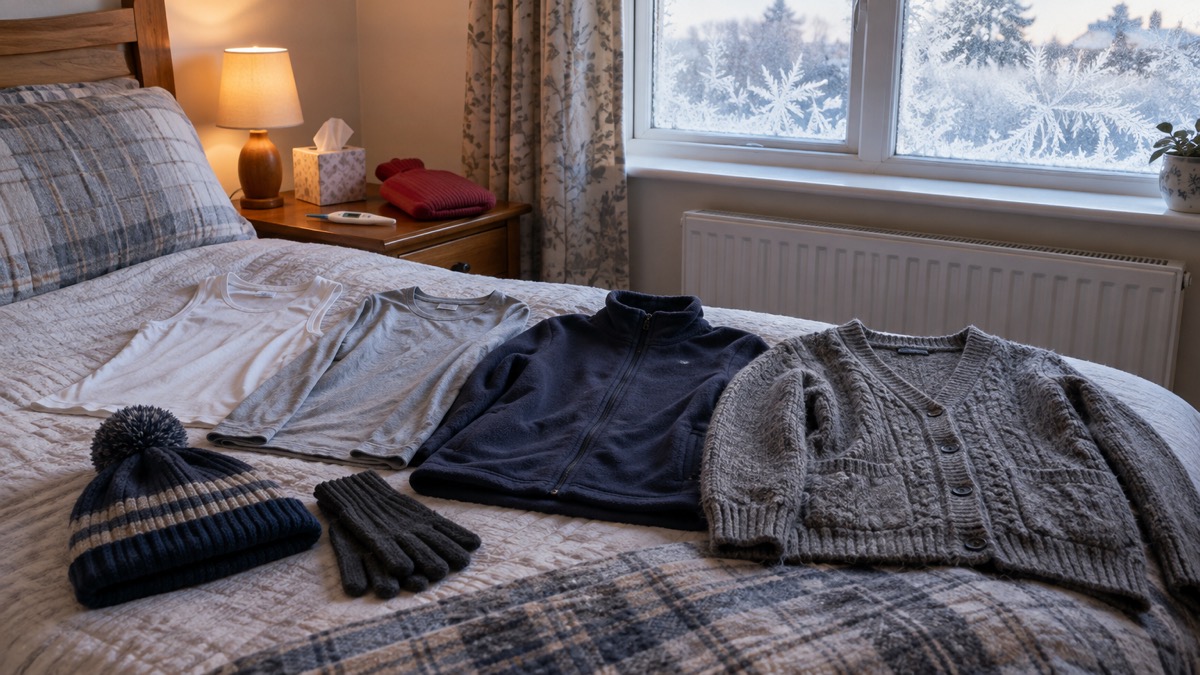
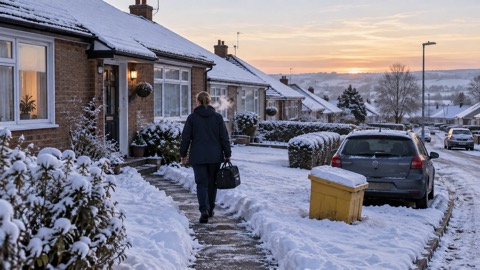
Cold weather also has a health dimension. Government guidance identifies older people aged 65 and over, people with long-term cardiovascular, respiratory or mental health conditions, pregnant women, young children, people with learning disabilities, people at risk of falls, people who are housebound and people living in deprived circumstances among those at higher risk.14 The snow and ice guide covers cold homes, hypothermia and staying well in winter. If you are worried about your health or feeling down in cold weather, contact a pharmacist, NHS 111 or your GP; in an emergency, dial 999.14
Stomach bugs and norovirus
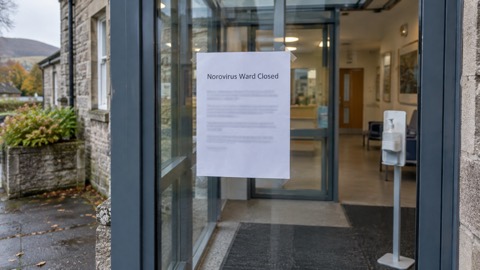
Norovirus is the most common stomach bug in the UK and is highly infectious. It is often called the winter vomiting bug or winter vomiting disease, although it can occur at any time of year. Symptoms include feeling sick, vomiting and diarrhoea. Symptoms appear 1 to 2 days after infection and typically last up to 2 or 3 days; Derbyshire's guidance says people usually recover in about 2 days.4
It spreads through close contact, food or drink handled by an infected person, contaminated surfaces followed by touching the mouth, and contaminated water or food. The virus can survive outside the body for several days. Outbreaks are common where people have close contact, including care homes, nurseries, schools and hospitals. Food Standards Scotland also identifies shellfish or fresh produce grown in or treated with contaminated water, and food prepared by infected handlers, as routes of infection.4
Follow these household controls:
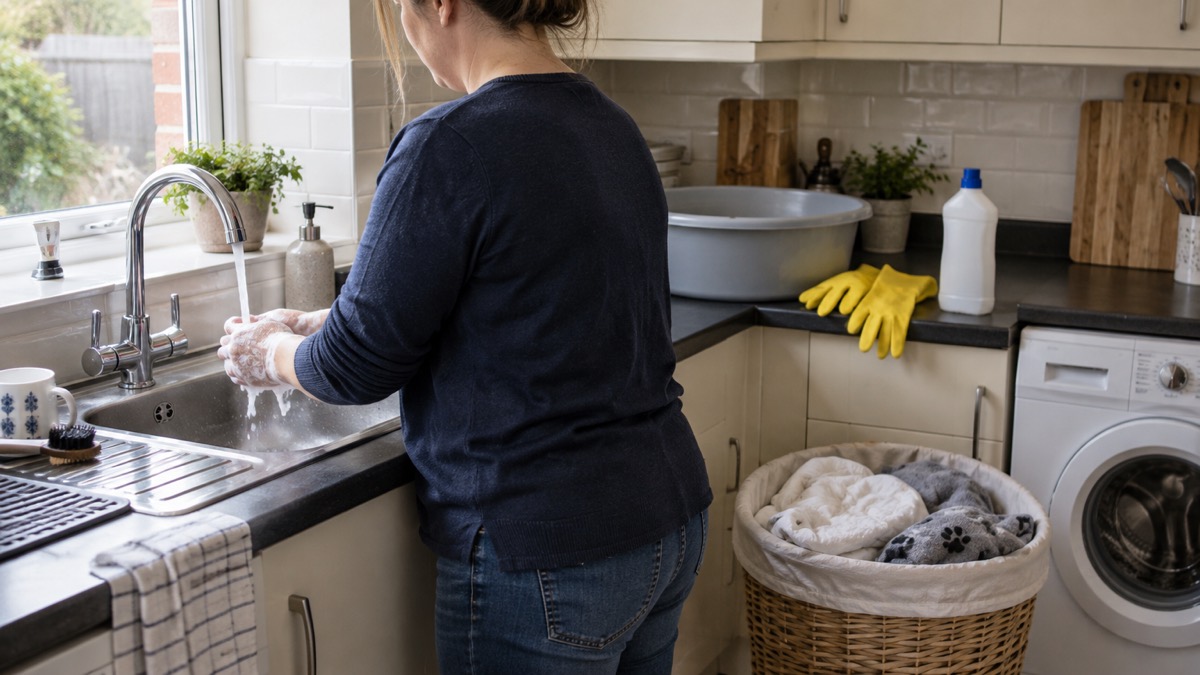
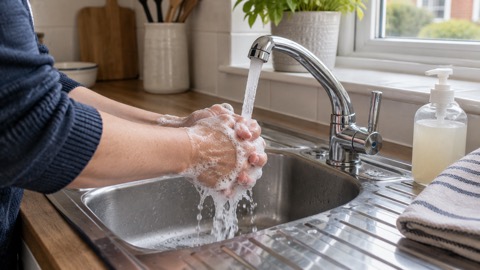
- Wash hands with soap and water after using the toilet or changing nappies, and before preparing, serving or eating food. Alcohol hand gels do not kill norovirus.4
- Avoid contact with other people as much as possible while infectious.4
- Clean toilet seats, flush handles, taps and bathroom door handles.4
- Wash clothes and bedding soiled with poo or vomit separately, on a 60°C wash.4
- Drink plenty of fluids to avoid dehydration.15
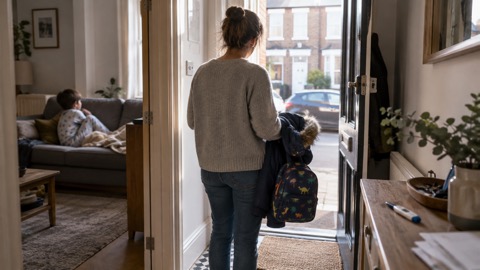
- Stay off school, nursery or work, especially if you handle food, until symptoms have stopped for 2 days. Do not visit hospitals or care homes until 48 hours after the last episode of sickness or diarrhoea.4
There is currently no vaccine to prevent norovirus, and antibiotics do not work against it. Children under 5 years, older adults and people with weakened immunity can become seriously ill.4
For detail, use the norovirus guide, how long to stay off work or school after vomiting and diarrhoea, when to keep your child off school or nursery and when to avoid visiting hospitals and care homes. The handwashing guide and stopping infections spreading at home explain the hygiene steps further.
Safe food handling matters during illness; see emergency food and food safety. For boil water notices, Cryptosporidium and making up formula when tap water is unsafe, use the water in an emergency guide.
Flu, colds and COVID-19
Flu is a very contagious viral infection that spreads easily from person to person. Symptoms often start suddenly and can include fever, chills, headaches, aching muscles, a cough and a sore throat. It often gets better on its own, but can make some people seriously ill. Outbreaks often occur in winter, and cold weather has a significant impact on case numbers.17
You can spread flu even without symptoms and are more likely to spread it during the first 5 days after infection. Flu is spread through coughing and sneezing and can live on hands and surfaces for 24 hours.18 Read flu symptoms and when to get help, how to stop flu spreading in your home and is it a cold, flu or COVID-19?.
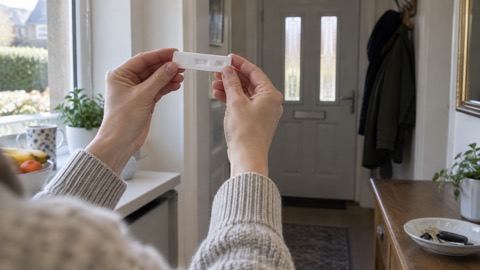
COVID-19 can cause a wide range of symptoms from mild to severe. It is still detected in the population, and new variants can emerge.19 The COVID-19 guide, home lateral flow tests and how long to stay at home after a positive COVID test cover the current household steps.
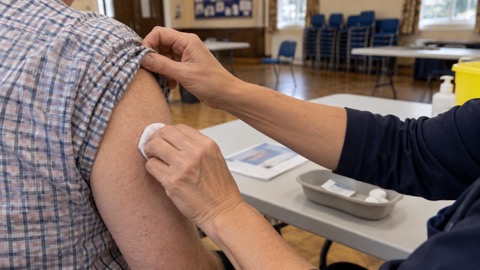
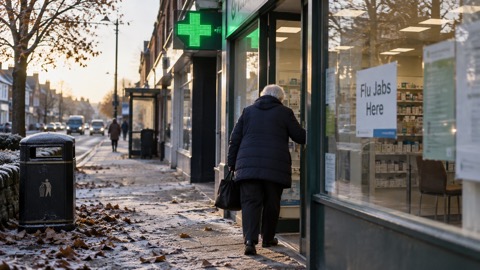
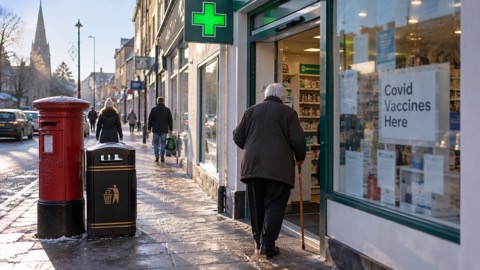
Vaccination remains part of outbreak preparation. Derbyshire advises getting the flu vaccine if you are advised to.20 In England's 2025 to 2026 programme, flu eligibility from 1 October 2025 included people aged 65 and over, adults aged 18 to under 65 in clinical risk groups, long-stay residential care residents, certain carers, close contacts of immunocompromised people and some frontline social care workers. Eligible adults could receive flu and COVID-19 jabs at the same time. Bookings were available through the NHS website, NHS App, GP practices or by calling 119, with COVID-19 appointments available until Friday 30 January 2026.21
The flu vaccine was estimated to have prevented around 100,000 hospitalisations in England during the winter preceding September 2025.21 For current arrangements rather than that completed programme, check vaccines that protect against outbreaks, who can get a free flu vaccine and who can get a COVID-19 vaccine now. Other disease-specific guidance includes measles and MMR.
Looking after someone ill at home
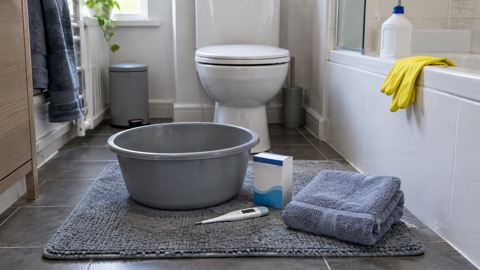
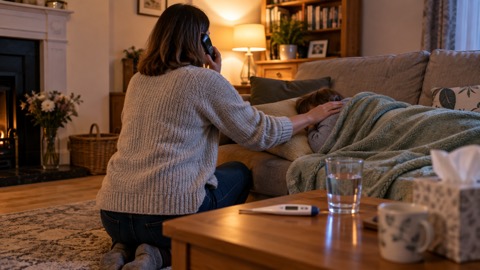
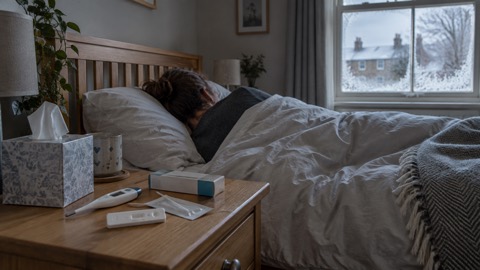
Match the care to the illness and reduce opportunities for infection to spread. For norovirus, official advice is to avoid contact with others as much as possible, clean frequently touched bathroom surfaces, wash soiled laundry separately at 60°C and drink plenty of fluids.4 The staying at home when ill guide explains the household routine, while looking after someone who is ill at home and the caring for someone ill checklist cover the carer's tasks.
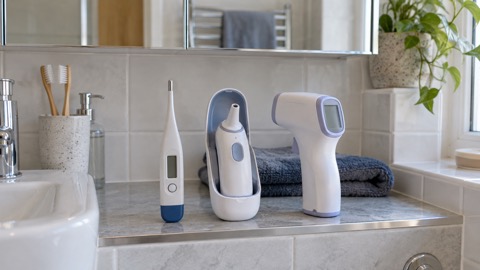
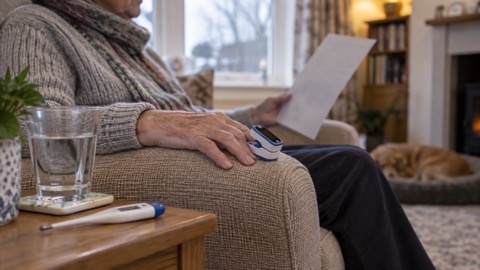
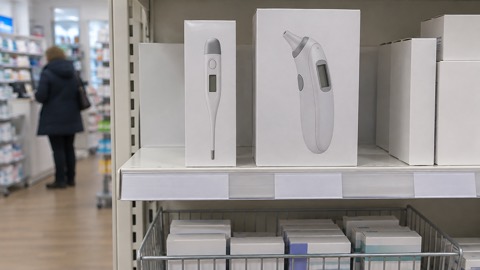
Basic monitoring equipment can support observations, but each device has limits and correct use matters:
- Thermometers for checking a fever explains the available types.
- Infrared or digital stick thermometers compares the two approaches.
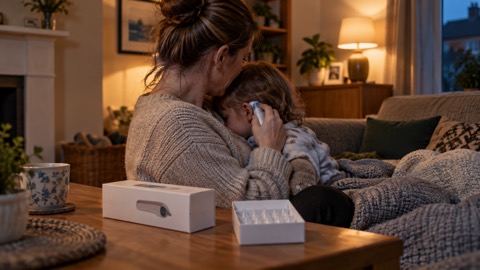
- The Braun ThermoScan 7 ear thermometer page covers that specific model.
- Pulse oximeters explains what they measure and their limits.
Do not use someone else's prescription as a shortcut when a carer or relative is ill; the guidance on taking a family member's medicine addresses that question. Keep food handling hygienic, particularly where vomiting and diarrhoea are involved, because infected food handlers can pass on norovirus.16
Warmth and comfort also need safe equipment. When someone is ill in bed, read the hot water bottle safety advice in heating and cooking without mains power or gas rather than improvising with unfamiliar heating methods.
Preparation extends beyond your front door. Nottinghamshire advises asking whether elderly or vulnerable neighbours might want or need assistance during an emergency.11 Agreeing that contact in advance can make it easier to check on someone when illness or severe weather disrupts normal routines.
Who is most at risk
Risk depends on the hazard, but several groups recur across official heat, cold, flu and norovirus guidance. Age alone is not the only consideration: pregnancy, underlying illness, medication, mobility, living circumstances and outdoor work can all change someone's risk.
| Hazard | Groups identified as facing higher risk |
|---|---|
| Hot weather | People aged 65 and over, children aged 5 and under, pregnant women, people with underlying conditions, people on certain medications, people with serious mental health problems, people already ill and dehydrated, people with alcohol or drug dependence, outdoor workers, people experiencing homelessness and some people living alone |
| Cold weather | People aged 65 and over, people with long-term health conditions, pregnant women, young children, people with learning disabilities, people at risk of falls, people who are housebound or have low mobility, people living alone and people in deprived circumstances |
| Flu | Children under 6 months, people aged over 65, pregnant women and people with certain underlying health conditions |
| Norovirus | Children under 5 years, older adults and people with weakened immunity |
Use people at higher risk in an outbreak to plan protection for vulnerable relatives. Social care staff can check flu vaccination eligibility and book through occupational health services, their pharmacy or GP; NHS England contacts those eligible for COVID-19 vaccination. Care managers are also advised to train staff to identify people most at risk from cold weather and raise concerns where necessary.23
Some households need to plan for power and service disruption as well as infection. If someone uses home oxygen, CPAP or another powered medical device, read extra help in an emergency for Priority Services Registers and medically dependent households, then use backup power at home to consider the equipment's electricity needs. Do not wait for a cut to discover that a device, its battery and the household plan do not work together.
Outbreaks, pandemics and other emergencies
A household's immediate tasks remain consistent: use NHS services appropriately, follow disease-specific advice, reduce spread and check on people at higher risk. The detailed measures depend on the disease, so use infectious disease outbreaks near you for a local outbreak and pandemics: how the UK plans and what households should do for a national or international event.
In England and Wales, local organisations have primary responsibility for planning and responding to major emergencies, including pandemics. They work through Local Resilience Forums and Local Health Resilience Partnerships in England, and NHS emergency planning structures in Wales. The UK pandemic plan advises people with symptoms to use NHS 111, NHS 24 in Scotland or NHS Direct Wales, including online where possible, and to use pharmacies, GPs and hospitals responsibly.24
The UKHSA guide explains alerts, outbreak advice and local teams. Disease pages cover situations that need different responses, including bird flu and Legionnaires' disease. For wider context, see how the UK prepares for emergencies and getting started with household preparation.
Other emergencies can affect health services without being outbreaks. During the 2017 WannaCry incident, the NHS used mutual aid: when one A&E could no longer take patients, nearby A&Es took demand, and some patients from five hospitals travelled further than normal for emergency treatment.25 This is why it helps to keep medicine information offline and know alternative routes to care; the cyber guide covers household preparation for IT failures.
Wiltshire and Swindon's Preparing for an Emergency booklet explains how to prepare for, respond to and recover from emergencies. Braille and large-print versions are intended to make the information accessible to more people.26 For radiation incidents, including official advice on potassium iodide tablets, use major incidents.
NHS help in each nation
The emergency number is consistent, but the name of the urgent health service varies. Use the service for the nation you are in and follow its current advice.
| Nation | Urgent and emergency route |
|---|---|
| England | Call 111 free or use 111.nhs.uk for people aged 5 and over; call 999 for an immediate, life-threatening emergency |
| Scotland | The UK pandemic plan directs people with symptoms to NHS 24, including online where possible |
| Wales | The UK pandemic plan directs people with symptoms to NHS Direct Wales, including online where possible |
| Northern Ireland | Use the emergency services number for an immediate emergency and follow local health service arrangements for urgent advice |
England's 111 service covers physical and mental health needs. Its online route can lead to self-care, pharmacy help, an out-of-hours GP, an urgent treatment centre, specialist dental or mental health support, a nurse callback, or 999 and A&E where necessary.1 Mental health crisis support through 111, including the option for concerned relatives and support for children, is specifically described for England.8
During widespread illness, use these routes responsibly so that hospital care remains available for those who really need it. That means using 111, NHS 24 or NHS Direct Wales as applicable, alongside pharmacies and GPs, rather than treating A&E as the default starting point.24
Where IT failures affect a local service, arrangements can change. NHS mutual aid has previously allowed neighbouring emergency departments to absorb demand when one could no longer take patients.25 Follow the instructions given by the local NHS service at the time, and keep your own essential medicine and health information accessible without relying solely on an app or website.
Sources (28)
- NHS 111, NHS England, 2026-10-29
- Alternatives to 999, South Central Ambulance Service, 2026-10-29
- Preparing for emergencies and the Be Ready checklist, GOV.UK, 2026-11-03
- Norovirus, Derbyshire County Council, 2026-10-29
- UKHSA heat and cold alerts, Essex Prepared, 2026-10-29
- When to call 999, North West Ambulance Service, 2023-12-21
- NHS 111 online, NHS England, 2026-10-29
- NHS 111 mental health crisis support, NHS England, 2024-08-27
- Preparing yourself for emergencies, London Resilience Partnership, 2026-10-25
- Norovirus symptoms and when to get help, NHS inform, 2026-10-13
- Preparing for an emergency, Nottinghamshire County Council, 2026-10-29
- UK Government Resilience Action Plan, GOV.UK, 2025
- Beat the heat: staying safe in hot weather, GOV.UK, 2026-07-21
- Top tips for keeping warm and well this winter, GOV.UK, 2026-04-28
- Norovirus: winter vomiting bug, Warwickshire County Council, 2026-10-29
- Foodborne viruses and norovirus, Food Standards Scotland, 2026-10-25
- Flu and winter health, Met Office, 2026-10-28
- Flu symptoms and spread, Derbyshire County Council, 2026-10-29
- Coronavirus and COVID-19, Derbyshire County Council, 2026-10-29
- Flu vaccination advice, Derbyshire County Council, 2026-10-29
- NHS winter vaccine rollout for 2025 to 2026, NHS England, 2025-09-01
- Flu and COVID-19 vaccinations from October 2025, NHS England, 2025-10-01
- Supporting vulnerable people before and during cold weather, GOV.UK, 2025-09-24
- Coronavirus action plan: what to expect across the UK, GOV.UK, 2026-11-03
- Lessons learned review of the WannaCry ransomware cyber attack, NHS England, 2018-02-01
- Preparing for an Emergency booklet, Wiltshire and Swindon Prepared, 2026-10-25
- Staying well in winter, Derbyshire County Council
- WeatherReady: weather hacks, Met Office, 25 October 2026
 Pandemics and UK Household Plans
 Outbreaks Near You
 UK Health Security Agency
 Staying Home When Ill
 Stopping Infections at Home
 Caring for a Sick Person at Home
 Keeping Prescription Medicine
 Medicine Shortages Explained
 Storing Medicines Safely
 Urgent Care and A&E
 Vaccines Against Outbreaks
 Flu Symptoms and Getting Help
 COVID-19 Symptoms and Testing
 Norovirus Symptoms and Spreading
 Measles and the MMR Vaccine
 Bird Flu Risk to People
 Meningitis Signs to Act On
 Legionnaires' Disease at Home
 Protecting Higher-Risk Relatives
 Lateral Flow Tests at Home
 Thermometers for Fever at Home
 Pulse Oximeters and Their Limits
 Coping With Isolation and Worry
 How Long to Stay Home With COVID
 Time Off After Sickness
 Stopping Flu Spreading at Home
 How Long to Wash Your Hands
 When to Call 111 or 999
 When Your GP Is Closed
 Disposing of Unused Medicines
 Medicines in a Heatwave
 Taking Someone Else's Medicine
 Ordering Repeat Prescriptions
 Treating Dehydration at Home
 Cold-Health Alerts Explained
 The Glass Test for Meningitis
 Keeping a Child Off School
 Avoiding Hospital Visits
 Pharmacy First Explained
 Free Flu Vaccine Eligibility
 Who Can Get a COVID-19 Vaccine
 Cold, Flu or COVID-19
 Medicine Cabinet Checklist
 Sick at Home Supplies Kit
 Caring for Someone Ill at Home
 Medicine Supply Checklist
 Pandemic Household Checklist
 Infrared vs Digital Thermometers
 Running Out of Medicine
 NHS 111 How to Use It
 Braun ThermoScan 7 Thermometer