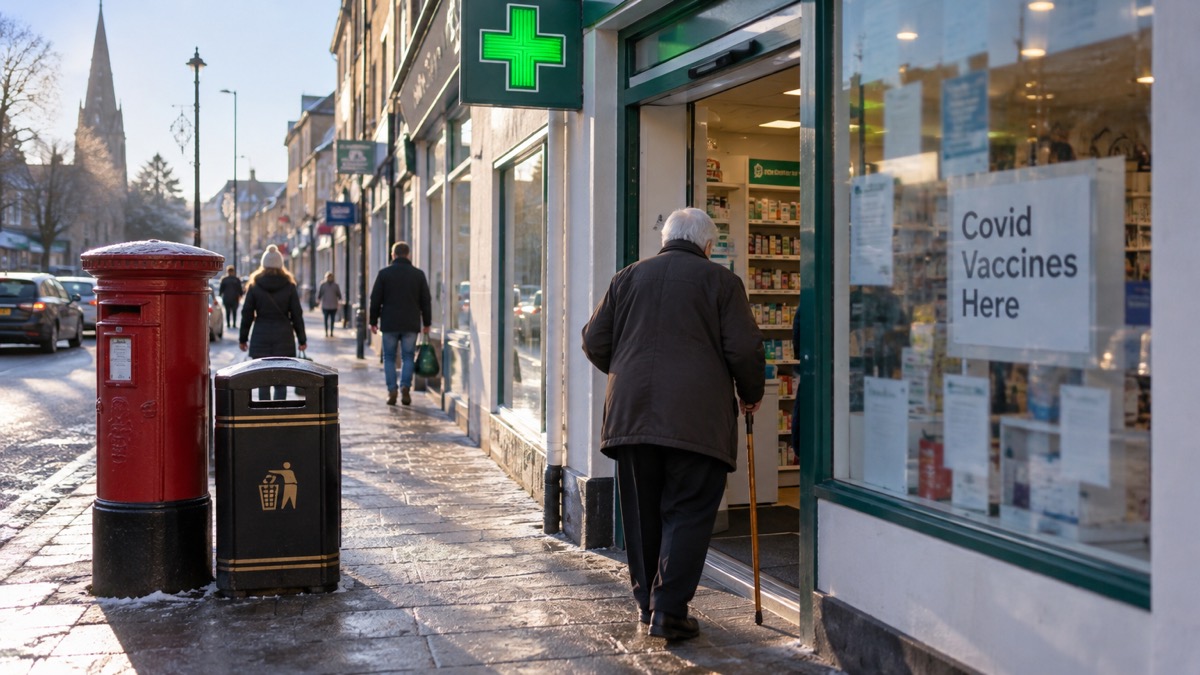
The COVID-19 vaccine is no longer offered to everyone. Since autumn 2025, the NHS has limited the seasonal jab to the people most likely to become seriously ill: adults aged 75 or over, people aged 6 months to 74 years with a weakened immune system, and people living in a care home for older adults1. If you fall into one of those groups, you can still be vaccinated. If you do not, you are not normally offered one, however many jabs you had in earlier years.
The change is deliberate. The NHS describes the offer as going to people at increased risk of severe illness from COVID-19 infection3. That is a narrower group than the one vaccinated during the height of the pandemic, and it is reviewed each season. The practical effect is that many people who were vaccinated before, including some with long-term conditions such as diabetes, are no longer in the eligible group2.
This page sets out who qualifies now, what a weakened immune system means in practice, how care home residents are covered, and what to do if you think you should be on the list but have not been contacted. It also explains where the vaccine sits alongside the other winter vaccinations you may be offered.
Who can get a COVID-19 vaccine now
There are three routes into the current offer, and you only need to meet one of them. The first is age: you are aged 75 or over, including anyone who will be 75 by 31 January 20261. The second is immune status: you are aged 6 months to 74 years and have a weakened immune system because of a health condition or treatment1. The third is where you live: you live in a care home for older adults1.
Age UK summarises the same three groups, noting that only these people will be offered a COVID-19 vaccination in the UK2. The NHS in England frames it as a winter vaccine, offered to those at increased risk of severe illness3. In Scotland, NHS Inform likewise directs people to get a COVID-19 vaccination if they are eligible or invited5.
| Who you are | Can you get a COVID-19 vaccine? | Source |
|---|---|---|
| Aged 75 or over (or 75 by 31 January 2026) | Yes | 1 |
| Aged 6 months to 74 with a weakened immune system | Yes | 1 |
| Living in a care home for older adults | Yes | 1 |
| Aged under 75 with no weakened immune system | No, unless you live in a care home for older adults | 1 |
| Long-term condition such as diabetes, not otherwise eligible | No longer offered | 2 |
If you are in any doubt about which group you fall into, the deciding question is usually not your age but your immune status. The next section explains what that means.
What counts as a weakened immune system
A weakened immune system is the phrase the NHS uses for people whose body cannot fight infection as well as normal, usually because of an illness or a treatment for one. It is not the same as simply having a long-term condition. The NHS lists examples that may make you eligible: blood cancer such as leukaemia, lymphoma or myeloma; an organ, bone marrow or stem cell transplant; HIV; a genetic immune disorder such as SCID; chemotherapy, biological therapy or radiotherapy; steroid medicine; and long-term immunosuppressive treatment for conditions such as lupus, rheumatoid arthritis, inflammatory bowel disease, scleroderma or psoriasis6.
The group is described more broadly elsewhere as people who have a weakened immune system because of a health condition or treatment, including people who have received a kidney transplant7. The UK Health Security Agency's general description of people at risk from infectious disease puts it the same way: people who are immunosuppressed or have other underlying health conditions, older adults, babies and young children, and pregnant people, with the exact list varying by disease8.
If you think your condition or treatment may weaken your immune system, do not try to work it out from a general list. Ask the team that manages your condition, or your GP surgery, whether you are recorded as immunosuppressed. They hold the record the NHS uses to invite people.
Children and young people
Children are eligible on exactly the same basis as adults: a weakened immune system, not age. The offer runs from 6 months to 74 years for children and adults with a weakened immune system because of a health condition or treatment1. A healthy child is not offered a COVID-19 vaccine.
That makes the conversation with a child's specialist team the important step. If your child is under the care of a hospital team for a condition or treatment that affects their immune system, that team is best placed to say whether they qualify and to arrange the vaccination. The same principle applies to children in a clinical risk group for other winter vaccines: the NHS arranges those through the services that know the child.
It helps to keep the COVID-19 offer in perspective alongside the other childhood vaccinations. School-age children from reception to year 11 are offered the flu vaccine through school services9, and children aged 2 to 3 are offered it too9. Those are separate programmes with their own eligibility, and being offered one does not mean your child is eligible for the other.
Care home residents and the people who visit them
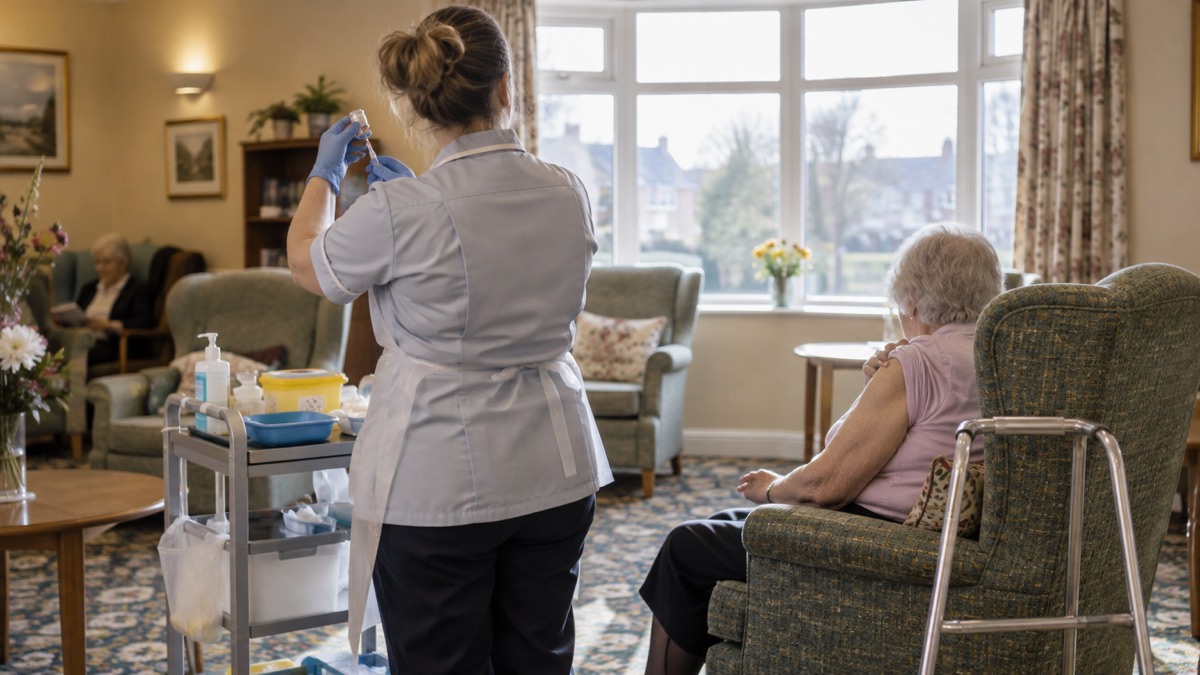
Living in a care home for older adults is a route to the vaccine in its own right, whatever your age1. Care homes are also a setting where the virus can spread quickly, which is why residents are treated as a priority group. The NHS in Scotland includes residents in care homes for older adults in its winter vaccine programme, alongside all adults aged 65 and over and those in clinical at-risk groups10.
If you live in a care home, you do not need to do anything to arrange it: the home and the local NHS will normally organise vaccination for residents. If you are unsure whether you have been offered it, ask the home's manager.
If you visit someone in a care home, the advice is different. Age UK suggests you think about getting any COVID-19 and flu vaccines you are eligible for, do not go into the care home if you are feeling unwell even if you have tested negative and had your vaccines, and follow the home's infection control measures such as hand washing and PPE11. In other words, your own eligibility is decided by your own circumstances, not by the fact that you visit a care home.
Why the offer is limited to those at highest risk
The vaccine is now targeted rather than universal because the aim has changed. The NHS describes the seasonal jab as being for people at increased risk of severe illness from COVID-19 infection3. Local public health teams say the same: people who are most at risk of severe illness from COVID-19 will be offered an autumn COVID-19 vaccine12. The purpose is to reduce the risk of the people most likely to end up in hospital becoming seriously unwell.
That is why the list is short and why it is reviewed. The groups at higher risk from COVID-19 are described as older adults, those with some long-term conditions, and those who are pregnant, especially after 28 weeks13. The vaccine offer is narrower than that general risk description because it concentrates on the highest tier of risk.
The same logic runs through the wider winter vaccination programme. Healthcare professionals are asked to offer COVID-19 and flu vaccinations to all those who are eligible, as a preventive measure to reduce the risk of respiratory infections during winter14. Cold-Health Alert guidance for community organisations makes the same point: promote vaccination for COVID-19 and flu among people who are eligible, to help reduce risks from respiratory infections during the winter15.
"You should ensure that you offer COVID-19 and/or flu vaccinations to all those who are eligible, as a preventive measure to reduce the risk of respiratory infections during winter."
If you are not on the eligible list
Most people who ask about a COVID-19 vaccine and are told they are not eligible will still be offered other protection. The flu vaccine is the main one. It is offered on the NHS every year in autumn or early winter to some adults and children at higher risk of getting seriously ill from flu16. The eligible groups include people aged 65 or over, people aged 6 months to 64 years with certain long-term health conditions, pregnant women, people living in a care home, and main carers for an older or disabled person9.
| Vaccine | Main eligible groups | Source |
|---|---|---|
| COVID-19 | Aged 75 or over; aged 6 months to 74 with a weakened immune system; care home residents for older adults | 1 |
| Flu | Aged 65 or over; certain long-term conditions; pregnant; care home residents; main carers | 9 |
| Shingles | Aged 70 to 79; severely immunosuppressed adults over 18; turned 65 on or after 1 September 2023 | 9 |
| Pneumococcal | Babies; aged 65 or over; children and adults at higher risk | 1 |
If you are a member of staff in social care, the route is slightly different. Staff can check eligibility for flu vaccination and book an appointment through occupational health services, their pharmacy or GP; for COVID-19, NHS England will contact those eligible17. Frontline health and social care workers who cannot get a flu vaccine through their employer can get it at a pharmacy or GP surgery if they are employed by a registered residential care or nursing home, a registered domiciliary care provider, a voluntary managed hospice provider, or through direct payments or personal health budgets6.
If you are not eligible for either vaccine and you become unwell with COVID-19, the NHS still offers treatment to people at the highest risk of becoming seriously ill9. Testing and treatment are separate from vaccination, and the criteria are different. Our page on COVID-19 now explains what to do if you develop symptoms, and Vaccines that protect against outbreaks sets the COVID-19 and flu offers alongside the rest of the routine programme.
Where to get help and advice
The NHS provides the COVID-19 vaccine, and the simplest route is to wait for your invitation if you are in an eligible group, or to ask your GP surgery or specialist team if you think you should have had one4. In England, NHS England contacts those eligible for COVID-19 vaccination directly17. In Scotland, NHS Inform advises getting a COVID-19 vaccination if you are eligible or invited5.
If you are unsure whether you qualify, the people who can answer are the ones who hold your medical record: your GP surgery, or the hospital team treating the condition that affects your immune system. They can see whether you are recorded as immunosuppressed and can correct the record if it is wrong.
For households supporting an older or disabled relative, it is worth knowing about the wider help available. The Priority Services Register is open to households of pensionable age, people with long-term illnesses, and families with children under 518, and it can help with things like advance notice of power cuts. Our guide to extra help in an emergency explains how to sign up and what it covers. If you are caring for someone who is unwell at home, looking after someone who is ill covers the practical side, and people at higher risk in an outbreak sets out how to protect vulnerable relatives through the winter.
Sources (18)
- Use the right service this winter, Hampshire Hospitals NHS Foundation Trust, 2026-10-29
- Diabetes and cold weather, Diabetes UK, 2025
- Coronavirus (COVID-19), Derbyshire County Council, 2026-10-29
- Coronavirus (COVID-19), GOV.UK, 2026-10-29
- Coronavirus (COVID-19), NHS Inform Scotland, 2026-10-20
- Keep warm keep well, NHS, 2022-11-16
- Stay warm and well this winter, Kidney Care UK, 2026-10-25
- Health and infectious disease outbreaks, UK Government preparedness campaign, 2026-10-12
- Stay well this winter, NHS England, 2025
- Keep safe keep well winter safety campaign, NHS Western Isles, 2024-10
- Coronavirus guidance, Age UK, 2025-12-10
- Pandemic and infectious disease, Greater Manchester Combined Authority, 2026-10-29
- Coronavirus (COVID-19), Derbyshire County Council, 2026-10-29
- Supporting vulnerable people before and during cold weather: guidance for healthcare professionals, UK Health Security Agency, 2025-09-24
- Cold health alert action card for the voluntary and community sector, UK Health Security Agency, 2025-09-24
- Flu, NHS, 2026-02-03
- Supporting vulnerable people before and during cold weather: guidance for adult social care managers, UK Health Security Agency, 2025-09-24
- Preparing for emergencies, North Hertfordshire District Council, 2015-01-12
 Medicine Cabinet Checklist
 Sick at Home Supplies Kit
 Caring for Someone Ill at Home
 How Long to Stay Home With COVID
 Time Off After Sickness
 Stopping Flu Spreading at Home
 How Long to Wash Your Hands
 When to Call 111 or 999
 When Your GP Is Closed
 Disposing of Unused Medicines
 Medicines in a Heatwave
 Taking Someone Else's Medicine
 Ordering Repeat Prescriptions
 Treating Dehydration at Home
 Cold-Health Alerts Explained