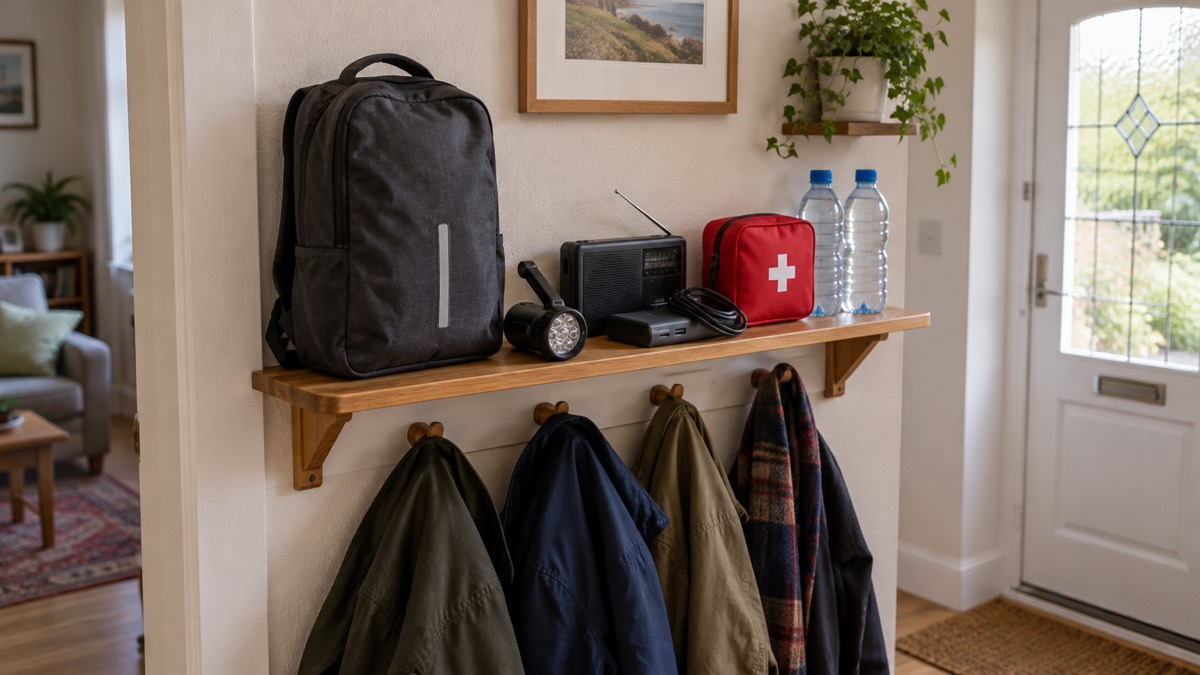
Getting Started: Preparing Your Household for an Emergency
Start with three practical tasks: check the risks where you live, write a household emergency plan that everyone can find, and put together 3 days' worth of supplies. Your plan should cover staying in contact, sheltering indoors, leaving home, essential medicines and anyone who needs extra help.1
If an emergency has already started, follow official instructions rather than waiting to finish your preparations. When you receive a UK Government Emergency Alert, stop what you are doing and follow the instructions of the alert. If anyone is in imminent danger of harm or danger to life, call 999 and choose Fire, Ambulance or Police. Do not put yourself or others in danger.2
What to do when an emergency starts
Pay attention to official information from local authorities, government agencies and emergency services, including their websites and social media accounts. Messages from the UK Government Emergency Alerts Service are also official warnings. Alerts may be used for situations including severe flooding, fires and extreme weather. Our guide to what to do in an emergency at home takes you through the immediate decisions.8
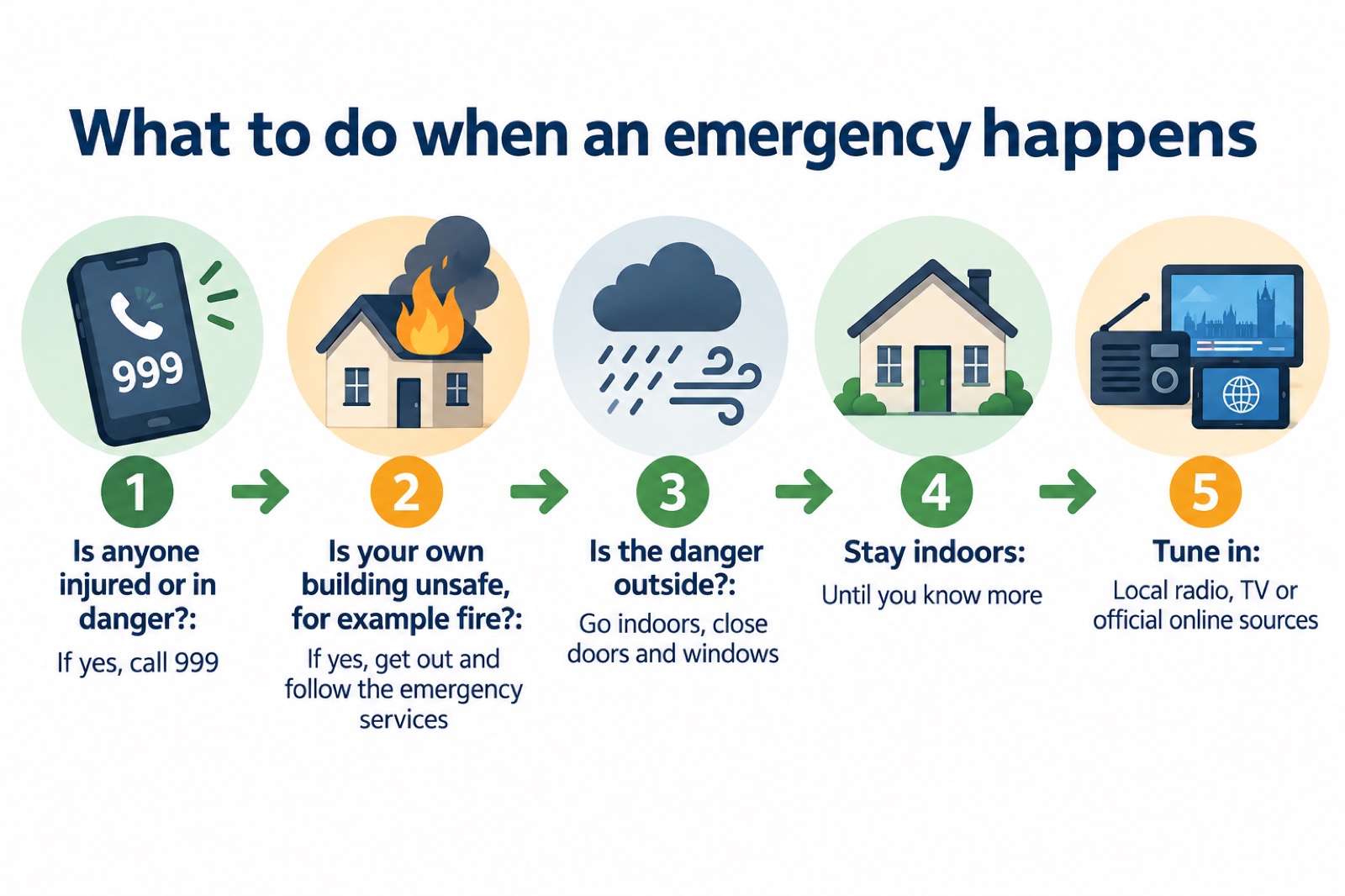
- Check for immediate danger. Call 999 where there is imminent danger of harm or to life, and do not put yourself or others at risk.3
- Follow the latest official instruction. Emergency services may tell you to stay indoors, leave or take another specific action. Follow their advice.9
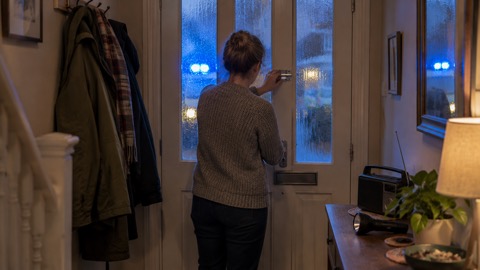
- If it is not safe to go out, shelter indoors. Go inside, close all windows and doors, stay indoors and keep up to date using radio, television or online information. This approach is often summarised as Go In, Stay In, Tune In. Read more about sheltering in place and how it applies during major incidents.5
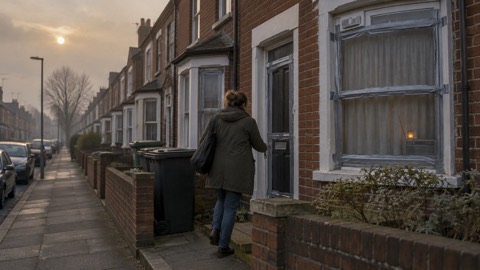
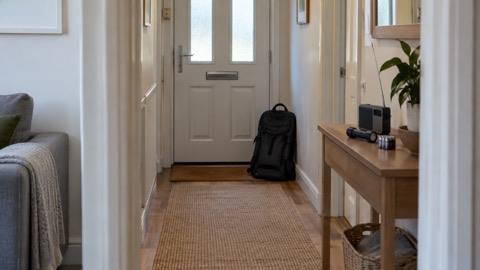
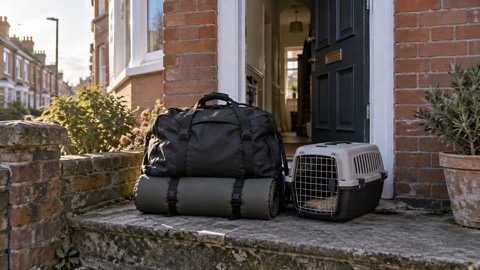
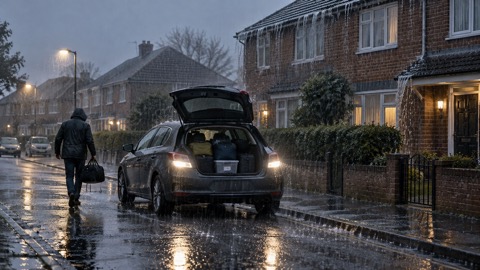
- If told to evacuate, leave as directed. Take your ready bag or emergency kit and follow the instructions given by emergency services.9
The choice is not simply whether your house feels safe. It depends on the hazard and the official instruction. Staying put or leaving explains how to think through that decision without delaying an evacuation.
If you have time and are advised to do so before leaving, turn off electricity, gas and water, unplug appliances, and lock doors and windows. Take bottled water and blankets if leaving by car, all prescribed medication and health aids, and pets with carriers or leads. Tune in to local radio and tell emergency services where you have gone and how you can be contacted. There is a fuller evacuation guide and a before you leave checklist.6
If you cannot remain at home, a local authority may open a rest centre. Cornwall Council describes this as temporary accommodation in a building with potential overnight facilities, with more suitable overnight accommodation sourced whenever possible. Its arrangements indicate opening approximately 2 hours after the event and operating for 48 hours or so; these are local arrangements, not a national guarantee.10
Moray Council lists support including registering evacuees, catering, arranging longer-term accommodation, first aid, contact with family and friends, and information about the emergency. See what to expect at rest centres.11
Find out the risks where you live
Begin with local risks rather than trying to prepare separately for every imaginable event. In England, each Local Resilience Forum publishes a Community Risk Register setting out the risks most likely to cause disruption in its region. These forums bring together local public services, including emergency services, local authorities, the NHS, the Environment Agency and organisations such as utility providers.12
Use the register alongside your council's emergency information. Nottinghamshire Council advises households to find out whether their home has specific risks, such as flooding, and what can be done to protect it. A regional register explains the wider area; council information can bring that closer to your property and circumstances.13
| Where to look | What it adds to your plan |
|---|---|
| Local Resilience Forum | Local hazards, their potential impact and multi-agency planning12 |
| Your local council | Local emergency information and whether specific risks affect your home13 |
| National risk information | The wider national context for the risks your household considers14 |
| Your own household | Who may be most in need of support and how vulnerable you are to each risk14 |
Most emergencies in the UK are handled locally by emergency services, local authorities and organisations such as utility companies and transport operators. Local Resilience Forums conduct community risk assessments and develop the registers that identify hazards such as floods, industrial accidents and pandemics.15
In England and Wales, these forums operate within police area boundaries under the Civil Contingencies Act 2004. The government's community planning toolkit provides contact information for forums across both nations. For the wider system, including the Be Ready campaign and the National Risk Register, read how the UK prepares for emergencies.16
You do not need a different kit for every entry in a register. Use the findings to answer practical questions: could your home flood, would you need to stay indoors, and who would need help leaving? Which emergencies should a UK household prepare for? groups the hazards, while Community Risk Registers explains how to read your local assessment.
Make a household plan in four steps
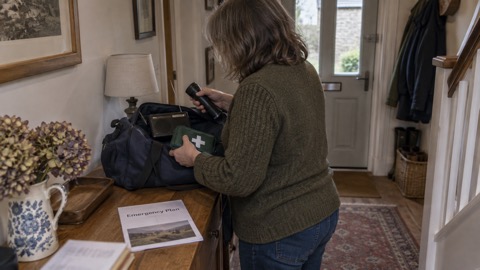
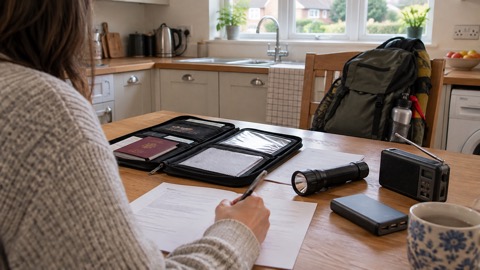
A useful plan is short enough to use under pressure and specific enough to answer who does what. Ready Scotland advises keeping a printed or handwritten copy somewhere handy and making sure everyone in the home knows where it is. Start with how to make a household emergency plan, then use the household emergency plan template to fill in your own details.4
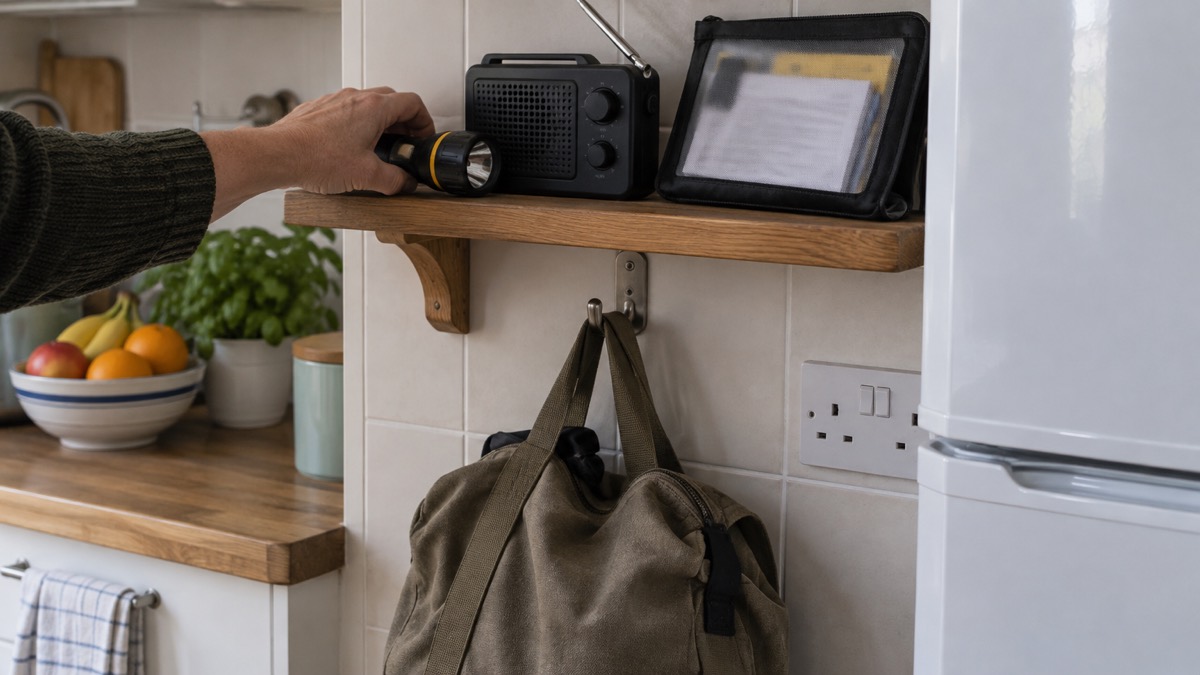
- Set out how everyone will stay in contact. Warwickshire's household guidance asks families to establish how they will stay in contact during an emergency. Write the arrangements down rather than relying on everyone's memory.17
- Record what you would do indoors and when leaving. Include official information sources, your emergency kit, utility shut-offs, essential medicines and the needs of pets and anyone requiring support.5
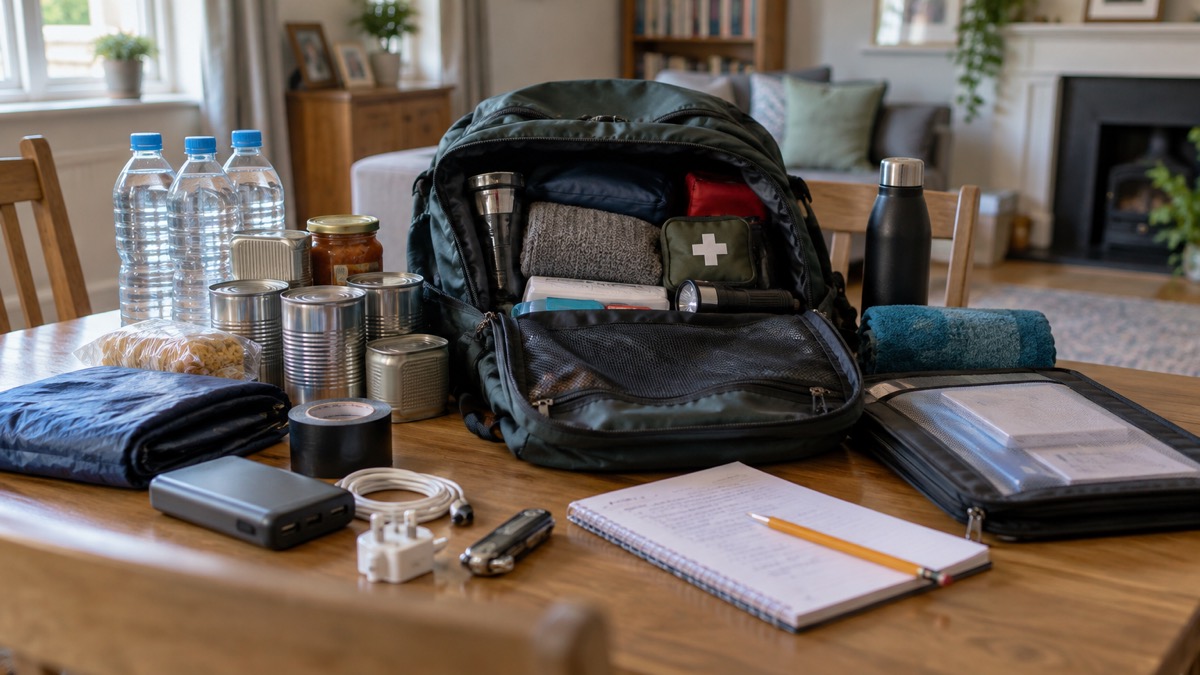
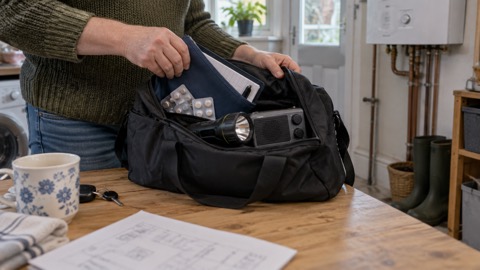
- Prepare a grab bag in a known place. Northumberland's Local Resilience Forum suggests an emergency checklist, insurance policy copies and key emergency service numbers, with family members knowing where the bag is kept.18
- Prepare for both home and travel. Somerset advises making a home emergency pack and an evacuation checklist of things to pack quickly. Depending on the time of year, it also advises keeping a basic emergency kit in your vehicle.19
If the whole task feels too large, spread it across the 30-day household preparation checklist. To check for gaps afterwards, work through the 50-step household emergency checklist. Planning how everyone would get out is covered separately in planning how your household would leave home.
Keep personal information secure while making and sharing the plan. Ready Scotland warns that criminals may exploit emergencies through scams or false information. Use official sources for updates and do not treat an unexpected message as genuine simply because it refers to the incident.4
Numbers and contacts on paper
Keep a list of emergency contact numbers at home as part of your kit. Paper remains available when a phone is flat, damaged or cannot access stored contacts. Put a copy with the household plan and another with the grab bag, and make sure everyone knows where they are.20
Your list should include household contacts, emergency services and the utility numbers relevant to where you live. The following numbers are listed in Ready Scotland's home emergency plan and are labelled here for Scotland rather than presented as a UK-wide table.5
| Purpose in Scotland | Number |
|---|---|
| Emergency services | 999 |
| Police | 101 |
| NHS 24 | 111 |
| Floodline Scotland | 0345 988 1188 |
| Loss of power | 105 |
| Gas emergencies | 0800 111 999 |
For an immediate danger to life, 999 is the emergency number in the general guidance used across this page. Add essential medication to the kit you take when leaving, and keep your written contacts with it.3
A contact plan also needs current information. Follow local authority, government and emergency service accounts, and act on Emergency Alerts. Staying informed and in touch explains the communication side of the household plan in more detail.8
Turning off gas, electricity and water
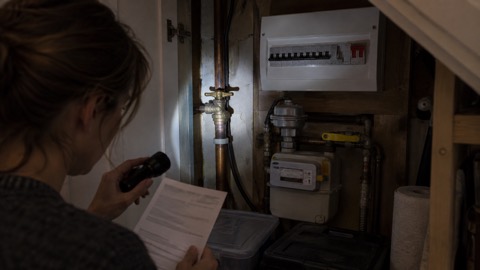
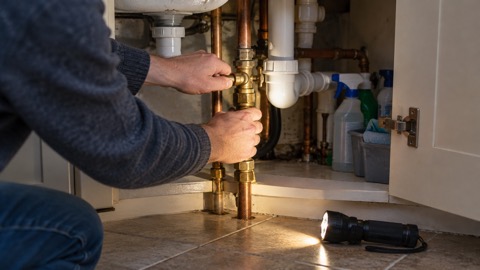
Find these controls before an emergency, but do not treat shutting them off as an automatic response to every incident. Bristol City Council advises turning off electricity, gas and water if you are advised to do so. West Northamptonshire guidance says to do this if there is time before evacuating, together with unplugging appliances.6
Use finding your stopcock, gas valve and fuse box to record where each control is and how it relates to your home. Keep the locations with the household plan so that an instruction to isolate a supply does not require searching during an evacuation.
Before leaving, the same official guidance includes these related actions:
- Lock all doors and windows.
- Take your grab bag and prescribed medication.
- Take glasses, hearing aids, ability aids and other health aids.
- Take pets with suitable carriers or leads.
- Take bottled water and blankets if travelling by car.
- Tell emergency services where you have gone and how you can be contacted.7
Do not improvise a gas reconnection or treat restored electricity and water as permission to restore gas. This is one of the key checks when returning home after an emergency.21
Three days of food and water
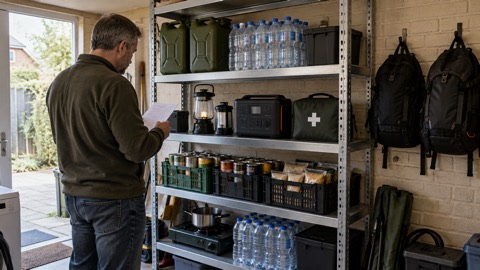
The government's Be Ready advice is to have 3 days' worth of supplies. Its household emergency plan is more specific about food: keep non-perishable food to last at least 3 days, requiring neither cooking nor refrigerating. Examples include tinned meat, fruit or vegetables, together with a tin opener.1
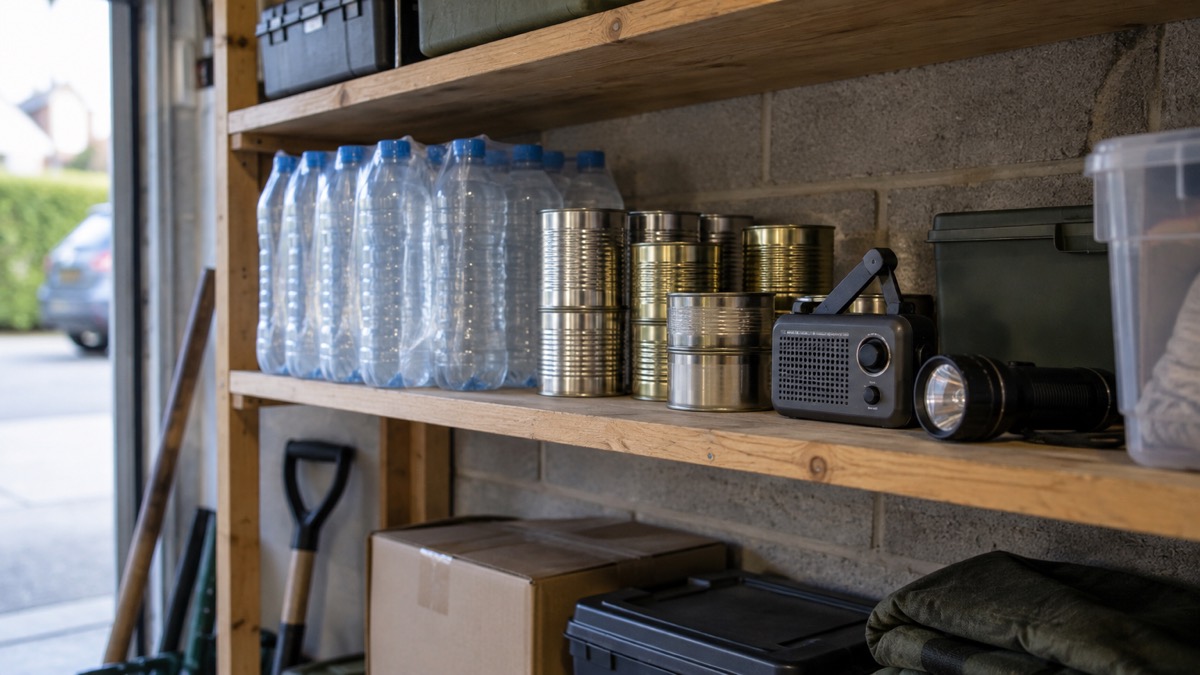
For drinking water, the same plan recommends a minimum of 2.5 to 3 litres per person per day. Store for everyone in the household and keep the water with your other emergency supplies. Water in an emergency explains storage and use in more detail.21
| Supply | Starting point for the household plan |
|---|---|
| Food | Non-perishable food for at least 3 days, with no cooking or refrigeration required21 |
| Useful equipment | A tin opener for tinned food21 |
| Drinking water | A minimum of 2.5 to 3 litres per person per day21 |
| Prescription medication | Aim to reorder so that you always have a minimum of 5 days' supply21 |
| Leaving home | Essential medication in the emergency kit you take with you20 |
Choose supplies around what your household can actually use. Food that needs cooking or refrigeration does not meet the Be Ready plan's stated starting point, and tinned food is less useful without a way to open it. Emergency food covers stores and meals without power, while heating and cooking without mains services deals with the wider safety issues.
The household plan's medication advice is about reordering prescriptions in good time, not obtaining extra medicines during an emergency. Keep essential medication accessible enough to take if you leave. Health emergencies and medicine supplies provides the dedicated guidance.20
Medicines, documents and a home kit
Build one home emergency pack, then make a short evacuation checklist for the items you would need to gather quickly. Somerset also suggests a basic vehicle kit depending on the time of year. This separates supplies that can remain packed from everyday items such as medication that may need to be added as you leave.19
Nottinghamshire Council recommends including photocopies of important documents such as:
- Passport
- Insurance certificates
- Driving licence
- Pet vaccination certificates13
Add the paper contact list, emergency checklist and insurance policy copies described in the grab-bag guidance. Keep the bag in a safe place and ensure family members know where it is.18
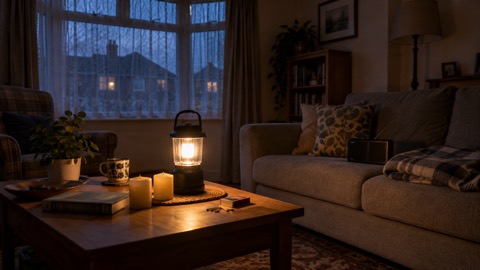
The kit should support both staying at home and leaving. At home, it brings food, water, documents and contact details together. When leaving, essential medication, health aids and pet equipment become immediate priorities. The full emergency kit guide sets out the household kit in detail, while backup power and emergency lighting cover particular needs during a loss of electricity.
Fire and flood plans
A household emergency plan should include a fire escape plan because leaving a fire may require different actions from leaving during a flood. Suffolk Fire and Rescue Service's planning guidance covers what to do when you first realise there is a fire, how to check whether there is fire behind closed doors, what to have in an escape kit, what to do if the escape route is blocked and what to do once outside.22
Work through those points for your own home and make sure everyone understands the escape arrangements. Keep the fire plan accessible with the wider household plan. Home emergencies covers fire and other urgent household hazards in greater depth.22
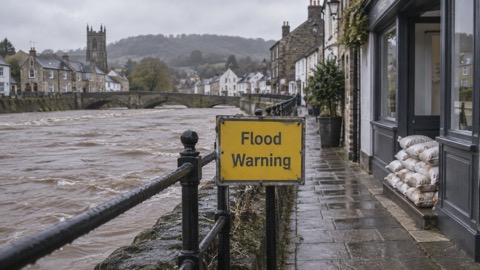
For flooding, first establish whether your home has a specific flood risk and what can be done to protect it. Severe flooding is one of the situations that may lead to a UK Government Emergency Alert, so include alerts and official information in your flood arrangements.13
A flood plan can then use the same practical structure as the rest of this page:
- Know where official updates will come from.
- Keep the grab bag and document copies ready.
- Plan for essential medication, health aids and pets.
- Follow instructions to shelter or evacuate.
- Isolate utilities only when advised or when there is time before leaving.8
If your home is at risk, use the dedicated flooding guide to develop that plan further.
Carers, pets and neighbours
Write individual needs into the plan rather than assuming everyone can follow the same instructions. Community preparedness guidance asks households and groups to consider who may be most in need of support. For someone you care for, include prescribed medication, glasses, hearing aids, ability aids and how they would leave home.14
Extra help in an emergency covers arrangements for older, disabled and medically dependent households, including the Herbert Protocol, Message in a Bottle and priority services registers. Use those arrangements alongside, not instead of, the household's own contact and evacuation plan.
Pets need explicit arrangements too. Evacuation guidance says to take them with suitable carriers, leads, muzzles and food. Somerset Prepared provides three animal welfare leaflets written by a vet with support from major animal charities and organisations, intended to help owners plan before a disaster. Add pet vaccination certificate copies to the document pack and see pets in an emergency.6
Neighbours and community groups can use the same risk awareness to identify people who may need support. The government's community emergency plan toolkit explains how local planning is coordinated and provides a structure for community arrangements. Read community resilience and helping neighbours before developing a shared plan.16
After an emergency, and reviewing your plan
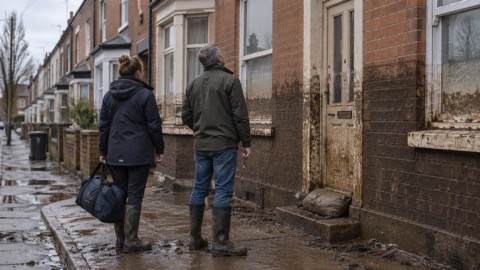
Return to official information for instructions about going home and recovering. If you stayed at a rest centre, its support may include registration, information, first aid, contact with family and friends, and help arranging longer-term accommodation.11
Check utilities carefully. Water and electricity can be turned back on by you under the Be Ready household plan, but gas must be restored by a qualified engineer. Keep that distinction in your written plan and follow the detailed returning home guidance.21
Recovery may involve more than reopening the house. Somerset Prepared provides leaflets covering preparation before, during and after emergencies, templates for personal, parish and business plans, and information on home packs, evacuation checklists and vehicle kits. Use these to revisit your arrangements after the immediate incident, and see recovering after a major emergency.19
Keep the revised plan printed or handwritten somewhere handy and tell everyone where it is. Retain your caution about scams and false information during recovery, since Ready Scotland warns that criminals may take advantage of emergencies.4
Official advice in each nation
The core actions are consistent: check local risks, make a plan, prepare supplies and follow official instructions. The websites and some contact arrangements differ by nation.
| Nation | Where to start |
|---|---|
| England | GOV.UK Prepare, your council and your Local Resilience Forum's Community Risk Register12 |
| Wales | GOV.UK Prepare, your council and the Local Resilience Forum arrangements covering England and Wales16 |
| Scotland | Ready Scotland, including its household emergency plan and local advice5 |
| Northern Ireland | NI Direct for local advice tailored to Northern Ireland23 |
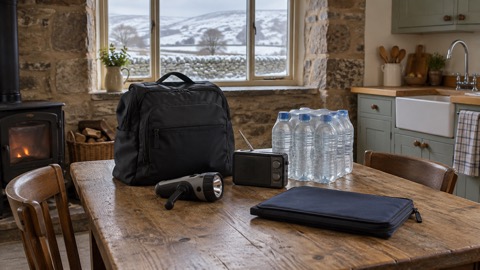
Ready Scotland is the public information website for Safer Scotland, part of the Scottish Government. It offers practical preparation tips, guidance on responding safely and advice on supporting others. Our Scotland household planning guide brings those arrangements together.24
Wherever you live, local emergency services, councils and relevant organisations remain central during an incident. Use national guidance to prepare, then follow the local instructions issued for the emergency actually affecting you.15
Sources (25)
- Prepare campaign: household emergency preparation, Prepare Campaign, 2026-10-19
- Emergency Alerts: alerts and warnings, Be Ready Campaign, 2026-10-20
- Preparing your family for an emergency, Essex Prepared, 2026-10-29
- Make your household emergency plan, Ready Scotland, 2026-10-29
- Home emergency plan, Ready Scotland, 2026
- Preparing for an emergency, Bristol City Council, 2026
- Protecting yourself in an emergency, West Northamptonshire Council, 2024-05-31
- Be informed about hazards, Prepare Campaign, 2026-10-22
- What to do in an emergency, Nottinghamshire County Council, 2026-10-29
- Reception centres and humanitarian assistance, Cornwall Council, 2026-10-29
- Emergency preparations you can do, Moray Council, 2026-10-29
- Check the risks where you are, Prepare Campaign, 2026-10-20
- Preparing for an emergency, Nottinghamshire County Council, 2026-10-29
- Information for communities and community groups, Prepare Campaign, 2026-10-16
- What is a Local Resilience Forum?, Essex Prepared, 2026-10-29
- Community emergency plan toolkit, GOV.UK, 2016-09
- Emergency advice for residents, Warwickshire County Council, 2026-10-29
- Northumbria Local Resilience Forum, Northumberland County Council, 2026-10-28
- Preparing for emergencies, Somerset Council, 2026-09-17
- Emergency kit checklist, Neath Port Talbot Council, 2026-10-29
- Be Ready household emergency plan, Be Ready Campaign, 2026
- Create a fire escape plan, Suffolk Fire and Rescue Service, 2026-10-29
- Preparing for emergencies, GOV.UK, 2026-11-03
- Prepared personal resilience, Scottish Borders Council, 2026-10-29
- Preparing yourself for emergencies, London Resilience Partnership, 2026-10-25
 Household Emergency Plan
 Emergencies to Prepare For
 Community Risk Registers
 What to Do in an Emergency
 Sheltering in Place
 Staying Put or Leaving
 If You Are Asked to Evacuate
 Planning Your Evacuation
 Rest Centres
 Stopcock, Gas Valve and Fuse Box
 Returning Home
 Recovering After an Emergency
 Scotland Emergency Planning
 Before You Leave Home
 30-Day Household Checklist
 Emergency Plan Template
 50-Step Preparedness Checklist