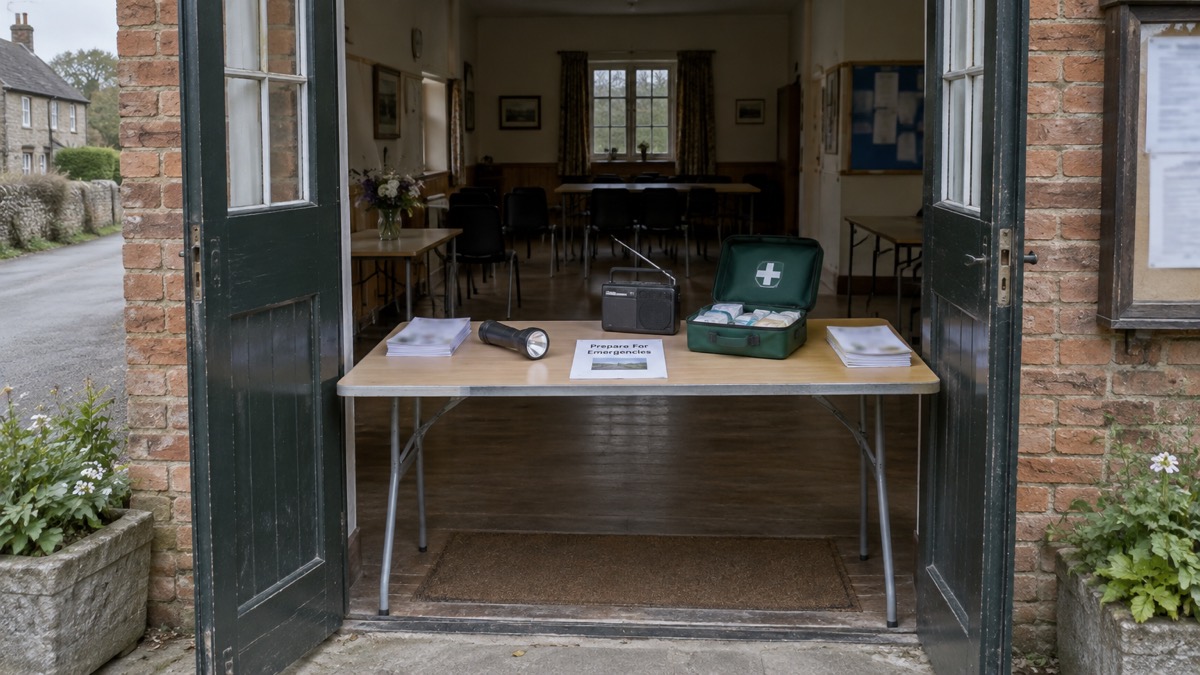
In May 2024 the Government published advice for individuals, households and communities on preparing for emergencies, according to the National Risk Register 2025 edition1. The advice sits at GOV.UK/Prepare and is described in the register as setting out "the simple and effective steps we can all take to prepare for emergencies"1.
The register, published in 2025, is the Government's public-facing assessment of the risks the UK faces. It covers "plausible information about 89 risks, within 9 risk themes"1, with non-malicious risks assessed over a five-year period and malicious risks over two years1. The register states that "This edition of the NRR is not targeted at the general public."1, while the foreword says it "underpins the public guidance at GOV.UK/Prepare"1. The previous edition was published in August 20231.
The foreword sets out the Government's position on sharing risk information:
The register also records recent events that shaped its assessment, including the CrowdStrike IT outage, which it says "revealed the widespread impacts of technology failure on services essential to our daily lives"1, and a residential evacuation in Plymouth in February 20241. It lists the bodies that plan and respond at local level: "The 38 Local Resilience Forums (LRFs) in England, the 4 LRFs in Wales, 3 Regional Resilience Partnerships (RRPs) in Scotland and Emergency Preparedness Groups in Northern Ireland"1.
Why it matters for households
The guidance is aimed at individuals, households and communities rather than at responding organisations, and it is published on a central government page rather than through local bodies1. The register does not set out the content of the GOV.UK/Prepare advice in the passages covering it, so the specific steps it recommends have not been reported here. The register frames the guidance as part of a wider approach in which the public is asked to play a part in building resilience alongside government and responders1. The risks it describes span natural hazards, accidents and systems failures, malicious and cyber threats, and human, animal and plant health, and the register states that assessments are now revised more regularly to reflect the changing risk landscape1.
What happens next
The register records that the Government is continuing a review of national resilience, announced to Parliament the previous year as a response to the Module 1 report, and that it is "listening to those in society whose voices too often go unheard"1. No further publication date for updated preparedness guidance is given in the register1.
Households looking for the background to official advice can read the guide to how the UK prepares for emergencies and the guide to where official government advice for households comes from. The role of local bodies is set out in the guide to Local Resilience Forums, and the wider policy in the guide to the UK Government Resilience Framework.
Sources (1)
- National Risk Register - 2025 edition, data.parliament.uk
 UK Emergency Preparedness Guide
 Official Government Advice