Flooding: A Household Guide
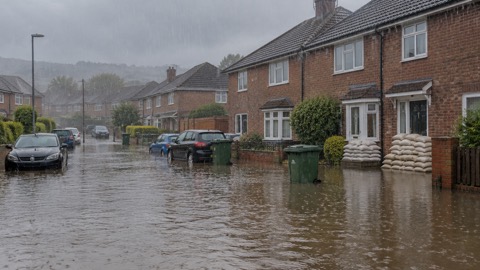
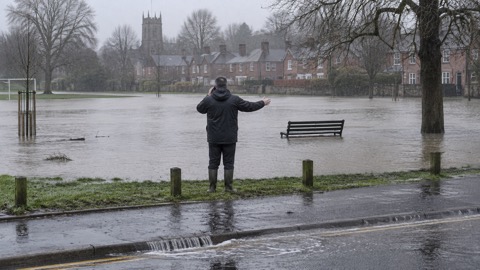
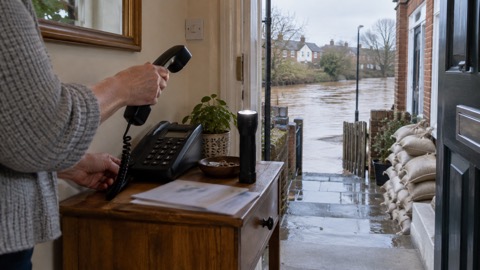
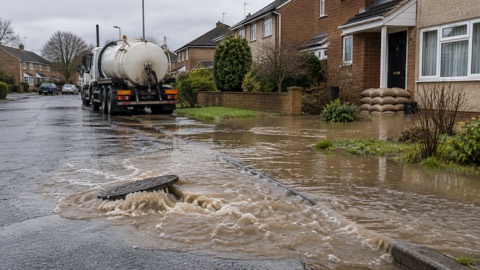
If water is entering your home now, move yourself, your family and your pets away from danger. Call 999 immediately if you or someone else is in danger. If you can see water building up in the street, call Floodline on 0345 988 1188.1
Before flooding, check your risk, register for free warnings, make a household flood plan and keep a flood kit within easy reach. When a warning is issued, turn off gas, electricity and water only if safe, move valuables and vehicles to safety and put your flood protection in place. Afterwards, return only when the emergency services say it is safe, photograph the damage and contact your insurer as soon as possible.3
If water is coming in now
Act in this order, without going back into danger to protect belongings:
- Move people and pets away from danger. Official flash flooding advice is to move yourself, your family and your pets away if water starts entering your home.1
- Call 999 if anyone is in danger. London Fire Brigade says to call immediately if you feel that you or someone else is in danger. Belfast City Council gives the same advice where life is at risk from floodwater.2
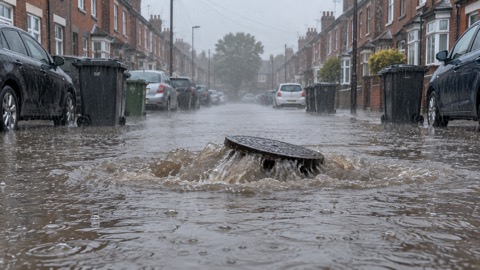
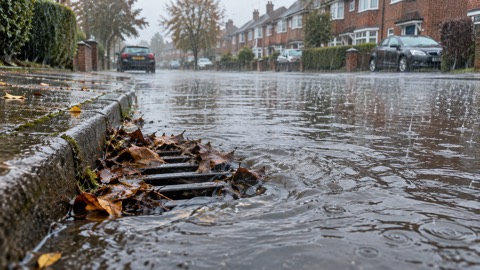
- Report water building up in the street to Floodline on 0345 988 1188.2
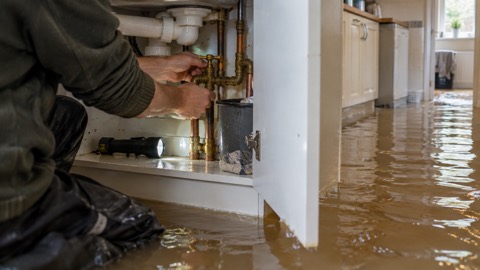
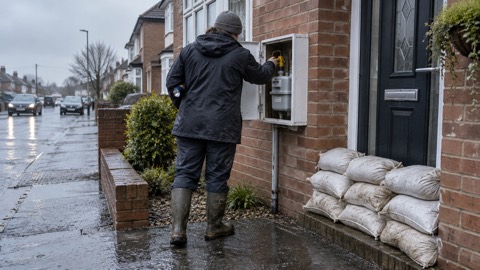
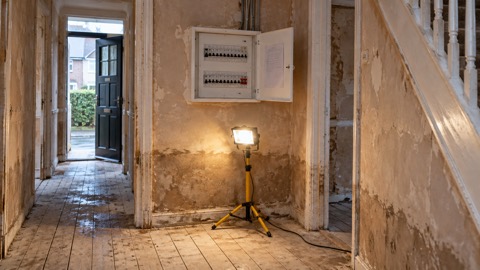
- Turn off utilities only if safe. West Yorkshire Prepared says to turn off gas, electricity and water only if it is safe to do so. Ready Scotland also says not to use electrical appliances during a flood.7
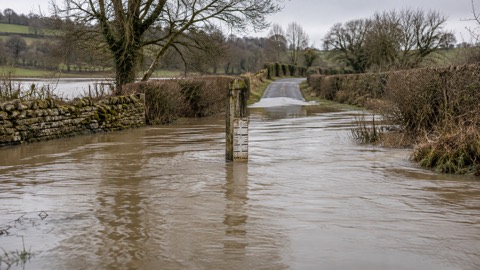
- Stay out of floodwater. Official GOV.UK advice says to avoid walking, cycling or driving through it. Read what to do during a flood at home and whether it is safe to walk or drive through floodwater.9
Flooding problems are worse at night when you cannot see, so do not assume that a route is safe because the water looks still or shallow. Avoid contact with floodwater because it may be contaminated.6
If the emergency services tell you to evacuate, leave and follow their directions, including directions to any rest centre. The general steps in Getting Started: Preparing Your Household for an Emergency help you prepare for leaving home. Flooding can also interrupt electricity: report a power cut on 105 and follow the household guidance on power cuts.
Check your flood risk
Start with the official flood risk check for your area, then check that your household insurance is adequate and up to date. London Fire Brigade directs households to the GOV.UK flood risk check, while Mid and West Wales Fire and Rescue Service advises checking cover before a flood. Use Checking Your Home's Flood Risk by Postcode to work through the checks.4
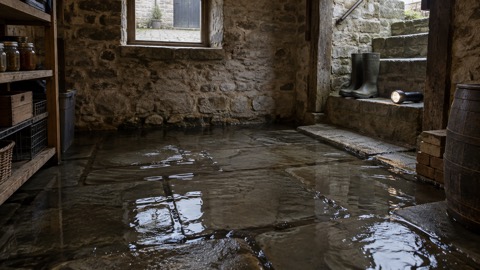
Flooding is usually a consequence of prolonged rain or heavy downpours. Neglected culverts, saturated ground and blocked drainage systems can make it worse. Official guidance identifies river, groundwater and surface water flooding among the types that affect households.11
| Risk or subject | What to explore |
|---|---|
| River, surface water and groundwater | Types of Flooding, Groundwater Flooding and Sewer Flooding |
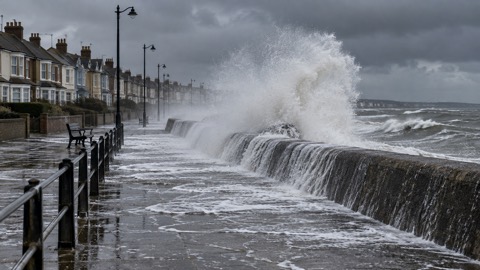
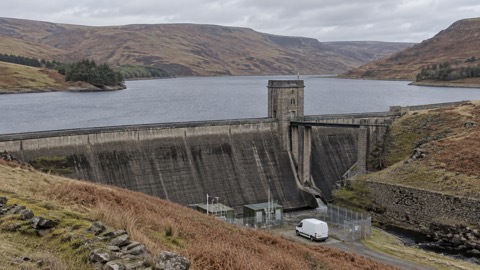
| Coastal and reservoir risk | Coastal Flooding, Tidal Surges and Erosion and Reservoir Flooding |
| Land and responsibility | Who Manages Flood Risk and Riparian Owner Responsibilities |
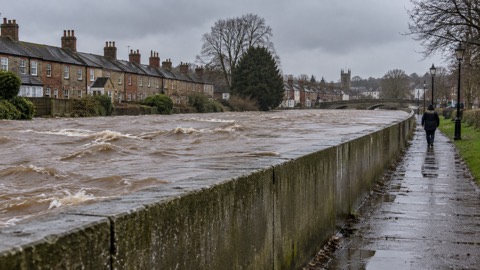
| Protection in your area | Flood Defences and Alleviation Schemes |
SEPA provides maps showing areas likely to flood in Scotland and describes the householder as the first line of defence, although public bodies also have responsibilities. Where flooding involves a public sewer, the detailed guide to guaranteed standards payments for sewer flooding explains that specific subject.13
Free flood warnings and what they mean
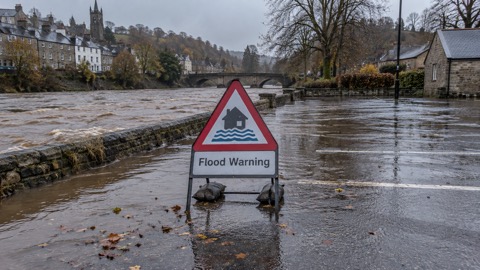
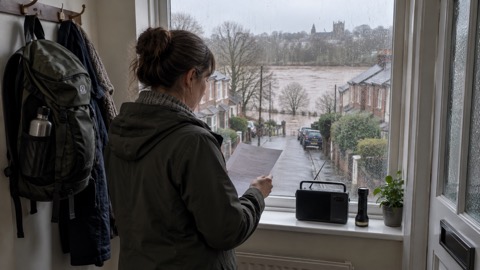
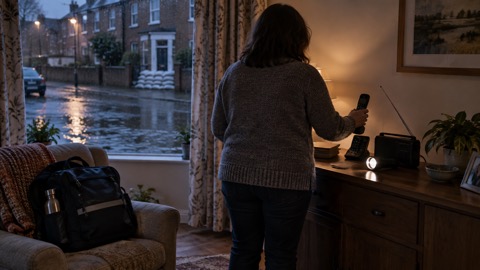
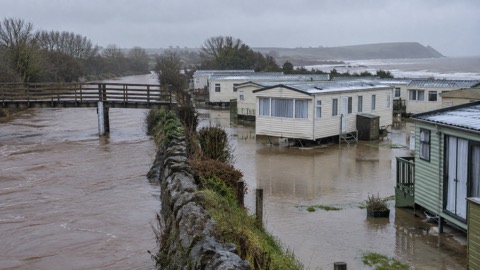
Register before heavy rain is forecast. The Environment Agency service is free for individuals and small businesses, covering up to 10 locations, and sends warnings directly by phone, text or email. Floodline Warnings Direct similarly sends a direct message when flooding is expected and may affect your property. Follow How to Sign Up for Free Flood Warnings, including getting warnings without email or for several addresses.14
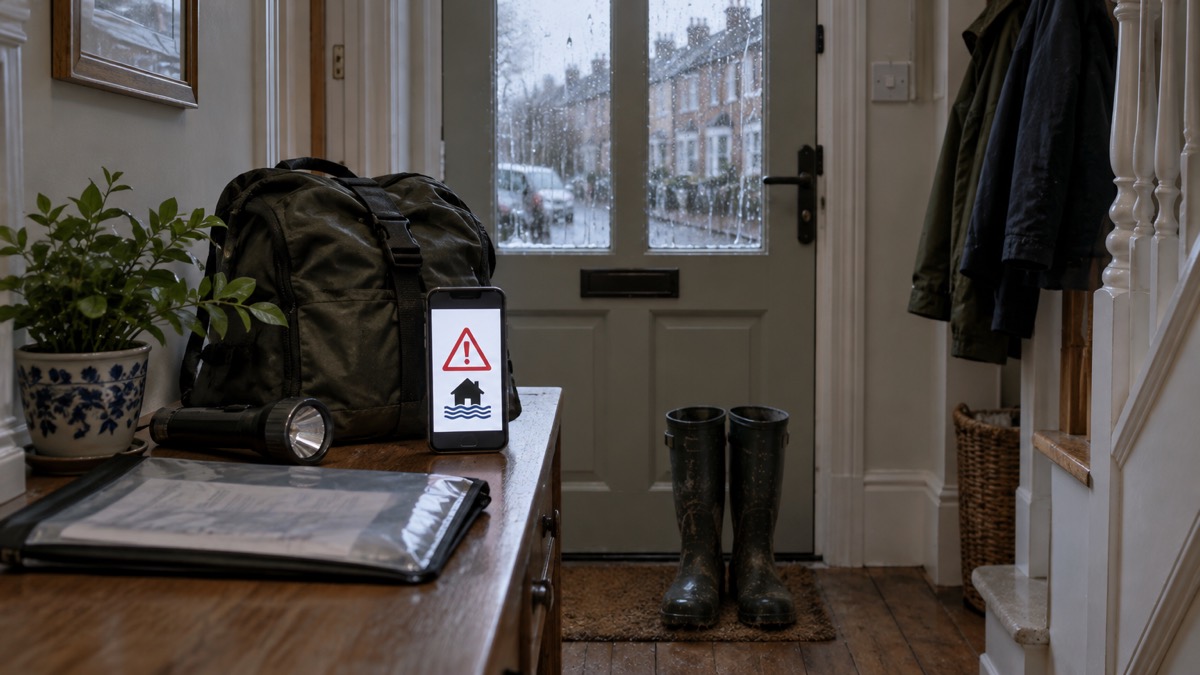
| Message | What it means for your household |
|---|---|
| Flood alert | Remain alert, make early preparations and be ready to follow your flood plan9 |
| Flood warning | Flooding is expected5 |
| Severe flood warning | It can be issued before, during or after flooding9 |
The Environment Agency produces a five-day flood forecast on GOV.UK. Read Flood Alerts, Flood Warnings and Severe Flood Warnings, the Flood Guidance Statement and five-day forecasts and the Floodline numbers for England, Scotland and Wales. In Scotland, Floodline provides live flooding information and advice 24 hours a day, 7 days a week.14
Also pay attention to Met Office heavy rain and storm warnings, using the guidance on preparing for high winds and snow and ice where relevant. Emergency Alerts can be sent to phones for severe flooding; staying informed and in touch explains the wider household arrangements.
Your flood plan and kit
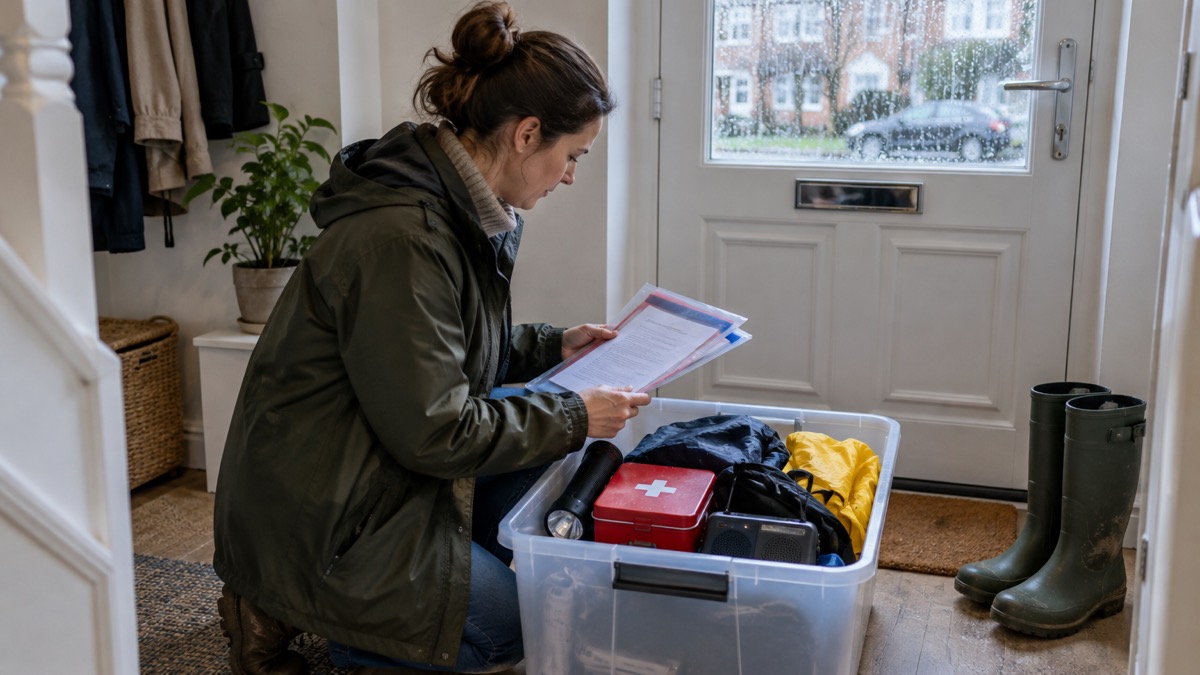
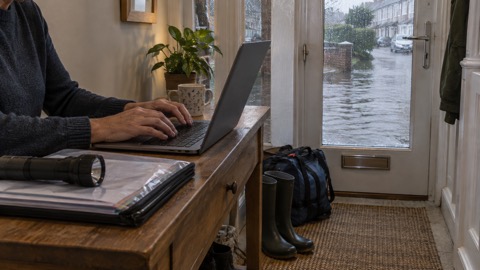
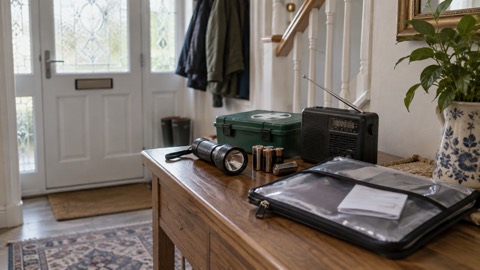
Write down what your household will do, where important items are and who needs help. Somerset Council's examples include turning off gas and electricity and moving important items to a safe place before flooding. Keep the plan and kit somewhere easy to reach so you can act quickly, and use Making a Household Flood Plan to complete yours.17
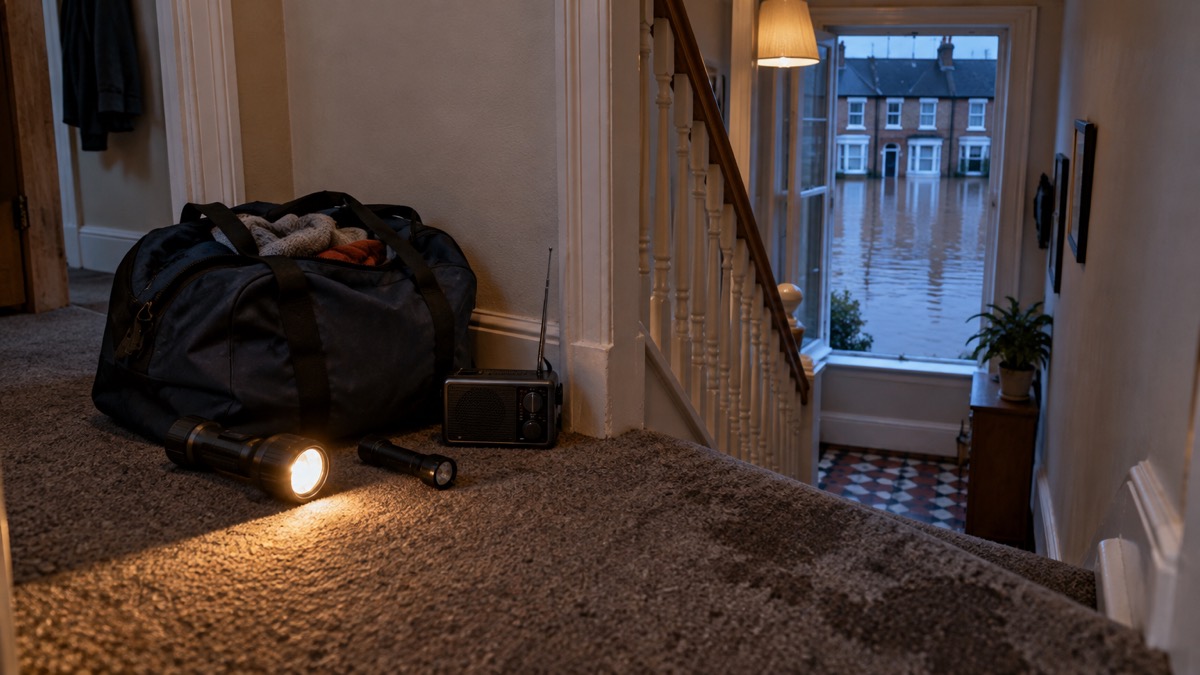
Your flood kit should include:19
- Torch and spare batteries, plus a portable wind-up or battery-powered radio and spare batteries
- First aid kit and any prescription medicines you might need
- Warm, waterproof shoes and clothes, rubber gloves and blankets
- Bottled water and snacks
- Essential supplies for children and pets, such as nappies and pet food
- Insurance documents, passports and a list of important phone numbers
Keep documents in waterproof containers and above water level where possible. For a grab bag, adapt this flood list alongside the broader emergency kit guidance.
Move pets, horses and livestock to higher ground before water arrives, with enough food and water; pets in an emergency covers the wider planning. A community resilience plan can coordinate community flood plans, flood wardens and help for neighbours. Check on older, disabled and vulnerable people, and support children afterwards, using extra help in an emergency.
Protecting your home from flooding
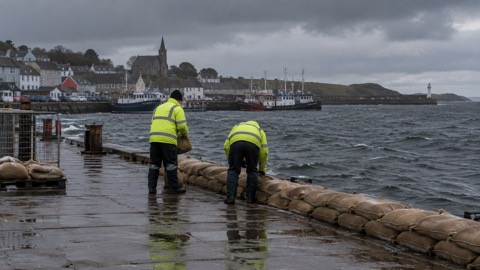
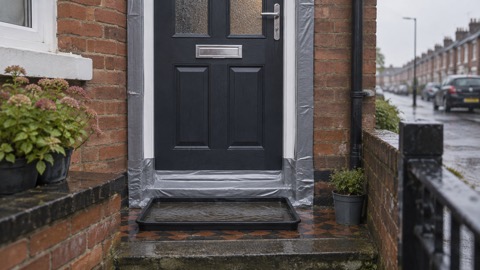
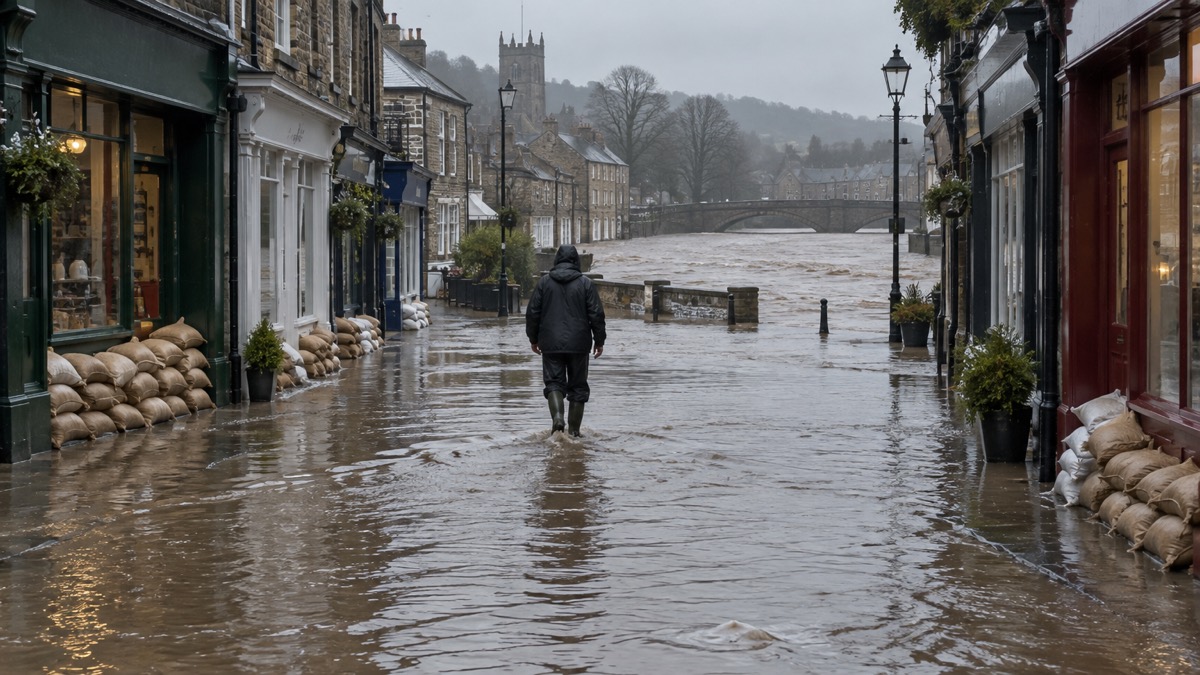
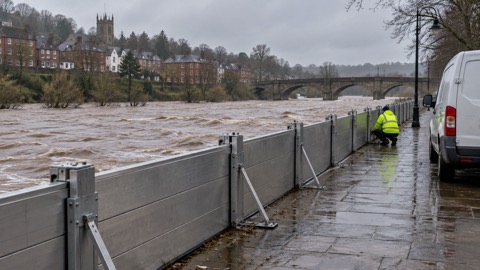
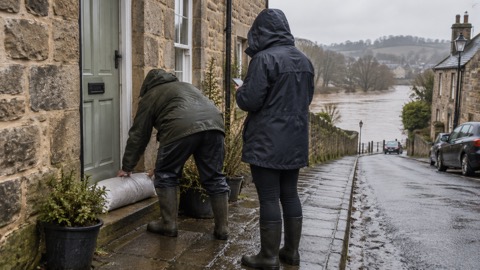
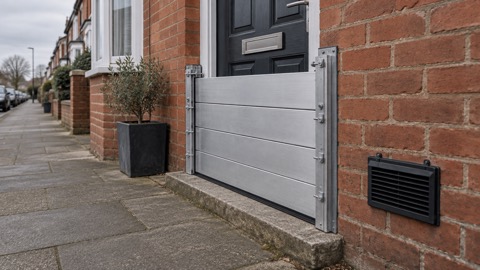
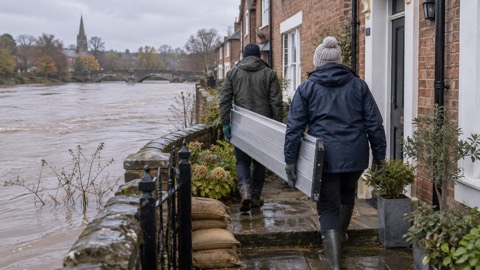
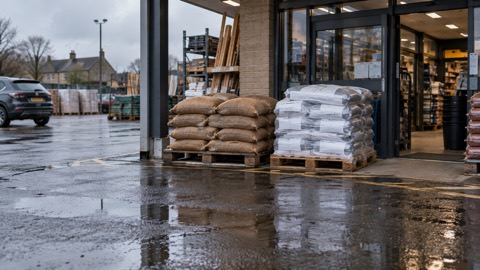
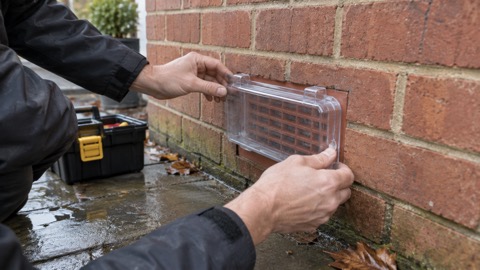
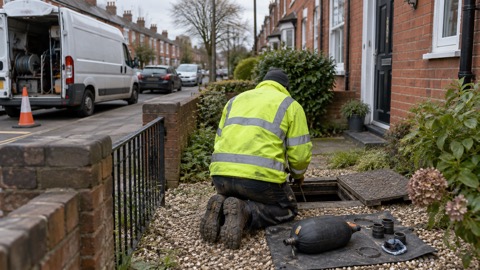
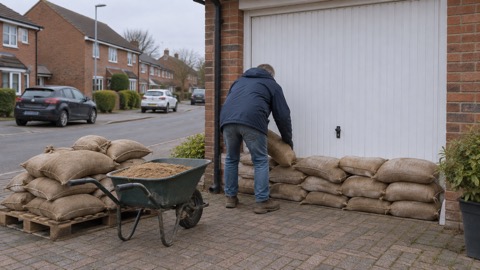
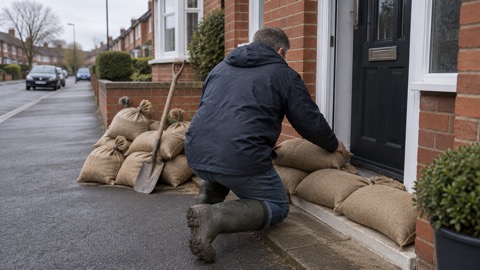
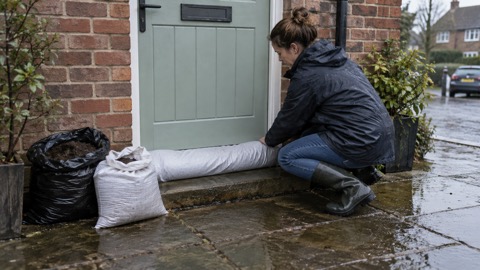
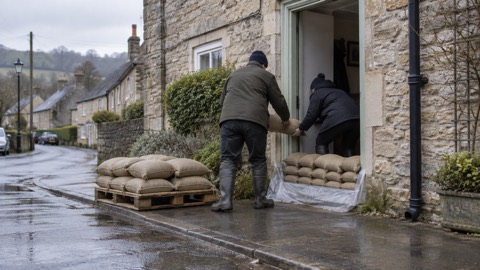
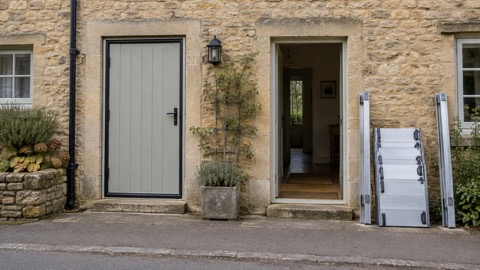
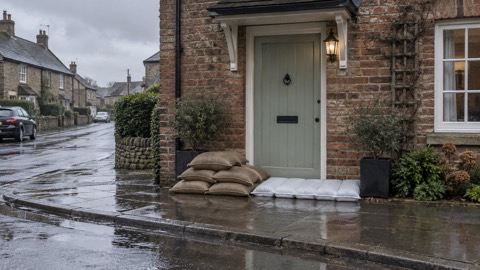
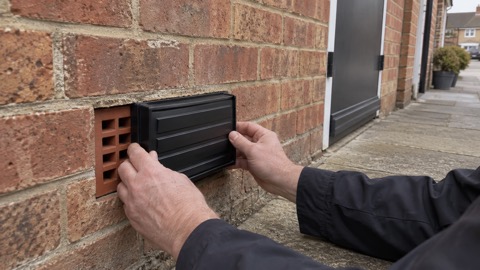
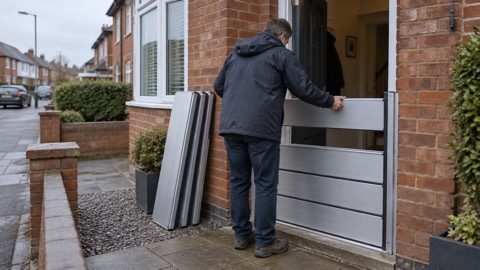
Official preparation advice names sandbags, floodboards and plastic covers for blocking doorways and airbricks. Devon County Council also lists flood barriers, airbrick covers and non-return valves. Keep drains, gullies and watercourses on your property clear if safe, and move vehicles to higher ground when flooding is forecast.17
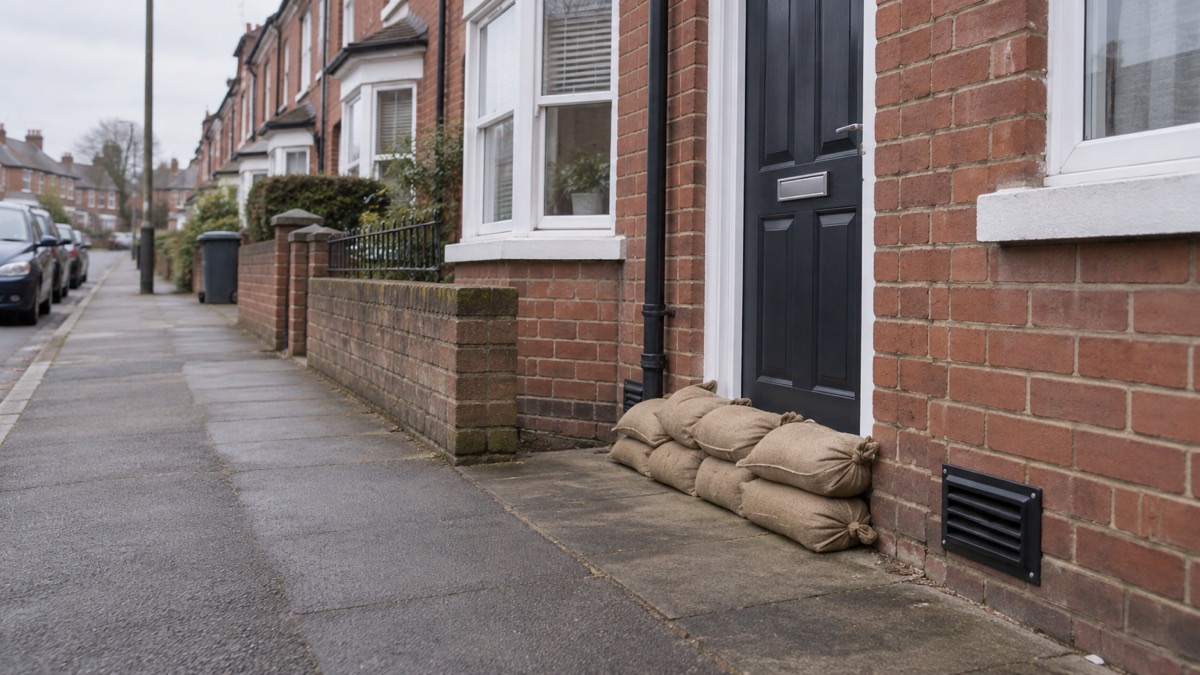
Start with Protecting Your Home: Resistance and Resilience Measures, then choose measures that suit the openings and construction of your property:
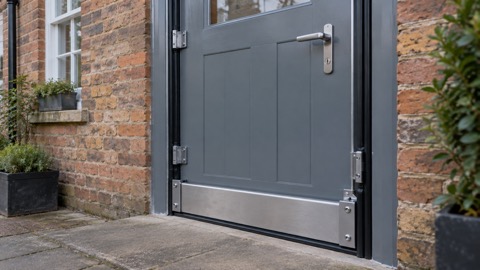
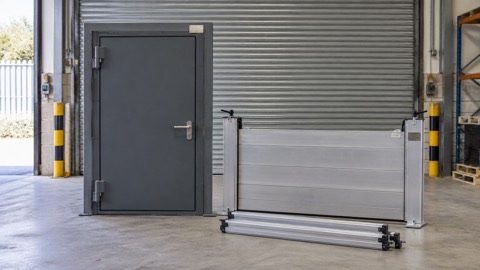
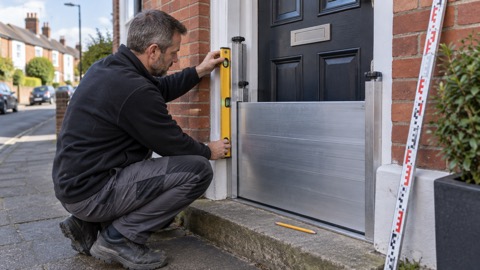
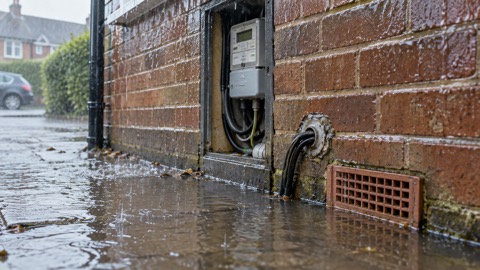
- Doors and openings: door flood barriers, flood doors and windows, meter boxes and cable holes and the Nautilus 200 Flood Barrier
- Airbricks and backflow: airbrick covers, non-return valves and toilet bungs
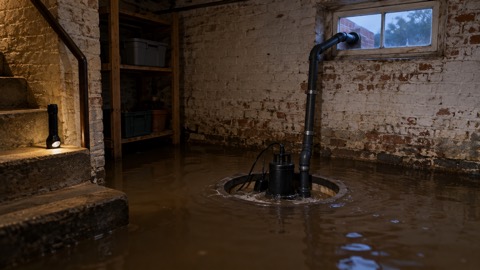
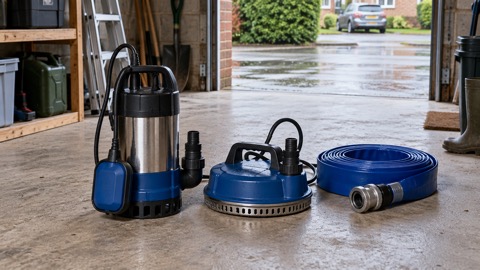
- Water removal: sump pumps and submersible pumps
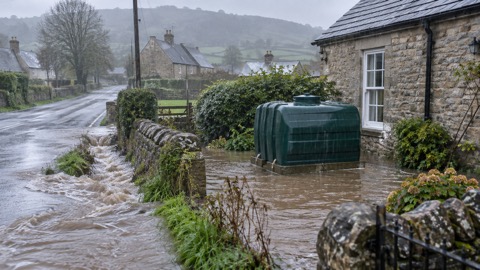
- Fuel storage: securing oil and LPG tanks
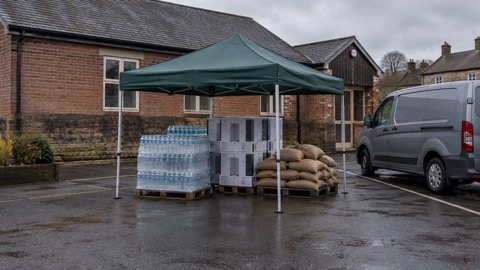
For sandbags, read sandbags and sandless alternatives, whether the council must provide them, how to fill and lay them and using pillowcases or bin bags. Comparisons cover sandbags or door barriers, door barriers or flood doors, sandbags or absorbent bags and submersible or flat suction pumps.
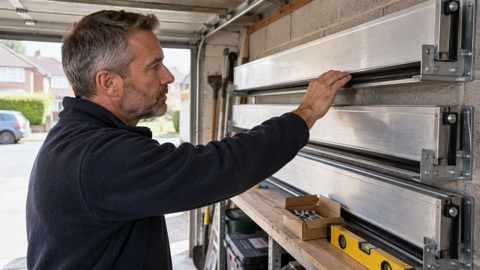
For longer-term resilience, the Met Office suggests tiles instead of carpets, electrical sockets higher up the wall and non-return valves. Check kitemarked products and PAS 1188, resilience surveys and professional installation, property flood resilience grants and the barrier storage and checking checklist.3
When a flood warning is issued
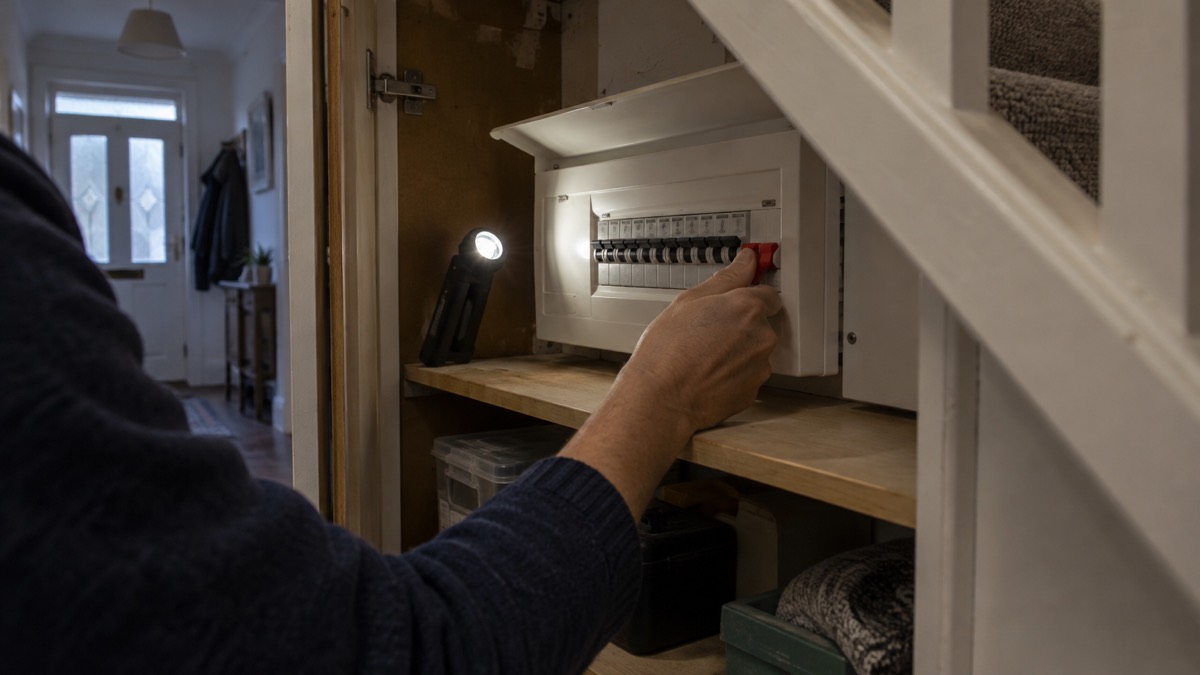
Use the checklist when a flood warning is issued and work through these actions while it is safe:19
- Charge your mobile phone and other devices fully.
- Put all flood protection products in place and check that they are working correctly.
- Turn off electricity, water and gas if safe; see turning off utilities before a flood.
- Move important documents, valuables, rugs and smaller furniture upstairs or onto tables or worktops.
- Lift curtains over rails above expected floodwater levels and use door guards or airbrick covers.
- Move vehicles, pets and animals away from flood areas, ensuring animals have food and water.
- Bring your flood kit together and keep it accessible.
- Check on your local community.
Contact neighbours by phone or message first and ask what help they need. Do not enter floodwater or put yourself at risk to help someone. If you need to travel, always adhere to "Do Not Travel" notices.5
After the water: going back in safely
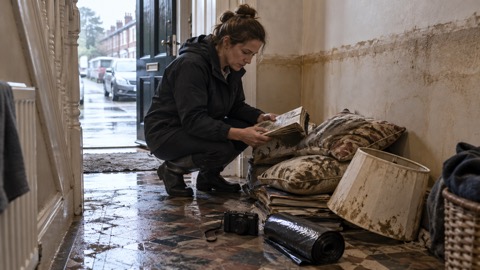
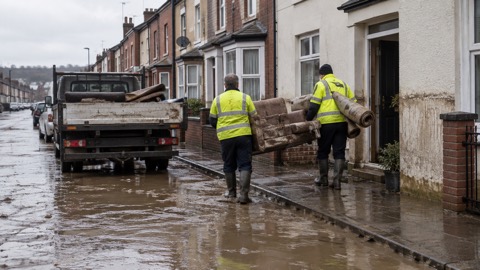
Check with the emergency services that it is safe before returning, and make sure the property is safe before you enter. Follow After a Flood: Returning Home Safely and the first steps after your home floods checklist.3
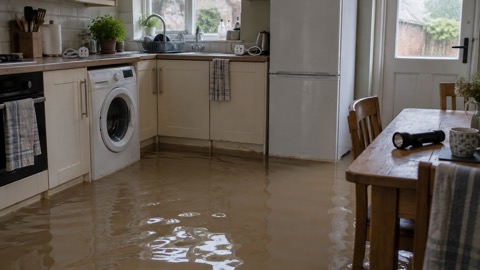
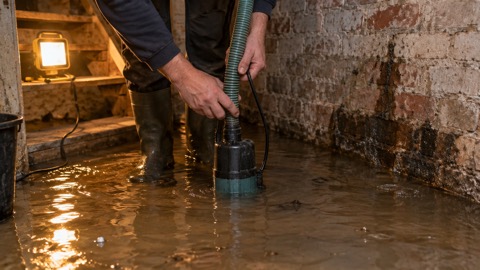
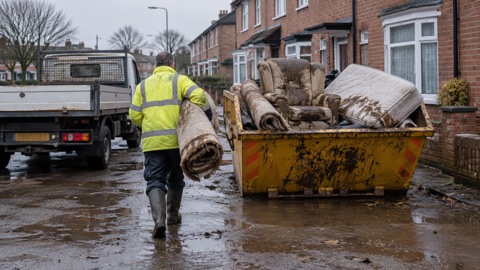
When safe, assess and photograph the damage. Do not discard property until your insurer instructs you. Read cleaning up safely after floodwater, turning the electricity back on, using electrical appliances after water damage, toilets and septic tanks and pumping water out.19
Use floodwater and your health for health precautions. Consult emergency food about food touched by floodwater and water in an emergency about tap water and private supplies. If you smell gas after flooding, follow the emergency guidance in home emergencies rather than trying to investigate the fault yourself.
Insurance, claims and help with costs
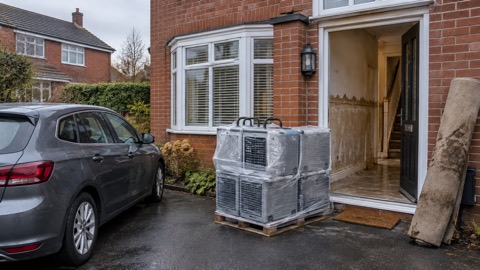
Contact your insurer as soon as possible. Keep a record of the damage and every contact with the company, take photographs or video when safe, and try not to move damaged items because the insurer may need to inspect them. Speak to the insurer before cleaning, throwing items away, arranging repairs or engaging companies offering to repair flood damage.20
| Your situation | What to do |
|---|---|
| Buildings and contents insured separately | Contact both insurers20 |
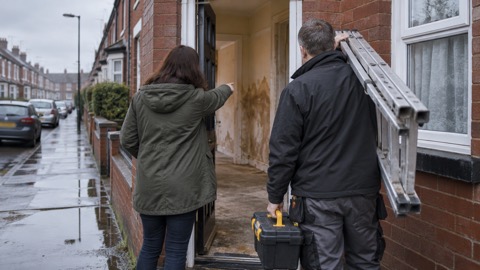
| Renting | The landlord deals with the structure; your contents claim goes to your own insurer20 |
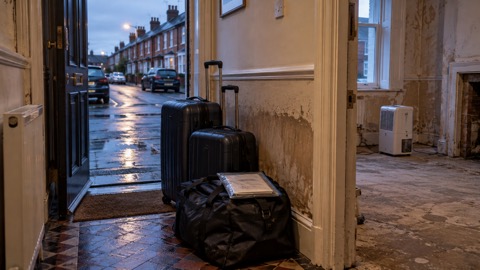
| Home cannot be lived in | Ask your local council for help getting emergency accommodation5 |
| No insurance | Ask the council about hardship grants or charities that may help5 |
Use home insurance in a flood risk area and Flood Re, making an insurance claim and the insurance claim records checklist. Flood Re is a joint government and insurance industry initiative intended to help households at risk of flooding obtain insurance.26
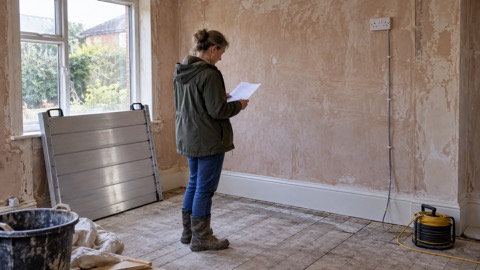
The detailed pages explain Build Back Better, temporary accommodation, renting after a flood, disposing of damaged belongings and recovery grants and help if you are not insured.
Drying out and recovering
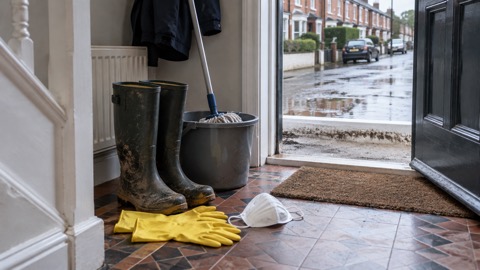
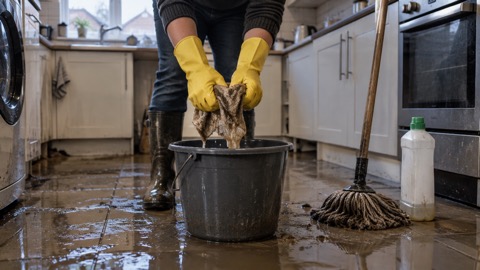
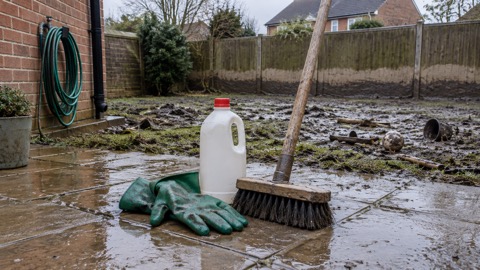
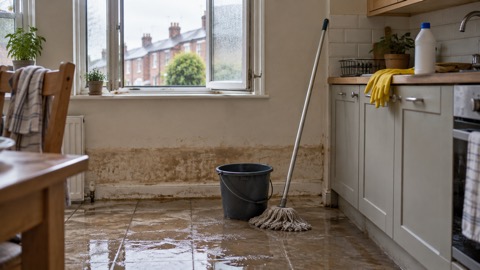
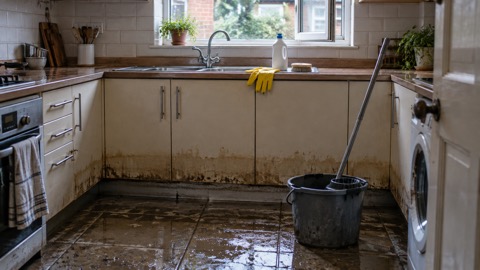
Before cleaning, wear rubber boots, waterproof gloves and an apron. Remove dirty water and silt. With wooden floors, water may sit below the floor and need pumping out. Air bricks may need unblocking, while loose material and dust should be vacuumed regularly as floorboards and walls dry.22
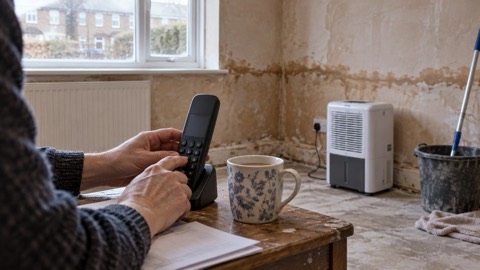
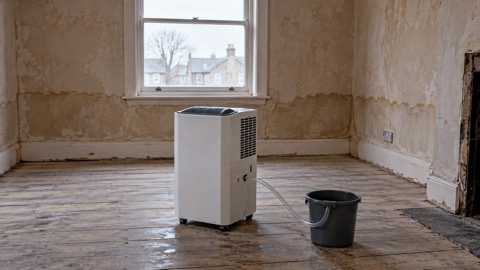
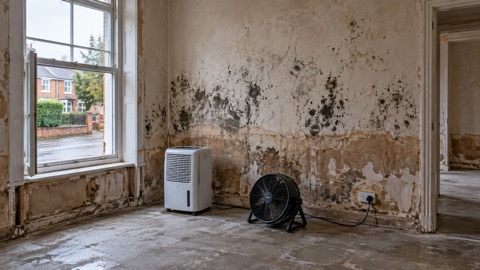
If you return before cleaning is complete, Derbyshire County Council advises keeping some heating on at all times, considering a dehumidifier and ventilating well with windows open as much as possible. Keep air bricks to underfloor spaces unblocked for cross ventilation. Read drying out with dehumidifiers and how soon mould grows.23
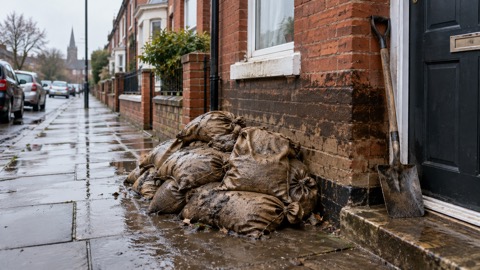
Other detailed cleaning guidance covers using bleach, cleaning a kitchen, when a garden is safe after sewage and disposing of used sandbags. When repairing, consider repairing a home so it recovers faster next time.
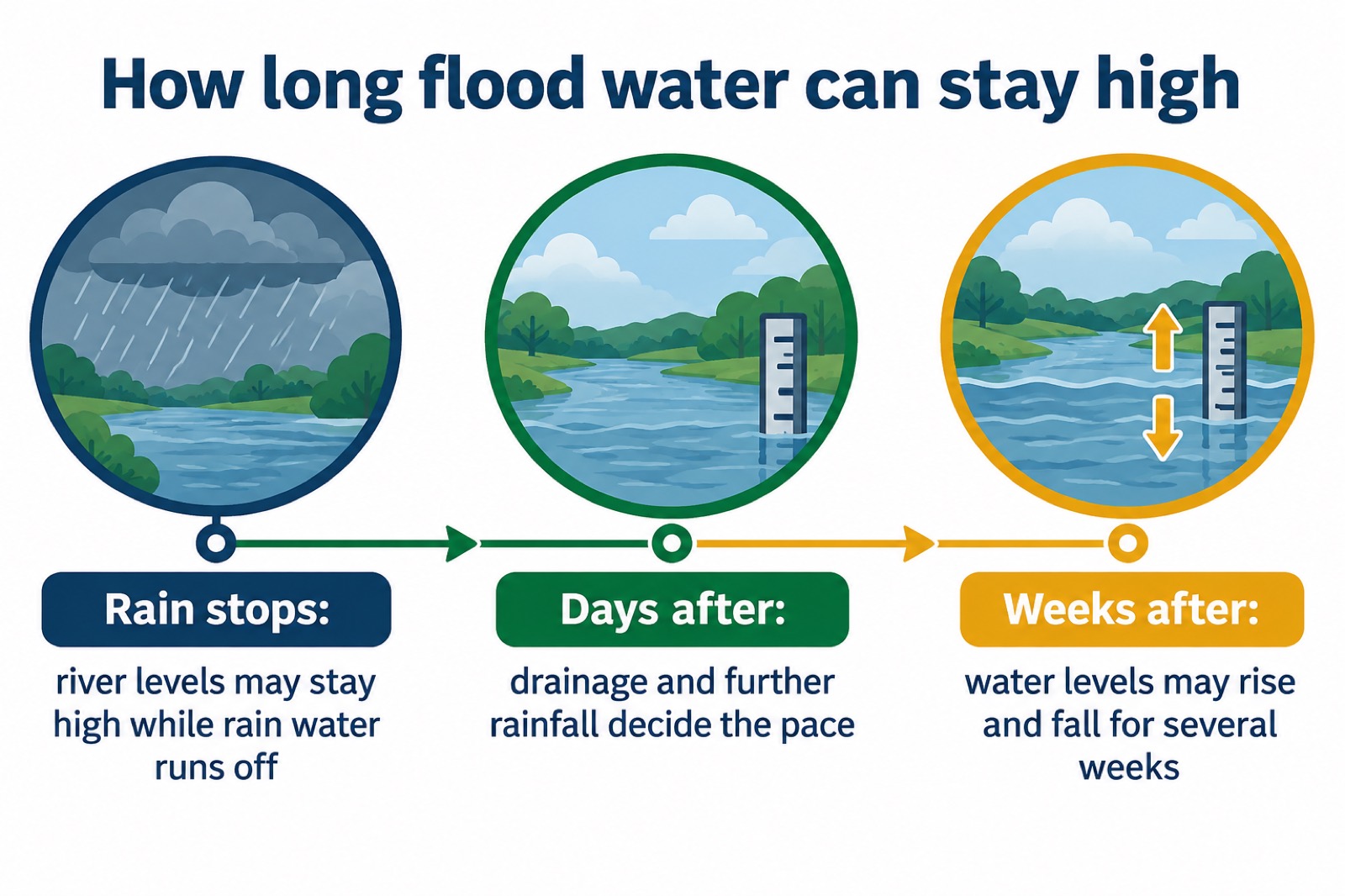
Recovery can take time. Start cleaning when you feel ready, do not overdo it, take regular breaks and accept help. Water levels may rise and fall for several weeks depending on drainage and further rainfall. Use mental health support after a flood for yourself and to support children and others affected.5
Who to contact in each nation
| Nation | Warnings and information |
|---|---|
| England | Environment Agency flood warnings and Floodline on 0345 988 1188; textphone 0345 602 63405 |
| Scotland | SEPA is the national flood forecasting and warning authority and operates Floodline in Scotland29 |
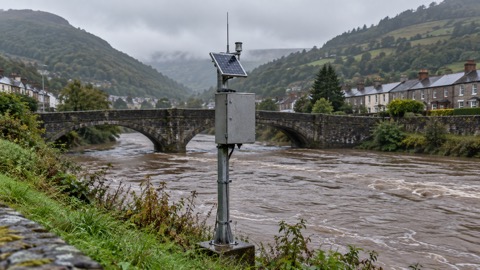
| Wales | Natural Resources Wales provides flood warnings and river levels online; Floodline is 0345 988 1188, quickdial 19490230 |
| Northern Ireland | nidirect publishes heavy rain advice and guidance on preparation and insurance claims20 |
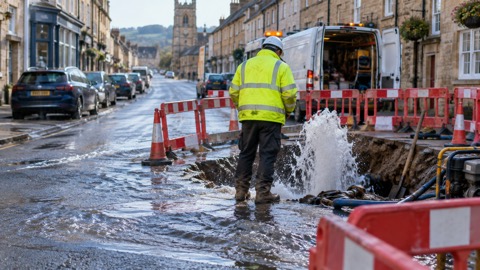
For street flooding, call Floodline on 0345 988 1188. Call 999 immediately if someone is in danger. West Yorkshire Prepared directs reports of flooding from water mains or public sewers in its area to Yorkshire Water on 0345 122 24 24. Use who to report flooding to and reporting a blocked road drain or gully for the different routes.2
Contact your local council if you need emergency accommodation or information about hardship grants and charities. Keep checking local flood warnings before offering help, so that supporting neighbours does not put anyone back into a continuing flood risk.5
Sources (30)
- How to Prepare for Flash Flooding, Greater London Authority, 2026-10-25
- My Street Is Flooding, London Fire Brigade, 2026-10-25
- Protecting Your Property from Flooding, Met Office, 2026-11-03
- Preparing for a Flood, London Fire Brigade, 2026-10-25
- Flooding: Be Informed About Hazards, GOV.UK Prepare Campaign, 2026-10-12
- Flooding Advice, Belfast City Council, 2026-10-29
- Flooding Advice, West Yorkshire Prepared, 2026-10-29
- Flooding, Ready Scotland, 2026-03-24
- Flood Alerts and Warnings: What They Are and What to Do, GOV.UK, 2010-11-01
- Flooding Advice, Mid and West Wales Fire and Rescue Service, 2026-10-29
- Flooding Risks, Wiltshire and Swindon Prepared, 2026-10-25
- Preparing for a Flood, Nottinghamshire County Council, 2026-10-29
- Forecasting Flooding, SEPA, 2026-10-29
- Flooding: Preparing for a Flood, Easy Read, Nottinghamshire County Council, 2025-11-02
- Personal Responsibility for Flooding, Derbyshire County Council, 2026-10-29
- Flooding FAQs, SEPA, 2026-10-29
- Flood Action Week: Check Your Risk, Make a Plan, Prepare, Devon County Council, 2026-10-12
- Preparing for Flooding, Somerset Council, 2026-10-28
- Before, During and After a Flood, SEPA, 2026-10-29
- Heavy Rain Weather Warning: Advice and Information, nidirect, 2026-09-27
- Personal Flood Plan, GOV.UK, 2023
- Flooding Aftercare, Runnymede Borough Council, 2026-10-26
- Cleaning Up After Flooding, Derbyshire County Council, 2026-10-29
- Further Support After Flooding, Nottinghamshire County Council, 2026-10-29
- Advice for Homeowners Affected by Flooding, Nottinghamshire County Council, 2026-10-29
- Flooding Advice and Aftercare, City of York Council, 2026-10-29
- Safely Cleaning Your Home After Flooding, Wiltshire and Swindon Prepared, 2026-10-25
- Flooding and Mental Health, Wiltshire and Swindon Prepared, 2026-10-25
- Responsibilities for Flooding, SEPA, 2026-10-29
- Flooding and High Winds, North Wales Fire and Rescue Service, 2026-10-25
 Checking Flood Risk by Postcode
 Types of Flooding
 Flood Alerts and Flood Warnings
 Flood Guidance Statement
 Wales Flood Warnings and Maps
 Making a Household Flood Plan
 Protecting Your Home
 Door Flood Barriers
 Sandbags and Alternatives
 Flood Doors and Windows
 Airbrick Covers
 Non-Return Valves and Bungs
 Sump and Submersible Pumps
 Kitemarked Flood Products
 Resilience Surveys and Fitting
 Home Insurance and Flood Re
 Flood Insurance Claims
 During a Flood at Home
 Returning Home After a Flood
 Cleaning Up After Floodwater
 Resilient Repairs After Flooding
 Floodwater and Your Health
 Mental Health After a Flood
 Sewer Flooding Responsibility
 Who Manages Flood Risk
 Riparian Owner Responsibilities
 Groundwater Flooding
 Coastal Flooding and Erosion
 Reservoir Flooding and Dam Risk
 Flood Defences
 Signing Up for Flood Warnings
 Flood Warnings Without Email
 Who to Report Flooding To
 Reporting a Blocked Gully
 Garden Safety After Sewage
 Council Sandbag Duties
 Filling and Laying Sandbags
 Makeshift Sandbags
 Disposing of Used Sandbags
 Turning Off Utilities
 Walking or Driving in Floodwater
 Turning Electricity Back On
 Appliances After Water Damage
 Toilets and Septic Tanks
 Bleach for Flood Clean-Up
 Cleaning a Kitchen After Flood
 Drying Out with Dehumidifiers
 Mould Growth and Prevention
 Pumping Water Out of a Home
 Build Back Better
 Insurance and Temporary Housing
 Rent If Your Home Floods
 Floodline Number for Flooding
 Meter Boxes and Cable Holes
 Securing Oil and LPG Tanks
 Disposing of Damaged Items
 Flood Warning Checklist
 First Steps After a Flood
 Insurance Claim Records
 Storing and Checking Barriers
 Sandbags or Door Barriers
 Door Barriers or Flood Doors
 Sandbags or Absorbent Bags
 Submersible vs Suction Pumps
 Property Flood Resilience Grants
 Guaranteed Standards Payments
 Recovery Grants If Not Insured
 Nautilus 200 Flood Barrier