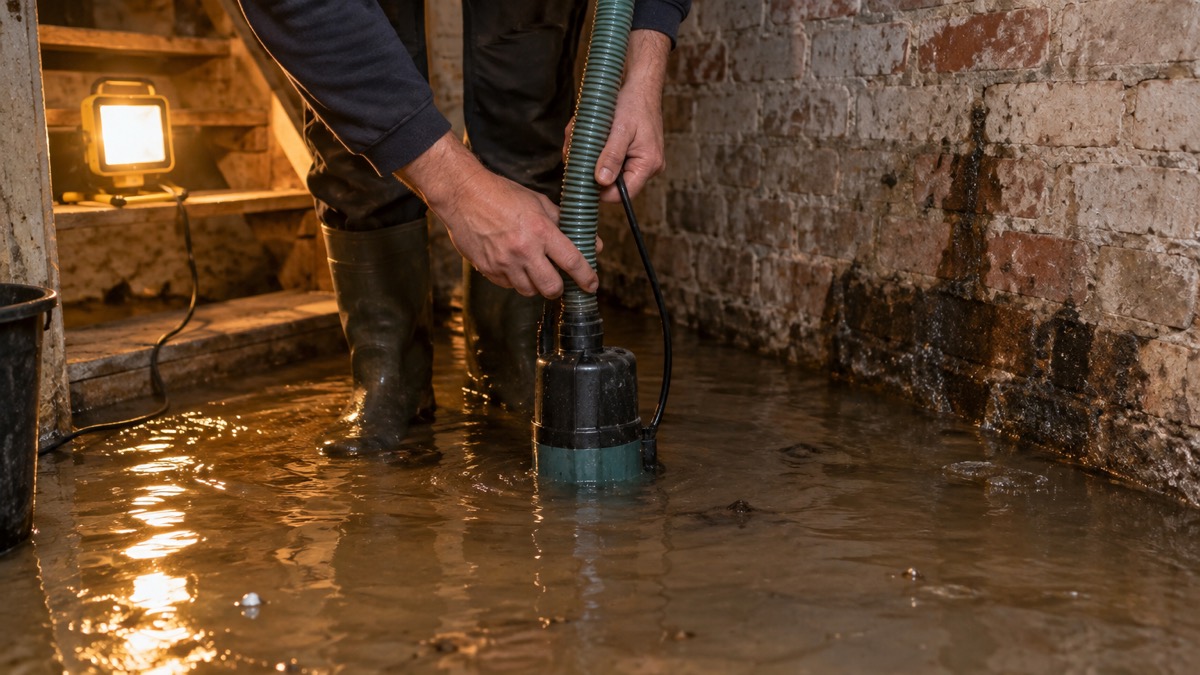
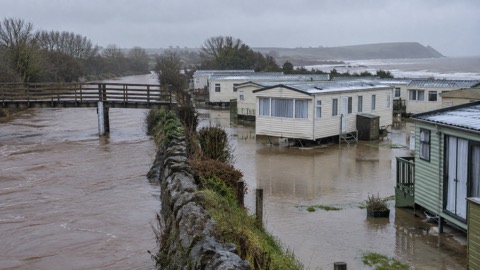
If your home or cellar has flooded, the instinct is to get the water out as fast as possible. The first rule is to wait. Only pump out water when flood levels outside your property are lower than inside, because pumping too early can cause structural damage to the building1. Fire and rescue services make the same point: there has to be a certain level of water before it can be pumped away, and it must go somewhere without causing harm elsewhere, which often means waiting until the rain has stopped or the river level has fallen2.
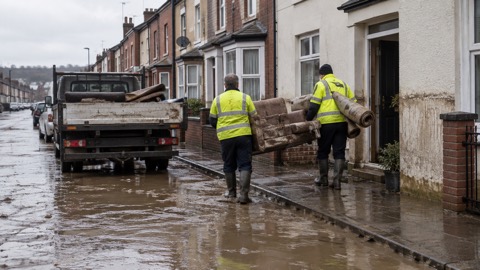
While you wait, make the property safe. If it is safe to do so, turn off your gas, water and electricity supplies before flood water enters your home3. Flood water is contaminated with sewage and other sources of bacteria and chemicals, so wear waterproof clothing, gloves, wellington boots and a face mask for any work in it4.
Once the water outside has dropped, you can begin. For small areas a bucket will do; for larger areas, hire a water pump run by a generator, or contact your insurer, who may help arrange pumping5. This guide sets out the order to do it in, how to choose a pump, how to empty a cellar without cracking the walls, and where the water must never go.
Wait until the water outside has gone down
The single most important decision is timing. Lancashire County Council's guidance is blunt: only pump out water when flood levels outside your property are lower than inside, to reduce the risk of structural damage1. Herefordshire Council says the same, that pumping once outside levels start to be lower than inside reduces the risk of structural damage9. Suffolk's flood booklet puts it as a direct instruction: do not pump out water until levels outside your property are lower than inside10.
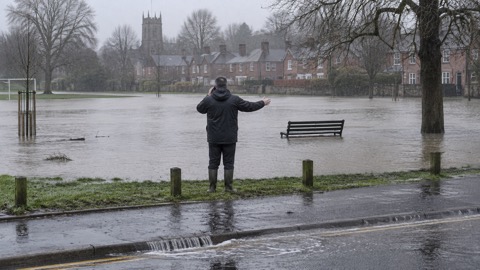
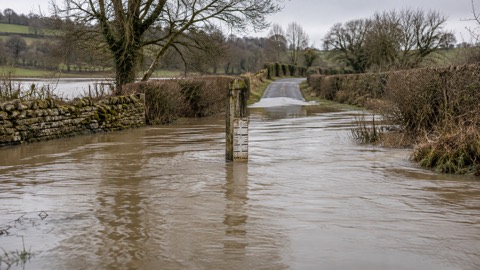
The reason is pressure. A flooded building is holding back water on both sides, and the structure, the walls and the floor, is designed for a certain balance. Empty it while the ground or the street outside is still full and the pressure from outside can push walls in or lift floors. Fire and rescue services explain that they cannot simply pump on request: there has to be a certain level of water before it can be pumped away, and it must be pumped somewhere without detrimental effect elsewhere, often meaning waiting until the rain has stopped or the river level has fallen2.
In practice this means watching the water outside, not just inside. If the river, the street or the garden is still holding water above the level of your floor, wait. General flooding advice is to wait for the water to subside11. Use the waiting time to move valuable belongings to safety12, to check your insurance cover, and to plan where the pumped water will go.
Safety first: electricity, gas and contaminated water
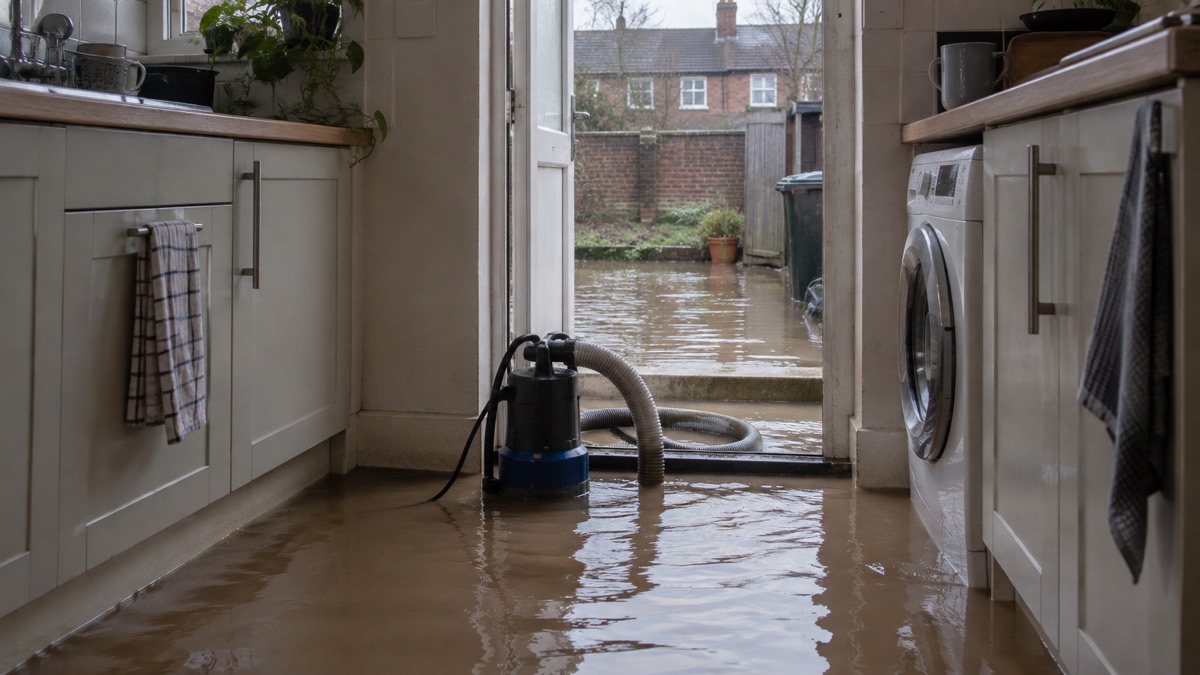
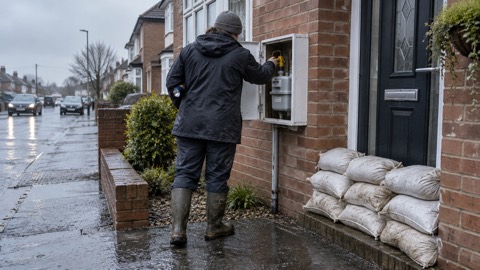
Before any pumping starts, the services need to be off. The London Fire Brigade advises that you turn off your gas supply, your water supply and your electricity supply, if possible and safe to do so3. West Yorkshire Prepared adds the condition that matters: turn off gas, electricity and water only if safe to do so13. Cumberland Council is specific: switch off your electricity supply at the fuse box and turn off your water and gas supply at the mains, if it is safe to do so14. North Wales Fire and Rescue Service gives the same instruction for when flood water is about to enter your home15.
If you have not already done it, and the water is already in, do not wade to a fuse box through standing water. The advice is to turn off your gas, water and electricity supplies only if it is safe to do so7. If you are in any doubt, keep clear and get advice. Our guide to turning off gas, electricity and water before a flood walks through the steps.
Contamination is the second hazard. Somerset Council states plainly that flood water is contaminated with sewage and other sources of bacteria and chemicals8. Natural Resources Wales advises wearing waterproof clothing, gloves, wellington boots and a face mask when cleaning a flooded property yourself4. Wash your hands if you come into direct contact with flood water8. Keep children and pets off affected grass or paved areas until they have been cleaned9.
Choosing a pump: submersible or petrol, and where each one can go
There are two broad choices for a household: an electric submersible pump, which sits in the water, and a petrol-driven pump, which stands outside the water and draws it up through a hose. Both can be hired. Nottinghamshire County Council notes that pumps can usually be hired from local tool hire companies, although care should be taken about where the water will be pumped out to, as potentially the situation could be worsened12. Its further support guidance says water displacement pumps can be hired from local hire centres, and that for more serious flooding the fire service will deal with the situation if it is life threatening16. The London Fire Brigade suggests a bucket for small areas and a hired water pump run by a generator for larger areas5.
| Pump type | Where it can go | What it suits | Key safety point |
|---|---|---|---|
| Submersible electric pump | Sits in the water being removed | Cellars, under floor areas, standing water in a room | Needs a safe power supply; keep electrical connections out of the water |
| Petrol-driven pump | Stands outside the flooded area, draws water through a hose | Larger volumes, where no mains power is available | Never use indoors: petrol engines produce carbon monoxide which can kill7 |
| Bucket and wet/dry vacuum | Anywhere you can reach safely | Small areas of flooding, and the last of the water5 | Heavy work; take breaks and wear protective kit4 |
The petrol pump's engine is the danger. Belfast City Council's guidance is explicit: do not use petrol or diesel generators or pumps indoors, because they can produce carbon monoxide which can kill7. That means the pump itself stays outside, in the open air, with only the hose going into the building. The same rule applies to any generator powering an electric pump. For more on choosing between pump types, see Submersible or Flat Suction Pumps for Removing Water and Sump Pumps and Submersible Water Pumps.
Pumping out a cellar slowly to protect the walls
A cellar is the part of a house most at risk from pumping too fast. The walls are retaining walls, holding back soil and groundwater, and the floor may be below the water table. Emptying the cellar quickly while the ground around it is saturated can crack walls and lift floors. This is why the official advice is to wait until outside levels are lower than inside before starting1, and then to take it steadily.
The practical sequence, drawn from council and fire service guidance, is:
- Confirm the water outside is lower than inside1.
- Make sure gas, electricity and water are off if it is safe to do so3.
- Put on waterproof clothing, gloves, wellington boots and a face mask4.
- Set the pump up so that it discharges well away from the building, and never into a place where it can cause harm2.
- Pump in stages, checking the walls for new cracks or movement as the level falls.
- Once the standing water is gone, remove the last of it with a wet and dry vacuum, then shovel out the mud17.
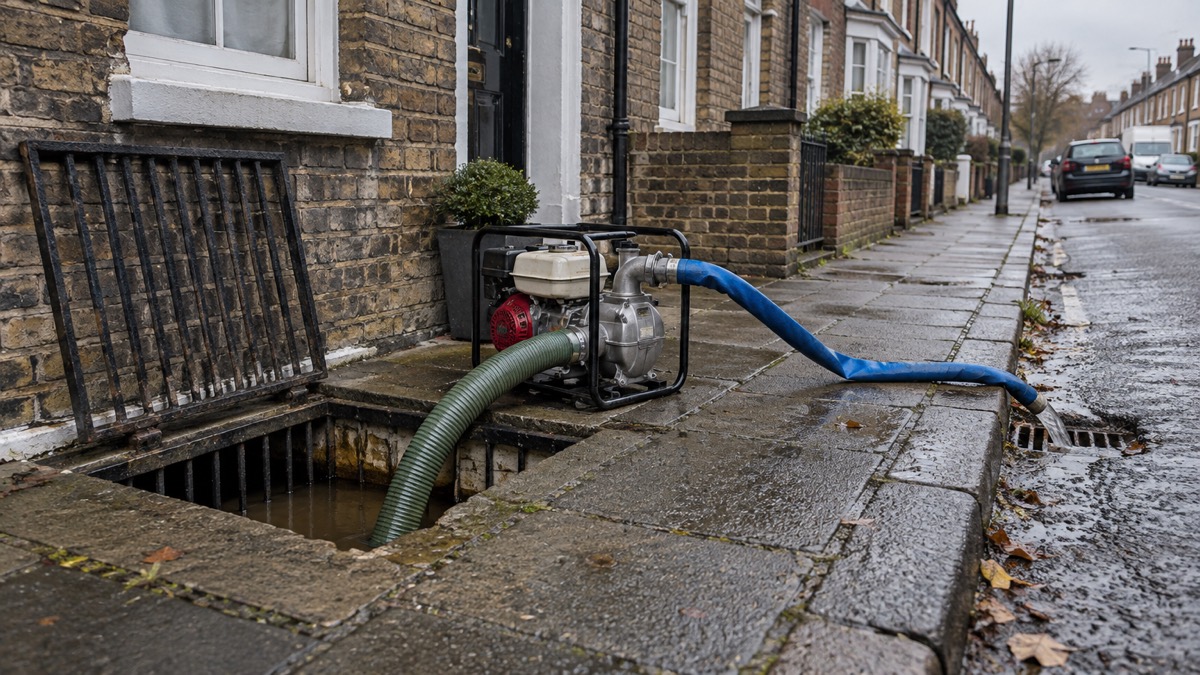
If your cellar floods repeatedly, prevention is better than pumping. Northern Ireland's guidance suggests installing a sump and pump to remove water and fitting non-return valves to all drains and water inlet pipes, which only let water flow one way18. A sump pump switches on automatically when water collects, before it reaches the floor. Our guide to Protecting Your Home: Resistance and Resilience Measures covers the wider options.
Where the pumped water must never go
Where the water goes matters as much as where it comes from. Fire and rescue services will only pump if the water can be discharged somewhere without detrimental effect elsewhere2. For a household, the same principle applies.
- Not back into a neighbour's property. Pumping onto a neighbour's land or into a shared low point can flood them instead.
- Not into rivers, ditches or watercourses without checking. Government guidance says that to pump flood water into rivers, ditches or watercourses such as a brook or mill stream, you should check with your local Environment Agency office19.
- Not into public sewers without checking. For public sewers, check with your water company19.
- Not into the garden where children or pets play. Keep them off affected grass and paved areas until cleaned9.
The sewer point deserves emphasis. In some towns the sewer network combines surface water with sewage from households, and when the system is overwhelmed during heavy rain, fouled water backs up out of the system and floods streets20. Adding pumped floodwater to an already overloaded sewer can push sewage into other homes. Ask your water company before you discharge into the sewer network. For more on this, see Sewer Flooding: Causes and Who Is Responsible.
A sensible default is to discharge to a drain or soakaway on your own property that is downhill from the building and away from foundations, or to a lawn area where the water can soak away, provided it will not run into a neighbour's property. If in doubt, ask before you pump.
Getting help: your insurer, the council and the fire service
You do not have to manage alone. The first call for most households is the insurer. Nottinghamshire's easy read guidance says to contact your insurance company for help to pump water out of your property6. Its homeowner guidance says to contact your insurer as soon as possible21. If you are not insured, your council may still be able to help; Devon County Council advises reporting the flooding to your insurance provider and contacting your local council to report the flooding and get any help they can offer22.
The fire service is the other route. Somerset Council's guidance says that for help pumping out water from your property, please contact the Fire Service8. The same wording appears in its after flooding advice23. Nottinghamshire's further support guidance is more specific: for more serious flooding the fire service will deal with the situation if it is life threatening16. Fire and rescue services explain that they cannot pump every property on request, because there has to be a certain level of water before it can be pumped away and it must be pumped somewhere without detrimental effect elsewhere2. Call them when there is a risk to life, not simply because a cellar is wet.
| Who | What they can help with | When to contact |
|---|---|---|
| Your insurer | Help to pump water out, blowers, skips, recommended contractors6 | As soon as possible after flooding21 |
| Your local council | Reporting the flooding and any help they can offer22 | After you have reported to your insurer |
| The fire service | Pumping out water, and serious flooding that is life threatening8 | When there is a risk to life or serious flooding |
Before the next flood, check that your insurance provides cover against flood damage to property25. Our guides to Home Insurance in a Flood Risk Area and Flood Re and Making an Insurance Claim After a Flood explain the cover side in more detail.
After the pump: drying out and clearing the silt
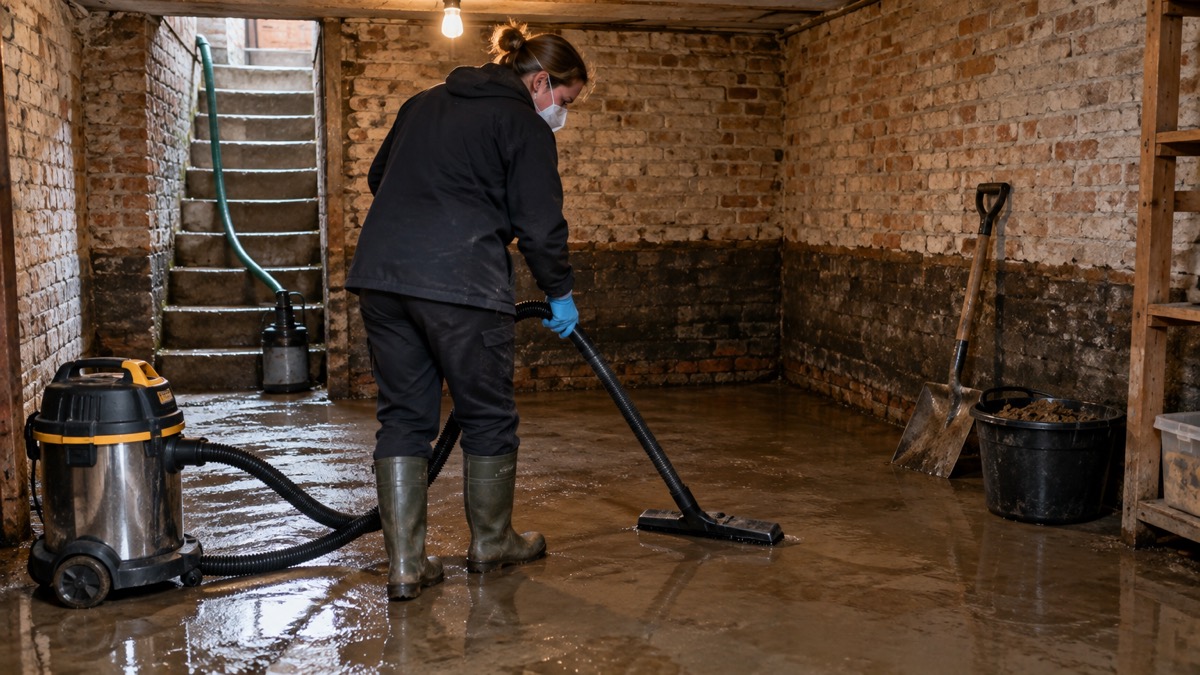
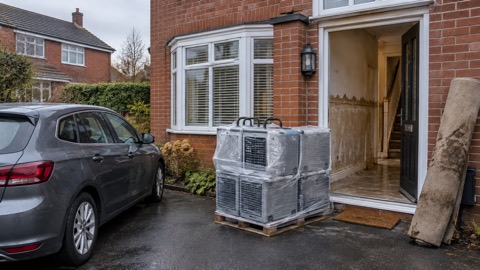
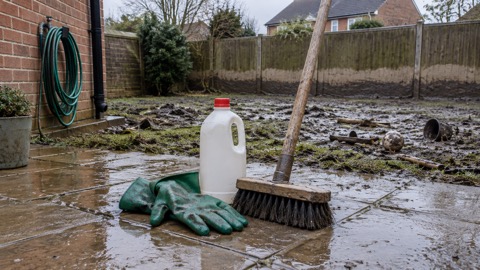
Pumping is the start of recovery, not the end. Once the standing water is gone, the property needs to dry and the silt needs to be cleared. Natural Resources Wales advises keeping doors and windows open to dry out your property, or using a dehumidifier with the windows and doors closed4. Surrey County Council's guidance is more detailed: all standing water must be removed before you can properly move into your home, particularly from the under floor area, using a pump or buckets followed by a wet and dry vacuum, then shovelling out mud and hosing out or using a garden sprayer17.
Dehumidifiers have a specific role. Derbyshire County Council notes that dehumidifiers can be used to collect moisture from the air and can aid in drying out a property but should not be used to remove floodwater; collected water can be disposed of down regular drains and sinks, and you should wear face masks and eye protection when emptying the tank26. For more, see Drying Out a House with Dehumidifiers.
Cleaning comes next. Derbyshire advises cleaning dirt from walls and furnishings preferably with a hose, rinsing several times, wiping down all surfaces with bleach with adequate ventilation, and rinsing24. Wear gloves and a disposable plastic apron when using cleaning products and follow the manufacturer's instructions correctly24. Our guide to Cleaning Up Safely After Floodwater covers the room by room detail, and When Your Garden Is Safe After Sewage covers the outside.
Sources (26)
- Flooding support, Lancashire County Council
- Flooding, Devon and Somerset Fire and Rescue Service, 2023
- Flood water is coming into my home, London Fire Brigade
- What to do after a flood, Natural Resources Wales
- After a flood, London Fire Brigade
- Flooding after a flood (easy read), Nottinghamshire County Council, 2025
- Flooding advice, Belfast City Council
- During flooding, Somerset Council
- Staying safe in a flood, Herefordshire Council
- Before, during and after a flood, Suffolk County Council, 2021
- Stay safe during Storm Babet, North Yorkshire Fire and Rescue Service, 2023
- During a flood, Nottinghamshire County Council
- Flooding, West Yorkshire Prepared
- Preparing for flooding, Cumberland Council
- Flooding and high winds, North Wales Fire and Rescue Service
- Further support, Nottinghamshire County Council
- After a flood, Surrey County Council
- How to protect your home from flooding, nidirect
- Help during a flood, GOV.UK
- Campbeltown Flood Protection Scheme, Argyll and Bute Council
- Advice for homeowners affected by flooding, Nottinghamshire County Council
- Flood recovery information, Devon County Council
- After flooding, Somerset Council
- Be prepared, Lancaster City Council
- Thunderstorms weather warning advice and information, nidirect
- Cleaning up and returning home after flooding, Derbyshire County Council
 Flood Warning Checklist
 First Steps After a Flood
 Insurance Claim Records
 Signing Up for Flood Warnings
 Flood Warnings Without Email
 Who to Report Flooding To
 Reporting a Blocked Gully
 Garden Safety After Sewage
 Council Sandbag Duties
 Filling and Laying Sandbags
 Makeshift Sandbags
 Disposing of Used Sandbags
 Turning Off Utilities
 Walking or Driving in Floodwater
 Turning Electricity Back On