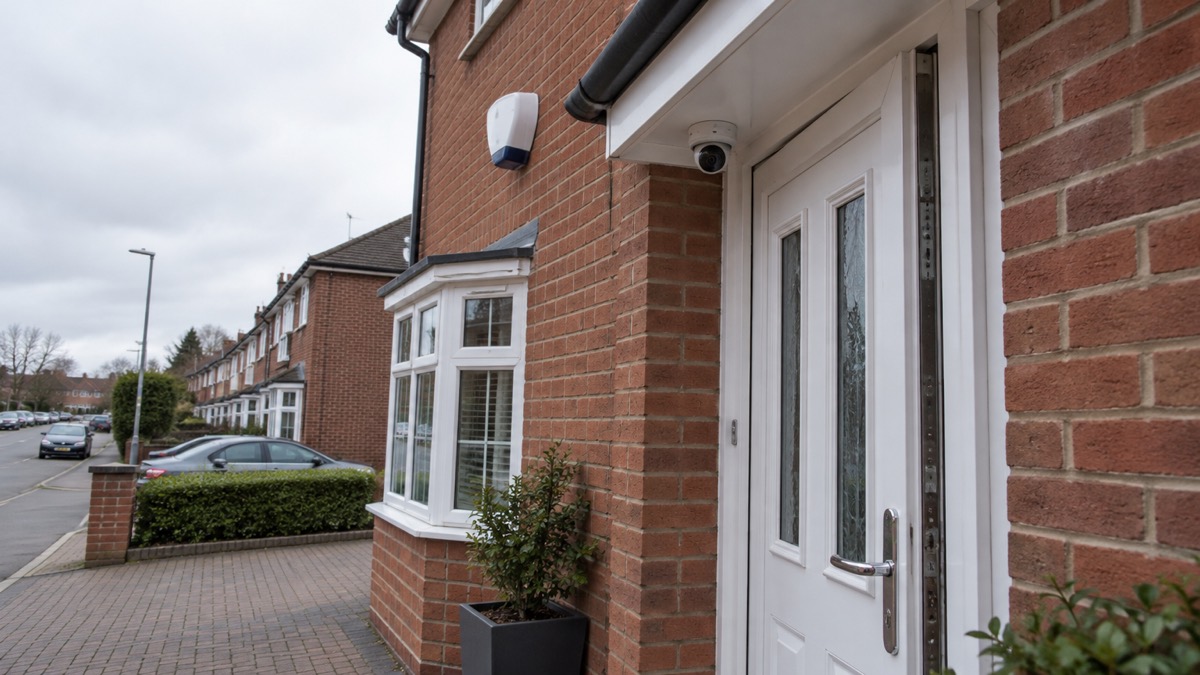
Burglary: A Household Guide
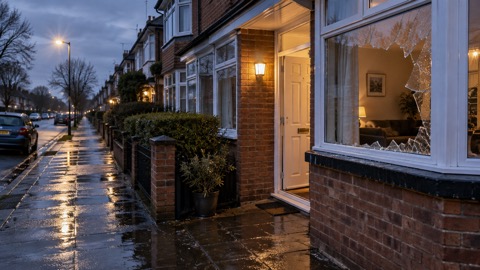
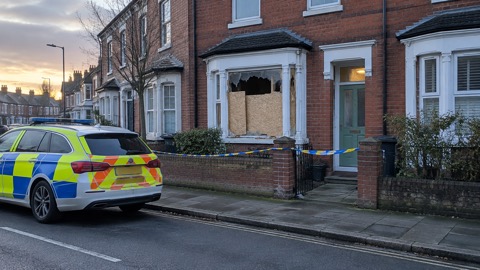
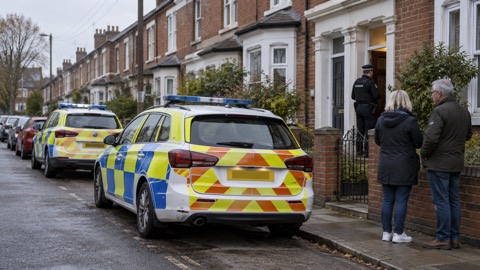
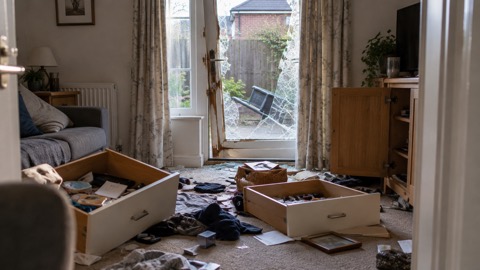
If you think an intruder is still in your home, call 999. If they have gone, Police Scotland advises calling 101 or completing its online form. Breaking into a house or garden is still a crime even if nothing is stolen. If you have just discovered what happened, start with coming home to a break-in and the guide to when to call 999 or 101.1
For prevention, begin with the shell of the house: sound doors and windows, suitable locks and consistent locking. PSNI says good home security, such as using window and door locks, is the best way to reduce the chance of being burgled. Properties without security measures are ten times more likely to be burgled than those with simple measures such as quality door locks.2
If an intruder may be inside now
Treat a possible intruder as an emergency. Police Scotland says to call 999 if you think the intruder is still there. Once the intruder has gone, use 101 or the online form. Do not dismiss the incident because nothing appears to be missing: housebreaking remains a crime even when nothing is stolen.1
- Establish whether this is happening now. If the intruder may still be present, call 999.
- Report an incident that is over. Use 101 or the online reporting route when the intruder has gone.
- Work through the aftermath methodically. The after-break-in checklist covers the sequence in more detail, while after a burglary deals with crime numbers, insurers, repairs and support.1
A hold-up alarm is another option to discuss when planning security. Secured by Design describes one as “invaluable if there is an intruder in the house”. It is part of preparation, not a substitute for calling 999 in an emergency.5
Security must not trap you during a fire. PSNI warns that improvements should not stop you escaping quickly. When fitting locks or reinforcing doors, plan where exit keys are kept so everyone can unlock the escape route without delay. Cheshire Fire and Rescue Service also advises securing entry gates unless they are in use, so boundary security and emergency access need to be considered together.2
If nobody is at home, North Yorkshire Fire and Rescue Service suggests monitored smart smoke alarms so somebody can be alerted to a fire. For a separate emergency involving unrest nearby, see staying safe indoors during riots and disorder.7
Your rights if someone breaks in
Section 43 of the Crime and Courts Act 2013 amended section 76 of the Criminal Justice and Immigration Act 2008 to give people defending themselves or others from intruders in their homes greater legal protection. The detailed explanation is in your rights if someone breaks into your home.8
The heightened householder defence applies when all of these conditions are met:
- householders are defending themselves or others;
- they are in, or partly in, a building or part of a building used as a dwelling or armed forces accommodation;
- they are not trespassing; and
- they are defending themselves from someone they believe is in, or entering, the building as a trespasser.8
Being “partly in” means the defence can apply when a householder encounters an intruder on the threshold. “Building” also includes a vehicle or vessel, so people living in caravans or houseboats can rely on the heightened defence.8
Householders who use disproportionate force to protect themselves or others at home are therefore not automatically regarded as having acted unlawfully. For a building used as both home and workplace, such as a shop with accommodation above, residents can rely on the defence in either part provided there is internal access between them. It does not extend to customers or acquaintances unless they are also residents. Squatters cannot rely on the heightened defence, and permission from another trespasser does not stop someone being a trespasser for these purposes.9
How burglars choose a home
Most burglaries are not planned but committed by opportunists. Secured by Design says burglars want easy pickings and avoid properties with effective security. Research cited in its alarm guidance found that improvements such as fitting intruder alarms played a significant role in reducing burglaries.5
The strongest practical response is therefore to remove easy opportunities and make security visible:
| What attracts attention | Household response |
|---|---|
| No simple security measures | Fit and use quality door and window locks; PSNI reports a tenfold difference in burglary likelihood2 |
| Accessible, unsecured windows | Lock accessible ground and upper-floor windows and keep frames in good condition10 |
| A house that looks empty | Review the appearance of the property before holidays and longer absences1 |
| Easy access to the rear | Use good fencing and locked gates where appropriate11 |
| An alarm that is never set | Set it when leaving the home unoccupied and before bed10 |
Police Scotland says housebreaking is more likely when a house looks empty. That makes holidays, prolonged vacancies and public social media posts part of the same security question, rather than separate concerns.1
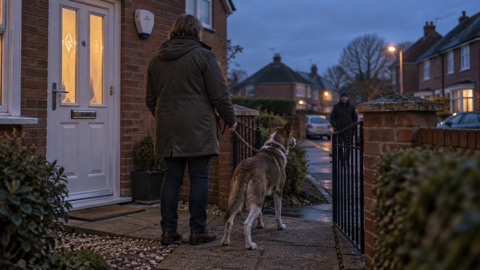
For a fuller explanation, read how burglars choose a home and what puts them off. Circumstances also matter: rural and remote homes have particular considerations, while seasonal absences and deliveries are covered in protecting your home at Christmas. Joining or starting a Neighbourhood Watch is one way to organise local awareness, and dogs as a burglar deterrent explains the separate legal and practical issues around dogs.
Doors, windows and locks
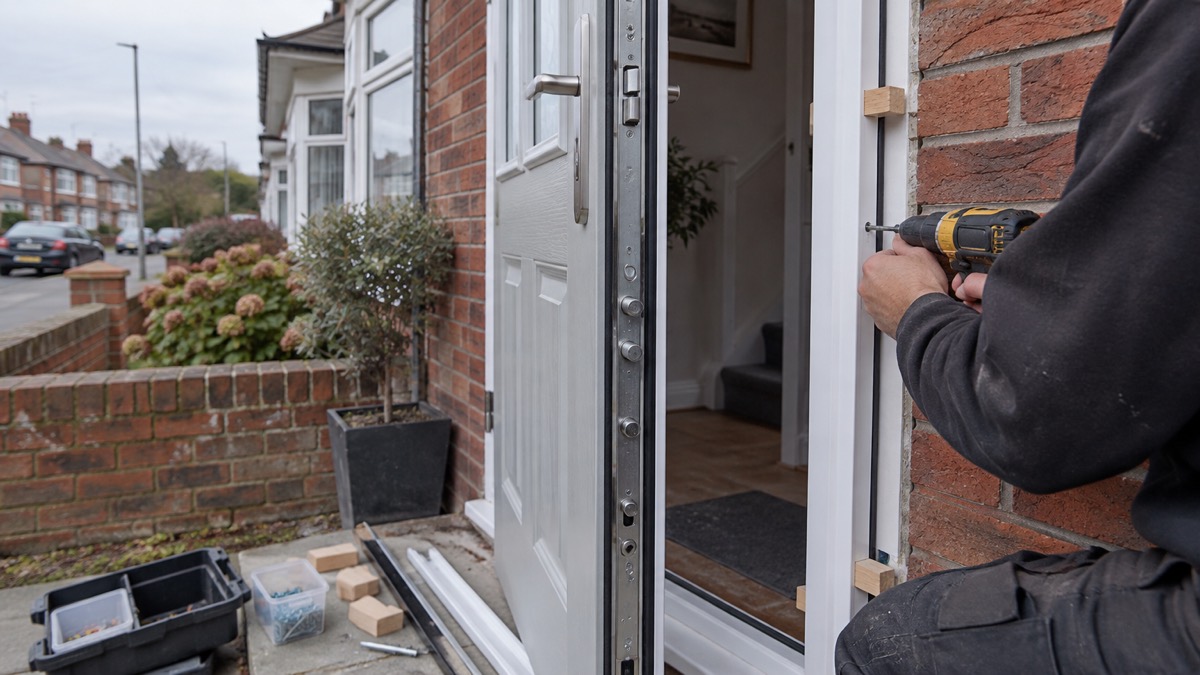
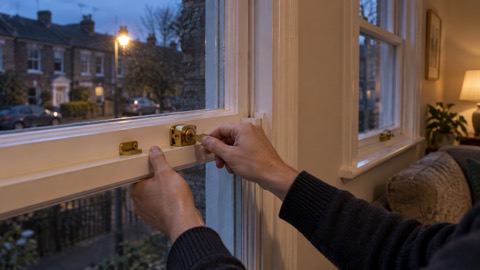
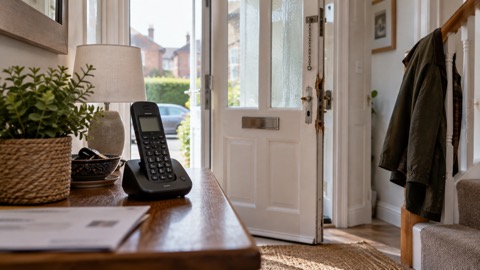
Start with condition, then certification, then whether the locks are actually used. West Yorkshire Police advises checking doors, windows and frames for deterioration, ensuring replacements meet the latest standards, checking that glass is undamaged and fitting adequate locks to accessible ground and upper-floor windows.10
| Part of the home | What police guidance says |
|---|---|
| Accessible windows | Window locks reduce the chance of burglary, slow an intruder and make targeting the home more difficult3 |
| uPVC doors | Tested and certified doors are more secure, with multi-locking mechanisms using hooks and latches12 |
| Replacement doors | nidirect lists PAS 24 for doors13 |
| New windows and doors | Police Scotland advises buying products certified by Secured by Design1 |
| Locks and hinges | A Master Locksmiths Association member can check whether they are British Standard approved12 |
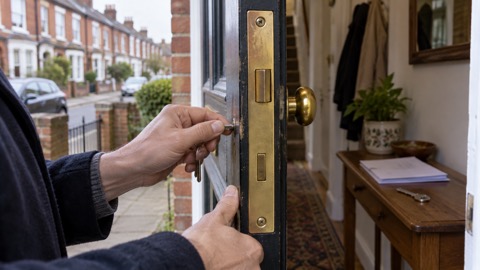
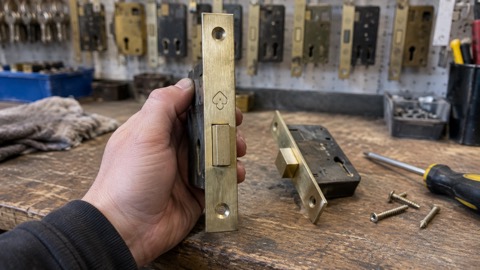
A locksmith can also assess the front door and its material and reinforce the frame, often with London and Birmingham bars. When moving into a new home, Police Scotland says you can change the locks if you want to. In Northern Ireland, nidirect’s basic rule is to always lock doors and windows and keep them in good condition.12
Look for the Secured by Design logo on packaging or ask whether a product has been accredited. Its members and product search list companies and accredited products. The guide to police-approved security products explains that identification, while doors and locks covers standards, cylinders and making entry harder in greater depth.14
Whatever you fit, preserve a quick fire escape. PSNI’s warning that security improvements must not prevent rapid escape applies directly to lock choices and to where householders keep the keys needed to leave.2
Alarms, cameras and outdoor lights
An alarm adds another layer to sound doors and windows, but it must suit the property and be used. West Yorkshire Police advises setting a burglar alarm whenever the home is left unoccupied and before bed. Secured by Design says wire-free alarms are available for people worried about wiring. That is relevant when reviewing an intruder alarm after the landline switchover, although the equipment and signalling arrangements still need to suit your home.10
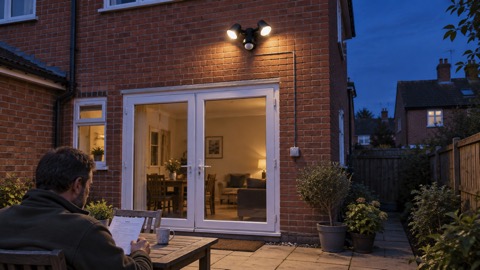
Use the dedicated guides to compare burglar alarm types and home cameras and CCTV. For oil tanks and other exposed areas, PSNI says security lighting and CCTV can warn of an intruder and alert neighbours and passing patrols. A home safety leaflet from Shropshire Community Health NHS Trust also describes a security light near paths and doors as a wise investment. Placement and types are covered in outdoor lights that deter burglars.15
Camera and video doorbell security includes the accounts behind the apps. Wiltshire and Swindon Prepared warns that access to your email account could expose private information, allow messages to be sent in your name and let a criminal reset other account passwords. Secured by Design provides separate advice on securing internet-connected products and connected-device accreditation; the household guide to cyber attacks and major IT failures covers the wider issue.17
Do not let security equipment crowd out fire detection:
- Cheshire Fire and Rescue Service says minimum protection is at least one smoke alarm on each level of the house.
- Warwickshire recommends optical smoke alarms, or combined optical smoke and heat alarms, for bedrooms, living rooms and hallways.
- It recommends heat alarms for kitchens and garages.
- London Fire Brigade advises ceiling fitting in areas of risk and regular testing.19
Gardens, sheds, cars and oil tanks
Secure the whole plot, not just the main building. nidirect says never to leave garages, outbuildings or sheds unlocked, especially when connected to the property. Good-quality fencing and locked gates can make access to the rear harder. PSNI’s garden guidance applies to homeowners and landlords and advises checking whether insurance covers garden or shed equipment, whether minimum security standards apply and whether individual items must be listed.11
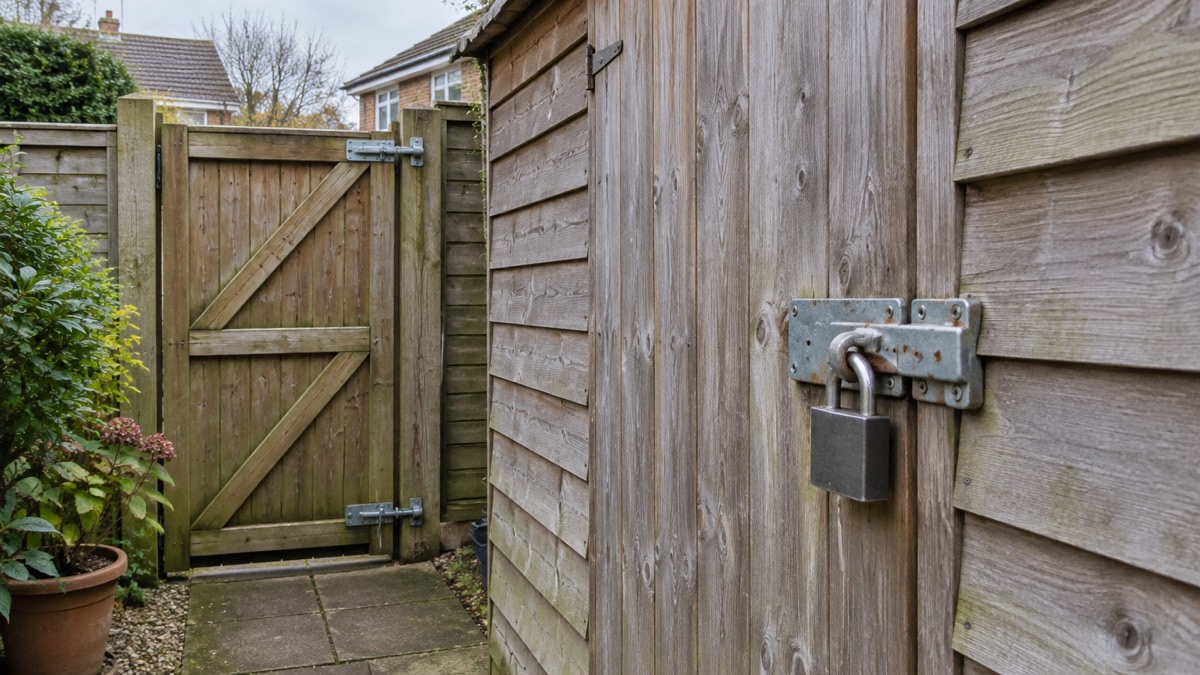
A PSNI home safety leaflet identifies windows, fences, boundary walls and drainpipes as vulnerable areas. It also advises locks around the heating oil tank area to make access to the rear harder.22
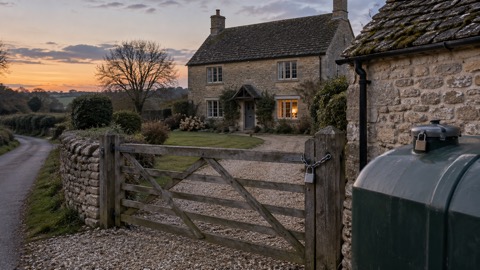
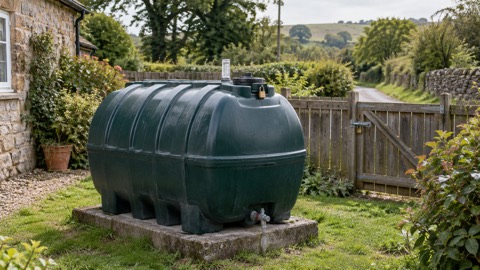
Heating oil needs particular attention because PSNI describes fuel tanks as rich and easy pickings for thieves, affecting farms, transport depots and domestic properties, particularly in rural locations. Lighting and CCTV can help alert occupants, neighbours and patrols. Read how to protect a heating oil tank from theft for the dedicated guidance.15
Security work must not damage the tank installation. Somerset Council says to prevent vandalism or theft where possible but not make changes affecting how the system works. Black stains and dead plants or grass around a tank are warning signs of a leak.23
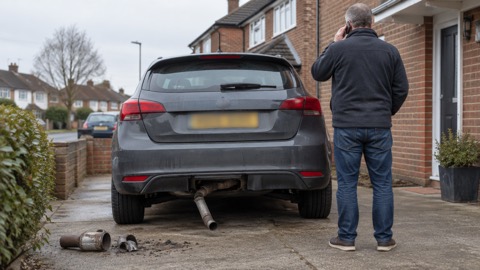
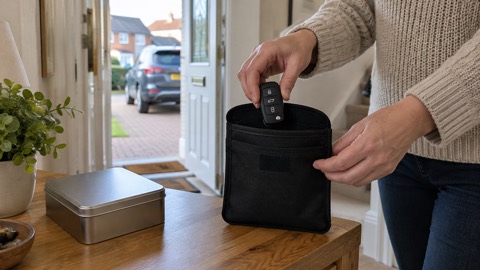
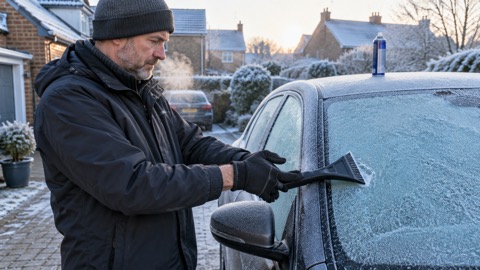
Cars belong in the same assessment. PSNI notes that improved car security means thieves may break into a house to steal car keys. The specific subjects of keyless car theft and relay attacks, catalytic converter theft and leaving a car running while de-icing each need their own precautions.
Safes, valuables and property marking
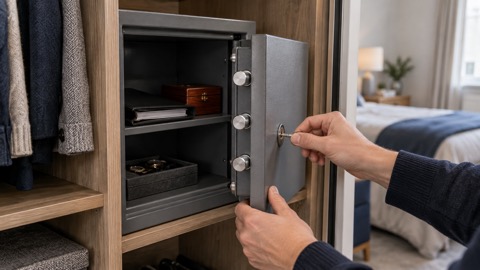
West Yorkshire Police advises people with large amounts of jewellery to consider a domestic safe, use bank deposit boxes where available and mark items with a DNA solution. Keep a written and photographic record of possessions with financial or sentimental value. PSNI also advises marking valuables with your postcode.10
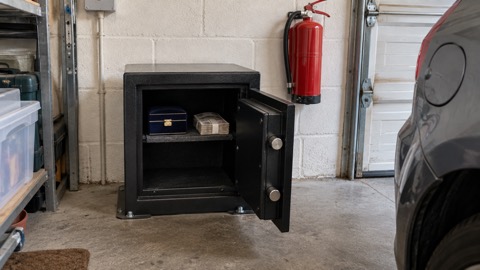
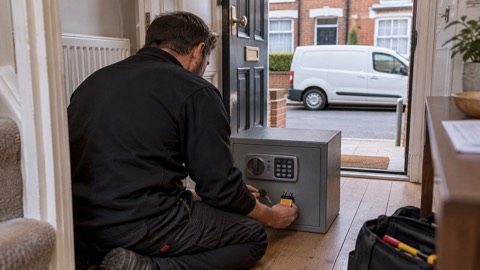
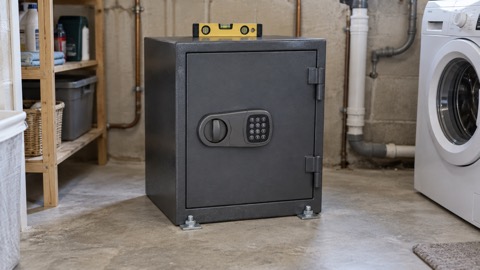
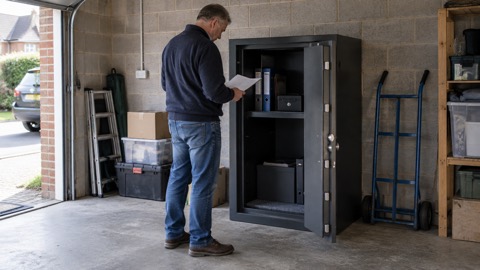
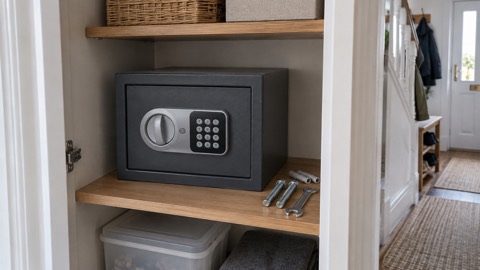
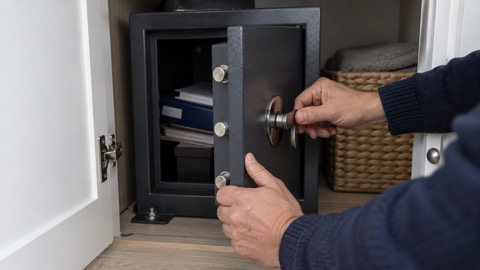
The main guide to home safes explains fire, burglary and cash ratings. Related pages cover keeping valuables safe, property marking and records, whether cash or jewellery can go in a fire safe and opening an electronic safe with flat batteries. Model-specific information is available for the Burton Home Safe G0, G3 Size 1, Grade 1 MKII, S2 Size 1 and Chubbsafes Senator.
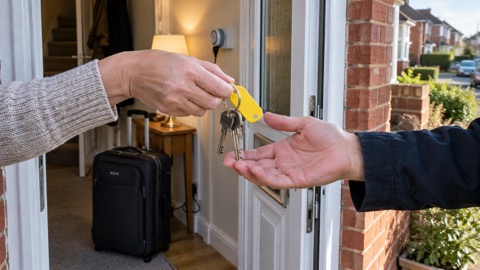
Key safes solve a different problem: controlled entry for people you trust. Shropshire Community Health NHS Trust says a key safe can ensure access for trusted people. Devon County Council says police recommend buying one that is Secured by Design and displays the logo. For carers, this can sit alongside the person’s own personal alarm arrangements, while avoiding loose keys being left for callers.16
Keep three distinct records and decisions together:
- What you own: written and photographic records of valuable or sentimental items.
- How it can be identified: postcode marking and, where appropriate, a DNA solution.
- Who needs access: a police-recommended, Secured by Design key safe for trusted carers or other authorised visitors.10
Doorstep callers and rogue traders
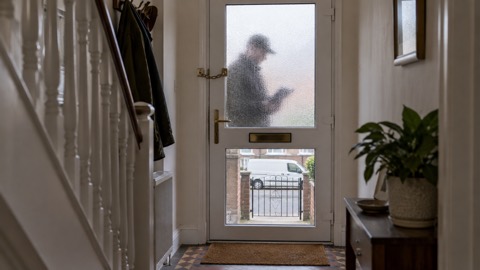
Doorstep crime involves someone pretending to be a different person to enter your home, obtain personal information or persuade you to pay for unnecessary work. Avon and Somerset Police warns that distraction burglars and fraudsters need not break in if they can knock and be invited inside. Callers may look smart or casual and may wear a tabard or carry fake identification.25
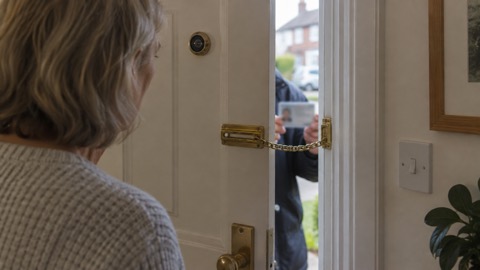
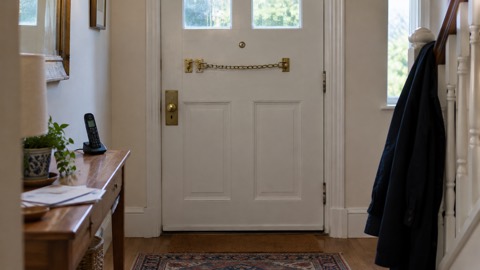
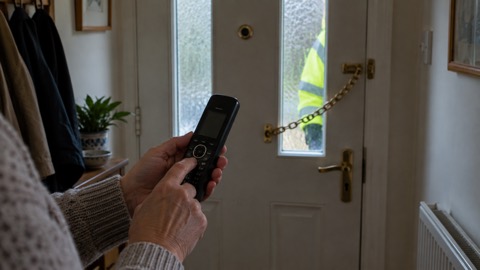
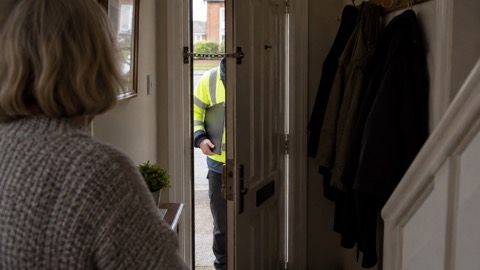
The immediate rule is simple: if you are not sure who is at your door, do not open it or let anyone into your home. Do not invite in someone who asks for help, needs to make a telephone call, claims to have lost a ball, wants a drink or asks for pen and paper. If an unexpected caller alarms or intimidates you, call 999 immediately.4
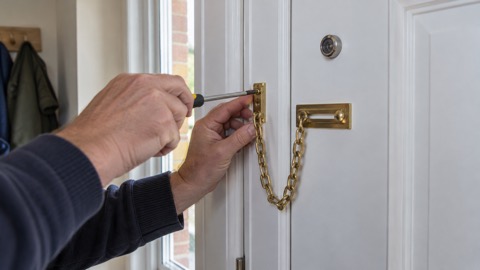
Use bogus callers for the full prevention guidance, including checking caller identification and utility doorstep password schemes. If someone refuses to go, follow what to do if a doorstep caller will not leave. Suspicious activity can be discussed with your community police team, and Police Scotland accepts reports online, by telephone or in person; reporting a bogus caller explains the routes.25
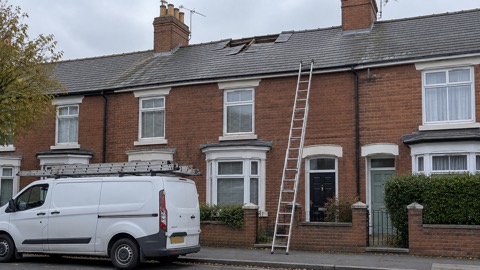
Rogue traders may call or telephone about unnecessary roof, driveway or garden work. Police Scotland gives the warning sign of an unexpected caller claiming a roof or driveway problem needs urgent attention. See roof repair callers and rogue traders and doorstep selling. After property damage, avoiding rogue traders after a flood is particularly relevant.25
Your consumer rights matter before work begins:
- Traders must give a Notice of Right to Cancel for work over £35.
- This provides a 14-day cooling-off period before work starts.
- nidirect lists pressure selling, fake charity collections, unfair or unsuitable contracts, overpriced or poor-quality work and thieves inspecting valuables as forms of doorstep fraud.
- Secured by Design also warns against security sellers using pressure, unclear contracts, excessive fear of crime or waiving cooling-off rights.4
When your home is empty
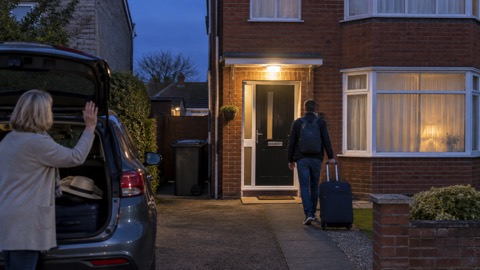
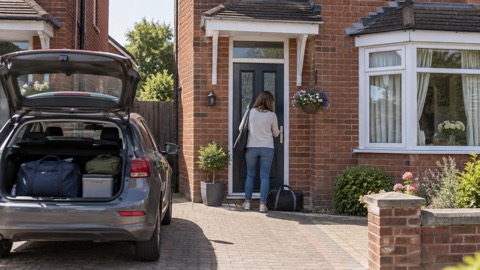
Police Scotland says housebreaking is more likely when a house looks empty. Before leaving, lock doors and windows, check that they and their frames remain in good condition, and set the burglar alarm. West Yorkshire Police includes setting the alarm before bed as well as when the property is unoccupied.1
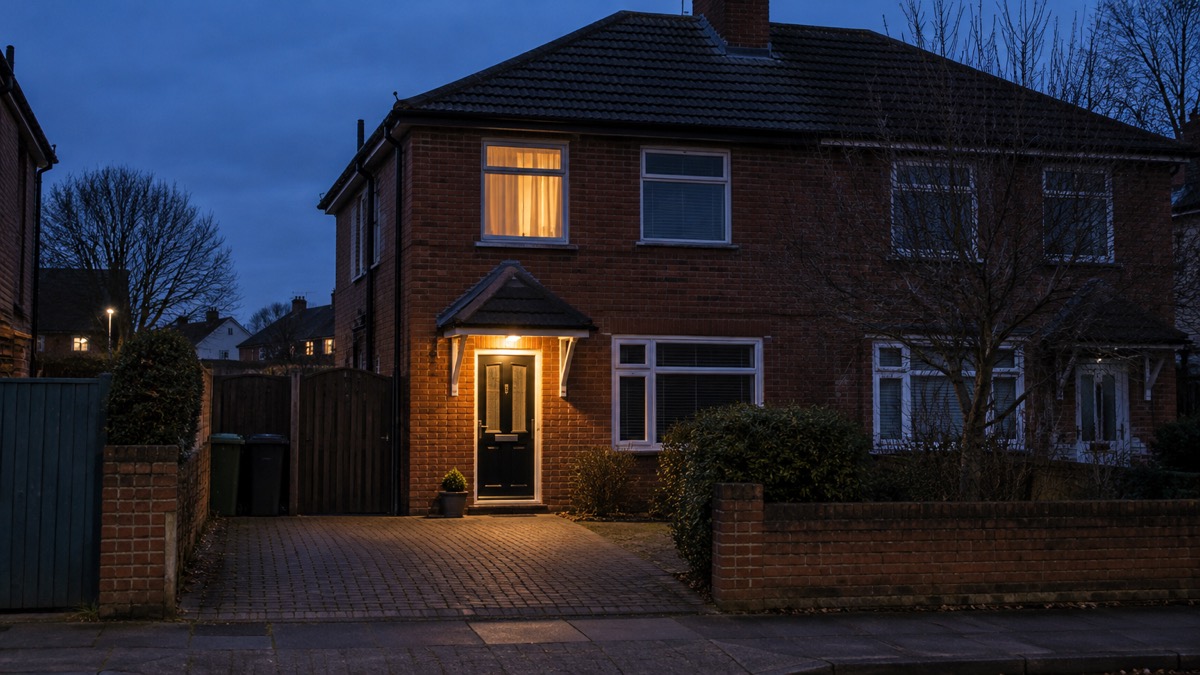
Think before publishing travel plans. nidirect warns that someone with a public profile who discusses a holiday could tell an opportunistic burglar that the home will be empty for a couple of weeks. The detailed considerations are covered in holiday social media posts and making your house look occupied.11
PSNI advises informing local police of the relevant dates your property will be vacant. Where neighbours are watching an empty home, make those dates part of the arrangement so everyone understands the period concerned. Should you tell police your home will be empty? examines that specific question.22
Use the resource that matches the absence:
- Leaving your home while on holiday covers an ordinary trip.
- The holiday security checklist turns preparation into a sequence.
- Empty homes covers long absences, probate and unoccupied property.
- Neighbourhood Watch explains organised neighbour involvement.22
Reporting a break-in and making safe
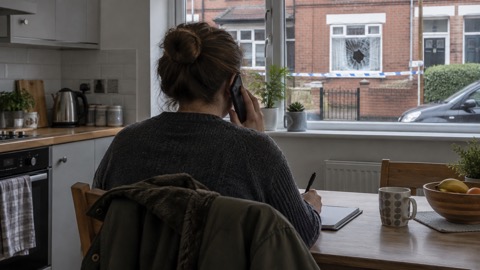
The reporting threshold depends on whether the intruder may still be present. Call 999 if you think they are still there. If they have gone, call 101 or use the online form. Police Scotland also says housebreaking can be reported online, by telephone or in person. Remember that it remains a crime even if nothing was stolen.1
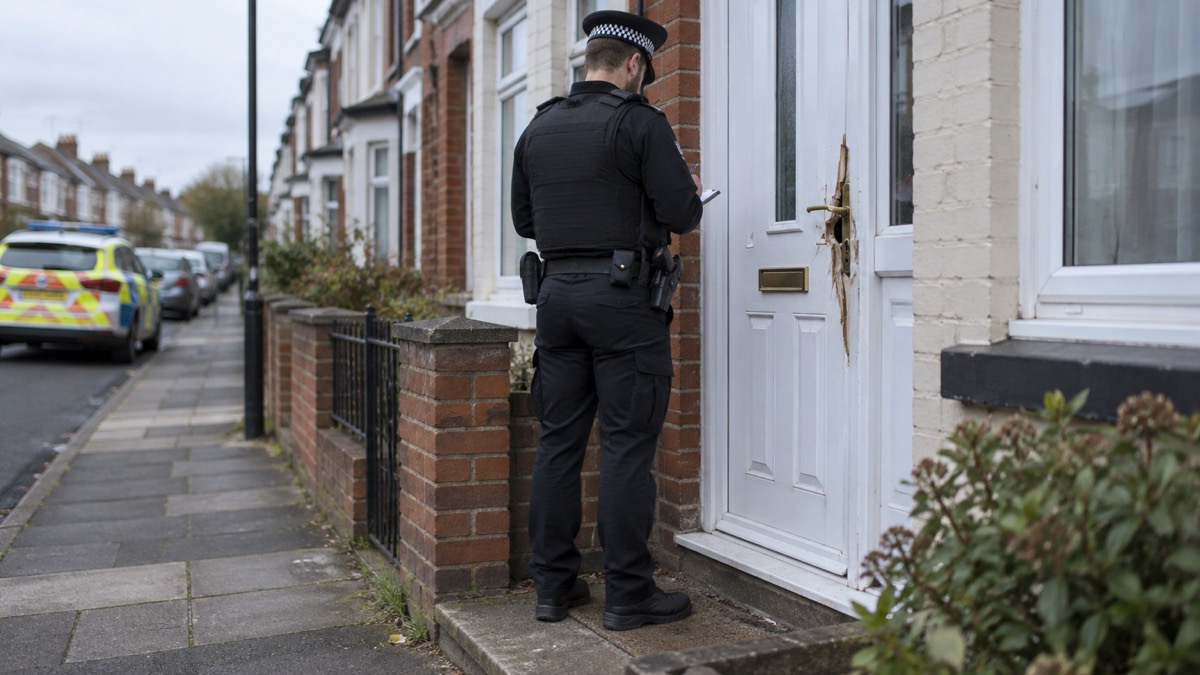
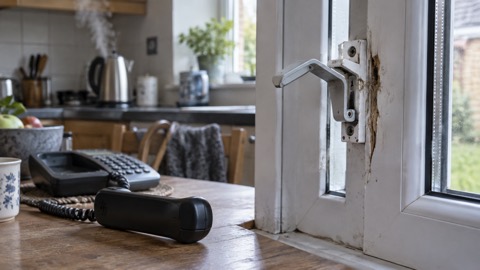
Once the immediate report has been made, use the after-break-in checklist to keep the tasks in order. After a burglary then covers crime numbers, insurers, repairs and support. If you need a different reporting route, how to report a burglary anonymously addresses that question.
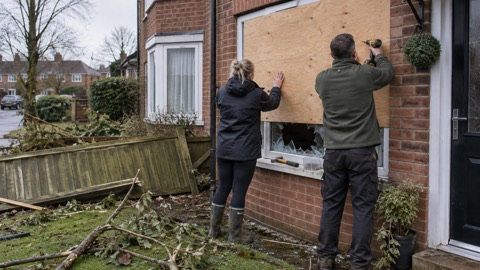
A home can also become vulnerable because of storm, fire or flood damage rather than an ordinary forced entry. Making a damaged home safe from intruders deals with that situation. Where a power cut affects the household, use the separate power cut guide; for fire, gas leaks, carbon monoxide or burst pipes, use home emergencies.
Devon County Council summarises the prevention principle: most burglaries are crimes of opportunity and can be prevented by keeping the home secure. Reporting and making safe after an incident should therefore lead back to the same checks described above: doors, windows, locks, alarms, boundaries, valuables and the appearance of occupancy.24
Insurance, support and who to call
Start with your own policy conditions. PSNI advises checking cover for garden or shed equipment, any minimum security standards and whether items must be individually listed. The guide to home insurance conditions looks at locks, alarms and unoccupancy in more detail. Reporting arrangements and support in different parts of the UK are covered in Scotland and Northern Ireland.21
Several official services can help with security, fire safety or access needs:
| Service | What it offers and how to reach it |
|---|---|
| Police Crime Prevention Officer | PSNI says your local CPO can provide further security advice; Cheshire Fire and Rescue Service also directs households to this source of advice2 |
| Be Home Safe, Avon and Somerset | Contact your local Neighbourhood Policing Team, which may refer you where appropriate3 |
| London Fire Brigade | Its free Home Fire Safety Checker assesses risk through questions, gives tailored advice and directs higher-risk households towards an in-person visit; visits are available 24/7 and can include free smoke alarm fitting28 |
| South Wales Fire and Rescue Service | A Home Safety practitioner can telephone, email or text, ask questions about the home and discuss options for supplying alarms29 |
| Somerset Home Safety Support Officers | Discuss home safety, repairs, hoarding and Safe, Warm and Secure grants by calling 0300 303 7794 or emailing sip-propertysupport@somerset.gov.uk30 |
Fire services can also help people who need more than standard advice. London Fire Brigade says specialist alarms, including strobe-light and vibrating-pad alarms, can be fitted for people who need them. Its visits can be arranged 24/7, with free smoke alarms fitted where required.20
For residents who may need help evacuating a relevant residential building, Cornwall’s fire and rescue guidance says to tell the Responsible Person. Residents have the right to have their needs considered and recorded in evacuation planning and to expect reasonable, proportionate steps for safe evacuation. The wider guide to extra help in an emergency covers older, disabled and medically dependent households.31
Sources (31)
- Break-in and housebreaking, Police Scotland
- House security, Police Service of Northern Ireland
- Window security, Avon and Somerset Police
- Doorstep crime, Avon and Somerset Police
- Alarms advice for domestic properties, Secured by Design
- Protect your property from arson, Cheshire Fire and Rescue Service
- Protect your pets, North Yorkshire Fire and Rescue Service
- Crime and Courts Act 2013 explanatory notes, legislation.gov.uk
- Self-defence and the prevention of crime circular, Home Office
- Home security, West Yorkshire Police
- Securing your home, nidirect
- Door security, Avon and Somerset Police
- Securing doors and windows, nidirect
- Crime prevention advice, Secured by Design
- Protecting heating oil, Police Service of Northern Ireland
- Home safety leaflet, Shropshire Community Health NHS Trust
- Having a strong password, Wiltshire and Swindon Prepared
- Cyber security advice, Secured by Design
- Home fire safety check, Cheshire Fire and Rescue Service
- Alarms and sprinklers, Warwickshire County Council
- Garden security, Police Service of Northern Ireland
- Advice on home safety leaflet, Police Service of Northern Ireland
- Oil tank leaks, Somerset Council
- Support at home: home safety, Devon County Council
- Rogue traders and doorstep crime, Police Scotland
- Doorstep scam, Police Scotland
- Doorstep fraud, nidirect
- Home fire safety visits, London Fire Brigade
- Request a home safety visit, South Wales Fire and Rescue Service
- Contact home safety support, Somerset Council
- Residential personal emergency evacuation plans, Cornwall Council
 After a Burglary
 Bogus Callers
 Coming Home to a Break-In
 Catalytic Converter Theft
 Riots and Disorder Near Home
 Securing a Damaged Home
 Dogs as a Burglar Deterrent
 Doorstep Selling and Your Rights
 Empty Homes and Long Absences
 Leaving Home on Holiday
 How Burglars Choose a Home
 Home Insurance Conditions
 Keyless Car Theft
 Outdoor Security Lights
 Property Marking
 Reasonable Force and the Law
 Rural and Remote Homes
 Home Safe Ratings Explained
 Crime Reporting in Scotland
 When to Call 999 or 101
 Reporting a Burglary Anonymously
 Doorstep Caller Will Not Leave
 Car Running While De-Icing
 Checking a Doorstep Caller
 Burglary at Christmas
 Cash in a Fire Safe
 Heating Oil Tank Theft
 Making a House Look Occupied
 Police Approved Products
 Reporting a Bogus Caller
 Rogue Traders After a Flood
 Roof Repair Callers
 Safe with Flat Batteries
 Telling Police Home Is Empty
 Keeping Valuables Safe
 After a Break-In Checklist
 Holiday Security Checklist
 Doorstep Password Schemes
 Burton Home Safe G3 Size 1
 Burton Home Safe Grade 1 MKII
 Burton Home Safe S2 Size 1
 Chubbsafes Senator