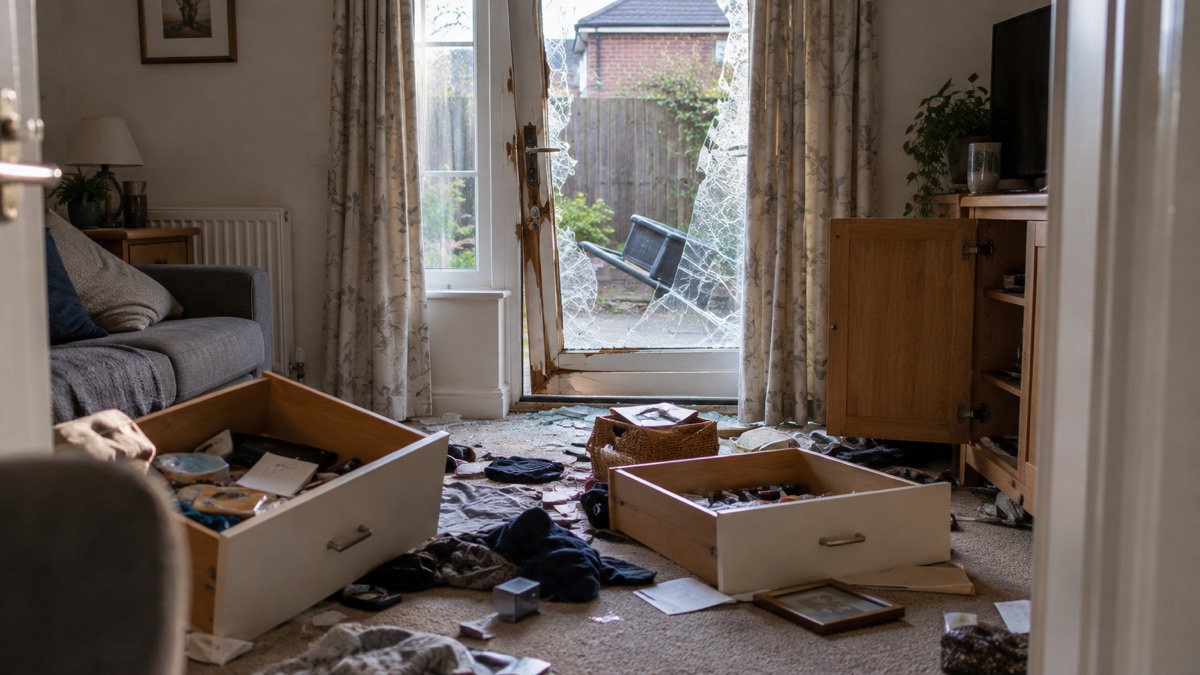
Coming home to a broken window or a door hanging open is frightening, and the first instinct is often to rush inside and check what has gone. Police advice is clear: do not go in, in case the intruder is still there1. Call 999 from outside if you think someone may still be inside, and 101 once you are sure they have gone1. If you have been burgled, the police say to call them immediately on 9992.
Once the police have been, the order that matters is this: leave the scene alone so forensic evidence survives, get a crime reference number, then ring your insurer, then make the house secure the same day2. Photograph damage before you tidy anything, because official advice is that pictures and records of repair and cleaning costs may help your insurance claim3.
This page sets out that order as a checklist you can work through, then explains each step: what the police need from you, what your insurer will ask for, how to get the locks changed if keys were taken, and where to find support if you no longer feel safe in your own home.
The checklist: what to do after a break-in, in order
Work down this list. The early items protect you and the evidence; the later ones protect your claim and your home.
Call 999 if the burglar may still be there, 101 if they have gone
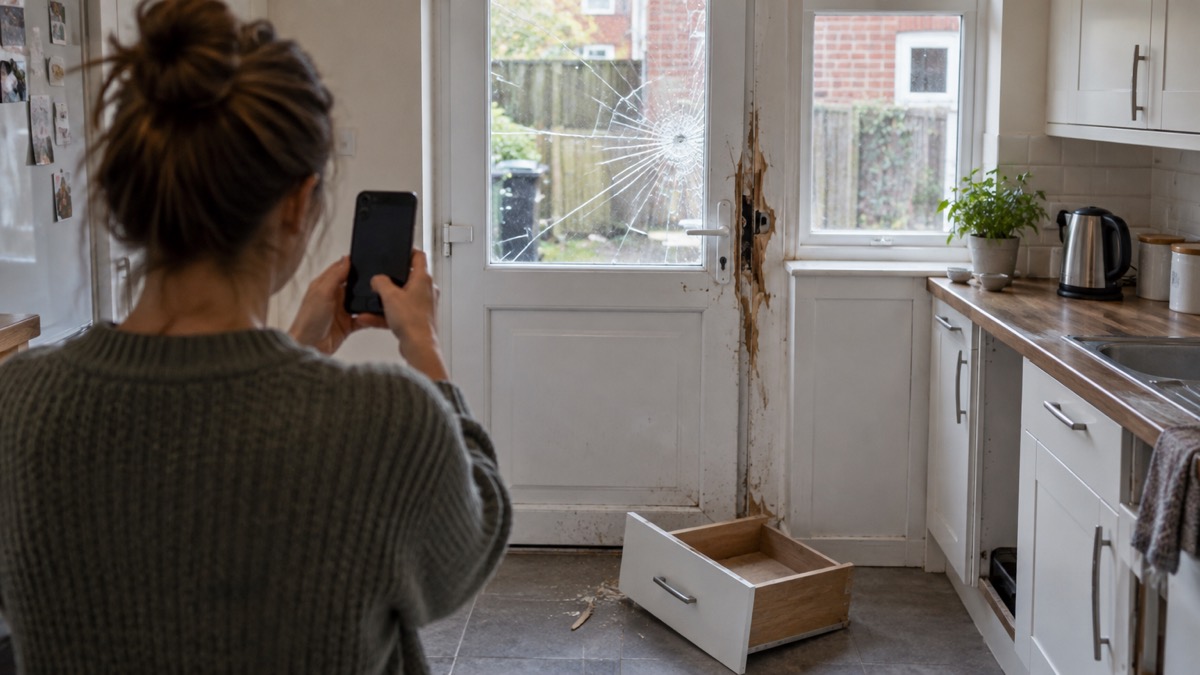
The single most important decision is which number to ring. The test is not how serious the burglary looks, but whether anyone is at risk right now.
Call 999 if the intruder may still be inside, if a crime is in progress, or if someone is in immediate danger1. Police Scotland's wording is blunt: call 999 if you think the intruder is still there1. The same number applies if you feel threatened or in danger when you arrive13. Do not go inside to check. Wait outside, at a neighbour's or on the pavement, until officers arrive.
Call 101 if the burglar has gone and there is no immediate risk. You can also report online or in person at a police station1. Reporting matters even if nothing of great value was taken, because it feeds the crime figures for your area and gives you the reference number your insurer will want.
If you are in Scotland, the reporting routes are the same, but the force is Police Scotland, and its advice on break-ins and housebreaking is set out on its own pages1. In Northern Ireland the force is the PSNI, whose house security guidance also says to call 999 if you have been burgled2. The 101 non-emergency number works across the UK.
Leave things untouched until the police have seen them
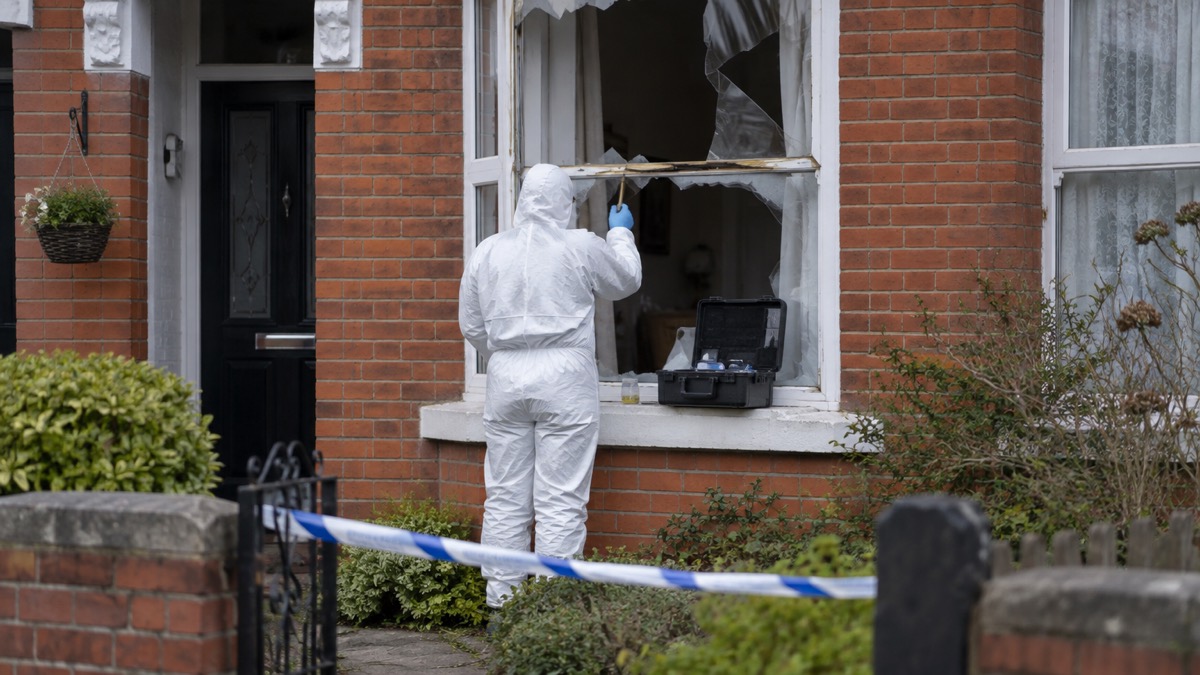
Forensic evidence is fragile. A fingerprint on a window frame, a footprint in a flowerbed or a fibre on a broken lock can link a suspect to your home, and it is easily wiped away by a well-meaning tidy-up. The police ask you to try to touch as little as possible in order to prevent disturbing any forensic evidence2.
In practice that means:
- Do not clean, sweep, wipe or move furniture in the rooms that were entered.
- Keep to one route through the house, and do not let visitors wander.
- Do not pick up items the intruder may have handled, even your own possessions.
- If you must move something for safety, note where it was and tell the officer.
A forensic officer, sometimes called a scenes of crime officer, may attend. Whether one comes depends on the force and on what evidence might be present, so do not be surprised either way. If an officer is due, keep the affected rooms closed off and keep pets and children out.
The same principle applies if the break-in happened alongside a fire or flood. Official advice after a fire is to maintain the integrity of the scene: do not touch or clean up anything until the police have finished14. If you are leaving the property unoccupied while repairs are done, tell your local police station and ask neighbours to keep an eye on it14.
Get a crime reference number before you call your insurer
Your insurer will ask for a crime reference number, and you cannot get one until the crime has been reported. That is why the police call comes before the insurance call, not after.
Ask the officer who attends, or the person who takes your report online or by phone, for the reference. Write it down and keep it with your policy documents. When you ring your insurer, have three things ready: the crime reference number, a list of what has been taken, and photographs of the damage3.
The insurer may want to inspect the property or the contents before anything is removed or disposed of, so ask before you take broken items to the tip4. Keep every receipt for repairs, locksmiths, boarding up and cleaning, because official advice is that records of repair and cleaning costs may help your claim3.
Listing what was stolen
Work room by room and write down each missing item with a description, when you bought it and what it cost if you know. Photographs, receipts, bank statements and any old insurance schedule all help. If you have kept a record of your valuables, this is the moment it earns its keep; if not, start one now for the future.
Cancelling stolen bank cards
Contact your bank immediately and tell them what has been taken. If you use online banking, you can usually cancel the cards yourself in the app or on the website10. Check your statements and online shopping accounts for unauthorised purchases and unusual transactions, and contact the bank using the number on its official website, not one from an email or text11. If you have lost money, tell your bank straight away and report it to Report Fraud, or in Scotland contact Police Scotland12.
Reporting a stolen phone
Report the theft to the police and get a crime reference number1. Then tell your mobile network so the SIM and handset can be blocked, and change the passwords on any account the phone could reach, including email and banking11. If the phone held banking details, contact your bank10.
Making the home secure again the same day
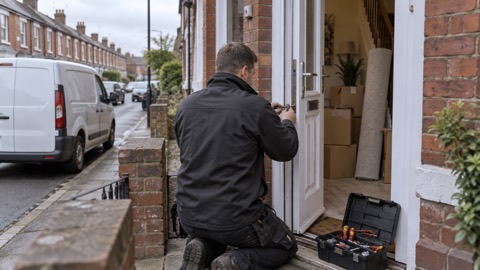
A broken door or window is an open invitation. Official advice after a fire or storm is to secure the property to prevent further damage or unauthorised entry, boarding up broken windows and securing damaged doors6. Do this the same day, even if the permanent repair has to wait for the insurer.
| What needs doing | Why it matters | Who to ask |
|---|---|---|
| Board up broken windows | Stops further damage and unauthorised entry6 | A glazier, boarding firm or your insurer's approved contractor |
| Secure a damaged door | Prevents entry until a replacement is fitted6 | A locksmith or door fitter |
| Change locks if keys were taken | The thief may have a set2 | A reputable locksmith, keeping the receipt |
| Tell the police if the home will be empty | They can keep an eye on it14 | Your local police station |
| Ask neighbours to watch the property | Extra eyes while repairs are done14 | A trusted neighbour |
If keys were stolen, change the locks those keys fit before you feel secure again. When you replace doors or windows in future, the police advise buying ones certified by Secure by Design, and door hardware meeting the Domestic Buildings Gold standard is harder to break1. For more on choosing locks and cylinders, see Doors and Locks: Standards, Cylinders and Making Entry Harder.
Feeling unsafe at home afterwards
Fear often outlasts the damage. The police take it seriously, and there is practical help. Start by telling the officer dealing with your case how you feel, and ask about crime prevention advice or a home security visit.
Simple measures make a measurable difference. The police say properties without security measures are ten times more likely to be burgled than those with simple measures such as quality door locks2. That is a reason to act, not a reason to panic: a few changes put you back in the lower-risk group.
- Ask a neighbour to keep an eye on the property, and tell the police if it will be empty14.
- Keep door and window keys where everyone can find them, but not in the kitchen, which is where most home fires start16.
- Make a bedtime check of doors, windows and keys17.
- Consider a burglar alarm or camera; our guides to Burglar Alarms: Types and How to Choose One and Home Cameras and CCTV: Types and How to Choose set out the options.
- Plan how you would call for help in an emergency, and check that the bathroom door can be opened easily18.
If you live in a flat, ask your landlord or managing agent about security in communal areas, and report discarded rubbish, which can signal an empty building16.
Where to get help and support
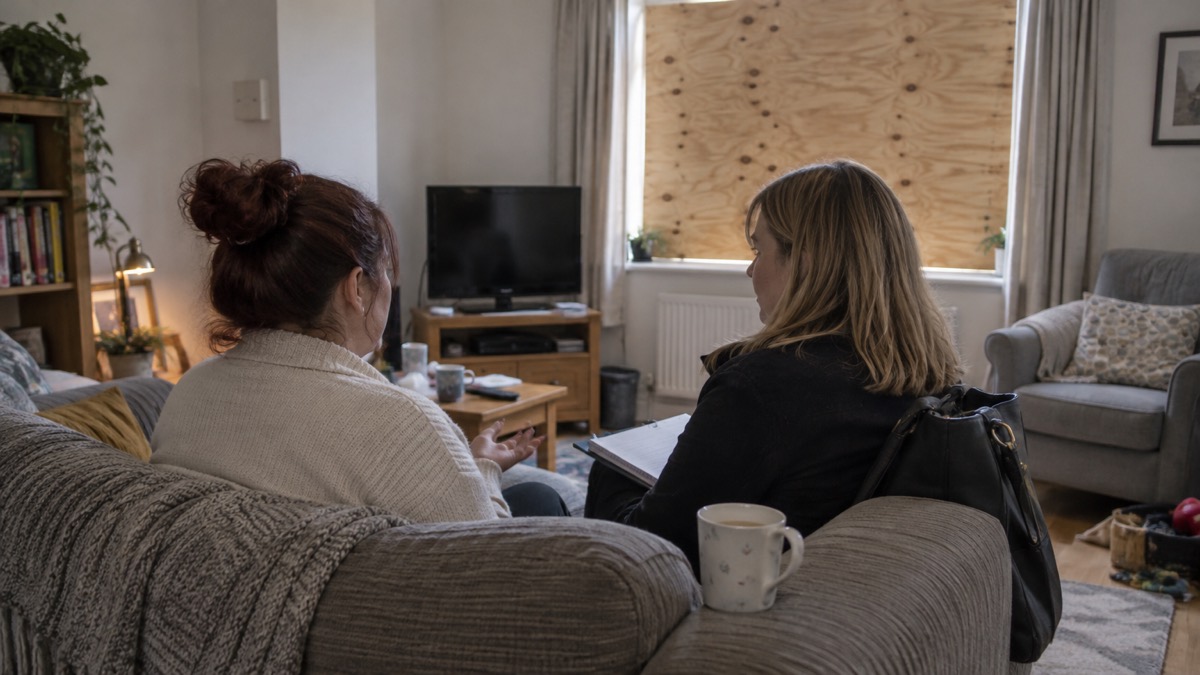
You do not have to manage alone. Several organisations can help after a burglary, and most are free.
Victim Support is a charity that helps people affected by crime, including burglary, whether or not the crime has been reported. Ask the police officer dealing with your case for a referral, or contact the charity yourself. Support can cover practical help with insurance forms and emotional help with feeling unsafe at home.
The police can give crime prevention advice and, in some forces, arrange a home security visit. Ask when you report the crime, or call 101.
Crimestoppers takes information anonymously on 0800 555 111 if you have details about a crime but do not want to speak to the police directly19.
Your insurer can advise on approved repairers and on what to do before anything is removed4.
Your bank can cancel cards and check for fraudulent transactions10.
If you are in Scotland, Police Scotland's break-in pages set out reporting and support routes1. In Northern Ireland, the PSNI's house security guidance covers the same ground2. For more on the differences, see Scotland and Northern Ireland: Reporting Crime and Getting Support.
Sources (19)
- Break-in and housebreaking, Police Scotland, 2026-11-02
- House security, PSNI, 2026-11-02
- Emergency advice, Basingstoke and Deane Borough Council, 2026-10-29
- After an emergency, Greater London Authority, 2026-10-26
- Contact the police, GOV.UK, 2026-10-29
- Dealing with the aftermath of a fire, Warwickshire County Council, 2026-10-29
- Prepare yourself, Greater Manchester Combined Authority, 2026-10-29
- After fire or flood, Dorset and Wiltshire Fire and Rescue Service, 2020-12-01
- Strong winds and heavy rain warning: information and advice, nidirect, 2026-01-27
- Phishing, National Cyber Security Centre, 2026
- Recovering hacked accounts, National Cyber Security Centre, 2026
- Recovering a hacked account, National Cyber Security Centre, 2026
- Doorstep scam, Police Scotland, 2026-11-02
- Steps after a fire, North Yorkshire Fire and Rescue Service, 2026-06-17
- Flood evacuation checklist, Croydon Council, 2025
- Fire safety in flats operating a stay safe policy, Greater Manchester Fire and Rescue Service, 2026-10-29
- Safety at home, Dorset and Wiltshire Fire and Rescue Service, 2026-04-30
- Stay Steady and Safe home safety checklist, NHS Norfolk and Suffolk, 2026
- Terrorist attack, Lancashire Prepared, 2026-10-29
 Holiday Security Checklist
 Moving Home Locks Checklist
 Accounts to Protect With 2-Step