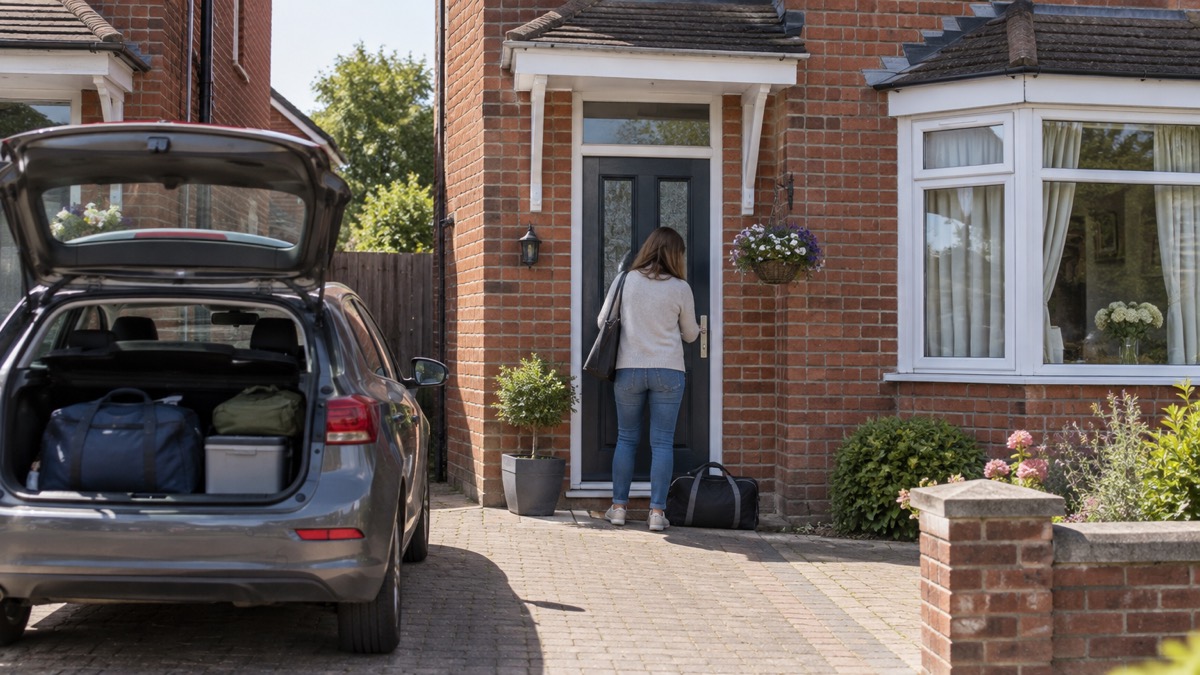
Going away for a week or two takes an hour of preparation, and most of it is the same handful of jobs: lock every door and window, set the alarm, arrange for someone to look in, and make sure the house does not advertise that it is empty. The police and fire services are consistent about the basics. Check and lock your doors, windows, sheds and garages, put the burglar alarm on, ask someone trusted to check the house regularly and bring in bins and post, and use timers on lights1.
The single most useful thing you can do is to walk from room to room before you leave. The Police Service of Northern Ireland advises going into each room and making sure all the windows are tightly shut and locked, and that all doors leading into the home are secure and locked2. Open windows make it very easy for intruders to gain access, so make sure everything is closed tight before you go3.
Then deal with the signs of absence. Bins left out for days or mail piling up is a sure sign there is no one home1. Do not post about the trip until you are back: with a public profile you could be telling an opportunistic burglar that your home will be empty for a couple of weeks1. And check your insurance policy before you go, because some providers cover alternative accommodation and most set conditions about locks, alarms and empty periods4.
The checklist, in the order to do it
Work through this in the last day or two before you leave. Each item takes minutes, and together they close off the obvious ways a burglar gets in and the obvious signs that nobody is home.
Lock doors, windows, sheds and garages
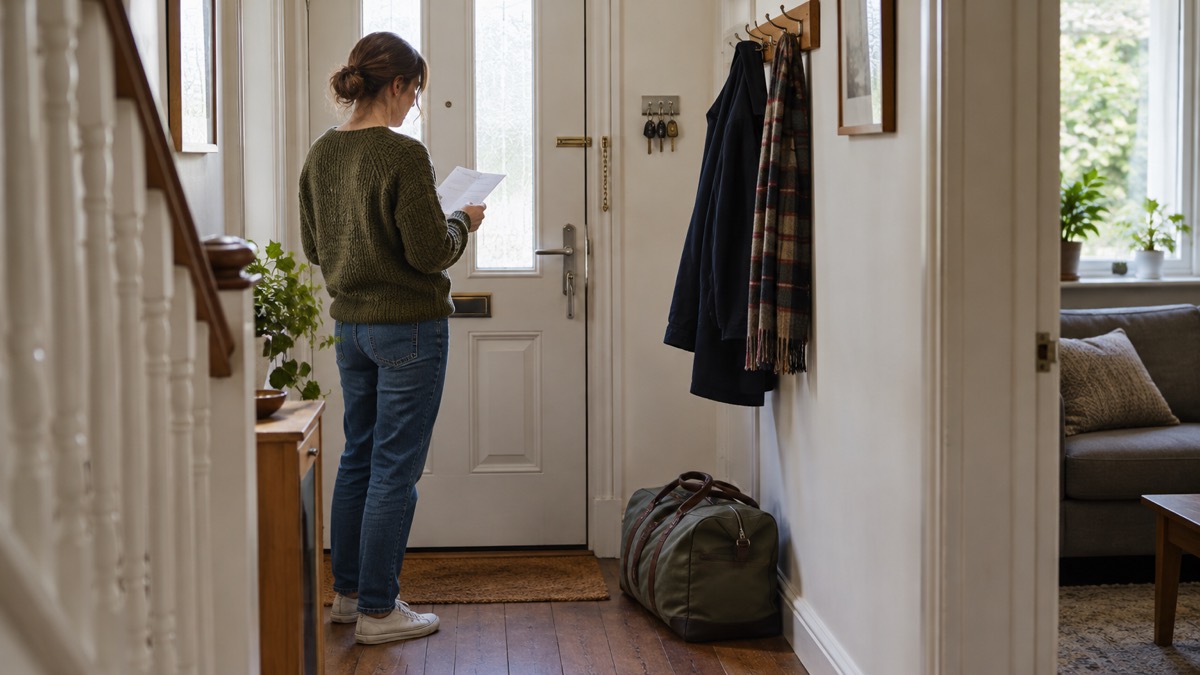
The physical basics come first because they are what a burglar tests. Before you go out, go into each room in the house and make sure all the windows are tightly shut and locked, and that all doors leading into the home are secure and locked2. The same advice appears in the Welsh guidance from Mid and West Wales Fire and Rescue Service: make sure every window is closed and locked before leaving, as open windows make it very easy for intruders to gain entry3.
Do not stop at the house. Check and lock your doors, windows, sheds and garages1. Sheds should have their doors locked, and gates, walls and fences should be effectively secured, especially at night and if you are away from the property7. A locked side gate and a bolted shed door remove the ladder, the tools and the easy way round the back.
If a storm is forecast for the period you are away, the same jobs double as storm preparation. Close and securely fasten doors and windows, especially large doors such as those on garages10, and secure loose objects such as ladders and garden furniture, or anything else that can be blown into windows and other glazing8. Sheds should have their doors locked in thunderstorm conditions too. It is worth asking whoever is checking on the house to look at the garden after high winds.
For the detail on the parts that matter most, see doors and locks and windows. If your home has a shared entrance, flats and shared entrances covers communal doors, and terraced houses and rear alleys covers back gates and gardens.
Set the burglar alarm, and know what it will and will not do
If you have a burglar alarm, ensure it is set before you leave5. That is the whole instruction, but it is worth a minute's thought before you turn the key. Make sure you know how your house or personal alarm works, including any passwords or codes11, so that the person checking on the house can deal with it if it goes off, and so that you are not the one who cannot remember the code on your return.
An alarm is a deterrent and a way of getting attention, not a guarantee. Leaving your home empty while away carries a higher risk of burglars targeting it3, and the alarm is one of several layers that reduce that risk rather than remove it. If your system is monitored, the receiving centre and the police response are what turn a siren into action; monitored alarms and how police respond to burglaries and intruder alarms explain how that works. If you are choosing a system, burglar alarms: types and how to choose one sets out the options, and should you set your burglar alarm before going away? answers the narrower question.
One more alarm deserves a mention. If you are going on a camping or caravan holiday and plan to cook, make sure you have both a working smoke alarm and carbon monoxide alarm12. Carbon monoxide is a colourless, odourless gas, and Public Health Wales advises taking a CO alarm with you and using it on holiday13.
Ask someone you trust to check on your home
Ask someone you trust to check the house regularly and bring in bins and post1. This is the item that covers everything you cannot control from a beach: the parcel on the step, the bin left out, the leaflet jammed in the door, the storm that lifts a tile. Tell them where the keys are kept14, and make sure they know how the alarm works and any codes11.
Local Neighbourhood Watch schemes can help when you are on holiday by increasing the surveillance of your property and encouraging neighbours to report suspicious activity5. If your street has a scheme, a word with the coordinator before you go is a low-effort addition. Joining or starting a Neighbourhood Watch explains how schemes work.
Some forces invite you to inform local police of the relevant dates your property will be vacant15. Arrangements vary, so check your local force's website rather than assuming. Should you tell the police your home will be empty? covers what forces do with that information.
Lights, timers and making the house look occupied
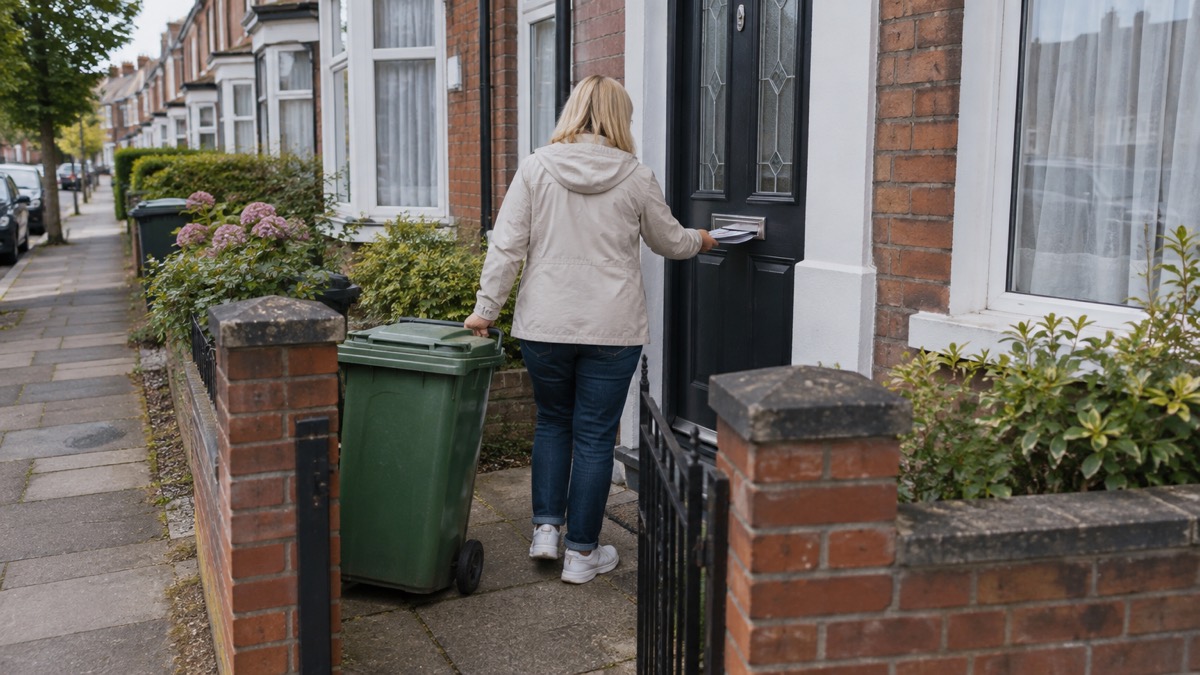
Give your property an occupied look by using timer switches for lights when your home is empty6. A timer that brings a lamp on in the evening and off at bedtime does more than a light left on all day, which is itself a sign that nobody is switching it. The same principle applies to the rest of the house: bins out for days or mail piling up is a sure sign there is no one home1, so the aim is a house that looks lived in from the pavement.
The wider point is that burglars look for the easy, empty target. Leaving your home empty while away carries a higher risk of burglars targeting it3, and the countermeasures are cheap: timers, a neighbour, a locked gate, a car on the drive if someone can move it. How to make your house look occupied when you're away goes further, and outdoor lights that deter burglars covers lighting the outside. If you have cameras or a doorbell, is it safe to view your home camera remotely? explains how to check in without weakening your account security.
Social media, deliveries and what not to advertise
Do not post details of your trip on social media, and save your posts until you get home3. Many criminals monitor social media and will look for posts about your holiday which may indicate that your home is empty3. With a public profile you could be telling an opportunistic burglar that your home will be empty for a couple of weeks1. The same applies to a public countdown, a location tag at the airport, or a story showing the packed suitcases.
Deliveries and post are the other giveaway. Ask someone you trust to bring in bins and post1, and pause or redirect anything regular that would otherwise stack up. A doorstep of parcels is as clear a signal as an unlit house.
Should you post about your holiday on social media? covers the settings and the timing in more detail.
Fire safety while the house is empty
A full fire safety plan covers more than just what to do if the worst happens: it covers prevention and detection too14. Before you leave, test smoke alarms regularly8, and make sure you have a working smoke alarm on each floor of your home9. Northern Ireland Fire and Rescue Service makes the same point: you should have one on every level of your home16.
Clear the exits. Ensure all exits to your home are kept clear and clutter free17, and make sure exits are kept clear18. That matters even when the house is empty, because anyone checking on it, or a neighbour who spots smoke, may need to get in and out quickly. Plan an escape route and make sure everyone in your house knows how to escape in the event of a fire19, and if you have guests or a house-sitter, tell them where the keys are kept14.
If you rent, the same duties apply: plan an escape route and make sure everyone in your house knows how to escape in the event of a fire19. Fire safety in rented accommodation covers what your landlord must provide. For the wider picture on alarms and escape planning, see home emergencies: fire, carbon monoxide, gas leaks and burst pipes.
Before you leave: the wider household checks
A holiday is also a good moment to check the things that would be inconvenient to discover from abroad. Make up a home emergency pack, prepare an evacuation checklist, and keep a basic emergency kit in your vehicle depending on the time of year20. The emergency kit section explains what a household should keep ready, and leaving your home locked when you have to evacuate covers the grab-and-go version.
If you live in an area at risk of flooding, keep a list of useful numbers including your insurance company and Floodline, check Floodline for local flood warnings, and know where the mains electricity and gas switches are21. The flooding section covers what to do before, during and after. If high winds are forecast, keep your property in a well-maintained condition, replacing or repairing any loose roof tiles, guttering and so on that could come loose and cause injury or damage8.
Health preparation belongs on the list too. Find your nearest pharmacy, urgent treatment centre or minor injuries unit in advance, take plenty of regular prescribed medication, and if you are going abroad learn the local emergency services numbers22. The health emergencies section covers medicine supplies and what to do if you run short.
Home insurance while you are away
Check your home insurance policy before you go, as some providers cover alternative accommodation4. The more important question is what the policy requires of you while the house is empty. Policies commonly set conditions about locks, alarms and how long a home can be left unoccupied, and a claim can be refused if those conditions are not met. Read the unoccupancy terms, note the maximum number of days, and tell your insurer if you will be away longer.
Home insurance conditions: locks, alarms and unoccupancy sets out the conditions to look for. If you are going for a long absence, empty homes: long absences, probate and unoccupied property covers the extra steps. And if you come home to a break-in, coming home to a break-in: what to do first and after a burglary take you through the first hours and the days after.
Sources (22)
- Securing your home, nidirect, 23 January 2024
- House security, Police Service of Northern Ireland, 2 November 2026
- While you are away, Mid and West Wales Fire and Rescue Service, 29 October 2026
- Evacuating your home, Nottinghamshire County Council, 29 October 2026
- Get into a pre-holiday routine, Avon and Somerset Police, 2 November 2026
- Christmas safety advice, Police Service of Northern Ireland, 2 November 2026
- Arson prevention, Dorset and Wiltshire Fire and Rescue Service, 30 January 2026
- Strong winds weather warning: information and advice, nidirect, 24 October 2026
- Seasonal advice, Surrey County Council, 28 October 2026
- Storms, heavy rain and high winds, Essex Prepared, 29 October 2026
- Fire safety for people with hearing difficulties, Devon and Somerset Fire and Rescue Service, 2026
- Simple steps to stay safe this summer, Northern Ireland Fire and Rescue Service, 23 June 2025
- Carbon monoxide, Public Health Wales, 8 December 2025
- Plan your escape, Staffordshire Fire and Rescue Service, 29 October 2026
- Advice on home safety leaflet, Police Service of Northern Ireland, 2022
- Crack down on fire risks this Easter, Northern Ireland Fire and Rescue Service, 30 March 2026
- Making a home escape plan, Warwickshire County Council, 29 October 2026
- Escape plan, Devon and Somerset Fire and Rescue Service, 2026
- Fire safety in rented accommodation, Cornwall Council, 29 October 2026
- Preparing for emergencies, Somerset Council, 17 September 2026
- Flooding, Cornwall Council, 29 October 2026
- Staying safe over the summer, Healthier Together, 29 October 2026
 After a Break-In Checklist
 Moving Home Locks Checklist
 Accounts to Protect With 2-Step