Most house fires are preventable, and the things that prevent them are small and cheap: a smoke alarm that works, an appliance that has not been recalled, a blanket that is not frayed, a battery that is not charged overnight under the stairs. The first step is a free online home fire safety check, which walks you round your own home and flags the risks room by room1. If you would rather have someone look with you, contact your local fire and rescue service for a free home fire safety visit2.
The second step is to know what is in your home and whether it is safe. Check your appliances against the Office for Product Safety and Standards recall list, and register new ones so the maker can warn you if something goes wrong3. Check electric blankets for scorch marks, fraying fabric and exposed wires before the cold weather arrives5. Charge e-bike and e-scooter batteries while you are awake and at home, never overnight6.
The third step is a plan. Everyone in the house should know how to get out, where to meet, and to call 999 from outside. Smoke is poisonous and can kill you, so the plan is about speed, not belongings7.
Your home fire safety checklist
Start with the free tools. The Home Fire Safety Checker is an online tool that guides you around your home and helps you spot fire risks2. The Safelincs online home fire safety check asks questions about your home and lifestyle, asks you to look in different rooms, highlights potential fire risks, may recommend booking a home safety visit, and gives you a personalised action plan to download and print11. Either route gets you to the same place: a list of what to fix, in your house, this week.
Then work through the basics. A household emergency kit should include a suitable fire extinguisher, smoke alarms and a carbon monoxide alarm that are fitted and tested, and you should know how to shut off the mains water at the stopcock, the mains gas and the mains electricity at the fuse box12. Knowing where those three shut-offs are, before you need them, is part of fire safety as much as escape is.
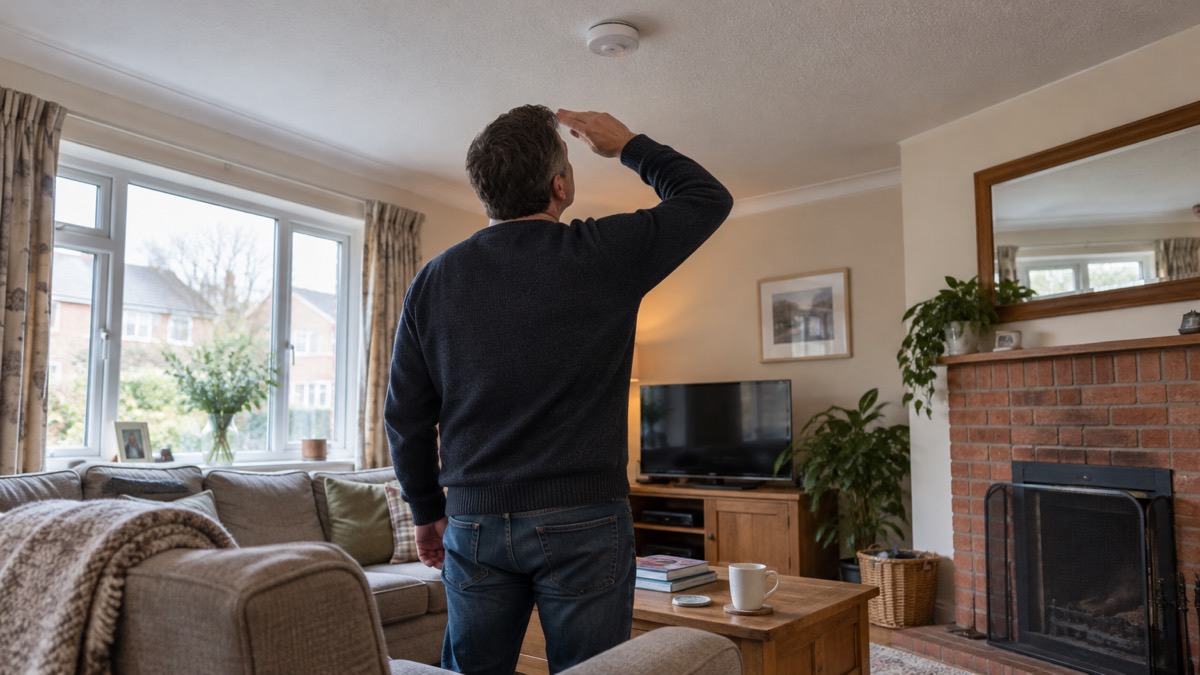
- Smoke alarms: fitted, tested and working on every level of the home12
- Carbon monoxide alarm: fitted wherever there is a fuel-burning appliance13
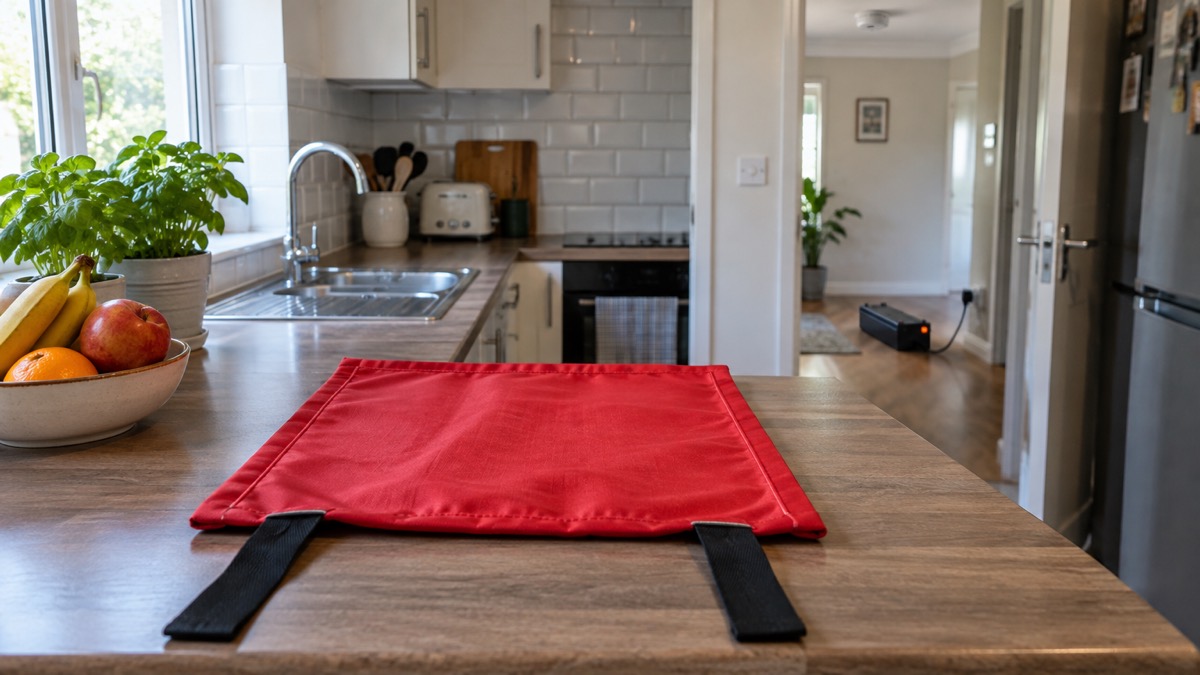
- Fire extinguisher or fire blanket: have a suitable fire extinguisher12
- Stopcock, gas valve and fuse box: you know where they are and how to turn them off12
- Emergency contacts list: written down and known to everyone12
- Escape plan: everyone knows two ways out and where to meet14
If you would rather have a professional eye, contact your local fire and rescue service for a free home fire safety visit2. Eligibility and booking routes vary by service: some ask you to complete an online form, others use the Home Fire Safety Checker to arrange a visit if you are eligible2. Carers and support workers can also use the Home Fire Safety Checker or request an in-person visit for the person they care for2.
Check your appliances against current recalls
Recalls are the quietest fire risk in the home, because a recalled appliance looks and works perfectly until it does not. The most important thing you can do is regularly check whether your appliances have been recalled, using the Government's product recall site, the manufacturer's website or Electrical Safety First's recall register9. Electrical Safety First's product checker lists electrical products that have been recalled since 20079. Register your appliances when you buy them so that you can be notified if your product is recalled4.
Recent recalls show the range of products involved:
| Product | Date | Reason | What to do |
|---|---|---|---|
| Ebac air dehumidifiers | April 2026 | Sensor assembly defect could cause the unit to overheat and ignite | Check the GOV.UK recall notice and stop using affected models |
| Dunelm Warm and Cosy electric blanket cables | July 2026 | Copper wire within the cable can fray, presenting a fire risk | Check the product safety report and stop using affected cables |
| Kobe 2kw Oil-Filled 9 Fin Radiator (KBE8280200K) | July 2026 | Plug defect that may overheat and catch fire; sold from January 2024 | Check the recall notice and stop using the affected radiator |
| Bull and Cygnus Fire Alarm Detection System | August 2026 | A single batch of network control units may lose communication, delaying fire detection | Check the GOV.UK recall notice; a phased replacement programme is under way16 |
The fire alarm recall matters most because it affects the very system meant to warn you. Check the GOV.UK recall notice for the affected batch and the phased replacement programme16.
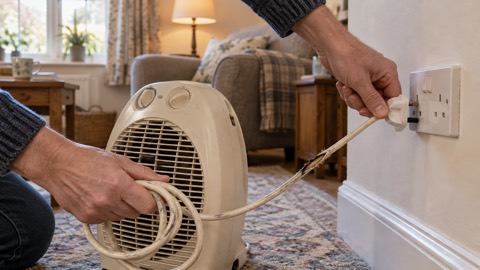
For heaters, the advice is simple: check that your heater isn't on a recall list before you rely on it through the winter17. For white goods, check the Government's product recall site, the manufacturer's website or Electrical Safety First's register9. For anything electrical, the Office for Product Safety and Standards alerts and recalls page is the official starting point3.
Electric blankets: get them checked before winter
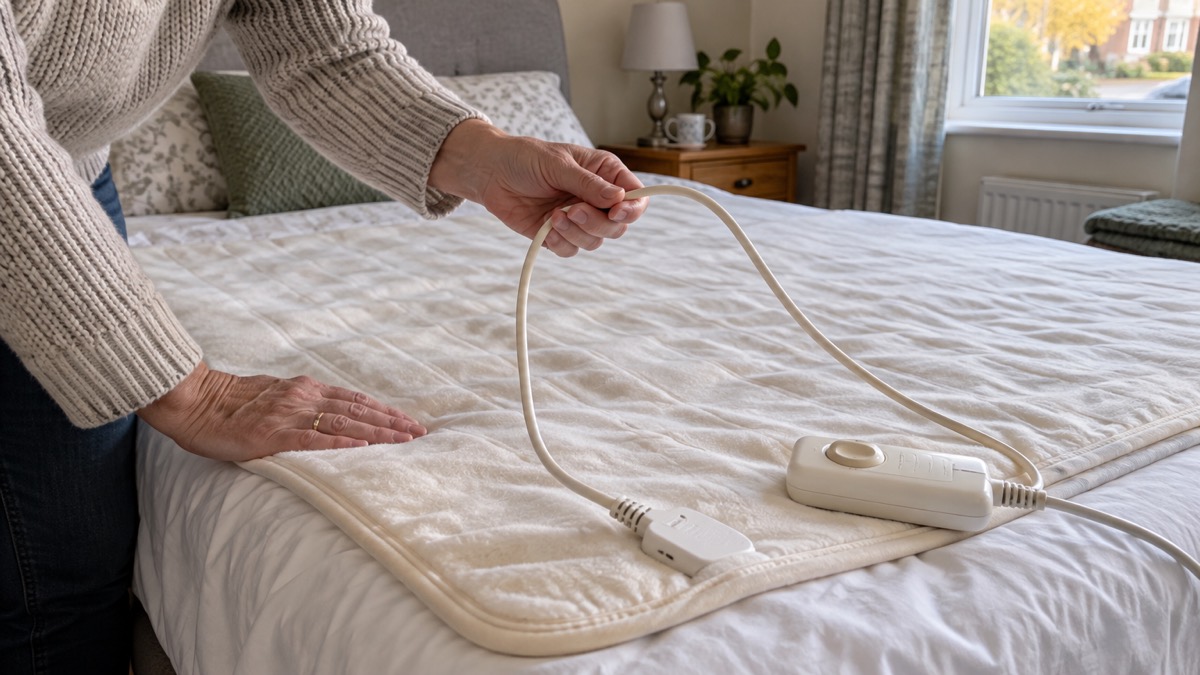
An electric blanket that has been folded in a cupboard since March is the classic winter fire risk. Check yours before the first cold night. North Wales Fire and Rescue Service advises checking for scorch marks or burns, fraying fabric or exposed wires, damp or water damage, and mould or discolouration before use5. Electrical Safety First adds creasing or folding, soiling, damp patches, damaged or missing tie tapes, worn flex and loose connections to the list18. If your blanket or its flex shows any of these danger signs, have it checked or replaced19.
Older blankets may carry an old BEAB safety mark, which is a sign to have the blanket checked or replaced19. Always check electrical blankets regularly for wear20. And share the knowledge: check the children's chargers and make sure everyone in the house knows how to use an electric blanket safely21.
Free testing is available in many areas. Oxfordshire Fire and Rescue Service, for example, held free safety checks for electric blankets, heated throws and heat pads at ten locations between 21 September and 9 October 202622. Check your own fire and rescue service's website for local dates, and if none are running, follow the inspection list yourself.
Safe charging for e-bikes, e-scooters and other lithium-ion batteries
E-bikes and e-scooters are powered by lithium-ion batteries that are charged in the home, and a damaged or overcharged battery can overheat and catch fire without warning6. The fire and rescue service advice is direct: buy e-bikes, e-scooters, chargers and batteries from reputable retailers, and do not overcharge your battery, checking the manufacturer's instructions for charge times6. Avoid charging the battery overnight or unattended, as this could pose a potential fire risk23.
Where you charge matters as much as how. Avoid storing or charging e-bikes and e-scooters on escape routes or in communal areas of a multi-occupied building, because if there is a fire it can affect people's ability to escape6. Check your battery regularly for signs of damage; if you suspect it is damaged, it should be replaced and should not be used or charged6. Familiarise yourself with the location of fire extinguishers in your home and make sure they are suitable for electrical fires23.
The same principles apply to any lithium-ion device: phone chargers, power banks, cordless tool batteries and toys. Charge on a hard, non-flammable surface, away from soft furnishings and escape routes, and unplug when the charge is complete.
Your home fire action plan: how everyone gets out
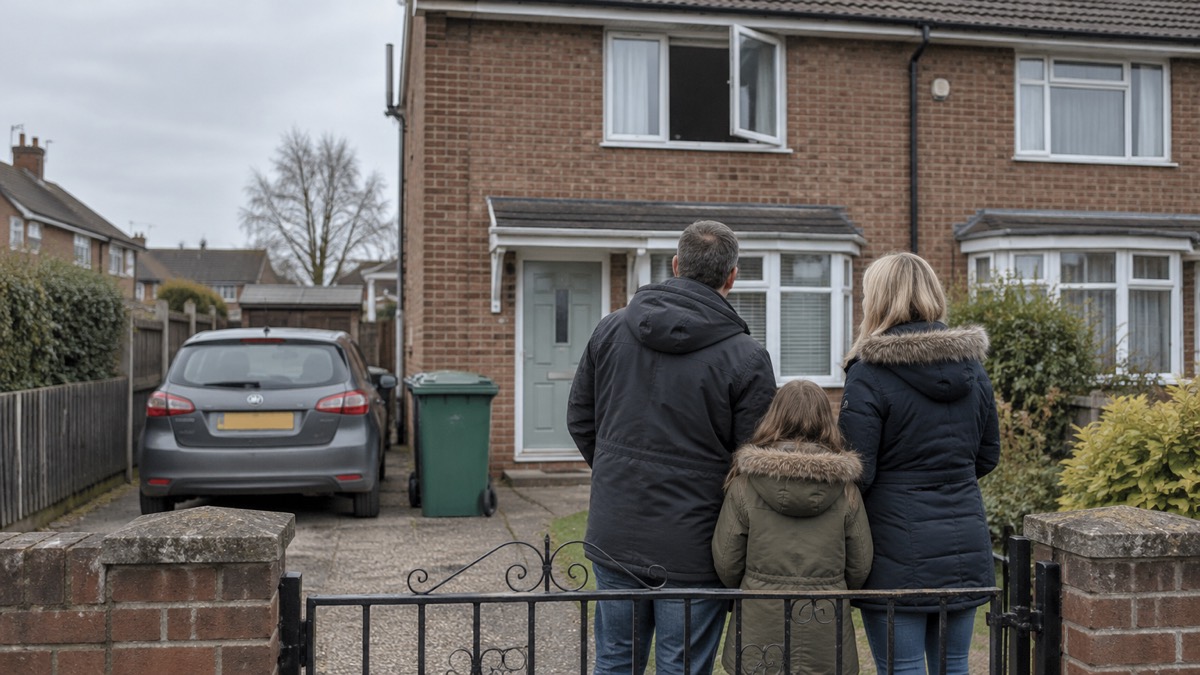
A plan is not a document, it is a conversation. Make sure everyone in your home knows about the fire: shout, get everyone together7. Remember that smoke is poisonous and can kill you, so the priority is to get out, not to gather belongings7. In an emergency always call 99910.
Work out two ways out of every room, especially upstairs, and a meeting point outside the front of the house. Practise it once with everyone at home, including children and anyone who would need help to get out. If you live in a flat, the plan is different: your building's escape routes and the advice not to use lifts matter, and you should follow your building's fire procedure.
- Shout and gather: make sure everyone knows about the fire7
- Get out by the nearest safe route: keep calm and act quickly, get everyone out as soon as possible7
- Meet at the agreed point: so you can tell the fire service if anyone is missing
- Call 999: get out, stay out and call 99910
- Stay out: never go back inside for anything
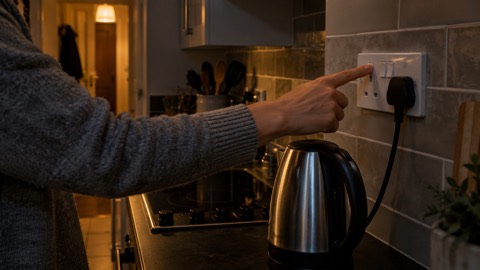
At bedtime, run a short check: cooker off, candles and cigarettes out, heaters clear, and doors closed where it is safe to do so10. If you cannot get out, get to a room with a window, close the door and call 999, and if you can, seal the gap under the door.
Where to get help
Contact your local fire and rescue service to ask for a free home fire safety visit, or use the online checker to see whether you are eligible2. If you care for someone who is older, disabled or living with dementia, use online resources such as the Home Fire Safety Checker, or contact the service to request an in-person Home Fire Safety Visit2.
For product safety, the Office for Product Safety and Standards alerts and recalls page is the official list3. For electrical products specifically, Electrical Safety First's product checker covers recalls since 200724. If you are unsure whether an appliance is safe, stop using it and check before you plug it in again.
Sources (24)
- Home Fire Safety Visit, Online Home Fire Safety Check - Lincolnshire County Council, Lincolnshire County Council
- Home fire safety visits, London Fire Brigade, 2026
- Maintain appliances and recalls, Greater Manchester Fire and Rescue Service, 2026
- Fire prevention, Fire Kills (UK Government), 2026
- Electric blanket safety, North Wales Fire and Rescue Service, 2026
- E-bikes and e-scooters fire safety, Mid and West Wales Fire and Rescue Service, 2026
- Making a home escape plan, Warwickshire County Council, 2026
- Domestic fire, Prepare (UK Government), 2026
- Total recalls: making white goods safer, London Fire Brigade, 2026
- Plan your escape, Staffordshire Fire and Rescue Service, 2026
- Online home fire safety check, North Yorkshire Fire and Rescue Service, 2026
- Emergency kits and grab bags, Central Bedfordshire Council, 2026
- Your guide to fire safety | Scottish Fire and Rescue Service, Scottish Fire and Rescue Service
- Escape - Fire Kills, Fire Kills
- Stay fire safe, Greater Manchester Fire and Rescue Service, 2026
- Product recall: Bull and Cygnus Fire Alarm Detection System, GOV.UK, 12 August 2026
- Stay warm safely this winter, Greater Manchester Fire and Rescue Service, 2026
- Electric blankets, Greater Manchester Fire and Rescue Service, 2026
- Electric blankets and portable heaters safety, Warwickshire County Council, 2026
- Safe at home: electrical safety, North Yorkshire Fire and Rescue Service, 2026
- Electrical items in the home, London Fire Brigade, 2026
- Free electric blanket testing, Oxfordshire County Council, 2026
- Electrical fire safety, Warwickshire County Council, 2026
- A Beginner’s Guide To Product Registration, Electrical Safety First
 Bedtime Fire Safety Checks
 Fire Risk Checks for Carers
 Fire Safety in Flats