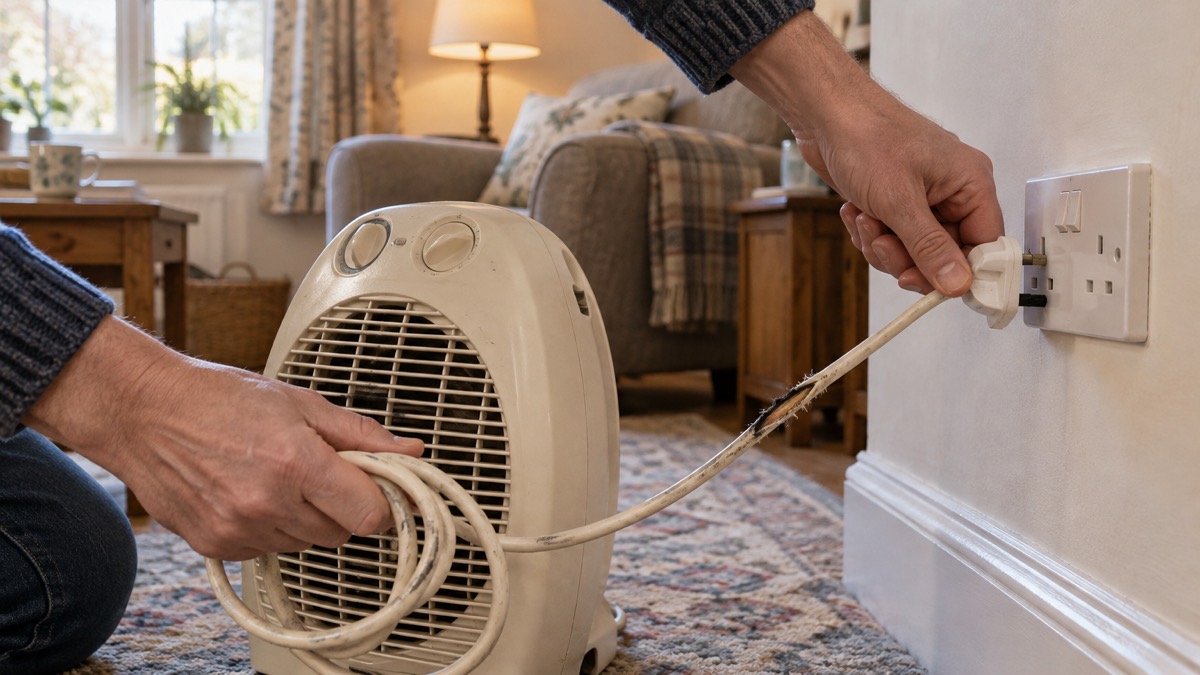
If you look after an older relative, a neighbour or someone with a disability, the single most useful thing you can do this week is walk round their home with a fire checklist in mind. People who live alone, have limited mobility or a condition that slows their reaction are at greater risk from fire, and the Northern Ireland Fire and Rescue Service reports that almost 70% of people who died in house fires over the last 10 years lived alone1. Recognising that someone may need extra support is itself part of keeping them safe1.
Start with the basics: a working smoke alarm they can hear and test, clear escape routes, and heating that is not sitting against furniture or clothing. Then check the appliances that cause the most trouble, including electric blankets, portable heaters and anything with a lithium-ion battery. Finally, book a free home fire safety visit, where firefighters will identify risks, give tailored advice, fit smoke alarms free of charge if needed and make a fire escape plan with you2.
The fire risk checklist for a vulnerable person's home
Work through this list with the person, not for them where you can. The point is to spot what has changed since the last visit: a new heater, a blanket that has seen better days, a hallway that has filled with possessions.
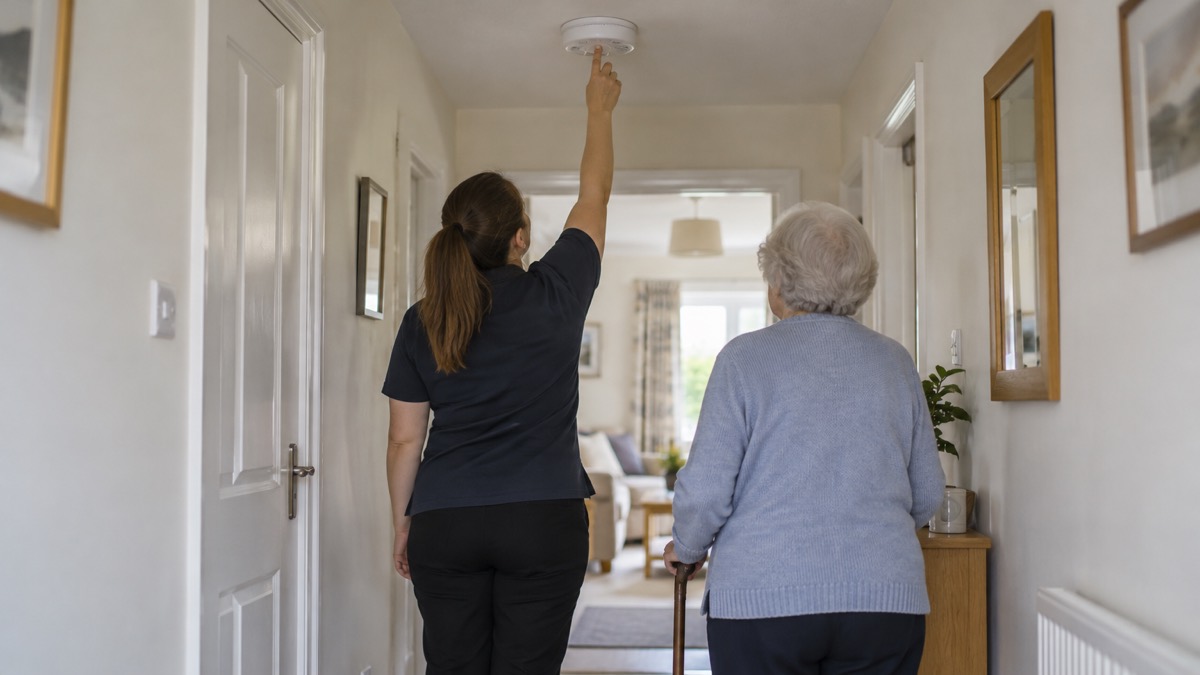
Fire services also ask carers to watch for alcohol dependency, mobility issues, and health reasons that mean the person is less able to react to or understand a situation8. None of these is a judgement on the person. They are the factors that decide how much support the household needs, and they are exactly what a home fire safety visit is designed to address.
Recalled heaters, blankets and dehumidifiers to check for
Electrical products fail in ways you cannot always see, which is why the Office for Product Safety and Standards publishes recall notices. Check the model numbers of anything that heats, warms or dries in the home against the current recalls.
| Product | What is wrong | What to do |
|---|---|---|
| B&Q GoodHome Saturnia Electric Blanket | An electric component can overheat, with a risk of fire and electric shock; the product or surrounding furniture could overheat and catch fire11 | Stop using it and follow the recall notice |
| Snuggla King Size Electric Blanket (sold via Amazon, eBay, Etsy and TikTok Shop) | Prone to overheating while in use, with a serious risk of fire and burns12 | Stop using it and follow the recall notice |
| Kobe 2kw Oil-Filled 9 Fin Radiator (KBE8280200K), sold from January 2024 | A plug defect that may overheat and catch fire | Stop using it and follow the recall instructions |
| Ebac air dehumidifiers | A sensor assembly defect could cause the unit to overheat and ignite | Check the model against the recall notice |
| Dunelm Warm and Cosy electric blanket cables | The copper wire within the cable can fray, presenting a risk of fire | Check the cable and follow the recall notice |
Beyond recalls, check every electric blanket for the danger signs fire services list: scorch marks, fraying fabric, exposed elements, creasing or folding, soiling, damp patches, damaged or missing tie tapes, worn flex, loose connections, and old BEAB safety marks4. If your blanket or its flex shows any of these, have it checked or replaced4. Do not use a blanket showing signs of damage, as it could put you at risk of fire, and follow the manufacturer's instructions13.
Safe charging for e-bikes, scooters and lithium-ion batteries
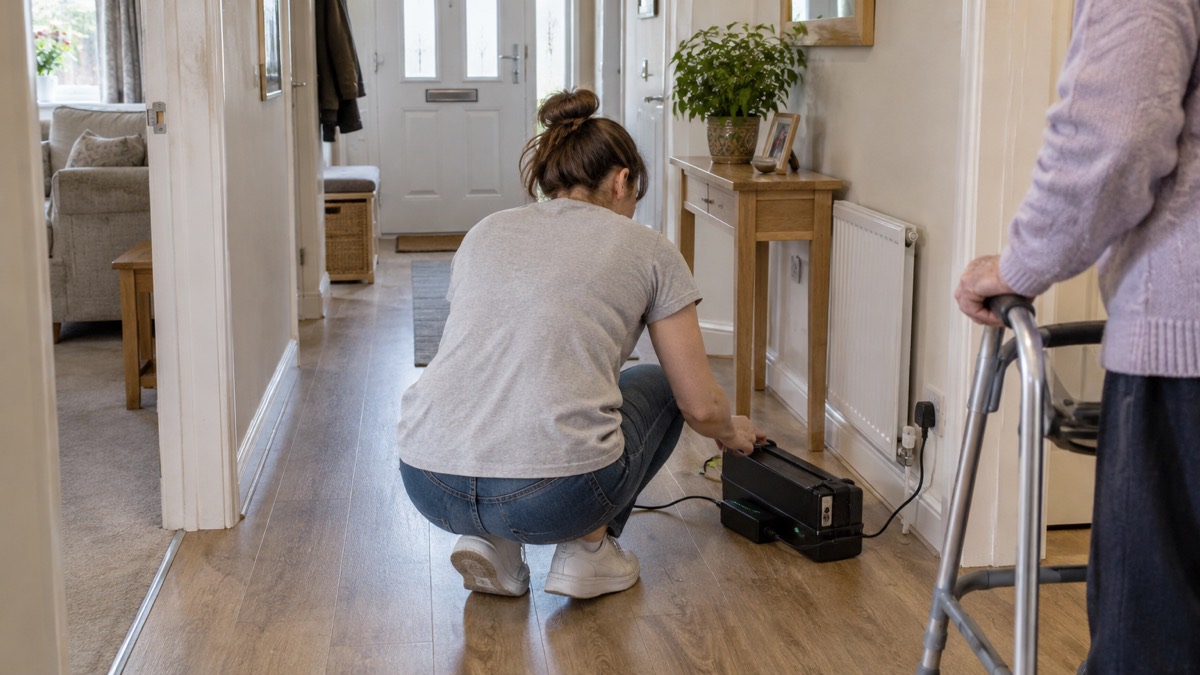
E-bikes and e-scooters are increasingly common, and most are powered by lithium-ion batteries that can be charged in the home5. Many of the fires linked to them happen in homes while batteries are charging14. The batteries can pose a serious fire risk if they become damaged, faulty or are charged incorrectly14, and lithium-ion battery fires can spread rapidly and produce toxic smoke15.
The fire service advice is specific and worth following to the letter:
- Charge batteries while you are awake and alert, so that if a fire occurs you can respond quickly. Do not leave batteries to charge while you are asleep or away from the home5.
- Do not cover chargers or battery packs when charging, as this could lead to overheating or even a fire5.
- Avoid storing or charging e-bikes and e-scooters on escape routes or in communal areas of a multi-occupied building, because a fire there can affect people's ability to escape5.
- Do not charge an e-scooter where it could prevent you from safely leaving your home if a fire breaks out16.
- Check the battery regularly for signs of damage. A damaged battery can overheat and catch fire without warning, and if you suspect damage it should be replaced and not used or charged5.
- If a battery feels extremely hot to the touch while charging or in use, it may be defective and at risk of fire, so stop charging it immediately16.
- Connecting the wrong charger to a battery can pose serious fire risks, as not all batteries and chargers are safe when used together17.
- Many fires involve counterfeit electrical goods, and items that do not meet British or European standards pose a huge fire risk5.
If a fire does start, raise the alarm and call 99915. Never put yourself between a burning battery and your way out. Our guide to e-bikes and e-scooters covers storage and buying, and how to dispose of lithium batteries and vapes safely matters too: incorrect disposal of lithium-ion batteries in general household and recycling waste can lead to significant waste fires5.
Tools for carers: the Home Fire Safety Checker and a person-centred checklist
You do not have to be an expert to do this well. The London Fire Brigade publishes a Carers Guide to Home Fire Safety for formal carers such as domiciliary care workers, support workers and clinicians, and informal carers such as family members, friends and neighbours caring for someone in their own home18. It shows how to recognise people who are at risk of having a fire, identify key high risk factors, show what actions can reduce these risks, and describe what to do in the event of a fire18.
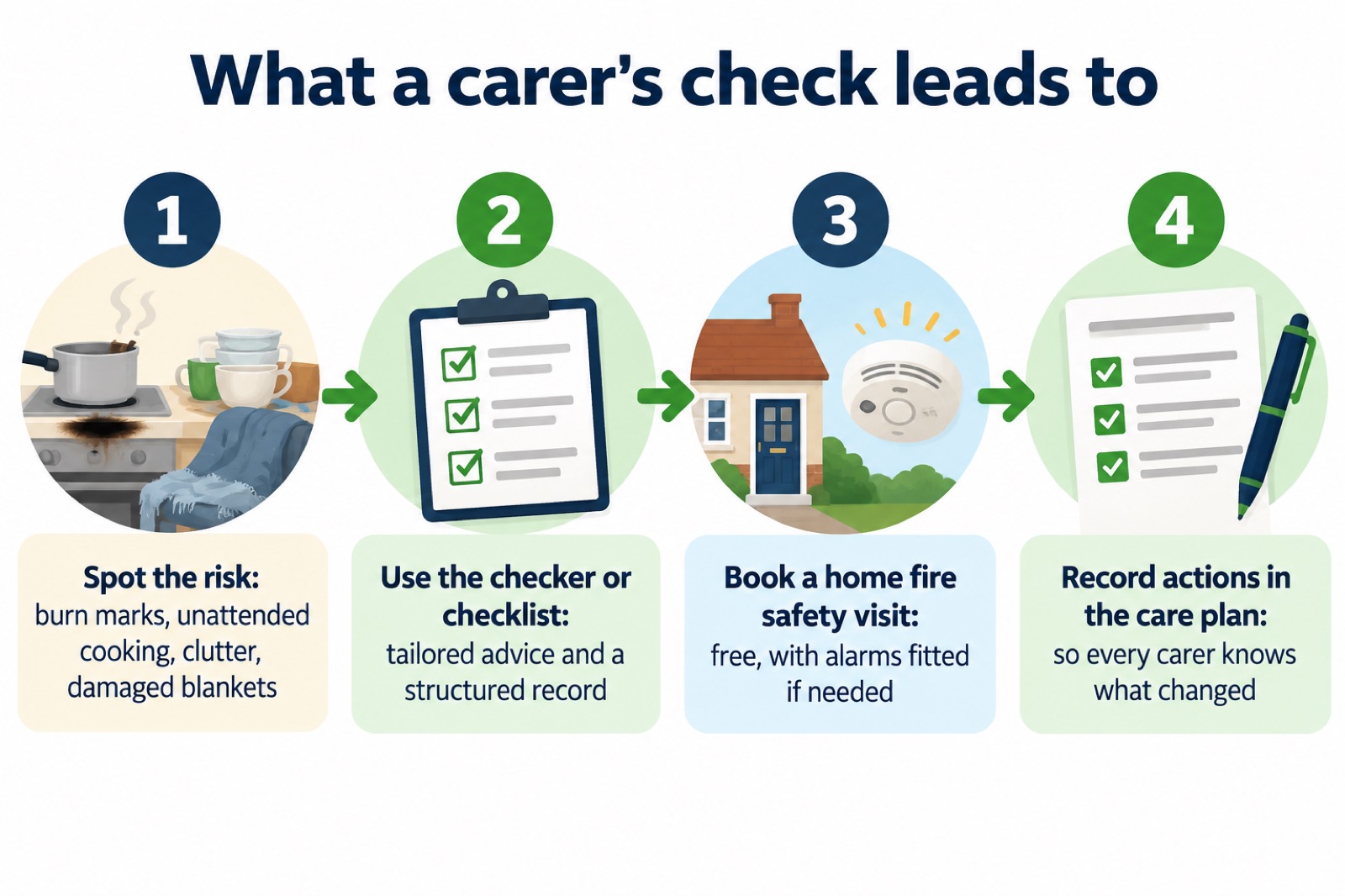
There is also a simple tool that can guide you around the home helping you spot fire risks, or the fire and rescue service can carry out a visit themselves if you are worried about someone you care for19. The Home Fire Safety Checker gives tailored advice for the home and arranges a visit if you are eligible20.
For a more structured approach, a person-centred fire risk assessment checklist provides a form for an initial quick and easy check of vulnerable residents, which aids completion of a full assessment where one is required21. It can be used by family members, carers, and representatives of housing providers, care providers, local authorities, utility companies and businesses21. The assessment should consider whether the person's behaviour indicates signs of increased fire risk, such as unsafe smoking or cooking21. If a care plan exists, actions taken to mitigate risks should be noted in that plan21, so the next carer knows what has been done.
Where to get a free home fire safety visit
Every fire and rescue service in the UK offers some form of home fire safety visit, and for a vulnerable person it is free. If you or anyone you live with is a vulnerable person, get in touch and organise a free home fire safety visit2. Your local fire and rescue service may offer one if you or someone you know may be particularly vulnerable to fire due to age, mobility or mental health2.
During a visit, firefighters will identify fire risks in the home, provide tailored fire safety advice, fit smoke alarms free of charge if needed, and create a fire escape plan with you2. In London the service is available 24/720. A Safe and Well visit covers cooking and smoking, heaters and heating, candles and fireplaces, detection systems, bedtime checks, what to do if there is a fire, and extra help and support10.
| Nation | How to arrange a visit |
|---|---|
| England | Contact your local fire and rescue service; many offer free Home Fire Safety Checks for people less able to help themselves22 |
| Scotland | The Scottish Fire and Rescue Service offers support for carers, including advice on booking a visit8 |
| Wales | Contact your local fire and rescue service, such as Mid and West Wales Fire and Rescue Service, for home safety advice5 |
| Northern Ireland | The Northern Ireland Fire and Rescue Service runs home fire safety advice and the Safer Together project23 |
Priority for free checks is often given to vulnerable groups: elderly people, people who live alone, people with a disability or limiting condition, people with mental health conditions, lone parents and smokers24. If the person you care for falls into any of these groups, say so when you call. Our guide to how fire and rescue services respond to a call explains what happens next.
Keeping the checks current through the year
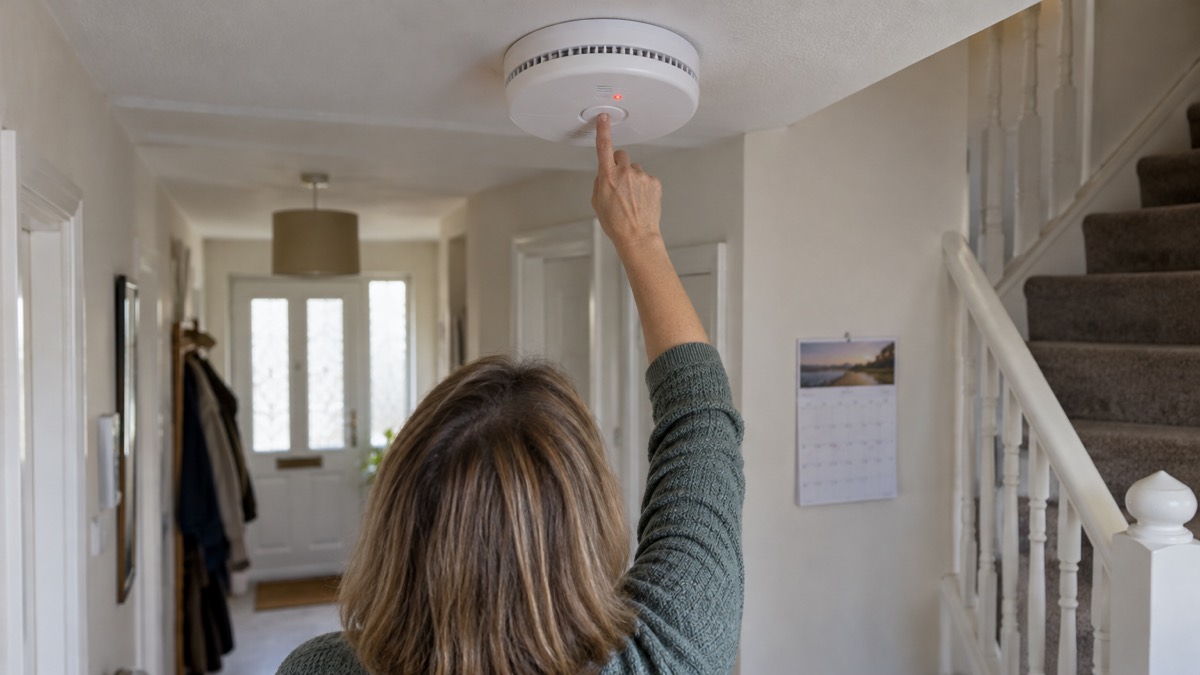
A single visit is not the end of it. Fire risk changes with the seasons and with the person's health. During the winter, vulnerable people can be at a higher risk of a fire-related incident when trying to stay warm13, so heaters, blankets and hot water bottles deserve a fresh look each autumn. In hot weather, check in on vulnerable friends, family and neighbours25, because the risks shift rather than disappear.
Build the checks into whatever routine already exists. When you change the clocks, test the alarms. When the heating goes on for the first time, check the heater's plug and cable. When a new electrical item arrives, check it against the recall lists before it is used. Our fire safety checklist for your home and product recalls pages give you a place to start each time.
If the person has a condition that may prevent or delay escape if there is a fire, they may need a specialist alarm system and advice7. Ask about this at the visit rather than guessing. And if the household includes someone who uses oxygen therapy or emollient creams, which can be flammable, tell the fire and rescue service so the plan accounts for it. Our guide to fire safety when someone uses oxygen therapy covers that in more detail.
Sources (25)
- Almost 70% of people who lost their lives in house fires over the last 10 years lived alone, Northern Ireland Fire and Rescue Service, 2026-10-12
- Fire prevention, Fire Kills campaign, 2026-03-25
- Domestic fire, UK Government Prepare campaign, 2026-10-12
- Electric blankets and portable heaters safety, Warwickshire County Council, 2026-10-29
- E-bikes and e-scooters fire safety, Mid and West Wales Fire and Rescue Service, 2026-10-29
- Almost 40% of accidental house fires occurred in homes where people lived alone, Northern Ireland Fire and Rescue Service, 2021-10-04
- Smoke alarms, Surrey County Council, 2026-10-28
- Support for carers, Scottish Fire and Rescue Service, 2024-02-06
- Fire safety for carers, Devon and Somerset Fire and Rescue Service, 2026
- Safe and Well checks, Surrey County Council, 2026-10-28
- Product recall: B&Q GoodHome Saturnia Electric Blanket, GOV.UK, 2025-12-15
- Product recall: Snuggla King Size Electric Blanket, GOV.UK, 2025-02-17
- Staying safe this season, Devon and Somerset Fire and Rescue Service, 2025-12-01
- E-bikes and e-scooters, London Fire Brigade, 2026-10-25
- What to do if there's a fire caused by an e-bike or e-scooter, London Fire Brigade, 2026-10-25
- Battery safety for e-scooter users, GOV.UK, 2024-02-01
- Buy safe, be safe: avoid e-bike and e-scooter fires, GOV.UK, 2024-10-24
- A carer's guide to home fire safety, London Fire Brigade, 2026-10-25
- Carers and support workers, London Fire Brigade, 2026-10-25
- Home fire safety visits, London Fire Brigade, 2026-10-25
- Person-centred fire risk assessment guidance and checklist, Lincolnshire County Council, 2022
- Home fire safety checks, Greater Manchester Fire and Rescue Service, 2026
- The Safer Together project, Northern Ireland Fire and Rescue Service, 2026-07-16
- Fire safety at home, Cornwall Council, 2024-09-24
- Warm weather advice, West Midlands Ambulance Service, 2026-08-11
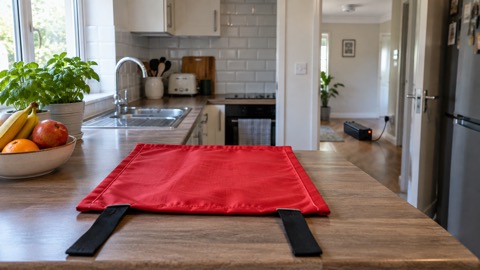 Home Fire Safety Checklist
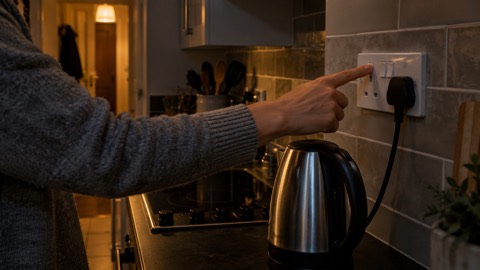 Bedtime Fire Safety Checks
 Fire Safety in Flats