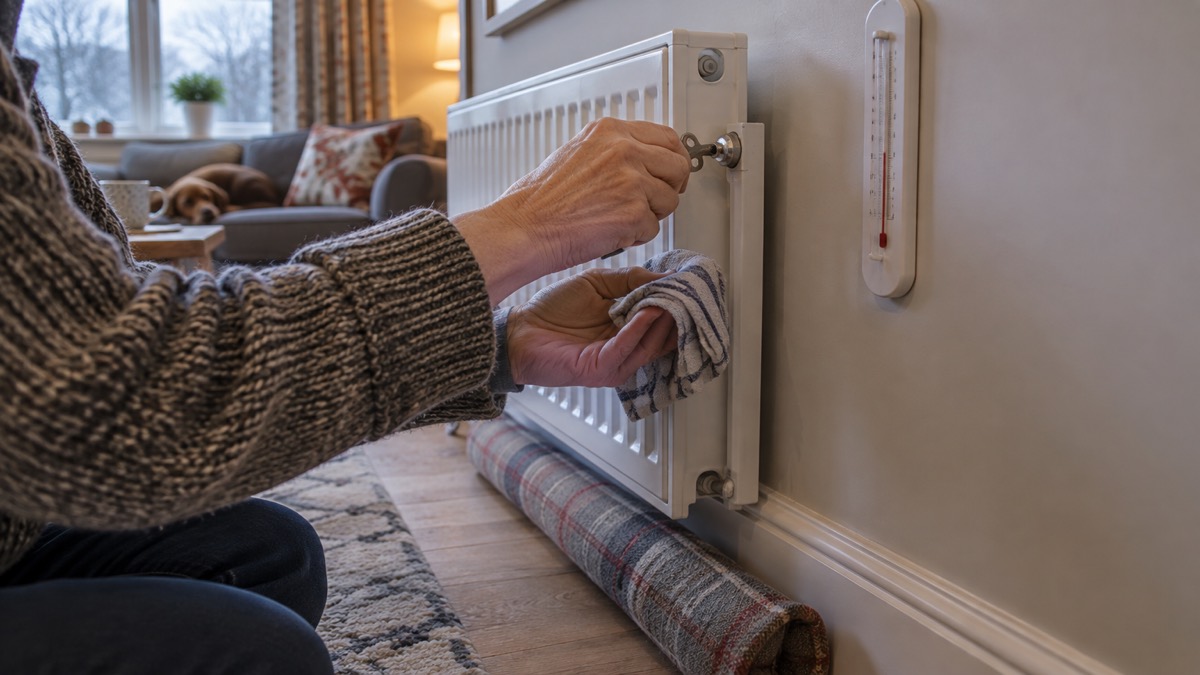
The single most useful thing you can do for an older relative this winter is to check on them regularly, make sure they are warm enough, especially at night, and make sure they have enough food and medicines that they do not need to go out in very cold weather1. That is the advice repeated by councils, NHS bodies and fire services across the UK, and it is the core of every winter check.
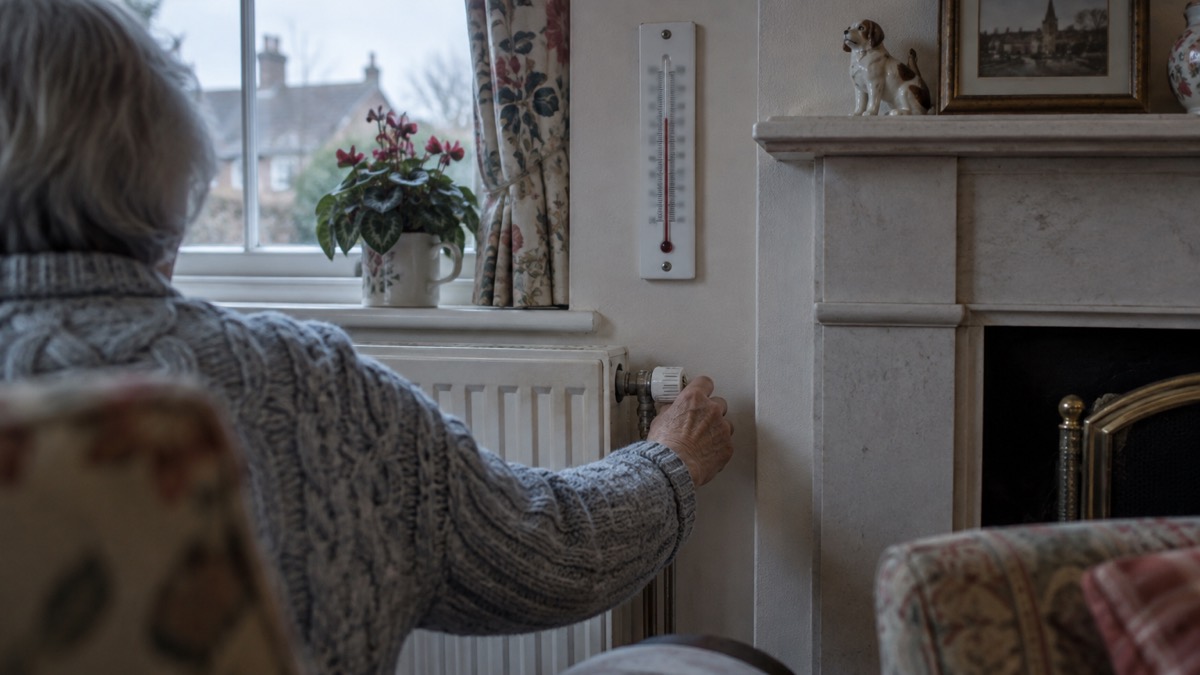
Aim for a home that is at least 18°C in the rooms they use regularly, such as the living room and bedroom, where they can manage it3. One council gives a living room range of 18 to 21°C4. People aged 65 or over, and anyone with a health condition, are the ones for whom this matters most5.
On each visit, look at more than the thermostat. Check the heating actually works, that they are eating and drinking, that the smoke alarm works, and watch for signs that something is wrong, such as milk not being taken in or curtains left closed6. If you are worried and cannot get there, the Snow Code says try their relatives or friends, or if necessary the local council7.
The winter checklist: what to check on each visit
Work through this list when you call in. Each item is there because an official source names it as part of a safe and well winter check.
How warm should their home be?
The headline figure is 18°C. NHS Cheshire and Merseyside says that if you can, your home should be at least 18°C in the rooms you regularly use, such as your living room and bedroom3. The NHS Norfolk and Suffolk integrated care board gives the same figure, adding that it matters especially if you are aged 65 or over or have a health condition5.
Other official sources give a range or a higher figure for some groups:
| Source | Guidance | Who it applies to |
|---|---|---|
| NHS Cheshire and Merseyside | At least 18°C in rooms used regularly3 | Everyone, especially with a health condition |
| Nottinghamshire County Council | Living room between 18 and 21°C4 | General winter guidance |
| Public Health England review, 2014 | At least 18°C poses minimal risk to a sedentary person in suitable clothing11 | General |
| Same review, citing WHO | 20°C minimum | "The sick, the handicapped, the very old and the very young"11 |
| Same review, Cold Weather Plan 2011-13 | 21°C living rooms, 18°C bedrooms | Those editions of the plan11 |
The 2014 review also notes that 15°C was suggested as a minimum level at which older people should live11. Treat 18°C as the working target and 20°C as the figure to aim for if the person is frail or unwell. The documents do not conflict so much as set different thresholds for different people.
If the home is hard to heat, the practical answer is to heat the rooms they use rather than the whole house, and to keep the bedroom warm enough for the night. The Met Office notes that people over 65, children under 5 and those with pre-existing health conditions are more vulnerable to cold temperatures and should take extra care to make sure they are warm enough12.
Who is most at risk, and when to check in more often
Age alone is not the whole picture. London's cold weather health advice lists the groups to watch out for: older people, especially those aged 75 and over who are frail or isolated; people with conditions such as heart disease, stroke or transient ischaemic attack, asthma, chronic obstructive pulmonary disease, sickle cell disease and thalassaemia, or diabetes; people with mental ill-health that makes it harder to look after themselves, including dementia; pregnant women; people with learning difficulties; those at risk of, or who have had, recurrent falls; people who are housebound; people struggling financially; people living in houses with mould; people who are fuel poor; and people who are homeless or sleeping rough13.
Derbyshire Fire and Rescue Service gives a shorter list: older people over 75 and those who are frail, children under 5, people with disabilities or long-term health conditions, people with mental ill-health that reduces their ability to care for themselves, people with learning difficulties, people living in deprived circumstances, and people who are homeless or sleeping rough14.
Check in more often when the weather turns. The UK Health Security Agency said in January 2024 that it is vital to check in on friends, family and neighbours to ensure they are well prepared for cold weather, naming people over 65 and those with pre-existing health conditions15. Wiltshire and Swindon's heavy snow guidance simply says to check on your family and local community16. Ceredigion County Council says to regularly check up on family and friends who are vulnerable, such as the elderly17.
What to look for: signs that something is wrong
Beyond the checklist, watch the person. The Public Health Wales cold weather page lists the symptoms of hypothermia in adults: shivering; pale, cold and dry skin, with skin and lips that may turn blue or grey (on black or brown skin this may be easier to see on the palms of the hands or the soles of the feet); slurred speech; slow breathing; and tiredness or confusion18.
Other sources describe the same picture in slightly different words. The Northern Ireland government's hypothermia page gives early signs as shivering, cold and pale skin, slurred speech, fast breathing, tiredness and confusion19. The UK government's keeping warm and well guidance gives shivering, slow breathing, tiredness or confusion, and pale, cold skin1. Derbyshire County Council adds lips going blue and lack of co-ordination20.
Ceredigion and Pembrokeshire give a fuller list for more serious hypothermia: uncontrollable shivering, memory loss, disorientation, incoherence, slurred speech, drowsiness and apparent exhaustion17.
Fire safety belongs in the same visit. Dorset and Wiltshire Fire and Rescue Service suggests checking on neighbours and elderly relatives to make sure they are fire safe, and offering a free Safe and Well visit from the service22. You can read more about referring someone on our page on how to refer a vulnerable person for a fire safety check.
Help from neighbours and from a distance
You do not have to do every check yourself. The Snow Code says to check that elderly or disabled neighbours are all right in the cold weather, and if you are worried, to try contacting their relatives or friends, or if necessary the local council7. Derbyshire County Council's snow buddies scheme describes the same thing: checking on elderly and disabled neighbours and relatives to make sure they are OK with enough heat and food7.
If you live far away, the checks become phone calls and arrangements. Keep in touch and ask whether they are feeling unwell or need any practical help1. Make sure they have important phone numbers written down10. Ask a neighbour to call in, and consider whether a personal alarm would give them a way to summon help when no one is nearby; our guide to personal alarms sets out the types, and living alone covers staying safe when no one is close by.
For households where someone depends on equipment or regular care, the Extra Help section covers registers, alarms and plans in more detail. Signing up to the free Priority Services Register with energy and water companies is worth doing before winter, because it flags the household as needing extra support in a supply interruption.
Cold weather, storms and winter flooding
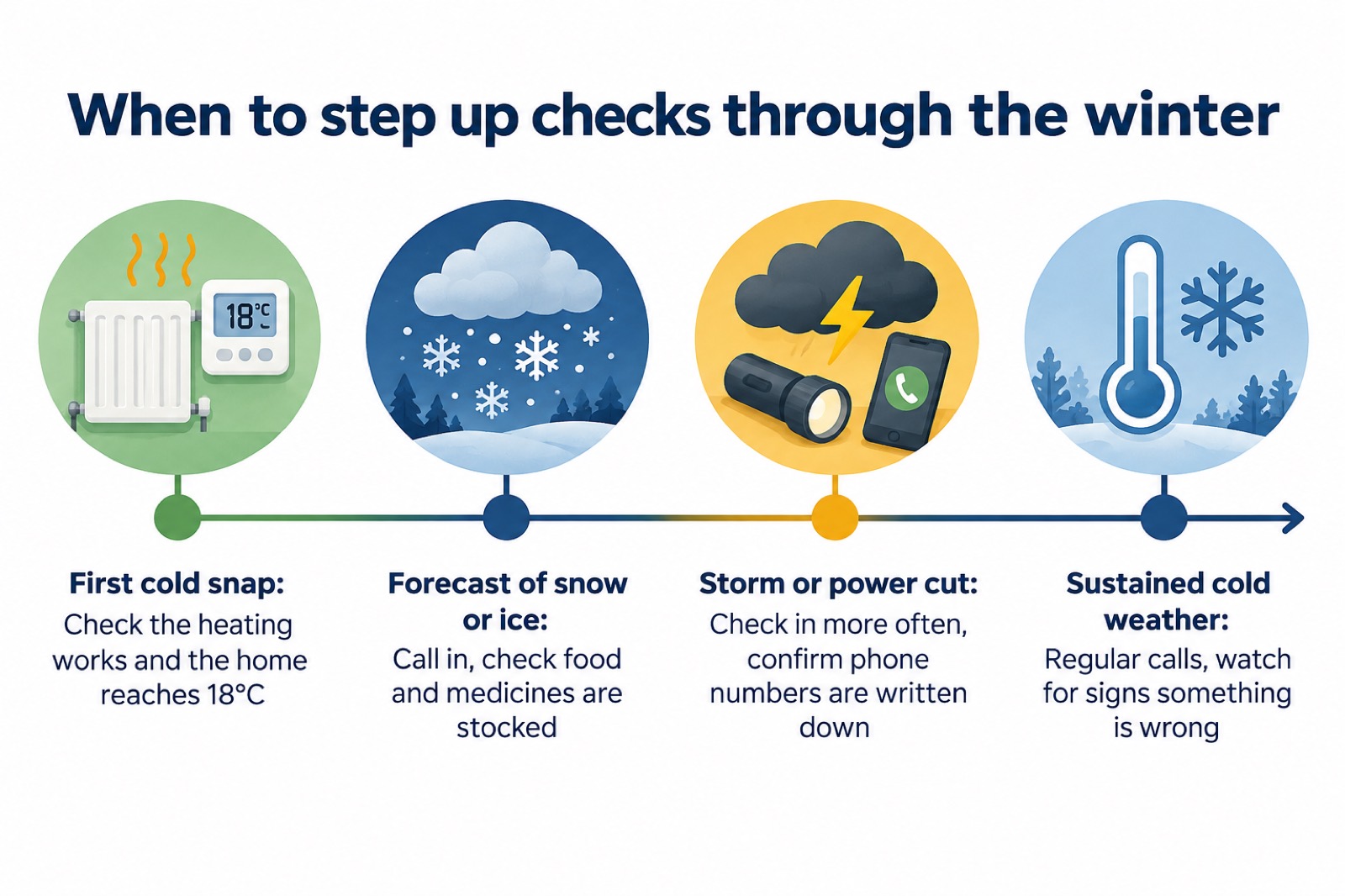
Cold snaps and storms are the times to increase the frequency of checks. The Met Office warned in January 2024 that disruptive snow was possible, and the UK Health Security Agency's message alongside it was to check in on friends, family and neighbours15. The Met Office's WeatherReady winter checklist includes checking on neighbours23.
If your relative's home is at risk of flooding, the practical steps are best taken before winter: check the flood risk for the address on the official flood risk websites for England and Wales, and plan what would happen if flood water entered the home. Our flooding guide and storms, snow and ice guide cover the household side in full.
Warm spaces and where to get help
If the home cannot be kept warm, a warm space can help during the day. Cumberland County Council describes warm spots as providing a warm, welcoming space for people of all ages to visit this winter if they need it8. Availability varies by area, so check your own council's website or ask at a library or community centre. A warm space supplements a warm home; it does not replace one, and the person still needs to be warm at night1.
For help with heating costs and benefits, ask the local council or an advice service; this page does not cover money matters. If you are worried about an older relative's safety at home more broadly, our pages on falls, dementia and carers set out what to plan for.
Sources (23)
- Top tips for keeping warm and well this winter, GOV.UK, 2026
- Winter health, Hanham Health Surgery (NHS), 2026
- Stay well this winter, NHS Cheshire and Merseyside, 2026
- Keeping warm in winter, Nottinghamshire County Council, 2026
- Stay warm and nourished, NHS Norfolk and Suffolk ICB, 2026
- Stay warm at winter, Belfast City Council, 2026
- Snow buddies, Derbyshire County Council, 2026
- Help in winter, Cumberland Council, 2026
- Neighbour and vulnerable people support, South Western Ambulance Service NHS Foundation Trust, 2026
- Cold, snow and ice, Ready Scotland, 2026
- Minimum home temperature thresholds for health in winter, Public Health England, October 2014
- Home improvements - Met Office, Met Office
- Keeping warm, healthy and safe in cold weather, London Assembly, 2026
- Cold weather, Derbyshire Fire and Rescue Service, 2026
- Disruptive snow possible next week, Met Office, 11 January 2024
- Heavy snow, Wiltshire and Swindon Prepared, 2026
- Snow and ice, Ceredigion County Council, 2026
- Cold weather, Public Health Wales, 2026
- Hypothermia, nidirect (Northern Ireland Executive), 2025
- Keep warm in winter, Derbyshire County Council, 2026
- Severe weather, Pembrokeshire County Council, 2026
- Christmas safety, Dorset and Wiltshire Fire and Rescue Service, 2025
- WeatherReady winter checklist, Met Office, 2026
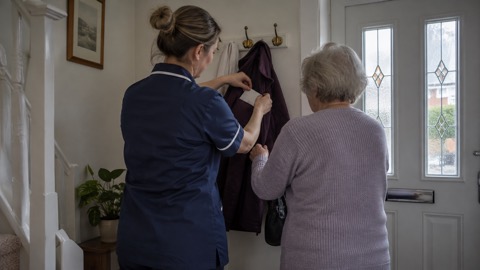 Carer's Emergency Plan
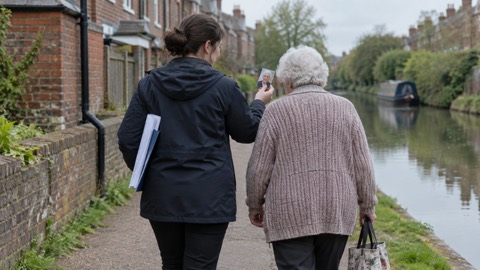 Herbert Protocol Form
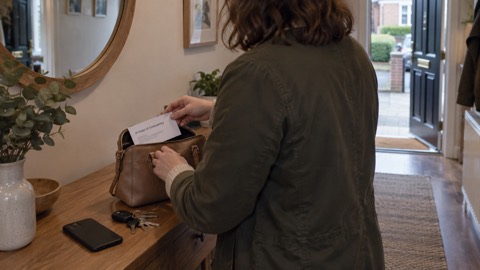 In Case of Emergency Card