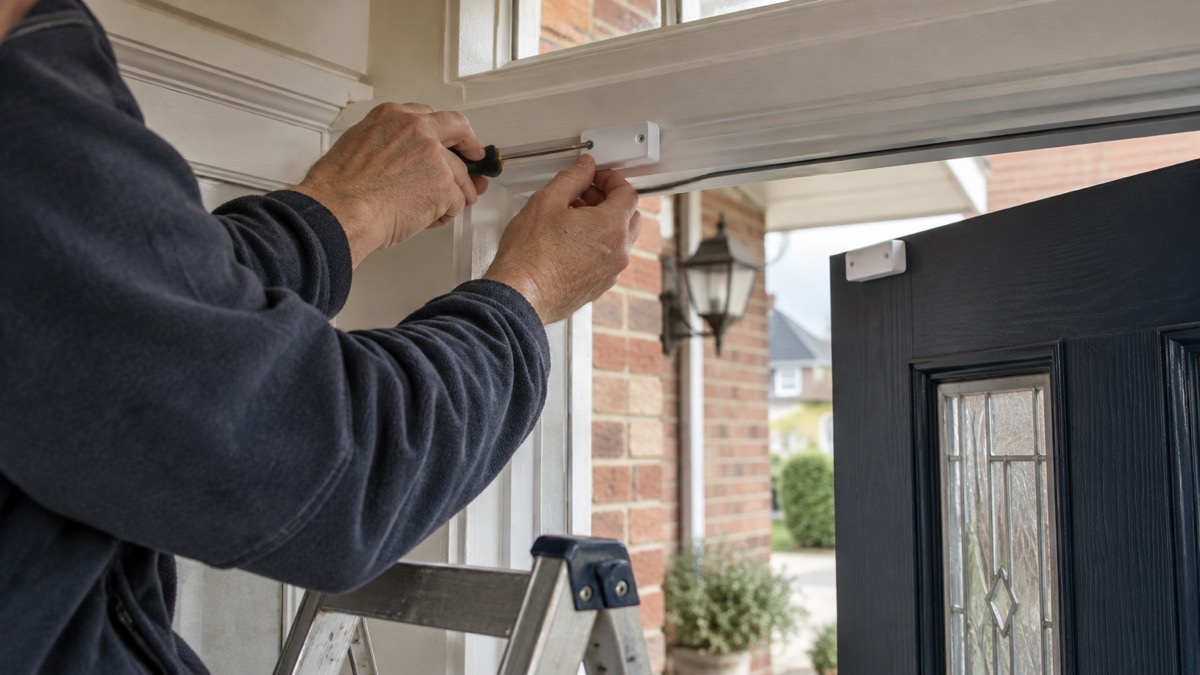
If the person you care for goes missing, search the house, the garden and any outbuildings first. If you do not find them, call 999 immediately1. Tell the operator that you have a Herbert Protocol profile for the person: a form completed in advance with the details police need to start a search quickly2. If you believe the person is at high risk of harm, 999 is the right number, and you will not be criticised for calling when you are worried3.
Beyond that moment, dementia safety at home is mostly preparation. This page covers the two things families ask about most: what to do if someone goes missing and how the Herbert Protocol works, and the cooker and heating devices, such as the locking cooker valve, that reduce day-to-day risk at the hob. It also sets out where to get help: home fire safety visits from your local fire and rescue service, occupational therapy advice, and the dementia helplines in England, Wales, Scotland and Northern Ireland.
Dementia is a National Health priority in the UK as the number of people living with the condition continues to increase, and it is predicted that by 2051 two million people will have dementia4. More than 40,000 people with dementia in the UK are under 655, so this is not only a concern for very old households.
If someone with dementia goes missing: search first, then call 999
The first minutes matter. Surrey Police advise that if you discover someone is missing, you look for them around the house or home, including any gardens and outbuildings, and if you do not find them, you call 999 immediately1. Greater Manchester Police describe this as an "open door" search of the address, grounds and outbuildings, after which you should alert the police at the earliest opportunity, calling 999 if the person is believed to be at high risk of harm2. People with dementia often walk with purpose towards a place from their past, so check anywhere on the route that a familiar walk would pass, but do not delay the 999 call to search further afield yourself.
When you call, tell the police operator that you have the Herbert Protocol person profile2. That single sentence changes how the call is handled: it tells the operator that a completed record of the person's details, habits and significant places already exists and can be pulled up straight away, instead of being gathered from you while you are distressed.
Dorset Police are explicit about the worry many carers have:
"If you discover someone is missing, look for them around the house or home, including any gardens and outbuildings."
If there is a fire, the advice from North Wales Fire and Rescue Service is: do not try to put it out, leave the house straight away, call 999 from a neighbour's phone, a mobile phone outside or a phone box, and do not go back in, not even for pets5. The same service advises keeping a phone by the bed so you can call 999 if you cannot get out, and speaking to your local fire and rescue service for tailored escape advice where the person has mobility issues9.
The Herbert Protocol: a form that helps police find someone quickly
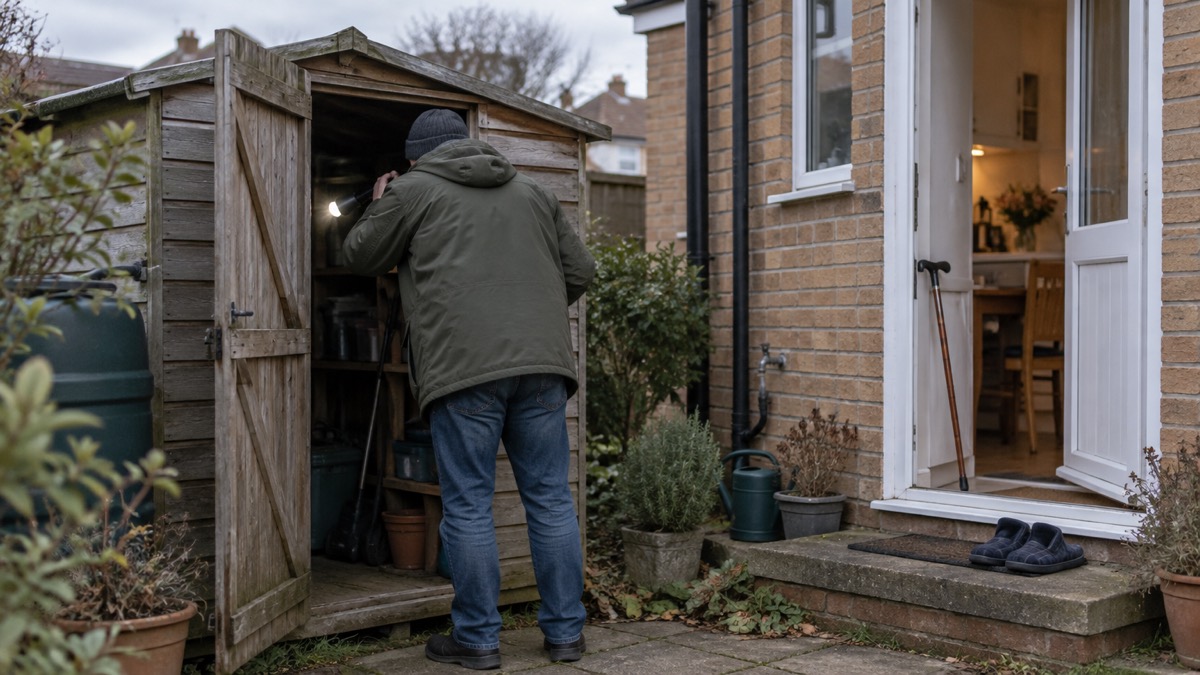
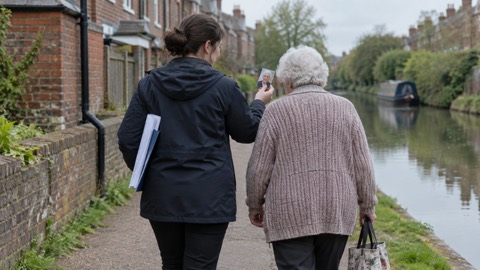
The Herbert Protocol is a national scheme introduced by the police in partnership with other agencies to encourage carers to compile useful information which could be used to help locate a vulnerable person if they go missing2. In practice it is a simple risk reduction tool: a pre-completed form containing vital information about a person with dementia that can be supplied to police at the earliest opportunity if that person is reported missing10. The scheme applies in the event of an adult with care and support needs going missing2.
The purpose is speed. The information helps the police and other agencies locate the missing person as quickly as possible and return them to safety10. The scheme encourages carers to compile useful information in advance that could be used to help locate a vulnerable person if they go missing2, and it has been used many times to help police and other agencies quickly and safely locate missing people who have dementia11.
The form can be filled in in advance by carers, family or friends of a vulnerable person, or by the person themselves3. It is not limited to family: the scheme is intended for anyone who cares for the person, and the information they compile is what helps police act quickly if the person goes missing3.
The name comes from a real case. The initiative is named after George Herbert, a war veteran of the Normandy landings, who lived with dementia and died whilst missing, trying to find his childhood home2. The scheme exists so that the next family in that position does not have to assemble the details police need while the clock runs.
Filling in a form through Safe and Found Online
In a growing number of force areas, the paper form has been replaced by an online system. Surrey Police state that all Herbert Protocol forms must now be completed at Safe and Found Online, and you no longer need to store a paper or electronic version of the form to pass to the police1. The Torbay and South Devon NHS carers service describes how it works: you log the person's information on a secure police database which you only activate if they go missing12.
The scheme covers someone with dementia whether they are cared for in a care home or in their own home13. In a care setting, the care provider, the person at risk or their family can fill in the form, seeking permission from the person at risk or their next of kin; if neither is possible, the care provider should make a best interests assessment2.
Where a force still uses the traditional form, check your own police force's website for which route applies in your area, or ask at a carers' service or the Alzheimer's Society helpline.
What to include on the form
The form includes details about the person, their past, their habits and the places they go13. This is what makes it useful: a search for someone with dementia often turns on where they might be trying to reach, not just where they were last seen.
A hospital grab bag for someone with dementia is advised to include a 'This is me' or 'Me and My life' document plus some photographs12, and the same thinking shapes the Herbert Protocol form. Think about:
- Habits and routines: the walks, shops, bus stops and benches that are part of the person's day, now or in the past.
- Significant places from their past: a childhood home, a former workplace, a place they lived when younger. George Herbert was trying to find his childhood home2, and old addresses are a common draw.
- A photograph: a recent photograph, of the kind a grab bag is advised to carry alongside a 'This is me' document, so police can circulate an accurate image quickly12.
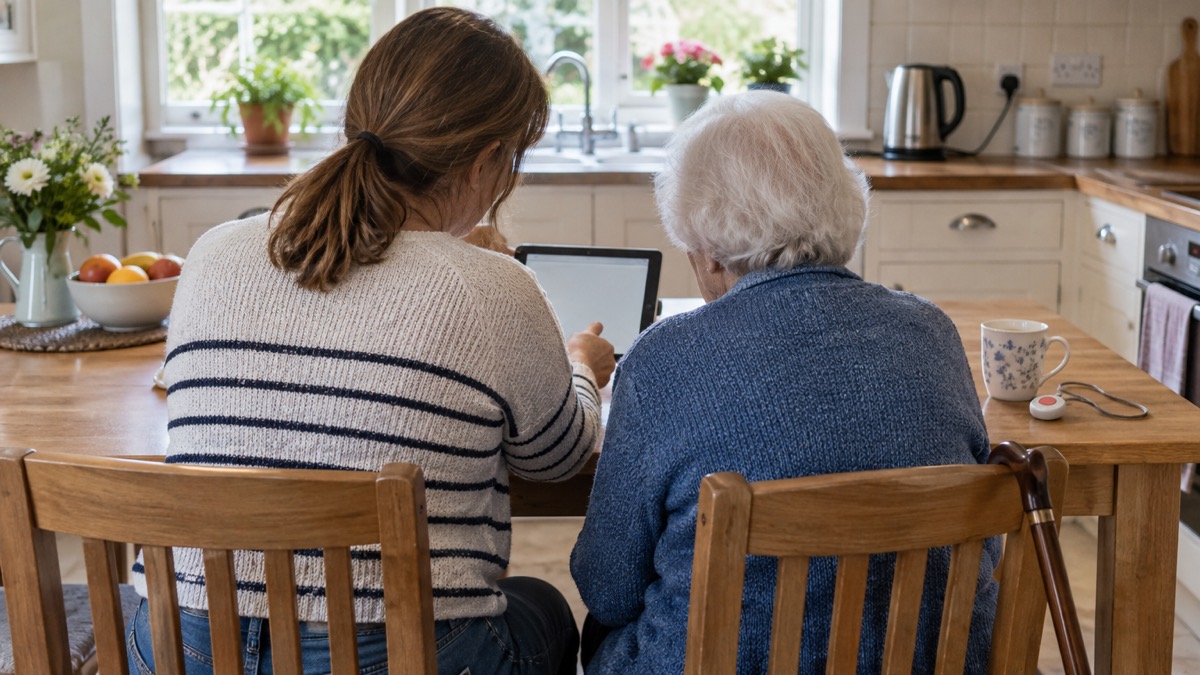
Suffolk's family carers guidance makes the same point for any carer of someone at risk of going missing, including due to dementia: collate key information in advance to give to the police immediately if they go missing14. The same thinking applies to a hospital admission: the Torbay and South Devon carers service suggests a hospital grab bag including, for people with dementia, an Alzheimer's Society "This is me" or "Me and My life" booklet plus some photographs, personal items and comfort objects12. Downloading and completing a "This is me" booklet helps hospital staff know important things about the person you care for12.
Keeping the form safe and ready to hand
Where a paper or electronic form is used, storage is your job, and it matters. The form should be stored securely, in accordance with data protection laws, but somewhere you can find it quickly, and other relatives, carers or staff should know where it is12. Keep a printed or handwritten copy somewhere handy and make sure everyone in your home knows where it is.
The Police Service of Northern Ireland advise that the form should be stored safely, either in electronic format on a computer or as a printed version, because it may need to be located quickly, at any time of day or night, by the person who begins the initial searches10. Greater Manchester Police add that it should be stored securely in the care setting, in accordance with data protection laws, but where you can find it quickly, and that other relatives, carers or staff should know where it is2.
The same principle applies to your wider household plans. Ready Scotland advises keeping a printed or handwritten copy of your emergency plan somewhere handy and making sure everyone in your home knows where it is15. Tell at least one person outside the household where the form is kept, so that a neighbour or relative can find it if you are not there when the person goes missing.
The Herbert Protocol in Scotland and Northern Ireland
The scheme operates across the UK, but the arrangements differ.
In Scotland, the Herbert Protocol is aimed at people living with dementia or supporting someone with a dementia diagnosis who are worried about a possible risk of going missing11. NHS Inform provides further information on dementia and the support available11. In Northern Ireland, the Herbert Protocol was launched by the Police Service of Northern Ireland in partnership with Dementia NI, local Health and Social Care Boards and Policing and Community Safety Partnerships15.
In Northern Ireland, the Herbert Protocol was launched by the Police Service of Northern Ireland in partnership with Dementia NI, local Health and Social Care Boards and Policing and Community Safety Partnerships10. The PSNI describe it as a simple risk reduction tool consisting of a pre-completed form that can be supplied to police at the earliest opportunity if the person is reported missing, and publish a leaflet to help share information about the scheme10. The Public Health Agency's Keeping Well at Home booklet, produced for a Northern Ireland audience with permission from the Institute for Collaborative Research on Ageing at Manchester University, covers staying safe at home including accident prevention and managing energy supplies16.
In Wales, North Wales Fire and Rescue Service can visit and make your home, or the home of the person you care for, as safe as possible if they have dementia5. The Wales Dementia Helpline offers emotional support to anyone of any age who is caring for someone with dementia, as well as other family members or friends17.
| Nation | Herbert Protocol arrangements | Other support |
|---|---|---|
| England and Wales | Some forces now use Safe and Found Online1 | Home fire safety visits; Wales Dementia Helpline17 |
| Scotland | Herbert Protocol form promoted via Ready Scotland and the Scottish Ambulance Service11 | NHS Inform dementia information11 |
| Northern Ireland | Scheme run by the PSNI with Dementia NI and Health and Social Care partners10 | Keeping Well at Home booklet16 |
A locking cooker valve stops gas use at the hob when you are not there
Cooking is one of the highest-risk everyday activities for someone whose memory is failing. Manchester Fire and Rescue Service note that locking cooker valves are useful in homes where cooking becomes high risk due to conditions such as Alzheimer's and dementia, disabilities or learning difficulties19. Devon and Somerset Fire and Rescue Service describe who they suit: people who can no longer operate their gas cooker safely, such as people living with memory loss, who may be at risk of harming themselves and their home by leaving gas un-ignited or forgetting to turn the hob off6.
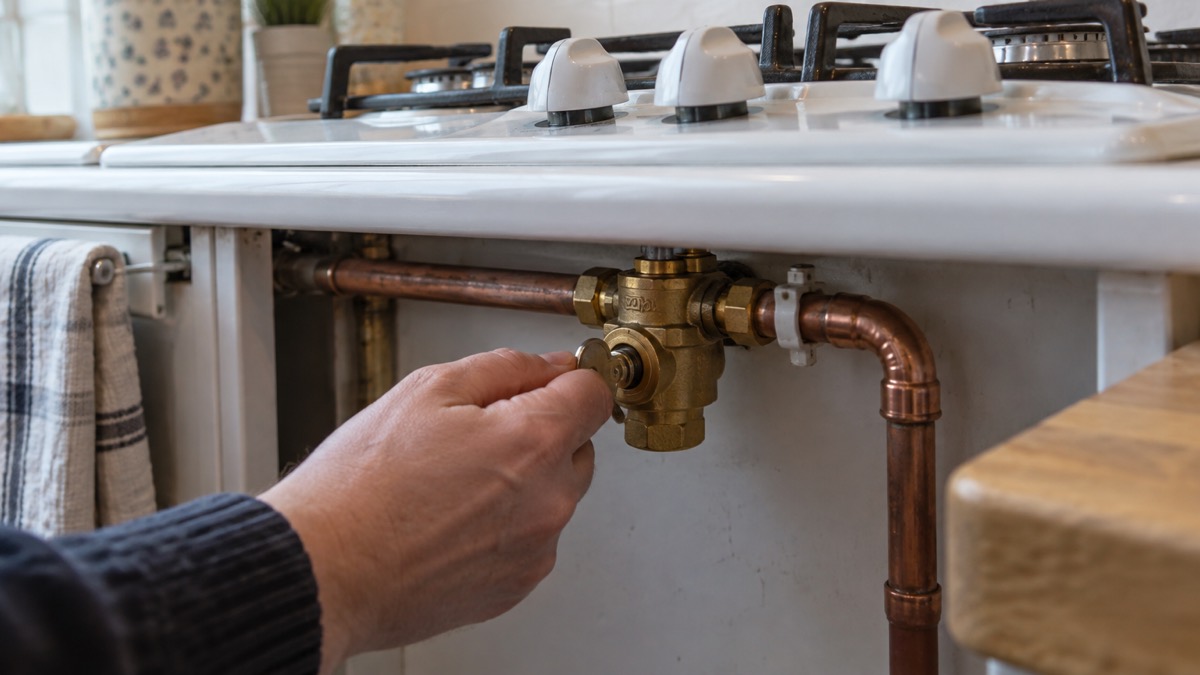
A locking cooker valve is a safety device that can be fitted to existing gas cooker pipework. When the valve is locked, the gas supply to the cooker is stopped19. A carer can easily control, with a key, when gas can and cannot be used safely once a locking cooker valve is fitted19. North Wales Fire and Rescue Service put the practical effect plainly:
"You can also have a special gas tap fitted that friends and family can turn off when they leave your home, known as a 'lockable cooker valve'. This does mean that you won't be able to cook unless someone is with you."5
That trade-off is the decision the household makes: the person cannot use the gas hob alone, and cooking happens when someone is there. For many families that is exactly the reassurance they need; for someone who still cooks confidently, it may be too restrictive, which is why the alternatives below exist.
Crucially, the valve does not affect the rest of the house. The valve is installed with a key to lock it, so that only the gas hob is isolated rather than the whole gas supply to the house6. Central heating, hot water and any other gas appliances keep working whether the valve is locked or not.
Getting a valve fitted, and the alternatives
Locking cooker valves are fitted to existing gas cooker pipework19, so there is no need to replace the cooker. Your local fire and rescue service is the place to start: many run carers' equipment schemes and home safety visits that include assessing for this kind of device. Devon and Somerset Fire and Rescue Service set out the equipment for carers, including locking cooker valves, on their advice pages6, and you can ask for a home safety visit through their website or by calling 0800 05 02 99920. If you have concerns about the identity of someone visiting you, the same service asks you to call 0800 05 02 99920.
If a gas valve is not the right answer, there are alternatives:
- Stove guards: Manchester Fire and Rescue Service say stove guards can be particularly useful in homes where using the hob becomes high risk due to conditions such as Alzheimer's and dementia, disabilities or learning difficulties19.
- Induction hobs: Devon and Somerset Fire and Rescue Service note that induction hobs and stovetops have a safety feature that automatically turns off the hob after a certain time if no pan is detected, which suits people who leave a stove on and forget to turn it off6.
- Occupational therapy: North Wales Fire and Rescue Service advise that an occupational therapist can advise on the full range of ways to make your home safer, contacted through your doctor's surgery or through social services5.
An occupational therapist's assessment is worth asking for before spending anything, because it looks at the whole home rather than one appliance. Belfast City Council's home safety service for seniors includes a handyperson scheme covering tasks such as fitting carbon monoxide alarms, adjusting heating timers and draught-proofing, and its family home safety check includes specialist advice on heating and energy saving with safety equipment delivered subject to eligibility and stock21.
On heating generally, Lincolnshire Fire and Rescue Service advise checking for warning signs that your appliances are not working properly22, which matters doubly in a household where the person may not notice or report a fault. A working carbon monoxide alarm is part of that picture, and fitting one is among the tasks home safety schemes can help with21. For wider fire risk, see fire risk for older and disabled people and home emergencies.
Where the Herbert Protocol stops: it does not replace other safety measures
Greater Manchester Police are clear about the limits of the scheme:
"It is not intended to replace existing safeguarding and security measures."2
The Herbert Protocol helps police find someone after they have gone missing. It does nothing to prevent the person leaving, and nothing to reduce the risks at home while they are there. So treat it as one layer among several.
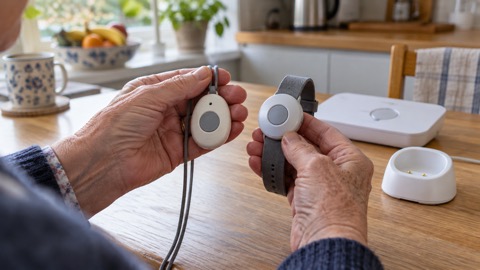
The other layers that this site covers in detail include personal alarms and GPS trackers, which let the person call for help or let you locate them; key safes, which let carers and responders in without forcing a door; fall detectors; and a carer's emergency plan for the arrangements that hold if you are suddenly not there. Dorset and Wiltshire Fire and Rescue Service note that the early use of Assistive Technology or Telecare is very beneficial for people living with dementia4. If you are weighing a GPS pendant against a home alarm, the comparison page on home personal alarm or GPS alarm sets out what each does.
Fire and rescue services also run referral routes for households at heightened risk. Cheshire Fire and Rescue Service's heightened risk referral criteria include dementia, Alzheimer's disease or other memory loss, unsafe cooking practices, reduced mobility, repeated slips, trips or falls, and being a home oxygen user23. Suffolk Fire and Rescue Service base their home fire safety visits on a person-centred approach taking into account personal factors including physical health, mental health and behavioural factors, including smoking, medication use and substance use24. London Fire Brigade publish a carer's guide to home fire safety for both formal carers, such as domiciliary care workers and clinicians, and informal carers, such as family members, friends and neighbours25. If you are a carer, you can refer the person you look after: see how to refer a vulnerable person for a fire safety check.
Help and advice: helplines, fire services and falls
Support exists, and using it early is the pattern across every service quoted on this page.
Helplines. The Alzheimer's Society National Dementia Helpline is 0300 222 11 227. In Wales, the Wales Dementia Helpline offers emotional support to anyone of any age caring for someone with dementia, as well as other family members or friends17. In Scotland, NHS Inform holds further information on dementia and the support available11.
Home fire safety visits. Fire and rescue services across the UK offer free home visits for people with dementia. North Wales Fire and Rescue Service can visit and make the home as safe as possible5; Devon and Somerset can be contacted on 0800 05 02 999 or through their online referral form20; Suffolk offer visits based on a person-centred assessment24. Dorset and Wiltshire Fire and Rescue Service note that their Home Fire Safety Advisors have attended Dementia Awareness Sessions, so they have knowledge of different types of dementia and the signs and symptoms to be aware of4. Manchester Fire and Rescue Service's online home fire safety check asks about the home, who lives there, working smoke alarms, everyday activities such as cooking and heating, mobility, physical and mental health, sensory impairment, clutter and learning disability26.
Falls. North Wales Fire and Rescue Service give clear advice for a serious fall:
"If the person has a fall that seems serious, don't try to move them or give them anything to eat or drink. Keep them warm and call for an ambulance."5
For what to do before and after a fall, see falls at home.
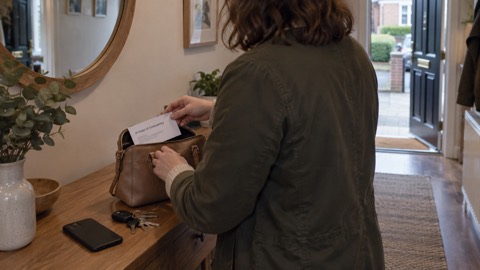
Planning ahead. Suffolk's guidance for family carers includes an emergency plan covering what happens if you cannot be there14, and Ready Scotland's emergency plan advice includes keeping a printed copy somewhere handy that everyone in the home knows about15. For the person themselves, a completed "This is me" booklet helps hospital staff know important things about them12, and an in case of emergency card carried in a wallet or bag does the same job on the street.
If you are new to preparing your household generally, start with getting started and the emergency kit guide, then return to the extra-help pages for the arrangements specific to caring for someone with dementia.
Sources (26)
- Herbert Protocol, Surrey Police
- Herbert Protocol, Greater Manchester Police
- Herbert Protocol, Dorset Police
- Advice for carers of people with dementia, Dorset and Wiltshire Fire and Rescue Service, 2025-11-19
- Dementia fire safety, North Wales Fire and Rescue Service, 2026-10-29
- Advice and equipment for carers, Devon and Somerset Fire and Rescue Service, 2026
- Caring for smokers: advice for carers and social workers, Manchester Fire and Rescue Service, 2026-10-29
- Book a home safety visit, Devon and Somerset Fire and Rescue Service, 2026
- Make an escape plan, Fire Kills campaign, 2026-03-25
- The Herbert Protocol, Police Service of Northern Ireland, 2026-10-29
- Dementia, Scottish Ambulance Service, 2026-10-29
- Carers service: planning ahead, Torbay and South Devon NHS, 2025-10-21
- Herbert Protocol, Guernsey Police, 2026-10-29
- Family carers emergency plan, Suffolk County Council, 2026-10-29
- Emergency plan, Ready Scotland, 2026-10-29
- Keeping Well at Home booklet, Public Health Agency, 2021-03-03
- Winter health plan, NHS 111 Wales, 2021
- Emergency plan, Ready Scotland, 2026-03-24
- Cooking fire safety devices, Manchester Fire and Rescue Service, 2026-10-29
- Home safety visits, Devon and Somerset Fire and Rescue Service, 2026
- Home safety, Belfast City Council, 2026-10-29
- Heaters and electric blankets, Lincolnshire Fire and Rescue Service, 2026-10-29
- Heightened risk home fire safety referrals, Cheshire Fire and Rescue Service, 2024-11-07
- Check if you're eligible for a safer home visit, Suffolk Fire and Rescue Service, 2026-10-29
- A carer's guide to home fire safety, London Fire Brigade, 2026-10-25
- Home Fire Safety Assessment, Manchester Fire and Rescue Service, 2026-10-29
 Carer's Emergency Plan
 Herbert Protocol Form
 In Case of Emergency Card
 Energy and Water Company Duties
 Personal Alarms
 What Happens When Alarm Pressed
 How Fall Detectors Work
 Home Oxygen Therapy Safety
 Airflow Mattress Fire Risk
 Fire Risk at Home
 Falls at Home
 Living Alone Safely
 Sight Loss and Emergencies
 Deaf and Hard of Hearing Safety