Self-Reliance
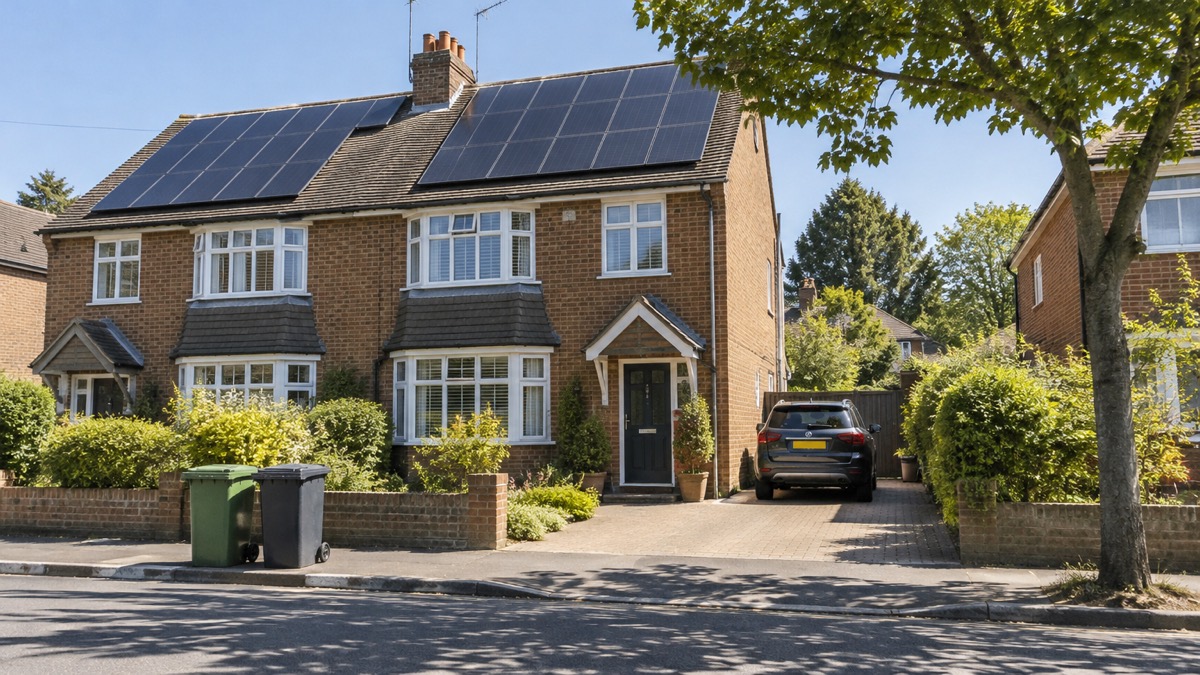
Self-reliance starts with practical steps you can manage at home. Learn how to grow vegetables with little experience or space, keep garden hens safely and care for them in illness or bad weather, harvest rainwater and understand private supplies, and see what stand-alone solar power can realistically run in a British home, shed, caravan or cabin.
Growing Food
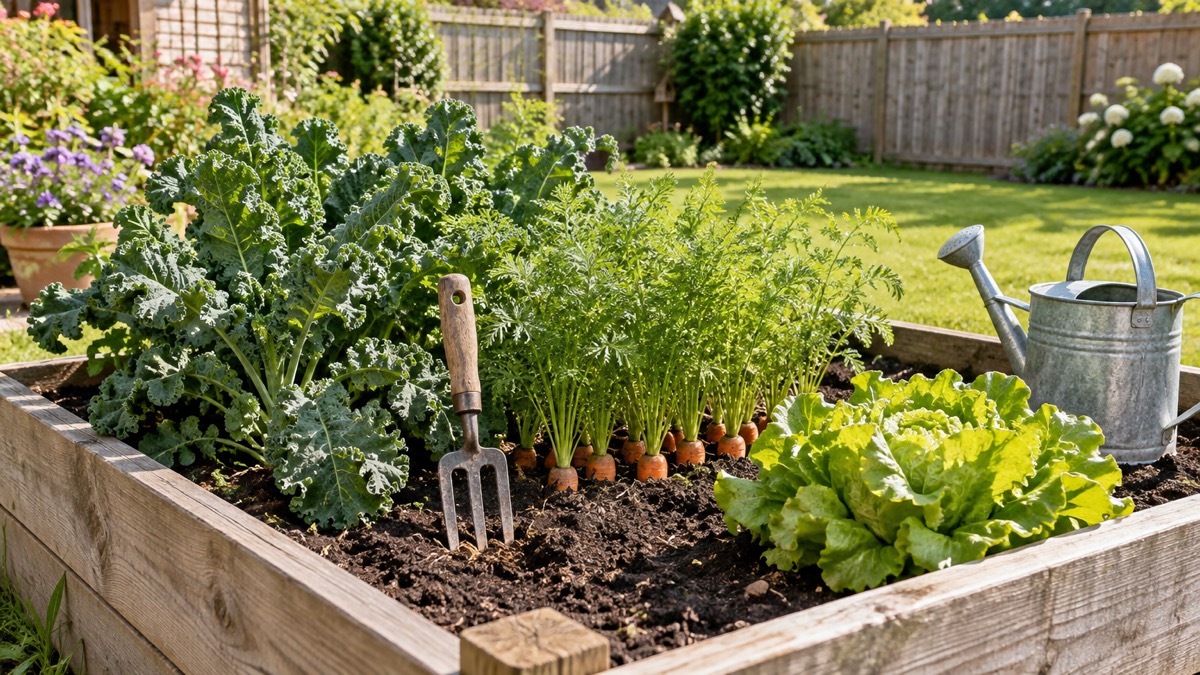
Start growing vegetables with a few dependable crops, whether you have a garden, an allotment or only pots on a patio. Learn how to prepare soil, sow through the year, water and weed, grow under cover, fill the spring hungry gap, store a glut and save seed for next season.
All 44 growing food guides Getting an Allotment
 Composting at Home
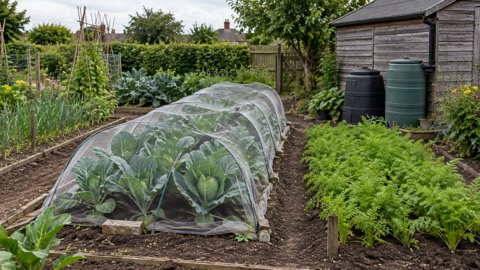 Vegetable Pests and Diseases
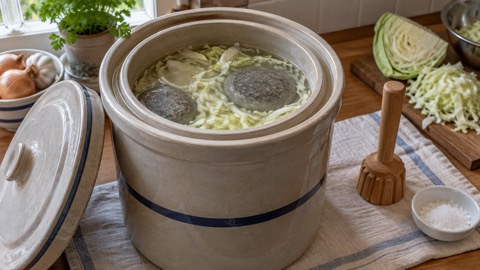 Fermenting Vegetables at Home
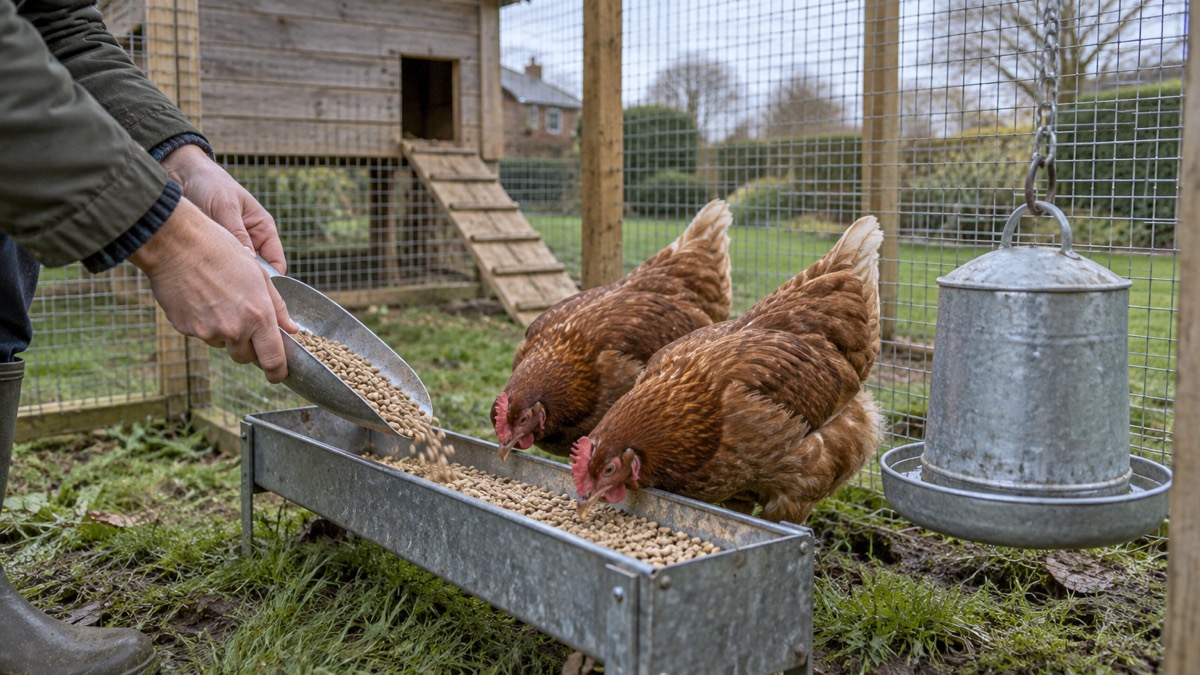
Livestock
Starting with hens, quail or bees? Learn how to register your birds, choose secure housing, feed and settle new hens, adopt ex-commercial birds and respond to bird flu restrictions. There is also practical guidance on bee swarms, severe weather, livestock safety and where to find help.
All 28 livestock guides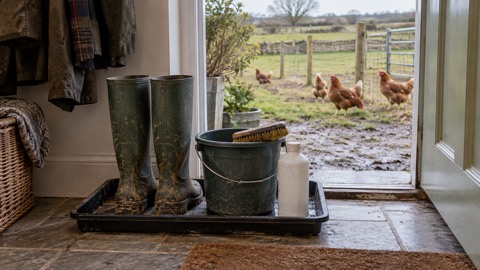 Animal Disease Outbreaks
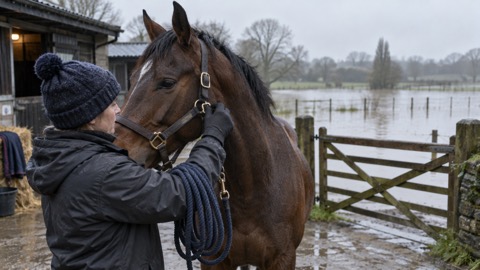 Horses and Livestock
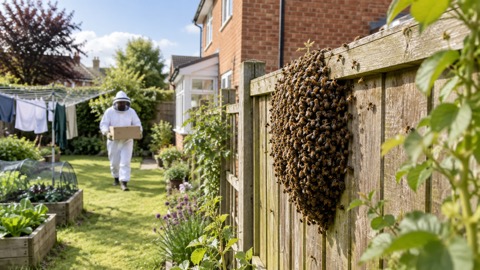 Honey Bee Health
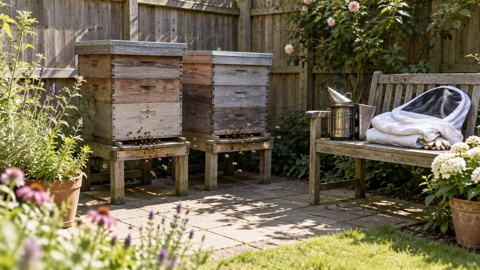 Beekeeping for Beginners
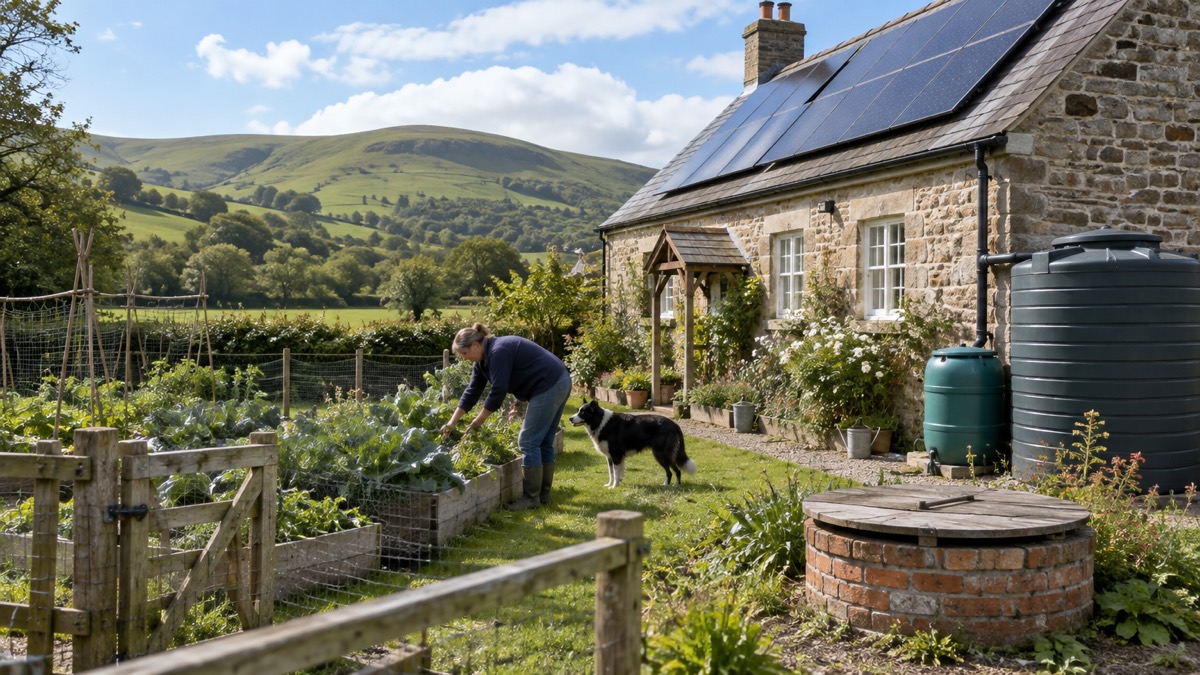
Water Harvesting
Want to collect rain, rely less on mains water or manage a private supply? Start with a water butt for the garden, then understand tanks, pumps, filters and safe uses. Learn the drinking-water precautions, drought limits, private supply rules and where households can get help.
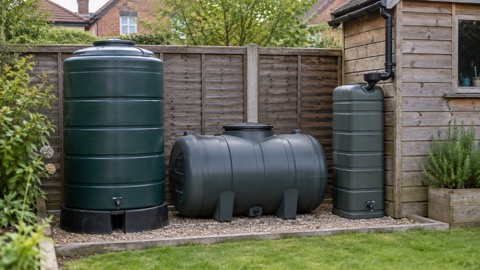 Above-Ground Rainwater Tanks
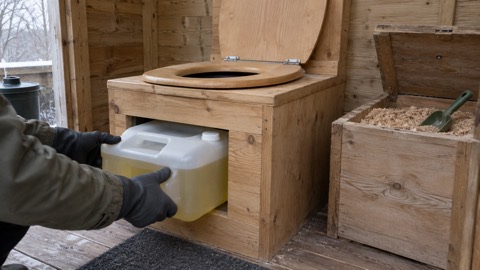 Composting Toilets
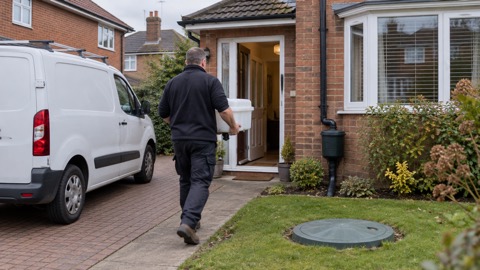 Direct vs Gravity Feed Systems
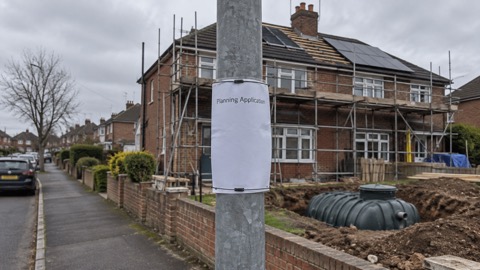 Planning Permission for Systems
Power Generation
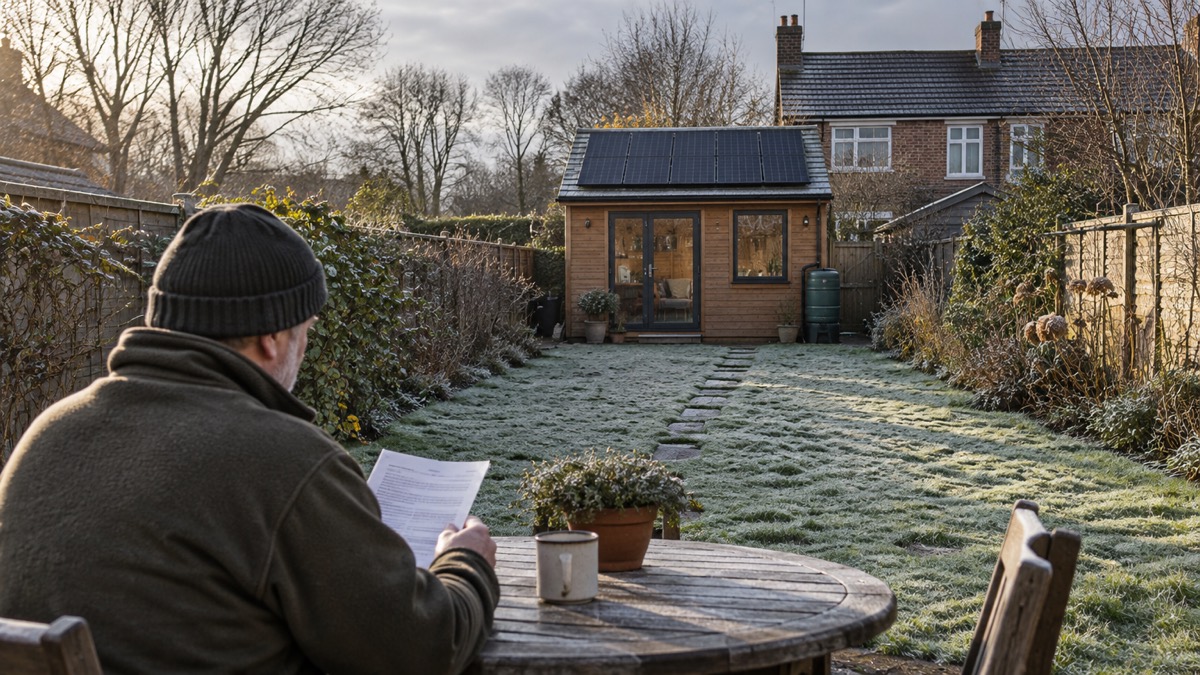
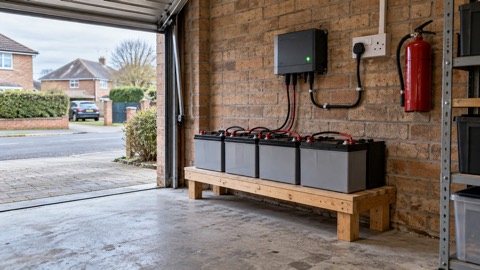
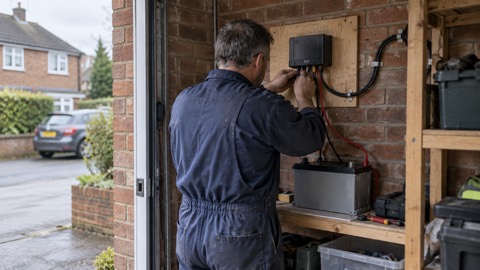
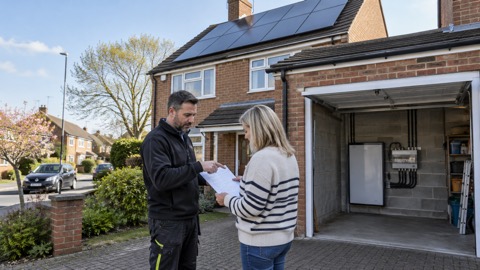
Want to run lights, charge phones or supply a shed without mains electricity? Learn how solar panels, a charge controller, battery and inverter work together, what UK winter output looks like, and why ordinary rooftop solar usually stops during a power cut.
All 27 power generation guides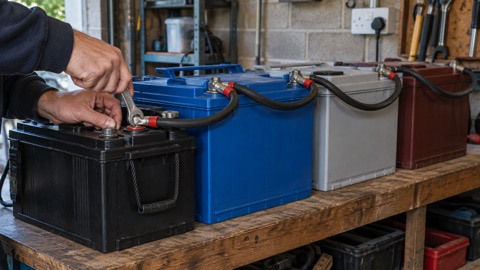 Off-Grid Battery Banks
 Off-Grid Battery Care
 Solar Charge Controllers
 G98 DNO Notification
Self-Reliance checklists
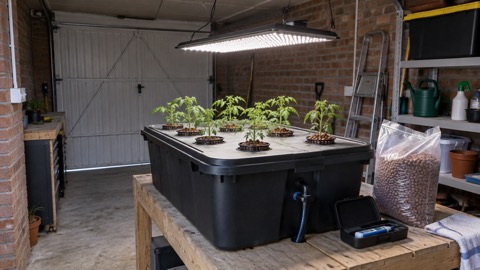 Hydroponic System Parts List
Wondering what you actually need to start growing without soil?
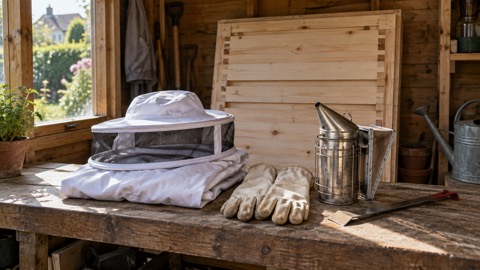 Beekeeping Starter Equipment
Thinking about keeping bees and wondering what you actually need to buy?
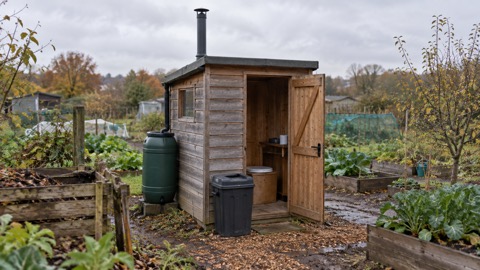 Composting Toilet Kit Checklist
What does a working composting toilet setup actually need?
 Year-Round Sowing Calendar
Wondering what you can sow this month, and what should be ready to pick?
Common questions
What are the easiest vegetables to grow for a beginner?
Salad leaves, radishes, cress and microgreens are useful starting points because they grow quickly and can be raised in small containers. Kale is hardy and easy to grow, while potatoes can be grown in containers. Choose crops you enjoy eating and begin with up to four vegetables, adjusting that number to the space and time you have. Growing Food guide ›
Do I have to register a few pet chickens in the UK?
Yes, if you keep them in England or Wales. Since October 2024, all keepers of poultry or other captive birds must register, regardless of how many birds they have. This includes pet chickens and quail. Birds living in Scotland must be entered on the Scottish Kept Bird Register. Registration allows the authorities to contact keepers during a disease outbreak. Livestock guide ›
Can I drink rainwater collected from my roof?
Do not assume that collected rainwater is safe to drink. Roof collection areas can be contaminated by birds, aerials and overhanging trees. Official advice includes discouraging birds, removing or avoiding aerials and overhanging trees, and considering diverting the first flush to waste. A private supply used for domestic purposes needs suitable treatment that is installed and maintained. Read the drinking rainwater and private supply treatment guidance before using it for drinking. Water Harvesting guide ›
Can an off-grid solar system power a whole house?
It can, but the panels, battery and inverter must be sized around the household's daily electricity use and the loads that run at the same time. Winter is the limiting season: a fairly large 4kW roof may produce only 3 or 4kWh on a typical December or January day. Lighting, communications and refrigeration are more manageable than trying to meet every heating and household demand. Power Generation guide ›
Can I grow vegetables without a garden?
Yes. Vegetables can be grown in a few containers on a patio, and salad leaves will grow indoors or on a windowsill in peat-free compost. A yoghurt pot or fruit punnet with drainage holes can serve as a container. Potatoes and some fruit can also be container grown, provided you follow the planting and watering guidance for each crop. Growing Food guide ›
How many rescue hens should I adopt?
The British Hen Welfare Trust normally requires a minimum reservation of three hens because they are sociable flock animals. If you already keep hens, it may allow you to adopt two. Its maximum is 20, and all adopted hens must remain together with you. When adding birds to an existing flock, it advises adopting more newcomers than the number of hens you already keep. Livestock guide ›
What can I use water from a water butt for?
Official and independent guidance supports using stored rainwater from gutters to water the garden during dry weather. Official advice for private supply users also gives toilet flushing with grey water, including water from a rainwater butt, as a way to conserve drinking water. These uses do not make the water suitable for drinking, cooking or washing. Keep the collection area clean and follow the relevant plumbing, labelling and disposal guidance. Water Harvesting guide ›
Can solar panels charge a battery in a UK winter?
Yes, but expect much less energy than in summer. A battery lets you store that energy for later use. For year-round off-grid power, wind can complement solar because there is generally more wind in winter and more sun in summer. Power Generation guide ›