People
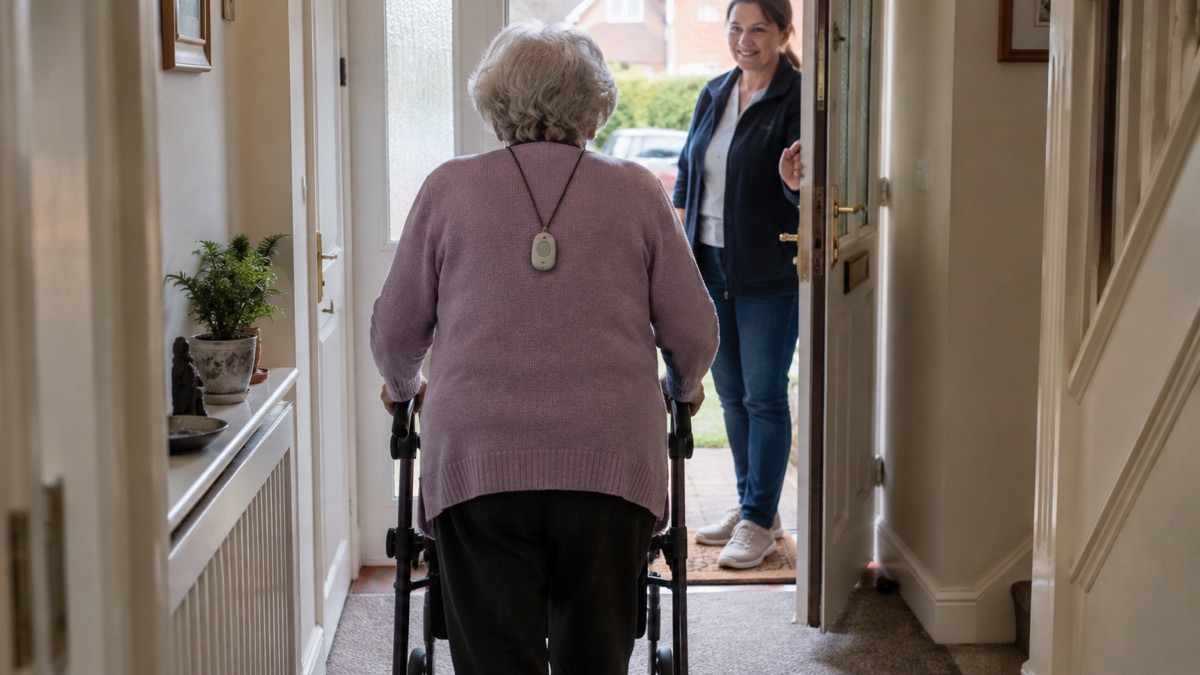
People and animals need different support when services are disrupted. Plan ahead for medical equipment, care visits and extra help, including what to do in a power cut or water outage. You can also prepare with neighbours through a local group, a community emergency plan and agreed roles, and make practical arrangements for pets during floods, storms and heatwaves.

Extra Help
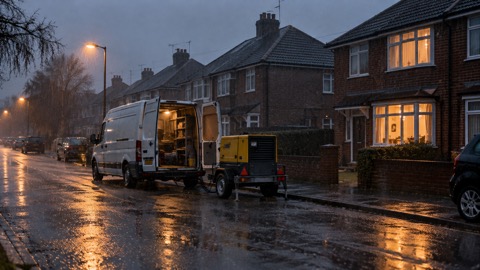
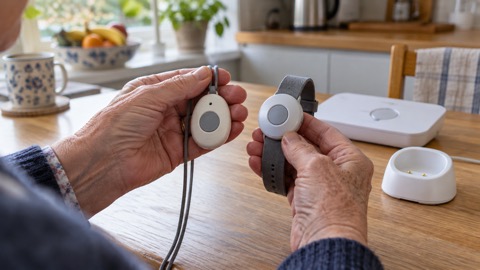
Find out what to do if someone relies on care, medical equipment or support when power, water or gas fails. Learn how priority registration, telecare, fire safety checks, carer emergency plans and the Herbert Protocol work, and where to find help in England, Scotland, Wales and Northern Ireland.
All 47 extra help guides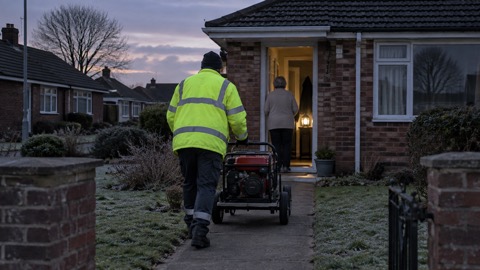 Joining Priority Services
 Water Priority Services
 Energy and Water Company Duties
 Personal Alarms

Community
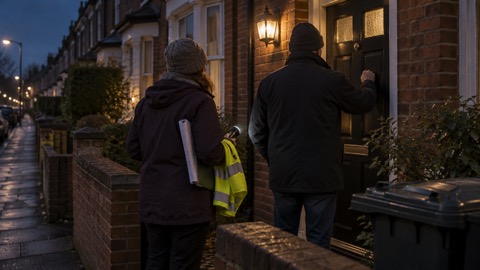
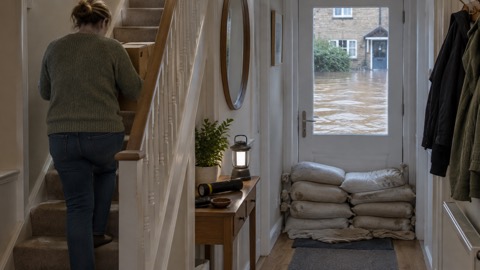
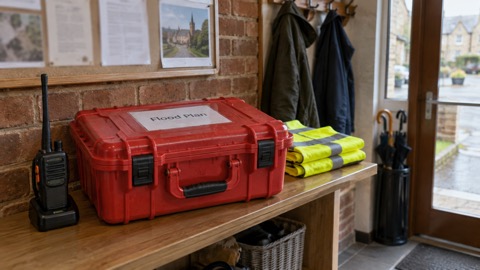
Want to help your street, village or neighbourhood cope with an emergency? Learn how to check on neighbours, find or form a local group, understand local risks, write and test a community emergency plan, open a community building safely, and work with your council, emergency responders and voluntary organisations.
 Setting Up an Emergency Group
 Volunteering in Emergencies
 What Volunteers Can Safely Do
 Community Flood Plans
Pets
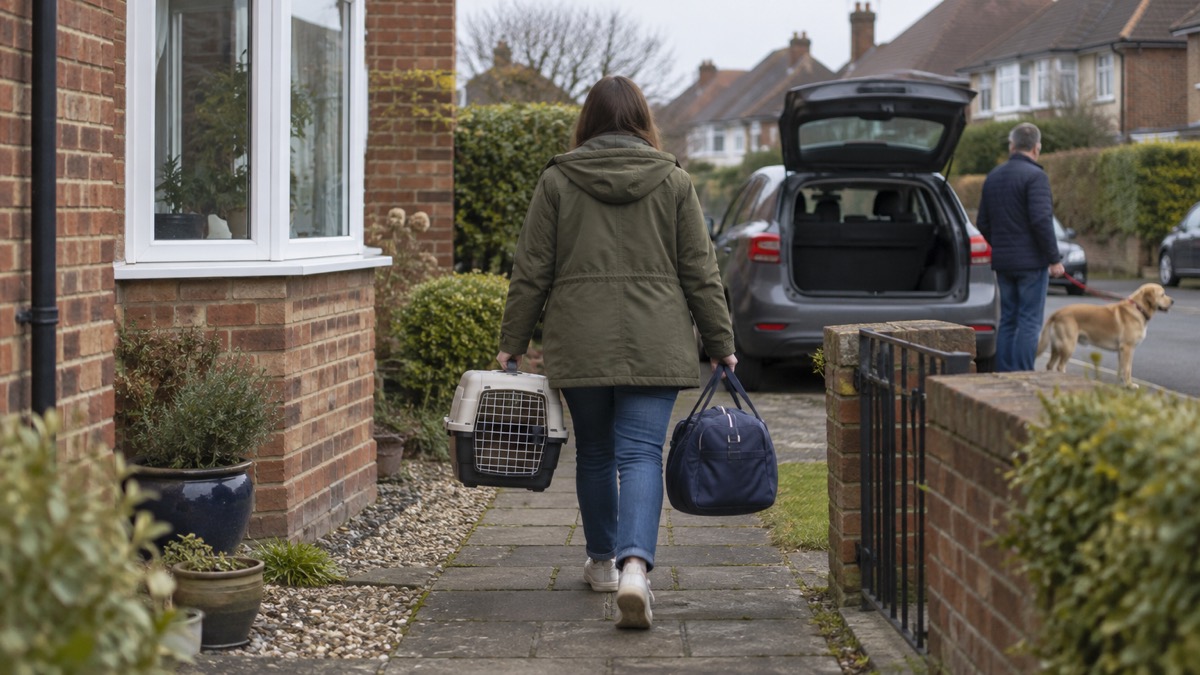
Make a practical plan to keep your pets safe in a flood, storm, power cut, heatwave or cold snap. See what food, water, medication and equipment to store, who can care for your animals, when to contact a vet, and what to do if you must evacuate without them.
All 45 pets guides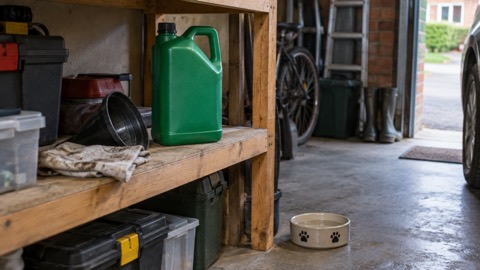 Antifreeze Poisoning
 Pets in Cold Weather and Snow
 Emergency Vets and Out-of-Hours
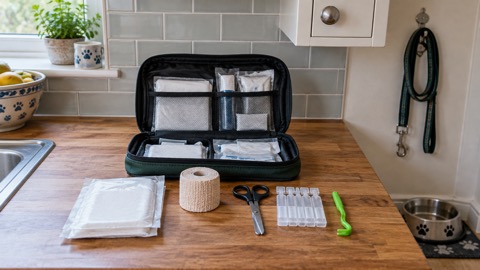 Pet First Aid Kits
People news
 Devon Drought Water Appeal30 October 2026Extra Help
 Fire Safety Week 2026 Figures12 October 2026Extra Help
 Heat Risk Age Threshold Update21 July 2026Extra Help
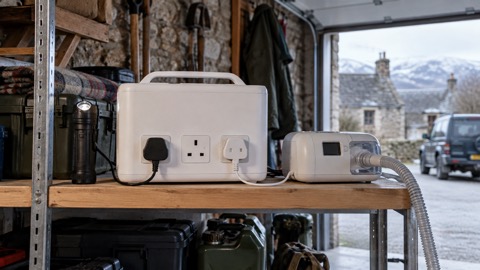 SSEN Home Battery Deliveries24 February 2026Extra Help
 SSEN PSR Benefit Checks10 February 2026Extra Help
 Lanarkshire Icy Weather Falls7 January 2026Extra Help
People checklists
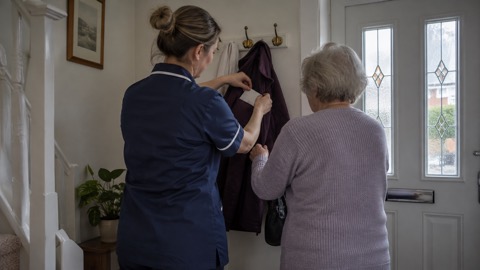 Carer's Emergency Plan
If you are the main person someone relies on, what should your emergency plan contain, and who steps in if you…
 Emergency Hub Kit Checklist
If your community sets up an emergency hub, what should be in it and what should the building offer?
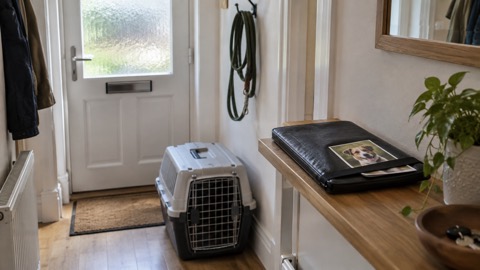 Pet Emergency Documents
If you had to leave home in a hurry, would you have your pet's paperwork to hand?
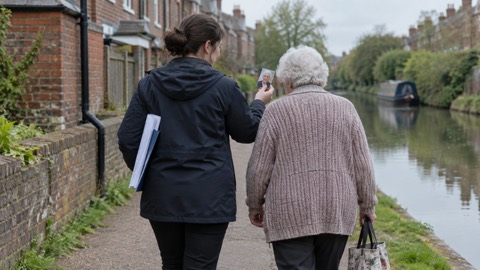 Herbert Protocol Form
If someone you care for has dementia and might go missing, a Herbert Protocol form records what police would…
Common questions
Who can join the Priority Services Register?
Eligibility varies between providers, but Ofgem includes people with disabilities or long-term medical conditions, including mental health conditions, sight or hearing impairments and conditions requiring powered medical equipment. Help can also be temporary, for example after an injury, hospital stay or bereavement. Scottish guidance also lists people over 60, households with children under 5 and people using medical equipment that needs power or water. Extra Help guide ›
What does community resilience mean for an ordinary neighbourhood?
It means local people using their knowledge, skills and resources to prepare for, respond to and recover from emergencies. That can be as simple as checking on neighbours, clearing snow from paths or sharing local information. A more organised group might write an emergency plan, identify community buildings and work with the council and voluntary organisations. Community guide ›
What should I do first if my pet is injured or poisoned?
Contact a vet immediately if you are concerned about your pet's health. Animals injured in a fire or affected by smoke need prompt veterinary treatment. During a chemical emergency, keep pets under cover and do not go outside searching for a cat or dog. Do not pet animals that have been outside. If an ambulance is coming for someone in the household, put pets somewhere safe. Pets guide ›
What help will I get during a power cut if I am registered?
Ofgem says registered customers can receive priority support in an emergency and, wherever possible, advance notice of scheduled power cuts. Suppliers and network operators keep registers so they know which customers need extra support. Registration does not replace a household plan for powered medical equipment, communications or contact with carers, so keep those arrangements ready as well. Extra Help guide ›
How do I start a community resilience group?
First ask your council or local resilience forum whether a group already covers your area. If none does, approach an existing parish council, residents association, faith group, Neighbourhood Watch or other community organisation. Decide whether an informal group is sufficient or whether you need an elected committee and constitution, particularly if you intend to apply for funding or raise money. Community guide ›
What pet supplies should I keep for an emergency?
Keep a week's worth of your pet's regular food, water, medication, cat litter and other routine supplies. Add bowls, a tin opener, collar and identification tag, lead or harness, suitable carriers, vet records and contact details, a current photograph, sanitation items and familiar bedding or toys. Assistance animals may also need their documents and specialist supplies. Pets guide ›