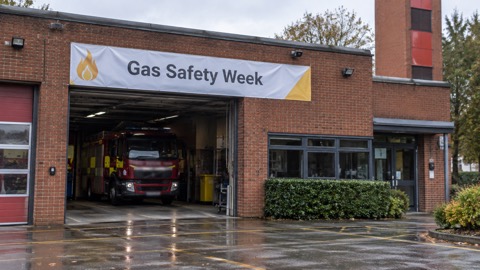
Northern Ireland Fire & Rescue Service (NIFRS) began Fire Safety Week 2026 on Monday 12 October 2026, publishing ten years of figures on house fire deaths in Northern Ireland and asking the public to "Know the Room, Know the Risk, Know the Person"1. The week is run in partnership with the National Directorate for Fire and Emergency Management in the Republic of Ireland1.
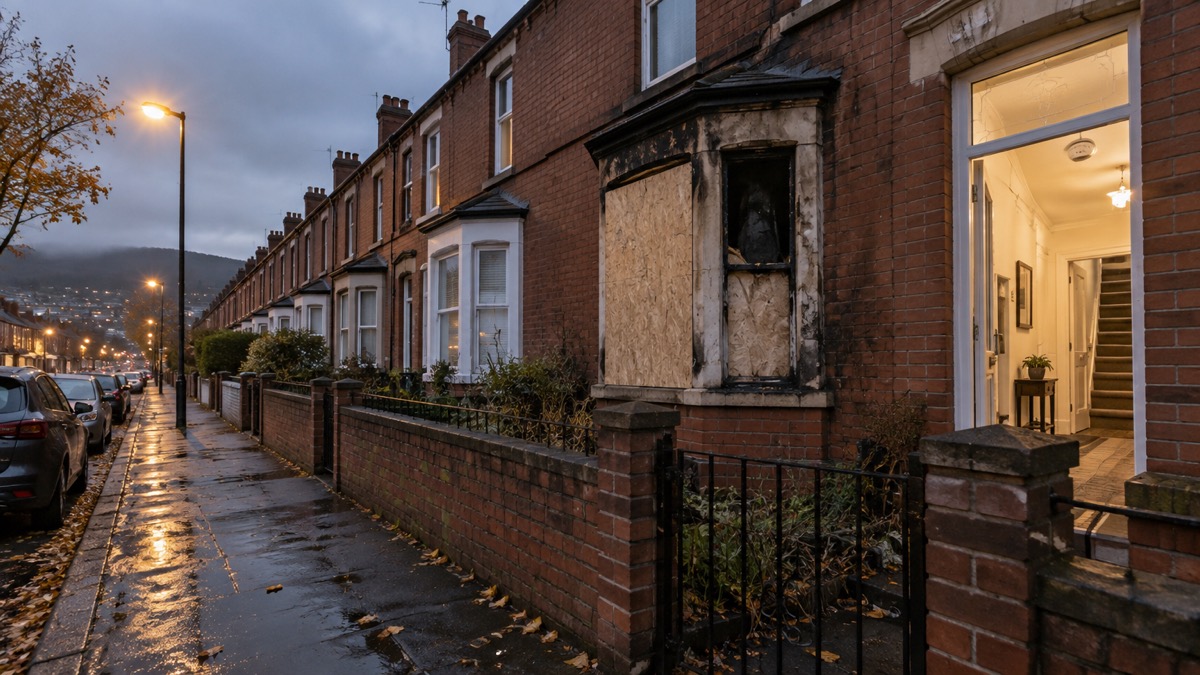
Between 2015 and 2025, 89 people died in house fires in Northern Ireland, and 62 of them lived alone, which NIFRS describes as almost 70%1. Smoking materials were associated with 38 of the fatalities, wiring, cabling and plugs with 15, and heaters and open fires with 91. In 2026 so far, 3 people have died in house fires; smoking materials were associated with 2 of those deaths and an electrical source with the third1.
NIFRS reports that most accidental fires in the home start in the kitchen, while the bedroom is where the greatest number of fatalities have occurred1. Its campaign asks people to recognise common fire risks at home and to look out for those at greater risk from fire, including people who live alone and people with a disability or impaired mobility1.
"Fire Safety Week is an important reminder that fire safety is a responsibility we all share, not only in our own homes, but in looking out for those around us."
NIFRS says its free online Home Fire Safety Check is available to everyone, and that where a home is identified as being at greater risk, the household will be referred for an in-person Home Fire Safety Check, in which NIFRS personnel visit the home to give further practical fire safety advice1. The service advises people to test their smoke alarms, fit additional alarms in the rooms they use most frequently, such as bedrooms and living rooms, and make sure there is a suitable heat alarm in the kitchen1. Keith Leonard, Director of the National Directorate for Fire and Emergency Management, said early detection through working smoke alarms, combined with knowing the safest escape route, is critical to reducing the impact of fire1.
Why it matters for households
The figures set out who is most affected: people who live alone accounted for 62 of the 89 deaths over the decade to 20251. NIFRS also names people with a disability or impaired mobility as at greater risk1. The risks it associates with the deaths are smoking materials, electrical wiring, cabling and plugs, and heaters and open fires, and it notes that the kitchen is where most accidental home fires start and the bedroom where the most fatalities have occurred1. Households in Northern Ireland can use the online Home Fire Safety Check, with referral to a home visit where the tool identifies greater risk1. NIFRS advises testing smoke alarms, fitting additional alarms in frequently used rooms and fitting a suitable heat alarm in the kitchen1. It also asks people to look out for those who may be at greater risk, whether that is themselves, a family member, friend or neighbour1.
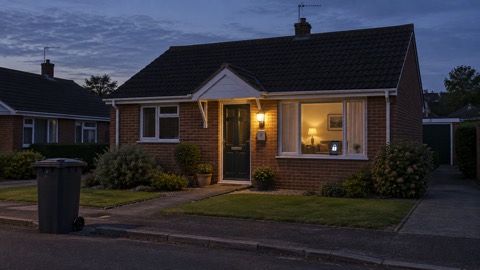
For households where someone lives alone, the guide on living alone and staying safe when no one is nearby covers the practical points, and the extra-help hub covers support for people who need it. The home-emergencies hub sets out the wider range of household incidents. Where a neighbour or relative may be at risk, the guide on how to refer a vulnerable person for a fire safety check explains the route. Alarm rules and the fire service in Northern Ireland are set out in the guide to Wales and Northern Ireland, and checks before leaving a house empty covers periods away from home.
What happens next
Fire Safety Week 2026 is running from 12 October 20261. No closing date for the week, and no further figures beyond those published, have been reported1.
 Living Alone Safely