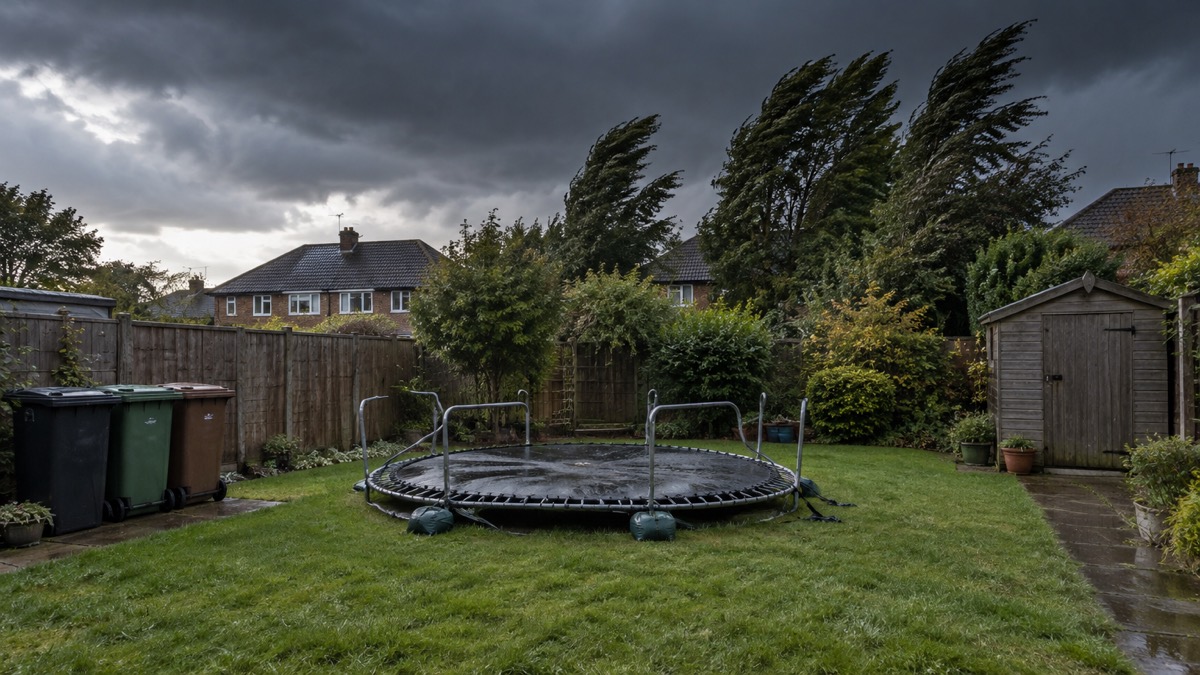
Preparing Your Home and Garden for High Winds
When high winds are forecast, start outside. Secure ladders, garden furniture and anything else that could be blown into windows or other glazing. Close and securely fasten windows, particularly on the windward side, and secure large doors. Park vehicles in a garage if one is available, otherwise clear of buildings, trees, walls and fences.1
Once the storm arrives, stay indoors as much as possible and do not go outside to repair damage. Before it reaches you, prepare for a power cut with a battery-powered radio, a torch and extra batteries, charged phones and laptops, and a knowledge of where your utility points are.2
If a storm is blowing now
Stop preparing the garden and go inside. Strong winds can cause fallen trees, power cuts, transport disruption and significant damage to buildings and infrastructure, so the priority changes from protecting property to avoiding injury.2
- Stay indoors as much as possible. Do not go outside to repair damage while the storm is ongoing.2
- Keep the building closed up. Close and securely fasten doors and windows, particularly those facing the wind and large doors such as garage doors.1
- Use the sheltered side if you must go out. Ready Scotland advises entering and leaving through doors on the side facing away from the storm, and closing all doors behind you.4
- Keep away from hazards outside. Do not walk or shelter too close to buildings, walls or trees.2
- Leave repairs until it is safe. Damage can be checked and secured after the storm, not while the wind is still blowing.2
Avoid non-essential travel. If you must travel, allow extra time and check whether your route is affected before setting out.5
Named storms and weather warnings
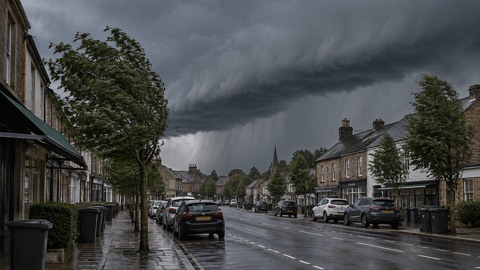
Check the weather forecast and the Met Office warnings for details of the risk in your area. The current warning is the practical prompt to check loose items, protect people and property, prepare for power cuts and reconsider travel.5
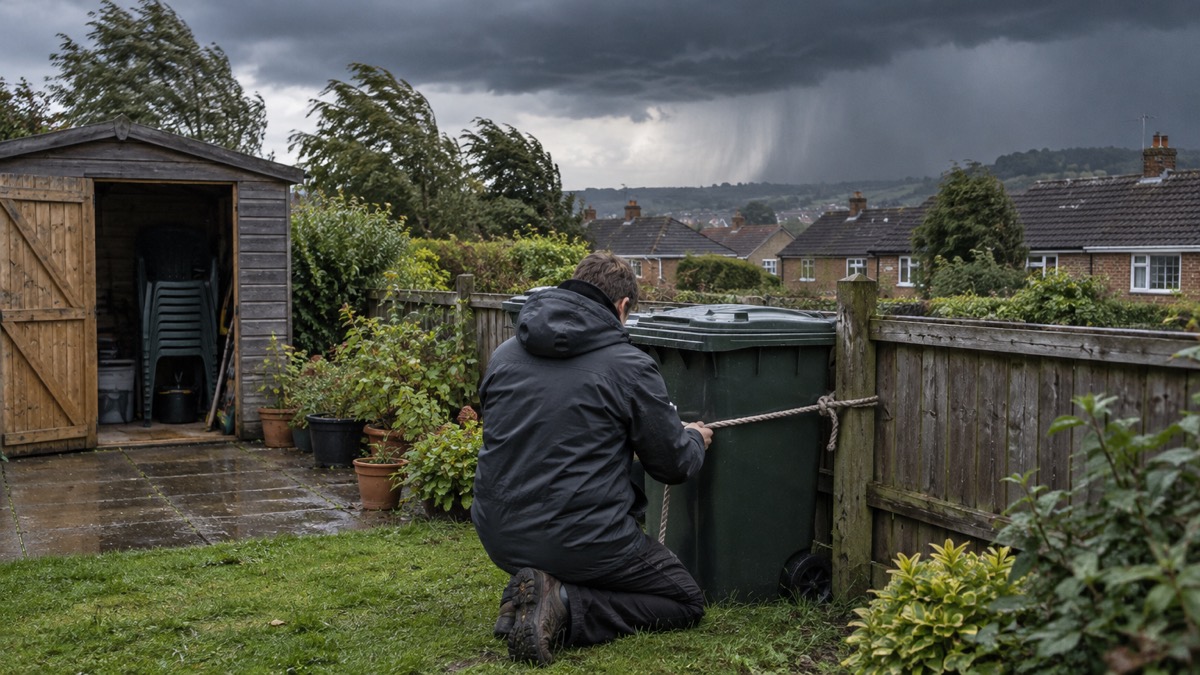
- Use Met Office weather warnings: yellow, amber and red explained to understand the warning levels.
- Read the current UK warnings for your area rather than relying on a storm name alone.6
- The Met Office also provides accessible UK warnings, including advice to check bins, garden furniture, trampolines, tents, sheds and fences.7
- To receive information in advance, follow how to sign up for Met Office weather alerts.
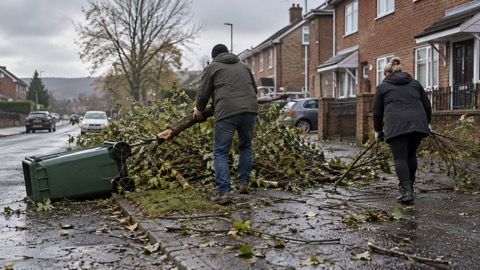
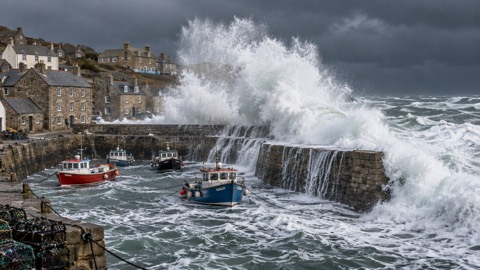
A named storm gives you an event to follow. For example, the Met Office named Storm Boelo on 22 October 2026 as strong winds were forecast for the northern UK, and repeated the advice to check and secure loose items outside the home.8 How the Met Office chooses storm names explains the naming process.
For what previous events meant for households and supplies, read about Storm Arwen, Storm Darragh in 2024 and Storm Boelo.
Securing your garden and home
Work through the garden before the wind arrives. The aim is to put away anything easily moved, secure larger objects and reduce the chance of something being blown into glazing.1
| Item or part of the property | What to do before high winds |
|---|---|
| Bins and plant pots | Move them to a secure place or secure them in position.3 |
| Garden furniture | Bring it inside or secure it in place.3 |
| Ladders and other loose objects | Secure them so they cannot be blown into windows or other glazing.1 |
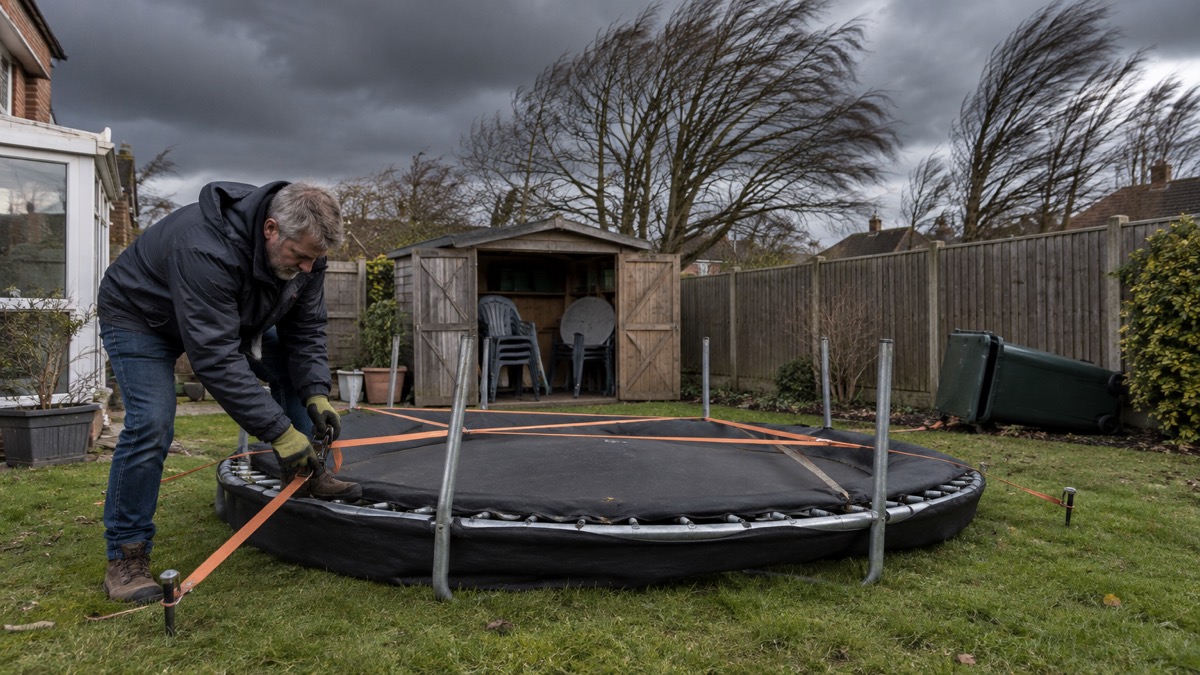
| Trampolines | Turn them upside down or secure them with tent pegs.3 |
| Sheds | Make sure the doors are locked.3 |
| Tents and fences | Check them and plan how they can be secured.7 |
| Roof tiles, fences and gutters | Check fences and roof tiles; clear gutters and fix broken tiles before damaging winds arrive.9 |
The Met Office describes clearing gutters, fixing broken tiles and moving garden furniture and pot plants into sheds or garages as small precautions that can help before damaging winds arrive. Its WeatherReady advice also includes checking fences and roof tiles and securing outdoor furniture.9
Do not leave loose-item checks until the storm is blowing. Once conditions deteriorate, follow the stay-indoors advice and leave any failed fixings or new damage until it is safe to check them.2
Getting ready for a power cut
High winds can disrupt electricity supplies, so prepare the household before the storm rather than searching for equipment in the dark. The Met Office notes that people cope better with power cuts when they have prepared in advance.11
- Keep a battery-powered radio and a torch with extra batteries to hand.2
- Charge mobile phones and laptops, and gather a mobile phone power pack and other essential items.11
- Know where your utility points are.2
- Make sure electric gates are open before the storm.12
- Speak in advance to vulnerable relatives, friends and neighbours and make sure they are prepared for power outages.13
For a planned cut affecting technology-dependent children, NHS guidance says to pre-heat the home, prepare to stay in a pre-warmed room and have extra layers of blankets and clothing ready if needed.14
The household power cut guide covers what to do when the supply fails. For equipment, see the household emergency kit, emergency lighting and backup power at home. Households with older, disabled or medically dependent members can also use the extra help guide.
Parking, travel and delaying journeys
Move vehicles before the wind strengthens. Park in a garage if you have one; otherwise park clear of buildings, trees, walls and fences.2
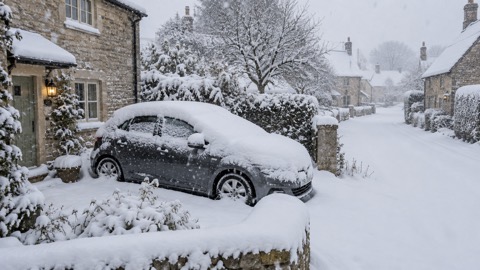
For journeys, the official advice is to avoid non-essential travel and allow extra time if you must travel. Plan the journey and check routes for delays and road closures.3 If you are uncertain whether to set out, use should I delay my journey in bad weather?.
If you are driving:
- Watch for debris in the road.15
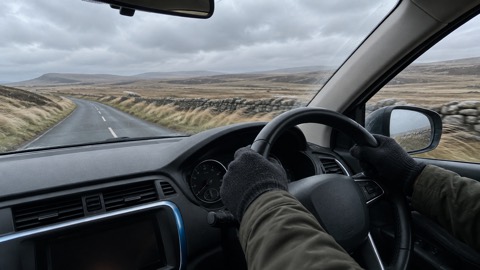
- Take particular care with trucks, buses, caravans and trailers. Scottish Borders Council warns that these vehicles are easily pushed or flipped by the wind.15
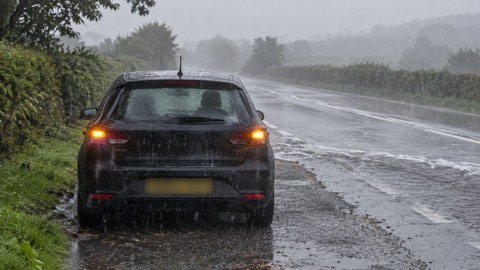
- Read how to drive safely in strong winds and, where heavy rain is also affecting the route, how to drive in heavy rain and avoid aquaplaning.
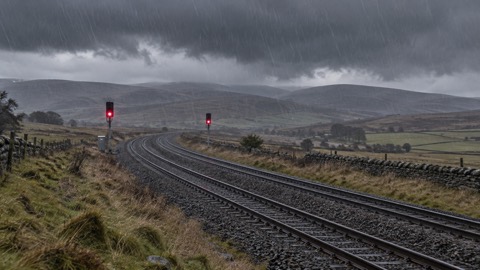
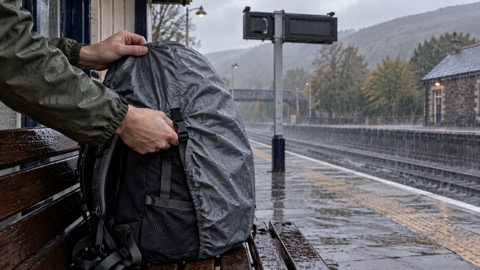
Storms and high winds can disrupt public transport. Ready Scotland advises preparing for delays and taking warm clothing, food and a hot drink.4 Check trains, buses and bridge closures in bad weather before leaving.
Thunderstorms and lightning
A thunderstorm forecast can also require the same loose-item checks as other high-wind warnings. Met Office thunderstorm advice names bins, plant pots, garden furniture, trampolines and sheds as items to check and plan to secure.16
Use the garden checklist above before conditions deteriorate: move portable furniture and pots, secure larger items and make sure shed doors are locked. Do not go back outside to deal with items once the storm is under way.2
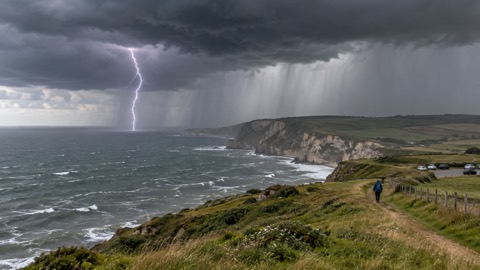
Wind preparation is only one part of thunderstorm safety. For what to do when lightning is the main risk, follow the dedicated lightning safety guide.
Coast, heavy rain and landslips
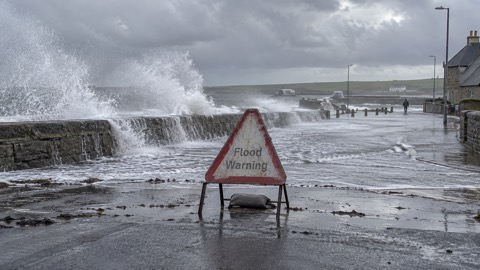
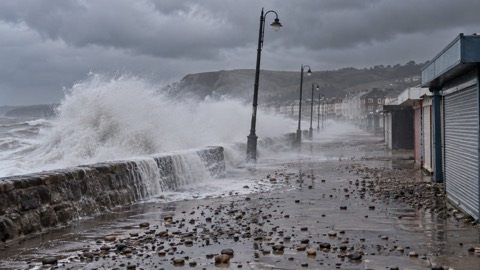
Storms are often accompanied by heavy rainfall and can cause widespread disruption and, in severe conditions, danger to life. They can also bring coastal flooding. Lancashire Prepared identifies exposed coastal communities as particularly at risk when strong winds off the Irish Sea coincide with high tides.5
Never walk or drive through flood water.5 If you get in trouble at the coast, dial 999 and ask for the Coastguard.17 Read staying safe on the coast in gales and high waves before visiting an exposed shoreline.
Where heavy rain creates a flood risk, nidirect advises preparing sandbags, floodboards or plastic covers to block doorways and airbricks. Know where to turn off electricity and gas, move valuable belongings to safety, check flood insurance and keep a list of useful contact numbers.18
Natural Resources Wales gives these actions for a flooding household:
- Get your flood kit and prepare to move people and pets to a safe place.
- Move important items and put flood gates in place.
- Move or weigh down large or loose items outside.
- Turn off gas, electricity and water.
- Move your car to higher ground.19
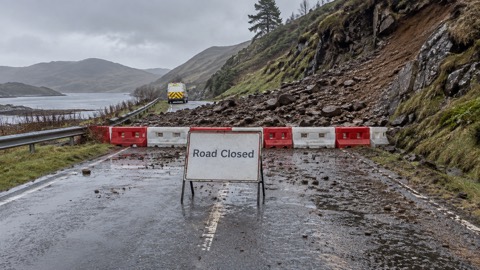
The household flooding guide covers preparation and response in more detail. If heavy rain has affected slopes or closed your route, see landslips after heavy rain.
Fallen cables and trees
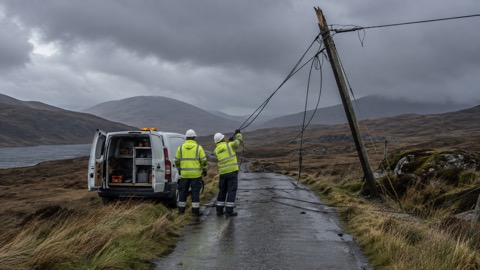
This applies after the wind has passed as well as during the storm. A cable on the ground or hanging loose is not something to move out of the way yourself. Keep clear and report it.2
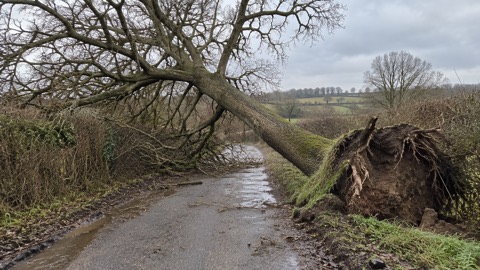
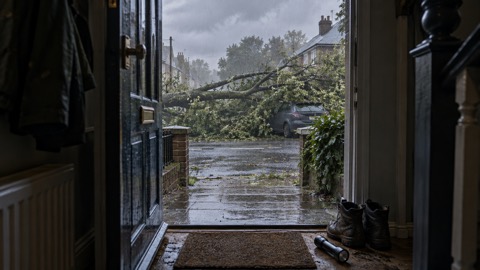
Trees require a separate response. If a tree is blocking a road, use how to report a fallen tree blocking a road. If you are concerned about a damaged tree near a road or property, dangerous trees: who is responsible and how to report one explains where to start.
Do not attempt outside repairs while the storm is still in progress, and do not walk or shelter too close to trees if you have to go out.2
After the storm: damage and repairs
Wait until it is safe, then check the property for damage and make sure any damage is secured.12 Work through the same areas you prepared: roofs, fences, sheds, garden items and the places where vehicles were parked.
- Check only when conditions are safe. Do not treat a lull during the storm as permission to begin repairs.2
- Secure damage where it is safe to do so. Official advice is to check for damage and make sure it is secured after the storm.12
- Keep clear of fallen or hanging cables. Report them rather than touching them.5
- Check on other people. Essex Prepared advises making sure vulnerable neighbours or relatives are safe and helping them make arrangements for repairs.20
If a neighbour needs help, start with their immediate safety and then assist with practical arrangements. Do not put anyone back outside into hazardous conditions to inspect or fix property.2
Insurance and help from your council
Check insurance before severe weather rather than after damage. For flooding, nidirect advises making sure your insurance provides cover against flood damage to property.21 For wind-related questions, including the points to check in a policy, read does home insurance cover wind and gale damage?.
Local preparation also includes checking on people who may struggle with a power cut or repairs. Cumberland Council advises speaking in advance to vulnerable relatives, friends and neighbours, advising them and ensuring they are prepared for power outages.13
Cumbria Prepared provides information on preparing a household for an emergency and being ready for winter and severe weather.22 For the practical local side of severe weather, including bins, care and support, see council help in severe weather.
Keep useful contact numbers with your household preparations, particularly where flooding is possible, so they are available when you need them.18
Who to contact
| Situation | Who or where to contact |
|---|---|
| You are in trouble at the coast | Dial 999 and ask for the Coastguard.17 |
| Electrical or telephone cables are down or hanging | Keep clear and report them to the emergency services or utility supplier.5 |
| You need the current weather risk | Check the forecast and Met Office warnings for your area.5 |
| A tree is blocking a road | Use the fallen tree reporting guide. |
| You need local emergency or severe-weather information | Check your local arrangements; Cumbria Prepared is one example of a local household information service.22 |
Before a storm, make sure vulnerable relatives, friends and neighbours know what to expect and are prepared for a possible power outage.13 After it passes, help them arrange repairs if required.20
For the wider household response, keep the power cut guide, flooding guide and emergency kit checklist with your preparations.
Sources (22)
- Be Prepared household emergency guidance, Lancaster City Council, 2026-10-26
- Severe weather: strong winds, West Yorkshire Prepared, 2026-10-29
- Keeping safe during high winds and heavy rain, North Yorkshire Fire and Rescue Service, 2024-01-22
- Storms and wind, Ready Scotland, 2026-03-24
- Storms and gales, Lancashire Prepared, 2026-10-29
- UK weather warnings, Met Office, 2026-10-24
- Accessible UK weather warnings, Met Office, 2026-10-24
- Storm Boelo named as strong winds forecast for northern UK, Met Office, 2026-10-22
- Community resilience and environmental hazards, Met Office, 2026-10-25
- Top tips to be WeatherReady, Met Office, 2026-10-25
- UK weather warnings: day one, Met Office, 2026-10-27
- Strong winds weather warning: information and advice, nidirect, 2026-10-24
- Staying safe in strong winds, Cumberland Council, 2026
- Power shortages and technology-dependent children, NHS North West Children's Operational Delivery Network, 2022-11-25
- High winds safety, Scottish Borders Council, 2026-10-29
- Stay safe in a thunderstorm, Met Office, 2026-10-25
- Preparing for an emergency: be ready, stay safe, act now, Sussex Resilience Forum, 2025-10
- Heavy rain weather warning: advice and information, nidirect, 2026-09-27
- What to do in a flood, Natural Resources Wales, 2026-10-29
- Storms, heavy rain and high winds, Essex Prepared, 2026-10-29
- Preparing for a flood, nidirect, 2025-09-11
- How we plan for emergencies, Cumberland Council, 2026
 Storm Arwen 2021
 Storm Boelo
 Coastal Safety in Gales
 Council Help in Severe Weather
 Dangerous Trees
 Storm Darragh 2024
 Landslips After Heavy Rain
 Lightning Safety
 How Storms Are Named
 Travel Disruption in Bad Weather
 Delaying Journeys in Bad Weather
 Reporting a Fallen Tree
 Driving in Heavy Rain
 Met Office Weather Alerts
 Driving in Strong Winds
 Wind Damage and Insurance
 Met Office Weather Warnings