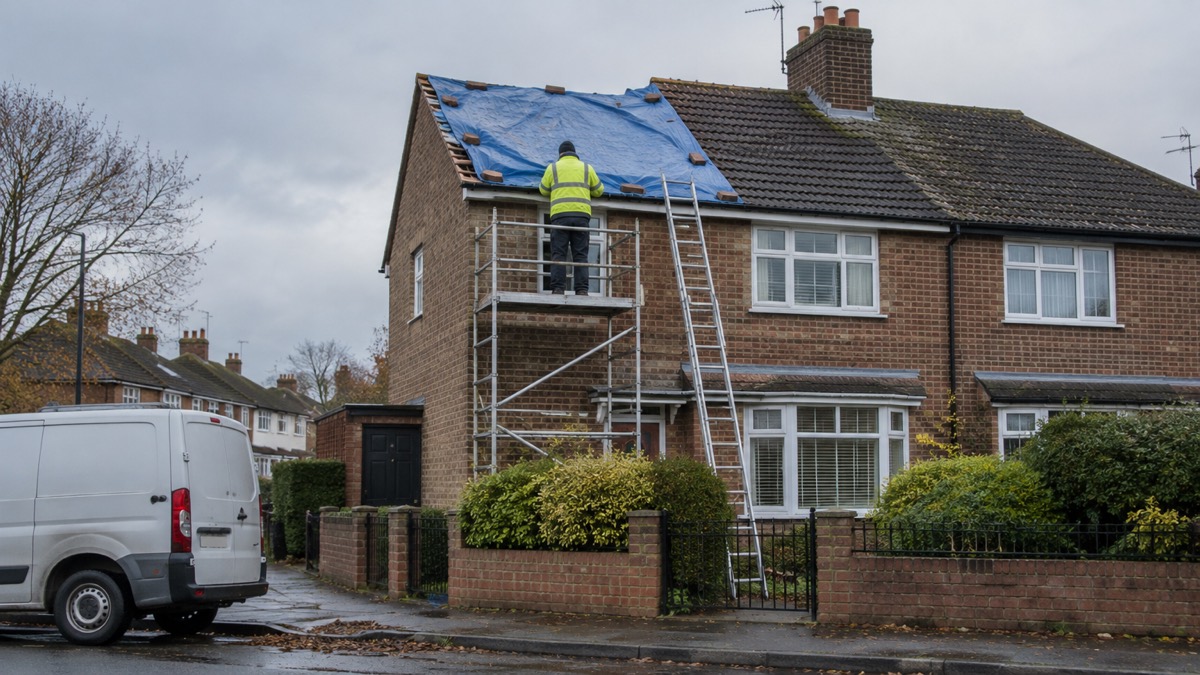
Most standard home insurance covers damage caused by storms and flooding, and so do most commercial business policies and comprehensive motor insurance1. That is the short answer to the question. The longer answer is that cover is not automatic for everything a gale touches: fences damaged by storms or flooding are not included as standard in most policies, and you need to know what your own policy says before the wind arrives, not after2.
A storm can bring significant damage to buildings and infrastructure, fallen trees, coastal flooding, power cuts and disruption to the transport network3. The majority of damage reports come from domestic dwellings, so the household is the front line4. The practical response has three parts: check your cover and keep your policy details to hand, stay indoors while the storm is in progress, and once it has passed, make safe, check on neighbours and contact your insurer.
Most standard home insurance covers storm damage
The starting point is reassuring. Damage caused by storms and flooding is covered by most standard home insurance and commercial business policies, and by comprehensive motor insurance1. If a gale takes tiles off your roof or a tree through a window, the likelihood is that your policy responds. But "most" is doing real work in that sentence, and the detail of your own policy is what decides a claim.
Two exclusions are worth knowing before you need them. Fences damaged by flooding or storms are not included as standard in most policies, so a blown-down garden fence is usually your own cost2. And most home insurance does not cover the environmental investigation and clean-up costs you could face if your own land, or the surface or groundwater within it, is polluted7. That second point matters if you heat your home with oil: most home insurance will cover the cost of replacing lost oil and any damage caused to the fabric of your home following an oil spill from a domestic liquid fuel heating system, but not the wider clean-up7.
If you rent, the split is different. If you own your own home, you should have both buildings and contents insurance; if you live in public or private rented housing, you should have contents insurance, and the landlord should have buildings insurance8. If you own a leasehold property, check whether the freeholder's insurance covers repair costs, and remember that buildings insurance should include flood risks9.
What to do during a storm to stay safe
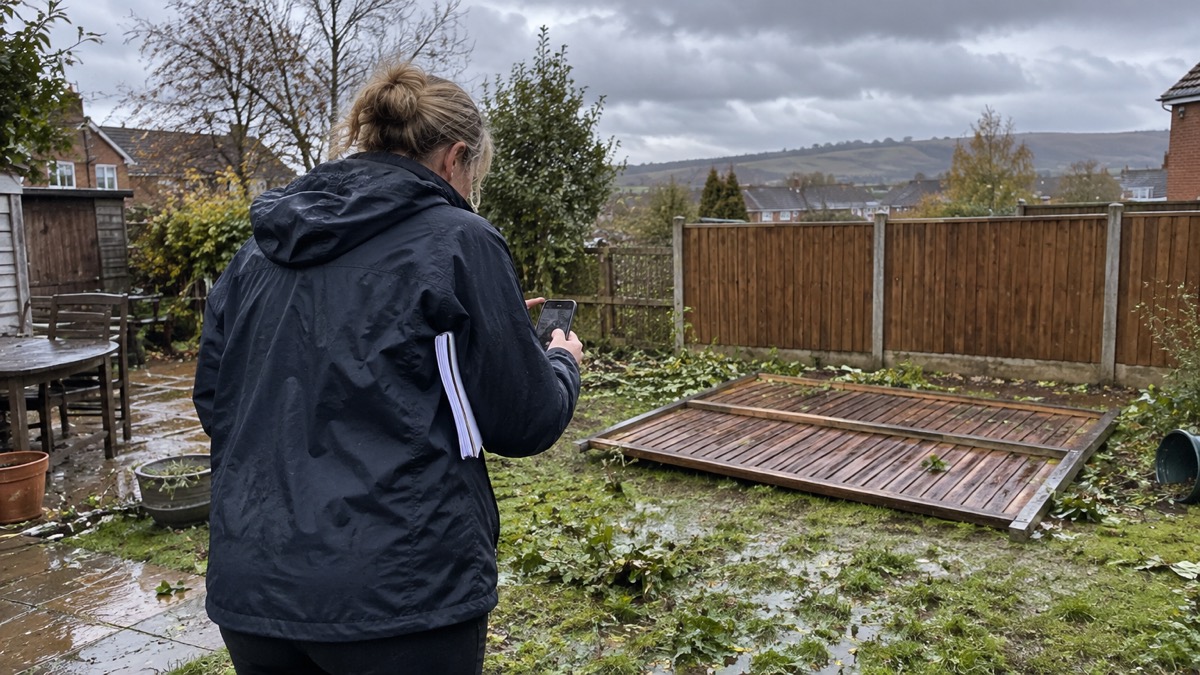
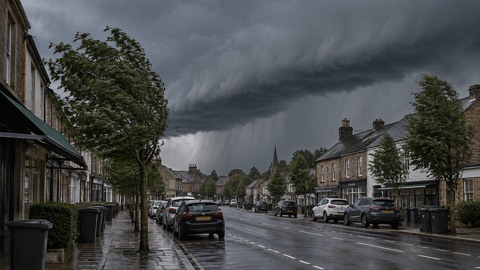
The core instruction is simple and repeated across official guidance: stay indoors as much as possible6. Storms can often be accompanied by heavy rainfall and have the potential to cause widespread disruption and even danger to life in severe conditions3. The safest place to be is inside, away from windows where practical, with the storm allowed to pass.
Stay informed as well. Look at the weather forecast and check the Met Office for weather warnings and details of risk in your area3. Warnings are not just about wind speed: impacts from weather warnings tend to include damage to property, travel delays and cancellations, loss of water supplies, power cuts and, in the most severe cases, a danger to life12. Our guide to Met Office weather warnings explains what each colour means for a household.
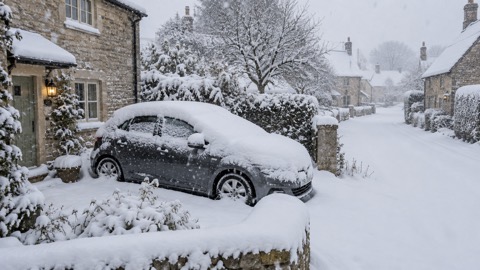
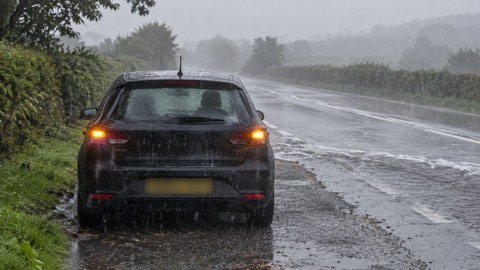
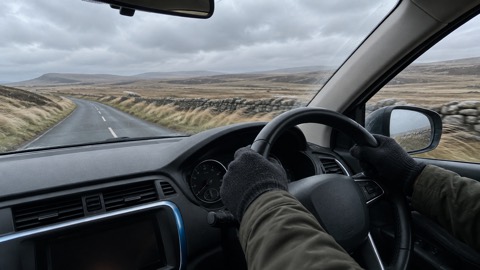
Travel is best avoided. Avoid non-essential travel, and if you must travel, allow extra time3. Never walk or drive through flood water3. If you do drive through water, always check your brakes afterwards13. Storms can also bring lightning, and lightning most often strikes people who work outside or do outdoor activities, so if you are outdoors when a storm arrives, get inside14.
Do not repair damage while the storm is in progress
Do not go outside to repair damage while the storm is in progress5. The Met Office gives the same instruction for the duration of the storm15, and it is repeated in the advice for households during a storm6. It is the clearest instruction in the whole of storm safety, and it exists because the instinct to save a fence or a shed is strong and the danger is not obvious until something falls.
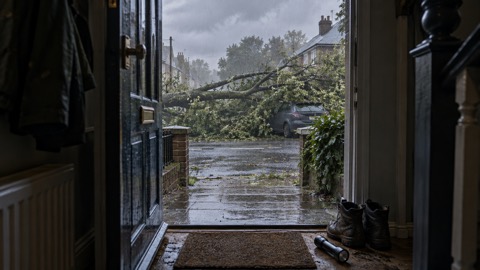
The second instruction is about cables. Be careful not to touch any electrical or telephone cables that have blown down or are still hanging, and report them to the emergency services or utility supplier3. Do not touch any electrical or telephone cables that have been blown down or are still hanging17. Power companies may be affected by fallen trees in storms knocking out overhead cables, or by high voltage underground cable faults, so a cable on the ground may still be live even if the lights are out18.
If you have a generator, it should not be run indoors or in a garage, and it should never be connected to your home's wiring by anyone other than a qualified electrician. Our backup power guide covers the safe options, and the power cuts guide explains what to expect when supplies fail.
After the storm: making safe and checking on others
Once the wind drops, the job changes from sheltering to checking. Check for damage and make sure any such damage is secured, when it is safe to do so6. That means looking at roofs, chimneys, gutters, fences and trees from the ground, and only going up or out to secure something once you are sure the worst has passed.
Then look outward. Make sure that any neighbours or relatives who might need additional support are safe and help them make arrangements for any repairs5. Older people, disabled people and anyone living alone may need practical help, and a short check-in can make a real difference. If you are making a flood plan, include whether you could offer to help vulnerable friends or neighbours19.
For the claim itself, contact your insurer as soon as possible20. If your home and belongings have been damaged, get in touch with your insurer, and if you live in a rented home, contact your landlord or property owner21. Check whether your insurance covers repair costs, replacement of damaged belongings, temporary accommodation and legal cover or advice9. Keep any damaged items and take photographs before you throw anything away, and do not start permanent repairs until your insurer has agreed.
| After the storm | What to do |
|---|---|
| Damage check | Check for damage and secure it when it is safe6 |
| Cables | Do not touch fallen or hanging cables; report them3 |
| Neighbours | Make sure vulnerable neighbours and relatives are safe5 |
| Insurer | Contact your insurer as soon as possible20 |
| Renters | Contact your landlord or property owner as well21 |
| Cover check | Confirm what your policy covers, including temporary accommodation9 |
Where storms do the most damage
Storm damage is not spread evenly. The majority of damage reports come from domestic dwellings, which is why household insurance is the policy that matters most4. Exposed areas such as coastal communities are more at risk, particularly when strong winds off the Irish Sea coincide with high tides3. Storms can also lead to severe inland flooding from rain, or along coasts from storm surges overtopping flood defences5.
The coast deserves particular care. Storms can change the landscape of some beaches, changing or damaging access points, or even creating new areas for rip currents22. If you get in trouble at the coast, dial 999 and ask for the Coastguard15. Our guide to staying safe on the coast in gales and high waves sets out how to read the sea and when to stay away.
Flooding is the other half of the storm risk, and the insurance question is the same. Check your household building or contents insurance covers flooding23. If your insurance does not cover flooding, Flood Re may be able to help24. Flood Re works by helping insurers to help householders at risk of flooding25. If you are preparing for a flood, make sure your insurance provides cover against flood damage to property26. It is essential that you ensure that your property's insurance covers damage from flooding27.
Where to get help
Help comes from several directions at once after a storm. Your insurer is the first call for damage to your home and belongings20. Your landlord or property owner is the first call if you rent21. The emergency services are for danger to life: only call for immediate help if there is risk to life during a storm28. For fallen power or phone cables, report them to the emergency services or utility supplier3. For trouble at the coast, dial 999 and ask for the Coastguard15.
For the wider picture, our storms, snow and ice guide covers the season as a whole, and preparing your home and garden for high winds sets out what to secure before the next gale. If you have older or disabled neighbours, the extra help in an emergency guide explains the support that exists, and community resilience covers how neighbours can organise together.
Sources (28)
- Emergency planning, Belfast City Council, 2026-10-29
- Emergency planning, Belfast City Council, 2026-10-29
- Storms and gales, Lancashire Prepared, 2026-10-29
- Stay safe in a storm, Met Office, 2026-10-25
- Storms, Prepare campaign, 2026-10-19
- Strong winds and heavy rain warning information and advice, nidirect, 2026-01-27
- Are you insured for a fuel tank leak?, OFTEC, 2026-10-29
- Flooding advice, Belfast City Council, 2026-10-29
- Housing help if your home is flooded, Somerset Council, 2026-06-04
- Weather and health, Public Health Wales, 2026-07-16
- During a flood, Nottinghamshire County Council, 2026-10-29
- Weather warnings guide, Wiltshire and Swindon Prepared, 2026-10-25
- Safe driving in winter, Nottinghamshire County Council, 2026-10-29
- 3 tips for staying safe in lightning - Met Office, Met Office
- Preparing for an emergency: be ready, stay safe, act now, Sussex Resilience Forum, 2025-10
- Storms and wind, Ready Scotland, 2026-03-24
- Storms, heavy rain and high winds, Essex Prepared, 2026-10-29
- Generators, Wiltshire and Swindon Prepared, 2026-10-25
- Keeping safe during high winds and heavy rain, North Yorkshire Fire and Rescue Service, 2024-01-22
- Advice for homeowners affected by flooding, Nottinghamshire County Council, 2026-10-29
- Flooding during a flood easy read, Nottinghamshire County Council, 2025-11-02
- Know the risks, RNLI, 2026-10-29
- Plan and prepare for floods, Westminster City Council, 2026-09-03
- How to prepare for flash flooding, London Assembly, 2026-10-25
- Flooding and health, Public Health Wales, 2026-07-31
- Preparing for a flood, nidirect, 2025-09-11
- Personal responsibility, Derbyshire County Council, 2026-10-29
- Flooding, Cornwall Fire and Rescue Service, 2026-10-29
 Flood Warning Checklist
 First Steps After a Flood
 Insurance Claim Records
 Delaying Journeys in Bad Weather
 Reporting a Fallen Tree
 Driving in Heavy Rain
 Met Office Weather Alerts
 Driving in Strong Winds