Water Harvesting: A Household Guide
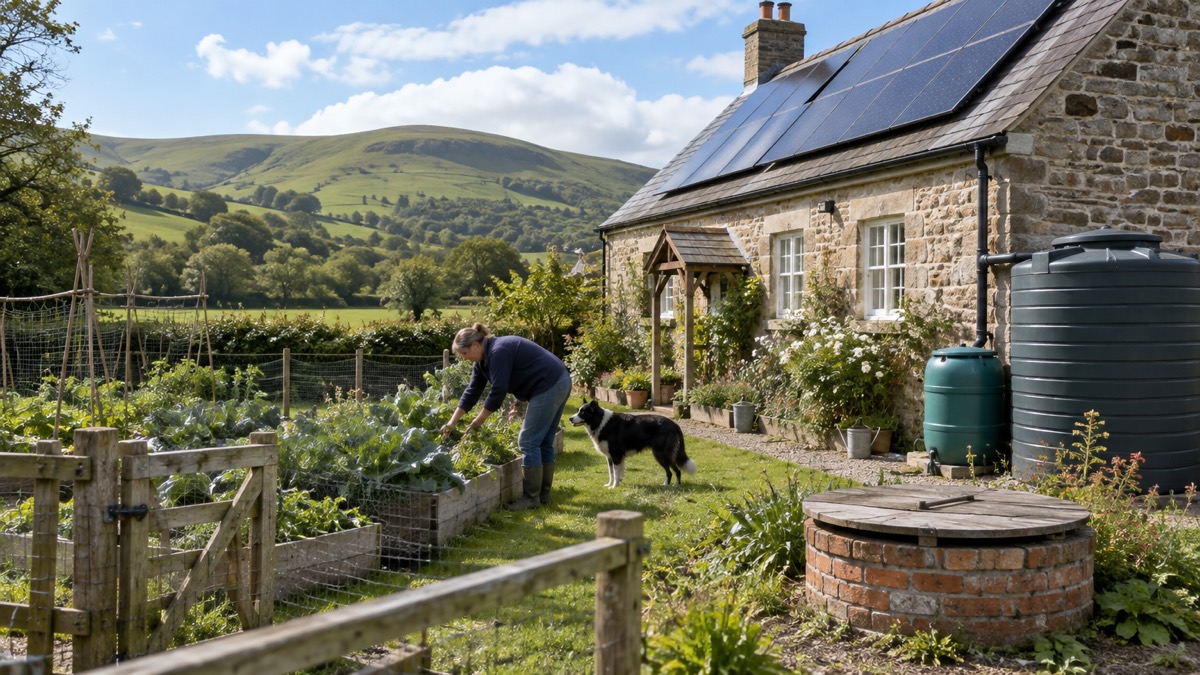
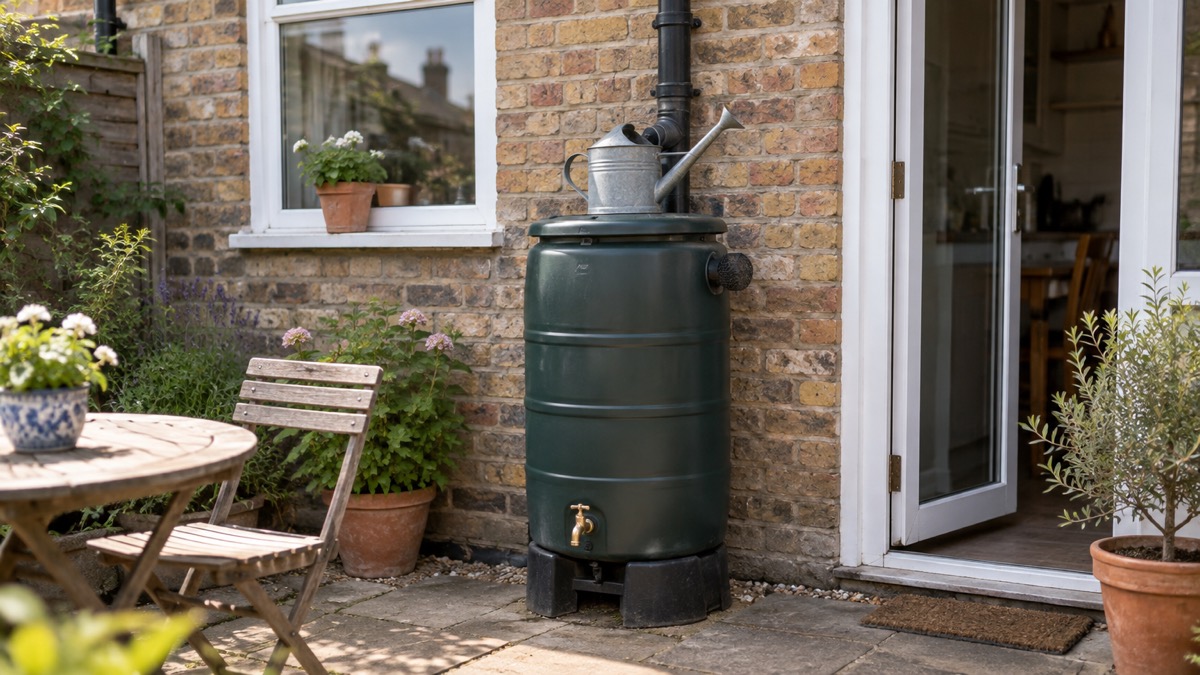
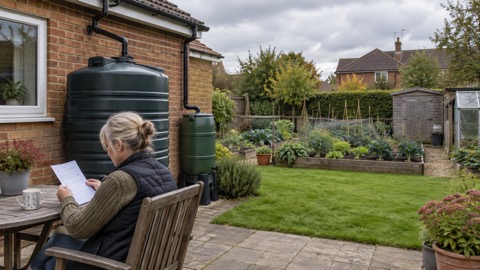
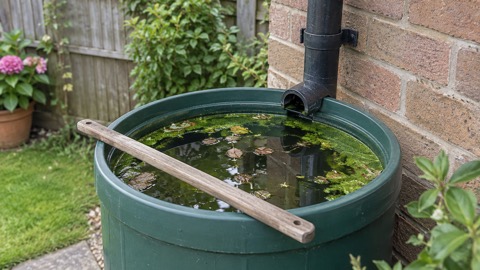
If you have an outside area, the government's Prepare campaign advises considering a water or rain butt to collect water. That is the simplest starting point for household water harvesting: it stores rain for later use without requiring a whole-house system.1
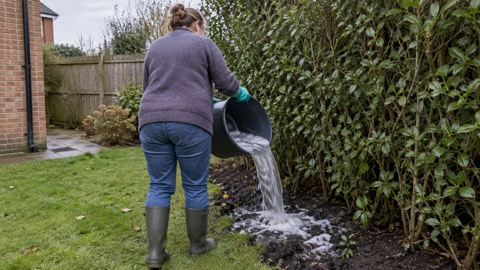
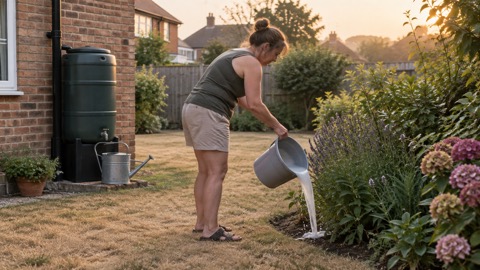
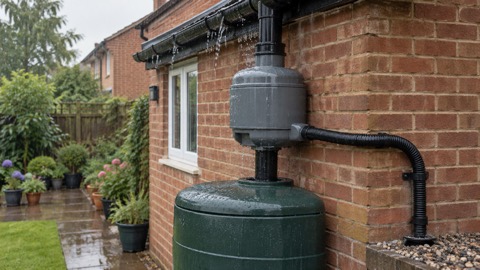
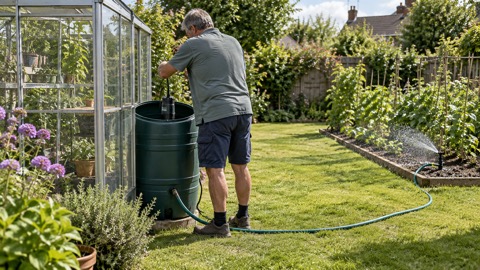
Thames Water advises using water butts to collect and store rainwater directly from gutters, then using it to water the garden in dry weather. This makes a butt useful both for everyday gardening and for conserving treated water when conditions are dry.2
For households with a private supply, Argyll and Bute Council also identifies grey water, for example water from a rainwater butt, for toilet flushing as a way to conserve drinking water. Rainwater harvesting can therefore support self-reliance, but its uses, treatment and plumbing limits matter.3
What rainwater can do for a household
A household system can retain rain that falls on a roof and make it available later. At its smallest, that means a butt connected to the guttering for garden watering. Larger systems can include storage, filtration, a pump or gravity feed, and distribution to non-drinking uses. The rainwater harvesting system guide explains the arrangement, while what harvested rainwater can be used for sets out the uses in more detail.
Water harvesting is only one part of household resilience. Derbyshire County Council describes personal flood resilience as protecting the home so that damage is limited and residents can return to living there in the shortest possible time after flooding. Its stated benefits include less damage and disruption, less time out of the home and greater peace of mind during heavy rainfall.7
Do not treat a water butt as a substitute for flood protection. Central Bedfordshire Council makes homeowners responsible for safeguarding their homes from flooding, including property-level protection, private drainage upkeep, and maintenance of cesspools and septic tanks.8
Practical flood measures identified by official guidance include:
- Self-closing air bricks, flood-resilient kitchens and flood barriers, listed in the government's Flood Performance Certificate announcement.9
- A sump or pump to remove water, together with non-return valves on drains and water inlet pipes so water can flow only one way, in nidirect's Northern Ireland guidance.10
- Plug sockets, boilers and service meters fitted higher on walls, from Surrey County Council's advice on returning home after flooding.11
These measures address water entering or damaging the building. Rainwater storage addresses later use of collected rain. Keep the two purposes distinct when planning work.
What stored rainwater can be used for
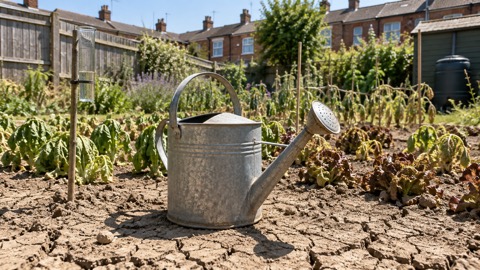
The clearest supported use is garden watering. Thames Water specifically recommends gutter-fed water butts for storing rainwater and using it in the garden during dry weather. The garden water needs guide and using rain and grey water in the garden take that planning further.2
| Proposed use | What a household should understand |
|---|---|
| Garden watering | Gutter rainwater stored in water butts can be used in dry weather2 |
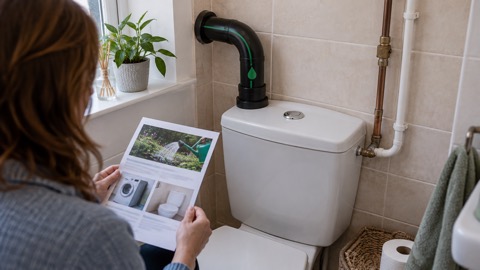
| Toilet flushing | Official private supply advice includes rainwater butt water as grey water for flushing, conserving drinking water3 |
| Drinking and cooking | Do not assume collected water is safe; source protection and suitable, maintained treatment are essential4 |
| Other domestic purposes | For private supplies, the regulatory definition includes drinking, washing, bathing, showering, laundry, toilet flushing and central heating; this definition is not permission to use untreated rainwater for all of them6 |
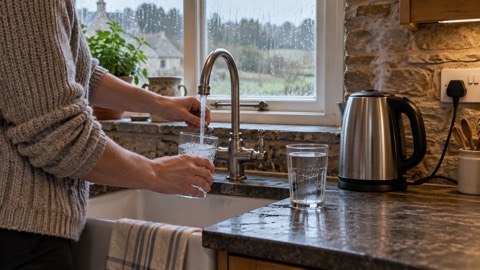
The drinking rainwater guide is the essential next read before any consumption. For emergency drinking-water planning more broadly, use the household water guide. Somerset Council expects a suitable treatment system to be installed and maintained on private supplies so the water is safe for human consumption.5
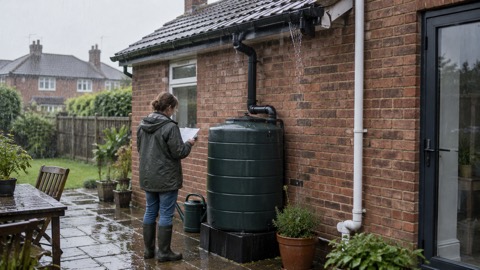
Storage and pipework also need to match the intended use. The potable and non-potable tank comparison explains tank terminology, while rainwater pipe and labelling rules covers distribution. If stored water develops an odour, colour or other change, do not assume it remains suitable; the stored rainwater and stagnation guide addresses that question.
Starting with a water butt
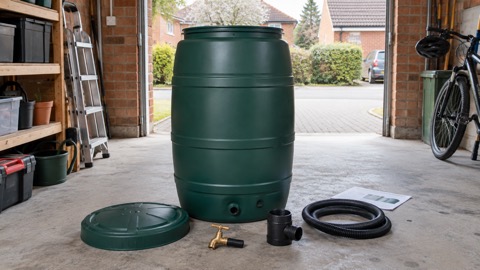
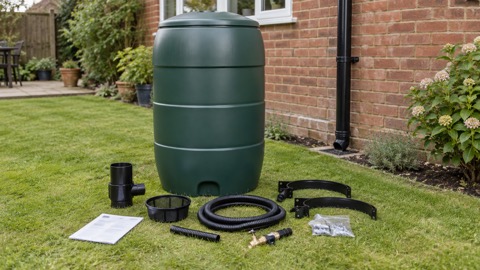
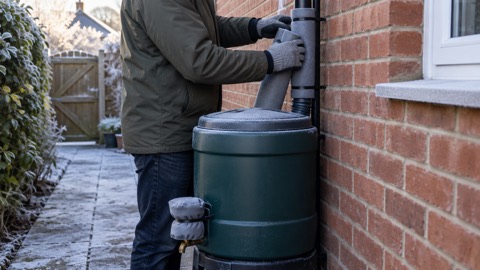
Start with the outside area and guttering you already have. The Prepare campaign's advice is deliberately modest: if there is an outside area, consider a water or rain butt. The water butt sizes and fittings guide and garden harvesting kit checklist help turn that into a practical setup.1
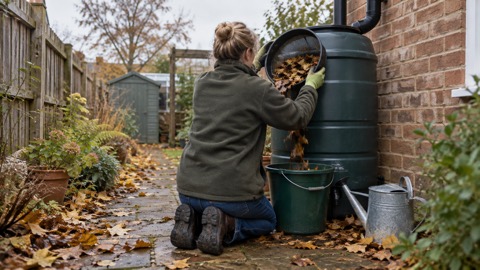
- Identify the collection area. Thames Water describes collecting rainwater straight from gutters.2
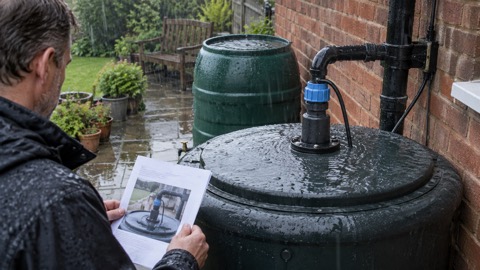
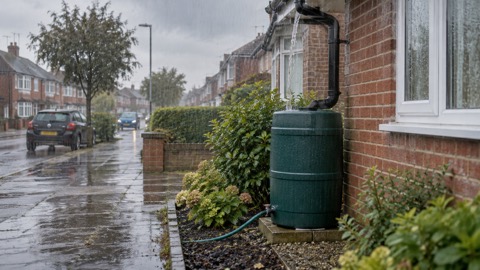
- Plan the downpipe connection. Use the downpipe connection guide rather than improvising a connection.
- Reduce contamination at the roof. The Drinking Water Inspectorate advises removing or avoiding roof-mounted aerials and overhanging trees in the collection area, discouraging birds from perching there, and considering diversion of the first flush to waste.4
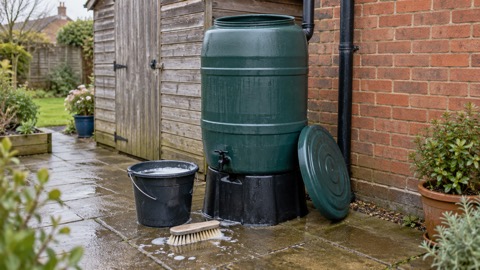
- Plan debris removal and cleaning. See how to clean a water butt before the container becomes difficult to maintain.
A North Yorkshire resident quoted in the Community Risk Register described the household benefit beyond gardening:
"Having a water butt with water that can be used for loo flushing is very helpful too"
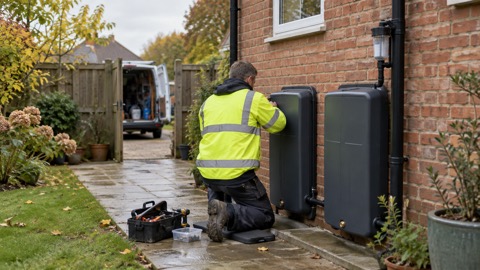
For equipment detail, the 3P Filter Collector and Tank Connector Kit and Multitank Rainwater Wall Tank pages cover particular fittings and formats. They are examples of available approaches, not recommendations for every property.
Choosing and sizing a tank
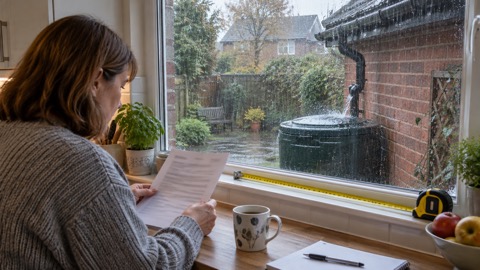
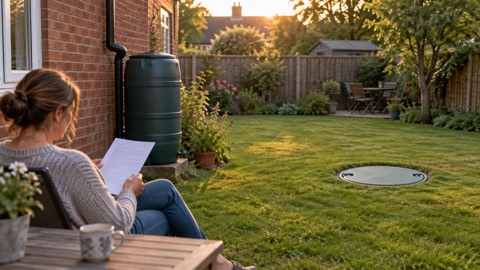
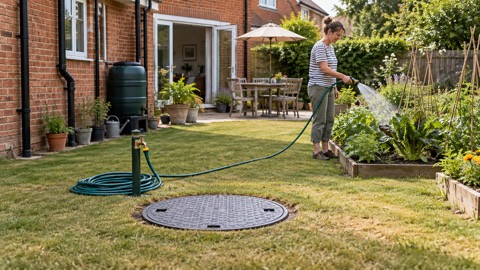
Choose by location, intended demand and system layout, not by capacity alone. The tank sizing guide brings roof area, rainfall and demand together. For a small garden setup, compare a butt with buried storage using water butt or underground tank.
| Storage approach | Where to look next |
|---|---|
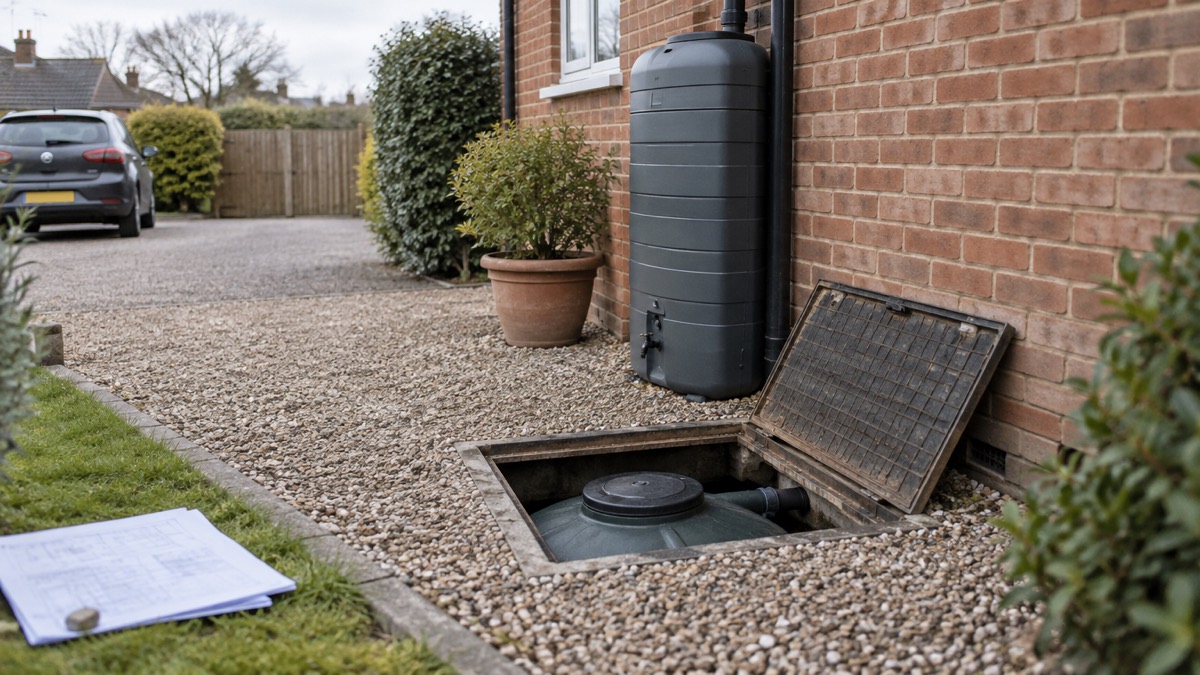
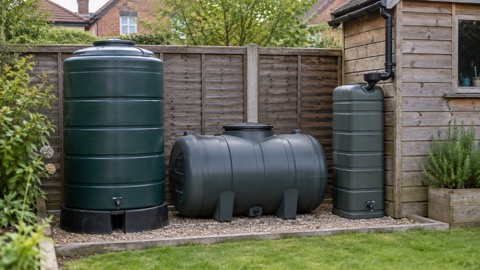
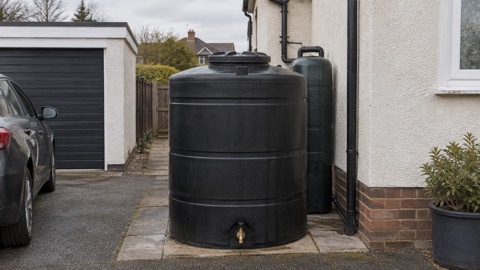
| Above-ground, including vertical, horizontal and slimline formats | Above-ground tank types |
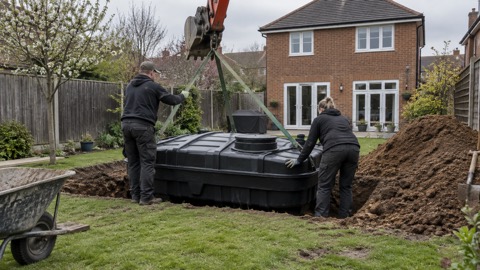
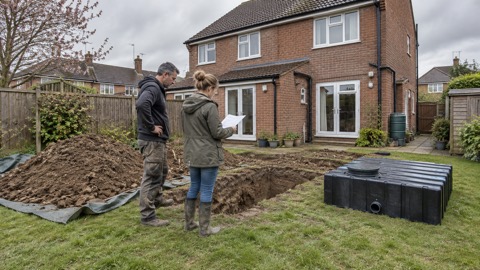
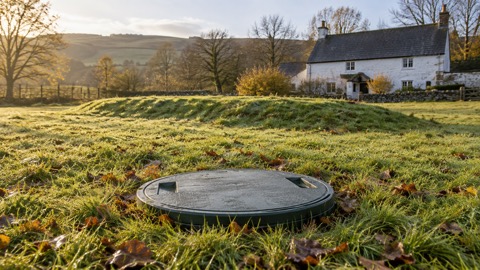
| Underground storage | Underground tank designs and excavation depth |
| A named garden system example | Graf F-Line 5000 Litre Garden System |
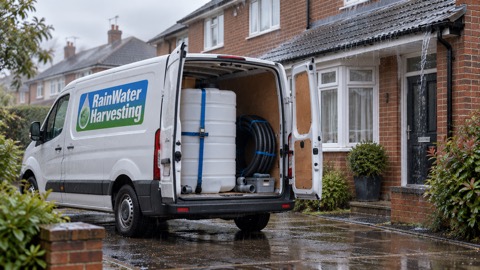
Published case studies show how widely household installations can differ. In 2024, a Cambridgeshire homeowner had a 3000 litre gravity feed system installed to reduce mains water use.13 In 2023, an Uttoxeter newbuild received a 7500 litre direct feed system with an integral pump, filter, control unit and level sensor.14 These are individual installations, not evidence that either capacity suits another home.
Whole-house systems, pumps and filters
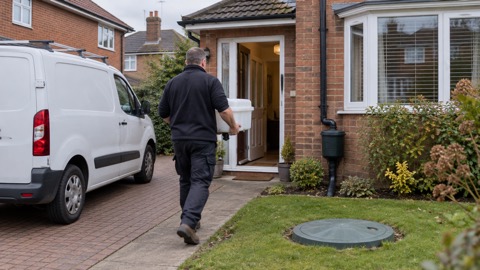
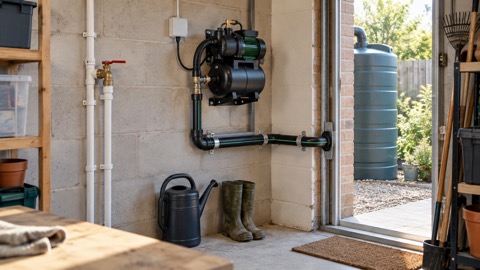
A whole-house arrangement adds collection pre-treatment, storage and a way of delivering water to the intended outlet. The Uttoxeter case study illustrates a direct feed arrangement with an integral pump, filter, Back-Up-In-A-Box control unit and Acculevel sensor. The Cambridgeshire example used gravity feed.13
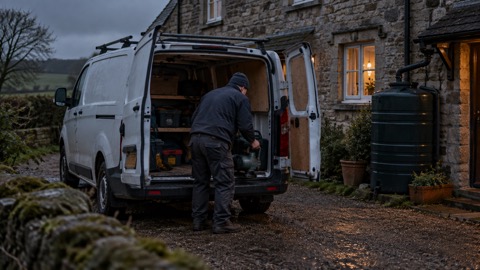
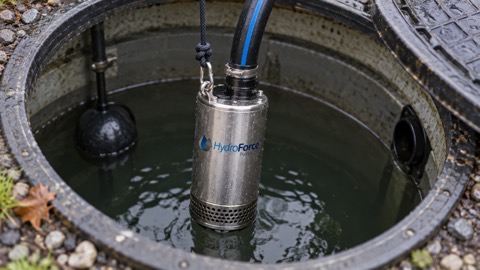
Use the direct and gravity feed comparison to understand those layouts. Component guides cover rainwater pumps, rainwater filters and whether a system works in a power cut. Product-specific pages include the HydroForce Series 3, HydroForce Series 4, Gardena Rain Water Tank Pump 4000/1, Graf Optimax-Pro Filter and Enduramaxx rainwater filter kit.
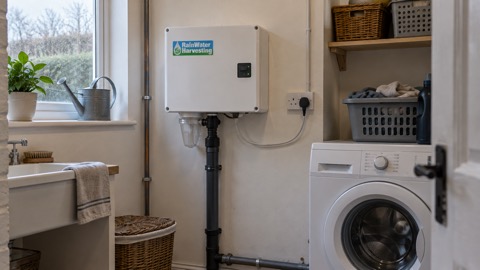
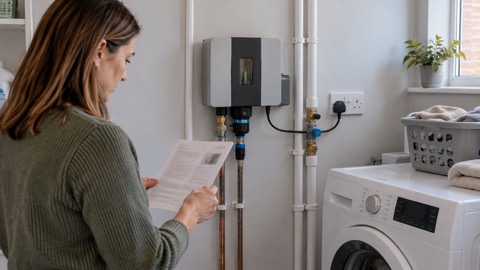
Control and backup components are covered by the Rain Director, Rain Backup in a Box, Smart Header Tank, Rain Acculevel gauge and Rain Activ Dual Garden System pages.
For private supply networks, the Drinking Water Inspectorate provides both a guide to storing water for domestic purposes and a checklist for common challenges.16
Keeping a system clean through the year
Maintenance begins at the catchment, not only inside the tank. The Drinking Water Inspectorate's rainwater harvesting advice is to remove or avoid roof-mounted aerials and overhanging trees, discourage birds from perching on collection areas, and consider sending the first flush to waste.4
| Area | Action supported by official guidance |
|---|---|
| Roof collection area | Avoid aerials and overhanging trees; discourage perching birds4 |
| Incoming rain | Consider diverting the first flush to waste4 |
| Storage | Use the Inspectorate's domestic water storage guide and common-challenges checklist16 |
| Treatment | Install suitable treatment and maintain it where a private supply is used for human consumption5 |
The year-round rainwater maintenance guide and winter checklist provide the dedicated routines. Keep the water butt cleaning guidance with the system information so debris control is not forgotten.
Do not respond to a change in water by relying on appearance alone. Highland Council lists changes in water colour among the issues that can affect private supplies, alongside animal waste, fertiliser or pesticide runoff and high mineral levels. It warns that these issues can make water unsafe to drink.17
Rainwater in a drought or heavy rain
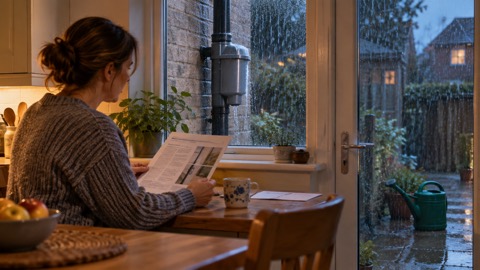
Dry weather increases the value of stored garden water, but it does not create an unlimited supply. Thames Water's advice is specifically to use butt-stored rainwater on the garden in dry weather.2 In August 2026, water companies introduced temporary use bans, commonly called hosepipe bans, across England. Check current local restrictions and use the household drought guide for the wider response.18
Private supplies need particular attention. Natural Resources Wales warns that prolonged low rainfall can make groundwater levels exceptionally low, causing springs to dry up or pumps to run dry. It advises considering a deeper well or borehole and installing storage tanks for dry-weather resilience.19 Its Welsh guidance also says to monitor levels or spring flows regularly, abstract steadily and at as low a rate as possible, and use water efficiently.20
Heavy rain creates a different problem. It does not remove the need for property flood resistance, drainage maintenance or safe return-home checks. Keep harvested-water pipework and flood measures within the same household plan, but assess their purposes separately.8
Private water supplies: wells, boreholes and springs
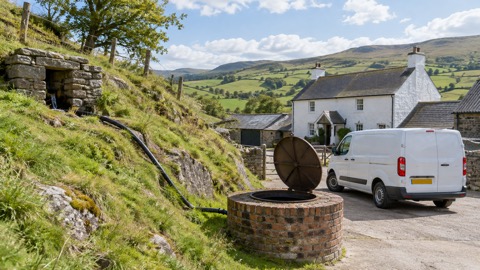
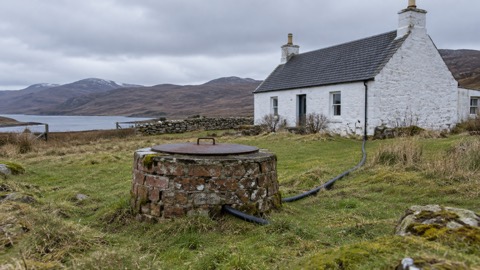
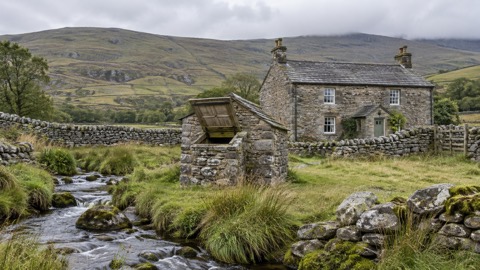
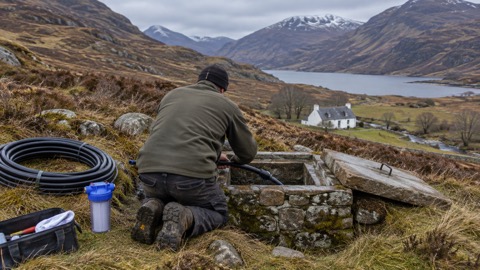
A private water supply is any supply not provided by a water company or utility. Somerset Council lists possible sources as a spring, well, borehole, river, stream or pond. A supply may serve one property or many properties through pipes and reservoirs.5
| Supply situation | Key point |
|---|---|
| Single domestic dwelling | Cumberland describes this as one home with no business use; detailed rules depend on the supply and occupation6 |
| Several properties | A private supply can serve many properties through a network5 |
| Rural location | Highland Council says most private supplies are in rural areas without mains water17 |
| Mixed collection | Argyll and Bute includes lochs, burns, springs, wells, rivers, ponds, boreholes and even rainwater collection, or combinations22 |
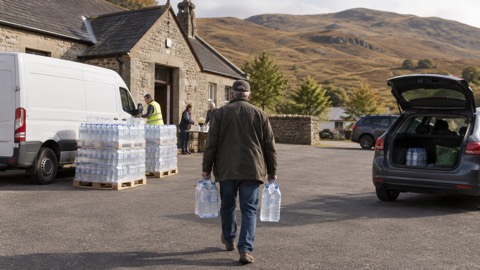
Somerset Council reports calls each summer from users whose springs, wells or boreholes have dried up, sometimes for many months. The private supply insufficiency guide covers that situation.5
If you plan to abstract more than 20 cubic metres per day, Somerset advises checking Environment Agency abstraction licence guidance.5 For a purchase, use buying a house with a private supply. Visitors should read staying somewhere with a private supply, while Scottish households have the dedicated Scottish private supply guide.
Keeping a private supply safe
Start with the regulatory category. The Drinking Water Inspectorate says a domestic supply serving two or more dwellings or other properties must be risk assessed every 5 years and regularly tested by the local authority; testing frequency depends on supply type.6
For a single dwelling, assessment and testing are generally not required unless requested by the owner or occupier, certain rented-dwelling conditions in Wales or England apply, or the local authority believes there is a health risk.6 Separately, the Inspectorate says local authorities must risk assess each private supply except supplies to single untenanted dwellings. Argyll and Bute warns that a single domestic supply may not have been sampled and that it has no current plans to sample unless a problem is drawn to its attention.22
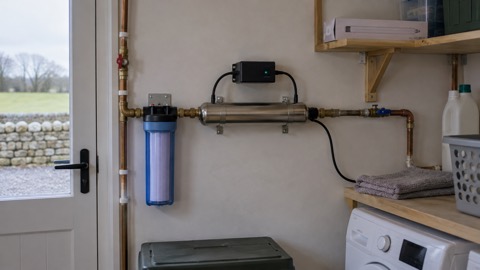
The private supply regulations guide explains these responsibilities. Treatment is addressed in UV, filters and spring protection.
Official improvement examples from Somerset Council include:
- Fencing the source or collection tanks.
- Drainage ditches to prevent groundwater run-off.
- Repairing collection chambers and fitting tight lids.
- Clearing overgrown vegetation.
- Repairing leaking pipes and taps, replacing lead pipe and installing appropriate treatment.5
Protect the wider catchment too. The Drinking Water Inspectorate says to prevent manure storage or spreading within 50 metres of the water source, and to limit or control recreational use near surface-water intakes.4 Scottish Borders Council advises diverting rainwater run-off away from the supply, for example with a small ditch.24
If the supply runs low, reduce use and consider where drinking water will come from if it stops.3 NHS Inform says a grant may be available for improvements; the Scottish private water supply grant guide explains that route.21
Composting toilets and grey water
Off-mains sanitation and water harvesting meet at two points: reducing flushing demand and preventing pollution. Argyll and Bute identifies grey water, including rainwater butt water, for toilet flushing as a way to conserve drinking water.3 That is the supported use on this page; disposing of grey water without mains drainage covers disposal separately.
The Drinking Water Inspectorate lists discharges from septic tanks and soakaway systems among potential sources of private supply pollution, alongside farming and heating-oil spills.23 Homeowners are also responsible for maintaining cesspools and septic tanks under Central Bedfordshire's flood-protection guidance.8
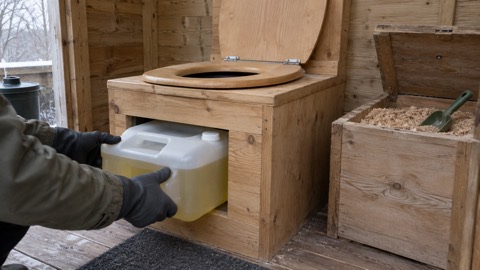
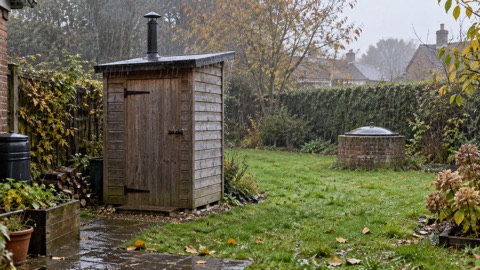
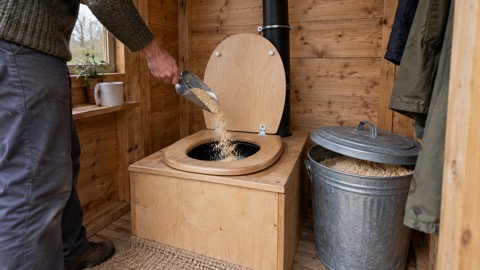
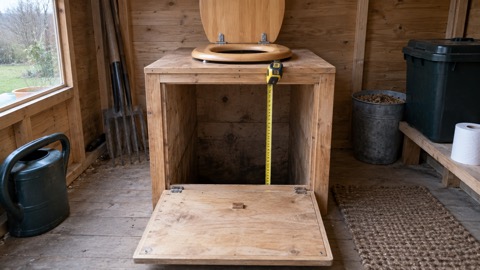
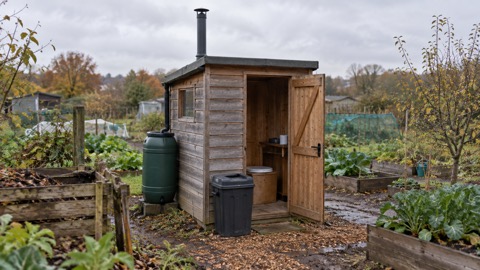
For the sanitation choice itself, start with composting toilets and how to choose one and the composting toilet or septic tank comparison. Practical details are separated into the kit checklist, chamber size per person, distance from wells and supplies and fly prevention. Do not infer a safe siting distance from the 50 metre manure rule: that rule concerns manure near a water source, not composting-toilet placement.4
Rules, permissions and where to get help
Three different rule sets can matter: abstraction, private supply regulation, and the physical installation. Above 20 cubic metres of abstraction per day, check the Environment Agency licence guidance identified by Somerset Council.5 For risk assessments and testing, use the supply categories set out by the Drinking Water Inspectorate rather than assuming every rural home is treated identically.6
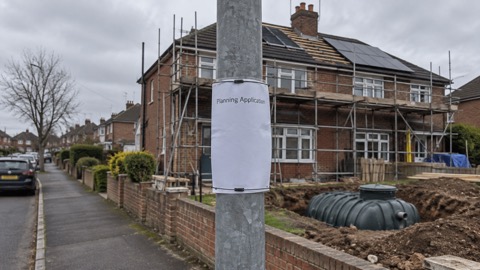
The rainwater regulations guide covers BS 8551, water fittings rules and mains top-up. For tanks, toilets and related works, use planning permission and building regulations before committing to an installation. This overview does not assert that every tank or toilet needs permission; the answer depends on the work and property.
Help with the home can also depend on tenure:
- Owner occupiers: You may be able to obtain support from an accredited home improvement agency or handyperson service through First Stop Care Advice for older people, or Home Improvement Agencies.25
- Social housing residents: Possible routes include the local council, an accredited agency or handyperson service, the social letting agency or the social housing provider.25
- Private renters: The government's checklist identifies the private landlord as a source of help and support.26
For the wider household plan, keep water harvesting alongside an emergency kit, emergency water arrangements and getting-started guidance. Households growing food can connect water planning with vegetable growing, while those considering energy independence should treat off-grid solar as a separate design task, particularly where pumps and controls rely on power.
Sources (30)
- Water supply interruptions or outages, Prepare campaign, 12 October 2026
- Hydraulic flooding and water butts, Thames Water, 28 October 2026
- Loss of supply advice for private water users, Argyll and Bute Council, 2026
- Protecting your private water supply, Drinking Water Inspectorate, 28 October 2026
- Private water supplies, Somerset Council, 12 August 2026
- Buying a dwelling with a private water supply, Drinking Water Inspectorate, 28 October 2026
- Personal resilience to flooding, Derbyshire County Council, 29 October 2026
- Homeowner flood protection responsibilities, Central Bedfordshire Council, 2026
- Flood Performance Certificates announcement, GOV.UK, 13 October 2026
- How to protect your home from flooding, nidirect, 18 December 2025
- Getting back into your home following flooding, Surrey County Council, 28 October 2026
- Community Risk Register 2025, North Yorkshire Council, February 2025
- Domestic 3000 litre gravity feed case study, Rainwater Harvesting Limited, 2024
- Domestic 7500 litre direct feed case study, Rainwater Harvesting Limited, 2023
- Tucson pump product recall, GOV.UK, 8 October 2025
- Private supply networks, Drinking Water Inspectorate, 3 September 2025
- Private water supplies, Highland Council, 10 October 2025
- Why water butts are so popular, Rainwater Harvesting Limited, August 2026
- Drought planning and management, Natural Resources Wales, 29 October 2026
- Drought planning and management in Wales, Natural Resources Wales, 29 October 2026
- How to stay safe during a drought, NHS Inform, 12 May 2026
- Private water supplies in Argyll and Bute, Argyll and Bute Council, 2026
- Protection of drinking water sources, Drinking Water Inspectorate, 4 November 2026
- Private water supply resilience and source protection, Scottish Borders Council, 29 October 2026
- Beat the heat: keep cool at home checklist resources, GOV.UK, 21 July 2026
- Beat the heat: keep cool at home checklist, GOV.UK, 21 July 2026
- How to prepare for flash flooding, Greater London Authority, 2026-10-25
- What to do in a flood, Natural Resources Wales, 2026-10-29
- Stay safe in heavy rain, Met Office, 2026-10-28
- During a flood, Nottinghamshire County Council, 2026-10-29
 Above-Ground Rainwater Tanks
 Composting Toilets
 Direct vs Gravity Feed Systems
 Planning Permission for Systems
 Private Water Supply Running Low
 Private Water Supply Regulations
 Private Water Supplies Scotland
 Treating a Private Water Supply
 Rainwater Filter Types
 How Rainwater Harvesting Works
 Rainwater System Maintenance
 Pumps for Rainwater Tanks
 Rainwater Systems and the Law
 What Harvested Rainwater Is For
 How to Size a Rainwater Tank
 Underground Rainwater Tanks
 Water Butts
 Composting Toilet Near Wells
 Flies in a Composting Toilet
 Composting Toilet Chamber Size
 Is Harvested Rainwater Safe
 Garden and Lawn Water Needs
 Grey Water Disposal Off Mains
 Rain and Grey Water in Garden
 House With a Private Supply
 Rainwater Pipe Types and Labels
 Private Water Supply Visitors
 Rainwater Systems in a Power Cut
 Does Stored Rainwater Stagnate
 Underground Tank Dig Depth
 Cleaning a Water Butt
 Connecting a Water Butt
 Composting Toilet Kit Checklist
 Garden Harvesting Kit Checklist
 Rainwater Winter Checklist
 Composting Toilet vs Septic Tank
 Potable vs Non-Potable Tanks
 Water Butt or Underground Tank
 Private Water Supply Grant
 Enduramaxx Rainwater Filter Kit
 GARDENA Tank Pump 4000/1
 HydroForce Series 3 Clean Water Pump
 HydroForce Series 4 Pump
 Multitank Rainwater Wall Tank
 Rain Activ Dual Garden System
 Rainwater Harvesting Rain Backup
 Rain Director
 Rainwater Harvesting Header Tank