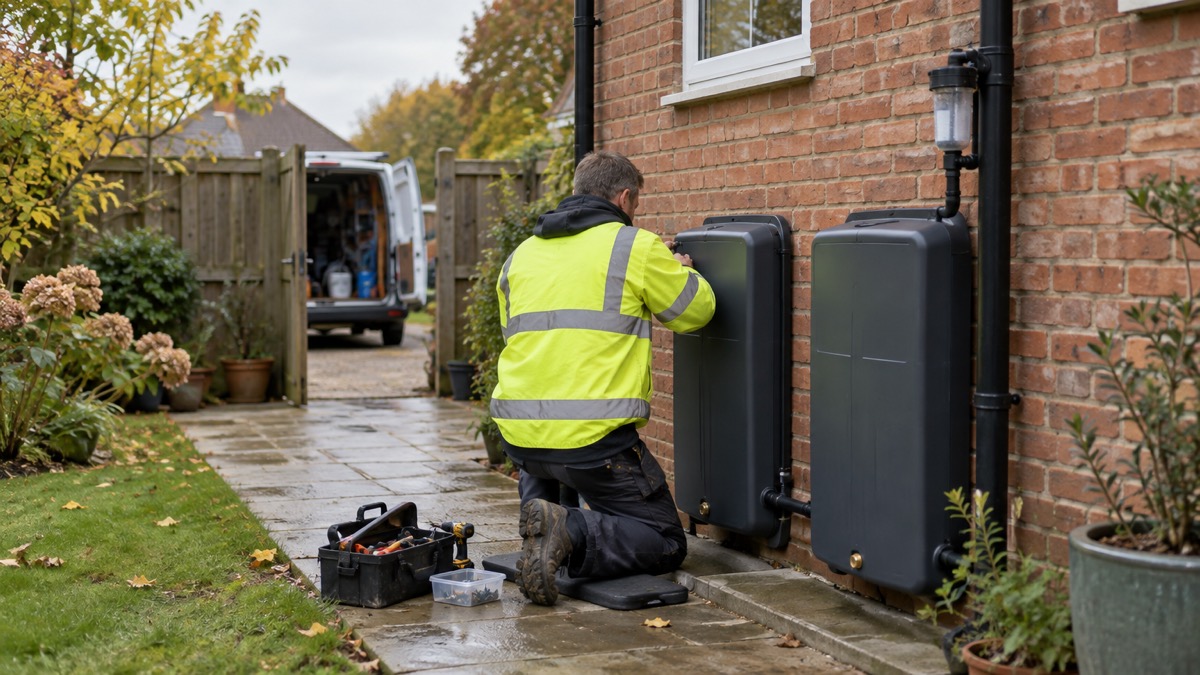
The 2 x 250 Litre Multitank Rainwater Wall Tank is a pair of slim tanks that hang against an outside wall and fill from a downpipe, giving a combined 500 litres of stored rainwater without taking up the footprint of a conventional water butt1. Each tank measures 790mm wide, 380mm deep and 1050mm high, so the pair runs along a wall rather than out into the garden1. For a household getting ready for a dry spell, a hosepipe ban or a supply interruption, that is a useful reserve for the garden and for non-drinking uses, kept off the ground and out of the way.
The kit arrives ready to install, with a downpipe filter, a tank to tank connector and a filter to tank connector, plus ¾-inch threaded connections on both the front and the back for taps or hose fittings1. It is designed to be expandable and a connector is provided, so you can add capacity later1. The maker recommends emptying the water in the tanks during the winter period, and fits a side outlet for thorough drainage before frost sets in1.
This page covers what the kit includes, its size and capacity, how it connects to your downpipe and to further tanks, and how to look after it through the year. It is one option among several for storing rainwater at home; the wider choices are set out in Rainwater Harvesting at Home: How a System Works.
What the 2 x 250 Litre Multitank kit includes
The kit is supplied as two tanks with the parts needed to link them and to take water from a downpipe. The maker lists a downpipe filter, a tank to tank connector and a filter to tank connector, and describes the set as ready to install1. The downpipe filter is listed as an option chosen above, so check which filter you have selected when you order1.
The tanks come in anthracite or concrete-gray finishes, and the front faces are textured with two motifs, stone and slate, so the pair reads as a wall feature rather than a pair of barrels1. Each tank has ¾-inch threaded connections on both the front and the back for taps or hose fittings, and a side outlet for draining1.
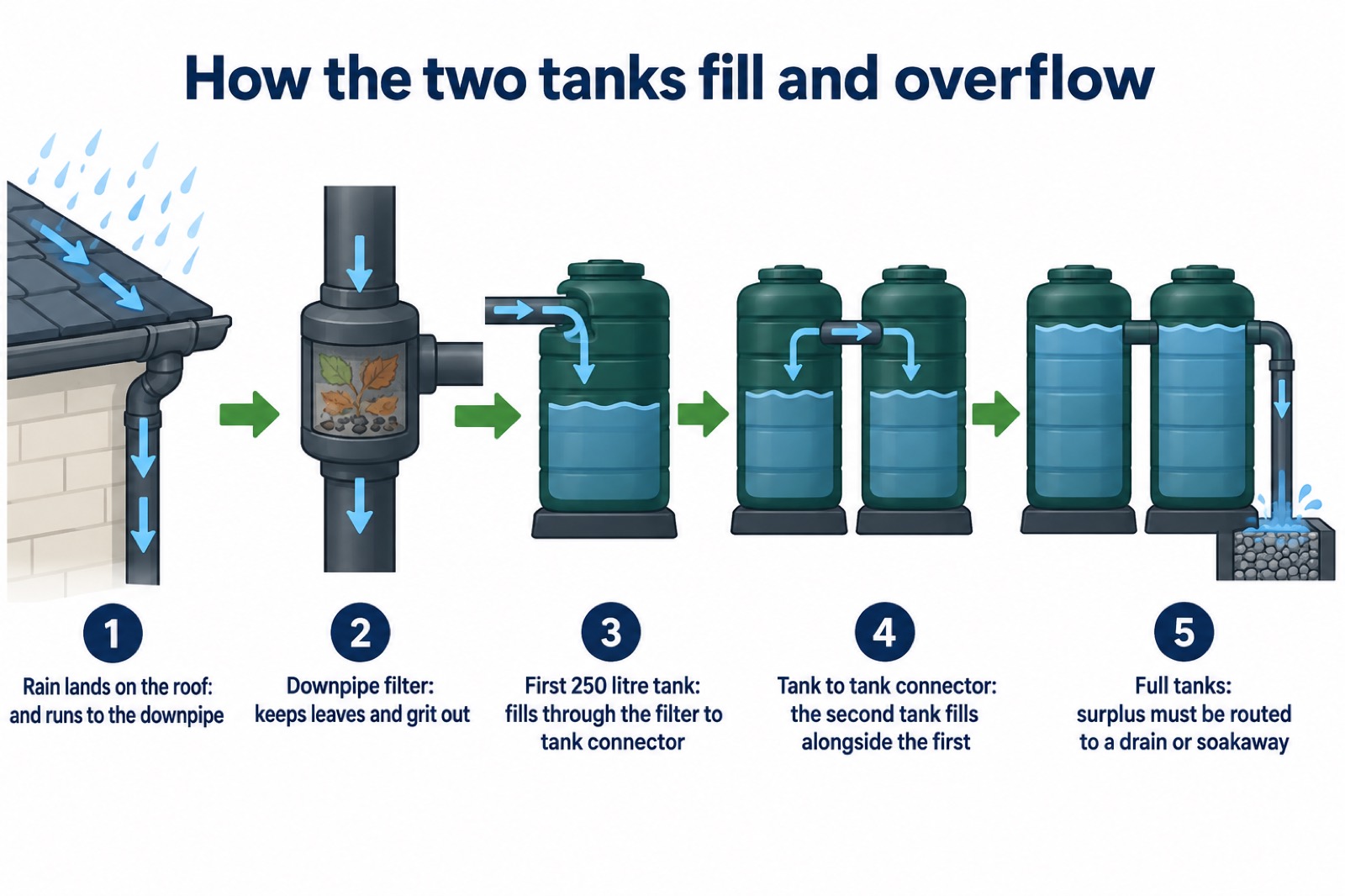
- Downpipe filter: keeps leaves and grit out of the stored water before it enters the tank1
- Tank to tank connector: joins the two tanks so they fill and draw as one body of water1
- Filter to tank connector: carries filtered water from the downpipe into the first tank1
- Front and back tappings: ¾-inch threaded, for a tap or hose fitting1
- Side outlet: for emptying the tank completely before frost1
A filter is not a luxury on a rainwater tank. Water that sits with leaves and grit in it is harder to keep clean, and the maker's own guidance on tank care is to clean and disinfect any tank before you draw water from it2. The filter reduces what gets in; it does not remove the need to check and clean.
Capacity and size: 500 litres in two 790mm wide tanks
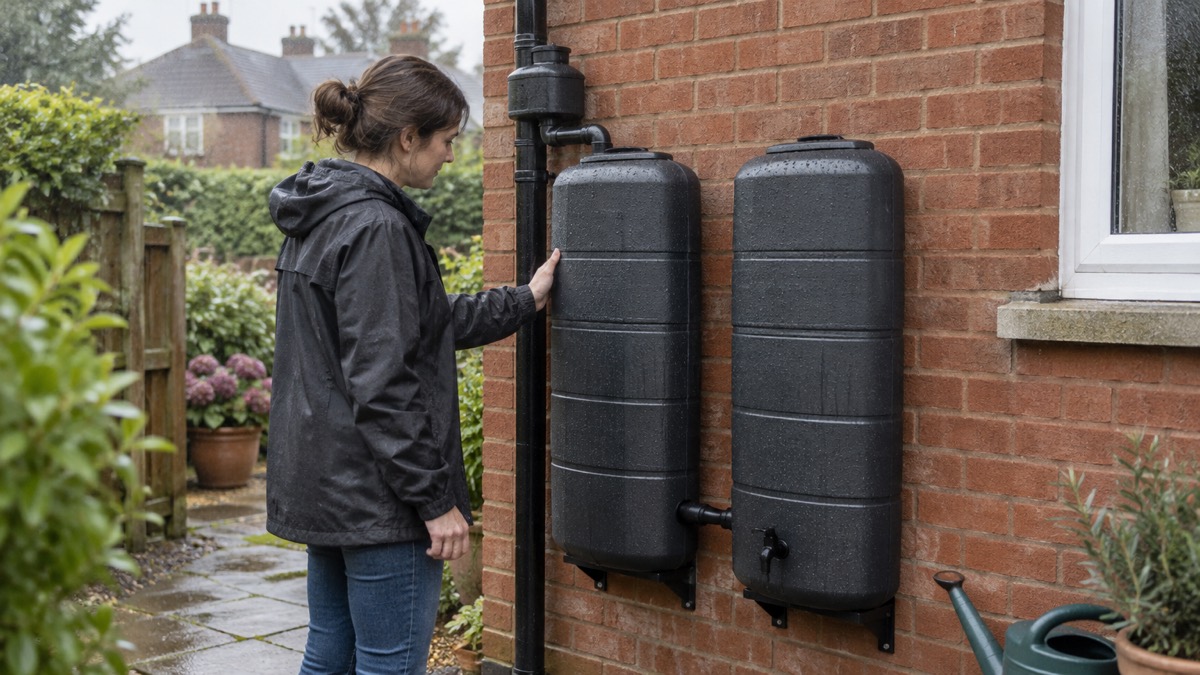
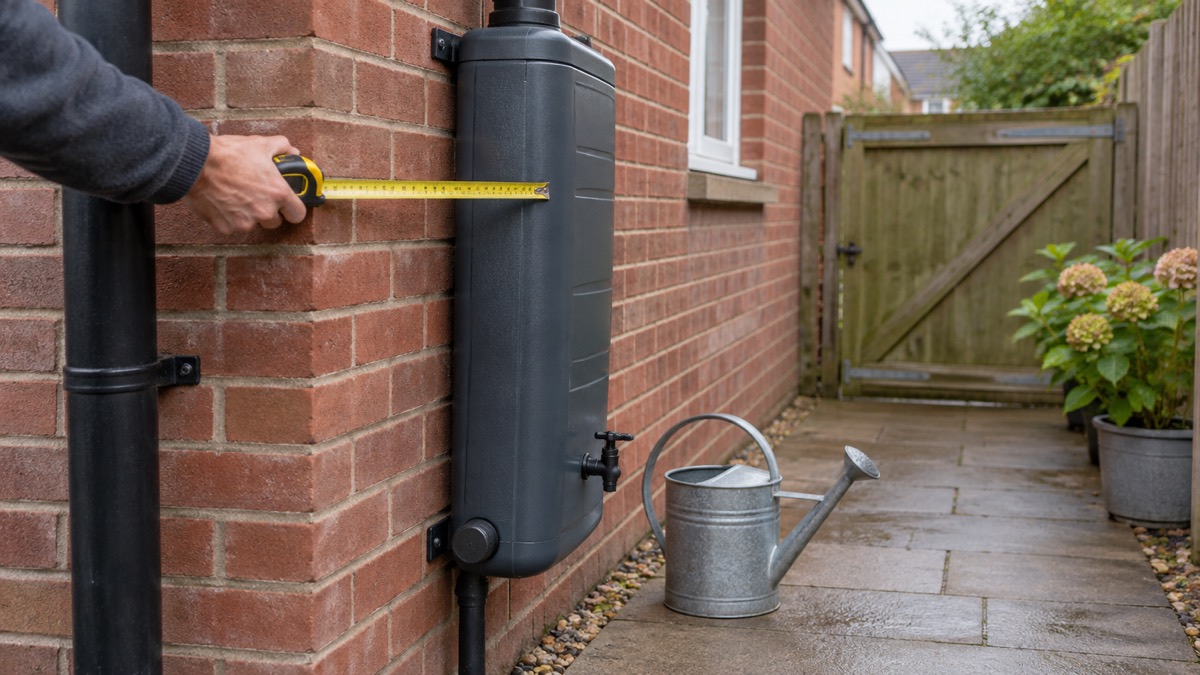
The pair holds 500 litres in total, 250 litres in each tank1. Each tank is 790mm wide, 380mm deep and 1050mm high1. Side by side that is a run of 1580mm of wall, standing a little over a metre tall and projecting 380mm from the wall before you allow for the downpipe, filter and any tap or hose on the front1.
What 500 litres means in practice depends on what you ask of it. It is a garden and outdoor reserve, not a household water supply. The maker's wall tank collection ranges from 250L to 1000L, so this pair sits within that range, and the biggest rainwater tanks described in the guidance can hold over 1,500 litres2. If you are working out how much storage your roof and garden actually justify, the method is set out in How to Size a Rainwater Tank: Roof Area, Rainfall and Demand.
| Specification | Figure |
|---|---|
| Combined capacity | 500 litres1 |
| Capacity per tank | 250 litres1 |
| Width, each tank | 790mm1 |
| Depth, each tank | 380mm1 |
| Height, each tank | 1050mm1 |
| Tap and hose connections | ¾-inch threaded, front and back1 |
| Drainage | Side outlet1 |
| Finish | Anthracite or concrete-gray, textured stone and slate motifs1 |
| Wall tank range | 250 litres to 1000 litres3 |
The depth matters as much as the width. A tank standing 380mm off the wall needs a clear path in front of it for you to reach the side outlet and the front tap, and it needs a wall that can take the weight of a full tank. Fixings and the wall itself are the installer's responsibility, and if you are unsure what the wall will carry, take advice before drilling.
Connecting the tanks to a downpipe and adding more
A wall tank is a space-saving rainwater storage solution designed to connect to your home's downpipes3. The principle is simple: the downpipe is cut, the filter is fitted in line, and filtered water runs into the first tank. The second tank is joined to the first with the tank to tank connector so the pair fill together1. When the tanks are full, the surplus has to go somewhere, and on the maker's larger tanks an overflow siphon diverts excess water to a drain or soakaway4. Plan that route before you fit the kit, so overflow runs away from the wall footing rather than down it.
The maker's guidance is that you can join multiple tanks together, and all you need is a connection kit3. The tank is designed to be expandable and a connector is provided1. The same approach is described across the maker's range: multiple tanks can be connected in series to increase capacity by linking tanks through simple connection kits5.
- Before you cut: check the wall, the fall of the ground and where overflow will go
- Fit the filter: in line with the downpipe, feeding the first tank1
- Link the tanks: tank to tank connector between the two1
- Add a tap or hose fitting: on the front ¾-inch connection where you can reach it1
- Add more later: a connection kit joins further tanks3
There is a wider reason to fit a butt or tank on a downpipe. Official drought advice recommends installing a water butt for rainwater storage from your downpipes, which can be connected to greywater systems such as toilet flushing and garden watering7. Independent guidance on summer flooding makes the same case from the other direction: water butts on downpipes collect and store rainwater, reducing runoff and pressure on drainage systems8. A wall tank does both jobs, holding water back from the drains when it rains hard and keeping a reserve for when it does not.
Set it up while rainfall is plentiful so it is ready when dry spells arrive, and remember that butts can be linked so excess water flows automatically from one to the next9. If you are connecting to a downpipe for the first time, the steps are set out in How to Connect a Water Butt to a Downpipe, and the filter choices in Rainwater Filters: Downpipe, Inline and In-Tank Types.
Empty the tanks before frost sets in
The maker's instruction is plain: it is recommended to empty the water in the tanks during the winter period1. The side outlet is included for thorough drainage before frost sets in1. Water left standing in a full tank through a hard frost is the main avoidable risk with any outdoor storage, and the maker has designed this kit to make emptying straightforward.
Make it a routine rather than a rescue. Drain the tanks through the side outlet, routing the water away from the wall, and close the outlet again afterwards. The same seasonal discipline applies to water butts across the garden: empty any water butts before the rain starts to reduce the rainwater flow into the drains when a storm arrives10. That advice comes from water companies preparing customers for storms, and it is worth following for two reasons at once: it protects the tank from frost and it takes pressure off the drains when the next storm lands.
Insulation advice for tanks is mostly written for indoor cold water tanks in lofts, and it is worth knowing the difference. All storage tanks must be insulated to guard against freezing during the winter and excessive warming during the summer months12. Wrap up your pipes and water tanks with lagging, especially those in unheated areas such as lofts, garages or gardens13. But do not insulate beneath water tanks in the loft, as this prevents warm air from the rooms below reaching them and could cause freezing13. For an outdoor wall tank, lagging the exposed pipework and fittings is sensible; the tank body itself is emptied for winter on the maker's advice1.
If you are leaving the house empty for a few days, close the stop tap and drain the system so there is no water in it to freeze16. If you are away only briefly, keep the heating on low if you can17. These steps protect the plumbing inside the house; the wall tank is dealt with separately by emptying it.
Keeping the water clean and the tank working
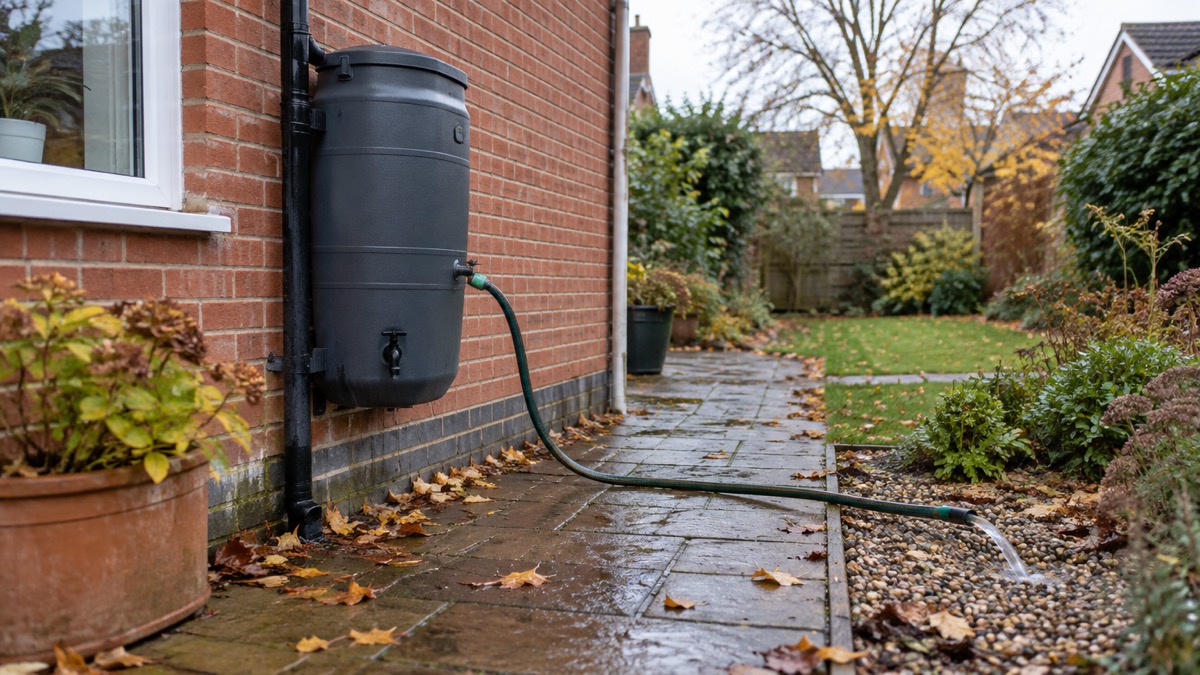
Stored rainwater is for the garden and for non-drinking uses unless it has been treated. Check the filter through the year, clear leaves from the downpipe and the filter body, and look inside the tank for sediment. The maker's maintenance guidance for its systems is set out in Keeping a Rainwater System Clean and Working Through the Year, and the question of what the water can safely be used for is covered in What Harvested Rainwater Can Be Used For in Your Home and Garden.
The tanks are made from high-quality material resistant to UV rays and harsh weather, making them durable outdoors1. That covers sunlight and ordinary weather. It does not make the water inside immune to going stale in a long warm spell, and it does not remove the need to drain before frost1. If you want to know whether stored water deteriorates, Does Stored Rainwater Go Off or Stagnate? answers it directly.
- Before winter: empty the tanks through the side outlet1
- Before drawing water: clean and disinfect the tank2
Support, delivery and where the kit fits a household plan
The product is delivered on a pallet by a haulier, and the maker asks you to advise of any access problems by calling 01733 4051111. A pallet needs somewhere to be set down, so a narrow lane, a locked gate or a steep drive is worth flagging before delivery day. The same number reaches the sales team on option 1, and the maker runs a full-time, fully trained technical help desk to answer questions from clients, builders and plumbers before, during and after the install18.
For a household building a water reserve, this kit does one job well: it stores 500 litres against a wall, out of the way, and it can be expanded with a connection kit1. It is not a substitute for stored drinking water. Keep a separate supply of drinking water for an emergency, as set out in Water in an Emergency: A Household Guide, and treat the wall tank as the garden and outdoor reserve.
| What you need | Where it is covered |
|---|---|
| Drinking water for an emergency | Water in an Emergency |
| Choosing between tank types | Water Butt or Underground Tank? |
| Sizing storage to your roof | How to Size a Rainwater Tank |
| Winter routine for the whole system | Rainwater System Winter Checklist |
| The wider self-reliance picture | Self-Reliance at Home |
The maker's brand page is at Multitank. If you are weighing a wall tank against a conventional butt or a buried tank, the trade-offs are set out in Water Butts: Sizes, Fittings and Where to Put One and Above-Ground Rainwater Tanks: Vertical, Horizontal and Slimline Types.
Sources (20)
- 2 x 250 Litre Multitank Rainwater Wall Tank, Rainwater Harvesting, 2026-10-01
- Stagnant water advice, Southern Water, 2026-10-28
- Frequently Asked Questions, Rainwater Harvesting, 2025-11-06
- 120000 litre rainwater harvesting tank, Enduramaxx, 2026-09-28
- Rainwater tanks, Enduramaxx, 2026-10-29
- Rainwater harvesting tanks, Enduramaxx, 2026-10-29
- Advice and support: drought, Westminster City Council, 2026-08-06
- Is flooding in summer a risk in the UK?, Communities Prepared, 2024-06-10
- 2026: a year we prepare, not react, Waterwise, 2026-03-05
- Severn Trent issues latest storm and flooding advice, Severn Trent, 2026-01-08
- Hafren Dyfrdwy issues advice to customers as Storm Goretti approaches, Hafren Dyfrdwy, 2024-09-26
- Water storage (private water supplies), Drinking Water Inspectorate, 2025-11-05
- Wrap up for winter, Cambridge Water, 2026-10-28
- South West Water gives advice on protecting pipes from bursts, South West Water, 2026-10-28
- How do I protect against frozen pipes?, WaterSafe, 2026-10-29
- Free lagging kit this winter, Dŵr Cymru Welsh Water, 2022-12-05
- Free lagging kit this winter, Dŵr Cymru Welsh Water, 2022-12-05
- F-Line 15000 Litre Direct Feed System, Rainwater Harvesting, 2026-07-07
- 9250 Litre Rain Backup in a Box System, Rainwater Harvesting, 2026-03-24
- F-Line 5000 Litre Gravity Feed System, Rainwater Harvesting, 2026-07-07

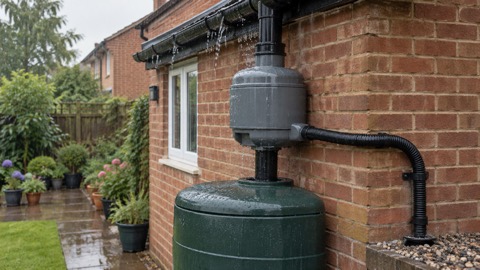 Enduramaxx Rainwater Filter Kit
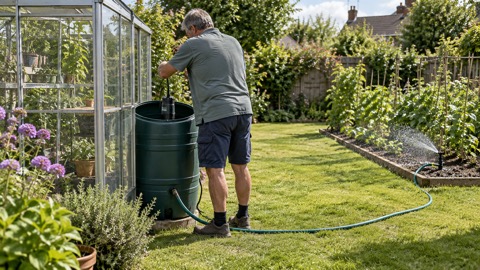 GARDENA Tank Pump 4000/1
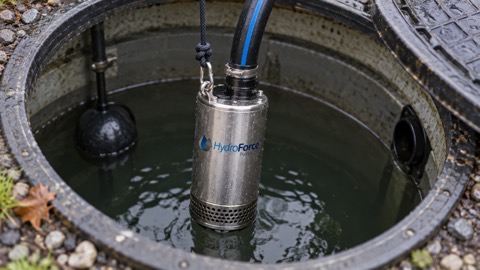 HydroForce Series 3 Clean Water Pump
 HydroForce Series 4 Pump
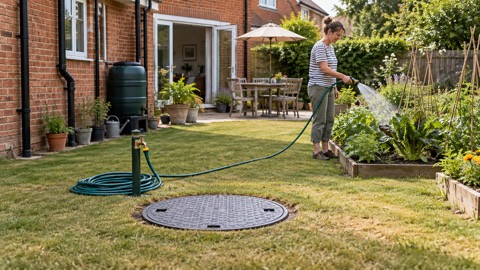 Rain Activ Dual Garden System
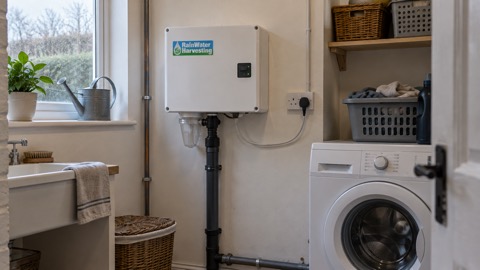 Rainwater Harvesting Rain Backup
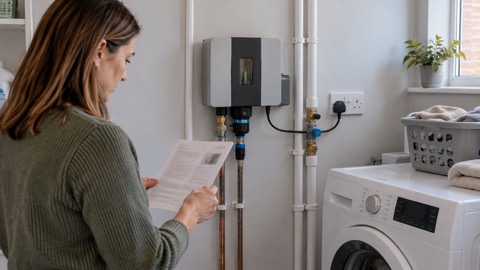 Rain Director
 Rainwater Harvesting Header Tank