
Rainwater harvesting is simply the collection of rainwater from the surface or surfaces upon which it falls, usually a roof1. Before that water reaches a storage tank it carries everything the roof and gutters hold: leaves, moss, grit and bird droppings. A rainwater filter sits in the path between the downpipe and the tank and stops that debris getting in, which reduces the build-up of sediment at the bottom of the tank and keeps the water usable for longer2.
The choice comes down to three things. First, where the filter sits: on the downpipe, in the pipe run before the tank, or inside the tank itself. Second, how much roof it can serve: garden filters are rated for roofs up to 200 square metres, larger kits up to 450 or 800 square metres2. Third, how they clean themselves: some hold the debris in a basket you empty by hand, others wash the dirt away to a drain continuously and need little attention3.
This page explains how the main filter types work, how the two-stage cascade and fine mesh fit together, what a calmed inlet and overflow siphon do, and what filtered rainwater can and cannot be used for. For the wider system around the filter, see rainwater harvesting at home.
What a rainwater filter does, and why every tank needs one
Rainwater filters prevent leaves, moss and other debris from entering the rainwater storage tank and reduce the build-up of sediment2. Makers describe the same job from the other end: the filters take the leaves and moss out of the water coming off the roof to save a build-up of sediment in the tanks6. Without one, everything the gutters collect settles in the bottom of the tank, where it rots down, discolours the water and can block the pump, the outlet pipework and the overflow.
The filter works by trapping material while letting water through, the same principle behind any water filter: the pores in the material allow water to pass through but trap impurities such as dirt and bacteria7. In a rainwater filter the pores are the mesh of a stainless sieve, sized to catch leaf fragments and moss while letting the flow through fast enough to keep up with heavy rain. The Drinking Water Quality Regulator for Scotland, describing filter candles for private supplies, explains the general principle: "The pores in the material allows water to pass through but traps impurities such as dirt and bacteria."7
A filter also protects the rest of the system. Sediment in a tank shortens the life of a rainwater pump, makes the water less pleasant to use for garden watering, and increases how often the tank needs cleaning, which is covered in keeping a rainwater system clean through the year. Keeping gutters and gullies clear of leaves and debris in the first place, as flood-preparedness advice recommends, reduces what the filter has to cope with8.
Basket filter or self-cleaning filter: how each one behaves
There are two behaviours to choose between, and they decide how much attention your system needs.
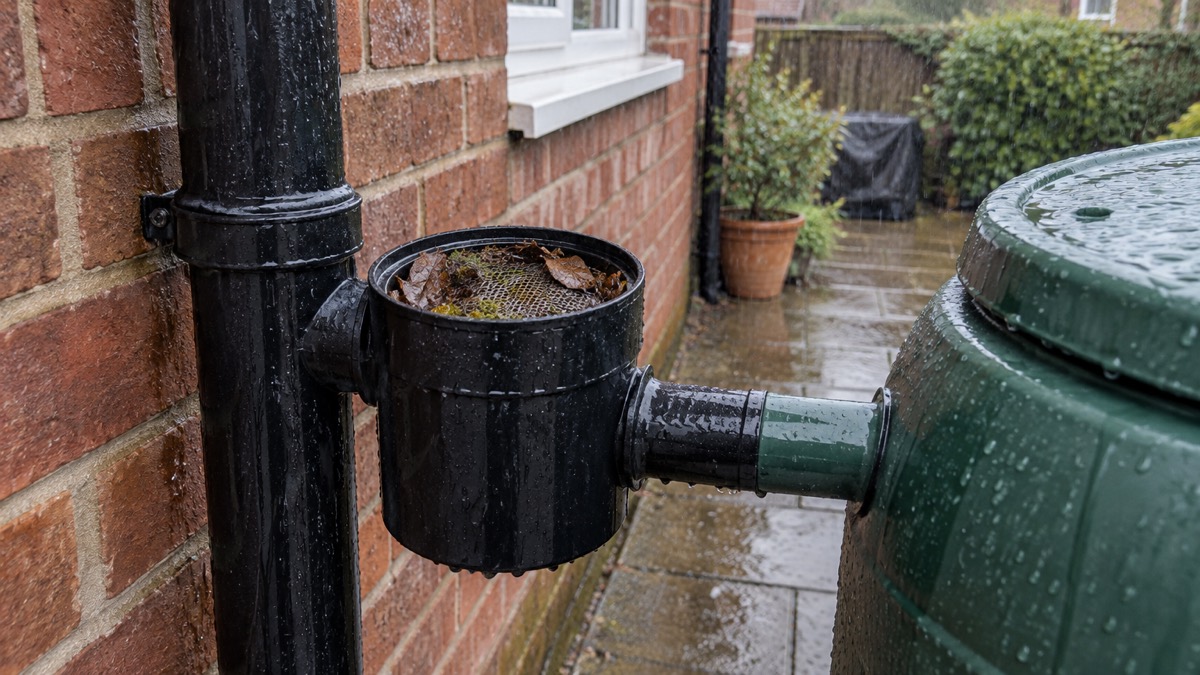
A basket filter is a total retention design: the water flows through a basket that holds everything it catches, and you lift the basket out and empty it by hand. The 200 square metre Garden Rainwater Filter is described by its maker as "a total retention rainwater filter with integrated dirt collecting basket" with an easily removable filter basket6. The same easily removable basket appears in the maker's total retention filter kits9. Basket filters suit small garden systems, water butts and tanks you walk past regularly, because the basket only needs emptying when it is full, and a full basket left unemptied will start to block the flow.
A self-cleaning filter uses the flow of the water itself to carry the trapped dirt away. The 450 square metre Combi Rainwater Filter is described by its maker as self-cleaning, with low maintenance and a filter insert that is easily removable for cleaning when it does need attention3. In the kit ranges, the maker states that the filter cartridge location assists continuous removal of dirt, making the kits self-cleaning and low maintenance2. Kit B and Kit C both carry this description from the maker10. Self-cleaning filters suit larger roofs, tanks buried underground or in a pilot shaft, and anywhere you do not want to be lifting a lid every few weeks.
| Basket filter | Self-cleaning filter | |
|---|---|---|
| How debris leaves the filter | Held in a removable basket you empty by hand6 | Washed continuously to the drain by the water flow2 |
| Maintenance | Empty the basket when full6 | Low maintenance; insert removable for cleaning3 |
| Typical roof rating | Up to 200 square metres12 | Up to 450 or 800 square metres2 |
| Suits | Water butts, small garden tanks, tanks you pass often | Larger roofs, underground tanks, pilot shafts2 |
Neither type is better in the abstract: the choice is about how often you will check the system and how much roof the filter has to serve. A basket filter on an 800 square metre roof would need emptying constantly; a self-cleaning filter on a water butt is more machinery than the job needs.
Two-stage filtering: cascades first, then a fine screen
The larger filter kits do not rely on a single mesh. The maker states that Kits B and C filter in two stages: large debris is removed initially through the cascades before the water passes through a finer second stage mesh2. Kit B's own page describes the sequence: "On entering the filter, water flows across the first cascade to remove largest debris particles."10 Kit C works the same way11.
The Combi filter page gives the fullest description of what happens inside. Water is equally distributed across the cascade; the largest dirt particles are forced across the primary filter cascades directly to the sewer; the pre-filtered water then flows over the secondary filter sieve, where the mesh structure washes any remaining dirt into the sewer; the cleaned water flows into the tank3. The secondary sieve on Kit B has a mesh size of 0.65 mm10.
The point of the two stages is that neither mesh has to do all the work. The cascade takes the load of leaves and moss, so the fine 0.65 mm sieve only has to catch the smaller particles, and the water flow across the sieve keeps it clear rather than letting it blind over. The maker describes this as a two step cleaning system independent of flow rate, ensuring high filtering efficiency, a claim made for the Combi and for Kits B and C alike3.
Where the filter sits: inlets, overflow and outlet
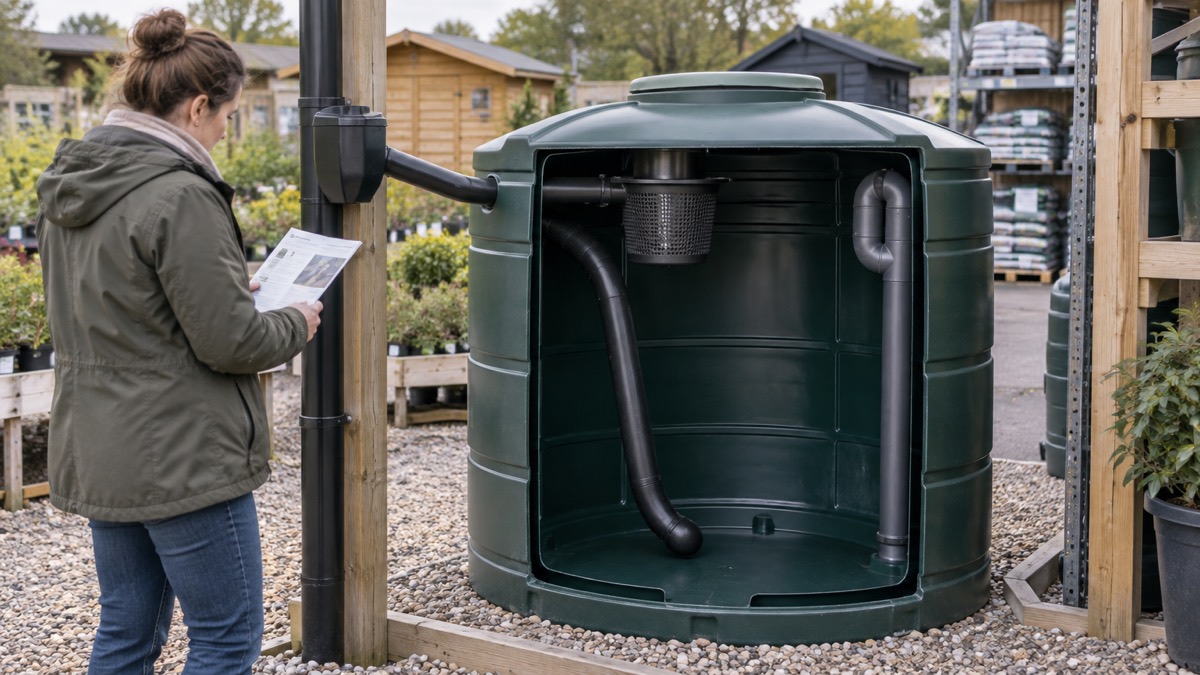
Most rainwater filters share the same basic layout. The maker states that most of the filters have 2 inlets for incoming water, an overflow taking away the leaves and moss to a drain or soakaway, and an outlet to the storage tank6. The filter kits A and B each have two inlets, sized 2 x 4 inch2. Kits B and C also have an overflow to remove the debris into a drain or soakaway, and an outlet in the bottom of the filter for water to enter the storage tank2.
The inlets take the flow from your downpipes. Two inlets mean two downpipes can feed one filter, which matters on larger roofs where the water arrives from more than one corner of the building.
The outlet is where the cleaned water leaves. On the Combi filter the cleaned water outlet is at the bottom of the filter, and the maker notes that while the dirt is washed away sideways, the bottom outlet position makes installing the filter in tanks easy and practical3. Where the Combi is used before the tank, it gives a high degree of flexibility to the angle of direction of the cleaned water outlet pipe feeding the rainwater tank3.
The overflow is the part people forget. Kit A and the 200 square metre kit both use a siphon overflow with a skimming inlet2. The siphon overflow pipe fits a 130 mm hole in the storage tank wall on Kits A, B and C and on the maker's total retention filter kit2. The skimming action matters: as the tank fills and overflows, the siphon draws off the fine layer that floats on the top of the stored water, which is where the lightest debris and any surface film collects.
Inside the tank, two fittings complete the picture. The calmed inlet sits at the end of the inlet pipe under the water line. The maker states that it prevents incoming water disturbing any sediment in the tank2, and that it also ensures fresh water is supplied to the lower area of the tank, resulting in complete and regular replenishment of stored water9. Without it, every downpour stirs the settled sediment back into the water. The overflow siphon handles the other end: when the tank is full, the overflow siphon diverts the excess water to a drain or soakaway13.
Matching the filter to your roof size
Filters are rated by the roof area they can serve, and this is the specification to check first. The maker's ratings are:
| Filter kit | Maximum roof area | Cleaning behaviour | Installation |
|---|---|---|---|
| Kit A / 200 m2 garden filter | 200 square metres per kit2 | Removable basket; siphon overflow with skimming inlet2 | Inside a rainwater tank2 |
| Kit B | 450 square metres per kit2 | Self-cleaning, low maintenance10 | Two-stage filter with calmed inlet10 |
| Kit C | 800 square metres2 | Self-cleaning; cartridge location assists dirt removal11 | In a pilot shaft or against a wall in frost-protected areas2 |
| 450 m2 Combi filter | 450 square metres2 | Self-cleaning, two step cleaning3 | Inside or on the tank, or before it3 |
The ratings are per kit2. Measure the plan area of the roof section that actually drains to the filter, not the whole building: a semi-detached house with two downpipes may be feeding only half its roof to any one point.
An undersized filter shows itself in heavy rain: water backs up, overflows the filter housing and carries debris straight past the mesh. An oversized filter costs more than the job needs and adds no benefit. If you are also choosing a tank, the sizing is a separate decision covered in how to size a rainwater tank.
Fitting a filter to a new or existing tank
You do not need to buy the filter and tank as a single package. The maker states that rainwater harvesting tank filters can be fitted to new or existing rainwater storage tanks2. That matters if you already have a tank, a water butt arrangement or a gravity feed system and only need to add filtration.
The practical points when fitting:
- In-tank filters sit inside the tank itself. The 200 square metre Garden Rainwater Filter is for installation inside a rainwater tank2, and the Combi is a rainwater filter for installation inside or on the tank3.
- Tank-top mounting: the Combi can also be fitted directly to the top surface of the rainwater tank using a seal the maker can provide, which the maker says means it acts as a second turret to the tank3.
- Before the tank: where the Combi is used before the tank, the angle of the cleaned water outlet pipe can be directed flexibly towards the tank3.
- The overflow hole: the siphon overflow pipe fits a 130 mm hole in the storage tank wall, so the tank needs that hole cut, or a tank with a suitable fitting2.
- Pilot shafts: Kit C is for installation in a pilot shaft or against the wall in frost-protected areas, and is available pre-installed in a pilot shaft2.
Check the tank's lid size against the filter before buying for an in-tank fit: the maker's 500 litre rainwater harvesting tank, for example, has a 455 mm lid4. The filter body has to pass through, or the tank through-holes have to line up with the pipework.
Keeping the overflow running to a drain or soakaway
The overflow is not optional plumbing: it is what protects both the tank and your property. When the tank is full, the overflow siphon diverts the excess water to a drain or soakaway13. If that outlet is blocked or undersized, the water has nowhere to go and will back up the inlet pipework instead.
Where the overflow goes matters too. The debris the filter washes out, and the water the siphon skims off, should run to a proper drain or soakaway2. Thames Water explains what happens downstream: storm overflows act as a safety valve, discharging some of the excess water back into rivers and waterways to try to prevent sewer flooding15. Your overflow is a small part of that wider drainage network, and keeping it clear is part of keeping the network working.
There is a flood risk to manage as well. Flood guidance warns that floodwater can back up and enter your property through sinks, washing machines and toilets, and may contain sewage; its advice is to install anti-backflow valves to drains and sewers16. If your tank overflow discharges to a drain that can flood, an anti-backflow valve on that line stops foul water pushing back into the tank.
Frost, winter and the cold months
Several filters are built for the cold. The 450 square metre Combi filter is described by its maker as frost resistant2, and Kit B carries the same description10. Kit C is specified for installation in a pilot shaft or against the wall in frost-protected areas2, which tells you that even a robust filter unit is happier somewhere the worst of the frost does not reach.
For the pipework around it, follow the standard winter advice. Essex Prepared's winter preparedness guidance is to insulate pipes17. The Met Office WeatherReady winter checklist puts plumbing checks on the list18. NHS Inform's cold weather advice adds the broader measures: make home improvements to keep out the cold such as draught-proofing, installing insulation and upgrading heating appliances to more energy-efficient ones19. Southern Water's winter advice covers what to do if you are away: for longer periods, turn off the water at the stop tap and consider draining down the system so there is no water left in the pipes20.
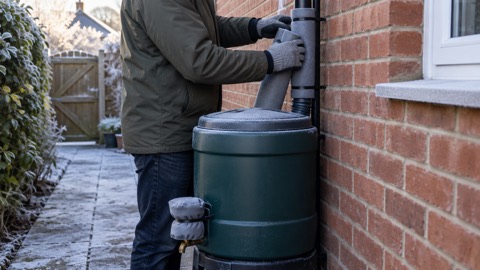
A full winter routine for the whole system, including the pump and any above-ground pipework, is set out in the rainwater system winter checklist.
What filtered rainwater can be used for
Filtered rainwater is non-potable water: good for jobs that do not need drinking quality. The maker states the cleaned water can be used in washing machines, toilet flushing and garden watering, in homes, in commerce, in public buildings and in industry3. The same uses appear across the maker's tank range: toilet flushing, garden watering and washing clothes using a washing machine13. The 200 square metre garden filter is described as suitable for garden watering6.
There is a horticultural bonus. The maker notes that rainwater, being non-chlorinated, is better for plants and gardens21. Gardeners who have watered with stored rainwater through a dry spell will recognise the difference, and the garden watering needs page covers how much water a garden actually requires in summer.
How much a system saves you depends on three factors the maker identifies: the demand for non-potable water, the amount of rainwater that can be collected, and whether the property is charged by volume of water used13. Savings will be higher in commercial and industrial buildings and schools, because those buildings have much larger roof areas and a much greater demand for non-potable water13. Water resources are under pressure in England and Wales as demand rises due to population increase, changes in lifestyles and a changing climate13, which is the background to why harvesting is worth doing at all. The full list of uses, and the rules around each, is on what harvested rainwater can be used for.
Filtered rainwater is not drinking water
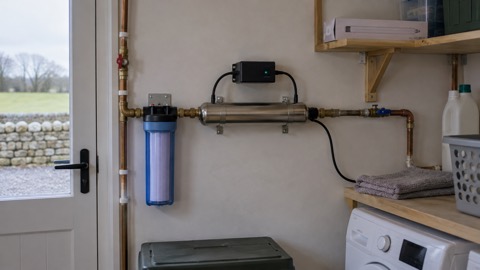
The distinction to hold onto is between filtration and treatment. A rainwater filter is a debris filter. Making water safe to drink needs treatment of a different order, such as the filter candles and disinfection used on private water supplies, where the pores trap impurities such as dirt and bacteria7. If your household is on a private supply rather than mains, the rules and treatment options are covered in treating a private water supply.
Keeping rainwater pipes separate from mains water
Where a rainwater system has a mains water back-up, the connection is the danger point. SES Water's guidance on water reuse systems is to ensure any mains water back-up goes through an appropriate, properly installed backflow prevention device, and to keep garden tap and rainwater pipe labelling in place5. Without the device, water from your tank could be drawn back into the mains supply; without the labelling, someone could later connect the wrong pipe to a drinking tap. The labelling rules are covered in what pipe to use for rainwater and labelling rules, and the legal framework in rainwater systems and the law.
The same separation principle applies inside the house. Wessex Water's advice on avoiding musty or earthy tastes is to ensure that both hot and cold water pipes in your property are separated and insulated, and that you only drink water directly from the mains supply22. Rainwater pipework should never be plumbed so that it can feed a kitchen tap.
Contamination: animals, birds and what washes off the roof
Stored water can go bad, and the signs are usually smell or taste. WaterRegsUK, answering why water can taste rancid or of rotten meat, identifies animal or bird access into a cistern as a cause, and its advice is firm:
"Where evidence of animal or bird activity (access into the cistern) is found the storage cistern plus any associated pipework arrangements should be drained, cleaned and thoroughly disinfected."
That is the response once contamination has happened. Prevention is simpler: a sealed tank lid, a working filter, and gutters kept clear so that bird droppings and decaying matter are not washed straight towards the tank16. Whether stored rainwater goes off on its own, and how to stop it, is covered in does stored rainwater go off or stagnate?
Using rainwater during a hosepipe ban
A hosepipe ban restricts your mains supply, not your tank. The government's drought guidance states it plainly: if a hosepipe ban is in place where you live, you can't use a hosepipe connected to your mains water supply for things like watering your garden, filling a paddling pool or washing your car24. Affinity Water lists what its ban covers: watering gardens, washing cars, cleaning windows and patios, filling swimming and paddling pools, using jet washers, garden sprinklers and pressure washers25. Southern Water's temporary use ban advice lists the same categories: watering gardens including using a sprinkler system, filling paddling pools, hot tubs, swimming pools, ponds or fountains, and washing cars, patios or windows26.
Rainwater is different. Cambridge Water's hosepipe ban FAQ states that drip-fed irrigation systems can continue to be used, and that other systems cannot be used when connected to mains water but may be used with grey water or rainwater recycling systems27. So a tank, a filter keeping the water clear, and a pump feeding its own labelled pipework keep you watering through a ban. Dŵr Cymru's exemptions guidance adds the standing request that customers use water wisely and adopt water efficient practices [24 is Cambridge; the Welsh request is separate guidance].
Grants and help with the cost
The maker states that there are grants for rainwater harvesting which are available in regions of the country14. What is available varies by area and changes over time, so check the current position with your local council or water company before planning a system around a grant. If your household is on a private water supply in Scotland rather than mains, a separate private water supply grant may apply to your situation.
Choosing the whole system, not just the filter
The filter is one component in a chain: roof, gutters, downpipe, filter, tank, calmed inlet, overflow siphon, and then either a pump or a gravity feed to where the water is used. The maker's 2,000 litre tank is described as 100% rust proof21.
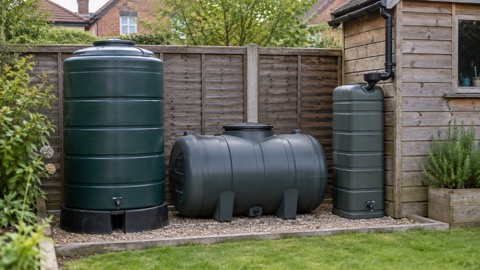
Where each type of tank belongs, and how to choose between them, is covered in water butts, above-ground tanks and underground tanks. If you are starting from nothing, the garden rainwater harvesting kit checklist lists everything in one place, and the wider subject of self-reliance at home sets rainwater alongside the other preparations a household can make.
Sources (27)
- 15000 Litre Rainwater Harvesting Tank, Enduramaxx, 2026
- Rainwater Harvesting Filters, Enduramaxx, 2026
- 450m2 Combi Rainwater Filter, Enduramaxx, 2026
- Rainwater Tanks, Enduramaxx, 2026
- Water in the Home, SES Water, 2015
- Filters for Rainwater Harvesting, Enduramaxx, 2026
- Water filter candles, Drinking Water Quality Regulator for Scotland, 2026
- Prepare for a flood, Age UK, 2026
- Rainwater Harvesting Filter Kits, Enduramaxx, 2026
- Rainwater Harvesting Kit B, Enduramaxx, 2026
- Rainwater Harvesting Kit C, Enduramaxx, 2026
- Rainwater Tank Filter Kits, Enduramaxx, 2026
- 45000 Litre Vertical Rainwater Harvesting Tank, Enduramaxx, 2026
- 2500 Litre Vertical Rainwater Harvesting Tank, Enduramaxx, 2026
- Hydraulic flooding and storm overflows, Thames Water, 2026
- What is Rainwater Harvesting? | The Complete Guide - Tanks Direct, Tanks Direct
- Winter preparedness, Essex Prepared, 2026
- WeatherReady winter checklist, Met Office, 2026
- How to stay safe in cold weather, NHS Inform, 2026
- Prepare Your Home For Winter - Southern Water, Southern Water
- 2000 Litre Vertical Rainwater Harvesting Tank, Enduramaxx, 2026
- Tastes and smells, Wessex Water, 2026
- Why does my water taste rancid or of rotten meat?, WaterRegsUK, 2026
- Droughts, Prepare Campaign, 2026
- Hosepipe ban, Affinity Water, 2026
- Temporary use ban advice, Southern Water, 2026
- Temporary hosepipe ban FAQs, Cambridge Water, 2026
 Composting Toilet Kit Checklist
 Garden Harvesting Kit Checklist
 Rainwater Winter Checklist
 Above-Ground Rainwater Tanks
 Composting Toilets
 Direct vs Gravity Feed Systems
 Planning Permission for Systems
 Private Water Supply Running Low
 Private Water Supply Regulations
 Private Water Supplies Scotland
 Treating a Private Water Supply
 How Rainwater Harvesting Works
 Rainwater System Maintenance
 Pumps for Rainwater Tanks
 Rainwater Systems and the Law