Community Resilience: A Guide for Neighbours and Local Groups
Community resilience means using local resources, knowledge and skills to prepare for, respond to, recover from and adapt to emergencies. It can begin with neighbours checking on one another and develop into an organised group with a written plan, local contacts and agreed places of safety. It complements the emergency services rather than replacing them.1
A practical starting point is the five-step approach set out by West Yorkshire Prepared: make a plan, stay informed, consider capabilities and skills, communicate early and build connections. Begin with the people and places you already know, then speak to your council or local resilience forum before creating arrangements that duplicate an existing group.2
If something is happening now, check on neighbours and vulnerable people only if it is safe to do so. Where someone needs more help than you can safely provide, alert the local council, particularly if transport, medication, temporary accommodation or medical attention is required.3
If a neighbour needs help now
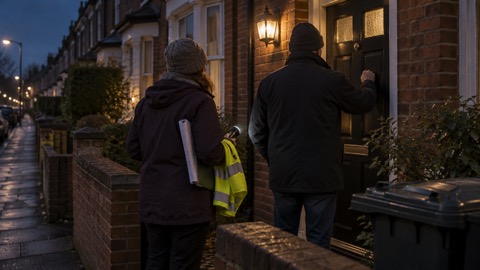
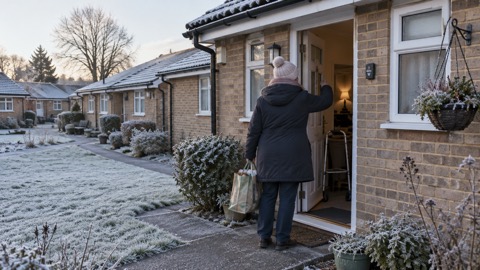
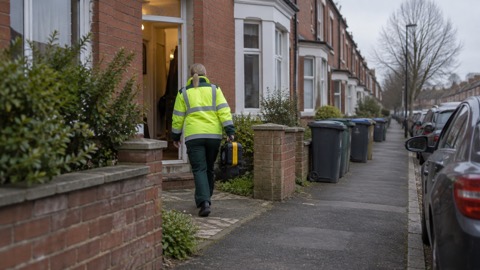
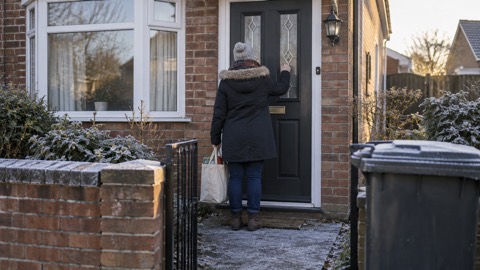
Start with a safe, direct check and listen to what the person says they need. Do not turn a neighbourly visit into a task beyond your ability or equipment. The government's National Risk Register says the public can help during an emergency by checking on neighbours and vulnerable people, with the explicit condition that it is safe to do so.3
- Check without putting yourself at risk. If conditions make it unsafe, do not proceed. The volunteer safety guide explains where informal help should stop.
- Ask what support is needed. Government preparedness guidance suggests asking about additional medical needs, whether someone is new to the area, difficulty using the internet or technology, and difficulty speaking or reading English.5
- Bring in the council when necessary. Request further help for transport, medication, temporary accommodation or medical attention rather than trying to improvise those services yourself.4
- Use an agreed place of safety where evacuation is necessary. Herefordshire Council says a community resilience plan should identify places of safety for residents.6
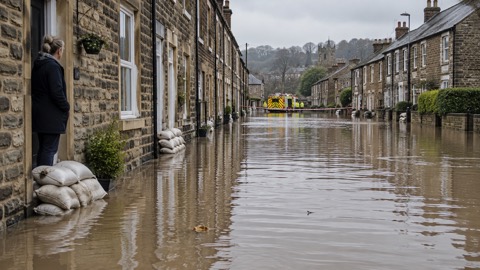
London's resilience guidance also asks people to consider older residents and families with young children or pets.7 The detailed approach is in Checking on Vulnerable Neighbours in an Emergency. If outside assistance may take time, How Long Might You Wait for Help in a Major Flood or Snow? explains the issue your plan should anticipate.
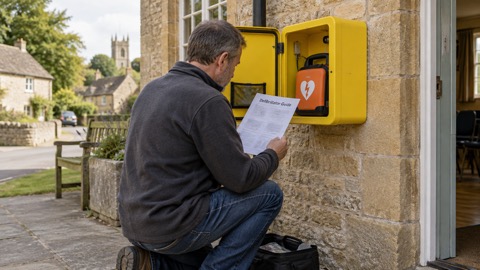
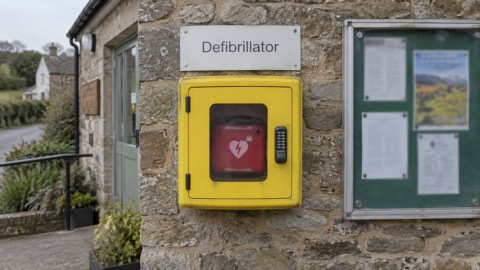
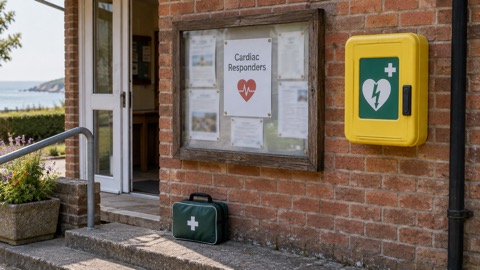
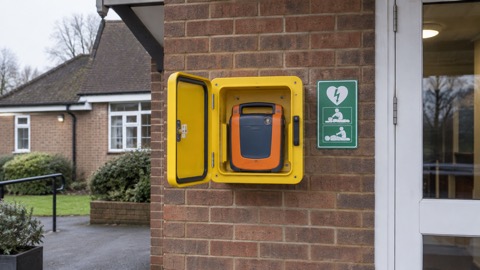
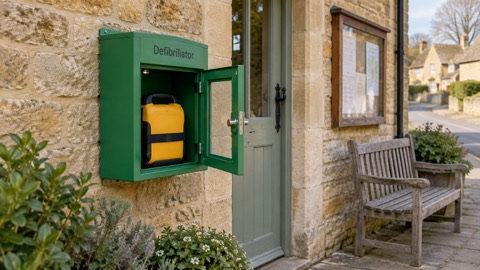
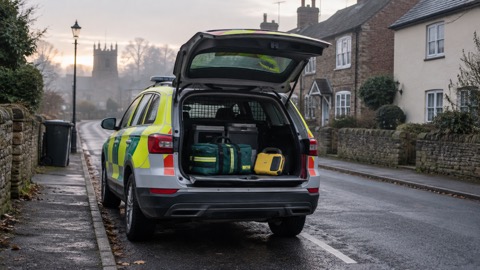
For a medical emergency, be ready to give CPR and use a public access defibrillator before the ambulance arrives; see the household first aid guide. Resuscitation Council UK published version one of its community guide to public access defibrillators in October 2025.8 Local groups can also read about registering a defibrillator on The Circuit, choosing a defibrillator cabinet, community first responders and how the GoodSAM responder alert app works.
Find or start a local group
Before recruiting volunteers, find out what already exists. Scottish Borders Council suggests checking for a Resilient Community group and asking whether it can help you or you can help it.9 In Northern Ireland, the Regional Community Resilience Group was set up in 2013 to help communities prepare for and respond to weather-related emergencies.10 Elsewhere, your council, parish or town council, community council or local resilience forum is the starting point.
A group does not have to begin with a formal committee. Orkney's guidance distinguishes two forms:
| Form | What it looks like | When structure matters |
|---|---|---|
| Informal | Interested residents working together, normally without a structure, aims or committee | It can operate as a subgroup of an existing community body |
| Formal | An elected group with structure, aims, a committee and a constitution | A constitution and bank account are usually necessary for funding or raising money |
Both forms usually involve local people acting voluntarily to represent the interests of a particular community.11 Setting Up a Local Emergency Group covers membership, roles and first steps, while Parish and Town Councils in an Emergency explains the local authority connection.
You may not need a new organisation at all. Official community planning guidance identifies parish councils, faith organisations, Neighbourhood Watch groups, Scout groups, residents associations and youth groups as existing bodies that can add resilience to their agenda.12 Ceredigion describes communities as self-selecting and identifies a community champion as a useful feature.13
Lancashire Resilience Forum defines a community resilience group as an identifiable and contactable group in a discrete geographic area that plans and trains, gathers resources and develops partnerships.14 Keep that practical purpose in view. A flood-specific community may prefer to begin through Starting a Flood Action Group in Your Area.
Know the risks for your area
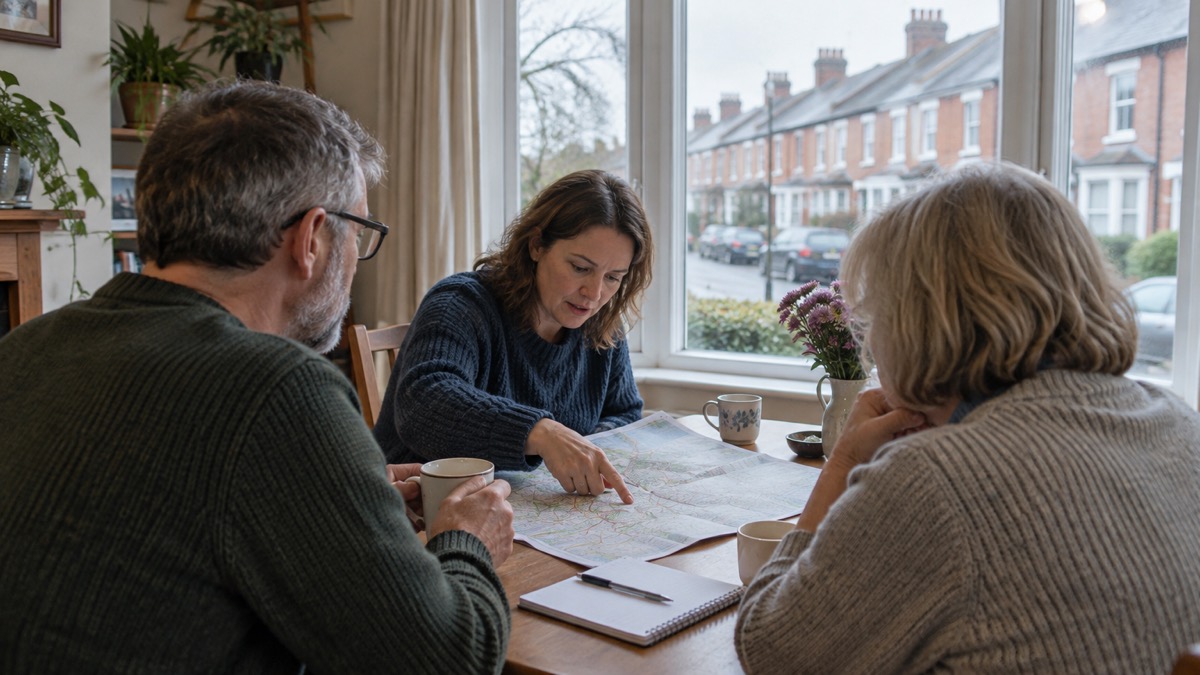
In England, each Local Resilience Forum publishes a Community Risk Register setting out the risks most likely to cause disruption in its region. Local Resilience Forums also publish information online about local risks.15 The register explains hazards affecting the area and how to prepare for them, making it the natural starting point for a community plan.16
Do not stop at the register. Argyll and Bute Council cautions that it mainly addresses relatively high-level threats, so use local knowledge to identify other risks that are not included.17 The forum itself coordinates emergency planning for the local area and has a duty to publish the register, including identified hazards and their potential impact.18
| Source of knowledge | What to use it for |
|---|---|
| Community Risk Register | Regional hazards, their potential impact and preparation advice |
| Residents' local knowledge | Smaller local risks and places or people likely to be affected |
| Community networks and assets | Local organisations, infrastructure, physical resources and social connections |
| Scenario discussions | What the group would actually do during an emergency or major incident |
The Community Resilience Development Framework says social and demographic circumstances, businesses, the economy, physical assets, infrastructure, natural capital and community social capital can all affect risk and resilience.19 In practice, discuss a risk scenario with other residents and work through its consequences rather than simply copying a hazard list.2
Start with your own household and street through Getting Started, then compare that picture with the register. Record which local people, buildings, roads and services a scenario could affect. This gives the group a reason for each plan action and helps it explain to responders what is distinctive about the area.
Write a community emergency plan
A community emergency plan helps people prepare for, respond to and recover from an emergency using their own skills, knowledge and resources while complementing official efforts. Ready Scotland says these plans can reduce harm and speed recovery, and its guide and templates can be adapted to suit each community.20
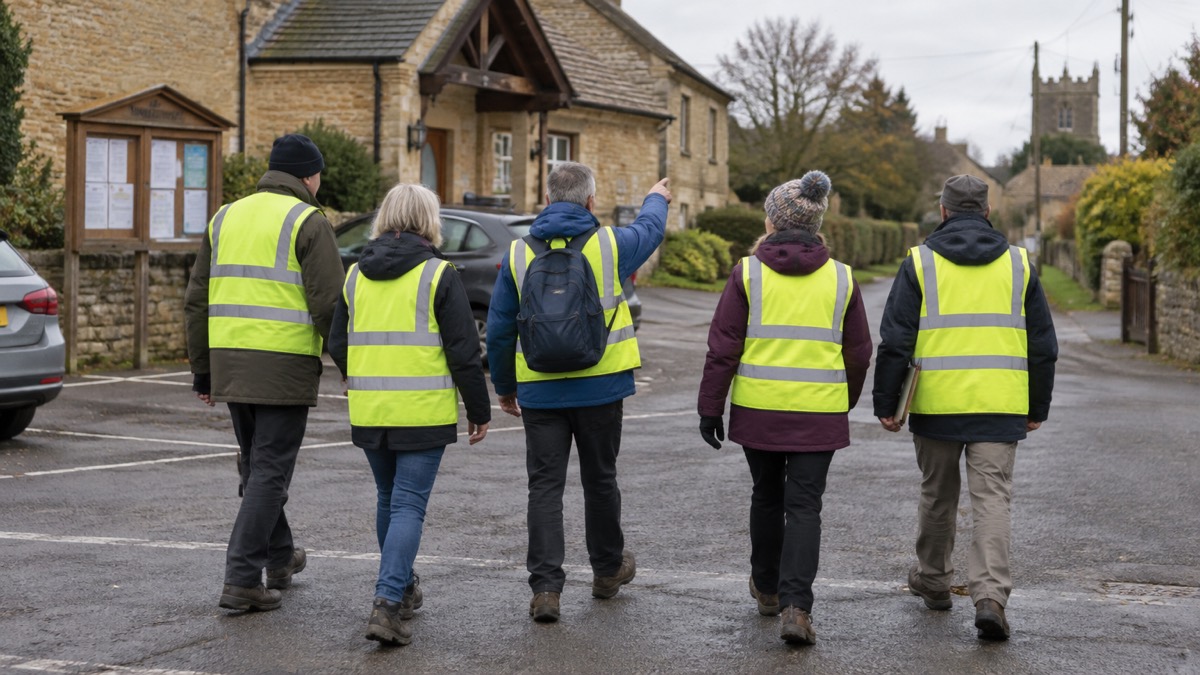
Argyll and Bute's approach covers deciding who the plan is for, getting advice, assessing risks and local resources, involving helpers, and writing and testing the plan. A plan can cover a community council area and be split into smaller local areas where required. It should be unique because communities face different issues and have different strengths.21
- Define the community and area. Decide who the plan serves and whether smaller local sections are needed.
- Secure community support. Ready Scotland stresses that people must be prepared to sign up and offer help for a plan to work.22
- Record risks, skills, knowledge and resources. Use the risk work above and identify what residents can realistically contribute.
- Identify places of safety and support needs. Include evacuation locations and the arrangements for people requiring additional help.6
- Set activation and communications arrangements. State how and when the plan operates and how information will be managed.21
- Practise, review and learn. Keep in touch with the relevant local organisations while testing it.21
Build support through community meetings, leaflets to households, local shops and pubs, community websites, newsletters, local papers, social networking, school letters and personal contacts.22 Alongside the local authority, Ready Scotland suggests talking to community councils, councillors, police, fire and rescue, ambulance services and active voluntary organisations such as mountain rescue teams, St Andrews First Aid, the Royal Voluntary Service and the British Red Cross.22
Keep the main plan short enough to use. Put flood-specific detail in a community flood plan, and use the other subject guides below for specialist tasks rather than filling the core document with every possibility.
Working with your council and responders
Community groups sit alongside the statutory emergency arrangements. Buckinghamshire Council states plainly that there is no statutory responsibility for these groups to plan for, respond to or recover from emergencies.23 Their contribution is voluntary and should complement responders, not create an expectation that residents will perform responder duties.
The Local Resilience Forum is the local partnership setting in England. Lincolnshire Council describes working with emergency services, voluntary groups, community groups and local authorities through its forum to coordinate a fast, effective response. Its service also creates emergency plans and business continuity arrangements, conducts training and delivers multi-agency exercises.24 How the UK Prepares for Emergencies explains the wider Civil Contingencies Act context.
| Contact | What to establish |
|---|---|
| Council emergency planning or community resilience officer | Existing groups, planning templates, local contacts and support |
| Local Resilience Forum | Community Risk Register and the wider responder partnership |
| Emergency services | How local knowledge and voluntary help can complement their work |
| Voluntary and community organisations | Existing support for residents and people who may be vulnerable |
Ready Scotland describes community and voluntary organisations as working with responders, helping communities directly, supporting emergency services or coordinating with them to help people in danger.25 Agree that relationship before an incident. How Councils and Emergency Services Work With Local Groups develops the practical arrangements, and Voluntary Organisations That Help in UK Emergencies introduces potential partners.
The Met Office describes community responders and the voluntary sector as playing a crucial role in UK resilience. Its community training is intended for people working or volunteering to make communities more resilient to severe weather, particularly those collaborating closely with local responders.26 That makes training and exercising part of partnership working, not merely internal group administration.
Activating the plan and keeping in touch
The plan must say how and when it is activated, who manages communications and what needs consideration once it is in use.21 Do not leave those decisions to an improvised discussion during the incident. When to Activate a Community Emergency Plan helps a group define its triggers and authority.
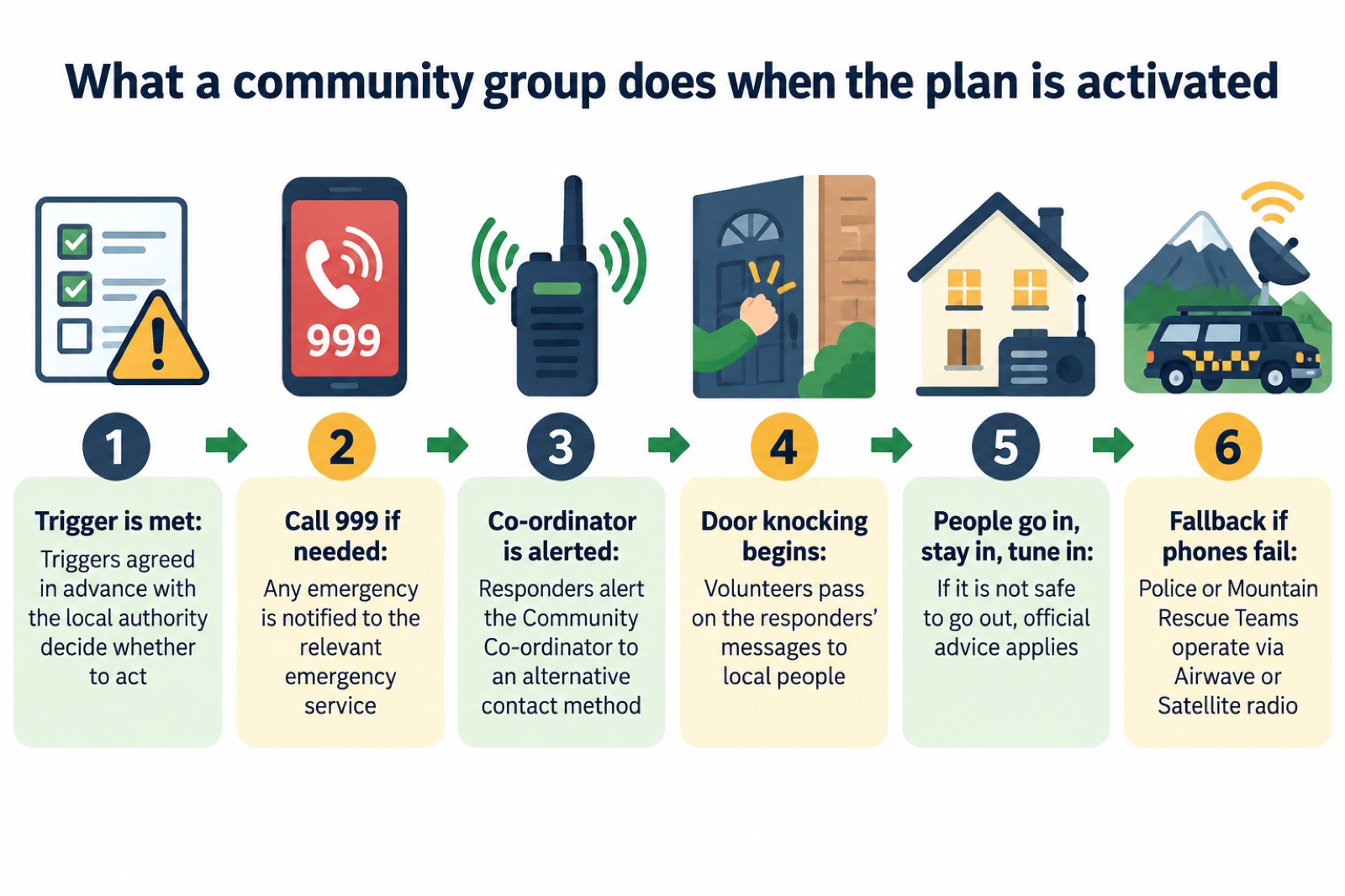
West Yorkshire Prepared offers a direct route into response planning: a community, faith or neighbourhood group can submit its contact details, after which its Community Resilience Officer sends a plan to complete in its own time.27 That is useful even if your first version contains only contacts, triggers, safe initial actions and a review date.
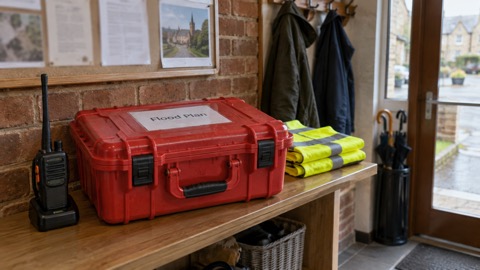
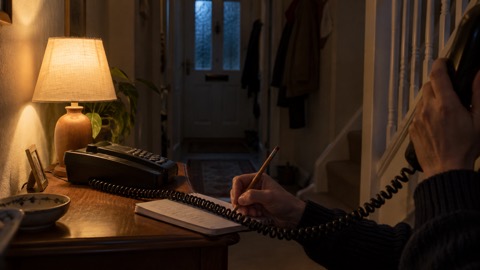
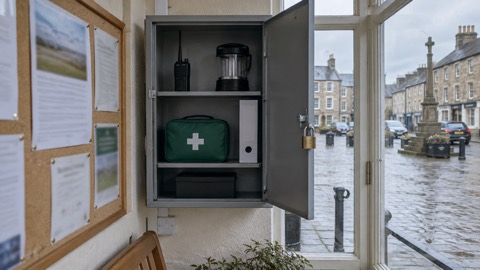
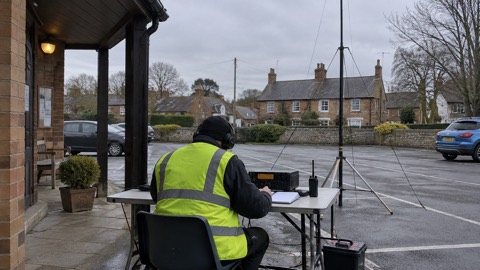
Plan for communications failure as well as normal contact. Keep an accessible calling list and consider a neighbourhood phone tree so one unavailable number does not stop every message. Include alternatives when phones and the internet fail, including two-way radios, and read Staying Informed and in Touch for the household side. What Is RAYNET? explains specialist voluntary radio assistance.
During activation, communicate early, pass on what is known without speculation, and record changes to tasks or contact details. Afterwards, preserve what happened well enough for the review: which trigger was used, who was contacted, which actions were safe and useful, and where additional council support was needed.
Opening a community building in an emergency
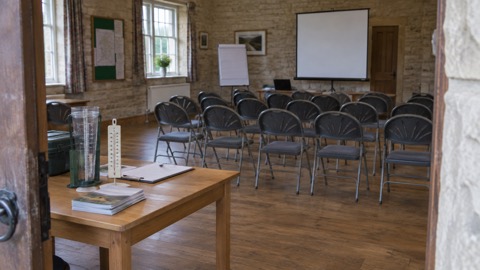
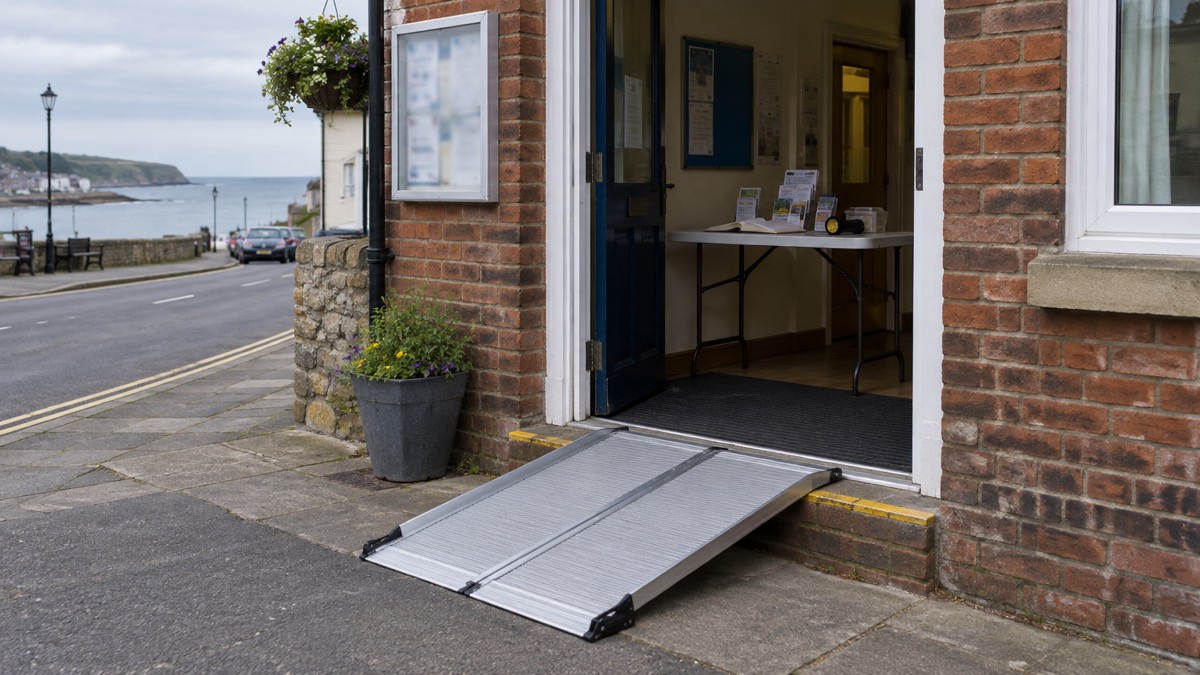
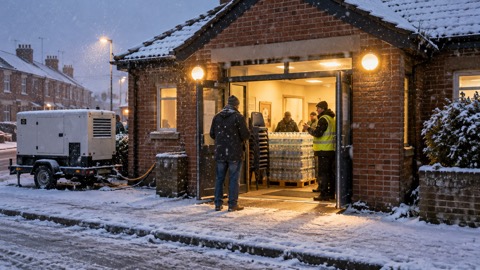
A community building can provide a recognised local base, but its role and operating arrangements belong in the plan. Buckinghamshire Council advises choosing a location already used by the community. It should be accessible to all users, not culturally excluding, large enough and equipped with multiple separate rooms.23
| Location test | What to check |
|---|---|
| Existing community use | People already know and use the building |
| Access | All intended users can access it |
| Inclusion | The venue does not culturally exclude potential users |
| Capacity | It is big enough for the planned role |
| Layout | Multiple separate rooms are available |
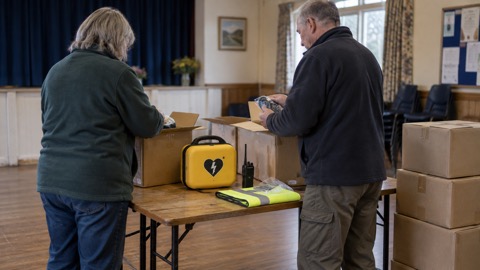
Community Emergency Hubs covers setting up and running one, while the hub kit and facilities checklist turns the venue decision into practical preparations. Surrey County Council's guidance on setting up and running a Community Emergency Information Hub was reviewed on 1 June 2026, providing another current local government reference point.28
Agree activation and communications before opening, using the same plan arrangements as any other community response.21 Be clear about what the venue is being used for and which council or voluntary partners need to know. Do not assume that a familiar building automatically meets every need: accessibility, inclusion, size and separate rooms all require checking.
A hub can also signpost practical household help. Where residents cannot heat their homes, point them to warm spaces run by councils and charities and to the heating and cooking without mains power or gas guide. Keep any such signposting consistent with the building's agreed role and the support available at the time.
Looking after vulnerable neighbours
Good community planning identifies support needs without assuming that every older or disabled person needs the same help. Government preparedness guidance gives a practical set of questions: does the person have additional medical needs, are they new to the area, do they struggle with the internet or technology, or do they have difficulty speaking or reading English?5
- Ask and listen before an emergency. Use Checking on Vulnerable Neighbours and Good Neighbour Schemes to establish ongoing local contact.
- Encourage priority services registration. Direct eligible neighbours to the relevant priority services registers through Extra Help in an Emergency.
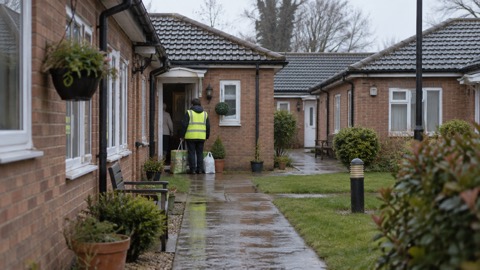
- Plan practical, bounded assistance. Delivering Shopping and Prescriptions covers one specific form of help.
- Escalate needs beyond the group. Alert the council about transport, medication, temporary accommodation and medical attention.4
- Protect volunteers as well as residents. Use the volunteer safety limits when deciding whether a check or task is safe.
For responders in England, government guidance says Local Resilience Forums should identify local organisations that engage with vulnerable people. These include voluntary and community sector organisations, faith groups, advocacy groups, residents' interest groups and community resilience groups.29 A local group should therefore make its role and contact details known, while drawing on organisations that already have trusted relationships.
The Community Resilience Development Framework begins with identifying community networks, characteristics and risks, then prioritising support. It also calls for responder and community networks to align their understanding of risks and capabilities.19 That is more useful than a standalone list of names: the group needs to understand who can help, what support is required and when the council or specialist services must take over.
Snow, floods and wildfire
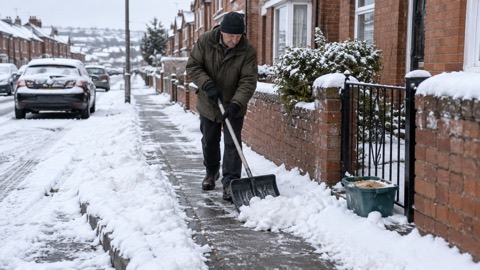
Severe weather tasks should use local skills without exposing volunteers to avoidable danger. Scottish Borders describes Resilient Communities clearing snow from pathways and community facilities.30 Argyll and Bute warns that no one should clear ice and snow in inappropriate clothes or shoes, and no one should clear snow beneath large overhanging icicles.17
| Weather subject | Community planning point |
|---|---|
| Snow and ice | Agree suitable path and facility tasks, clothing, footwear and safety limits |
| Road gritting | Check the council winter service plan for which roads it grits |
| Flooding | Use local knowledge and simple actions to reduce vulnerability and damage |
| Wildfire | Give homes near heath and moorland a specific neighbourhood preparation route |
Use Snow Warden Schemes and Clearing Snow and Ice From Pavements for organised local activity. Scottish Borders says community self-help allows council resources to focus where they are most needed during severe weather.31 Check the council's road gritting arrangements separately from community pavement work and local grit bin arrangements in the Snow and Ice guide.
Should You Use Hot Water to Clear Snow?
That specific household question is covered in the Snow and Ice guide. For group tasks, keep the written safety instructions explicit about suitable clothing and footwear and the danger from overhanging icicles.17
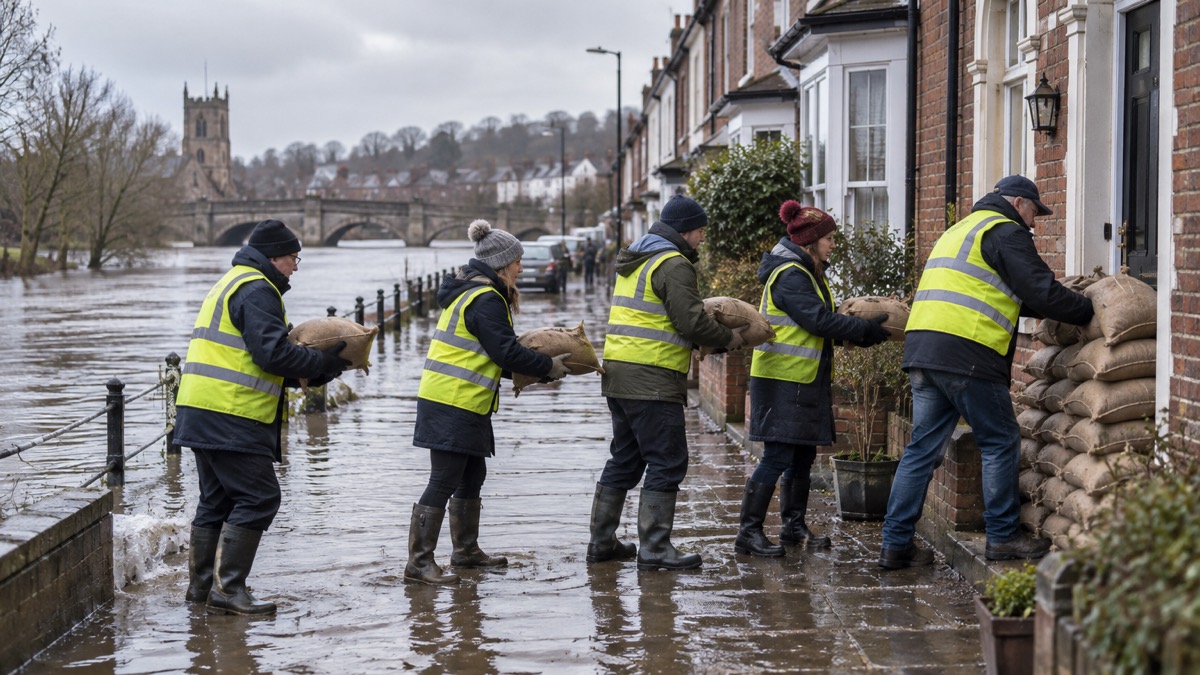
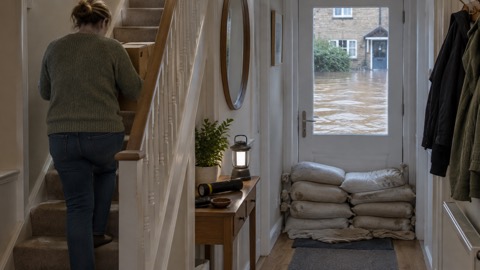
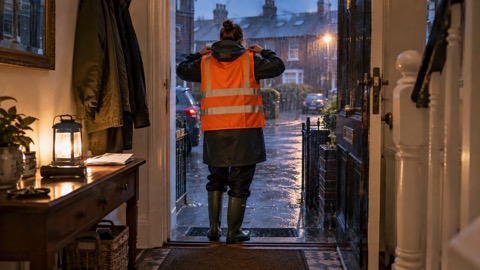
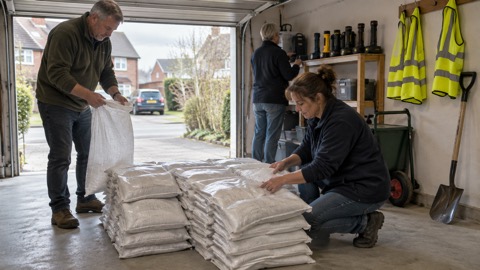
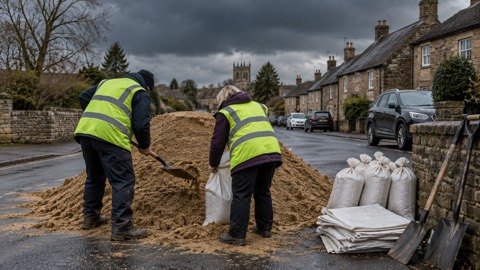
For flooding, Devon Council says simple actions by householders and communities can significantly reduce local vulnerability and damage. Its Community Resilience Forum works with communities to harness local resources and expertise for preparation, response and recovery.33 Use Flood Wardens, the flood warden checklist and Community Flood Plans for those roles. The household flooding guide covers sandbags for individual homes and the need to check local council sandbag policies.
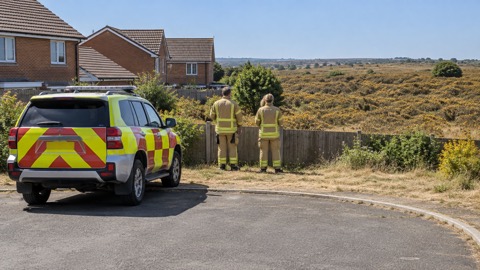
For properties near heath and moorland, use Firewise Communities for neighbourhood wildfire preparation and the drought guide for the related household risk. The severe weather tasks checklist helps keep these activities within a coherent group plan.
Testing the plan and learning afterwards
A plan that has never been discussed or practised can conceal wrong contact details, unclear roles and unrealistic tasks. Argyll and Bute advises communities to practise and check their plans, keep in touch with relevant people while doing so, decide what to do after real use and learn from the experience.21
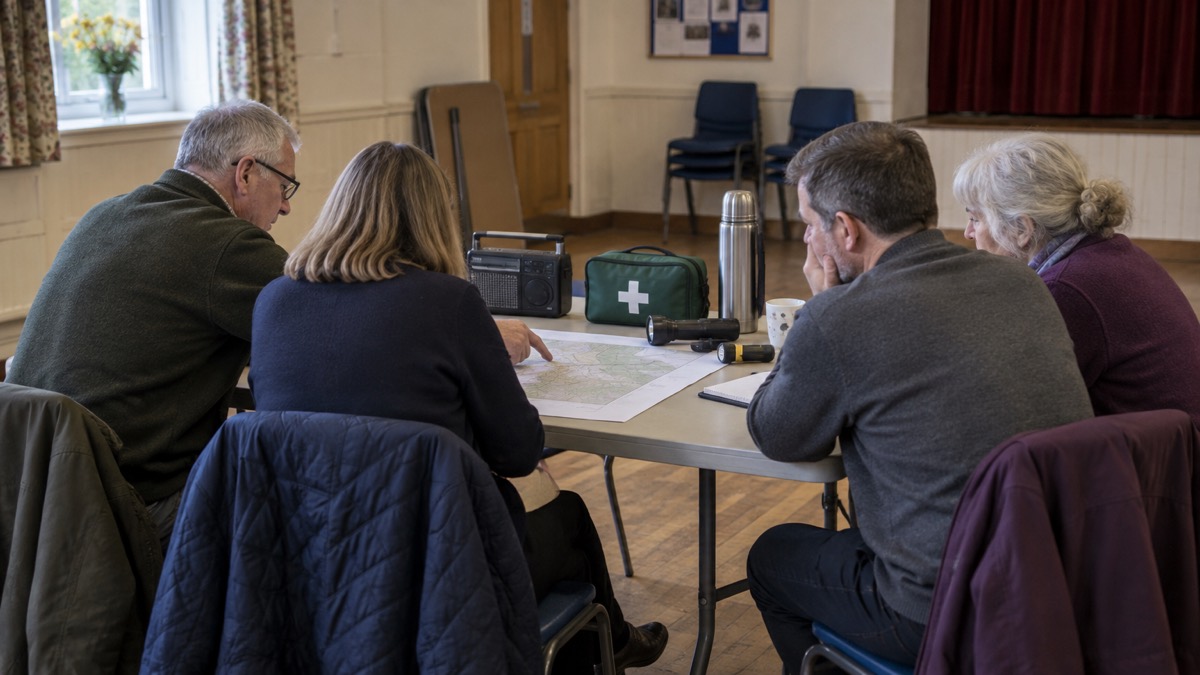
- Choose a relevant local scenario. Use the risk scenarios identified with other community members.2
- Practise roles and communications. Check activation, contact arrangements, local knowledge and coordination.
- Identify improvements. Record where arrangements did not work and who will change them.
- Review with partners. Include the council and relevant responder or voluntary contacts where appropriate.
- Repeat after real use. Capture what happened while participants still remember it.
Greater Manchester Resilience Forum says plans are regularly tested through exercises and workshops so agencies can practise roles, enhance skills, identify improvements and ensure arrangements work in real-life situations. Its plans also go through review and governance with Category 1 and Category 2 responders and voluntary, community, faith and social enterprise partners.34 A community exercise need not reproduce that full system, but it should follow the same cycle of practice, improvement and review. How to Test and Review a Community Emergency Plan provides the detailed method.
The Community Resilience Development Framework identifies benefits that give a review its purpose: better understanding of needs, better targeting of support for those in acutest need, greater public confidence and collective capability, increased trust in official emergency management, faster recovery and reduced demand on emergency management resources.19 Check whether your activities are producing those outcomes rather than measuring success only by the number of meetings or documents.
Funding, training and who to contact
Start with your council's emergency planning or community resilience officer and ask about existing plans, local responder contacts, training and exercises. West Yorkshire's registration route, for example, sends a response plan to community, faith and neighbourhood groups after they provide their contact details.27
For severe weather training, the Met Office prospectus is aimed at people who work or volunteer in local communities, especially community responders and voluntary sector workers collaborating with local responders. It says groups working closely with emergency responders should contact their local responder contact for access.26 Its published training contact is training.cca@metoffice.gov.uk.35 Volunteering in Emergencies explains roles you can train for, including the separate route into community first responding.
Funding requires some basic administration:
- Constitution: Orkney says a constitution is not necessary to be recognised as a legitimate community body, but it helps and can bring benefits.11
- Bank account: A constitution and bank account are usually necessary if the group will apply for funding or raise money.11
- Contents: Cover the group's name, aims, membership, committee, roles, finances, annual general meetings, changes, dissolution and meeting arrangements.11
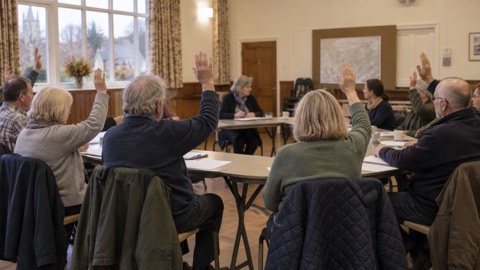
Check current local availability rather than assuming one area's scheme applies elsewhere. Funding for Local Resilience Groups brings the application routes together, while Does a Local Group Need a Constitution? and Do Emergency Volunteers Need Insurance? address two questions to settle before activities expand.
Sources (38)
- Community Resilience, Essex Prepared, 2026-10-29
- Community Resilience Guide, West Yorkshire Prepared, 2026
- National Risk Register Annex, City of York Council, 2023
- Are You Ready? Booklet, Culham Parish Council, 2025-09
- Get Prepared for Emergencies, UK Government Prepare Campaign, 2026-10-21
- Community Resilience, Herefordshire Council, 2026-10-29
- Preparing Yourself for Emergencies, London Resilience Partnership, 2026-10-25
- Public Access Defibrillators: A Guide for Communities, Resuscitation Council UK, 2025-10
- Prepared Personal Resilience, Scottish Borders Council, 2026-10-29
- Emergency Planning, Belfast City Council, 2026-10-29
- Starting a Community Resilience Group, Orkney Islands Council, 2026
- Preparing for Emergencies: Guide for Communities, UK Government, 2016-09
- Community Resilience, Ceredigion County Council, 2026-10-29
- Protect Your Community, Lancashire Resilience Forum, 2026-10-29
- Check the Risks Where You Are, UK Government Prepare Campaign, 2026-10-20
- Information for Communities and Community Groups, UK Government Prepare Campaign, 2026-10-16
- Making Your Community Emergency Plan, Argyll and Bute Council, 2026
- Community Emergency Plan Toolkit, UK Government, 2016-09
- Community Resilience Development Framework, UK Government, 2019-06
- Why Make a Community Emergency Plan, Ready Scotland, 2026-03
- How to Make a Community Emergency Plan, Argyll and Bute Council, 2026
- Who to Work With, Ready Scotland, 2026-03
- Community Resilience, Buckinghamshire Council, 2026
- Prepare for an Emergency, Lincolnshire County Council, 2026-10-29
- Partnership Working in a Real Emergency, Ready Scotland, 2026-03
- Community Resilience Training, Met Office, 2026-10-25
- Community Response Planning, West Yorkshire Prepared, 2026-10-29
- Set Up a Community Emergency Information Hub, Surrey County Council, 2026-06-01
- Identifying and Supporting People Who Are Vulnerable in an Emergency, UK Government, 2025-04-28
- Resilient Communities, Scottish Borders Council, 2026-10-29
- Resilient Communities, Scottish Borders Council, 2026-10-29
- Winter Service Plan Approved, Scottish Borders Council, 2026-10-07
- Flood Resilience, Devon County Council, 2019-02
- Our Risks and Plans, Greater Manchester Combined Authority, 2026-10-29
- Online Community Resilience Training Prospectus, Met Office, 2026-02
- Respond and Recover, Ready Scotland, March 2026
- Gavinton, Fogo and Polwarth Resilient Community Plan, Scottish Borders Council, 2018
- Community Emergency Plan Template, North Yorkshire Local Resilience Forum, February 2025
 Setting Up an Emergency Group
 Volunteering in Emergencies
 What Volunteers Can Safely Do
 Community Flood Plans
 Flood Wardens
 Starting a Flood Action Group
 Clearing Snow and Ice
 Community Emergency Hubs
 Checking Vulnerable Neighbours
 Neighbourhood Phone Trees
 Registering and Looking After a Village Defibrillator on The Circuit
 Funding Resilience Groups
 Voluntary Organisations
 Parish and Town Councils
 Councils and Emergency Services
 Testing an Emergency Plan
 Activating an Emergency Plan
 Emergency Volunteer Insurance
 How Long to Wait for Help
 RAYNET Emergency Radio
 Volunteer Shopping Delivery
 Local Group Constitution
 GoodSAM Responder Alert App
 Emergency Hub Kit Checklist
 Severe Weather Tasks for Groups
 Flood Warden Checklist
 Snow Warden Schemes
 Good Neighbour Schemes
 Community First Responders
 Firewise Communities