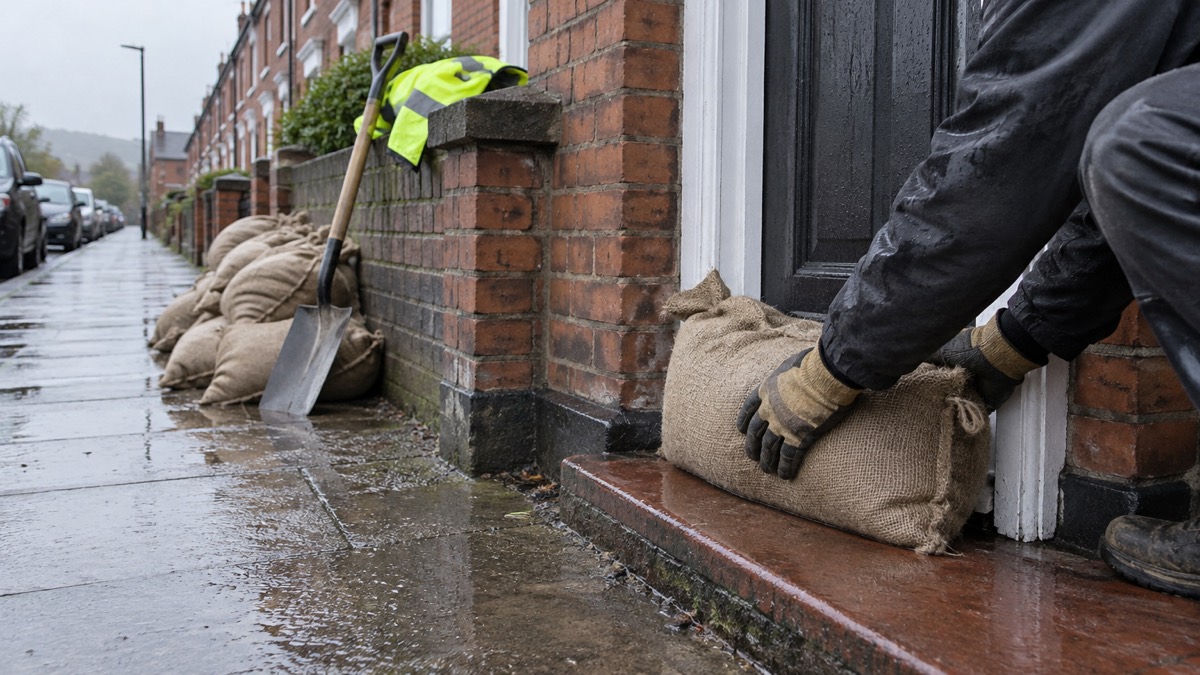
Whether you need insurance to help in an emergency depends on who is organising the volunteering. If you join a council, a charity or a group working with your Local Resilience Forum, the organisation should be able to tell you what cover it holds and what training it gives you. If you are helping neighbours informally, there is usually no formal scheme behind you, so you carry more of the judgement about what is safe to do.
Official guidance is clear that community groups should not guess. It advises groups to find out whether they need insurance to cover the group's activities by contacting their local authority1. It also notes that a group that does not employ anyone is generally outside health and safety legislation, but that voluntary organisations and volunteers still have a duty of care to each other and to others affected by their activities2.
The practical answer for a household is to check before you start, keep informal help to low-risk tasks, and know what your own home and car insurance do and do not cover. This page sets out how organised and informal volunteering differ, what can go wrong, and where to get advice.
Organised volunteering: councils, charities and Local Resilience Forums
When you volunteer through a structured route, the organisation is the one that should have thought about insurance. Your job is to ask what it holds and what it expects of you.
Each region across the country has a Local Resilience Forum, made up of local authorities, the emergency services, the NHS and health bodies, and environment-related government agencies, set up to warn, inform and advise the public in the event of an emergency6. These forums are where much of the planning for volunteers sits, and they have a duty to publish a Community Risk Register showing what risks have been identified in your area and their potential impact7. Reading it tells you what kind of help your area is likely to need.
Charities and councils run their own schemes. The British Red Cross Community Reserve Volunteers, for example, ask for no specialist skills: when an emergency strikes in your area you choose whether to volunteer, and the role suits people who want to do their bit without committing to regular volunteering8. The fire and emergency support service goes further, giving volunteers all necessary training to perform the required tasks, including working with the fire service at the scene of an incident, first aid and assisting people with disabilities9.
| Route | Who organises it | What to ask before you start |
|---|---|---|
| Local Resilience Forum partners | Councils, emergency services, NHS and agencies6 | What cover the partner organisation holds for volunteers |
| Charity schemes | Charities such as the British Red Cross8 | What training and support is provided |
| Council services | Your local council1 | Whether the group's activities need insurance1 |
| Community resilience groups | Local people acting voluntarily7 | Whether the group has a plan and who leads it |
The best time to join is before anything happens. Official guidance advises joining or supporting a local volunteering or community group before an emergency, such as a local charity, a flood action group or a Neighbourhood Watch10. Our guide to volunteering in emergencies sets out the roles you can train for.
Informal help for neighbours and community crisis groups
Helping the people next door is encouraged, and it does not need a committee. During an emergency or crisis, the public can help, if it is safe to do so, by checking on neighbours and vulnerable people in the community to see if they need any help or assistance3. The same advice appears in earlier national risk guidance11.
If you know anyone in your neighbourhood who may not be known to emergency, health and social care services but may need help in an emergency, check on them to see if they need any help and support them if you can12. Our guide to checking on vulnerable neighbours explains how to do this well.
Informal help has limits, and the guidance recognises them. If you are an informal carer, reduce any risks that you are able to, and notify other agencies such as Social Services13. That principle applies to any neighbour you are worried about: do what is safe, and pass the concern on.
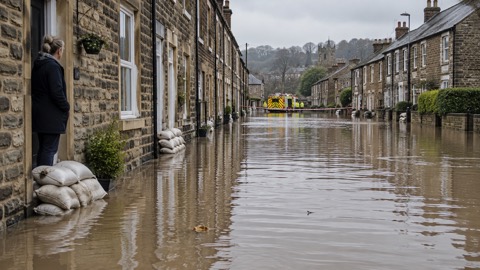
Community crisis groups that form around a need, such as a flood action group or a neighbourhood scheme, sit between the two. A community resilience group is usually made up of local people acting in a voluntary capacity to promote and represent the interests of a particular flood risk community7. A resilient community is one that has a community emergency plan14. Our guides to setting up a local emergency group and community flood plans cover how to put one together.
What can go wrong: injury, damage and claims
The risks volunteers face are ordinary ones: a fall, a strain, a damaged car, a neighbour's property marked or broken. The guidance is realistic about them.
One official scheme sets the position out plainly. The Warwickshire Snow Warden Scheme states that it provides no other insurance cover: volunteers are responsible for their own personal safety and property, damage to personal equipment or vehicles is not covered, and public liability cover does not apply to work by contractors employed by a council or community organisation5. That is one scheme's terms, not a national rule, but it shows why you should read what you are signing up to.
"We do not provide any other insurance cover."
Training and preparation reduce the risk. Volunteers in the fire and emergency support service receive training including working with the fire service at the scene of an incident, first aid and assisting people with disabilities9. A community emergency plan should set out how to support vulnerable people safely and how to look after volunteers6. The Aberaeron Community Emergency Plan advises making sure volunteers are suitably clothed for the weather conditions, have recently eaten and have good solid footwear or boots, and telling them not to bring young children or people with mobility problems15.
Some people are at greater risk in a fire: they may not be able to respond as quickly, may not be able to escape, may be more at risk due to lifestyle factors, or may use healthcare equipment or medicines that carry a fire risk such as oxygen or emollient creams16. If you are helping someone in that position, keep them away from anything that could ignite and leave the personal care to those trained for it. Our guide to what volunteers can safely do, and where to stop draws the line.
Using your own car and your own home
Two questions come up more than any other: does my car insurance cover me, and does my home insurance cover what I am doing?
On the car, there is no general rule for volunteers' own vehicles. What the guidance does show is that some organised roles expect you to drive. Volunteer Community First Responders travel in their own vehicles to provide essential lifesaving treatment and support in the crucial minutes before the ambulance crew arrives17. The fire and emergency support service asks volunteers to live within 30 minutes of Kenilworth, where its vehicle is based, because a quick response to incidents is essential9. If a role involves your car, ask the organisation what it expects and check with your own insurer.
On the home, official guidance advises every household to ensure it has home insurance in place to cover both building (unless rented) and contents4. That is protection for your own property, not a substitute for a group's liability cover. You are responsible for protecting your own property, and the council, emergency services and Environment Agency help where they can18.
If your home is flooded, contact your insurer immediately if it is at risk or has been flooded, and remember you are usually responsible for repair costs unless your policy covers them19. Your insurance company may be able to pay for temporary accommodation while your home is being repaired, so check the policy for what and how long it covers19.
Public liability for community groups
Public liability is the cover a group needs if its activities could injure someone or damage their property. There is no single national rule, but there is a route to an answer.
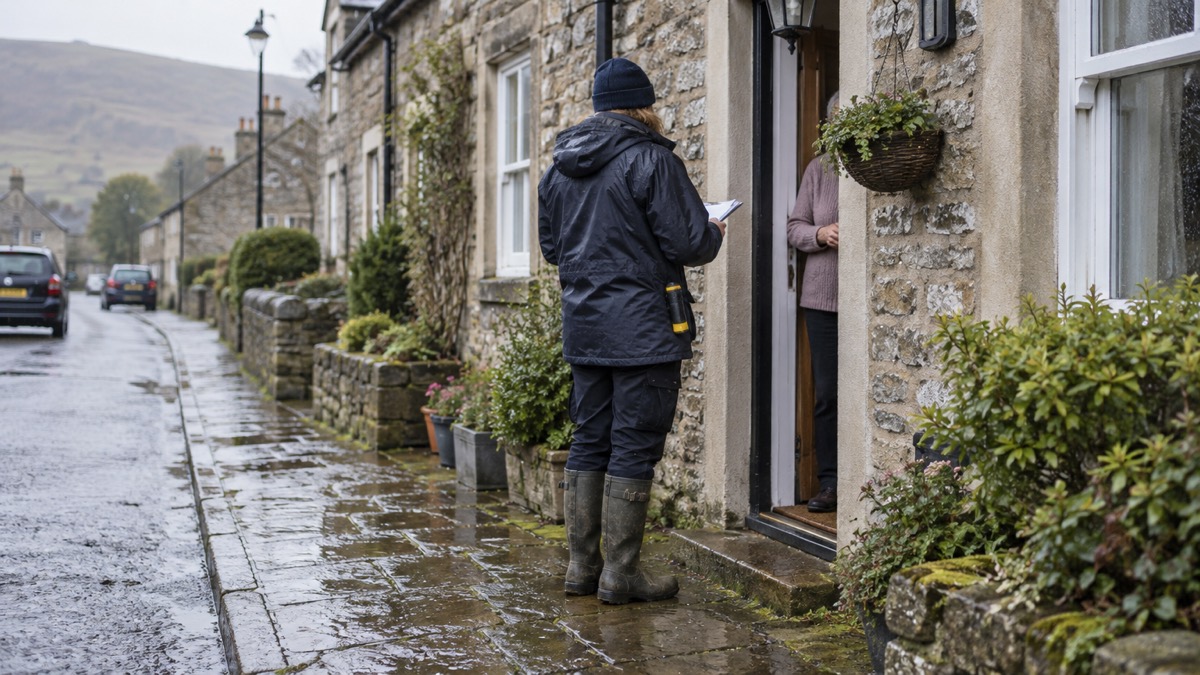
Official guidance for community groups preparing for emergencies says you can find information about whether you will need insurance to cover the group's activities by contacting your local authority1. Do that early, before the group starts clearing paths, running a hub or delivering supplies.
The legal background matters less than the practical duty. If a group is not employing anyone, health and safety legislation does not in general apply, but voluntary organisations and volunteers have a duty of care to each other and others affected by their activities2. That duty is why a plan, training and clear roles matter: they show the group has thought about risk.
Community groups may also be able to get a free, BHF-funded defibrillator if it will be publicly available in the community20. If your group takes one on, our guide to registering and looking after a village defibrillator on The Circuit explains how to keep it ready, and our comparison of locked or unlocked defibrillator cabinets covers the access question.
Where to check your cover and get help
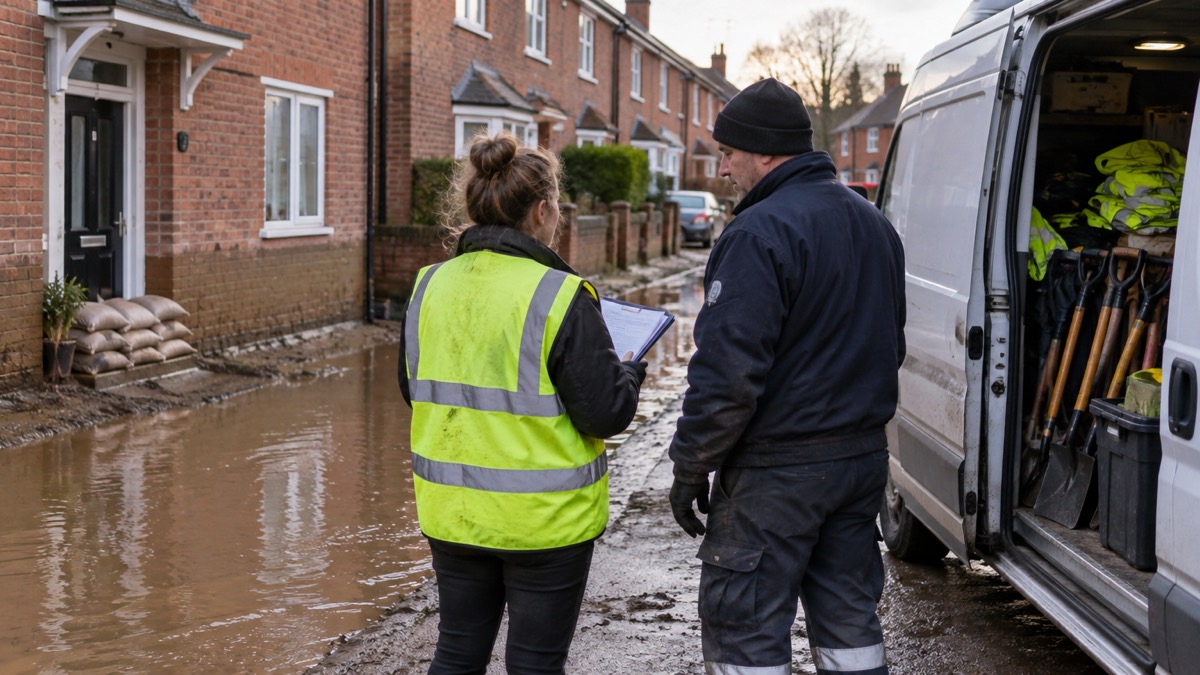
Start with the organisation you are joining. Ask what insurance it holds, what training it provides and what it expects you to bring. If you are forming a group, contact your local authority about whether you need insurance for the group's activities1.
Then use the local structures. Your Local Resilience Forum brings together the councils, emergency services, NHS and agencies that plan for emergencies in your area6. Community Risk Registers show what risks have been identified locally and their potential impact21. If you are part of a community or voluntary group that works closely with local emergency responders and would like access to community resilience training, contact your local responder contact22.
The Environment Agency supports a network of Community Emergency Volunteers across the Dorset area and beyond23. If you would like to help but are not at the scene, look out for calls for support from local community groups and your local councils; in some emergencies calls may come from national government or national voluntary organisations24.
After a flood, contact your insurance company as soon as you can to ensure you claim correctly: they may be able to provide financial assistance for blowers and skips and recommend reputable contractors25. Call your insurance provider, take pictures of any damage and keep records of repairs and cleaning costs, as this may help your claim26. Do not under-claim: claim for all the items lost or damaged up to the limit of your policy, and contact your local Citizens Advice Bureau for guidance25.
Sources (26)
- Information for communities and community groups, Cabinet Office
- Making your plan, Argyll and Bute Council
- 2023 National Risk Register, Cabinet Office, 2023
- Preparing for a flood, Nottinghamshire County Council, 2026-10-29
- Snow Warden Scheme, Devon County Council, 2026-03-13
- Emergency alerts, Denbighshire County Council, 2026-10-29
- Starting a community resilience group, Orkney Islands Council, 2026
- Community involvement, Dorset Prepared, 2026-03-25
- Fire Emergency Support Service, Warwickshire County Council
- Prepare your community, Greater Manchester Combined Authority, 2026-10-29
- National Risk Register, Cabinet Office, 2020
- Homes prepared, Surrey County Council, 2026-10-28
- Caring for smokers, London Fire Brigade, 2026-10-25
- Community resilience, Ceredigion County Council, 2026-10-29
- Aberaeron Community Emergency Plan, Aberaeron Town Council, 2024-05-08
- Advice for carers, Devon and Somerset Fire and Rescue Service, 2026-09-04
- How we respond to 999, Welsh Ambulance Service, 2026-10-29
- Flooding, Cornwall Council, 2026-10-29
- Housing help if your home is flooded, Somerset Council, 2026-06-04
- Getting a defibrillator: what you need to know, British Heart Foundation, 2026-10-29
- Identifying risks - Ready Scotland, Ready Scotland
- Community resilience, Met Office, 2026-10-25
- Protect yourself and your family, Dorset Prepared, 2026-04-21
- Be informed about hazards, Cabinet Office, 2026-10-22
- Be prepared, Lancaster City Council, 2026-10-26
- Preparing yourself for emergencies, London Resilience Partnership, 2026-10-25
 Emergency Hub Kit Checklist
 Severe Weather Tasks for Groups
 Flood Warden Checklist
 Testing an Emergency Plan
 Activating an Emergency Plan
 How Long to Wait for Help
 RAYNET Emergency Radio
 Volunteer Shopping Delivery
 Local Group Constitution
 GoodSAM Responder Alert App