Heatwaves: A Household Guide
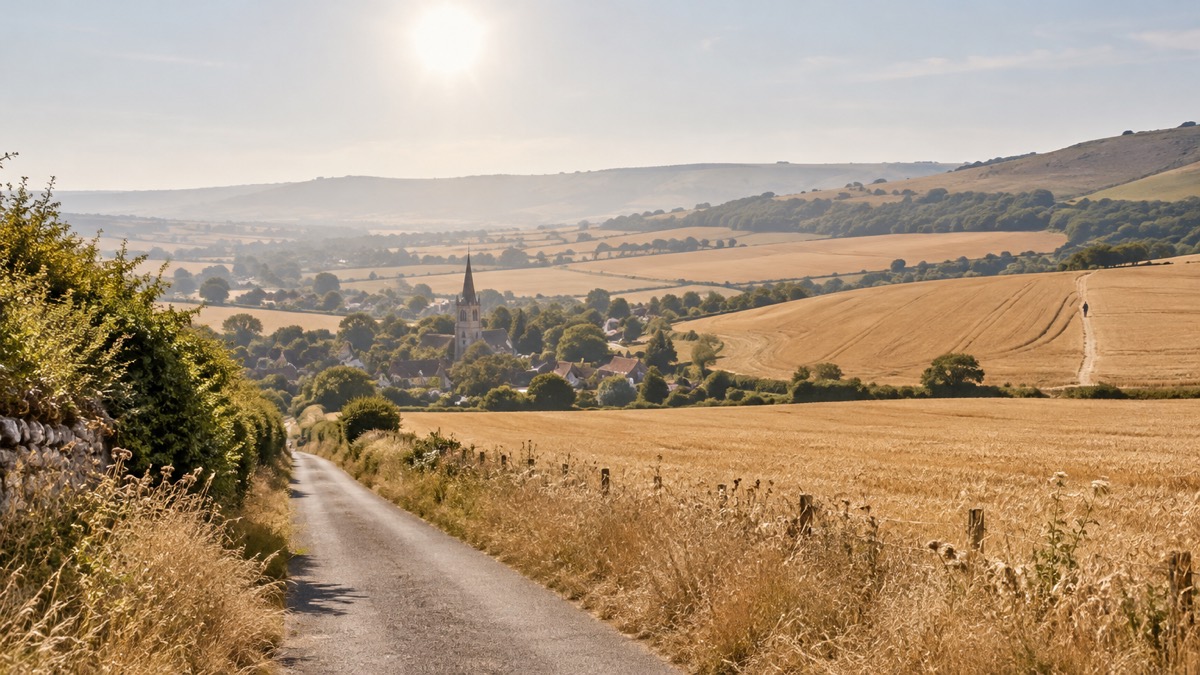
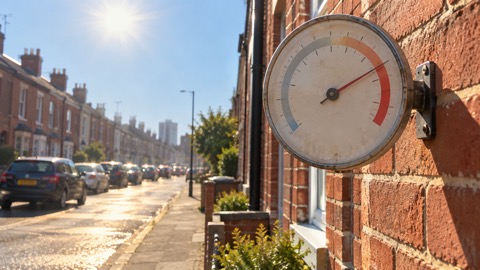
A heatwave is an extended period of hot weather relative to what is expected for the area and time of year, sometimes with high humidity. Heatwaves are most common in summer, when slow-moving high pressure can persist for days or weeks. During heatwaves, more people than usual become seriously ill or die, so act early rather than waiting for someone to become very unwell.1
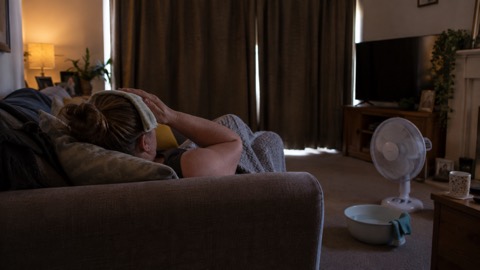
If someone is overheating, move them somewhere cool, help them rest, give them water and help them cool down. Call 999 if you suspect heat exhaustion has become heatstroke. For the household, drink water throughout the day, avoid strenuous activity during the hottest part of the day, shade windows and check vulnerable relatives or neighbours every day.3
If someone is overheating now
The main heat-related risks are dehydration, overheating, heat exhaustion and heatstroke. Overheating can worsen heart or breathing problems, while heat exhaustion and heatstroke are potentially serious conditions that can develop when someone gets too hot. The signs and actions are set out in Heat Exhaustion and Heatstroke: Signs and What to Do.10
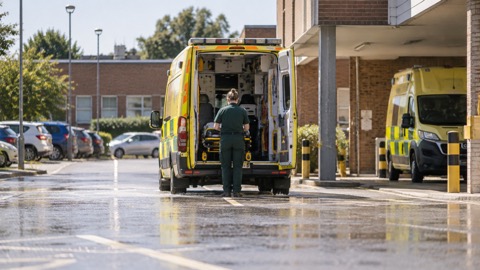
For heat exhaustion, the North East Ambulance Service advises: move somewhere cool, rest, drink water and cool down. Do not leave the person to manage alone if you are concerned. Lancashire Prepared advises calling 999 if you suspect heat exhaustion has turned into heatstroke; When to Call 999 or NHS 111 for Heat Illness explains where to get help.3
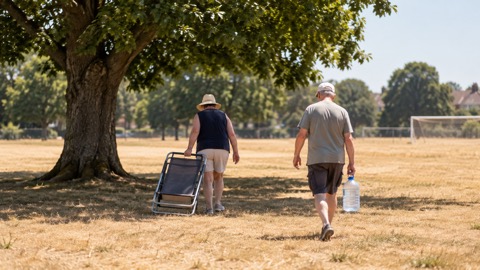
People who work or spend time outdoors may be particularly affected and should take extra care. That includes people exposed to heat because of their job as well as those exercising or spending long periods outside. Reduce strenuous activity during the hottest part of the day and take regular breaks in the shade.11
Heat-health alerts and heat warnings
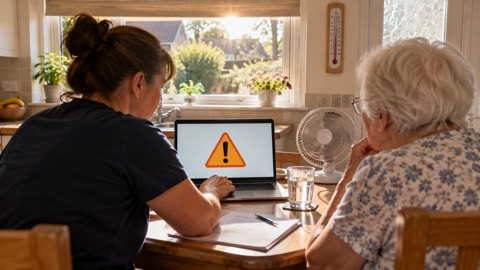
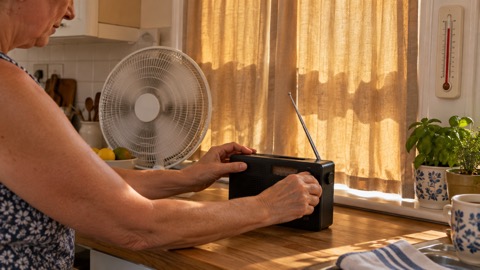
Check the weather forecast and Met Office warnings for your area, and get the latest heat-alert information from the Met Office. Derbyshire County Council also advises listening to alerts on radio, television and social media about keeping cool. Do not wait for a warning if someone in your household is already struggling with heat.4
Two kinds of information matter to a household:
- Heat-health alerts support health and care preparedness. See Heat-Health Alerts: Yellow, Amber and Red Explained and How to Sign Up for Heat-Health Alerts.
- Met Office weather warnings warn about severe weather, including extreme heat. Keep these alongside heat-health information rather than treating either as a reason to ignore the other. The general approach to weather warnings is covered in Preparing Your Home and Garden for High Winds.12
The Met Office explains that the jet stream is usually north of the UK in summer, allowing high pressure to develop and bring persistent dry, settled weather. Research shows climate change is making heatwaves more likely. For the thresholds behind the term, read What Counts as a Heatwave in the UK: Met Office Thresholds; the longer trend is covered in Why UK Summers Are Getting Hotter and Drier.1
Who is most at risk
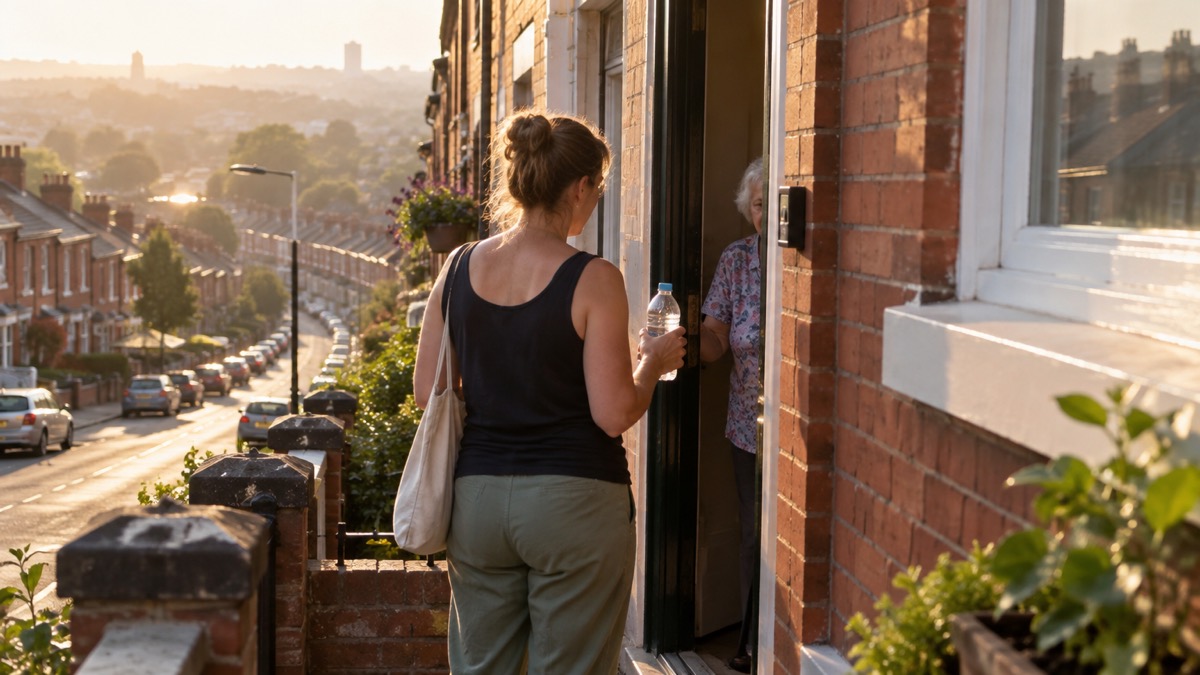
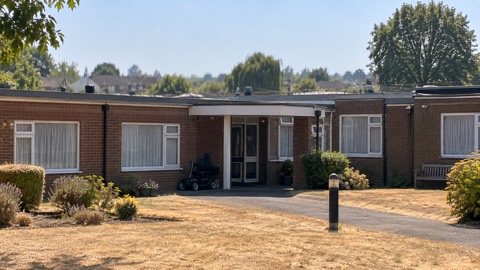
Risk is not limited to older people. Government preparedness guidance identifies older adults, babies and young children, pregnant people, people with underlying conditions, people who are physically active outdoors, people experiencing homelessness, people living alone who may be unable to care for themselves, and residents of top-floor flats or homes with restricted windows.14
| Who needs particular attention | Why they appear in official guidance |
|---|---|
| People aged 65 and over, and those living alone | They may struggle to keep cool and hydrated or to care for themselves.10 |
| Babies and children aged 5 years and under | They are more vulnerable during a heatwave.2 |
| People with heart, breathing or mobility problems, dementia, diabetes or kidney disease | These underlying conditions increase the risk of becoming seriously unwell.11 |
| People taking certain medicines, those already unwell or dehydrated | They are included among NHS at-risk groups.10 |
| Outdoor and manual workers | Heat exposure can be high because of where they work.10 |
| Pregnant people and people in top-floor flats or homes with limited windows | They are specifically identified in government guidance.14 |
Oxfordshire County Council states that temperatures above 25°C increase health risks for groups including babies, young children, older people, outdoor workers and people with long-term conditions. The Met Office explains that hot weather strains the heart and lungs, and that most serious illness and deaths caused by heat are respiratory or cardiovascular.16
Use Who Is Most at Risk in Hot Weather to think through your household. Pay particular attention to people who cannot easily adapt their behaviour or routines, not only those with a diagnosed condition.13
Keeping your home cool
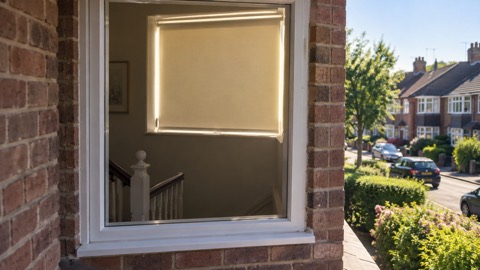
Start before the hottest weather. The government's Keep Cool at Home checklist says to shade or cover windows where possible and check that fridges, freezers and fans are working properly. In Northern Ireland, nidirect advises closing pale-coloured curtains. Lancaster's household preparedness guidance likewise says to check fridges, freezers, fans and air conditioning.18
Use this short preparation routine:
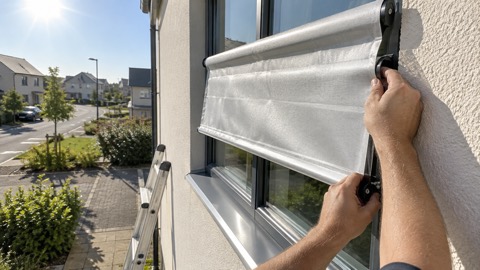
- Shade or cover windows exposed to the sun, using pale-coloured curtains where available.18
- Check that food remains cold or frozen and that cooling equipment works.18
- Identify anyone who would need help if their home became uncomfortably hot.15
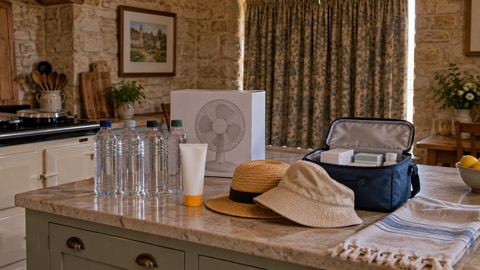
- Work through the Hot Weather Preparation Checklist before temperatures rise.
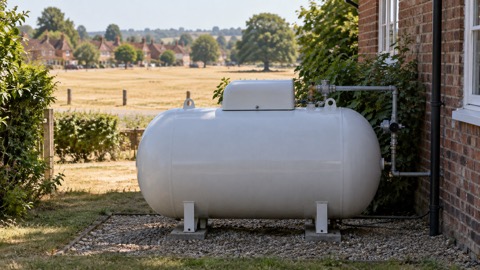
More detail is available in How to Keep Your Home Cool in Hot Weather, How to Stop the Sun Heating Your Rooms Through the Windows and How to Sleep and Cool a Bedroom on Hot Nights. Residents of newer properties can also read Why New Build Homes Overheat and What You Can Do. Households with an LPG tank should check Is Your LPG Tank Safe in Hot Weather?.
If an uncomfortably hot home is affecting health, get medical advice. The Met Office's older-people guidance says the environmental health office at your local authority, or an approved local provider, can inspect a home for health hazards including excess heat. Age UK offers free information and advice for older people.15
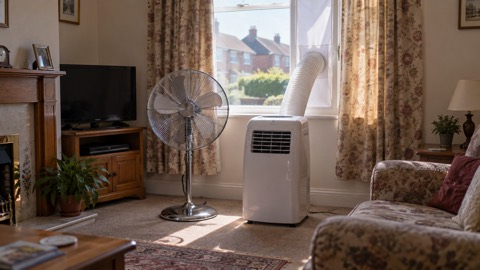
Fans and air conditioners
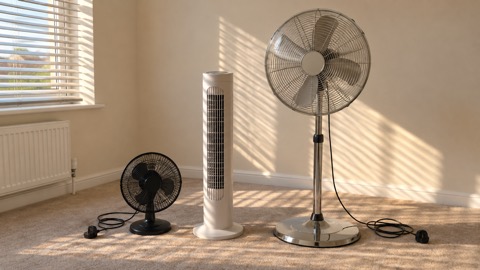
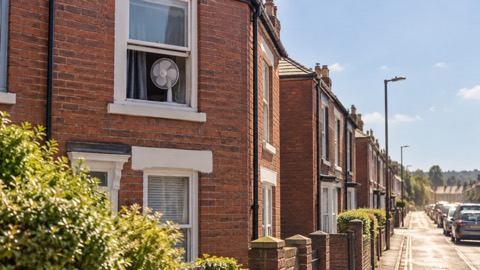
A fan is not a universal answer to extreme heat. Oxford Health NHS Foundation Trust advises: "Use a fan if the temperature is below 35°C." The Heatwave Plan for England warns that above 35°C fans may not prevent heat-related illness and can cause excess dehydration. Check the room conditions and the person, rather than assuming moving air is enough.5
| Equipment | What to do on this page |
|---|---|
| Electric fan | Check it works and follow the 35°C limit above. See Electric Fans: Types and How to Choose One and Are Electric Fans Safe When It Is Very Hot?. |
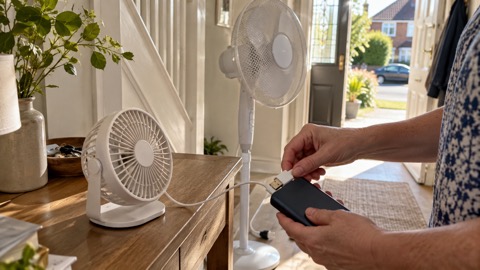
| Cordless or mains fan | Compare the practical arrangements in Cordless Rechargeable Fan or Mains Fan. |
| Evaporative cooler or misting fan | Read Evaporative Coolers and Misting Fans: What They Can Do. |
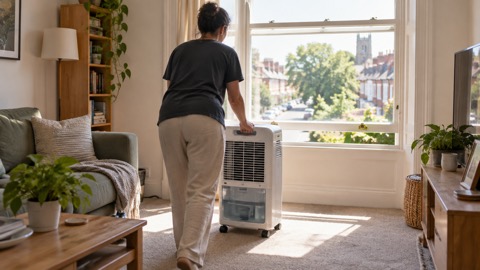
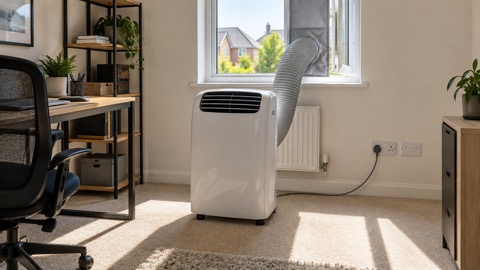
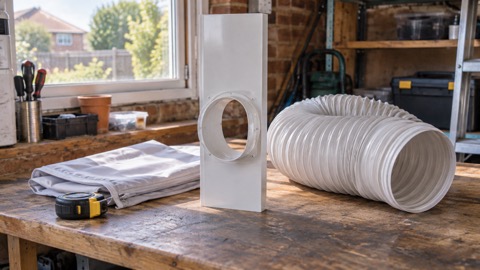
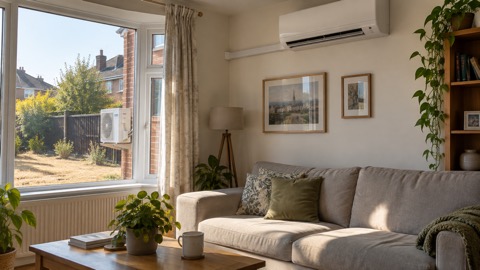
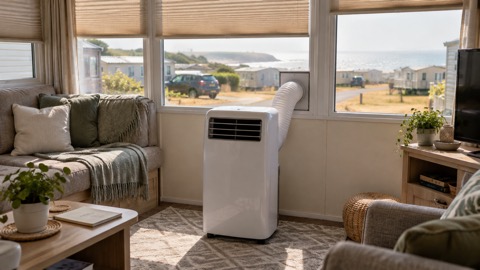
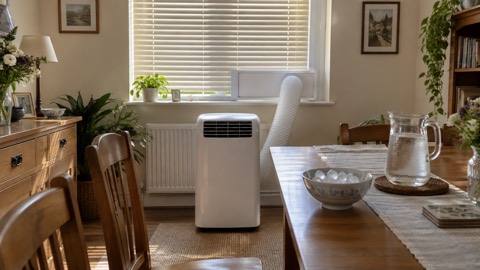
| Portable air conditioner | Check it works properly and see Portable Air Conditioners: How They Work and How to Choose and Window Kits for Portable Air Conditioners.20 |
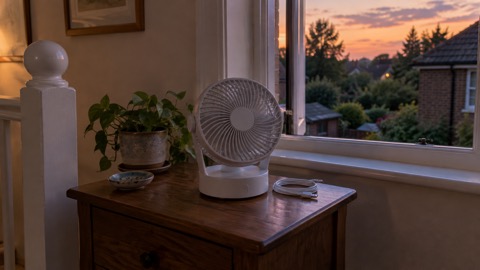
For the broader choice, use Electric Fan or Portable Air Conditioner: Which Suits Your Home? and Portable or Fixed Split Air Conditioner. If you already own a Meaco unit, follow its own instructions; model pages cover the Meaco MC Series Pro 10000 CH, Meaco MC Series Pro 9000 CH and MeacoFan Sefte 8" Portable Battery Air Circulator.
Power cuts and medicines in the heat
Hot weather can strain water and energy networks, road and rail transport, and health and fire services. Government guidance warns that this can result in power cuts, restriction or loss of water supplies and transport disruption. Plan how you would keep cool without mains power using How to Keep Cool During a Power Cut in Hot Weather and the wider Power Cuts: A Household Guide.14
A power station or power bank may form part of a plan for running a suitable fan during an outage. Check the equipment's own instructions and the household options in Backup Power at Home: A Household Guide. Before a heatwave, also check whether anyone who relies on extra support should join the Priority Services Register; Extra Help in an Emergency explains the route.18
Medicines need attention too:
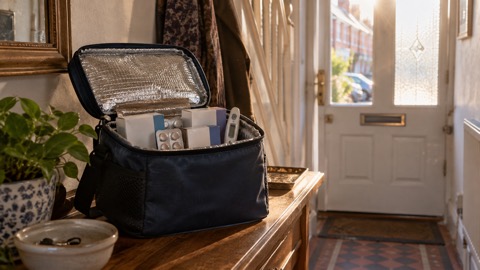
- Keep medicines below their stated storage temperature and seek medical advice if you have a chronic medical condition or take multiple medications.7
- Read Medicines That Raise the Risk of Illness in the Heat and keep wider supplies in mind through Health Emergencies: A Household Guide.
- Check that refrigerated food remains cold or frozen as part of confirming that the fridge or freezer is working.18
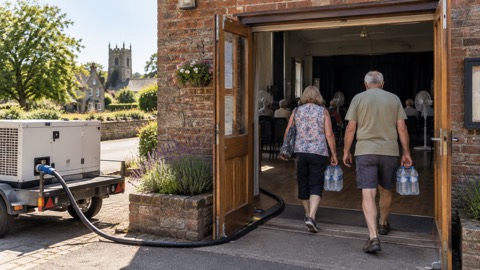
Drought may interrupt supplies or reduce water pressure. If your supply is cut, follow your water company's directions about bottled water stations or bowsers, and see Water in an Emergency: A Household Guide.21
Babies, children and pregnancy
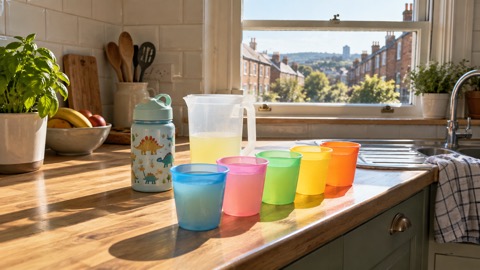
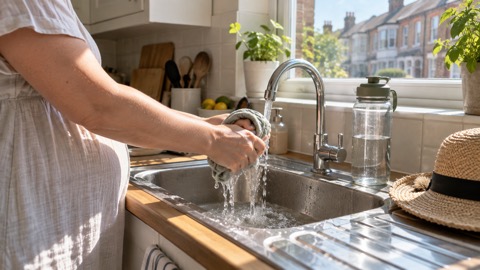
Babies and young children aged 5 years and under are more vulnerable in a heatwave, and pregnant women are among those at higher risk. Keep children drinking little and often. Oxfordshire County Council suggests water, diluted squash or lower-fat milks, and says ice lollies can help keep water levels topped up.2
The Heatwave Plan for England says health visitors and school nurses should advise parents, childcare providers, schools and young people about fluid intake, reducing excessive sun exposure and avoiding diving into cold water. At home, use the same three points when planning a child's day.6
These pages provide the household detail:
- Keeping Babies and Young Children Safe in Hot Weather and the Baby and Child Hot Weather Checklist
- What Temperature Should a Baby's Room Be?
- Is My Child Drinking Enough? Dehydration Signs in Children
- Staying Cool in Pregnancy During Hot Weather
- Heat Rash: Signs, Self-Care and When to See a Pharmacist
Never leave an infant or child in a closed, parked vehicle, even while you attend to something else.4
Drinking, sun and hot cars
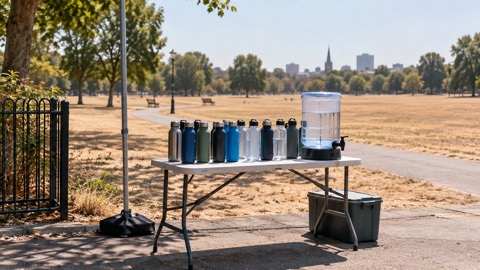
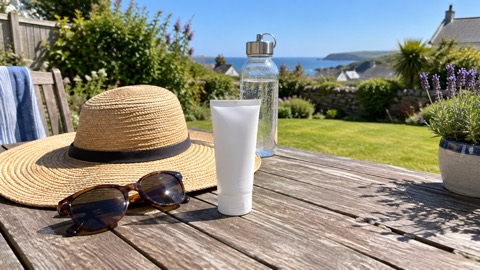
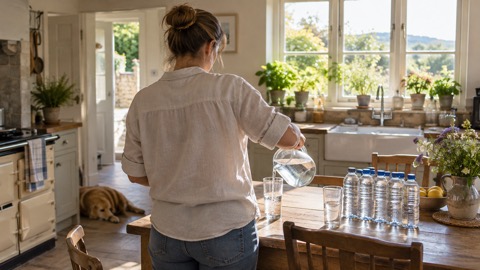
The North East Ambulance Service advises drinking plenty of water throughout the day, taking regular breaks in the shade, wearing sunscreen and reapplying it regularly, wearing light loose-fitting clothing and avoiding strenuous activity during the hottest part of the day. See Dehydration in Hot Weather: Signs and Prevention and How Much Water to Drink in Hot Weather.3
For journeys, Devon and Somerset Fire and Rescue Service advises carrying plenty of water and staying hydrated, especially on longer journeys. Do not treat the car as a safe waiting place: Lancashire Prepared says never to leave anyone in a closed, parked vehicle, especially infants, young children and animals. Derbyshire County Council separately says not to leave children or animals in a vehicle under any circumstances.8
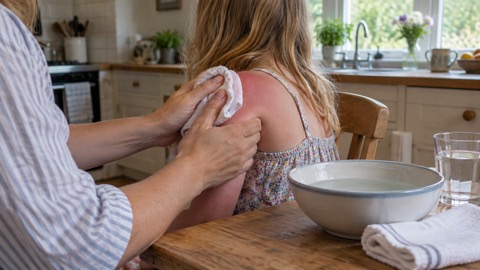
Plan sun protection with Sun Safety: Sunscreen, SPF and UV for the Family, and use How to Treat Sunburn, Including in Children if skin is affected. Hot, dry conditions can also affect breathing and air quality; see Air Pollution, Ozone and Hay Fever in Hot Weather. For animals more broadly, including dogs in hot weather, read Pets in an Emergency: A Household Guide.
Open water and cold water shock
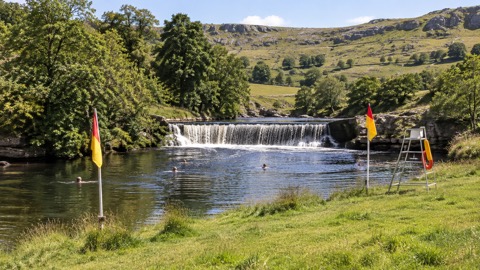
Hot air does not mean safe water. Devon and Somerset Fire and Rescue Service warns that water can remain dangerously cold even during very hot weather. Suffolk Fire and Rescue Service advises entering slowly to acclimatise rather than jumping in.8
North Yorkshire Fire and Rescue Service gives these instructions:
- Do not dive or jump straight into open water; this can cause potentially fatal cold-water shock even on the warmest day.
- If you find yourself unexpectedly in the water, do not panic.
- Extend your arms and legs and float on your back until the effects of cold-water shock pass.22
"Don't dive or jump straight into open water, this can cause potentially fatal cold-water shock even on the warmest day"
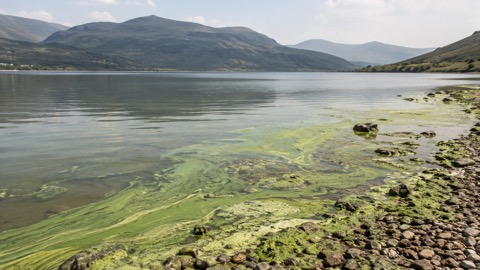
West Midlands Ambulance Service warns against swimming in open water without a lifeguard present, because lakes and rivers can be unpredictable and dangerous. Read Swimming Safely in Rivers, Lakes and the Sea in Hot Weather, Blue-Green Algae: Risks to People and Dogs and First Aid at Home: A Household Guide. If reporting a water emergency, Surrey County Council advises giving as accurate a location as possible.23
Checking on neighbours and cool spaces
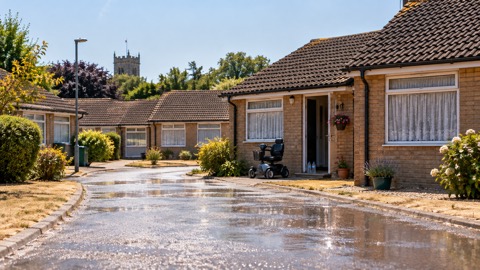
Lancashire County Council advises checking elderly or sick neighbours, family or friends every day during a heatwave. Essex Prepared also advises checking on friends and family. A daily check matters because people who live alone, cannot adapt their routine or struggle to keep themselves cool and hydrated may not be able to manage without help.7
Use a simple routine:
- Contact elderly or sick people every day, and look out for anyone who may struggle to stay cool and hydrated.7
- Help them follow the basics: water, shade, avoiding the hottest part of the day and a cool indoor space where possible.12
- Seek medical advice if an uncomfortably hot home is affecting their health.15
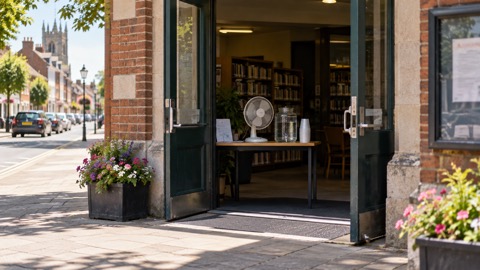
How to Check On Older and Vulnerable Neighbours in the Heat gives the detailed approach, while Community Resilience: A Guide for Neighbours and Local Groups covers organising wider support. If a home cannot be kept cool, Cool Spaces: Finding Somewhere Cool Near You explains the alternative.
Getting help in each nation
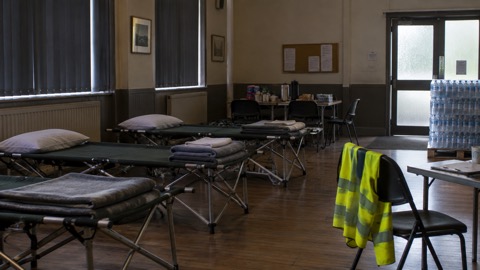
For health advice, use the NHS heatwave or summer health pages and the Met Office for current heat information. Extreme heat can strain health and fire services as well as utilities and transport; The Adverse Weather and Health Plan: How Services Respond explains the arrangements that sit behind public advice.25
| Nation | Where to start and what differs |
|---|---|
| England | Use NHS and Met Office advice. The Environment Agency works with water companies on drought, and local water-company restrictions apply.26 |
| Scotland | NHS inform explains drought effects including interrupted supplies, lower river and loch levels, dust and increased wildfire risk. Ready Scotland provides wildfire guidance.21 |
| Wales | Follow Public Health advice and your water company. Dŵr Cymru Welsh Water lifted the Mid and South Ceredigion temporary hosepipe ban on 4 September 2026 after treated-water storage improved.28 |
| Northern Ireland | Summer temperatures can be a risk to health. Use nidirect's hot-weather advice and follow NI Water and Public Health Agency advice for local conditions.19 |
Drought means a prolonged shortage in water supply, which can follow unusually low rainfall over an extended period. Restrictions can change independently of a heat-health alert. Yorkshire moved into drought status on 9 October 2026, and severe drought was declared in parts of Cornwall, Devon, Dorset, Somerset, East Sussex and West Sussex on 15 October 2026. Thames Water confirmed on 12 October that its temporary hosepipe ban remained in place, while updated Sussex restrictions removing exemptions except for health, safety or welfare reasons came into force on 9 October. Check your own supplier rather than assuming another area's rules apply, and see Drought: A Household Guide.26
Dry weather also raises the consequences of outdoor fires. Most UK wildfires are caused by human activity, and they can spread quickly and threaten homes and infrastructure during warm, dry weather. Suffolk Fire and Rescue Service advises avoiding disposable barbecues in open countryside, parks and moorland, and not discarding cigarettes, matches or glass bottles.32
If you live near combustible vegetation, North Yorkshire Fire and Rescue Service advises clearing dead leaves from guttering and creating a cleared zone of 5 to 10 foot around all sides of the home by removing combustible materials. Do not throw cuttings onto adjacent land or leave them drying as fuel. Report a countryside fire immediately to the fire and rescue service; in rural areas, What3Words or Ordnance Survey Locate can help fire control find the exact location.33
Sources (35)
- Heatwave: What It Is and Why It Happens, Met Office, 2026-11-03
- Heatwave: How to Cope in Hot Weather, NHS, 2026
- Summer Safety Advice, North East Ambulance Service, 2026-10-29
- Protect Yourself: Heatwave, Lancashire Prepared, 2026-10-29
- Falls Prevention Guidance at Home, Oxford Health NHS Foundation Trust, 2026-09-15
- Heatwave Plan for England 2013, UK Government, 2013-05
- How to Keep Cool This Summer, Lancashire County Council, 2026-10-29
- How to Stay Safe During a Heatwave, Devon and Somerset Fire and Rescue Service, 2026-06-23
- Warm Weather Safety, Suffolk Fire and Rescue Service, 2026-10-29
- Hot Weather, Mersey and West Lancashire Teaching Hospitals NHS Trust, 2026-10-29
- Heatwave Advice, Guy's and St Thomas' NHS Foundation Trust, 2026-06
- Heat Health Alert Advice and Information, Somerset Council, 2026-10-28
- Severe Weather Planning, Derbyshire County Council, 2026-10-29
- Hot Weather and Heatwaves, UK Government Prepare Campaign, 2026-10-12
- Tips for Keeping Older People Cool, Met Office, 2026-11-03
- Keeping Cool in Heatwaves, Oxfordshire County Council, 2026
- Severe Weather Advice, Met Office, 2026-10-25
- Beat the Heat: Keep Cool at Home Checklist, UK Government, 2026-07-21
- Hot Weather Advice, nidirect, 2026-10-05
- Be Prepared: Household Emergency Guidance, Lancaster City Council, 2026-10-26
- How to Stay Safe During a Drought, NHS inform, 2026-05-12
- Stay Safe This Summer, North Yorkshire Fire and Rescue Service, 2024-05-01
- Warm Weather Advice, West Midlands Ambulance Service, 2026-08-11
- Outdoor Water Safety, Surrey County Council, 2026-10-28
- Heatwave and Drought, Essex Prepared, 2026-10-29
- Drought Risk and Responsibilities, Wiltshire and Swindon Prepared, 2026-10-25
- Wildfires, Ready Scotland, 2026-05-12
- Drought and Water Supply Updates, Dŵr Cymru Welsh Water, 2026-09-04
- Dry Weather and Drought in England: 9 to 15 October 2026, UK Government, 2026-10
- Temporary Hosepipe Ban, Thames Water, 2026-10-12
- Temporary Use Ban Information, South East Water, 2026-10-15
- Wildfires, UK Government Prepare Campaign, 2026-10-21
- Protecting Your Home from Wildfires, North Yorkshire Fire and Rescue Service, 2026-06-15
- Wildfire Risk and Reporting, Wiltshire and Swindon Prepared, 2026-10-25
- Heatstroke and heat illness, NHS inform, 2026-07-15
 Air Pollution and Hay Fever
 Babies and Children in Heat
 Blue-Green Algae Risks
 Dehydration Signs and Prevention
 Evaporative Coolers and Fans
 Electric Fans Guide
 Heat Exhaustion and Heatstroke
 UK Heatwave Definition
 Who Is at Risk in Hot Weather
 Portable Air Conditioners Guide
 Why UK Summers Are Hotter
 Sun Safety and Sunscreen
 Swimming Outdoors Safely
 Baby's Room Temperature
 Child Dehydration Signs
 Fans in Very Hot Weather
 Signing Up for Heat Alerts
 Heat Rash
 Calling 999 for Heat Illness
 How Much Water to Drink
 Keeping Cool in a Power Cut
 LPG Tank Safety in Hot Weather
 Medicines and Heat Risk
 New Build Overheating
 Checking On Older Neighbours
 Staying Cool in Pregnancy
 Sleeping on Hot Nights
 Treating Sunburn
 Window Kits for Portable AC
 Stop Sun Heating Rooms
 Baby and Child Hot Weather
 Hot Weather Preparation
 Cordless vs Mains Fan
 Fan vs Air Conditioner
 Portable vs Split Air Con
 Adverse Weather and Health Plan
 Finding Cool Spaces
 Heat-Health Alerts Explained
 Meaco MC Pro 10000 CH
 Meaco MC Pro 9000 CH
 Meaco MeacoFan Sefte





